
Property programmes on British television have become a popular genre in the 21st century.
From Location Location Location and Kirstie and Phil’s Love It Or List It to Grand Designs and George Clarke’s Amazing Spaces, dreams of creating the perfect home are shared by millions of viewers.
However, the perils of transforming an old building of whatever age have long been known.
In 1976, the Civic Trust of North East England published The House and Cottage Handbook, which proved a popular seller.
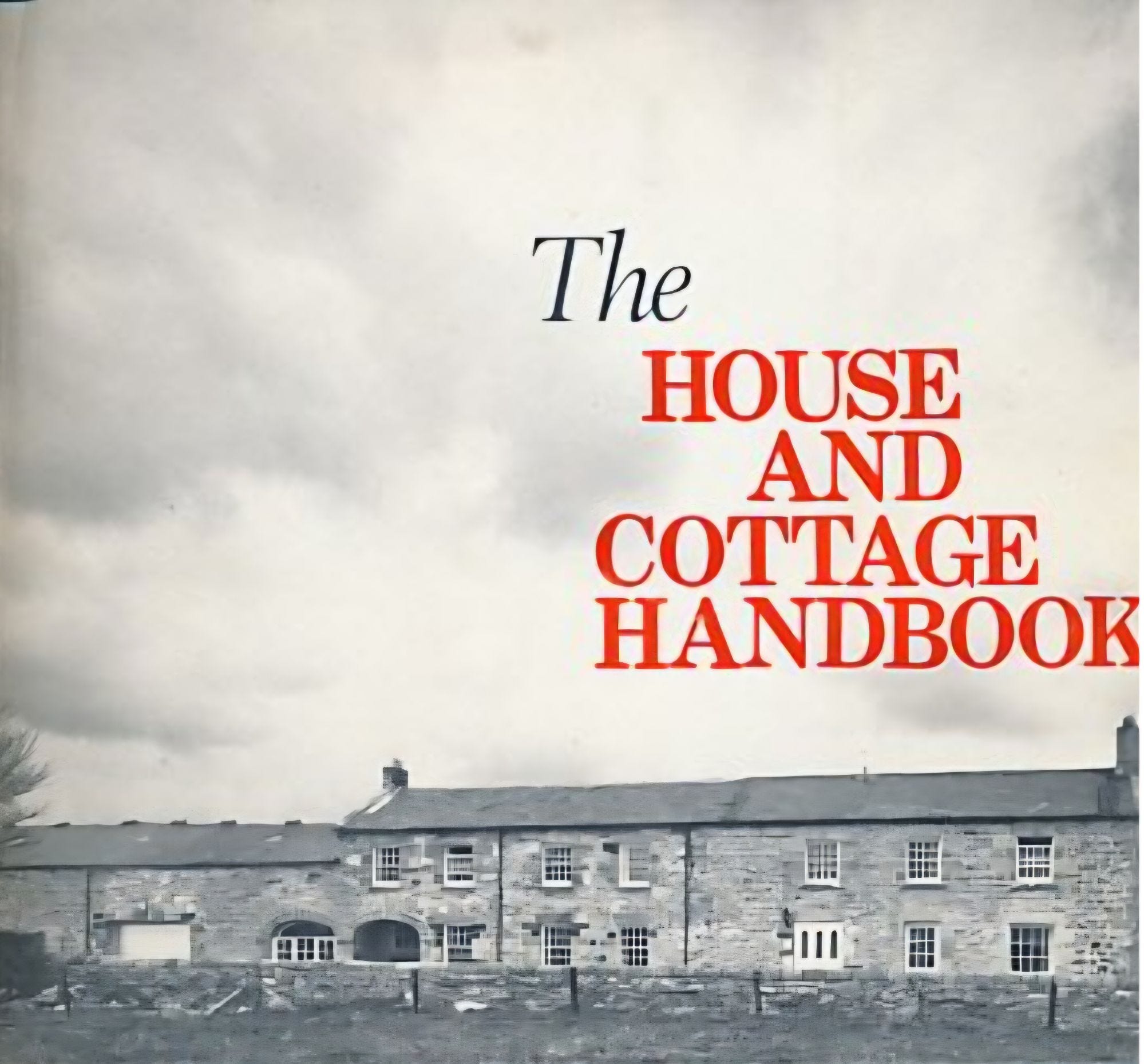
In its sights were the “rural cottages, terraces of orderly Victorian or Edwardian houses in our towns, an isolated farmhouse … ” that were described as “a national asset economically, visually and historically.”
The North East Civic Trust’s Director Neville Whitaker OBE (1932-2008) intended the handbook as “a simple attempt to induce thought and respect in the hope that would-be improvers will stop, think and try to understand before they act.”
According to his obituary in The Independent newspaper, it “had as its chief target the plastic doors, windows and false fanlights that have so altered the character of so many Georgian and Victorian townhouses.”
Amongst its chapters was one titled ‘What Not To Do.’
To illustrate his text, Whittaker credited a number of photographers including Ursula Clark (1940-2000) whose career continues to be the subject of ongoing research for this blog.
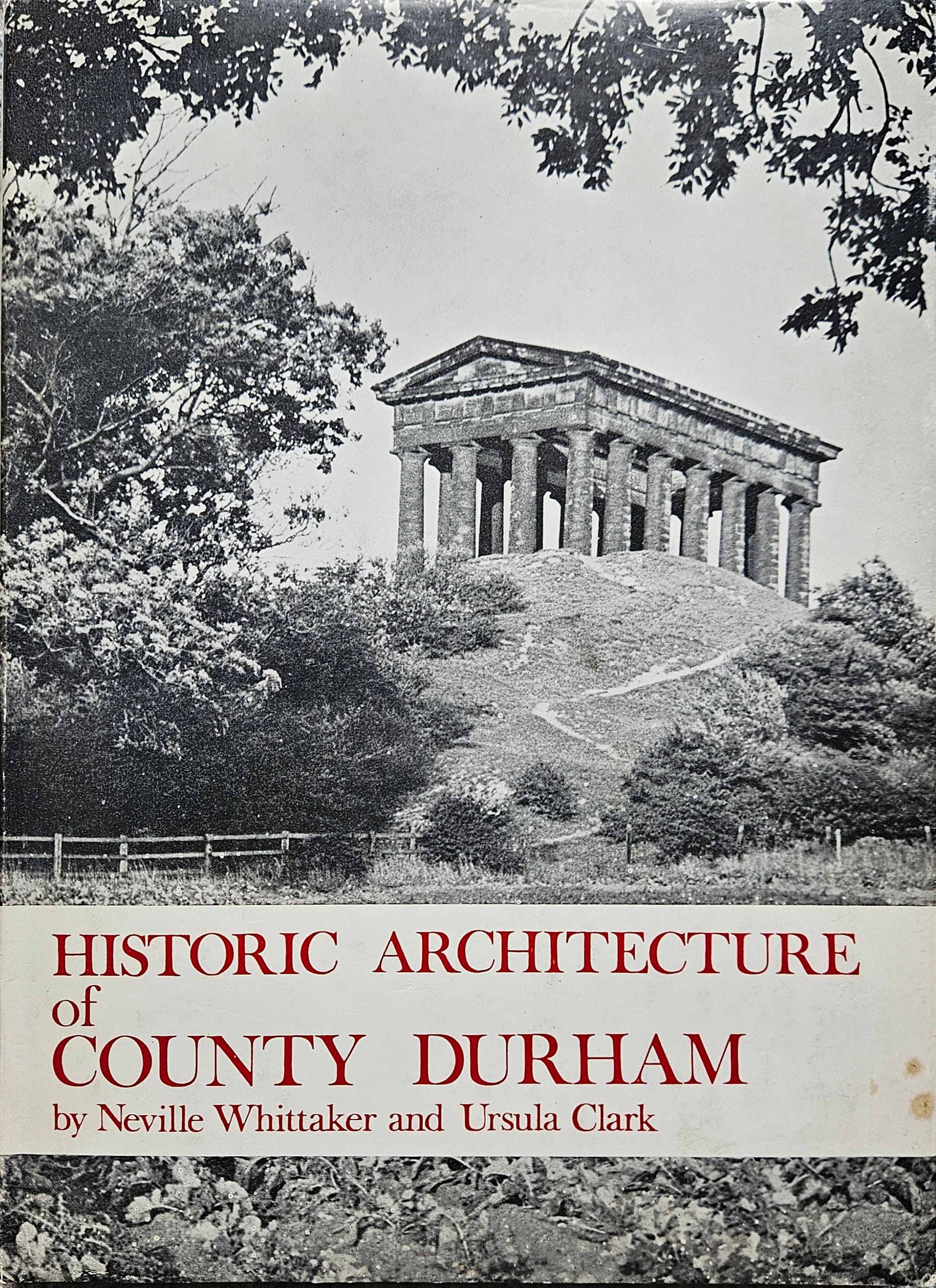
Whittaker and Clark had first collaborated as co-authors of Historic Architecture of County Durham published in 1971 by Oriel Press of Newcastle upon Tyne.
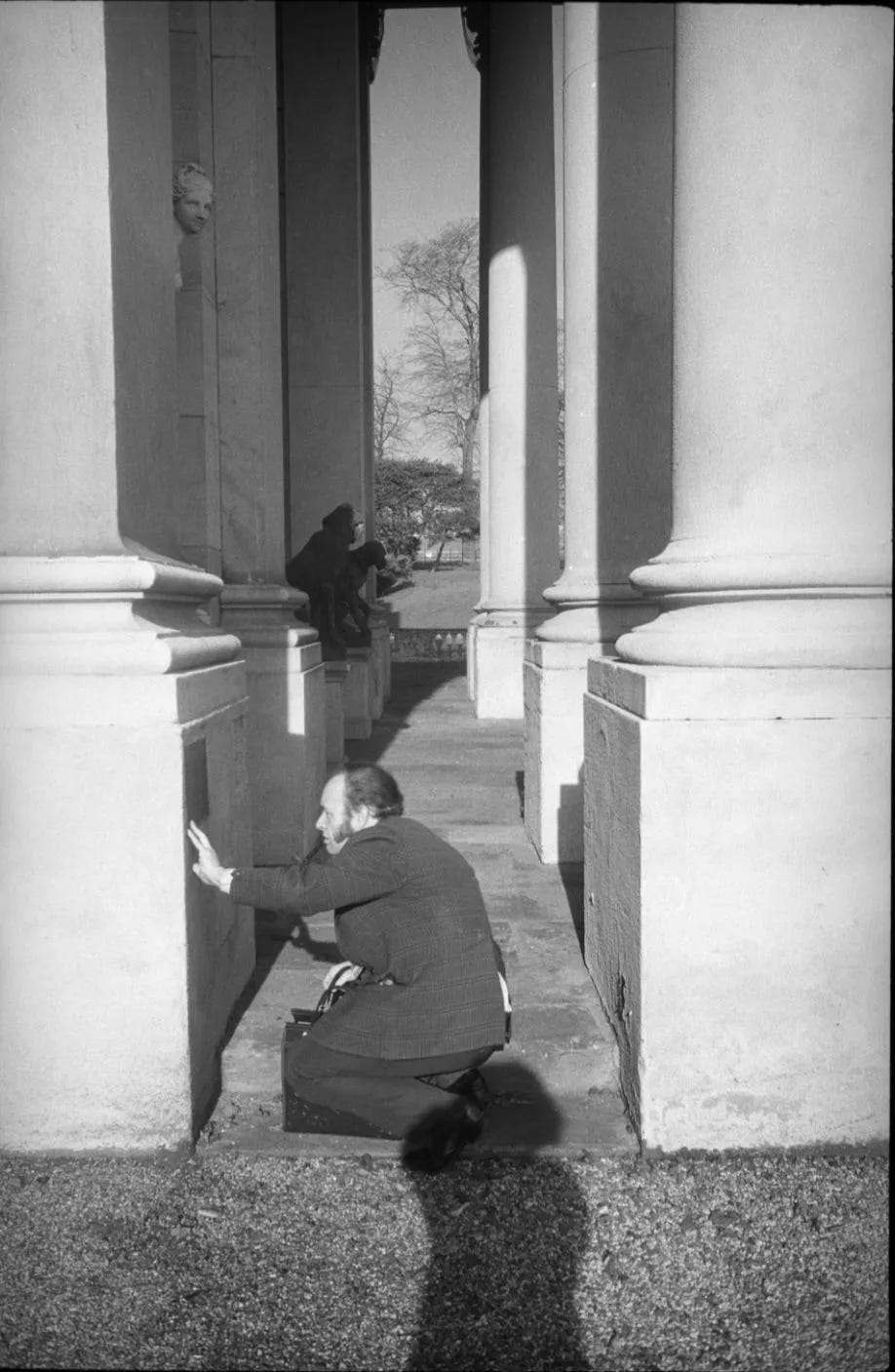
© Historic England Archive/UXC01/01/1272/10.
By the mid-1970s, Ursula’s role as photographic editor of Oriel Press had ended following a take-over, so research is continuing to learn more about her photography during the period that followed.
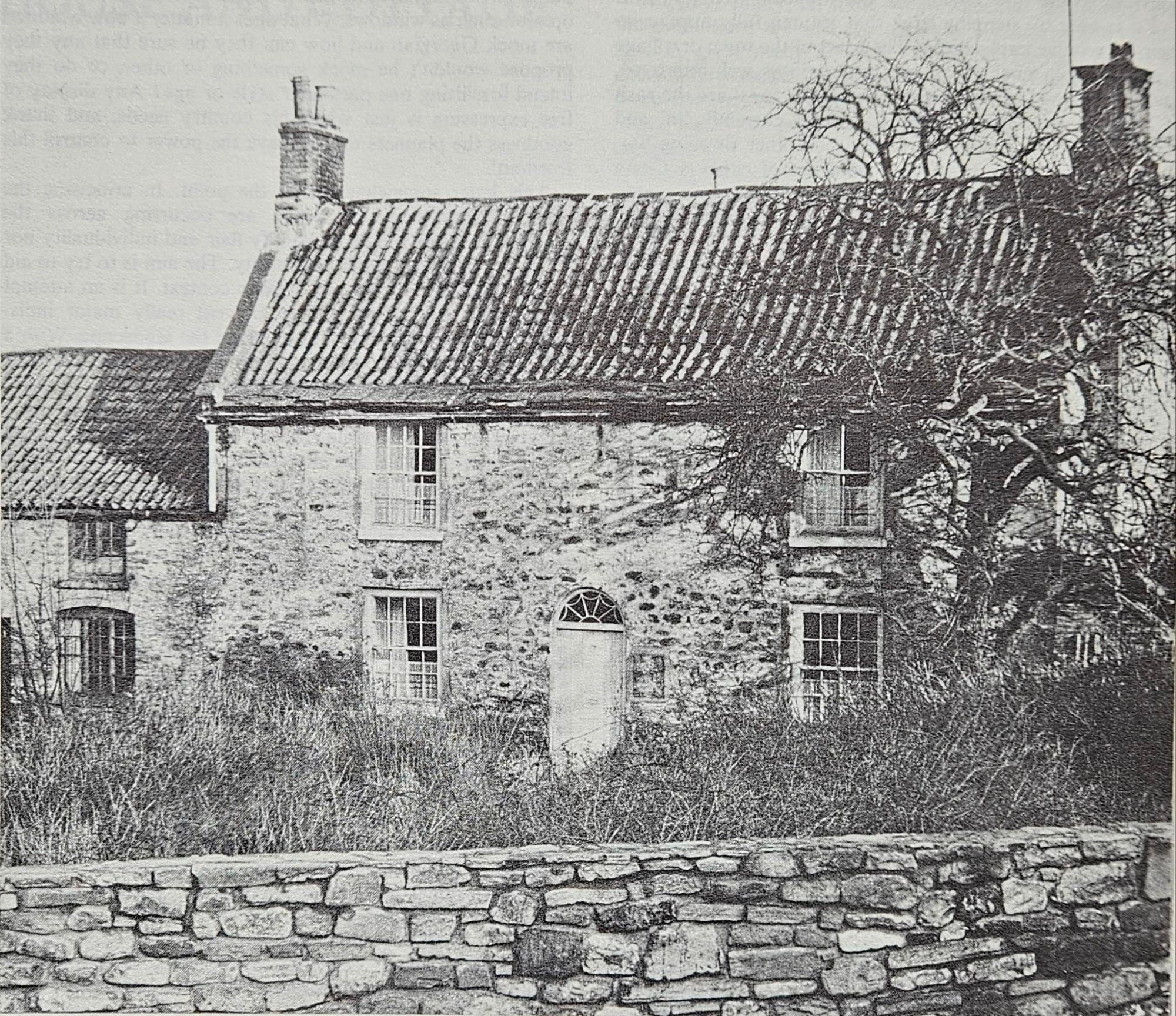
The House and Cottage Handbook featured a total of eight of Ursula’s images.
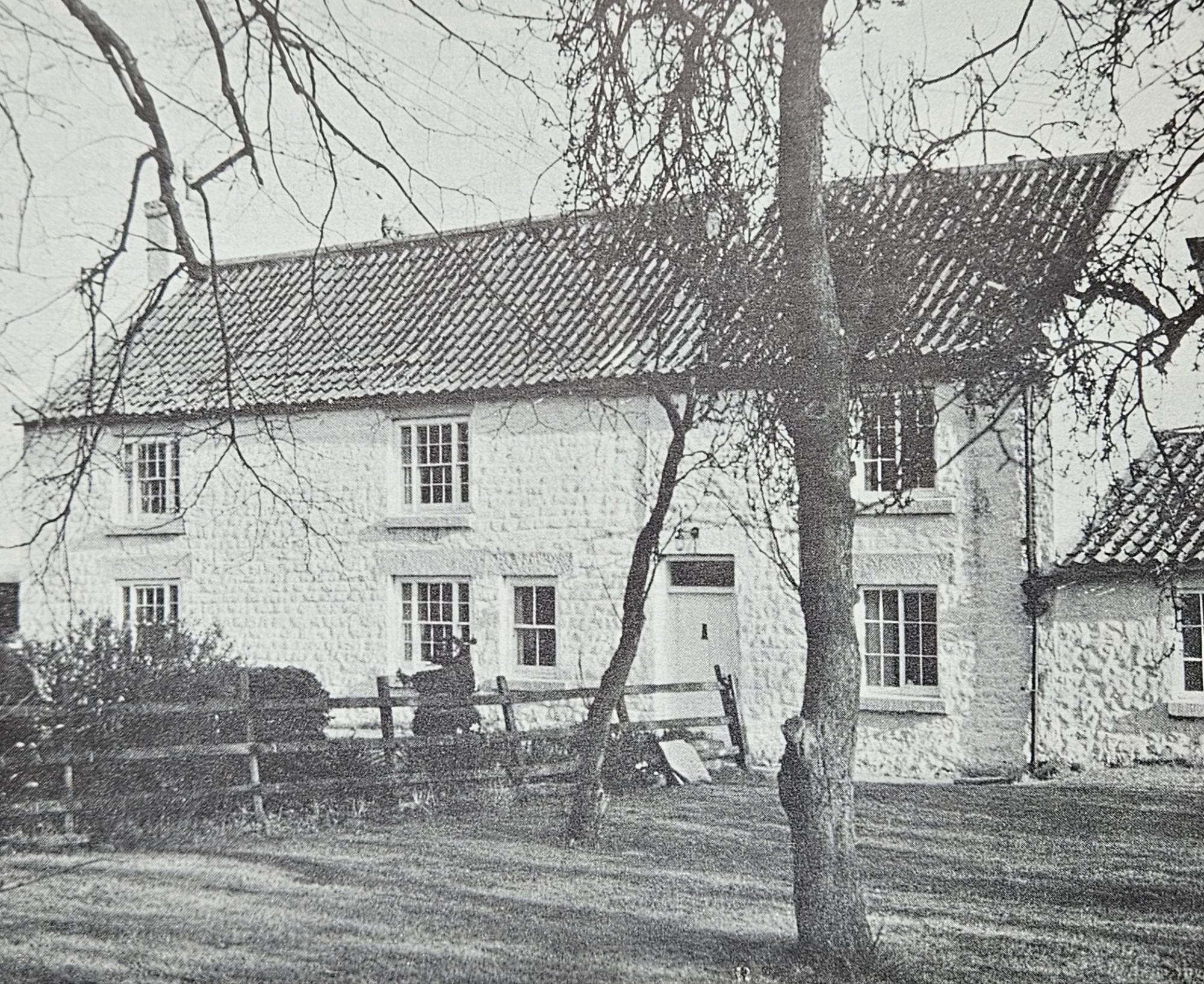
The first was captioned: ‘The vernacular basis – an unimproved stone and pantile farmhouse, County Durham.’
Her second contribution illustrated the tradition of using limewash as an exterior finish in large parts of North Yorkshire, Durham and the Lake District.
Finally, Ursula’s skills as both photographer and photographic editor were in evidence in a whole page of her images devoted to Early Windows.
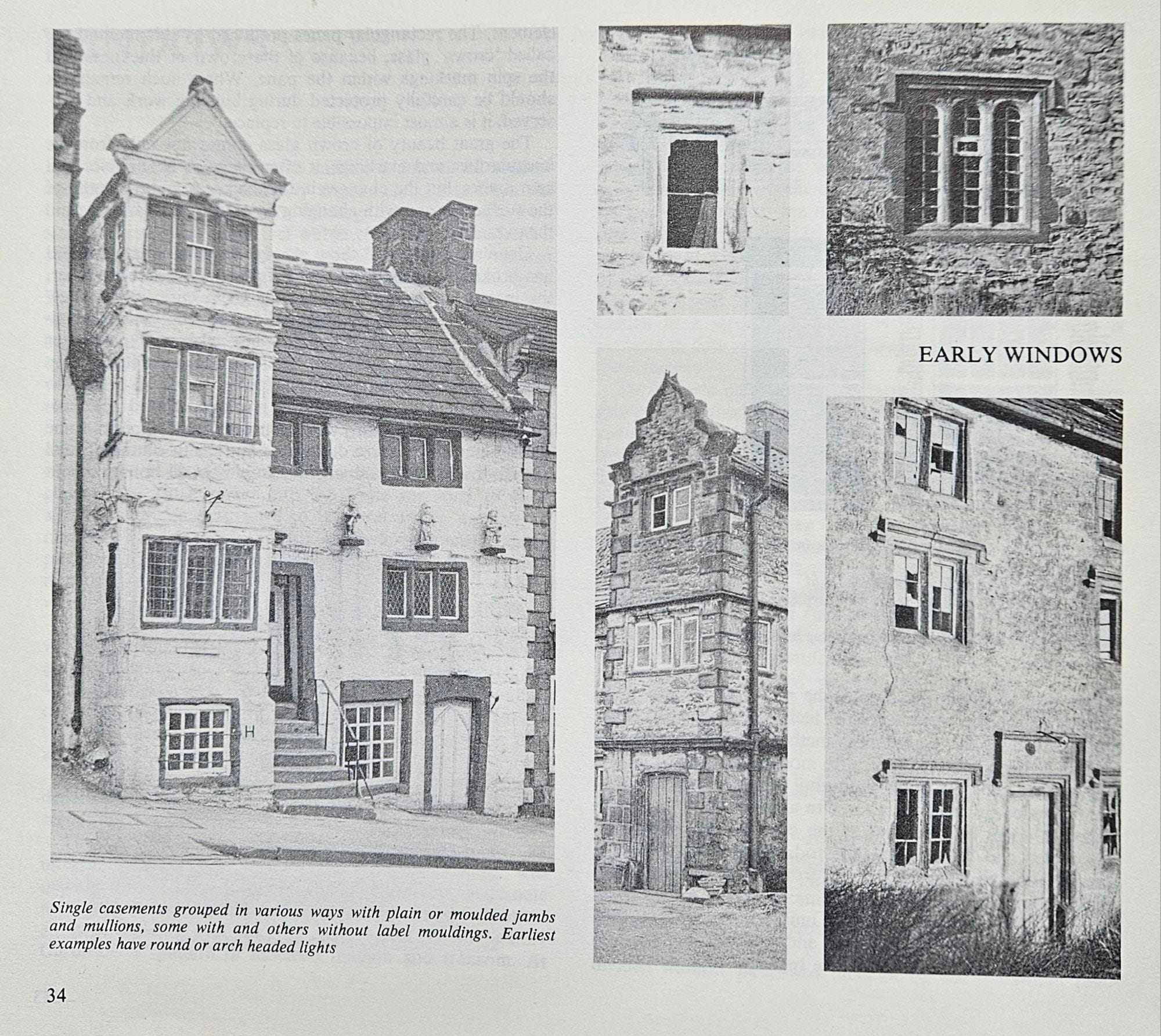
As to when these photographs were taken, identifiable locations suggest they were originally created for Oriel’s Historic Architecture of County Durham.
For instance, Early Windows includes The Bank, Blagroves House in Barnard Castle (left); a 17th century manor house in West Auckland (bottom middle); and New Holmside Hall (far right).
However, the farmhouse at an unknown location and cottage at Langton in County Durham may have been previously unpublished.
In the next Pressphotoman post, how Neville Whittaker created a book about modern shop fronts featuring more examples of Ursula Clark’s photography.


Leave a Reply