
This weekend’s ‘Women of Photography’ 24-Hour Conference-A-Thon marking International Women’s Day (Sunday 8th March 2026) is a global celebration.
A line-up of 72 speakers will be highlighting the contributions of women to the medium from photography’s announcement in 1839 to today.
Registration for the event is free and the full programme offers a fascinating insight into the work of many women, whose work has until now received scant attention.
Women of Photography 24-Hour Conference-A-Thon website
My pre-recorded contribution to the conference, ‘Ursula Clark: Architectural Photographer’, will be broadcast from 15:24-15:44 GMT and there will also be an opportunity to post questions in the Zoom chat.
Much of Ursula’s architectural photography features in books about Britain and Europe published by Oriel Press of Newcastle upon Tyne in North East England.
She worked for the company as its photographic editor from 1962 into the early-1970s.
However, new research for what has become an on-going project about Ursula’s career has identified a number of other publications, which feature her camera work.
One example, Romanesque Architecture (London: Arthur Barker Ltd, 1971), was authored by Professor Bruce Allsopp, Senior Lecturer in Architecture at King’s College, Durham (later Newcastle) University, who set up Oriel Press and hired Ursula Clark.
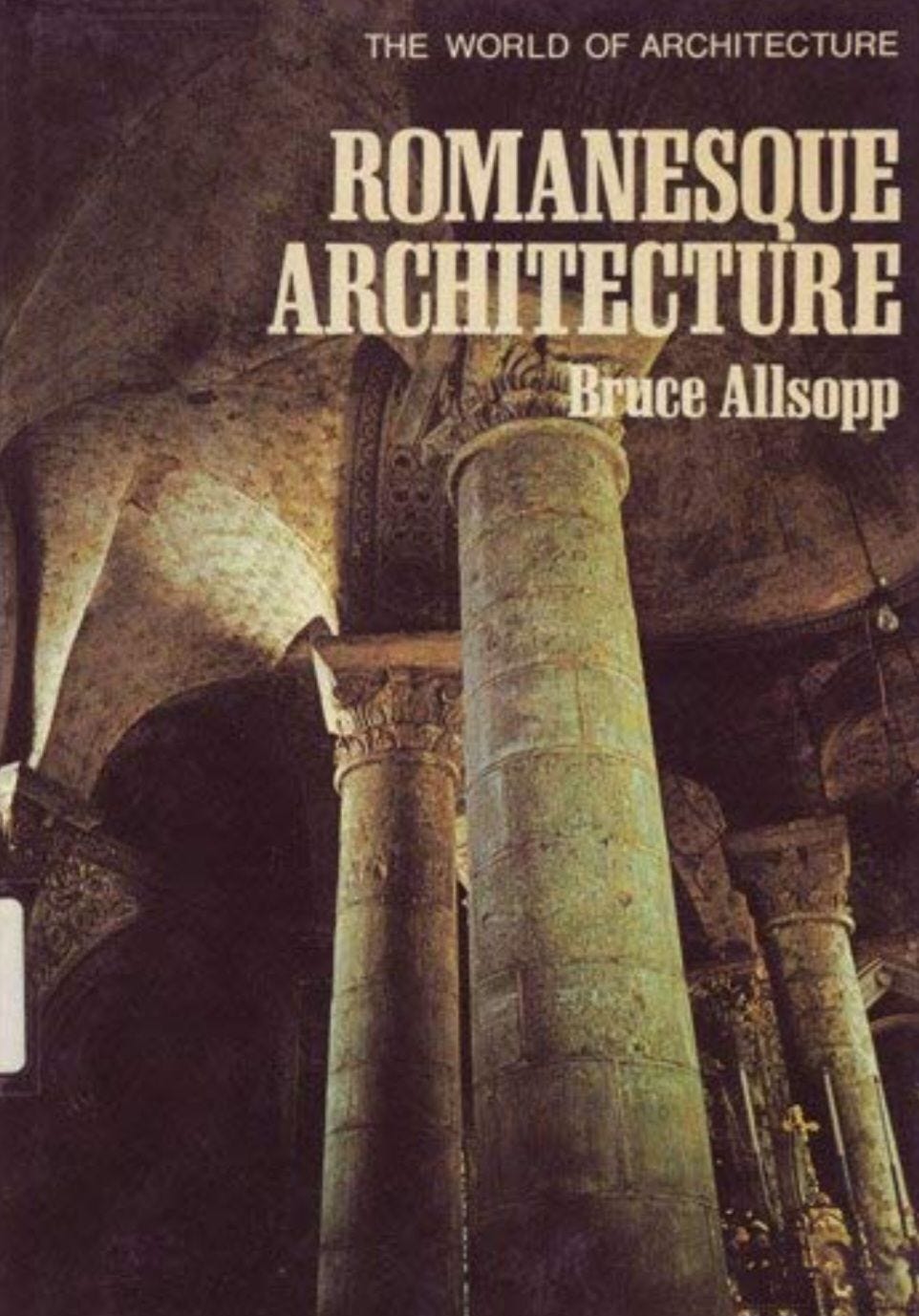
Whilst Allsopp’s own photography (including the front cover of Notre Dame la Grande, Poitiers, France) features throughout, seven of Ursula’s black-and-white images appear as halftones and are credited to her.
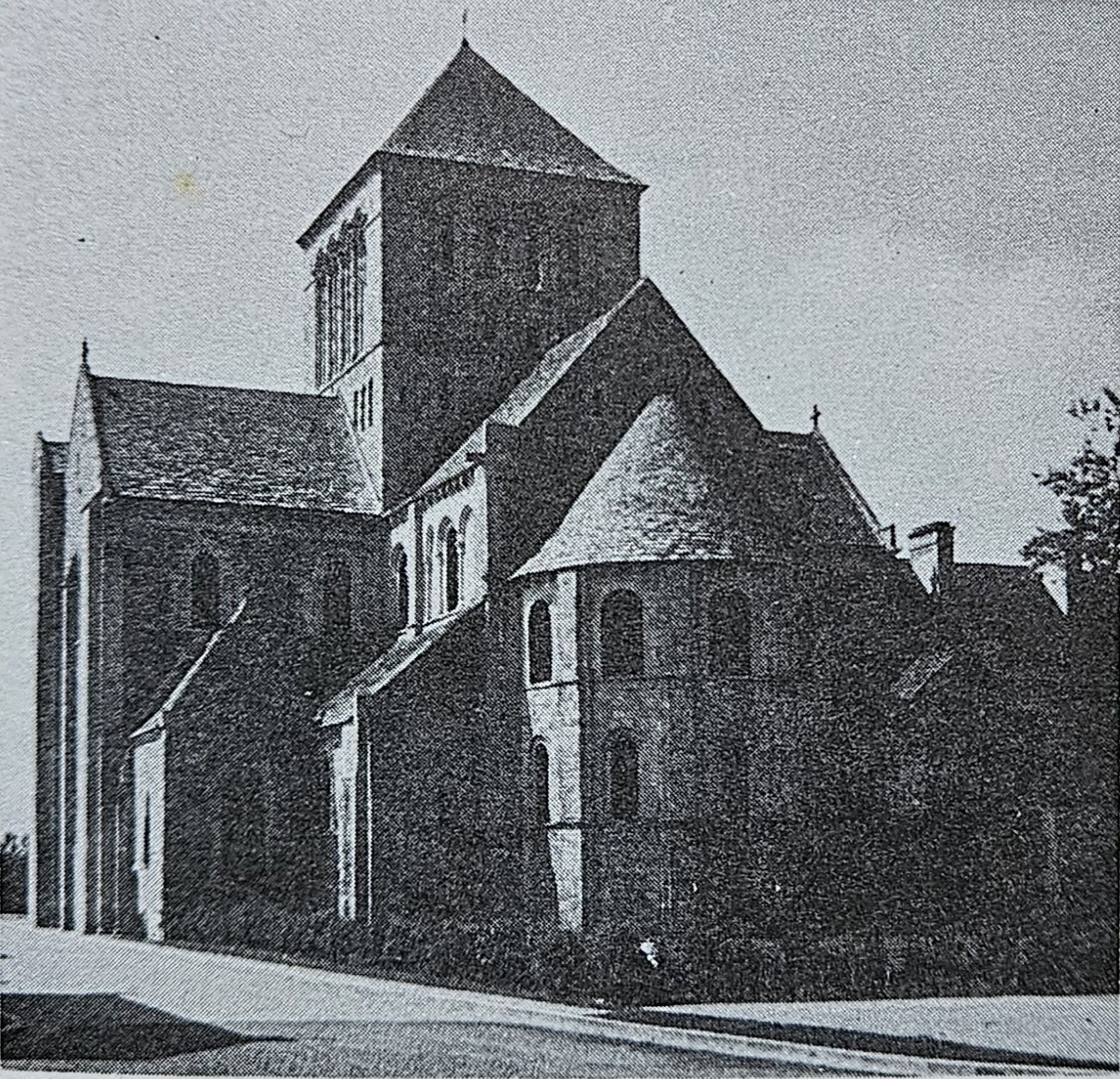
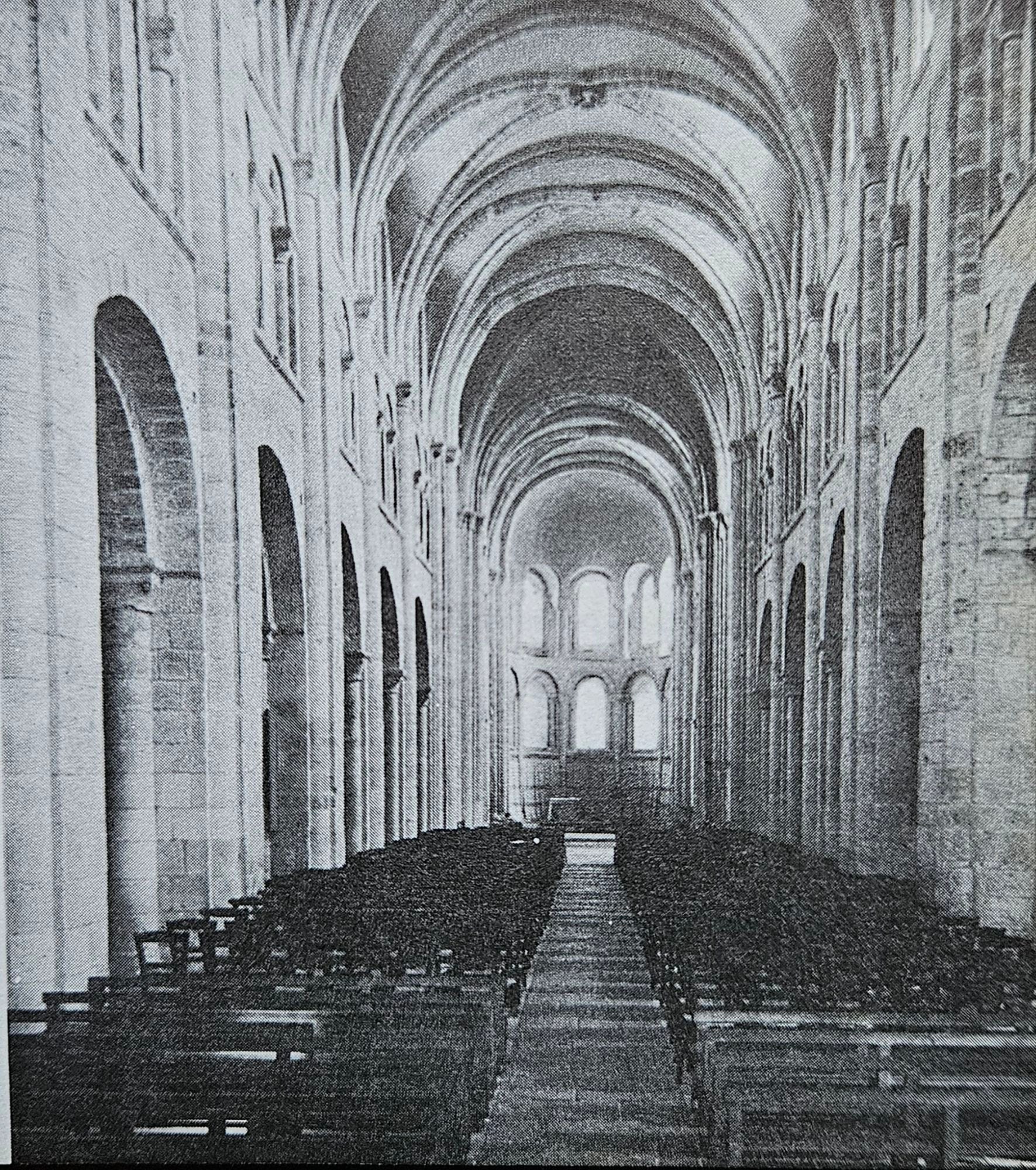
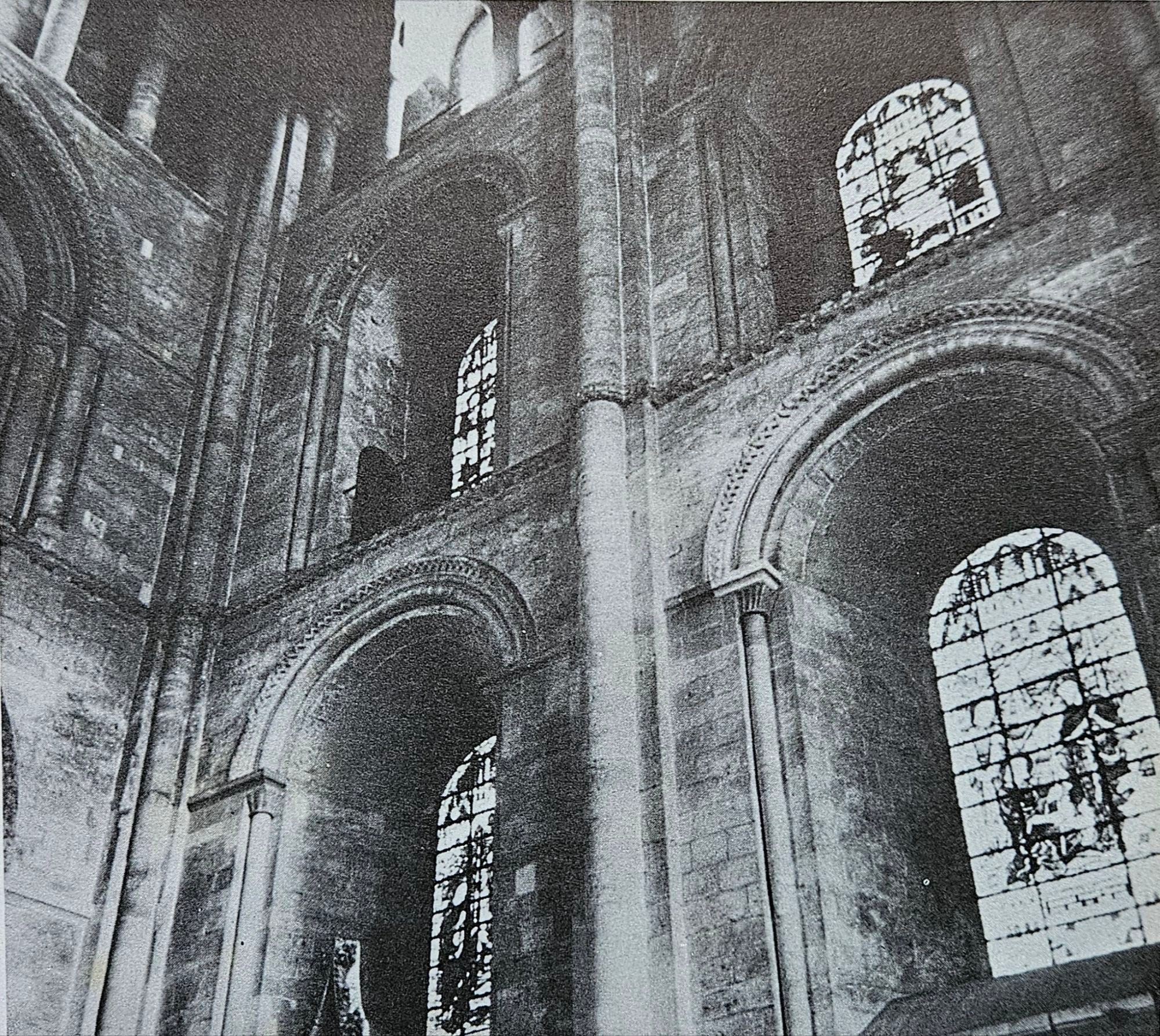
In a chapter titled ‘Romanesque in France,’ Lessay Abbey, one of the most important in Normandy, is portrayed in two images taken in the 1960s that illustrate its reconstruction after the Second World War.
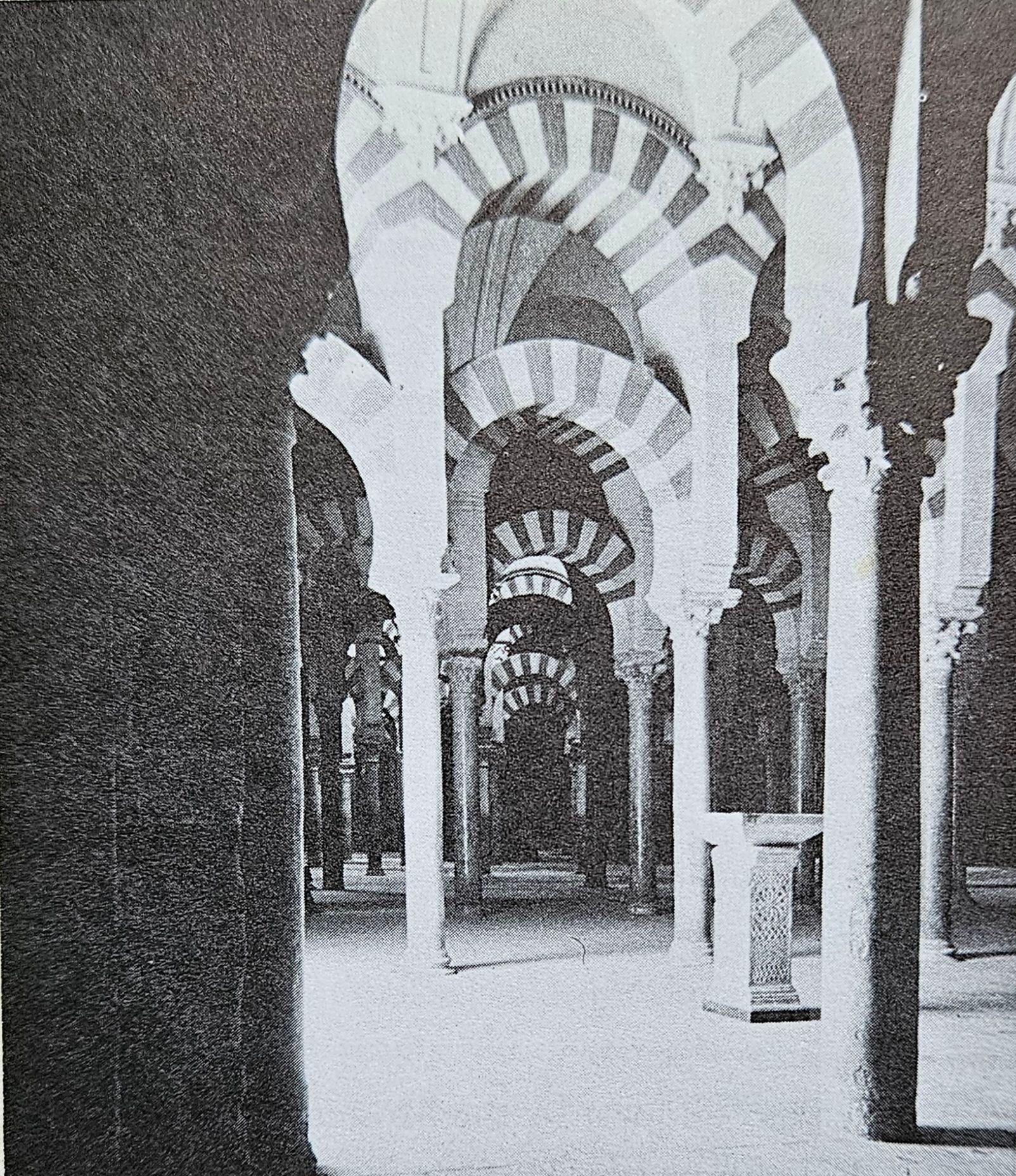
‘Romanesque in Spain’ features three striking images starting with the interior of the great mosque at Còrdoba that subsequently became a cathedral.
According to Bruce Allsopp’s caption, it combines “Moslem structural design with Roman-type columns” and “is a splendid example of Hellenesque architecture.”
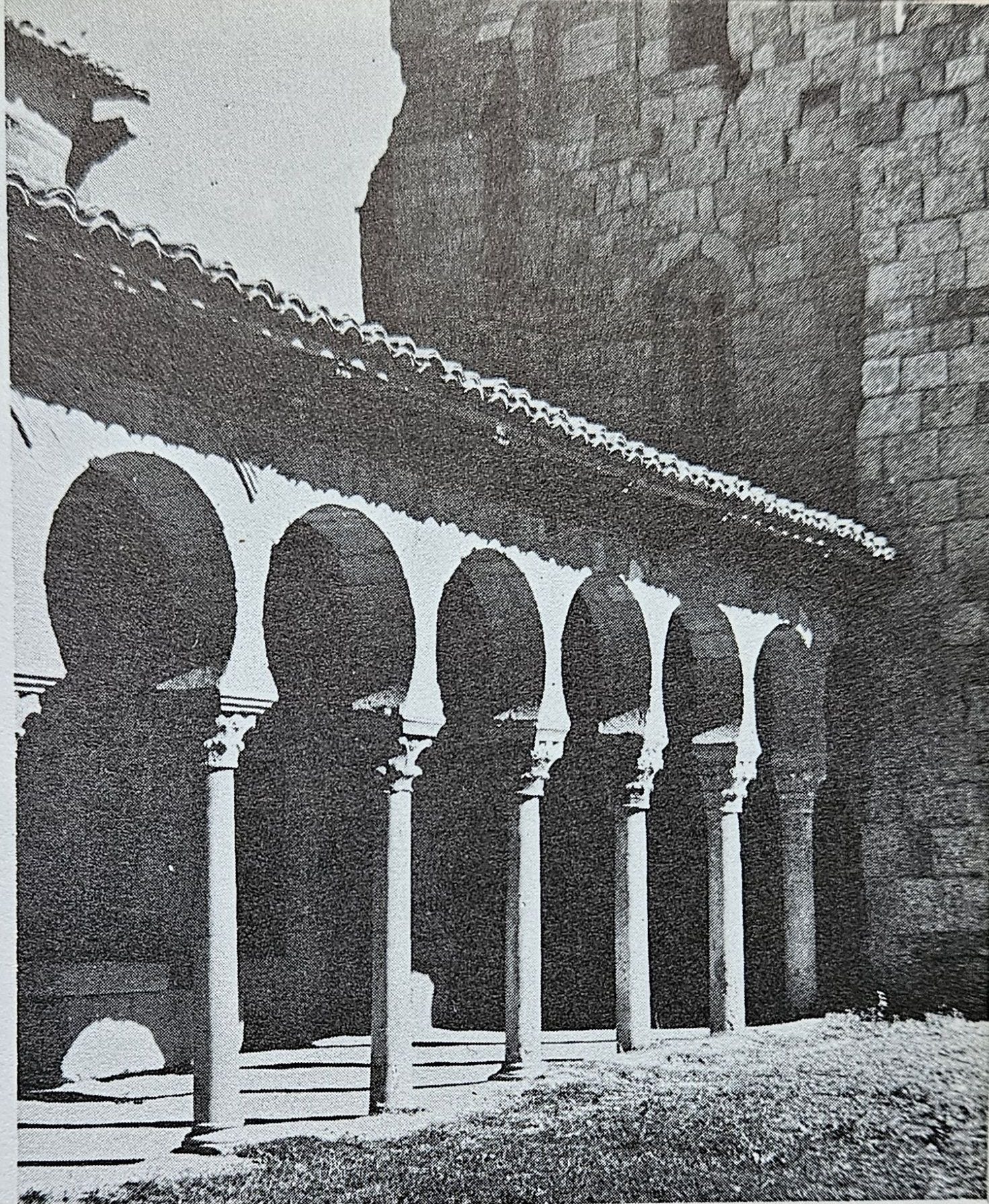
San Miguel de Escalada, near Léon has “classical columns and horse-shoe arches.”
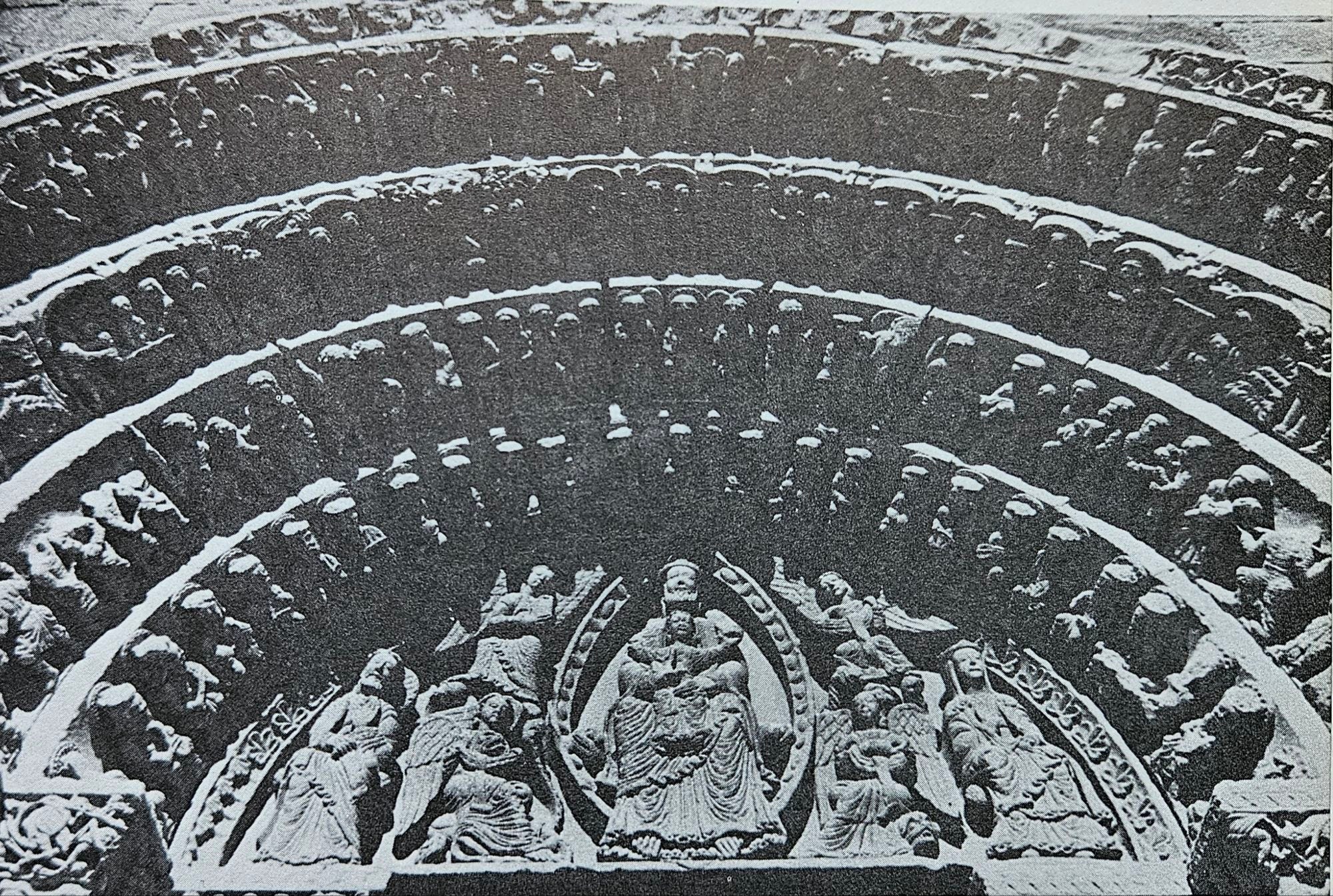
And the sculpture of the portal at Soria, Santo Domingo well demonstrates Ursula’s skill in capturing such architectural detail.
The first of her two contributions to ‘Romanesque in England after the Conquest’ returns the photographer to her native North East and Brinkburn Priory in Northumberland.
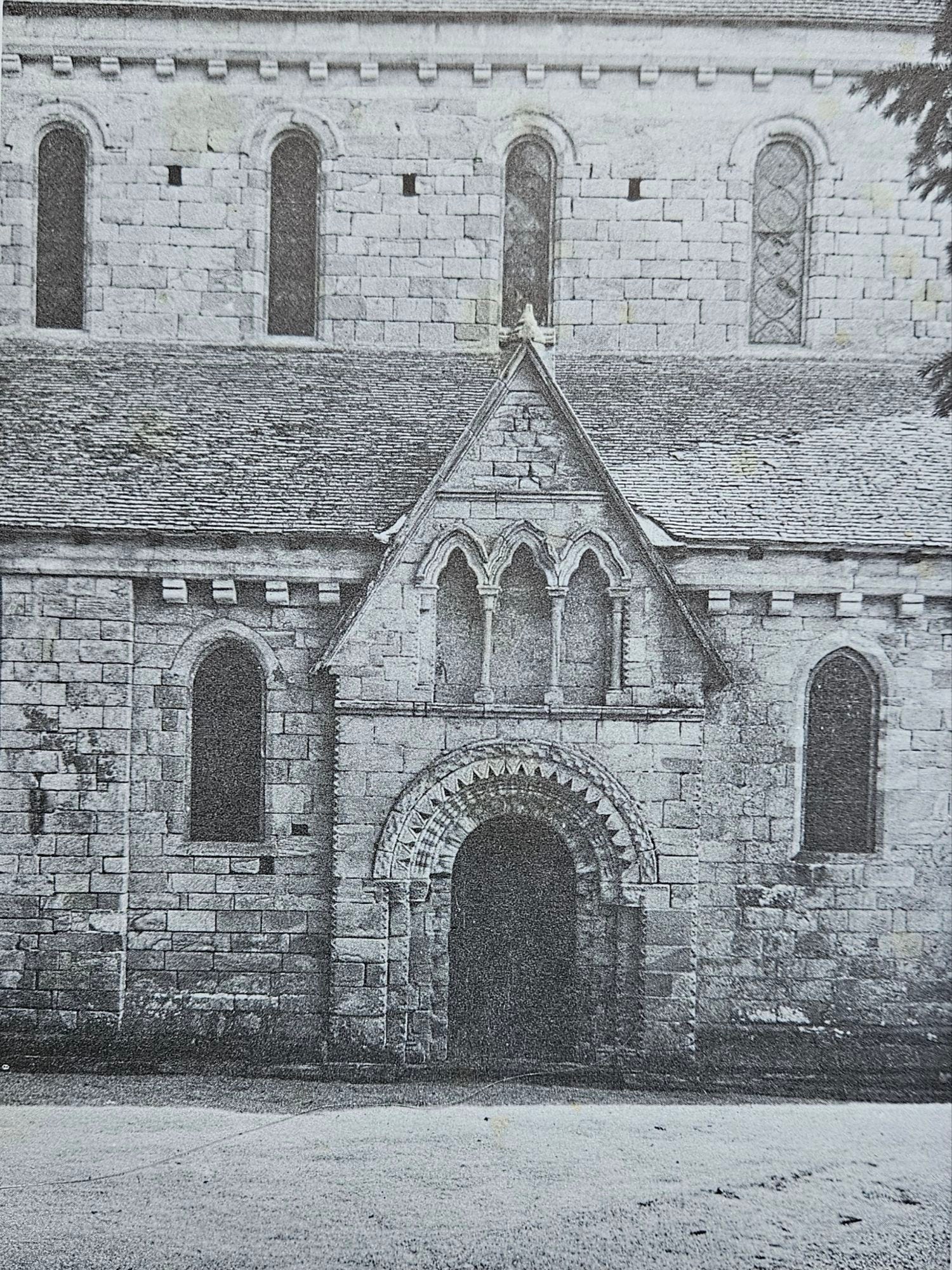
Finally, the south transept of Romsey Abbey in Hampshire illustrates what Bruce Allsopp calls “the formal qualities of Norman Architecture at its best.”
If you’re new to Ursula Clark’s photography, join me on Sunday 8th March 2026 (15:24-15:44 GMT) when I’ll be sharing newly digitised examples of her archive held by Historic England as well as images of Ursula herself.
 Pressphotoman
Leave a comment