
At the turn of the 20th century, the picture postcard format provided photographers with a new outlet for their images.
Even mundane street scenes found a market among those wishing to communicate with family and friends for a few pennies.
For photohistorians, ‘real photograph’ postcards published more than a century ago offer stories waiting to be told.
For example, this unremarkable card titled ‘Nevern Square, Earl’s Court’ recently joined the Pressphotoman collection.
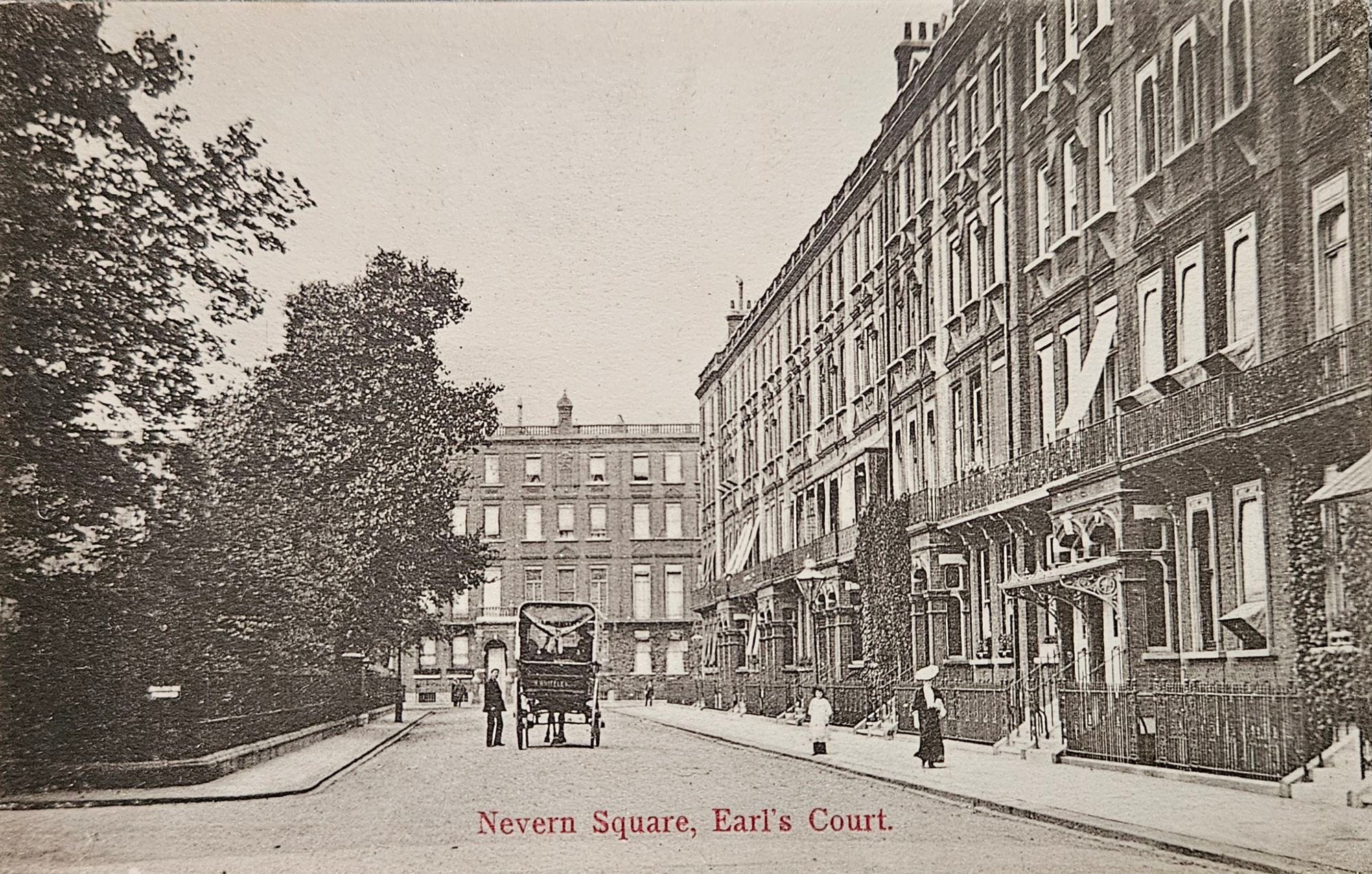
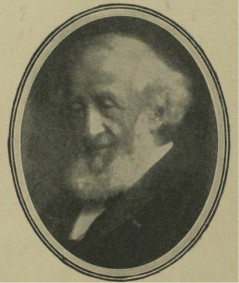
It caught my eye as number 10 Nevern Square was the London home of celebrated court photographer William Downey (1829-1915) and his family.
What I hadn’t anticipated was the story revealed by the verso of the postcard, which contained valuable nuggets of information,
In this case, a credit identified its publisher as ‘F. Kehrhahn & Co., of Bexley, Kent and London.’

‘F. Kehrhahn’ was Ferdinand Louis Kehrhahn (1883-1949), who was born in Birkenhead on the Wirral to a German watchmaker and English mother.
By the age of 17, Ferdinand was working as a photographer.
Then in his twenties, he and younger brother Frederick established a postcard publishing business at Bexleyheath in Kent where the family had relocated.
Another clue was contained in the space on the postcard assigned for the stamp which included the words ‘Phototyped in Berlin.’
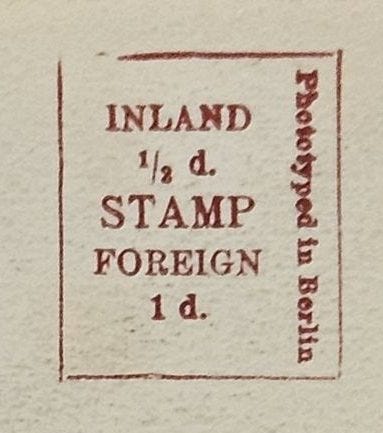
This indicated that the postcard was produced using a high-quality printing process in which German companies were world-leading.
Research by the social historian Elizabeth Crawford has revealed that ‘F. Kehrhahn & Co’ not only produced topographical postcard views such as ‘Nevern Square, Earl’s Court.’
They also photographed members of the WSPU (Women’s Social & Political Union) as they campaigned to secure the right for women to vote.
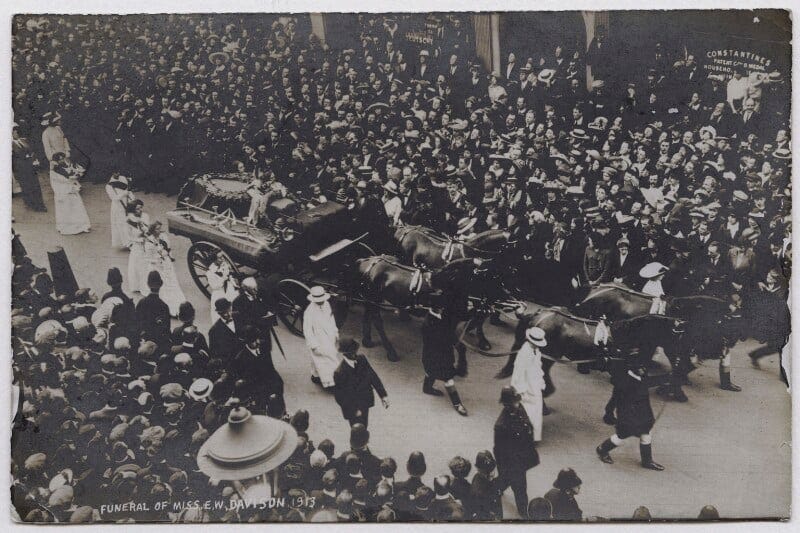
Perhaps Ferdinand’s most well-known image is a postcard print in the collection of the National Portrait Gallery, London.
It was created at the funeral of the suffragette Emily Wilding Davison (1872-1913) who died after throwing herself at the King’s horse during a protest at the Epsom Derby.
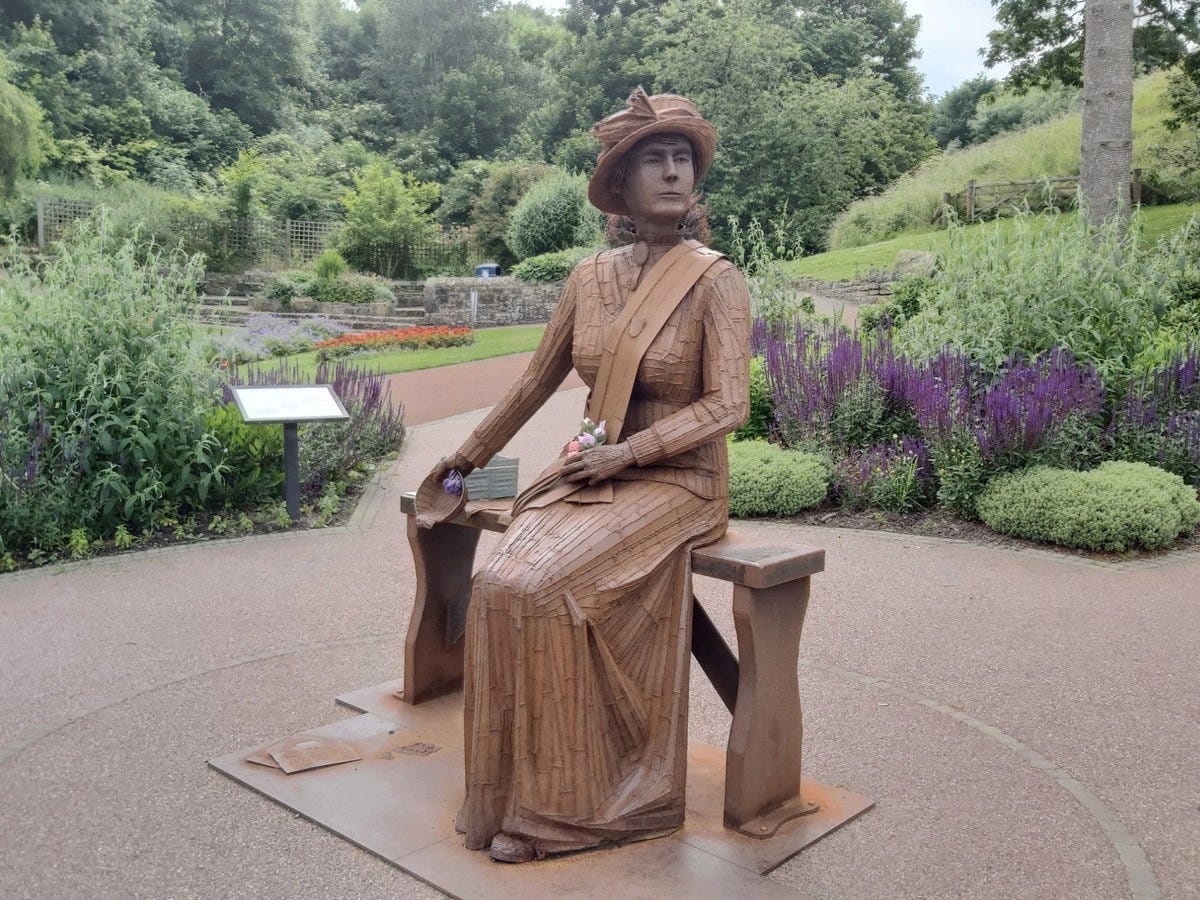
Davison’s act is commemorated in Morpeth’s Carlisle Park in Northumberland where a statue was unveiled in 2018 marking the centenary of the first voting rights being granted to women in the UK.


Leave a Reply