
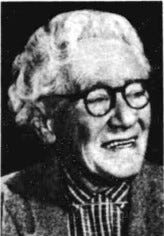
Frances Pitt (1888-1964) spent a lifetime devoted to observing and writing about the natural world.
By her early twenties, she was already an accomplished wildlife photographer.
Images that she produced won prizes and were exhibited to great acclaim.
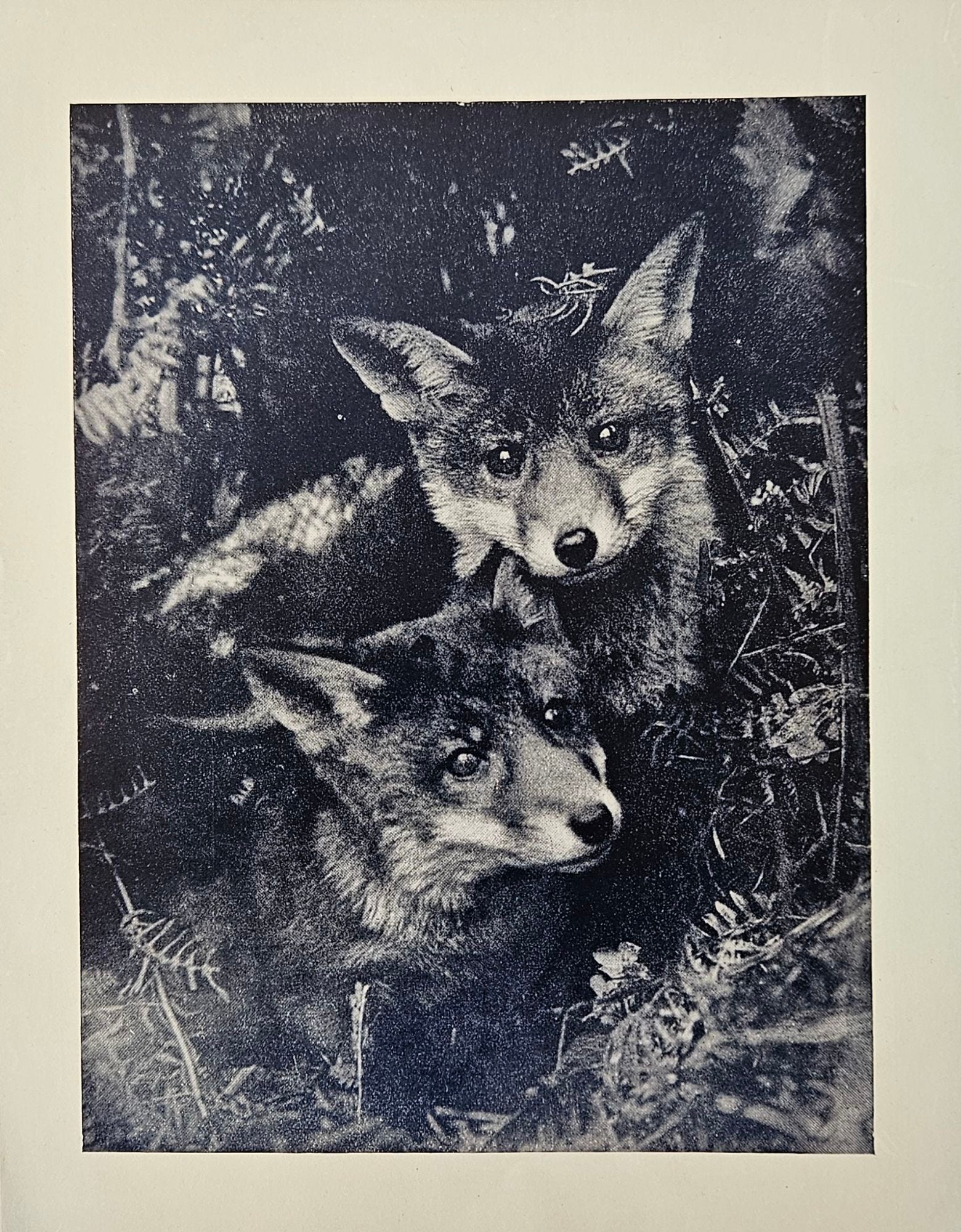
What followed was a successful journalistic career, writing a regular column in the London Evening News for 40 years, and as the author of many popular books.
A good example of her wildlife photography recently joined the Pressphotoman collection.
It was showcased in a feature article, ‘Birds of Farne Island,’ written for Country Life in 1949 and illustrated by her own photographs.
In the article, Frances visited the group of islands off the Northumberland coast that were once home to the eponymous 7th century saint.
She described how St. Cuthbert had lived “in a hut … among the birds, cut off from the wearisome world by the grey waters of the North Sea.”
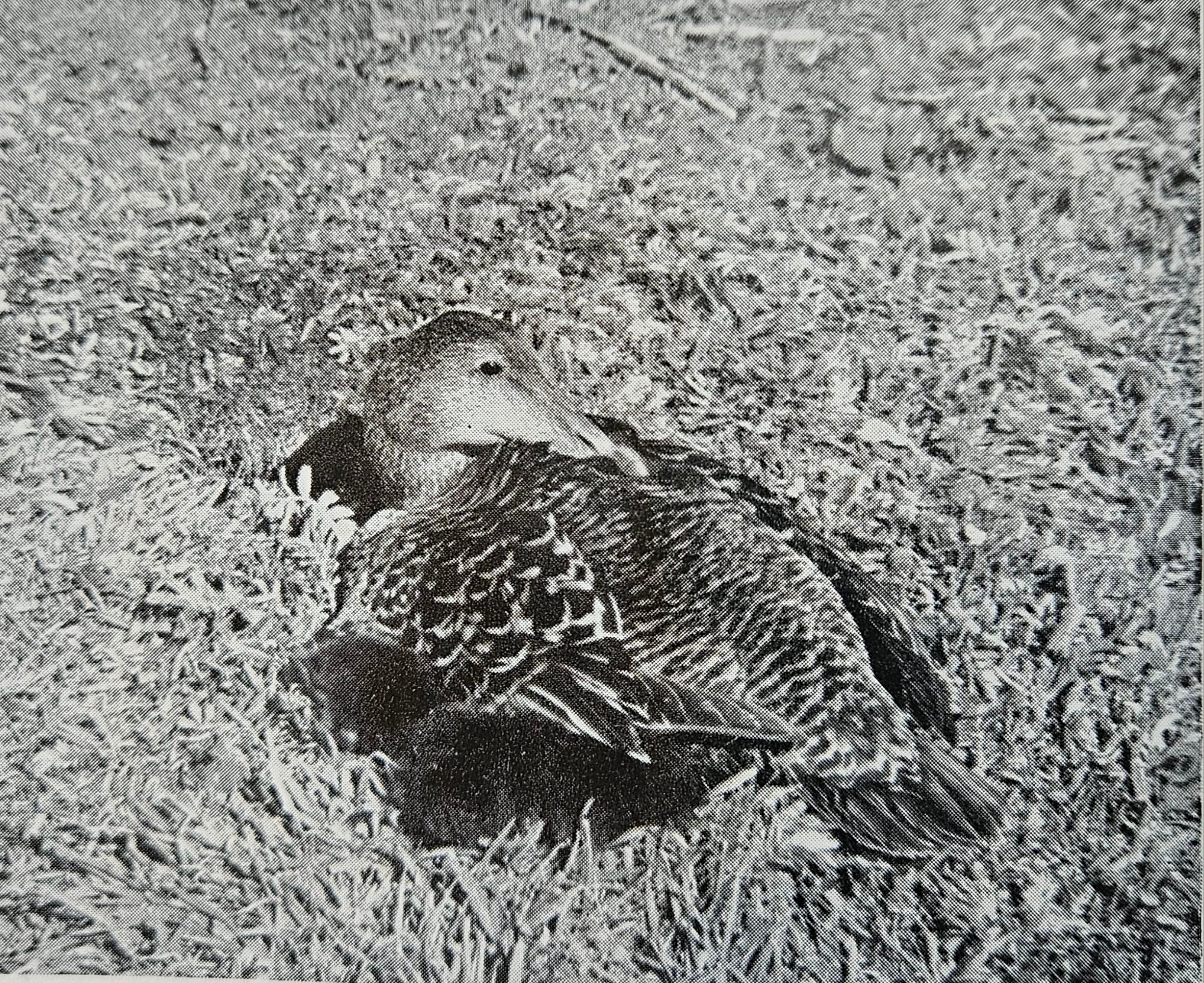
Frances’ camera captured a varied selection of that bird life starting with an eider duck (known as a ‘cuddy’ after St. Cuthbert) with a couple of fluffy ducklings tucked under its wing.
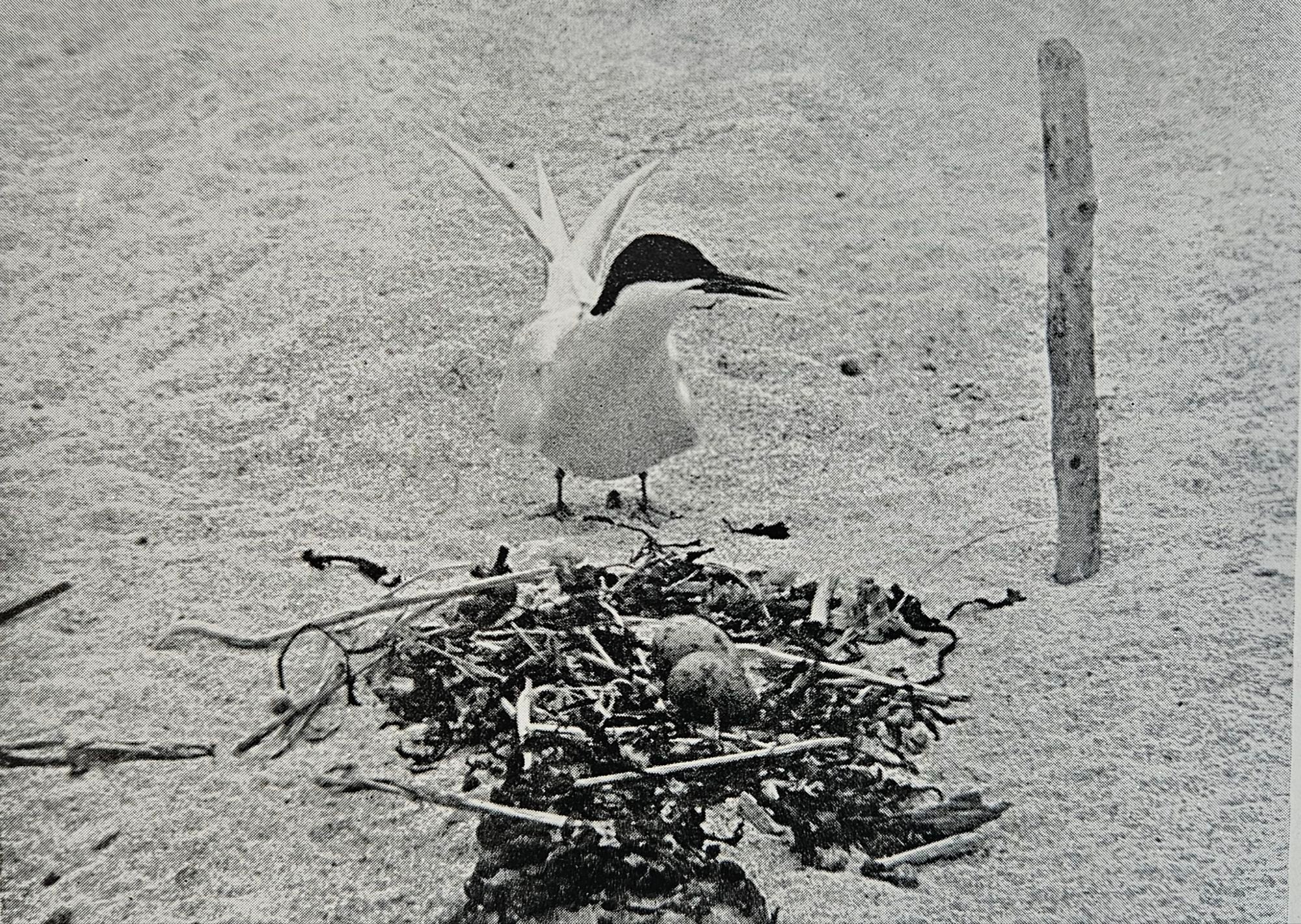
Like all visitors arriving by boat, Frances and a companion had been dive-bombed by terns, but fortunately hats were being worn, avoiding serious injury.
The overhead assault continued though, explained in part, Frances thought, by the presence of the camera around her neck.
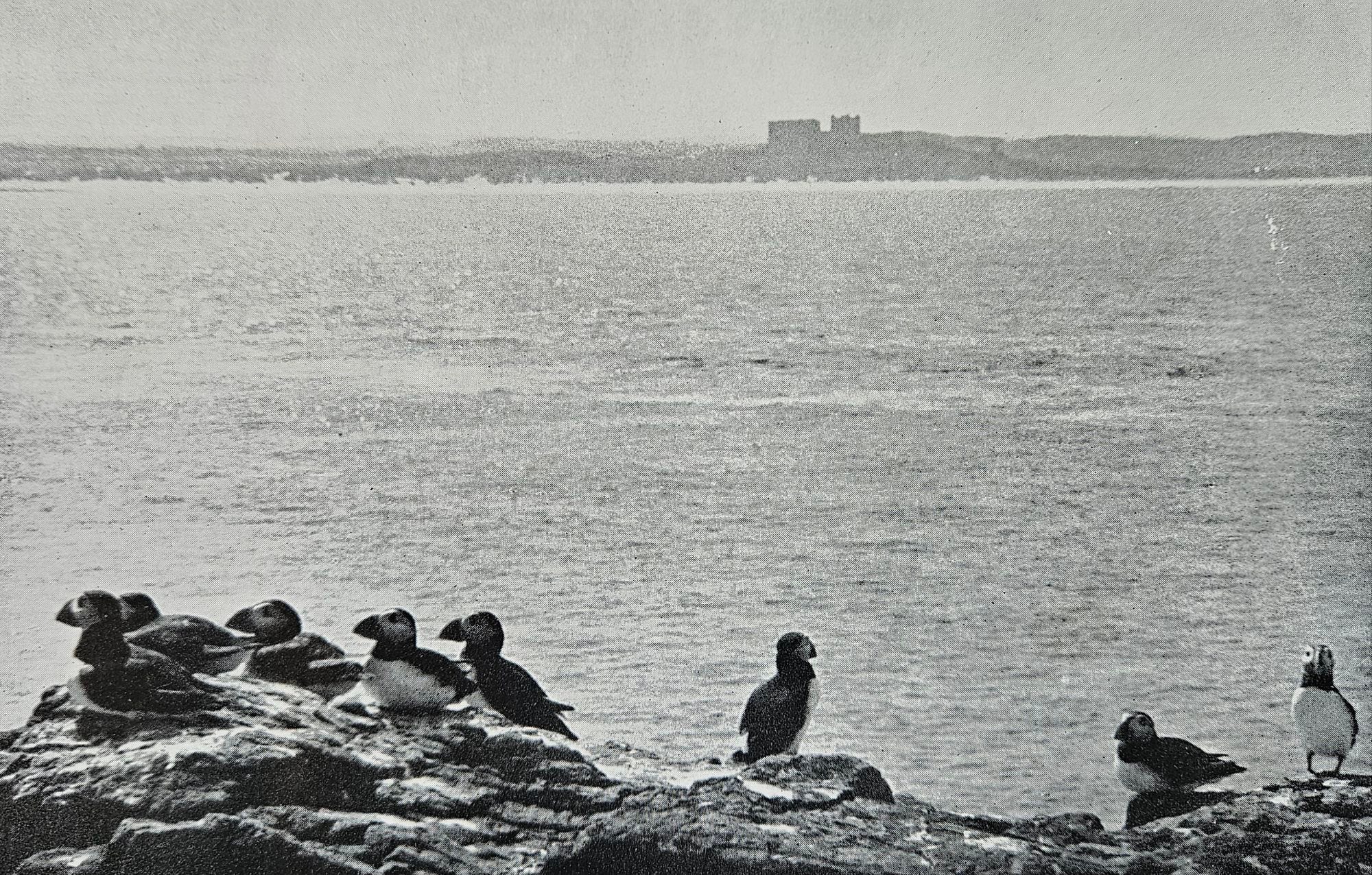
Perhaps the bird best-known for its association with the Farnes is the puffin, described in her text as “little sea parrots.”
Photographically, her patience was rewarded by a wonderful shot featuring ‘a party of puffins’ with Bamburgh Castle on the mainland in the distance.
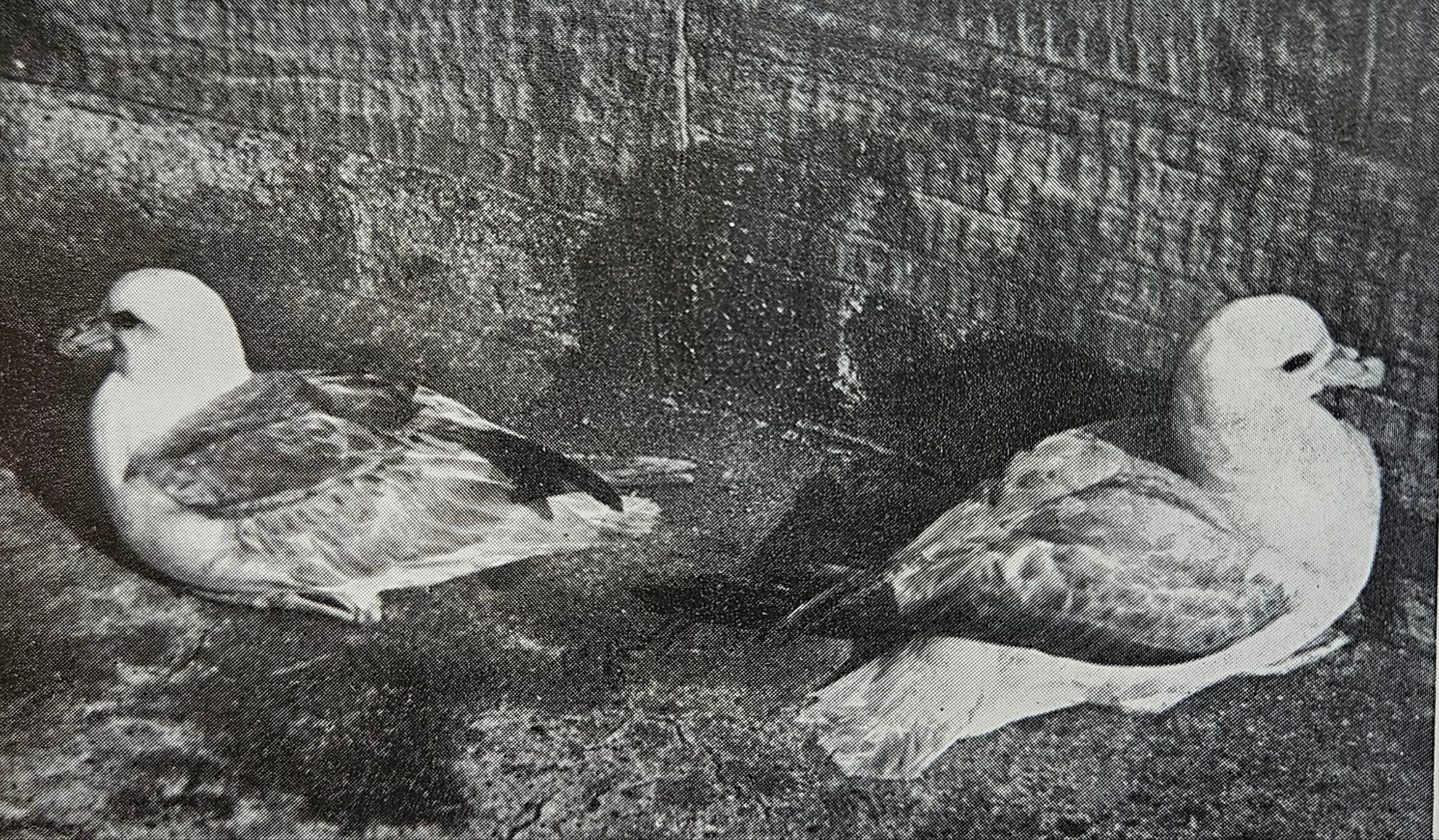
Given her long experience of observing wildlife at home and abroad, she remembered a pre-war visit to the Northumberland coast when fulmar petrels were becoming established.
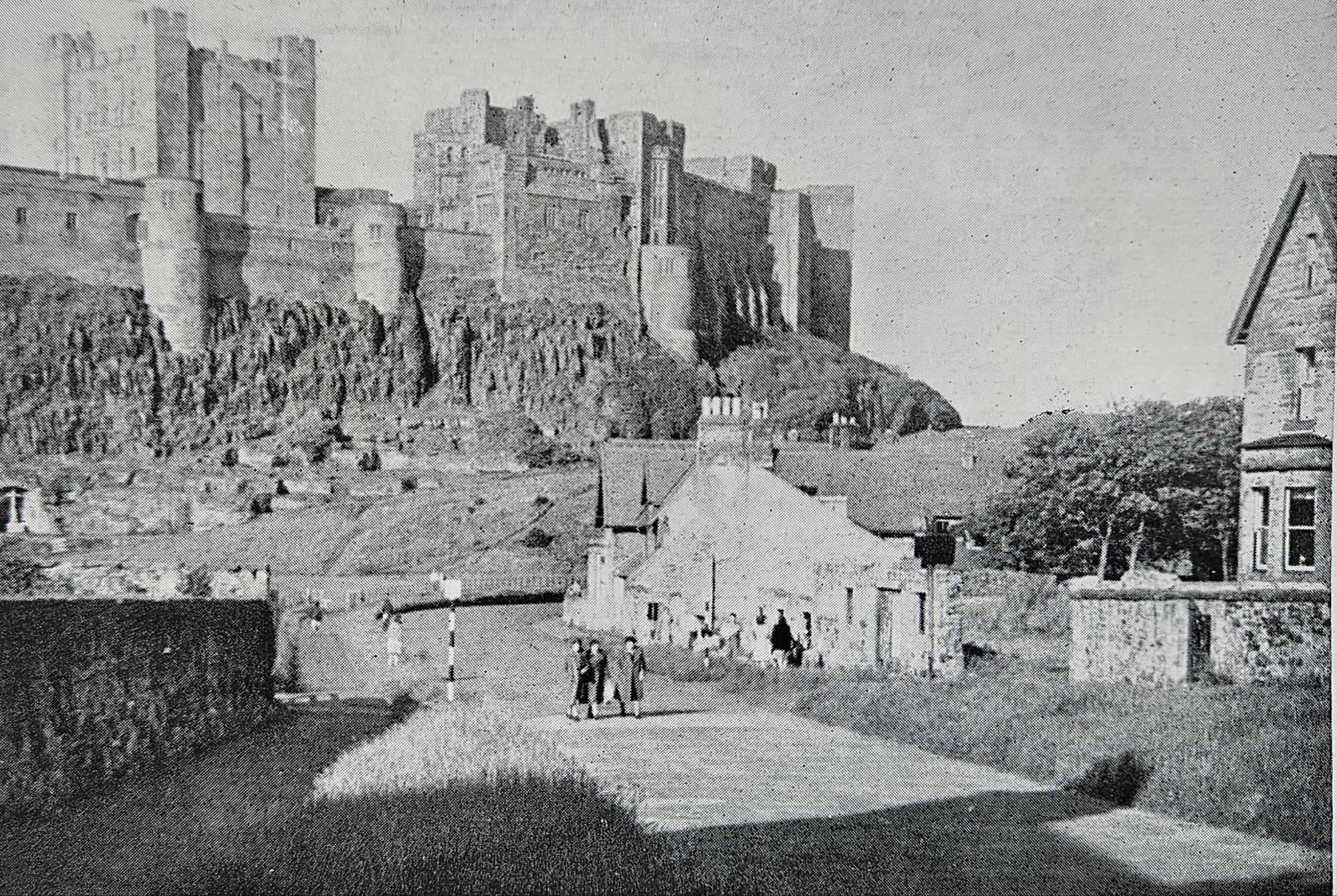
Back on dry land, she was interested to see even more fulmars nesting in and around Bamburgh Castle.
When Frances Pitt died in 1964 at the age of 76, her obituary in the Birmingham Daily Post quoted her as saying: “When you are close to nature, you are close to the heart of life itself.’
Her life as an accomplished photographer and writer would suggest that her philosophy served her well.


 Pressphotoman
Leave a comment