
From the 1860s, photographers W. & D. Downey were among Queen Victoria’s favourites and produced defining royal images into the early decades of the 20th century.
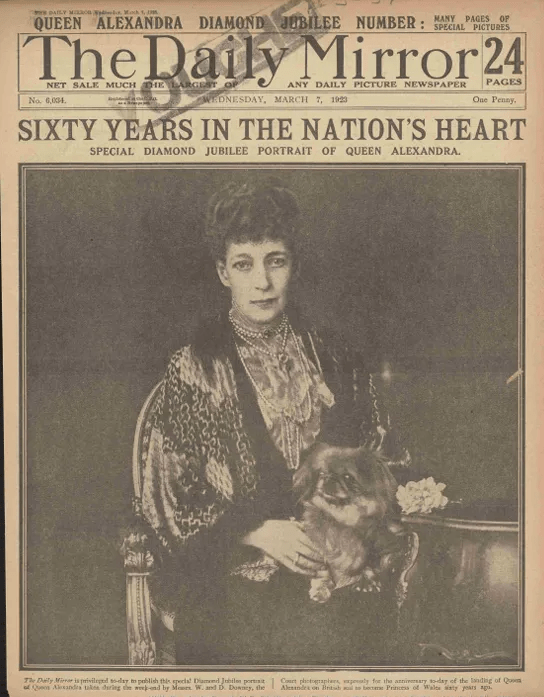
However, by the time the Daily Mirror published this front page Downey portrait of Queen Alexandra marking her Diamond Jubilee in 1923, the company’s fortunes were already in decline.
By July 1932, according to a notice that appeared in the Daily Telegraph, liquidators were called in and creditors asked to make claims on any outstanding debts.
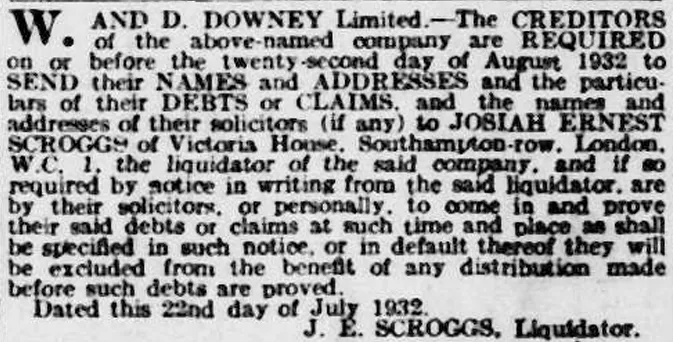
That, one might have assumed, was the end of the W. & D. Downey story.
However, new research reveals that both the company name and its famous address of 61 Ebury Street in London’s Belgravia lived on.
The photographer responsible was Miss Sarah Partridge (1868-1955) whose career as a high society portraitist was celebrated in last week’s Pressphotoman blogpost.
By the time of Downey’s liquidation, she had a long and illustrious CV in the photography business.
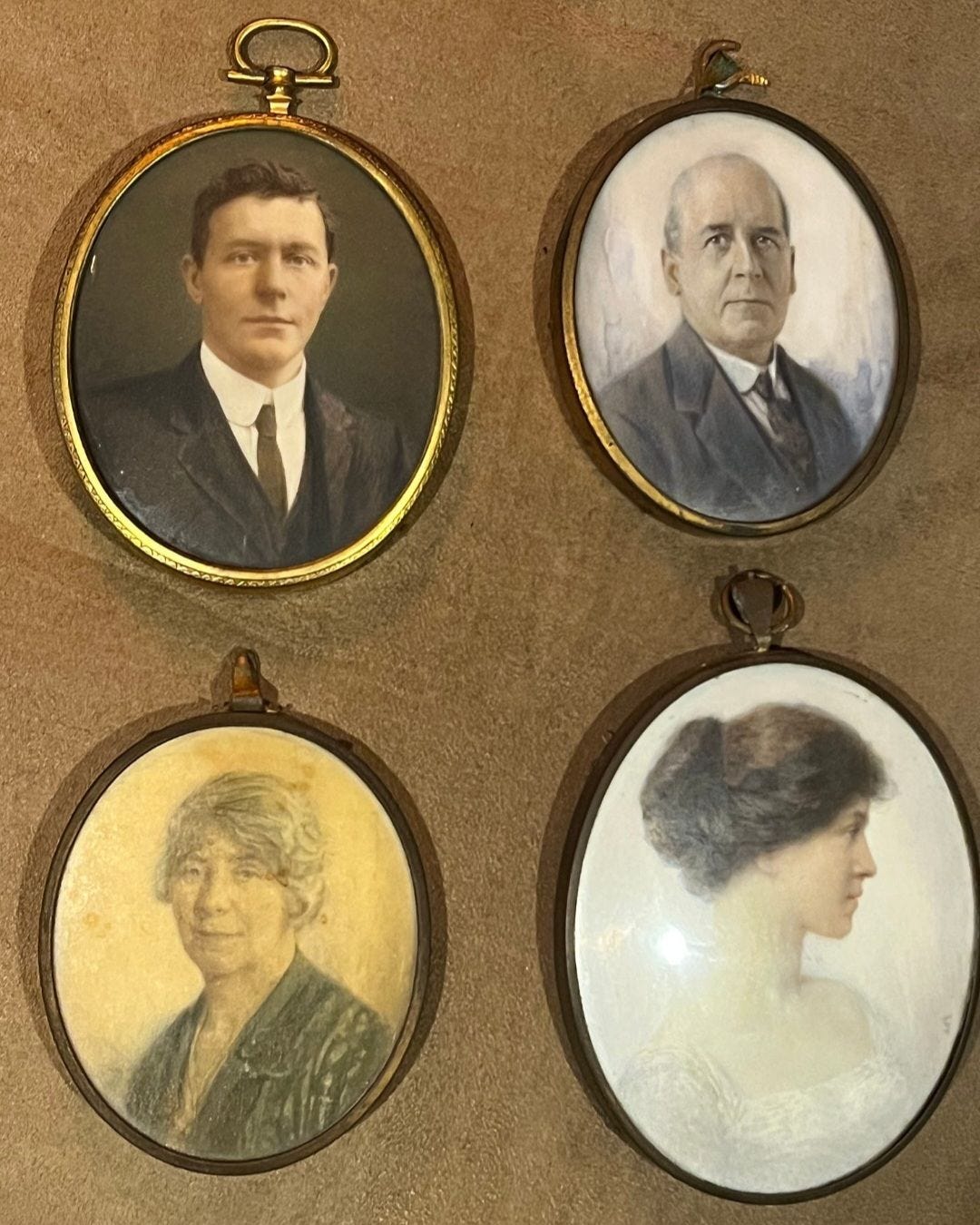
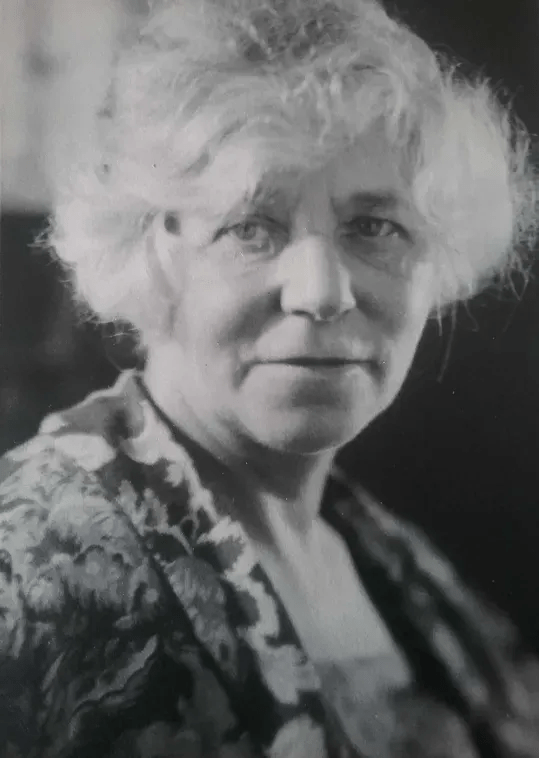
Examples of Sarah’s photography have been shared with this blog by Jennie Gray, her great great niece who lives in Australia.
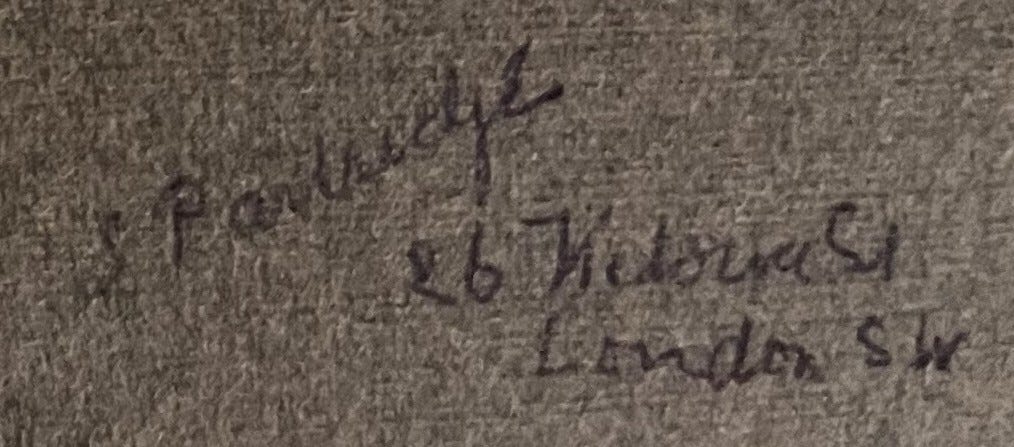
These untitled examples are both signed ‘S. Partridge’ with a London address at ‘26 Victoria Street, SW’ from where she operated in 1920, according to the London telephone directory.
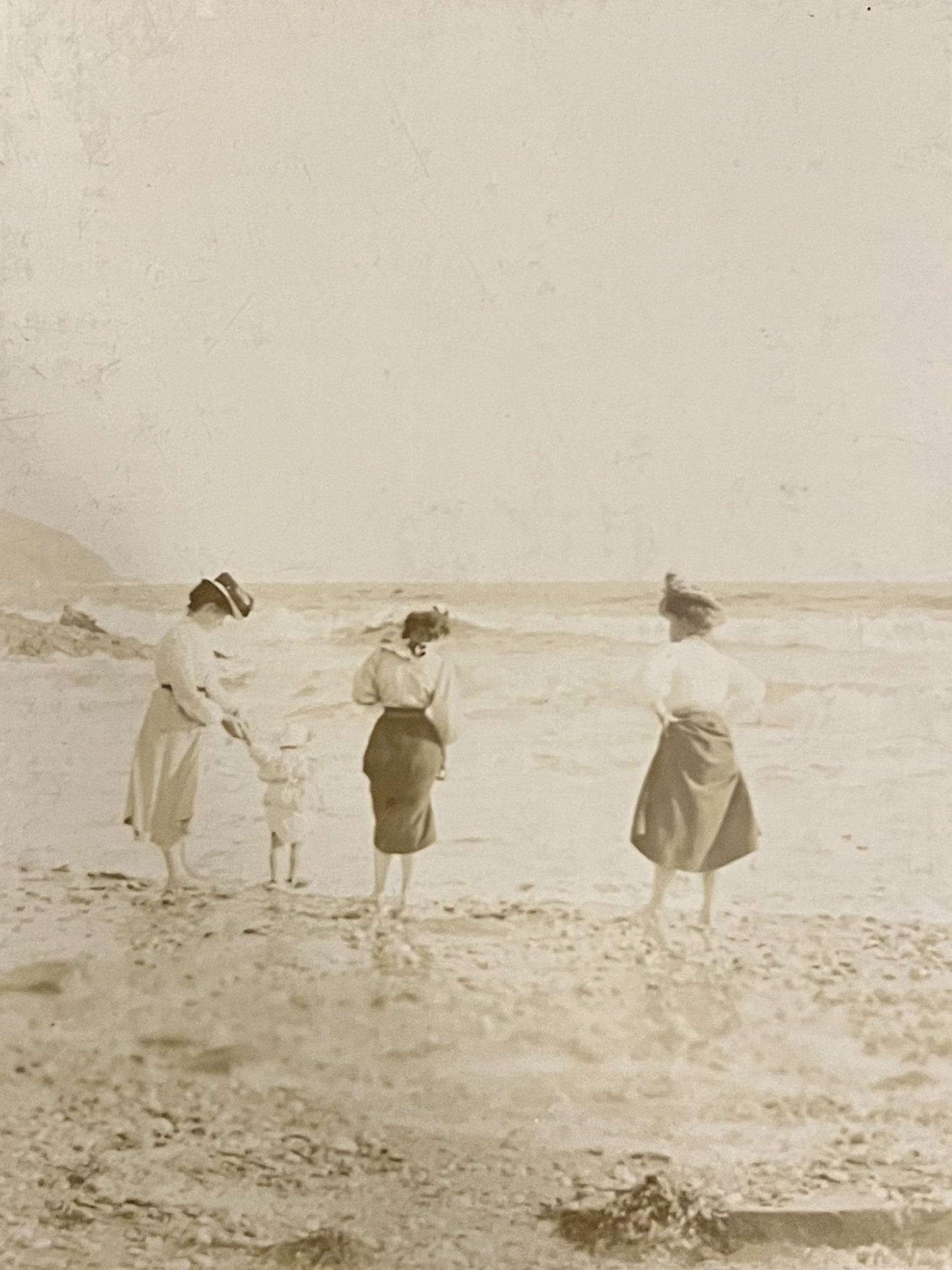
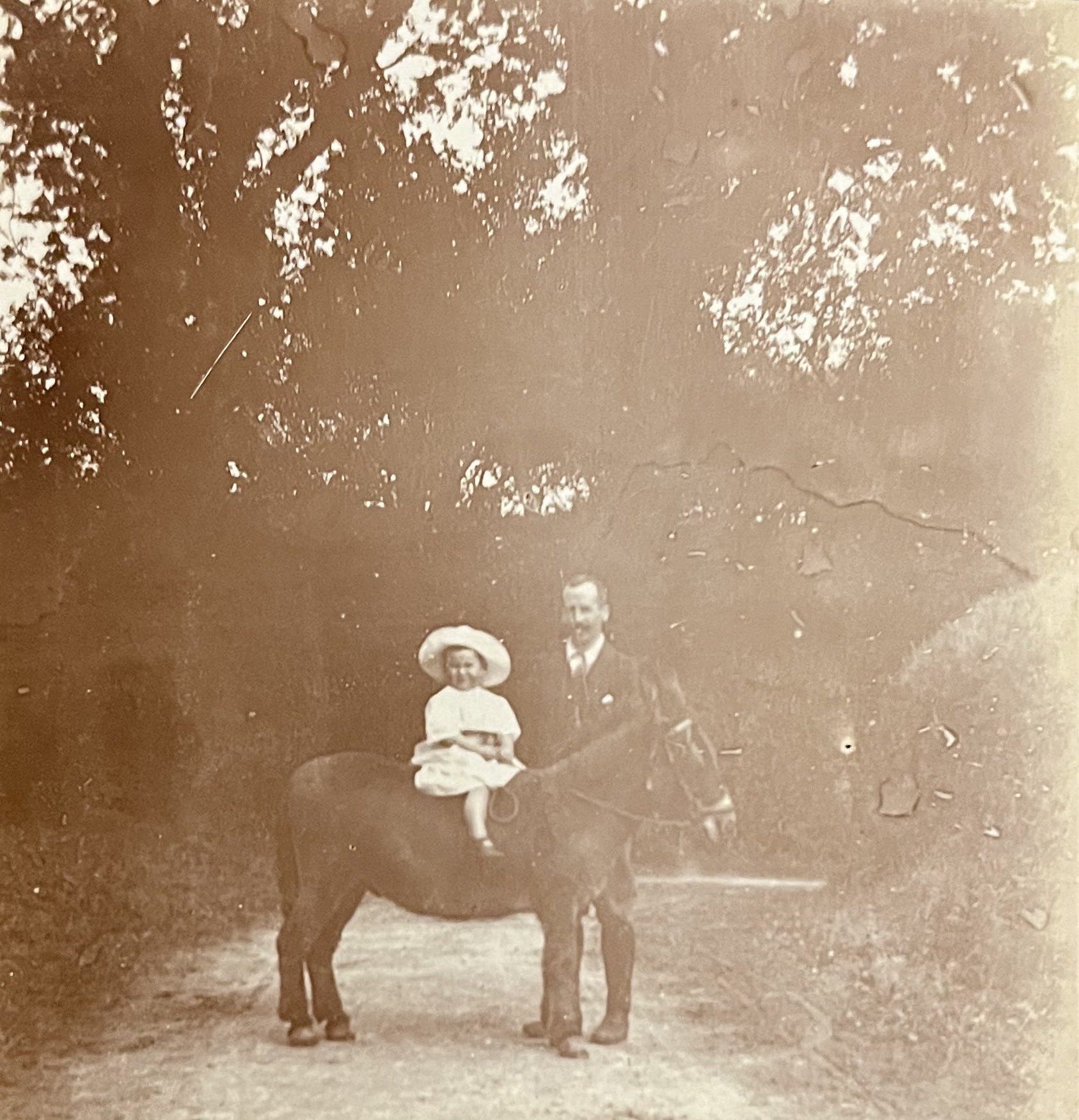
When the 1921 Census was taken, Sarah was recorded as a self-employed ‘photographic finisher’, working from home in the Surrey suburb of Croydon where she lived with her sister Lillie Kerswill and her family.
Sarah’s work for Bruton Studios in London’s Mayfair alongside society photographer Robert Johnson (1856-1926) seems to have lasted for around a decade into the early 1930s.
The details of how she then became connected with the W. & D. Downey company name after its liquidation are not known.
However, by 1935, ‘Sarah Partridge (Miss) (late of Bruton Studios)’ was operating as a ‘photographer & photographic instructor’ from Downey’s long-established London address at 61 Ebury Street in Belgravia.
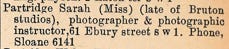
Trade directories reveal that she was sharing the premises with, amongst others, a cabinetmakers and a handicrafts business.
Examples of Sarah’s photography during this period have not survived, but she was using the company name as late as 1940 when this telephone directory listing was published.

The following year, ‘W. & D. Downey’ is again listed in a London Post Office directory at 61 Ebury Street, but on this occasion there’s no mention of Sarah Partridge.

It’s at this point that the research trail goes cold, though the Royal Collection Trust website which features nearly 1,500 examples of the company’s photography, confirms that 1941 was Downey’s last year of operation.
The lack of any surviving company archives by way of glass plate negatives or prints and written records suggests that the London Blitz may have had a hand in the company’s eventual fate.
What can be celebrated though with more certainty is the overlooked career of Miss Sarah Partridge who can now be recognised as a talented portrait photographer.
The search to discover more examples of her work and uncover more information about the final days of W. &. D. Downey continues.
 Pressphotoman
Leave a comment