
Photohistory sometimes takes the researcher down less travelled byways and throws up unexpected connections that take the breath away.
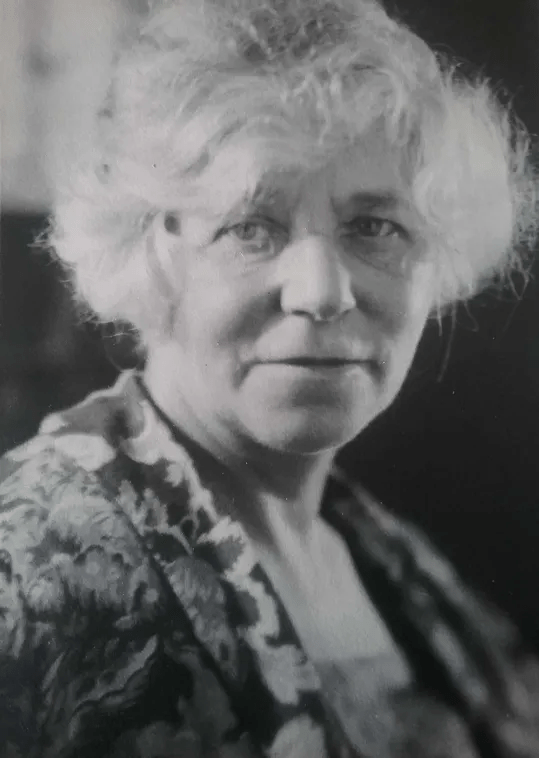
That is certainly the case with the photographer Sarah Partridge (1868-1955) whose career is fleetingly captured in a series of public records and press cuttings.
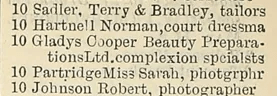
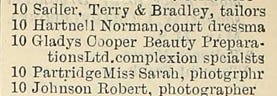
The first ‘wow’ moment in trying to learn more about her photography was provided by an entry in a 1925 London Street Directory for 10 Bruton Street in the Mayfair district.
Two names in particular stood out: ‘Norman Hartnell’ and ‘Gladys Cooper’.
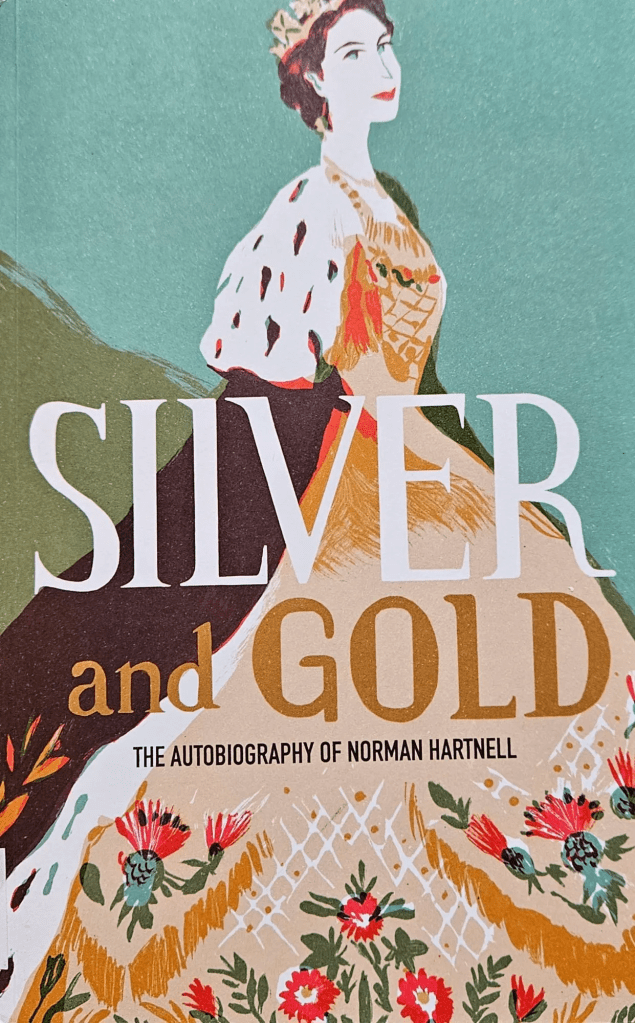
As revealed in his 1955 autobiography Silver and Gold, the fashion designer Norman Hartnell (1901-1979) opened his first haute de couture at 10 Bruton Street in April 1923.
According to Hartnell, “no house was ever started in a more unprofessional, amateurish way” (London: V&A Publishing, 2019 reissue).
Despite this, Hartnell was soon earning rave reviews in Paris and by the mid-1930s, he was designing clothes for the Royal Family.
It was a relationship that culminated in Princess Elizabeth’s wedding dress in 1947 and her magnificent Coronation dress six years later.
Also occupying commercial premises in the Georgian building at 10 Bruton Street was the celebrated actress Gladys Cooper (1888-1971).
At this point in her theatrical career, Gladys (later Dame Glad2ys) was the darling of the tabloid and illustrated press as demonstrated in this 1925 portrait from The Sketch.
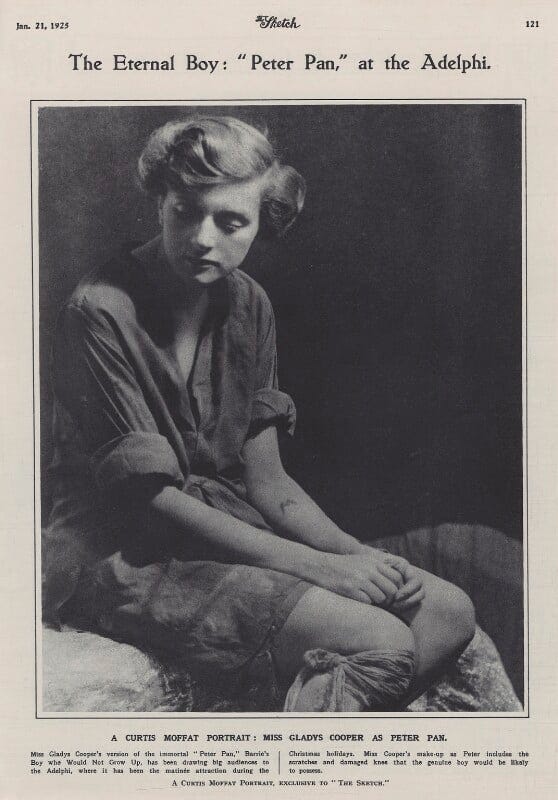
Her ‘beauty preparations’ business chimes with Hartnell’s recollection of Cooper being the first person he knew who followed a diet (milk and potatoes, two days a week) to stay slim.
However, what Hartnell’s account omitted to mention were the two photographers also operating from 10 Bruton Street, ‘Robert Johnson’ and the subject of this blogpost ‘Miss Sarah Partridge’.
Using the business name ‘Bruton Studios’, both were well connected in the world of royalty and high society.
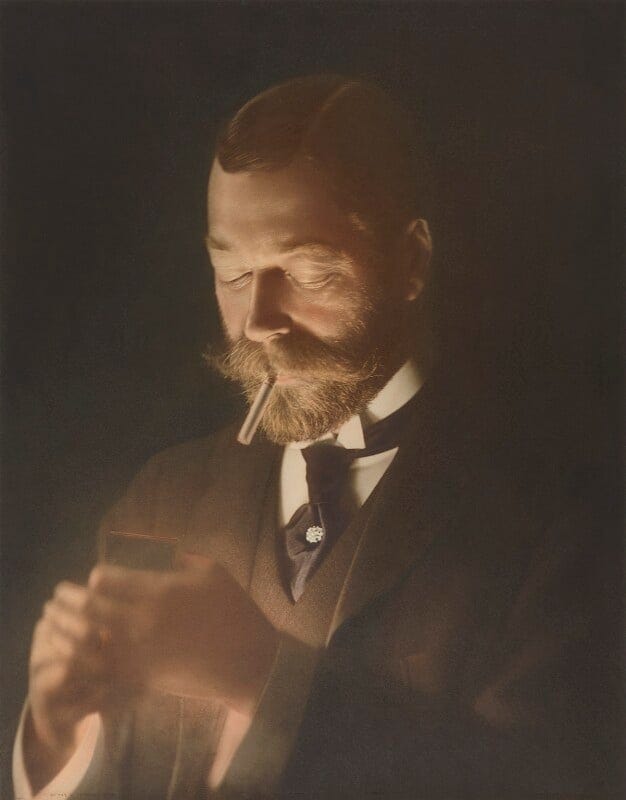
Robert Johnson (1856-1926) created this striking colourised portrait in the late 1890s when the future George V was Duke of York.
© National Portrait Gallery, London
It is one of three of images credited to him in the National Portrait Gallery, London that underline his credentials as a portrait photographer.
Like Johnson, Sarah Partridge began working in photography during the later decades of the 19th century.
First as a photographer’s assistant and then photographic re-toucher, the 1911 Census recorded her ‘personal occupation’ as ‘photographer’s artist’.
Her artistry is evident in examples of her work shared with this blog by her great great niece Jennie Gray, who lives in Australia.
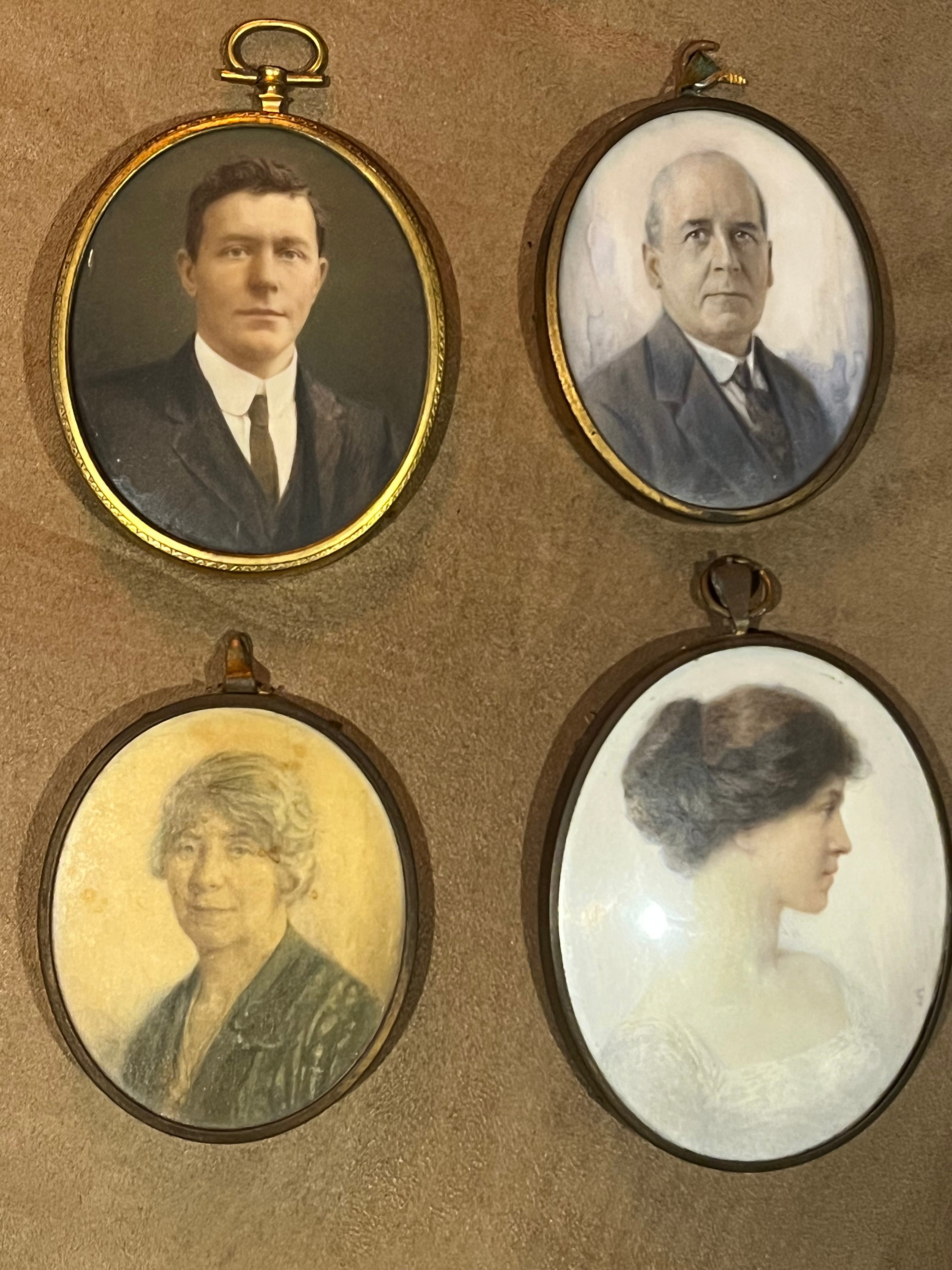
The verso of the portrait (above bottom right) identifies its subject as ‘Mrs. Sydney Cullon Wells’.
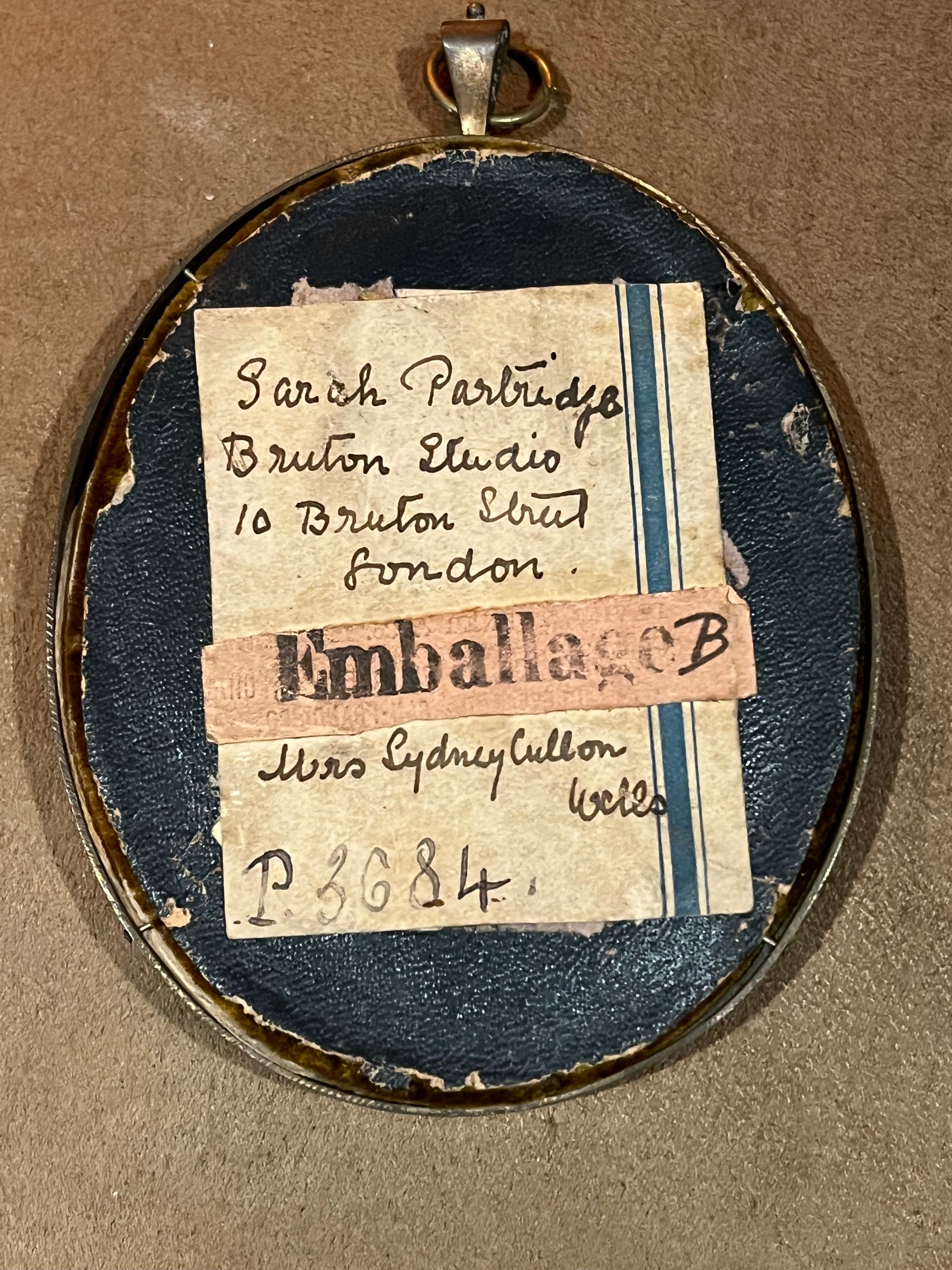
‘P3684’ may relate to the thousands of similar portraits that Sarah was responsible for creating for a wealthy list of clients.
In the second part of this blogpost, I’ll share further research about Sarah’s photography that culminates in her role during the final days of royal photographers W. & D. Downey.

 Pressphotoman
Leave a comment