The brothers’ firm, W. & D. Downey, went on to become known worldwide for its portraits of Queen Victoria and the British royal family.
Diamond Jubilee portrait of Queen Victoria by W. & D. Downey. Copyright Royal Collection Trust / King Charles III.
As well as commercial photographers, skilled amateurs were also active in South Shields as revealed in new research by Rebecca Sharpe, co-curator of the Brian May Archive of Stereoscopy (Stereo World, vol. 51, no. 3 / Nov-Dec 2025 and no. 4 / Jan-Feb 2026).
In March 1859, Thomas Crookes, editor of ThePhotographic News, put forward to readers the idea of exchanging stereoscopic (or 3D) views.
The following month, a list of gentlemen’s names was published as willing participants in what became known as ‘The Stereoscopic Exchange Club.’
Among its founding members was ‘A.F. Stafford of 2 Alderson Street, South Shields.’
First members list of the Stereoscopic Exchange Club (8th April 1859). From The Photographic News. Courtesy of Rebecca Sharpe.
According to the 1861 Census, Anthony Ford Stafford (1822-1910) was a ‘ship builder’s agent’ living with his wife Maria in the Westoe district of the town.
As to his photography, the columns of The Photographic News reveal that he was both knowledgeable and accomplished.
In a contribution to the paper’s ‘Photographic Notes and Queries’ column (5th August 1859), Stafford described his experience of using the newly-announced dry plate Fothergill Process.
This account also reveals important details about his photographic practice including his use of a “Ross 4 1/2 inch focus stereo lens.”
First members list of the Stereoscopic Exchange Club (8th April 1859). From The Photographic News. Courtesy of Rebecca Sharpe.
In a note at its conclusion, editor Thomas Crookes added: “The stereogram received is one of the most perfect we have ever seen” though no mention of the subject was given.
In what might be a complete coincidence, a W. & D. Downey newspaper advert appeared the very next day offering for sale “stereoscopic views of the village of Westoe.”.
North & South Shields Gazette (6th August 1859). From British Newspaper Archive.
Taken together though, these two pieces of evidence at least raise the possibility that A.F. Stafford was supplying Downey’s with high-quality stereoscopic views.
As to whether they knew each other, their paths may well have crossed in other roles they undertook in the South Shields community
For example, Stafford was secretary of the Mechanics Institute whilst both Downey brothers were committee members of the Working Men’s Institute.
Within a few years though, their lives had moved in different directions.
In March 1863, South Shields celebrated the royal wedding of the Prince and Princess of Wales with a public ball in the hall of the Mechanics Institute that A.F. Stafford helped organise.
By contrast, the Downey brothers had opened a studio in Newcastle upon Tyne and were soon photographing members of the royal family such as Alexandra, Princess of Wales with her daughter Louise.
In the search for more clues about A.F. Stafford’s photography, I was delighted to locate a cache of his personal papers in the collection of the Tyne & Wear Archives (DX1016).
This reveals more about his business dealings centred around shipping on the River Tyne, but sadly there was no further evidence or any examples of his photography.
As for the Stereoscopic Exchange Club of which Stafford had been a founding member, it continued for a few years until running out of steam.
If this post has whetted your appetite, Rebecca Sharpe’s research about the Stereoscopic Exchange Club with examples of its members’ stereos features in a talk she gave last week for the Royal Photographic Society Historical Group.
She shared the event with Julie Gibb of National Museums Scotland whose research into the United Stereoscopic Society featured in an earlier Pressphotoman post (Jigsaw Pieces – 8th December 2025).
Saturday (6th December) marks the Feast of St. Nicholas when celebrations take place in many western Christian countries.
It’s a tradition that dates back to the 4th century when St. Nicholas as Bishop of Lyra was venerated for his generosity to children.
His later transformation into Santa Claus and Father Christmas during the 19th century has rather overshadowed his earlier role in the Christian church.
That said, many churches are named after St. Nicholas including one of my favourite buildings in Britain.
Newcastle Cathedral with its distinctive lantern tower began life during the 12th century as St. Nicholas Parish Church.
It’s a structure that continues to dominate the urban skyline and has been portrayed by successive generations of photographers as my own collection bears witness.
For instance, this carte de visite dates from the mid-1860s when the firm of W. & D. Downey was establishing its Newcastle studio in the heart of the city.
Erroneously titled ‘St. Peter’s’ in an unknown hand, it’s a view that had its origins in a stereoscopic 3D image.
In July 1864 as Downey’s consolidated its reputation for high-quality work, the firm placed one of its regular ‘Now Ready’ advertisements in the local press.
Newcastle Journal (15th July 1864). From British Newspaper Archive.
Like most collectors, the search for a particular image sometimes ends when you are least expecting it.
So it proved with a Downey stereo of St. Nicholas’ Church that appeared on a well-known auction site recently courtesy of a seller in the United States.
The first image I saw featured the verso of the stereocard revealing its title details printed on the company’s familar blue sticker.
The only slight disappointment was that, as closer examination of the two stereo halves reveals, the full 3D effect was undermined by the images being slightly out of alignment.
One explanation for this might be a result of the laborious process of cutting the photographic prints to size by hand.
Whether this particular stereo failed to meet Downey’s own high standards and ended up in the bin isn’t known.
Despite this, the pleasure of handling an object that is around 160 years old never fails to pall.
From the 1860s, photographers W. & D. Downey were among Queen Victoria’s favourites and produced defining royal images into the early decades of the 20th century.
However, by the time the Daily Mirror published this front page Downey portrait of Queen Alexandra marking her Diamond Jubilee in 1923, the company’s fortunes were already in decline.
Daily Mirror (7th March 1923). From British Newspaper Archive.
By July 1932, according to a notice that appeared in the Daily Telegraph, liquidators were called in and creditors asked to make claims on any outstanding debts.
Daily Telegraph (25th July 1932). From British Newspaper Archive.
That, one might have assumed, was the end of the W. & D. Downey story.
However, new research reveals that both the company name and its famous address of 61 Ebury Street in London’s Belgravia lived on.
The photographer responsible was Miss Sarah Partridge (1868-1955) whose career as a high society portraitist was celebrated in last week’s Pressphotoman blogpost.
By the time of Downey’s liquidation, she had a long and illustrious CV in the photography business.
Examples of Sarah’s photography have been shared with this blog by Jennie Gray, her great great niece who lives in Australia.
These untitled examples are both signed ‘S. Partridge’ with a London address at ‘26 Victoria Street, SW’ from where she operated in 1920, according to the London telephone directory.
Untitled by Sarah Partridge (1868-1955). Courtesy of Jennie Gray.Untitled by Sarah Partridge (1868-1955). Courtesy of Jennie Gray.. Signature of Sarah Partridge (1868—1955). Courtesy of Jennie Gray.
When the 1921 Census was taken, Sarah was recorded as a self-employed ‘photographic finisher’, working from home in the Surrey suburb of Croydon where she lived with her sister Lillie Kerswill and her family.
Sarah’s work for Bruton Studios in London’s Mayfair alongside society photographer Robert Johnson (1856-1926) seems to have lasted for around a decade into the early 1930s.
Examples of portraits by Sarah Partridge (1868-1955). Courtesy of Jennie Gray.
The details of how she then became connected with the W. & D. Downey company name after its liquidation are not known.
However, by 1935, ‘Sarah Partridge (Miss) (late of Bruton Studios)’ was operating as a ‘photographer & photographic instructor’ from Downey’s long-established London address at 61 Ebury Street in Belgravia.
1935 London Telephone Directory. From My Ancestry.
Trade directories reveal that she was sharing the premises with, amongst others, a cabinetmakers and a handicrafts business.
Examples of Sarah’s photography during this period have not survived, but she was using the company name as late as 1940 when this telephone directory listing was published.
1940 London Telephone Directory. From My Ancestry.
The following year, ‘W. & D. Downey’ is again listed in a London Post Office directory at 61 Ebury Street, but on this occasion there’s no mention of Sarah Partridge.
It’s at this point that the research trail goes cold, though the Royal Collection Trust website which features nearly 1,500 examples of the company’s photography, confirms that 1941 was Downey’s last year of operation.
Entry for W. & D. Downey from Royal Collection Trust website.
The lack of any surviving company archives by way of glass plate negatives or prints and written records suggests that the London Blitz may have had a hand in the company’s eventual fate.
What can be celebrated though with more certainty is the overlooked career of Miss Sarah Partridge who can now be recognised as a talented portrait photographer.
Sarah Treneman Partridge (1868-1955). Courtesy of Jennie Gray.
The search to discover more examples of her work and uncover more information about the final days of W. &. D. Downey continues.
Photohistory sometimes takes the researcher down less travelled byways and throws up unexpected connections that take the breath away.
That is certainly the case with the photographer Sarah Partridge (1868-1955) whose career is fleetingly captured in a series of public records and press cuttings.
Sarah Treneman Partridge (1868-1955) in later life. Courtesy of Jennie Gray.
The first ‘wow’ moment in trying to learn more about her photography was provided by an entry in a 1925 London Street Directory for 10 Bruton Street in the Mayfair district.
Two names in particular stood out: ‘Norman Hartnell’ and ‘Gladys Cooper’.
As revealed in his 1955 autobiography Silver and Gold, the fashion designer Norman Hartnell (1901-1979) opened his first haute de couture at 10 Bruton Street in April 1923.
According to Hartnell, “no house was ever started in a more unprofessional, amateurish way” (London: V&A Publishing, 2019 reissue).
Despite this, Hartnell was soon earning rave reviews in Paris and by the mid-1930s, he was designing clothes for the Royal Family.
It was a relationship that culminated in Princess Elizabeth’s wedding dress in 1947 and her magnificent Coronation dress six years later.
Also occupying commercial premises in the Georgian building at 10 Bruton Street was the celebrated actress Gladys Cooper (1888-1971).
At this point in her theatrical career, Gladys (later Dame Glad2ys) was the darling of the tabloid and illustrated press as demonstrated in this 1925 portrait from The Sketch.
Her ‘beauty preparations’ business chimes with Hartnell’s recollection of Cooper being the first person he knew who followed a diet (milk and potatoes, two days a week) to stay slim.
However, what Hartnell’s account omitted to mention were the two photographers also operating from 10 Bruton Street, ‘Robert Johnson’ and the subject of this blogpost ‘Miss Sarah Partridge’.
Using the business name ‘Bruton Studios’, both were well connected in the world of royalty and high society.
Robert Johnson (1856-1926) created this striking colourised portrait in the late 1890s when the future George V was Duke of York.
It is one of three of images credited to him in the National Portrait Gallery, London that underline his credentials as a portrait photographer.
Like Johnson, Sarah Partridge began working in photography during the later decades of the 19th century.
First as a photographer’s assistant and then photographic re-toucher, the 1911 Census recorded her ‘personal occupation’ as ‘photographer’s artist’.
Her artistry is evident in examples of her work shared with this blog by her great great niece Jennie Gray, who lives in Australia.
Examples of portraits by Miss Sarah Partridge (1868-1955). Courtesy of Jennie Gray.
The verso of the portrait (above bottom right) identifies its subject as ‘Mrs. Sydney Cullon Wells’.
Verso of ‘P3684’. Courtesy of Jennie Gray.
‘P3684’ may relate to the thousands of similar portraits that Sarah was responsible for creating for a wealthy list of clients.
In the second part of this blogpost, I’ll share further research about Sarah’s photography that culminates in her role during the final days of royal photographers W. & D. Downey.
Over the past few days, a significant anniversary in the history of the British monarchy and the media was passed.
On 3rd October 1896, Queen Victoria together with other members of the royal family were filmed for the first time.
Frame taken from cinefilm of Queen Victoria (3rd October 1896).
Keeping pace with the Queen’s passionate interest in all matters photographic, the shoot took place only ten months after the Lumiére brothers unveiled their first cinematograph films in Paris.
The firm of W. & D. Downey, often regarded as Victoria’s favourite portrait photographers, was tasked with recording the first moving pictures of her.
Given the importance of the assignment, members of the extended Downey photographic family travelled to the Scottish Highlands where the Queen was in residence at Balmoral.
Leading the filming project was William Edward Downey (1855-1908), who by this point had taken over day-to-day running of the firm co-founded in the mid-1850s by his father William (1829-1915).
Mr. W.E. Downey. From The Professional Photographer (1906).
He was joined by his cousins James John Downey (1854-1902) and Frederick Downey (1862-1936), who both travelled from Tyneside where the original Downey business had its roots.
By the 1890s, their own firm, J.J. & F. Downey based in South Shields, was a thriving photographic concern in its own right.
Details of filming at Balmoral and its aftermath can be gleaned from a variety of contemporary sources.
‘From a photograph by W. and D. Downey, Ebury Street, W’.
According to Queen Victoria’s Journals, 3rd October 1896 was “A lovely morning. — Nicky & Arthur breakfasted with us. — At 12 went down to below the Terrace, near the Ball Room, & were all photographed by Downey by the new cinematograph process, which makes moving pictures by winding off a reel of films.”
She continued: “We were walking up & down & the children jumping about. Then took a turn in the pony chair.”
Staying with the Queen were Tsar Nicholas II (known as Nicky) and his wife Tsarina Alexandra of Russia, who added additional glamour and international appeal to the occasion.
Recent research has revealed that unfamiliarity of working with the new technology meant the film was incorrectly loaded into the camera.
This resulted in an unstable image featuring “a severe vertical jumping motion and blurring of the picture.”
Using copies of the footage held by the BFI National Archive and Movietone News, the National Library of Scotland undertook a digitisation project in 2021 that has greatly improved the viewing experience.
Several weeks later, the national press reported how footage shot by W. & D. Downey, described as ‘animated photographs’, had been shown to the Queen and royal family members during a film and lantern slide show held at Windsor Castle.
Illustrated newspapers and magazines had only recently begun to employ halftone reproductions alongside engravings.
So to provide readers with an impression of watching moving pictures, Lady’s Pictorial used the latest printing technology to reproduce three pages of frames taken from the film footage.
Lady’s Pictorial Supplement (5th December 1896). From British Newspaper Archive.
Back on Tyneside, J.J. & F. Downey wasted little time in placing an advert in their local paper, the Shields Daily Gazette, offering the chance to view what they branded ‘Downey’s Living Photographs’.
Shields Daily Gazette (8th October 1896). From British Newspaper Archive.
It was to prove a fruitful avenue for theirs and other photographic businesses in the years that followed as moving pictures took over from portrait galleries and lantern slide shows as forms of mass entertainment.
During the summer of 1866, the celebrated photographic firm of W. & D. Downey named after its founding brothers William and Daniel placed a series of advertisements in the regional press.
These announced that they had opened a ‘branch establishment’ in the Northumberland seaside resort of Newbiggin by the Sea (last line below).
Newcastle Weekly Chronicle (16th June 1866). From British Newspaper Archive.
The choice of Newbiggin, fifteen miles along the North Sea coast from Downey’s main studio in Newcastle upon Tyne, was rooted in a significant family moment.
It was in Newbiggin that on 18th April 1866, Daniel Downey’s wife Elizabeth gave birth to a daughter.
Shields Daily News (20th April 1866). From British Newspaper Archive.
The couple’s choice of location for the baby’s delivery may well have been informed by the health benefits of escaping the pollution of an industrial city where child mortality rates were high.
Indeed, the couple, who married in 1863, had lost their first child, a boy named William Daniel, early the following year.
The safe arrival of Elizabeth Jane Downey was followed by a period of entrepreneurial photographic activity that characterised the firm throughout its long history.
Newspaper adverts reveal that by mid-July, the Downey’s had moved their seaside studio to Monck House, a property once occupied by Sir Charles Monck of Belsay.
A leading aristocrat in the region, Monck had previously sat for the Downey’s at Belsay Hall and was part of their expanding network of influential figures.
Monck House was certainly more in keeping with the facilities on offer at their 9 Eldon Square base in Newcastle as this newspaper advert confirms.
Newcastle Daily Journal (3rd August 1861). From British Newspaper Archive.
On 14th July 1866, an advert carried by the Morpeth Herald announced that Downey’s Newbiggin branch, now with its Monck House address, was open “for a short season, for the convenience of visitors to this beautiful watering place.”
It also advised that “to prevent disappointment, or having to wait, it will be better to make an appointment.”
Together with a series of views of “Newcastle, Woodhorn and Newbiggin-by-the-Sea”, another of the paper’s small ads made its readers aware of yet more Downey product that could be purchased in the resort.
Morpeth Herald (14th July 1866). From British Newspaper Archive.
Apart from mis-spelling its surname, the use of ‘Messrs. D & W.’ reversing the usual order of ‘W. & D.’ suggests that Daniel was combining his duties as a new father with this varied photographic schedule.
What a recent Pressphotoman visit to Newbiggin revealed was that the mid-1860s were pivotal years in the resort’s development.
1866 itself saw the building of Newbiggin Rocket House, one of Britain’s oldest and one that was involved in life-saving ship rescues well into the 20th century.
Within weeks of their summer season at Newbiggin by the Sea, the Downey brothers began a ground-breaking new chapter in their firm’s illustrious history.
For the first time, they were summoned by Queen Victoria to Balmoral where her diary for Saturday 22nd September 1866 records that “on coming home was photographed by a very good photographer Downey from Newcastle”.
Like the couple featured in a giant sculpture that watches over Newbiggin by the Sea today, the Downey’s never looked back.
The very first Pressphotoman post published in December 2022 featured a Channel 5 tv documentary about Queen Alexandra.
Portraying “the little celebrated and long-suffering wife” of King Edward VII, I questioned why a 70-minute programme rich in archive photographs had ignored one particular celebrated carte de visite portrait.
The resulting carte reportedly sold around 300,000 copies at a time when photography offered the public an affordable outlet for their fascination with the royal family.
That fascination continues as evidenced by another royal tv documentary broadcast in Britain last week.
Again, it offered an unmissable opportunity to utilise well-known carte de visite portraits of its subjects.
This time the programme makers did not disappoint.
Titled ‘Queen Victoria: Secret Marriage? Secret Child?’, Dr. Fern Riddell presented new evidence revealing a romantic relationship between Queen Victoria and her Highland servant John Brown.
As its title hinted, this included the claim that they not only married, but even had a child together.
Photohistorians have long pored over carte de visite portraits of the couple that were produced during the 1860s and 1870s.
Among the earliest was taken by the Aberdeen photographer George Washington Wilson at the Queen’s Balmoral estate in October 1863.
Marking the anniversary of her last Highland ride with Prince Albert, Victoria together with her pony ‘Fyvie’ were flanked by two of her servants, John Brown and John Grant.
However, when the photograph was published as a commercial carte, Grant was edited out of the shot leaving Brown and the Queen together.
The photograph later became symbolic of the monarch’s deep mourning for her late husband and her relationship with Brown that was already the subject of much gossip.
Sales during the following year were just short of 13,000 copies of this and other portraits made on the same occasion though the ‘Fyvie’ carte was the most popular.
The documentary also made great use of a similar portrait of Victoria and Brown taken five years later.
In the documentary, it was used to provide physical evidence for its argument that the Queen had given birth to a child with Brown the previous year.
Photographers like the Downey brothers and George Washington Wilson were no doubt privy to all kinds of interactions between the Queen and members of the royal household.
Exactly what they knew and saw would no doubt have interested today’s royal documentary makers.
What these intimate photographs capture only adds to the mystery surrounding Victoria and Brown.
Bigg Market in the heart of Newcastle upon Tyne is home today to numerous bars and restaurants that are a popular destination for a lively night out.
The name Bigg Market derives from a type of barley – ‘bigg’ – grown in the North of England and Scotland since Neolithic times.
From the early 19th century, varieties of grain from oats to corn were sold at a regular market staged in an area of Newcastle close to St. Nicholas Church, now its Anglican cathedral.
The name Bigg Market stuck.
It is a location captured during the late-1860s in this 3D stereocard by W. & D. Downey that has recently become part of the Pressphotoman collection.
Stereoscopically, it has the hallmarks of their work in terms of quality with the two wheeled carts in the immediate foreground acting as a trigger for the three dimensional effect.
Even without a stereo viewer to hand, it is possible to achieve the 3D effect by looking into the heart of the card and relaxing your eyes.
Downey’s had published stereos since its early days in South Shields at the end of the 1850s, but examples are hard to find.
Dating this card is helped by the knowledge that the prominent facade of Newcastle Town Hall (with St. Nicholas Church and its distinctive lantern tower in the background) was completed in 1863.
Another Downey stereo in my collection features the town’s catholic cathedral, St. Mary’s, and dates from around the same time when the company was actively promoting its series of ‘views’ of Newcastle in press adverts.
Again, yellow card is used, but the images are arched rather than square; and the verso features a blue coloured sheet of paper pasted onto the card that helped the stereos retain their shape.
One feature that is common to several Downey items in my collection is the same seller’s stamp on the verso.
‘Allan’ was Thomas Allan (1833-1894), a Newcastle blacksmith with a love of reading who set up in business as a bookseller and newsagent in 1858.
Three years later, he established another branch in nearby Dean Street which then moved to the ‘corner of Dean Street and Mosley Street’ as per his seller’s sticker.
As the company established itself in Newcastle, Downey’s ever-expanding range of carte de visite as well as stereocards were available to customers at all branches of Allan’s.
Thomas Allan joined forces with his brother William in 1881 and the T. & G. Allan company was a thriving concern across the North East of England into the 21st century.
The previous Pressphotoman piece marking a significant photographic anniversary has sent this blog’s research into the firm of W. & D. Downey of Newcastle on Tyne in fresh directions.
On 29th June 1863, William Downey took this group portrait in the garden of the London home of the Pre-Raphaelite artist Dante Gabriel Rossetti.
It features Rossetti and William Scott Bell, known as the Northern Pre-Raphaelite, together with the movement’s champion John Ruskin.
The explanation for the hat and wig he is wearing is that his facial hair including his eye brows had recently fallen out due to an attack of alopecia.
This dramatic change is evident in an earlier Bell Scott portrait, also attributed to W. & D. Downey.
It is one that features in the collection of the Watts Gallery, Surrey (my thanks to Antony Ryan for this information).
The exact dating of the portrait is unknown, but it has the hallmarks of the company’s early celebrity cartes de visite published around 1860 when the Downeys were still based in South Shields.
As head of the Government’s School of Design in nearby Newcastle on Tyne (1843-1864), Bell Scott was a significant figure in the North East of England.
Eight of his best-known artworks completed between 1857 and 1861 feature in the Central Hall of Wallington, Northumberland, a stately home now in the care of the National Trust.
Rear view of Wallington, Northumberland. June 2025. Author’s photo.
Commissioned by Lady Pauline Trevelyan, Bell Scott’s brief was to decorate the hall with ‘wall paintings to illuminate the history and worthies of Northumbria.’
These are titled ‘The Roman Wall,’ ‘King Efrid and Cuthbert,’ ‘The Descent of the Danes,’ ‘The Death of Bede,’ ‘Spur in the Dish,’ ‘Bernard Gilpin,’ ‘Grace Darling’ and ‘Iron & Coal.’
The Central Hall designed by the Newcastle architect John Dobson took its inspiration from John Ruskin’s vision of an Italian Renaissance courtyard.
A recent opportunity to visit Wallington confirmed the impressive nature of both the hall and its paintings.
Central Hall, Wallington. June 2025. Author’s photo.Central Hall, Wallington. June 2025. Author’s photo.
On 29th June 1863, photographer William Downey set up his equipment in the garden of a house in the Chelsea district of London.
The house was home to the poet and illustrator Dante Gabriel Rossetti (1828-1882).
Joining him for the photoshoot were his friend and fellow Pre-Raphaelite artist William Bell Scott (1811-1890) together with the writer and critic John Ruskin (1819-1900).
Earlier in the year, Rossetti and Bell Scott had been photographed separately by William and his brother Daniel for their company, W. & D. Downey of Newcastle on Tyne.
Newcastle Daily Journal (21st March 1863). From British Newspaper Archive.
Hence, adding Ruskin to the line-up had a commercial caché.
The resulting photographs featuring the trio were then published by Downey in a variety of formats including cabinet cards and cartes de visite.
As to how the photoshoot came about, Bell Scott may well have been pivotal.
He was a Tyneside connection of the Downey brothers from his years as head of the Government School of Design in Newcastle (1843-1864).
In later years when interviewed about his own career, William Downey (1829-1915) recalled an incident about the Bell Scott/Rossetti/Ruskin photoshoot “hitherto unpublished.”
“I was taking their portraits together, and for the purpose of grouping would have had Mr. Ruskin sit down.
“But no. His reverence for Rossetti was so great that he would not sit down in his presence, and so had to be taken standing” (from ‘The Queen’s Photographer,’ English Illustrated Magazine, March 1896).
For the collector and those with an interest in the Downey photographic dynasty, these images are high on any wish list.
But their scarcity and budgetary constraints make adding such images to the Pressphotoman collection highly unlikely.
Given this, it was a moment of high excitement this week to obtain this carte portrait of John Ruskin taken on the same occasion.
The attribution ‘Unknown Photographer’ is like catnip to the photohistorian.
Sometimes the pieces of the jigsaw fall neatly into place and a credible name for the author of an image emerges.
That’s exactly what happened during the writing of this blogpost.
It began with a portrait photograph that is more than 160 years old and among the earliest protected by UK copyright law.
Copy 1/1/279. National Archives/OGL.
It features the veteran statesman and philosopher Henry, Lord Brougham (1778-1868) and was taken by Daniel Downey, one of the Tyneside brothers behind the celebrated photography firm of W. & D. Downey.
These facts are known because of a vital piece of legislation that early photographers in particular were quick to embrace.
On 29th July 1862, the Fine Arts Copyright Act became law and required anyone wanting to protect their paintings, drawings or photographs to complete a form and attach a copy of the work.
The first photograph (COPY 1/1/1) was registered on 15th August at Stationers Hall in London where the act was administered.
A few months later, according to a document stored in the National Archives at Kew, Daniel Downey submitted a form together with a copy of the photograph (seen above) that he had taken.
Copy 1/1/279. National Archives/OGL.
Dated 19th November 1862, the resulting form complete with his signature is numbered ‘279.’
For a researcher like me with an ongoing interest in charting the history of the Downey company, seeing such a document in the flesh as I did recently was a real privilege.
As regular readers will be aware, 1862 was a pivotal year for the Downey brothers, William and Daniel, who had started their photography business in South Shields several years earlier.
That January, their photographs of the aftermath of the New Hartley pit disaster claiming the lives of 204 men and boys were acclaimed by Queen Victoria.
Then, in March, their new studio at 9 Eldon Square, Newcastle on Tyne opened and quickly became a go-to destination for the great and good seeking a high-quality photographic portrait.
Daniel’s portrait of Lord Brougham was subsequently issued commercially as a carte de visite.
An example of this carte marked ‘Copyright’ and ‘W. & D. Downey’ on the front is part of the collection of the National Portrait Gallery, London.
As to when the photograph was taken, an article in the Newcastle Daily Journal (12th January 1863) reported how Downey had been honoured with repeated commissions from Brougham, who it called “the great opponent of the slave trade.”
The paper went on: “… only recently they were on a professional visit to his residence in Westmoreland, when they had the rare good fortune to obtain, in one small carte de visite, the portraits of both Lord Brougham and Mr. Gladstone.”
Searching online for this carte featuring Brougham with the then Chancellor of the Exchequer and later Prime Minister in four British governments, I came across this image.
Titled ‘Henry Brougham …. and William Ewart Gladstone’ and described as an ‘albumen print, late 1850s,’ the website of the National Portrait Gallery, London states that it was purchased in 1991 and attributes it to an ‘unknown photographer.’
Looking at the chair being used and the stone wall background, the visual evidence suggests a number of similarities with Daniel Downey’s copyrighted portrait of Lord Brougham.
Copy 1/1/279. National Archives/OGL.
Press reports also help identify a possible date and location at which these portraits featuring Brougham alone and together with Gladstone were taken.
In a report headlined ‘Mr. Gladstone’s visit to Newcastle’, the Newcastle Courant (10th October 1862) described how “the right honourable gentleman [Gladstone] and Mrs. Gladstone, who had been staying with Lord Brougham at Brougham Hall, near Penrith … arrived at Blaydon-on-Tyne, on Monday afternoon, by train from Carlisle.”
Newcastle Courant (10th October 1862). From British Newspaper Archive.
This account points to the period prior to this when the sittings took place with Brougham Hall being a strong candidate as the location.
It would also connect neatly with an event that took place in Newcastle the day after Gladstone and Mrs. Gladstone’s arrival in the city on Monday 7th October 1862.
The next day, the Newcastle Courant reported that Gladstone paid a visit to “the studio of Mr. Downey, photographer, Eldon Square, where the Chancellor of the Exchequer sat for a portrait.”
This resulting carte de visite issued by W. & D. Downey is part of my collection and also features in several versions in the collection of the National Portrait Gallery, London.
Taken together, the sequence of events strongly suggests that Daniel Downey not only took the portraits featuring Lord Brougham and Mr. Gladstone at Brougham Hall, but also as that of Gladstone at Downey’s Eldon Square studio in Newcastle.
Whatever the exact details of their provenance, the resulting photographs capture two of Britain’s best-known politicians in their Victorian pomp.
I first came across her work last year whilst browsing in a second-hand bookshop.
Historic Architecture of Newcastle Upon Tyne (Oriel Press, 1967) was full of striking photographs of a city that I’ve known for the past 40+ years.
From Historic Architecture of Newcastle upon Tyne (Oriel Press, 1967). Author’s Collection.
Reading the book’s credits revealed that, aside from two images, “all other photography by Ursula Clark.”
So who was Ursula Clark and how did she come to take such a huge number of striking photographs?
The answer and the results of a research project that’s occupied me for several months will be shared later this week during a free online talk for the Royal Photographic Society Historical Group.
This Friday (21st June) is Stereoscopy Day, the third annual global celebration of stereoscopic 3D.
Organised by Denis Pellerin and Rebecca Sharpe, co-curators of the Brian May Archive of Stereoscopy, Stereoscopy Day marks 186 years since Sir Charles Wheatstone first presented the stereoscope and his theory of binocular vision to the world.
It was more than a decade ago when I first became aware of Wheatstone’s discovery.
Studying for a Masters degree in Photographic History & Research at De Montfort University, Leicester, I was fortunate enough to attend a presentation by Brian May, Denis Pellerin and Paula Fleming about their book ‘Diableries: Stereoscopic Adventures in Hell.’
‘Diableries’ originally published in 2013.
For the first time, I heard terms like ‘stereocard,’ ‘stereoscope’ and ‘view’ and learned about the fascination that 3D held for the Victorians.
As it turned out, the presentation proved both inspirational and pertinent.
A few months later, my Masters research project took shape … and a professional stereographer, Percy R. Salmon FRPS (1872-1959), was at its heart.
2022 film celebrating the 150th birthday of Percy R. Salmon FRPS (1872-1959).
But there was only one problem.
However hard I tried, I could not see in 3D.
The reason lay in my ‘lazy’ right eye, diagnosed when I was 7 during a school medical.
My astigmatism has meant wearing glasses ever since.
Then one day, when I had almost given up all hope of seeing in 3D, I looked at a stereocard through a hand-held stereoscope for the umpteenth time – and the two images fused into one.
I could see the promised 3D ‘view.’
My first hand-held stereocard viewer, ‘The Perfecscope’ c. 1895.
Since then, stereoscopy has transformed my life, leading to a doctorate that investigated 3D’s influence on early press photography (see ‘Writings’).
It’s also improved my eye-sight, prompting my optician to wonder how this was possible given I am getting older.
What started as a handful of stereocards is now a growing collection.
It largely features the Underwood & Underwood company (1880s-1920s); plus Excelsior Stereoscopic Tours of Burnley, Lancashire; press stereographer James Edward Ellam (1857-1920); plus early stereos by W. & D. Downey and amateurs like Edward and Eliza Charlton, all featured elsewhere on this blog.
If you haven’t tried stereoscopy before, hunt down a few cards on Ebay and purchase an ‘Owl’ viewer designed by Brian May.
At no. 9 (on the right of facing terrace above), W. & D. Downey opened a new studio in March 1862, consolidating a growing reputation for supplying high-quality portraits.
Other leading photographers in the city such as P.M. Laws, E. Sawyer, R. Turner, G.C. Warren and T. Worden provided the Downey brothers, William and Daniel, with stiff competition.
But in 1864, when W.S. Parry moved his long-established studio to no. 17 Eldon Square, a new chapter in Newcastle’s photo wars began.
William Softley Parry was born in 1826 across the River Tyne from Newcastle in Gateshead.
By the late-1840s, he was in business as a window glass merchant in Grainger Street, Newcastle, enjoying the new medium of photography as a hobby.
Initially, he produced paper calotypes which he exhibited at the Annual Conversaziones of the Literary and Philosophical Society of Newcastle upon Tyne (founded 1793), known as the ‘Lit & Phil.’
By 1855, following the invention of the wet collodion process which used glass plates, Parry opened his ‘Photographic Institution’ at 44 Newgate Street (‘nearly opposite St. John’s Lane’).
Press adverts promised ‘female attendance for ladies’ indicating that his wife Christiana was involved in producing the studio’s photographic portraits ‘on paper and glass.’
Three years later, the Parry’s business relocated to 44 Bigg Market (‘4th door N.W. of Grainger Street’) and glowing reviews from the national press helped promote its wares.
Advert from North & South Shields Gazette, 15th July 1858. From British Newspaper Archive.
The new fashion of carte de visite portraits attracted a wide variety of clients and offered an affordable opportunity to dress up and look your best.
Then in March 1864 with business evidently booming, an opportunity arose to relocate to the more prestigious surroundings of Eldon Square a few doors down from W. & D. Downey.
According to a notice placed in the Newcastle Courant, no. 17, described as an ‘eligible freehold dwelling house with Coach House and Stable,’ was ‘to be sold by auction.’
Advertisement from Newcastle Courant, 14th March 1864. From British Newspaper Archive.
Within a few months, ‘The Eldon Portrait Rooms, 17 Eldon Square, Conducted by Mr. & Mrs. W. S. Parry and Assistants’ were open for business.
Advert from Newcastle Daily Journal, 20th July 1864. From British Newspaper Archive.
The Parry’s arrival cemented Eldon Square’s status as a place to go if you were having your photo portrait taken.
The fact that W. & D. Downey at no. 9 were the Parry’s neighbours and photographic competitors was reflected in subtle changes to their business offer.
For instance, when Downey’s offered a new series of stereoscopic views of Newcastle, Parry raided his photographic archive to advertise ‘local views, and others of general interest … taken from eight to sixteen years ago.’
In the drive for valuable custom, both studios placed almost daily front-page adverts in the Newcastle press.
Downey invariably occupied the top of the left-hand column whilst Parry took a prominent position on the right-hand side of the page.
Then, on 11th July 1868, the Newcastle Daily Journal reported the death of Christiana Parry.
In her late 30s, she had died at no. 17 the previous day though no cause of death was given.
It was the latest tragedy to befall the Parry family whose ‘eldest surviving daughter’ Euphemia died in 1862 aged five.
A fortnight after ‘the lamented death of his wife,’ William announced in a press ad that he was resuming business and that the Ladies’ Department would be run by her assistant for the past three years, Miss Lizzie Elliot.
Advert from Newcastle Daily Journal, 24th July 1868. From British Newspaper Archive.
Improvements to the studio in Eldon Square followed.
However, in June 1871, no. 17 was put ‘up for sale’ and William revealed that he would ‘shortly leave for the South.’
The following month, a two-day sale of ‘household furniture and effects’ and ‘the apparatus and working plant of the Photographic Department’ was held at his home.
After leaving Newcastle, W.S. Parry ran at least two photography businesses, one in Berkshire during the 1870s and another in Birmingham in the 1880s.
However, by the time of his death in 1915, his reputation as a pioneering photographer was long forgotten.
Even the Newcastle Journal, which celebrated his many photographic achievements during the Eldon Square years, headlined its report of an inquest into his death: ‘Blown Over By The Wind: An Old Man’s Sad Death At Middlesbrough.’
Despite this, William Softley Parry’s work as a pioneering photographer is chronicled in two respected accounts of the medium’s early years.
Notably John Werge’s History of Photography (1890) and, more recently, Roger Taylor’s Impressed By Light: British Photography from Paper Negatives, 1840-1860 (2007).
What they confirm is that W. S. Parry’s Newcastle years were both influential and productive and helped put the city on the map as a centre of photographic innovation.
Next time in the final part of this mini-series, new Pressphotoman research explores if an amateur husband-and-wife photography team were also living in Eldon Square at the turn of the 1860s.
This photograph taken in the 1860s shows its terrace of grand houses designed by architects John Dobson and Thomas Oliver and built by Richard Grainger between 1825 and 1831 (Pevsner and Richmond).
Over the next few weeks, Pressphotoman will shine a spotlight on particular houses, exploring their contribution to photography’s growing popularity during the medium’s early decades.
To launch this mini-series, 9 Eldon Square will be an address familiar to regular readers of this blog as the long-time home of commercial photography firm W. & D. Downey.
For new readers, brothers William and Daniel Downey started in business in their native South Shields around 1856, opening a studio in Newcastle upon Tyne at 111 Northumberland Street in the autumn of 1861.
Within six months, the Downey’s had moved studios again and secured a prime location in Eldon Square, one of the city’s most fashionable addresses.
As the census reveals, its residents were typically medical practitioners, dental surgeons, lawyers and well-connected ladies and gentlemen of means with the necessary domestic staff to maintain such a lifestyle.
Research into how no. 9 became home to W. & D. Downey reveals a tragic tale played out in the columns of the local press.
On 7th June 1861, the Newcastle Courant reported an inquest into the death of Richard Downing Esq., a 63 year-old surgeon dentist.
London-born, he had lived with his ‘landed proprietor’ father in Eldon Square since it was built, first at no. 17, then at no. 9.
Under the headline ‘Distressing Suicide,’ the paper reported how Mr. Downing had been in a depressed state of mind during the previous fortnight.
After going upstairs to his bedroom after dinner, his younger sister Jane “heard something fall heavily in the deceased’s room.
“She entered the apartment, and then saw Mr. Downing laying on his back with a deep and large gash in his throat and in a state of insensibility.”
A servant was despatched to bring Dr. De May, “the family medical man,” who lived at no. 15, accompanied by Dr. Heath.
The newspaper account continued: “The deceased was unhappily beyond the reach of medical skill, and within five or six minutes after the arrival of the professional gentleman he expired.”
The nature of Downing’s depression was not disclosed, but he had ended a business partnership with his father and brother in March 1860, and the following month, 9 Eldon Square was put up for ‘sale by auction.’
A year later though, as recorded by the 1861 census, Richard Downing, his sister Jane and a house servant and maid servant were still in residence.
Following Downing’s death, efforts to put his affairs in order moved at speed.
Within a fortnight, an auction of his ‘household furniture and other effects’ took place at no. 9.
Ad for sale of ‘household furniture and effects’ at 9 Eldon Square. Daily Chronicle, 19th June 1861. From British Newspaper Archive.
By August, the house was again on the property market, this time ‘to be let and entered upon immediately,’ suggesting no. 9 was empty and that Downing’s sister and domestic staff had moved out.
Ad from Newcastle Daily Journal, 19th August 1861. From British Newspaper Archive.
Described as a ‘desirable dwelling house’ complete with Coach House, the same ad appeared regularly in the local press for several months.
Attempts to find a suitable tenant may have been hampered in part by the property’s association with Mr. Downing’s death.
Eventually in March 1862, Downey’s used one of its regular ads in the Newcastle papers to announce that no. 9 had new occupants.
Newcastle Daily Journal, 1st March 1862. From British Newspaper Archive.
From a commercial point of view, the timing could not have been better.
Two months earlier, Downey’s had taken a series of photographs in the aftermath of the Hartley Pit Disaster, 15 miles away, which claimed the lives of more than 200 men and boys.
Using its entrepreneurial instincts, the company sent copies to Queen Victoria, enabling it to re-brand its products with a new logo advertising both its royal patronage and new Newcastle address.
The move signalled the start of a highly successful chapter in the history of W. & D. Downey and 9 Eldon Square became a go-to destination for those in the region and beyond wanting a photographic portrait in the latest style.
In the next blogpost in this mini-series, a rival commercial photographer moves into Eldon Square, signalling a battle for customers that lasted into the 1870s.
One of the intriguing aspects of photography’s commercialisation in the middle of the 19th century is its impact on the established medium of art.
It’s a collision that continues to fascinate researchers who spend time investigating the 1850s and 1860s.
The new invention of photography offered an affordable alternative at a time when artists still dominated the portraiture market.
A figure who epitomises the emergence of the ‘Photo Artist’ is the subject of this blogpost.
Pressphotoman first came across Edward Sawyer (1828-1902) during research into the early days of W. & D. Downey of South Shields, Newcastle upon Tyne and London.
After touring Northumberland and Durham in a horse-drawn van christened “Downey’s Crystal Place Portrait Gallery,” brothers William (1829-1915) and Daniel (1831-1881) were rapidly expanding their business.
North & South Shields Gazette, 11th April 1857. From British Newspaper Archive.
Shortly after this advert’s appearance in April 1857, Downey’s announced they had secured a “First Class Artist for Colouring Photographs” adding that “Photography Like Nature Needs A Handmaid.”
Edward Sawyer, a native of neighbouring North Shields across the River Tyne, had established a local reputation for his artistic skills.
With Sawyer on the payroll, Downey again used the columns of the North & South Shields Gazette (8th July 1857), this time to report a “royal” commission.
“Mr. Moffet of the Queen’s Head Inn, North Shields, has just had painted, at the Photographic Establishment of Messrs. W and D. Downey, South Shields, by their artist, Mr. Edward Sawyers [sic], a beautiful full-length portrait of her Majesty.”
This royal likeness of Queen Victoria, the paper informed its readers, had been placed by the landlord “in front of his house on the Tynemouth Road.”
Whether this portrait was an up-market hand-painted pub sign, it was followed by a recognisably photographic assignment.
Downey’s had produced “a fine negative” of the Mayor of South Shields “sitting in the civic chair in his official robes.”
Some of the copies taken from this were then “coloured in oil in a superior style by Messrs. Downey’s artist” (North & South Shields Gazette, 29th July 1857).
This was highly-skilled work and early photographic portrait studios successfully combined the new and established forms of visual media.
How long Edward Sawyer worked for the Downey brothers is not known, but the 1861 Census recorded he was living in Sunderland with his wife and young family and that his occupation was “portrait painter and photographic colourist.”
By then, his commissions had moved into another league as demonstrated by this portrait dated by various sources to 1862.
It features John Clayton (1792-1890), the then long-serving town clerk of Newcastle upon Tyne and a man who is widely credited with saving Hadrian’s Wall.
In the background of the portrait can be glimpsed prominent Newcastle landmarks including Grey’s Monument, the Theatre Royal and Grey Street itself.
Because of his background, it’s possible that Sawyer used a photograph of his illustrious client as the basis for the portrait .
Around this time, the artist set up his own business at 40 Grey Street, arguably the city’s most prestigious address.
By the spring of 1863, E. Sawyer & Co had moved to 95 Clayton Street, a neighbouring Newcastle thoroughfare named after the subject of the portrait above.
Advertisement from Newcastle Daily Chronicle, 28th April 1863. From British Newspaper Archive.
As this newspaper advertisement confirms, Sawyer’s company was offering its services as both “photographers and portrait painters” whilst offering customers the opportunity to view “Six First-class Life Size Photographs of Local Celebrities.”
As demonstrated by the carte de visite from which this company logo is taken,’ E. Sawyer & Co’ produced affordable photographic portraits such as this one in a style that appealed to a range of customers.
The dividing line between portraits produced by photography and those produced by art is difficult to pinpoint.
But as far as Edward Sawyer was concerned, the marriage between photography and art produced a successful business empire.
By the 1870s, Sawyer senior was joined in running his ‘Photo Art Studios’ business on Barras Bridge, Newcastle by his eldest son Lyddell (1856-1927) and other Sawyer siblings.
Known as ‘Lyd,’ Lyddell Sawyer’s international reputation as an art photographer and member of the Linked Ring means that he is better known today than his father.
If you are interested in the Sawyer dynasty and, in particular, viewing examples of Lyddell Sawyer’s art photography, I can recommend ‘Don’t look at the Camera’ by Geoff Lowe published in 2017.
In the meantime, Pressphotoman’s research into the early years of Edward Sawyer’s career and his working relationship with the Downey brothers continues.
One of the joys of photo collecting is looking for clues that may help confirm the provenance of an image.
Last week’s blogpost about portraits of Mrs. Susan Davidson of Ridley Hall, Northumberland – one taken in Paris by Alexandre Ken and another by W. & D. Downey of South Shields – suggested further research questions.
What immediately caught my eye in both portraits was the distinctive armchair.
Such pieces of furniture were used to provide physical support to the standing “sitter” whilst the camera plate was being exposed and to avoid any blurring.
In addition, the floor covering in the immediate foreground of both photographs has a common pattern and design.
This evidence suggested that the same studio props were used by Downey for both portraits and (possibly) the same location too.
Armed with this information, I reviewed my collection of newspaper cuttings about Downey’s activities during its formative years.
According to the North & South Shields Gazette (6th September 1860), “Mr. J.A. Roebuck, Esq., MP” was amongst “the noblemen and gentlemen” photographed during Downey’s “first professional visit to London.”
To underline this, the National Portrait Gallery, London has another cdv of Mr. Roebuck attributed to Downey in its collection.
Visibly from the same London sitting, the MP’s cane is leant against the backdrop whilst his top hat sits nearby on a small table.
As previously described, the same armchair and floor covering are on view.
The NPG dates its Roebuck cdv as “early 1860s” and its location as “unknown place (photographers’ studio).”
Where this “unknown place” was located is difficult to say, though it may have been a space borrowed for the occasion.
Afterwards, the Downey brothers, William and Downey, returned to the North-East of England and, by Christmas 1860, were displaying portraits from their London visit in the South Shields premises that were their base.
By the following Spring, their Roebuck portrait was among a fresh range of carte-de-visite being sold to the public, permission having been obtained from some of their London sitters.
In contrast, Mrs. Davidson’s portrait, though possessing many physical similarities in style and presentation, appears to have involved a more private arrangement.
As her later Parisien portrait by Alexandre Ken suggests, she was clearly attuned to the latest trends in portrait photography.
Evidence obtained for this blogpost suggests that she may have taken advantage of Downey’s presence in London in September 1860 to make her own statement about image and status.
A new exhibition opened over the weekend at Belsay Hall in Northumberland featuring work by the Turner Prize-nominated artist Ingrid Pollard.
“There is Light in the Fissures” features tree stumps and lumps of stone that form installations and interventions in Belsay’s spectacular Greek Revival house and quarry gardens.
Belsay was the brainchild of Sir Charles Miles Lambert Monck (1779-1867), who was a Whig MP during the early 19th century and also served as a magistrate.
Now in the care of English Heritage, the property that Monck shaped to mirror his own artistic vision has inspired Ingrid Pollard in her role as EH’s first visual art fellow.
Monck’s role in the creation of Belsay is celebrated on the English Heritage website in the “History of Belsay” section.
There, it uses this uncredited portrait photograph captioned “Sir Charles Monck in 1865 at the age of 86.”
“Sir Charles Monck in 1865 at the age of 86.” Taken from the English Heritage website for Belsay Hall, Castle and Gardens.
The website entry goes on: “He refused to have his portrait painted, but was interested in ‘the new medium of photography.’”
Given Monck’s enthusiasm, I wondered if it was possible to identify the photographer responsible for his portrait.
My research revealed a small ad placed in the Newcastle Daily Journal by “W. & D. Downey, Photographers, 9 Eldon Square, Newcastle-Upon-Tyne.”
There “Sir Chas. M.L. Monck, Bart” featured amongst a list of well-known names in its forthcoming “Series of Portraits of Eminent Men.”
Small ad placed by W. & D. Downey for its “Series of Portraits of Eminent Men” including Sir Charles Monck. From British Newspaper Archive.
However, the ad’s dating of “March 4, 1862” in the bottom line did not align with the 1865 date given by English Heritage on its Belsay Hall website.
So was this a reference to the same Monck portrait?
Confirmation that it is one and the same comes from this 1908 reproduction of an engraving of Downey’s photograph of Monck that I recently added to my collection.
The same engraving features in the collection of the British Museum where it is attributed to Joseph Brown (1809-1887) “after a photograph by Downey” and dated to 1862 when it first appeared in Baily’s Magazine.
Twelve months ago, I presented new research on the early years of the celebrated photography firm W. &. D. Downey of South Shields, Newcastle-upon-Tyne and later London.
For its trip to Newcastle in November 2022, the Historical Group of the Royal Photographic Society visited locations with strong links to the early decades of photography in the North-East of England.
In the morning, the Literary and Philosophical Society (known as the Lit & Phil) hosted a talk about Sir Joseph Swan by fellow group member Paul Cordes in its Westgate Road headquarters.
Then in the afternoon, we moved to the Anglican Cathedral of St. Nicholas with its distinctive lantern tower where I presented an illustrated talk on Downey’s activities in the 1850s and 1860s.
St. Nicholas Church, Newcastle c. mid-1860s. From carte-de-visite by W. & D. Downey. Author’s collection.
This was repeated as a livestream event in March 2023 that can be viewed in the “Video Talks” section of this website.
As my Downey research is ongoing, this anniversary seemed a timely opportunity to share new findings from recent months about the company’s first decade.
One discovery in particular has added further detail to how and when the Downey brothers, William (1829-1915) and Daniel (1831-1881), began taking photographic portraits in the Northumberland port of Blyth.
The first mention in the press of their activities that I had previously found came in the North and South Shields Gazette (5th June 1856).
A brief article credited to “Correspondent” described Downey’s Crystal Palace Portrait Gallery as “a handsome, commodious, and substantial wood building” in the yard of the Star and Garter Inn, Blyth.
North & South Shields Gazette, 5th June 1856. From British Newspaper Archive.
However, a recent newspaper archive search has now revealed an earlier report in the Newcastle Guardian published on 10th May 1856.
It described how “Messrs. Downey Brothers of South Shields” had been taking photographic portraits “for several weeks past” at another pub in Blyth, the Ridley Arms Inn.
In addition, “Mr. W. Alder, bookseller” was named as providing a shop window where Downey’s “portraits of several public characters and others” could be seen.
The Newcastle Guardian, 10th May 1856. From British Newspaper Archive.
The revelation that Downey’s residency at the Ridley Arms pre-dated its time at the Star and Garter adds further detail to its beginnings as a photography enterprise.
Records held at Blyth Library reveal that the Ridley Arms started life in the 1770s as a private house and was one of the town’s original public houses.
By 1846, a “Mr. Grimson” was its landlord and “ran the daily post coaches to North Shields,” a service gradually replaced by the railways in most provincial towns in Britain during the 1850s.
In Northumberland, the Blyth and Tyne Railway (B&TR) began life in 1853, largely transporting coal from the area’s collieries.
These details about the evolution of mid-19th century transport links in the region shed further light on how the Downey’s maintained communication with their native South Shields fifteen miles to the south.
What is less clear is how the brothers processed their wet plate negatives and then produced prints for sale to the general public.
The mention of “Mr. W. Alder, bookseller” in the Newcastle Guardian article provides a clue.
The 1858 Post Office Directory for Blyth lists William Alder as “printer, bookseller, bookbinder, stationer and news agent.”
William Alder’s shop premises (left) from Blyth Through Time by Gordon Smith (2012).
Access to printing facilities in Blyth would have been helpful to producing Downey’s “life-like portraits” that were “much admired for their correctness.”
In identifying William Alder (1829-1883) as a suitable collaborator in their fledgling business, the Downey brothers chose well.
He went on to become a significant figure in Blyth, notably in publishing and printing The Blyth Illustrated Weekly News from 1874.
Masthead from an early issue of The Blyth Illustrated Weekly News published by William Alder.
The ultimate for Downey collectors is to find examples of the brothers’ early portraits produced in Blyth or from their photographic van during its tour of country towns and villages in Northumberland during the summer of 1856.
The name of John Mawson (1815-1867) is one that has featured in earlier posts on this blog, notably ‘The Hartley Catastrophe’ (16th January 2023).
As a chemist and druggist in Newcastle-upon-Tyne in the 1850s, Mawson was well placed to supply the needs of those taking up photography in the North East of England.
They included the fledgling company of W. & D. Downey of South Shields, Newcastle and later London whose activities I continue to research.
In 1854, Mawson was able to announce in the press that he held the sole license from William Fox Talbot for “the practice of photographic portraiture in Newcastle and neighbourhood.”
Advertisement from Durham Chronicle, 19th May 1854.
Mawson & Swan, the company formed with his brother-in-law Joseph (later Sir Joseph) Swan, went on to establish itself as a leading supplier of the collodion products that revolutionised wet-plate photography.
Their address at 13 Mosley Street, Newcastle-upon-Tyne became known around the world and a plaque on the building marks some of their achievements.
Memorial plaque outside 13 Mosley Street, Newcastle upon Tyne. Author’s photograph October 2022.
Locating actual photographs featuring such pioneering figures in the medium’s evolution often proves surprisingly difficult.
During my ongoing Downey research, I have previously come across only one photograph of John Mawson.
Taken on 26th June 1862 by the London-based portraitist Camille Silvy (1834-1910), it features in the collection of the National Portrait Gallery, London.
At some point in its history, “Mr. John Mawson” has been written in pencil along the bottom of the card.
In the process, the credit, “W. & D. Downey. Phot.,” together with the word “copyright” have been partially obscured.
Aside from it being evidence of another photographic collaboration between Messrs. Mawson and Downey, the card’s verso contained the additional notation “Sheriff of Newcastle,” apparently in the same hand.
According to the Newcastle Daily Chronicle (7th October 1867), John Mawson was elected to the post of Sheriff after serving as a member of Newcastle Council for nine years.
Soon afterwards though, his life came to a tragic end.
As described by Roger Taylor in Impressed By Light (2007, p. 347): “Mawson, in his role as sheriff, was called in to dispose of barrels of nitroglycerin found in the basement of pub in the heart of Newcastle.
“Tragically, he and seven others were killed in the process.”
Whether this carte-de-visite was issued by Downey to mark Mawson’s appointment as Sheriff or following his death, it is a fine portrait with a natural quality lacking in the more formal posed version by Silvy.
The informality of this carte-de-visite may have reflected the long-standing relationship between the Downey brothers, William and Daniel, their studio and its staff and John Mawson.
Finally, another aspect of the card’s verso picks up a question first raised in my blogpost “If photographs could speak” (7th December 2023).
What is the explanation for the appearance of 4 Eldon Square as Downey’s Newcastle studio address rather than number 9 where the company’s best-known location in the city opened in March 1862?
Since writing my original post, I have seen several other Downey examples featuring the 4 Eldon Square verso together with the same list of “illustrious and eminent persons.”
That list, with its inclusion of “H.M. the Queen ” and “H.R.H the Prince and Princess of Wales,” who were first photographed by Downey in the Autumn of 1866, points to 4 Eldon Square cards being issued after that point.
Despite extensive searching, I have yet to come across a newspaper advert placed by Downey in the late 1860s or an article about the company from that period that features number 4 in any context.
Of the theories put forward in the earlier post, that suggesting human error, involving a mis-reading of “4” as “9” in the order for a batch of cards produced by a third-party printer, is fast gaining momentum.
In December 1860, the Newcastle Journal devoted a short article to what it called “the beautiful art of photography.”
It described how photography was making rapid strides, not only in Newcastle-upon-Tyne, but in neighbouring Sunderland, Durham, North and South Shields.
It continued: “… in all of which towns, portraits of friends and relatives may be had at prices ranging from sixpence to as many guineas.”
I came across the article whilst researching the early years of the celebrated photographic company W. & D. Downey.
Downey began life as a travelling “portrait gallery” in Northumberland and established its first studio in South Shields in 1856.
In drawing attention to Downey’s accomplishments, the Journal article went on to list four Newcastle photographers that it was “unnecessary to call attention to the productions of … as their achievements are well known.”
The four were named as “Turner, Warren, Worden or [sic] Parry.”
For the past few years, I’ve kept an eye out for examples of their carte-de-visite or cdv portraits from the late 1850s when the format was first popularised.
But it’s only in the past few days that, thanks to a well-known auction site, I’ve managed to complete my set.
It was the first-named “Turner” that proved the most difficult to track down.
“Warren,” namely George Christopher Warren (1829-1918), featured in my talk about W. & D. Downey for the Royal Photographic Society Historical Group (see this blog’s Video Talks, 15th March 2023).
“Worden,” namely Thomas Worden, first established a photographic business in Newcastle in 1854. By the close of the decade, he advertised three city centre locations including a “private studio.”
Finally, “Parry,” namely William Softley Parry (1826-1915), who like the other studios was integral to the development of commercial photography in Newcastle and the North-East of England.
Now the set is complete, it has prompted an idea for future research projects about their activities.
And here to conclude this post are carte-de-visite portraits produced by the studios of Turner, Warren, Worden and Parry featuring subjects that still meet our eye 160 years later.
One of the joys of photo collecting is the discovery of an item for which you’ve been searching and that suddenly appears for sale.
In my case, my research into the firm of W. & D. Downey of South Shields, Newcastle and London introduced me to its carte-de-visites, a format in which it excelled from the late-1850s.
But whilst I’ve known it produced ‘3D’ stereoscopic views from about the same point in its history, I’ve never seen any examples of its stereocards.
That is until this week when two emerged for sale on a well-known auction site.
Hardly able to believe my good fortune, they were both captioned on the verso “St. Mary’s Cathedral, Newcastle-upon-Tyne” and boasted the credit “W. & D. Downey, Photographers, 9 Eldon Square, Newcastle-upon-Tyne.”
I wrote an earlier blogpost about a Downey carte-de-visite of the city’s Anglican cathedral church, St. Nicholas, with its distinctive lantern tower (December 7th 2022).
But before this week, I knew little its Catholic counterpart, St. Mary’s, apart from having walked past it a few times on exiting Newcastle central railway station.
Opened in 1844, St. Mary’s was designed by the architect Augustus Welby Northmore Pugin (1812-1852).
Pugin is perhaps best-known for his work on the interior of the House of Commons in the Palace of Westminster.
The first of the Downey stereos I have purchased features the Rood Screen and Crucifix at St, Mary’s which date from 1853.
The second is taken beyond the Rood Screen and is a close-up of the altar with its highly ornate design.
The likely dating of these stereos points towards the summer of 1864 when Downey copyrighted a number of photographs of St. Mary’s.
Then followed advertisements in the local press offering both stereos and carte size photos of “Newcastle: Its Streets, Churches and Public Buildings.”
Advert from the Newcastle Daily Journal, July 15th, 1864. Courtesy of British Newspaper Archive.
Naturally, I’m delighted to add these Downey stereos to my collection of the company’s photography and look forward to learning more about its 3D endeavours.
My latest carte-de-visite purchase via a well-known auction site caught my eye for a number of reasons.
The gentleman featured in this full-length portrait has a magnificent beard, is wearing a smart suit and waistcoat complete with watch chain and is carrying a silk top hat which has caught the light.
But it was actually the painted background in front of which the gentleman is standing that particularly attracted my attention.
Detail from carte-de-visite.
Those familiar with Newcastle and the north east of England will recognise it as the lantern tower of the anglican Newcastle Cathedral, England’s most northerly.
Until 1882, it was known as St. Nicholas’ parish church, but the building’s distinctive lantern tower has been part of the city’s skyline since the 15th century.
The verso of the cdv confirms it to be by “W. & D. Downey of 9 Eldon Square, Newcastle upon Tyne” and states the firm is “Patronized By Her Majesty.”
This locates it to a period between March 1862 when Downey opened its studio in Eldon Square, and September 1866 when the firm took its first portrait of Queen Victoria.
After this point, it used the slogan “Photographers to Her Majesty” on its products even though its first Royal Warrant was not granted until 1879.
What I hadn’t realised until looking at the cathedral’s website is that in 1865, the celebrated architect Sir George Gilbert Scott was commissioned to underpin and rebuild the lantern tower after it started to lean as a result of nearby building work.
This dating suggests that Downey’s use of the landmark in its branding was not merely a sign of its arrival in Newcastle from nearby South Shields where it started in 1856.
Work to correct the leaning lantern tower would have meant St. Nicholas Church was a talking-point and customers having their portrait taken may have wished to mark their connection with Newcastle and its revitalised skyline accordingly.
It also might inform the dating in the mid-1860s of another Downey cdv in my collection (erroneously titled by an unknown hand in pencil as “St. Peter’s”) in which the then St. Nicholas’ Church takes centre stage.
Cdv of St. Nicholas’ Church, Newcastle by W. & D. Downey.
My recent talk on W. & D. Downey for the Royal Photographic Society Historical Group prompted responses both to the ‘live’ event and to the recording via social media (see blogpost, 16th March 2023).
The company’s successful activities over several decades are reflected in the extensive photo collections held by museums and galleries around the world.
Thanks to digitisation, these portraits are now viewable online, often with supporting text and information.
So it has been pleasing to be able to share my research findings about Downey’s early years with the National Portrait Gallery in London (due to re-open in June 2023), which has nearly 1,000 portraits credited to the company.
My thanks to Clare Freestone, Curator of Photography, and her NPG colleagues for amending the online company entry for W. & D. Downey.
Last night, I was delighted to accept an invitation from the Royal Photographic Society Historical Group to present new research on royal photographers W. & D. Downey of South Shields and Newcastle.
The talk is now available to view on the RPS YouTube channel and starts at 3′ 42″ into the recording.
On this day in 1862, an accident at the Hartley Pit in Northumberland led to the deaths of 204 men and boys.
Around 11 o’clock in the morning, a wooden engine beam snapped sending more than 20 tons of winding gear and equipment down the shaft at the colliery about ten miles north-east of Newcastle-upon-Tyne.
Those working the coal seams below were effectively trapped and, despite heroic rescue efforts, died in the aftermath of the accident from a build-up of gas.
Following the tragedy, an Act of Parliament was passed requiring that, in future, no pit would rely on a single shaft as its only means of access.
Hartley Pit Disaster Memorial, St. Alban’s churchyard, Earsdon. Photo taken by author 16th January 2023.
In terms of photographic history, the disaster was also significant.
This is graphically described and illustrated in Roger Taylor’s essay ‘The Hartley pit disaster, January 1862’ in Crown & Camera: The Royal Family and Photography 1842-1910 (London, Penguin Books, 1987), 60-63.
The article showcased a series of location photographs taken following the disaster by the firm of W. & D. Downey of Newcastle-upon-Tyne.
The photographs’ inclusion in the Royal Collection came about because the images were sent to Queen Victoria by the company.
The monarch was grieving following the death of her own husband Prince Albert a few weeks earlier, and she wrote to the pit owner, Charles Carr, expressing concern for the fate of the miners and their families.
Once the bodies of those involved were discovered, the Queen headed the list of subscribers to a public relief fund set up to support the women and orphans made destitute.
Today, Downey’s ‘Hartley Colliery’ photographs can be viewed on the Royal Collection website in an online version of its 1987 ‘Crown & Camera’ exhibition.
However, research for this blog raises a key question about the photographs: were they taken on 30th January 1862 as stated in the article and on the website?
The first photograph, measuring 8 inches by 6 inches, is a group shot (RCIN 2935021) featuring Charles Carr, the pit’s owner, its manager Joseph Humble, and master sinker William Coulson alongside other members of the rescue team.
Two further photographs, again 8″ x 6″, were taken of the pit-head ‘after the accident.’ The first (RCIN 2935024) features the letter ‘A’ visible above ‘the Engine House’ and figures arranged along a walkway.
The second pit-head view (RCIN 2935022) is accompanied by a handwritten note that uses the letters A-E to identify all the significant buildings and features of the landscape.
The note also states ‘photographed January 30th 1862 and most respectfully forwarded by W. & D. Downey.’
The dating of 30th January is one that I researched recently for a talk presented to the Royal Photographic Society Historical Group about the Downey company’s early years on Tyneside.
What I discovered from reading contemporary newspapers is that there is evidence that calls into question its accuracy.
Before looking at this evidence, how did Downey’s ‘Hartley pit disaster’ photographs come to be in the Royal Collection in the first place?
By way of background, W. & D. Downey, led by brothers William and Daniel, established its photographic business in and around the port of South Shields in the mid-1850s.
The company thrived and quickly established a reputation for high quality photographic portraits and as a supplier of news images to the illustrated press which appeared as engravings.
In October 1861, according to press reports, it opened its first ‘photographic rooms’ in Northumberland Street, Newcastle, several miles west from South Shields along the River Tyne.
It was a town-centre location that proved popular with ‘nobility, clergy and gentry.’
In January 1862, the firm began placing regular adverts in the Newcastle Daily Journal in a prized position on the front page at the top of the left-hand column.
This strategy made readers aware of its latest carte-de-visites portraits including ‘most of the public men of the north.’
It was a regular pattern that continued until Tuesday 28th January, twelve days after the disaster, when a marked change occurred in the advert’s wording.
Headed ‘The Hartley Colliery Calamity,’ it offered for sale ‘A Photographic View of the Engine-House, Machinery and Pit-Heap sent to any address, album size, for 13 Postage Stamps.’
The ad continued: ‘Those on a larger scale sent on receipt of 30 postage stamps by W. and D. Downey, 111 Northumberland Street, Newcastle-upon-Tyne. The above may also be obtained from Mr. John Mawson, 13 Mosley Street.’
Mawson was a successful chemist at the heart of Newcastle’s contribution to early photography and someone with whom Downey regularly collaborated.
Further down the same column, Mawson used one of his own regular ads in the paper to advertise a ‘photographic view of the engine-house and machinery.’ Indeed, it was one he had first placed there in the previous day’s paper.
The photographs on sale, as described by both Downey and Mawson, suggest they were the ‘after the accident’ images in the Royal Collection highlighted above.
The next day, Wednesday 29th January, the same Downey and Mawson ads re-appeared alongside one placed by another leading Newcastle photographer, ‘Mr. R. Turner of the Fine Arts Repository, Grey Street.’
His advert headed ‘The Heroes of Hartley! Preparing For Immediate Publication’ referenced the human-interest story at the heart of the disaster.
For 7 shillings and 6 pence, it promised ‘a large, beautiful photographic picture of Mr. William Coulson, Master Sinker, and his brave workmen, who so nobly risked their Lives in the perilous Shaft for Ten Successive Days and Nights, endeavouring to save the Two Hundred and Four poor Colliers buried alive in the New Hartley Pit, Jan. 16th, 1862.’
Unlike the group photo in the Royal Collection credited to Downey, there is no mention of Mr. Carr, the mine owner, and Mr. Humble, the pit manager.
Taken together, these adverts suggest that all the photographs being offered for sale were more likely to have been taken, not on Thursday 30th January, but earlier that week.
By that point, the bodies of those who died in the disaster had been successfully brought to the surface and funeral services for its 204 victims had taken place.
So by Monday 27th, for example, a photo-call involving the key participants with access to the pit-head would have been viable.
Such a revised timeline is supported by a brief report that appeared in the Newcastle Daily Journal on Friday 31st January.
On page 2, the paper reported in its news columns:
‘Messrs. W. and D. Downey, the justly celebrated photographers of 111, Northumberland Street, in this town, last night [my italics] received a letter from Sir Charles Phipps, Osborne, thanking them for forwarding to Her Majesty the photographic views of Hartley New Colliery, the scene of the late terrible catastrophe.’
Phipps, Queen Victoria’s private secretary, was writing from the Queen’s residence on the Isle of Wight where she had retreated following the death of Prince Albert.
If the report in the Newcastle Daily Journal is accurate and to fulfill the statement ‘photographed January 30th,’ the following sequence of events happened in the course of a single day.
* First, photographs were taken on location at the Hartley Colliery.
* Prints, made by Downey from its negatives, were then dispatched to the Isle of Wight more than 400 miles away.
* And Sir Charles Phipps’ letter of thanks not only reached Downey back in Newcastle, but its contents were communicated to the Newcastle Daily Journal before its presses rolled.
Even allowing for the speed and reliability of the Victorian postal service, this seems unlikely.
What then might explain the ‘photographed Jan 30th, 1862’ inscription attached to Downey’s photographs in the Royal Collection?
That is a question that you may wish to speculate upon in the ‘comment’ box below this post.
Certainly, by the following Monday, 3rd February, Downey’s regular advert in the Newcastle Daily Journal offered a new and more detailed sales pitch.
‘The Hartley Catastrophe. Now Ready. A Series of Photographs, illustrative of the above Sad Calamity, taken upon the Spot, by W. and D. Downey, Photographers, No. 111, Northumberland Street, Newcastle-upon-Tyne.’
The ad then listed a number of images.
‘No. 1. Photographic portraits of Mr. Coulson and his Heroic Band of Sinkers, preparing to descend the shaft.’
‘No. 2. Mr. Coulson.’
‘No. 3. Johnny, the Tally Boy.’ This may refer to a portrait of a 12 year-old boy named as ‘Mark Bell’ by the Newcastle Courant (news report, 31st January 1862). He helped identify the bodies as his job entailed handing a tally to each miner who descended the shaft and collecting it again at the end of the shift.
‘No. 4. A general view of the Pit, Machinery, &c.’
‘No. 5. The Broken Beam.’
Each photograph was priced at one shilling, 1s 6d, or five shillings for a larger size print that could be bought from either Downey or John Mawson as before.
Accounts of this episode elsewhere state that W. & D. Downey were commissioned by Queen Victoria to take the photographs they did.
I have found no evidence to support this idea.
Rather, the use of the wording ‘most respectfully forwarded by W. & D. Downey’ in the Royal Collection archive suggests that the firm followed its own instincts in response to the Queen’s evident interest in the tragedy.
From a commercial viewpoint, it was soon able to use the slogan ‘Patronized By Her Majesty’ on the verso of its carte-de-visites whilst also promoting its new portrait rooms in Newcastle at 9 Eldon Square which opened in early March.
Given the wider public interest in the Hartley Pit disaster and the business opportunity foreseen by W. & D. Downey, it is intriguing to note that these celebrated photographs and larger size print versions referred to in this blogpost rarely appear for auction.
Perhaps they remain treasured momentos of those in the wider community of the North-East of England whose lives were so cruelly affected by events on that January day 161 years ago.
New Hartley Memorial Garden. Photo taken by author 16th January 2023.

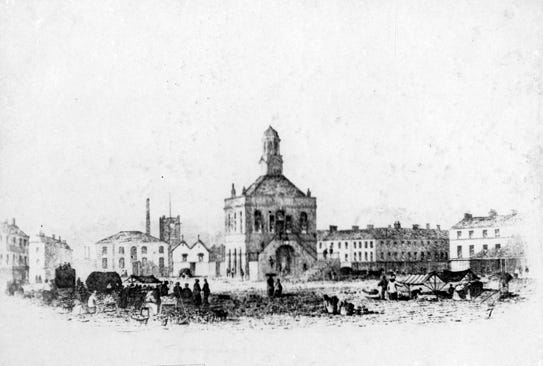
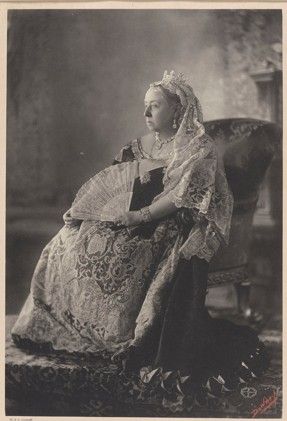
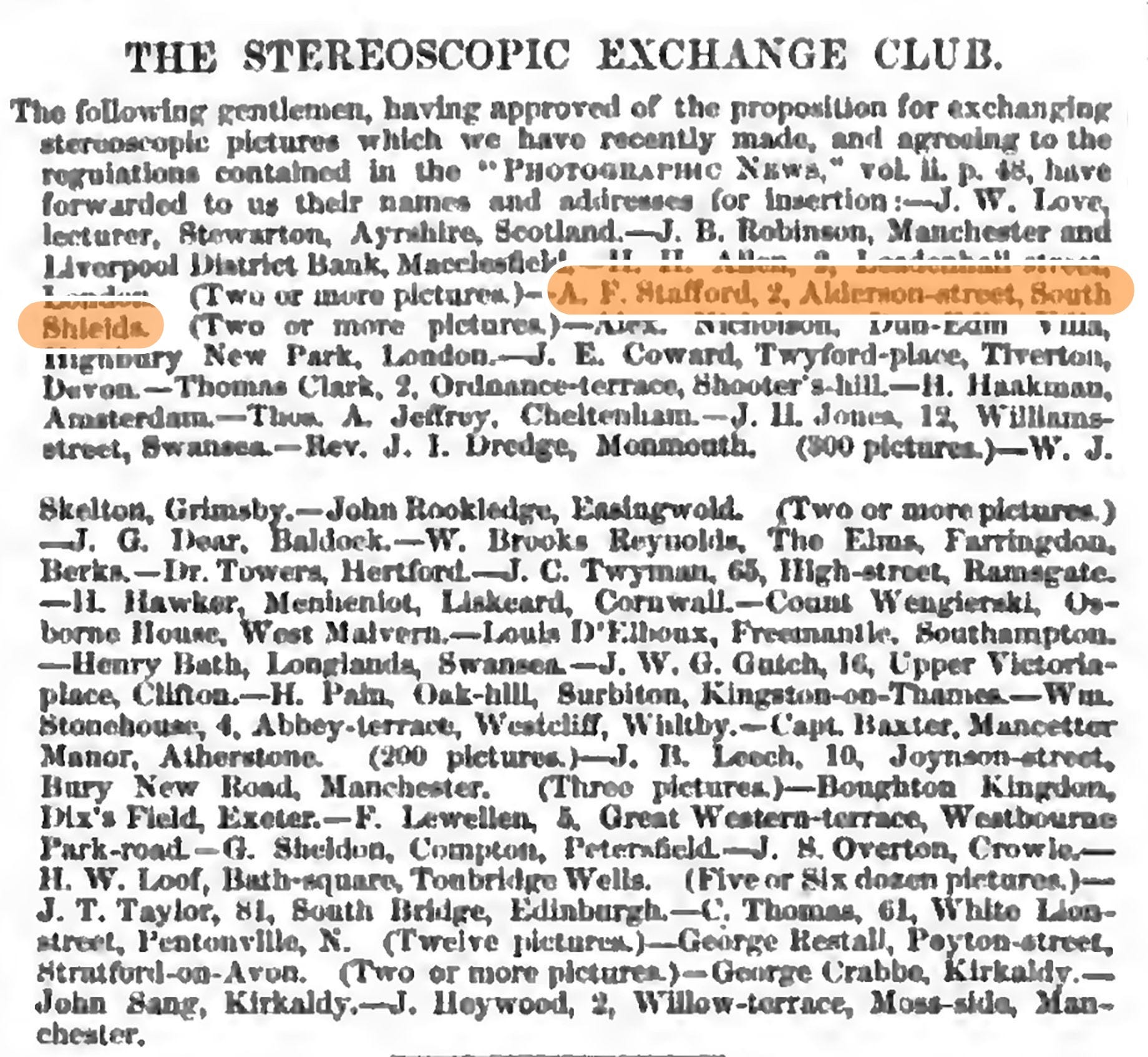
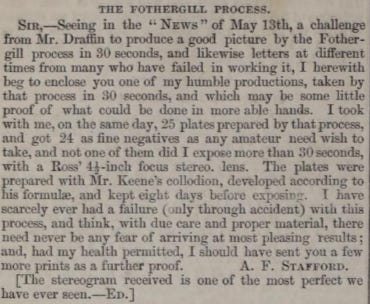

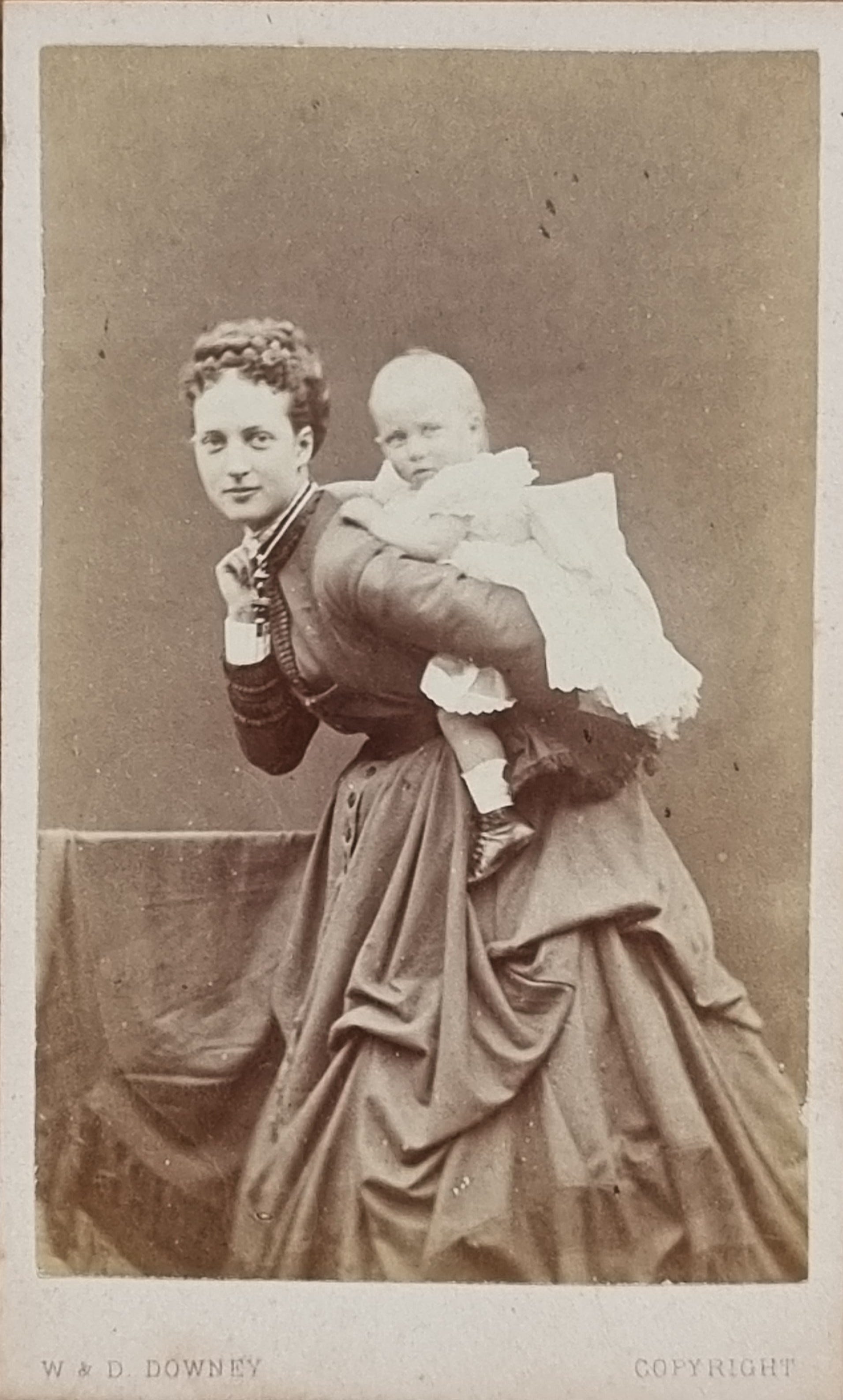
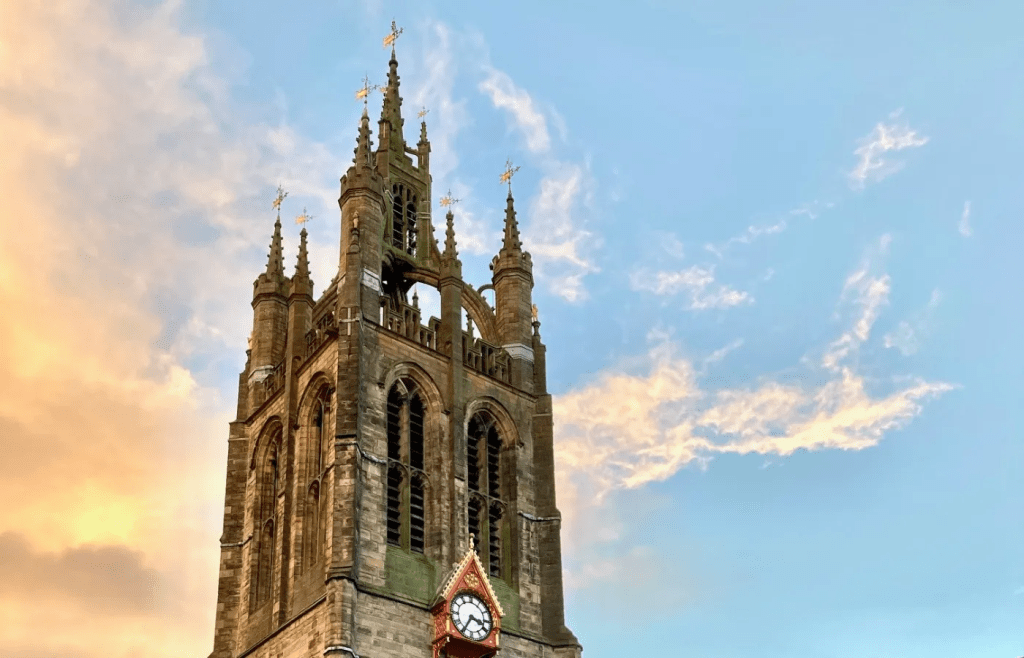
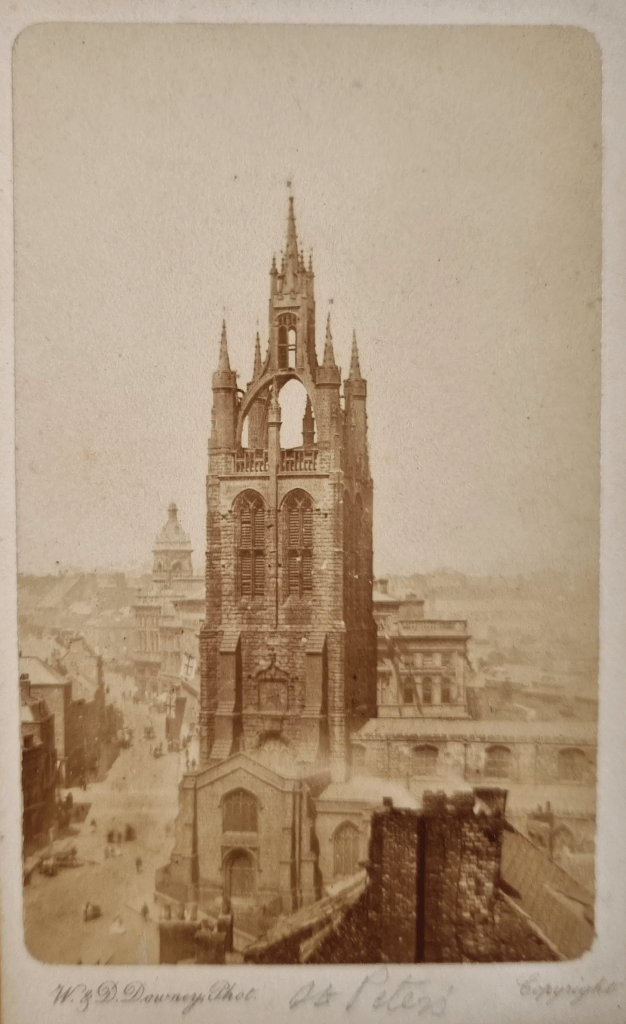
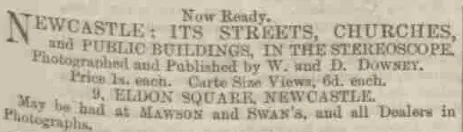
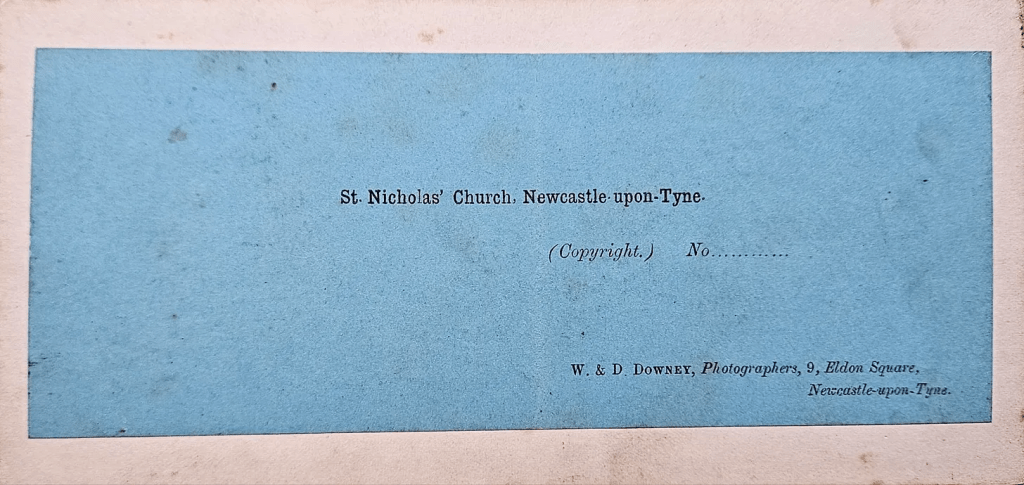
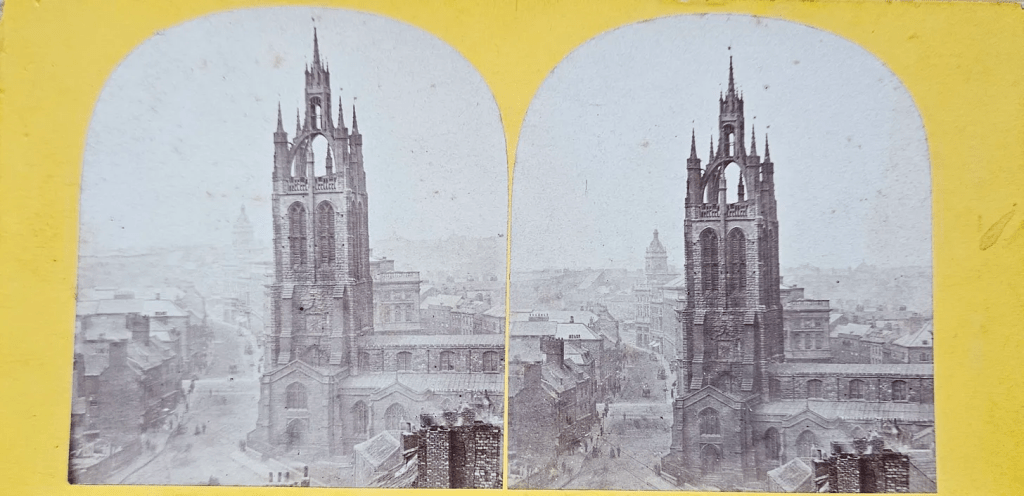
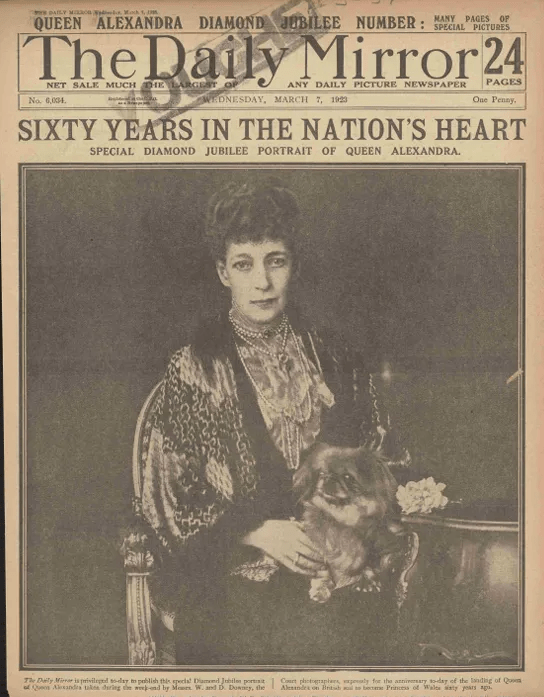
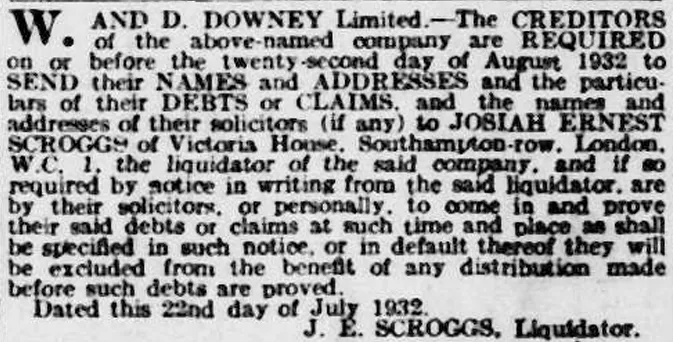
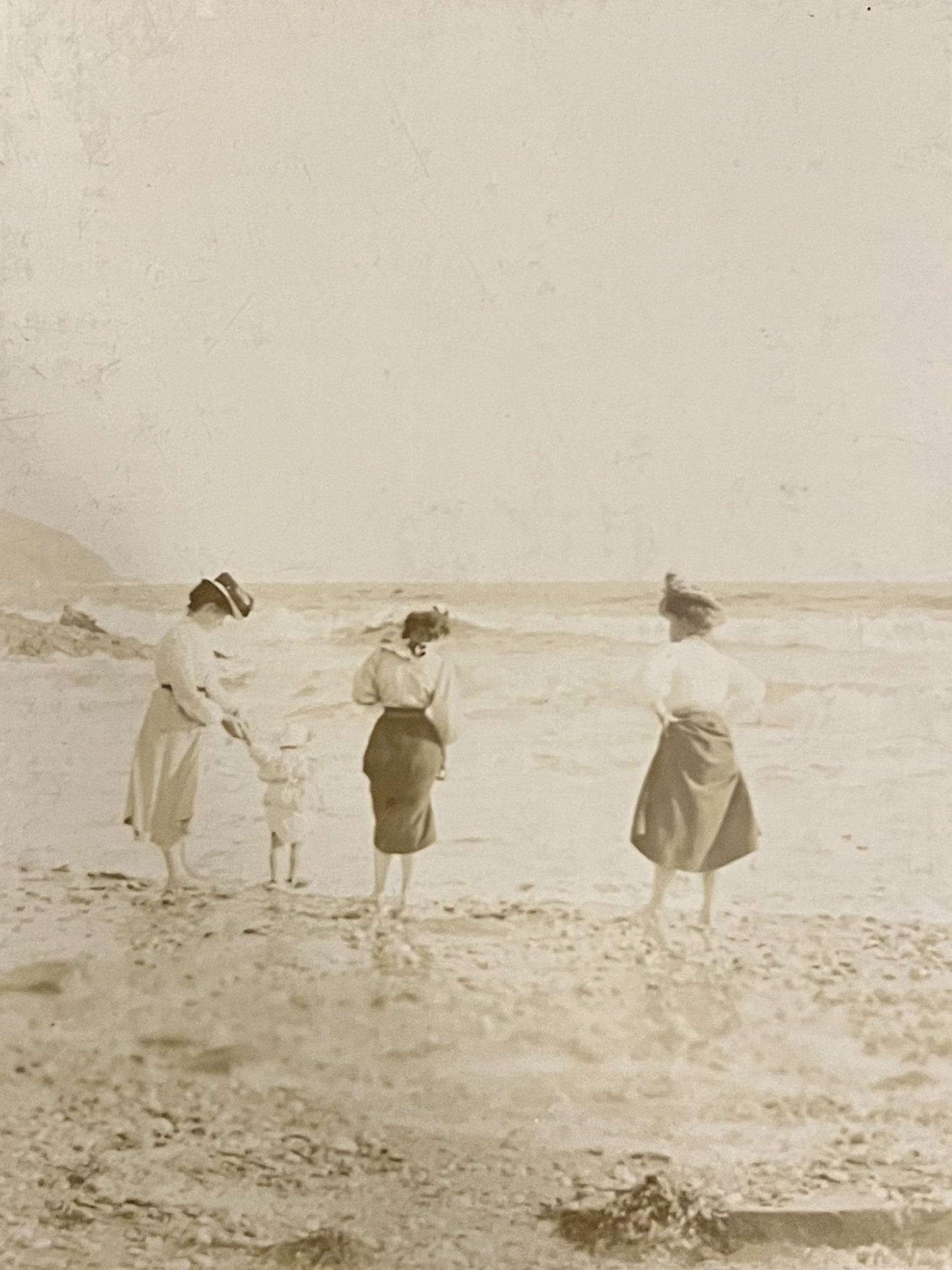
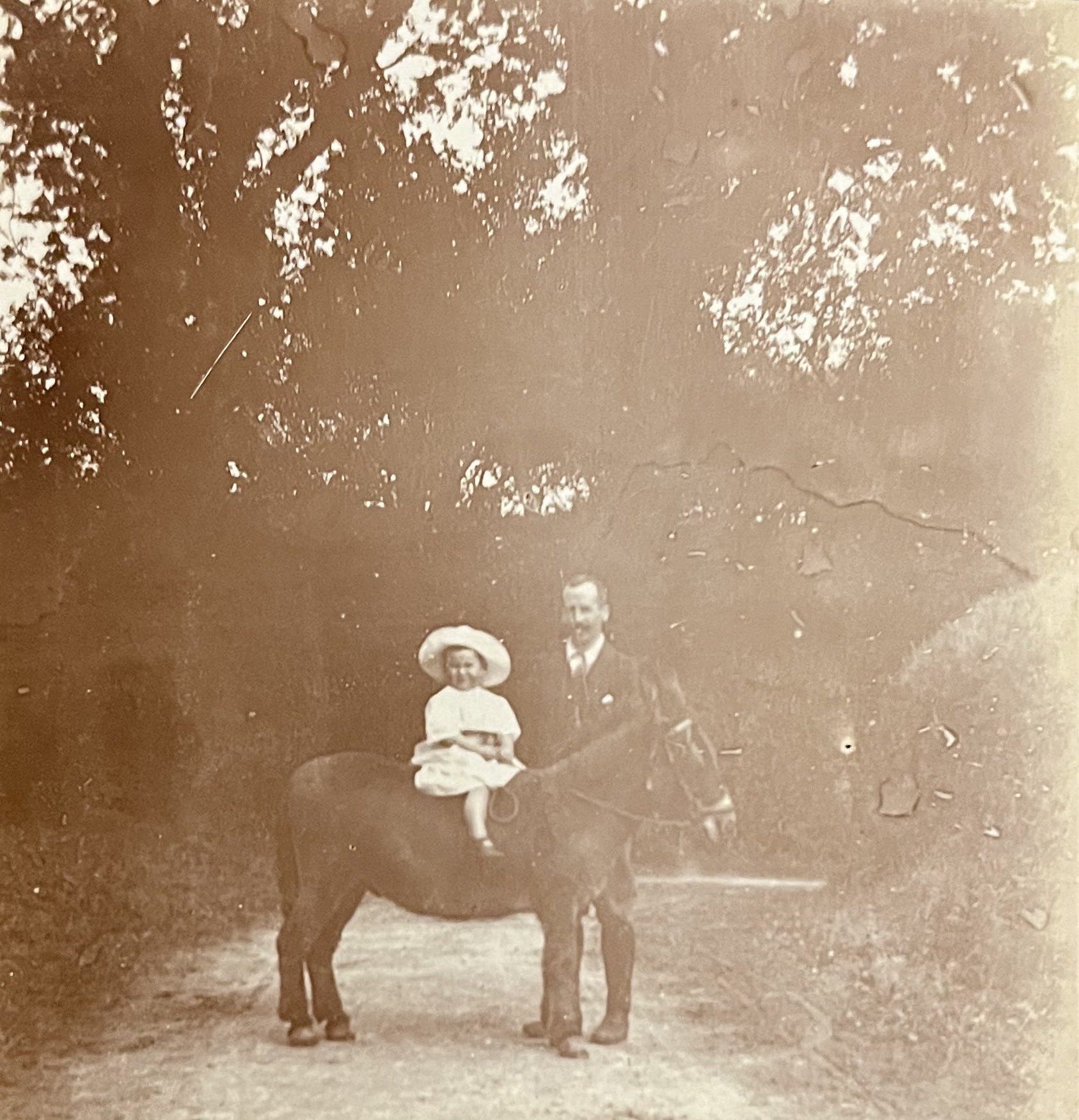
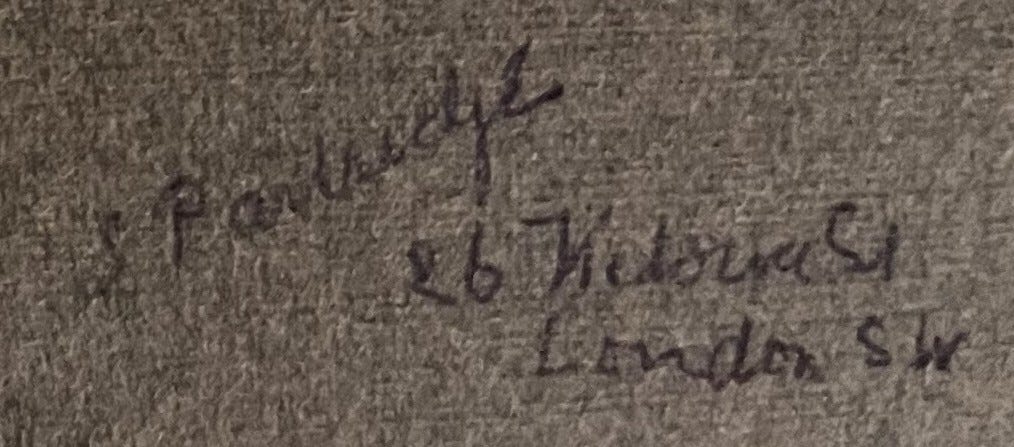
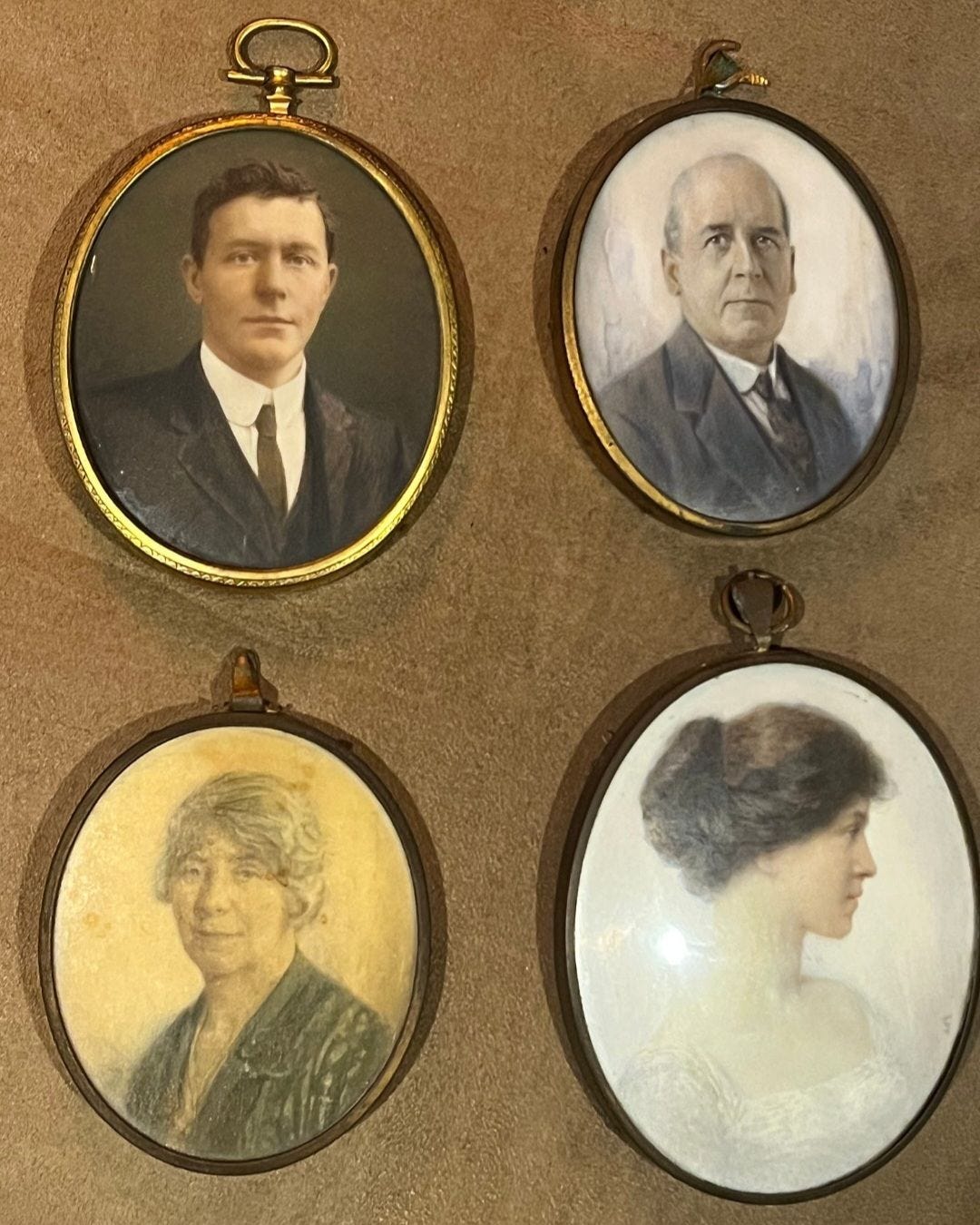
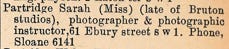


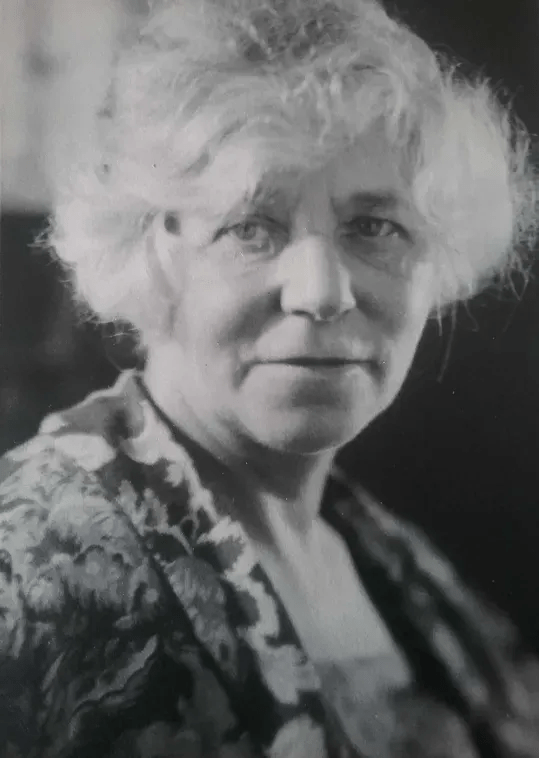
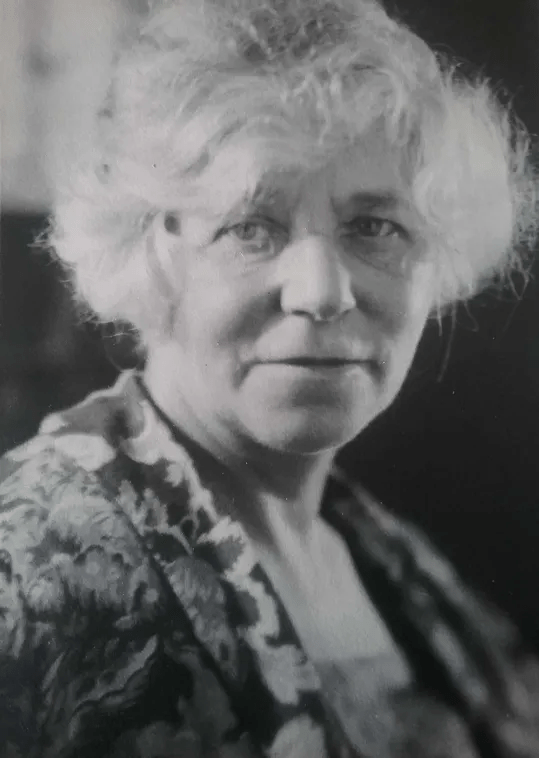
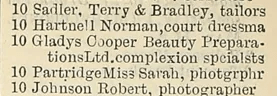
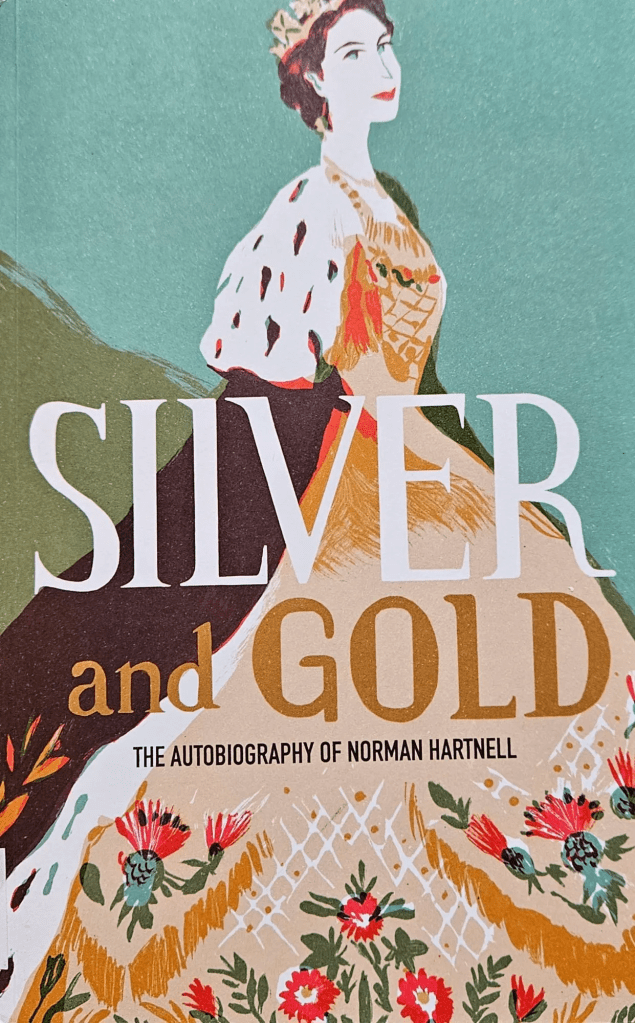
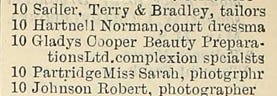
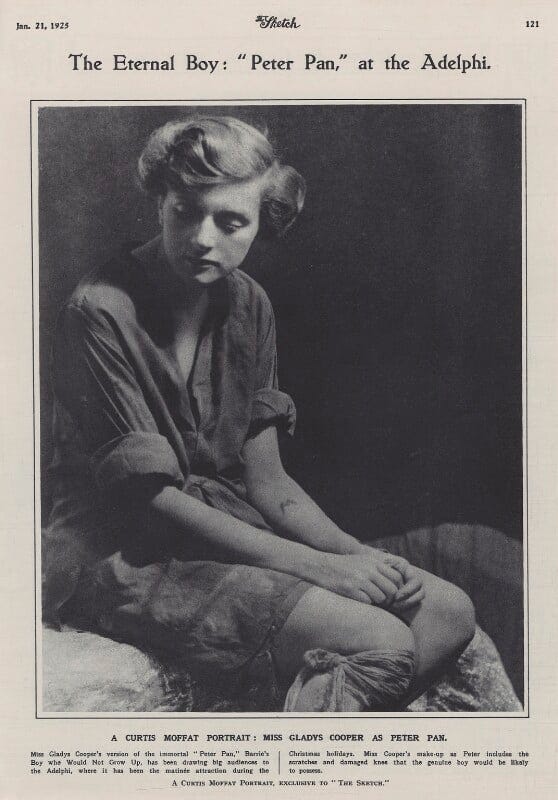
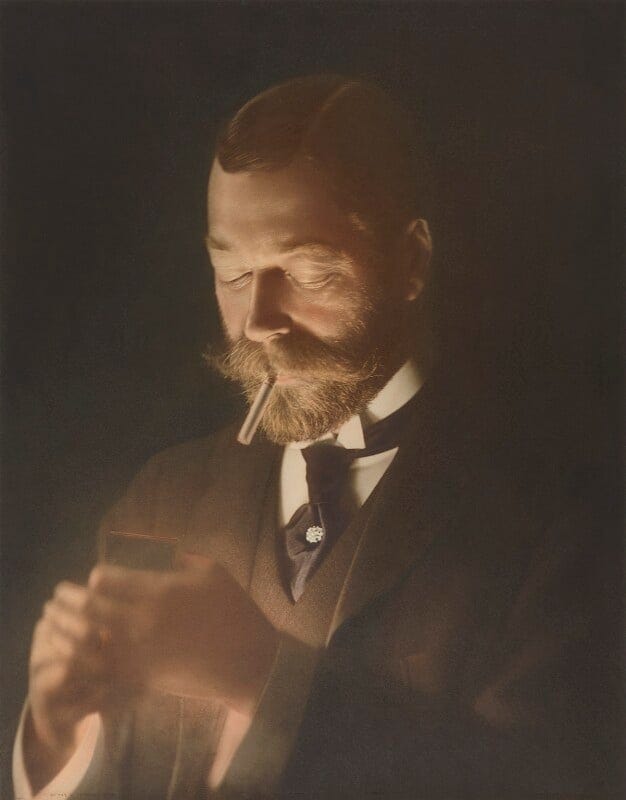
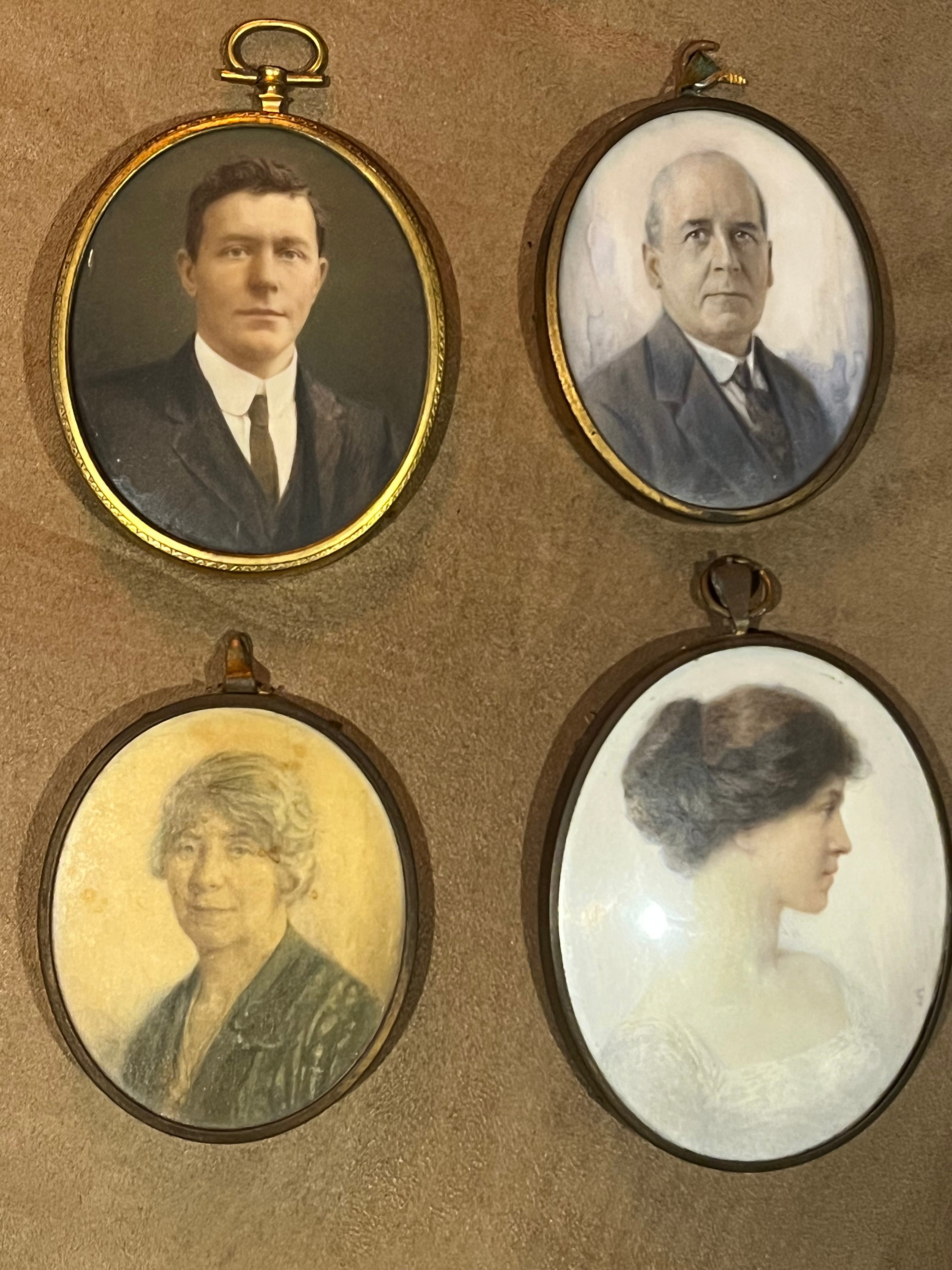
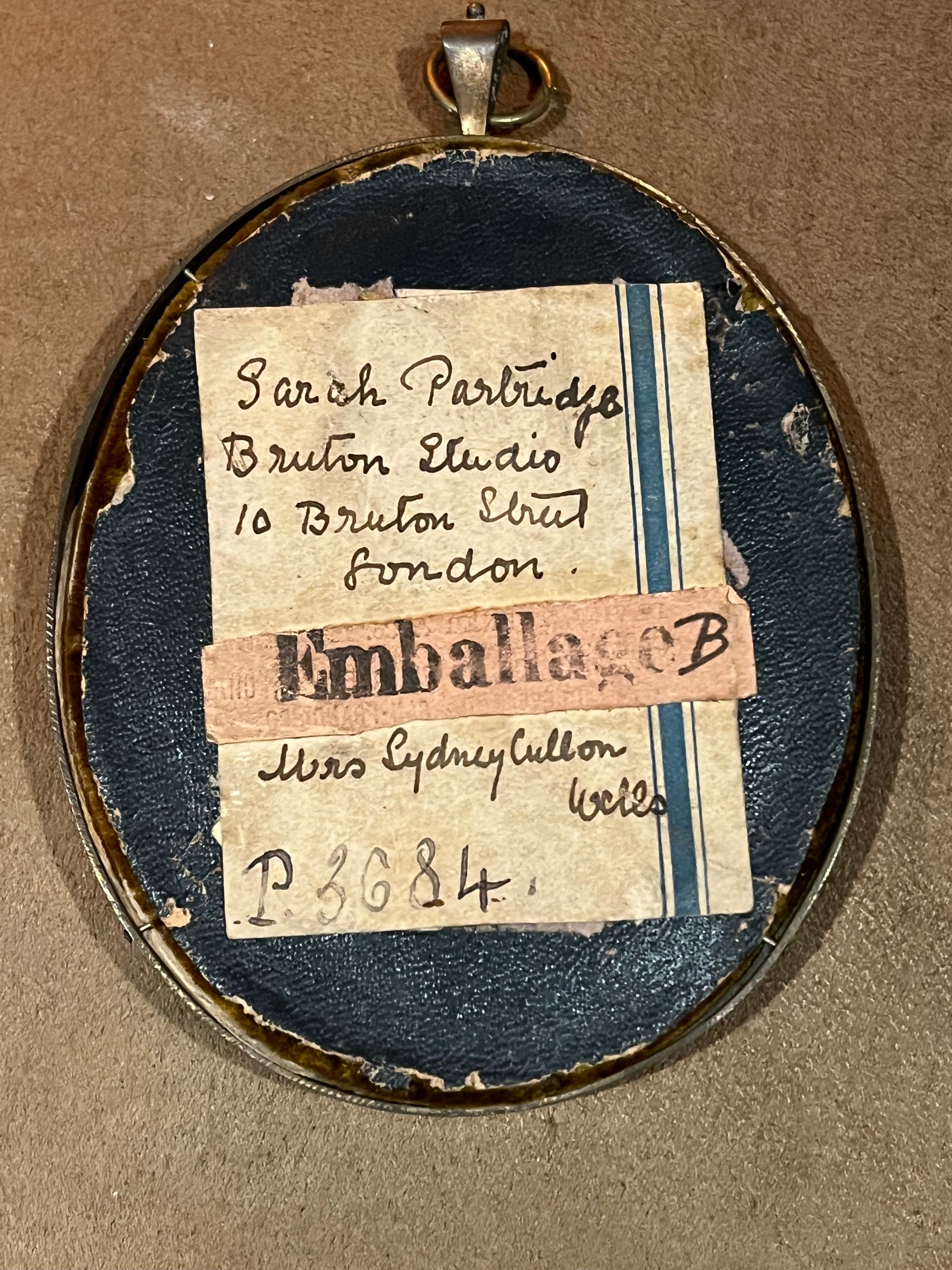
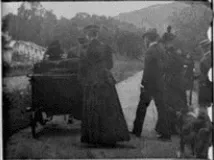
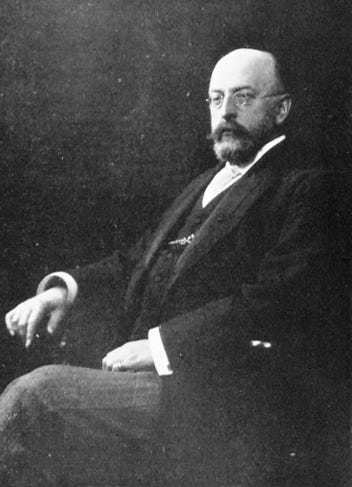
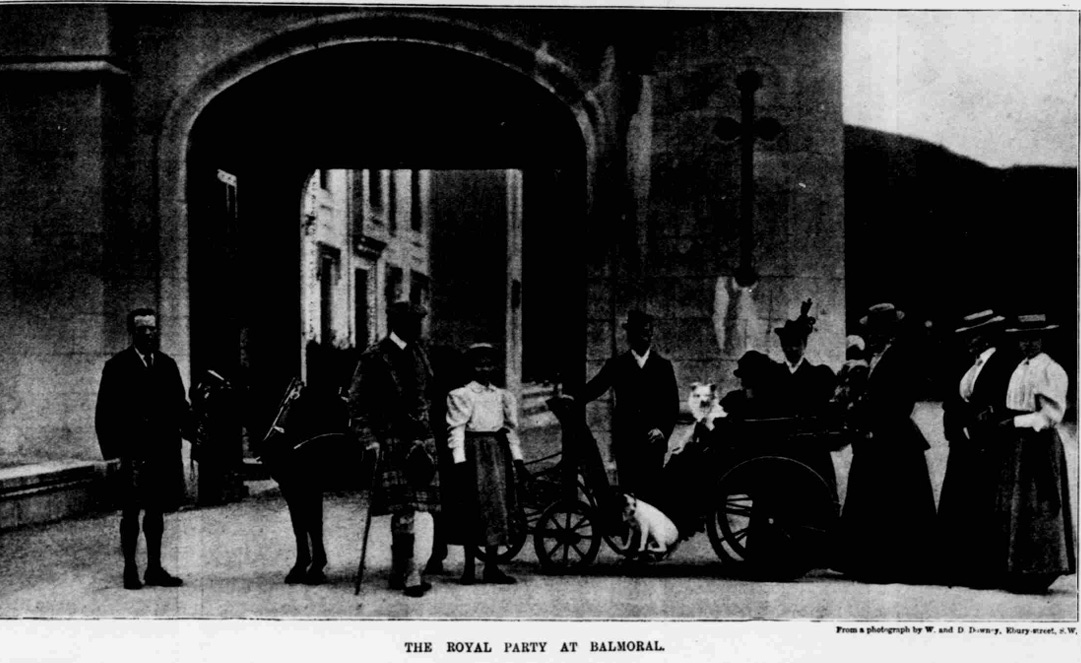
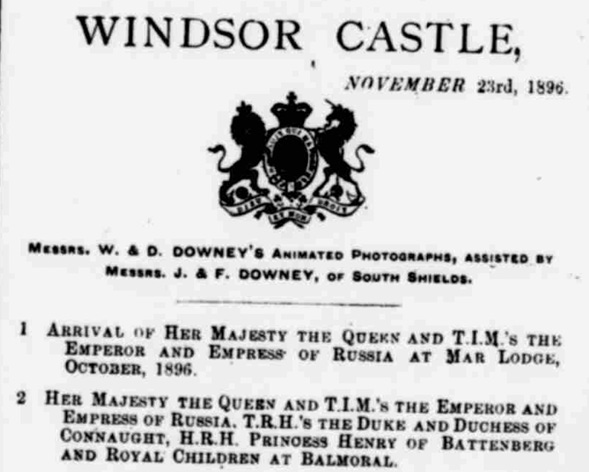
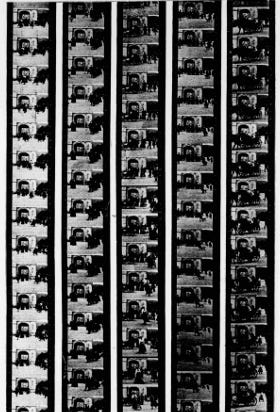
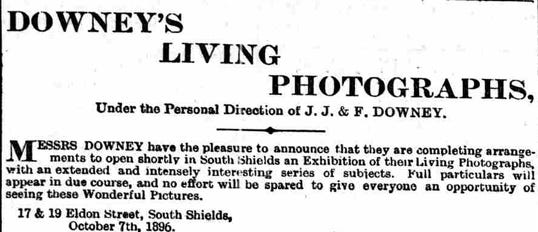

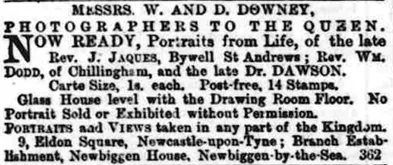
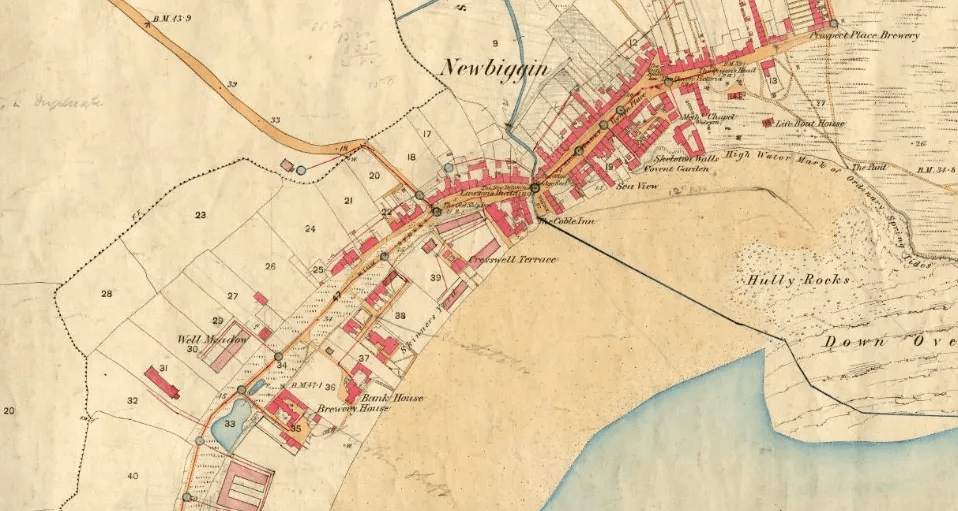
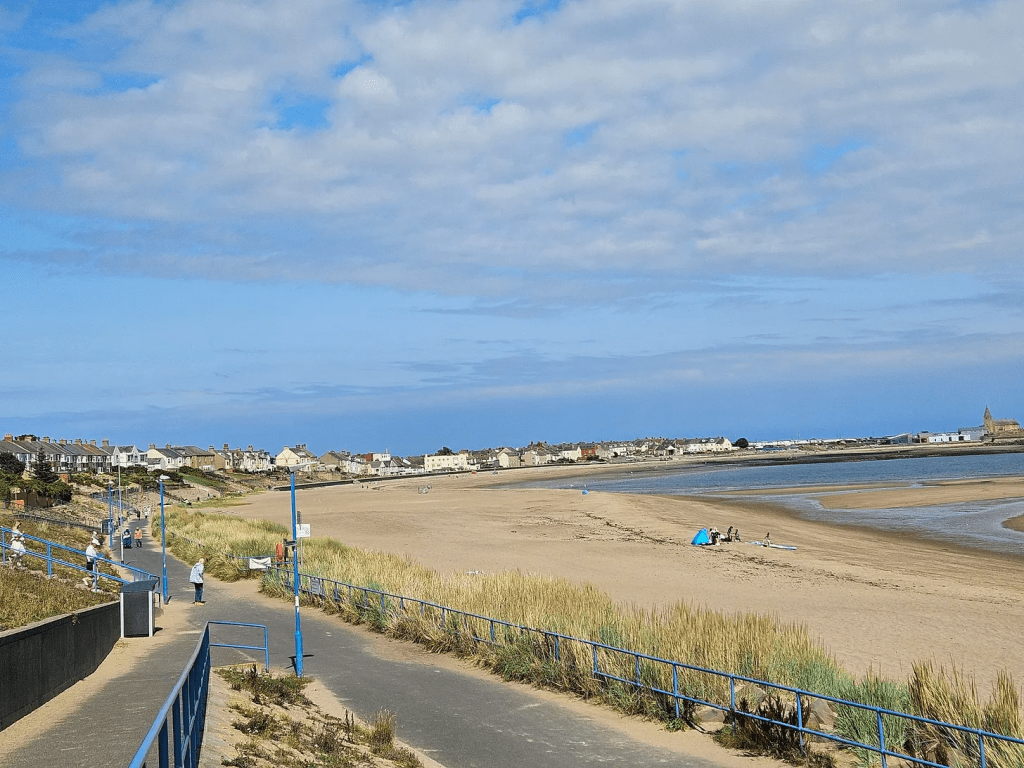

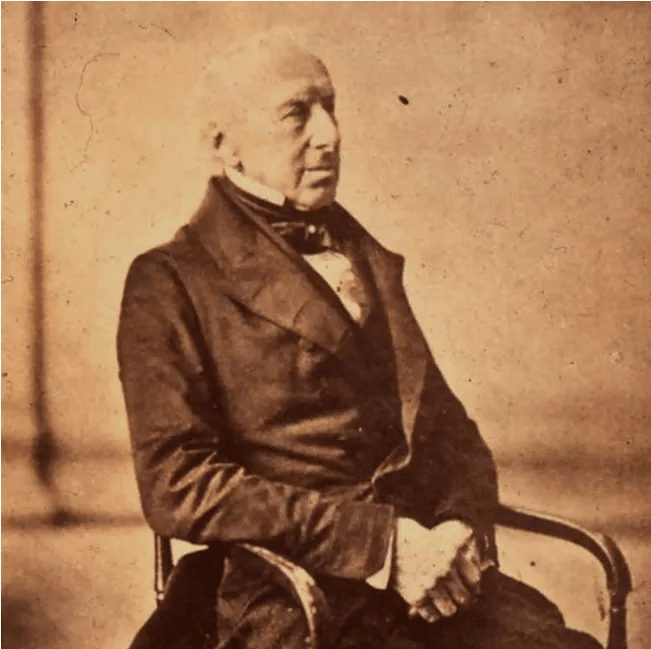
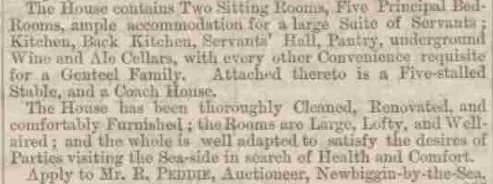
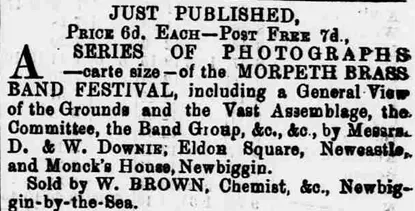
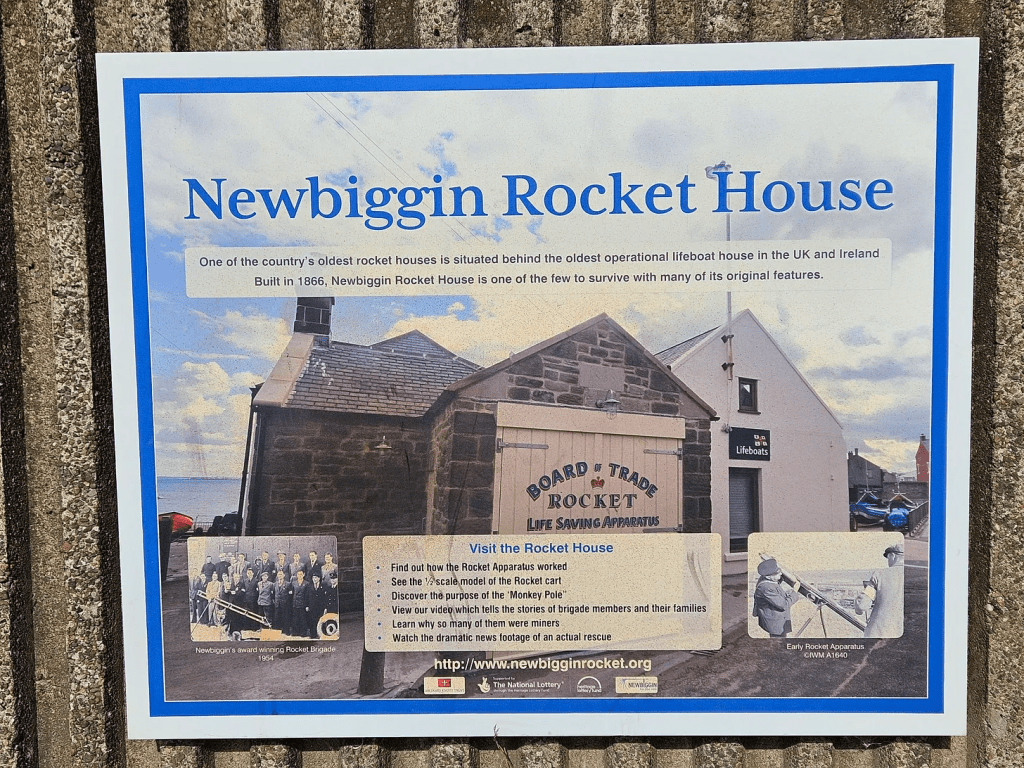
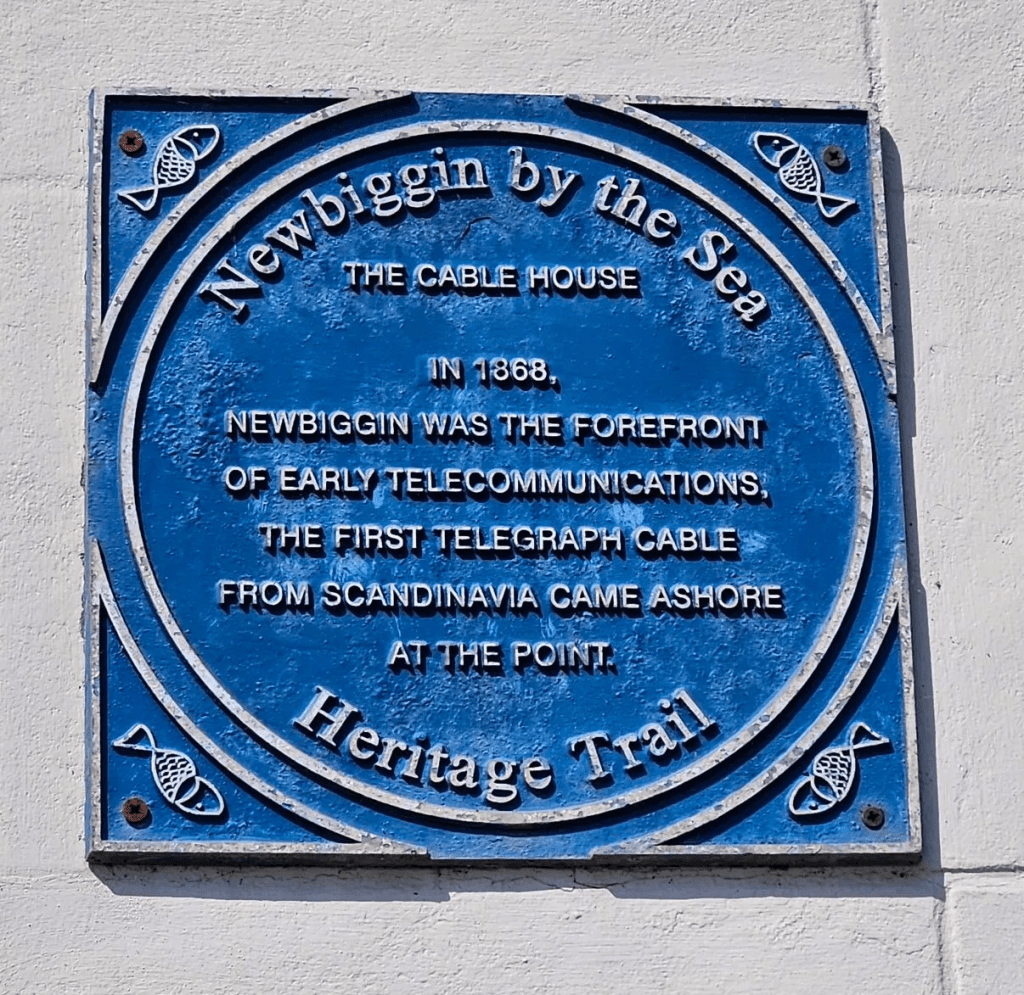
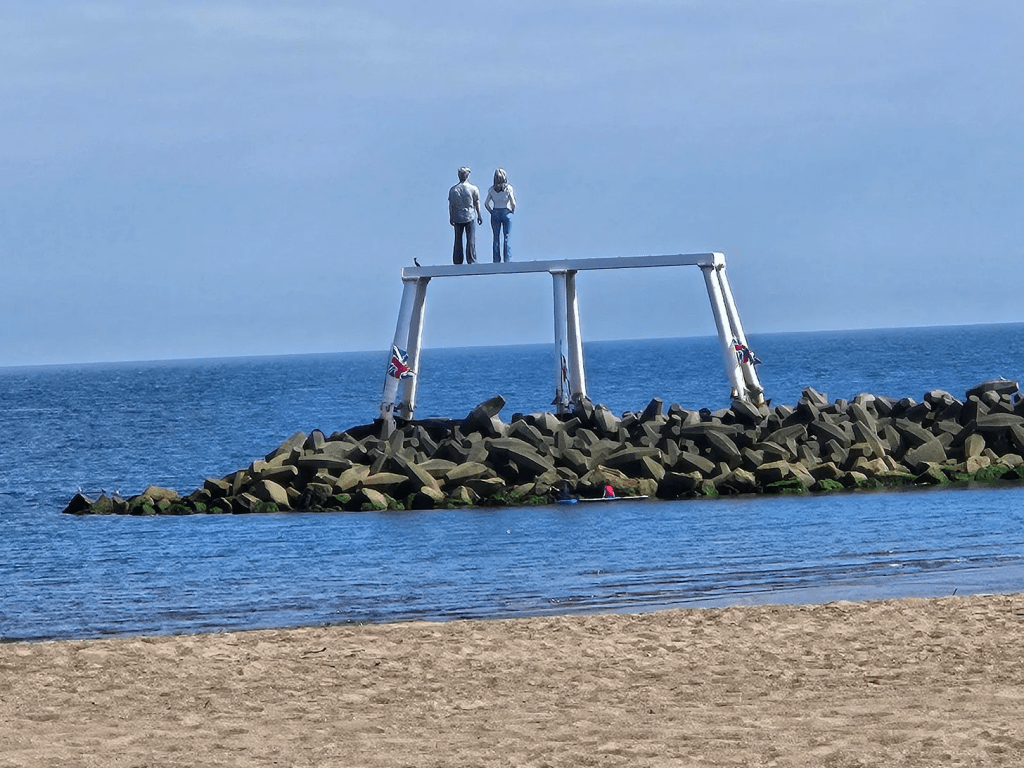
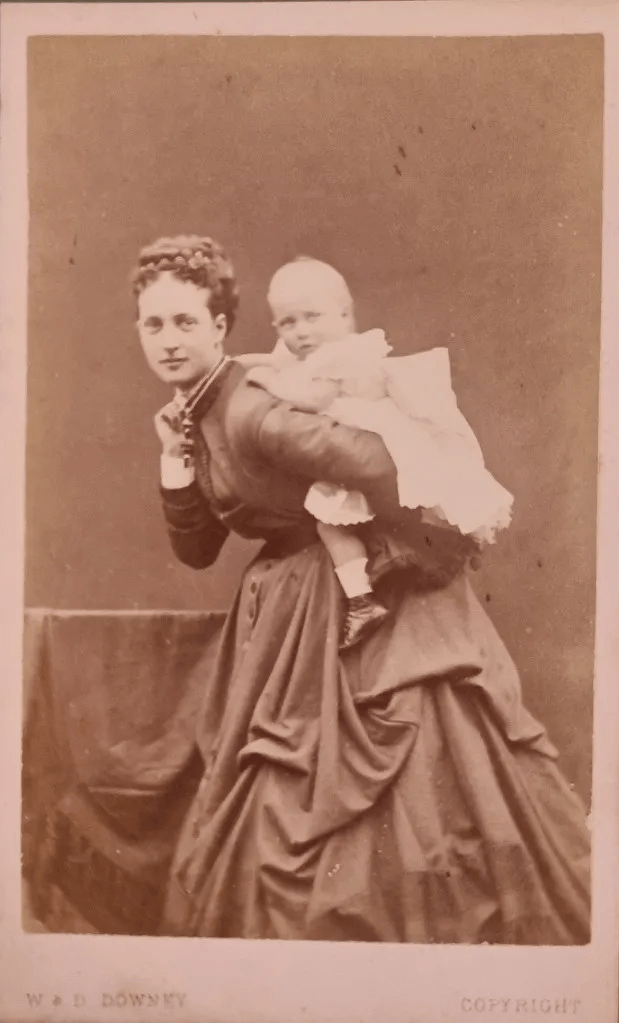
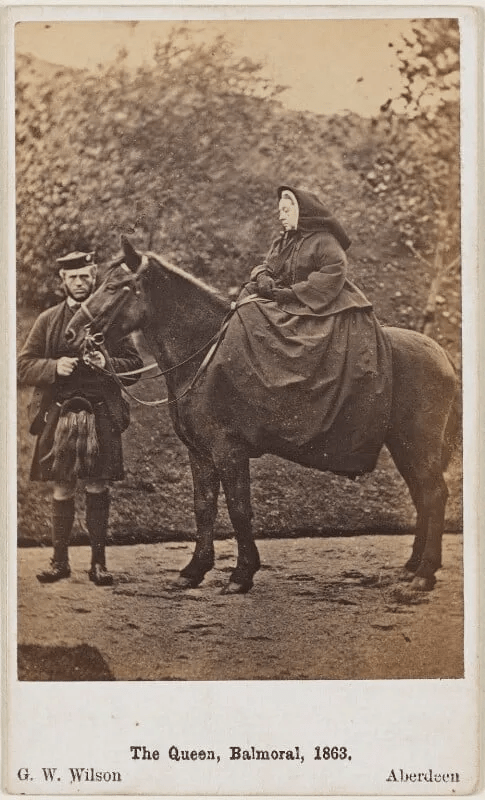
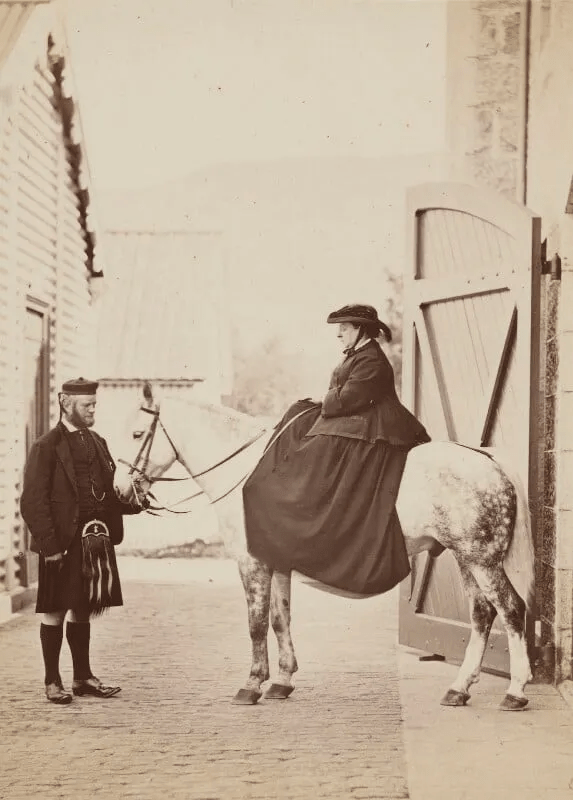
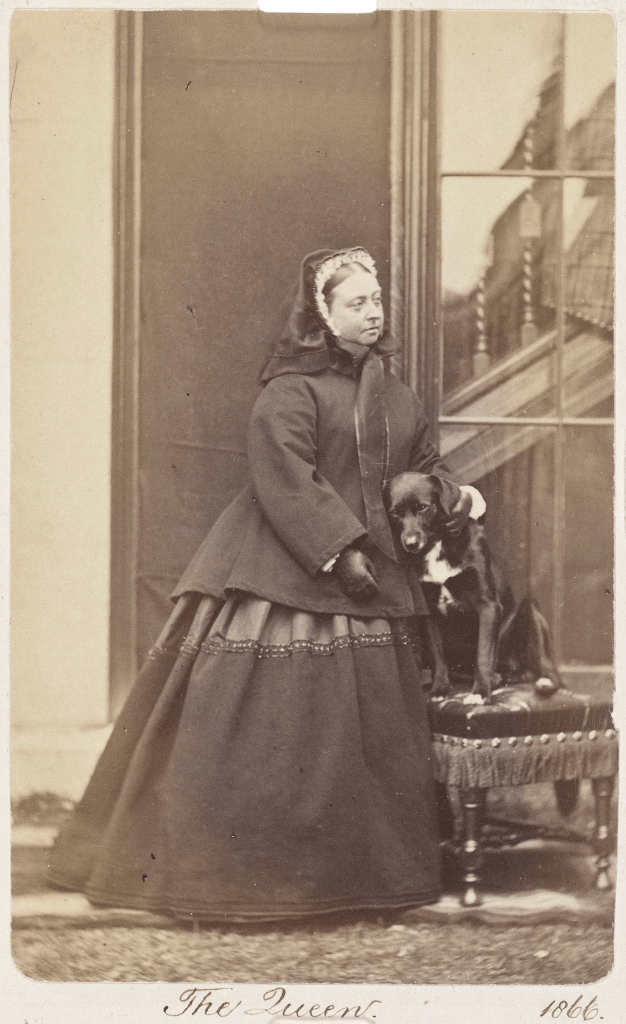
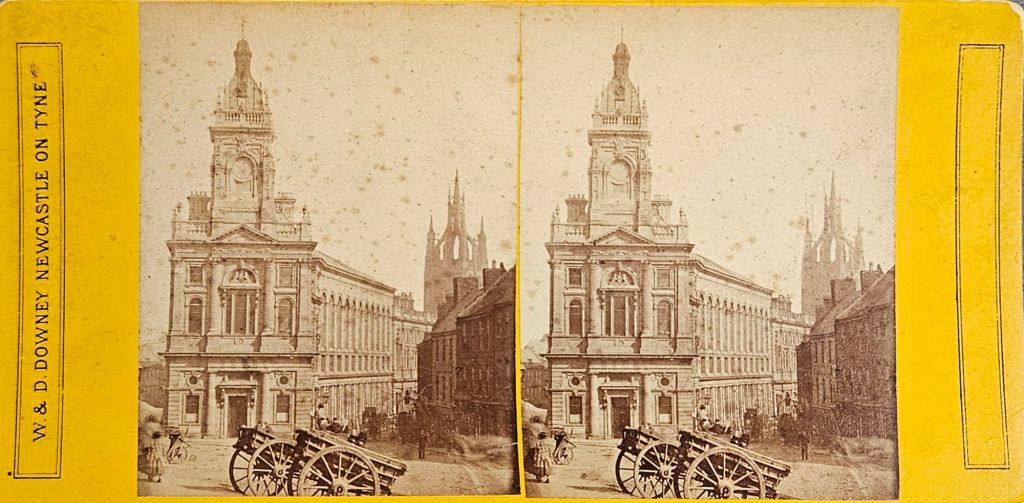
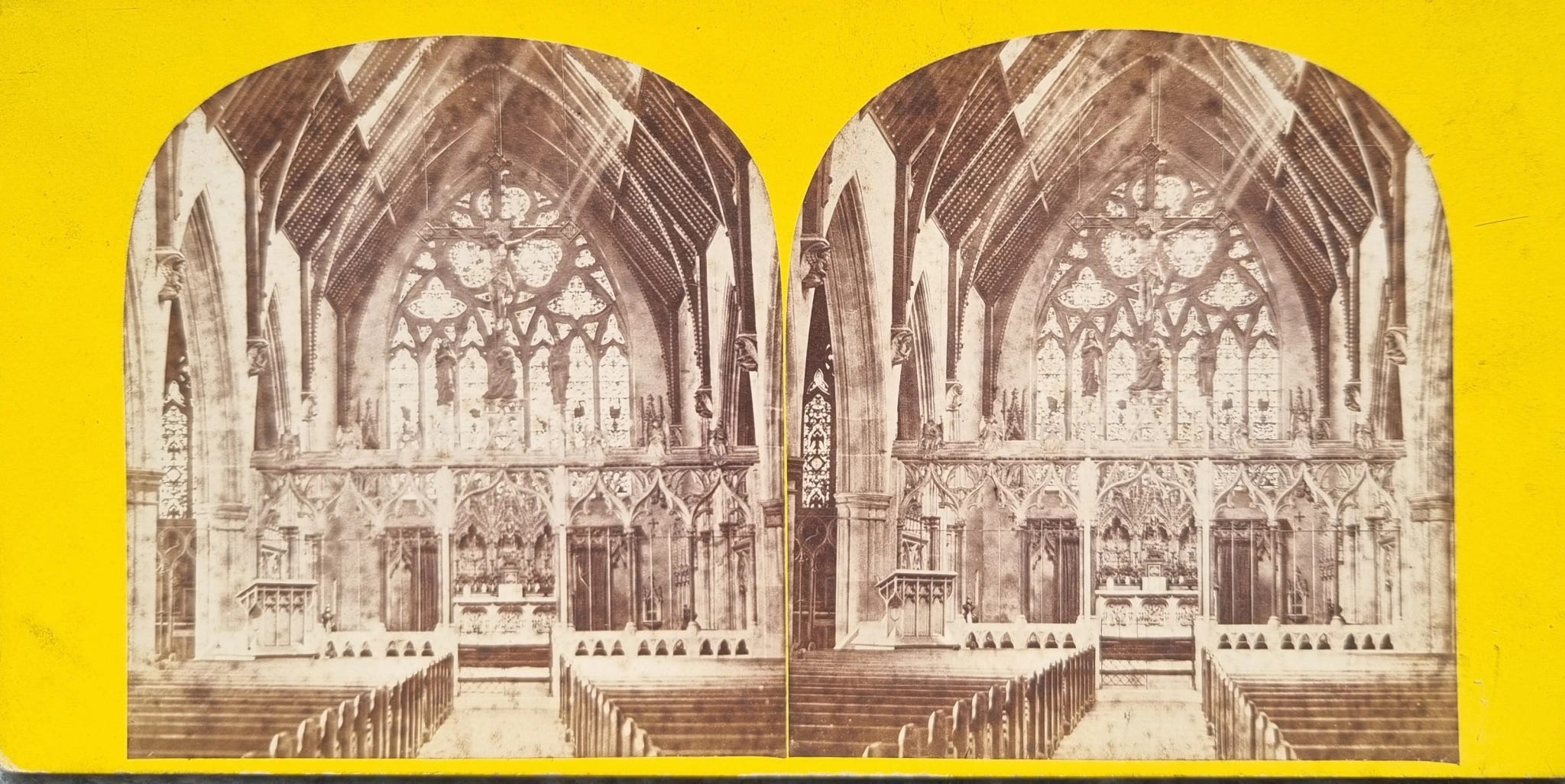
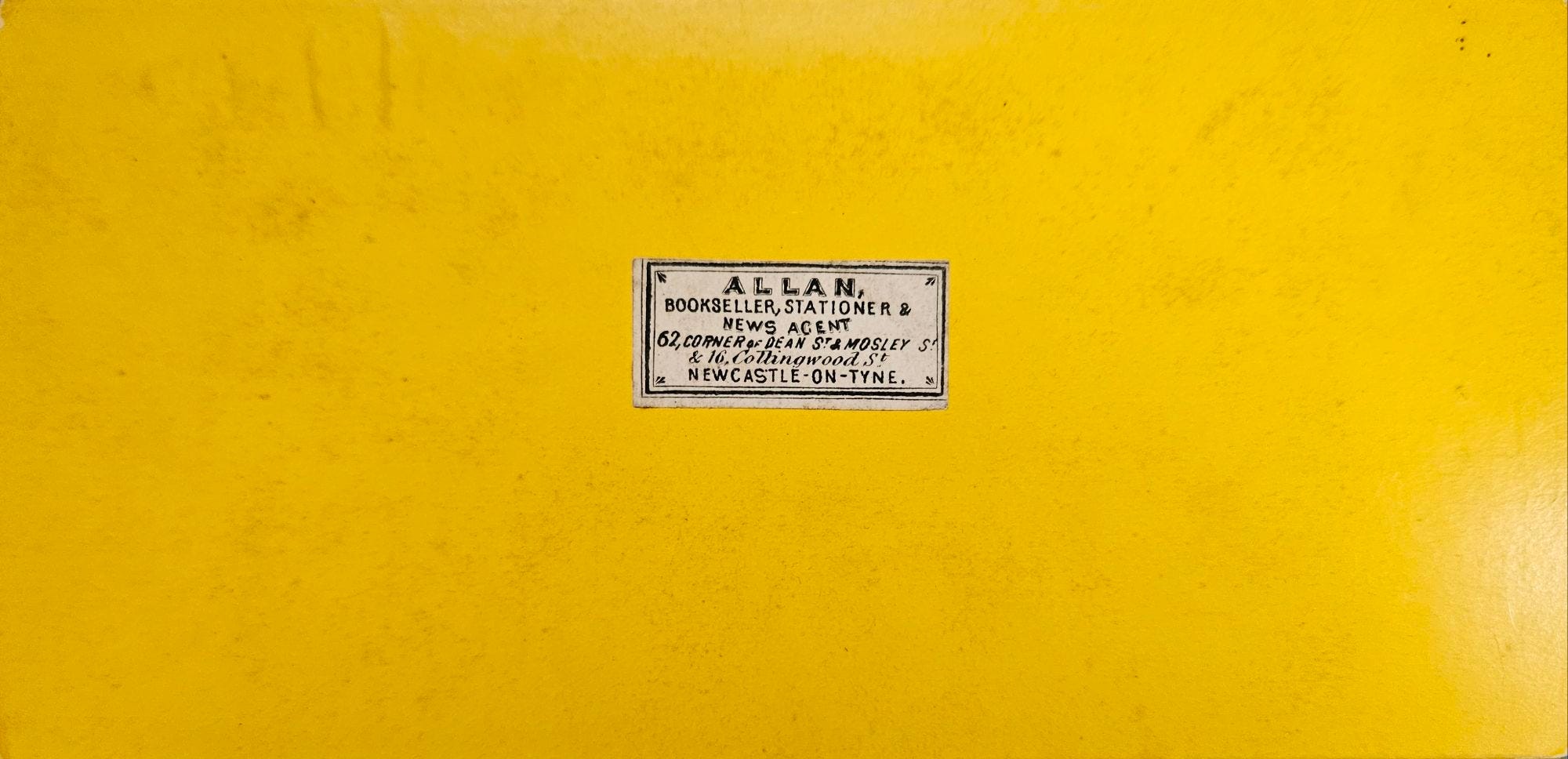
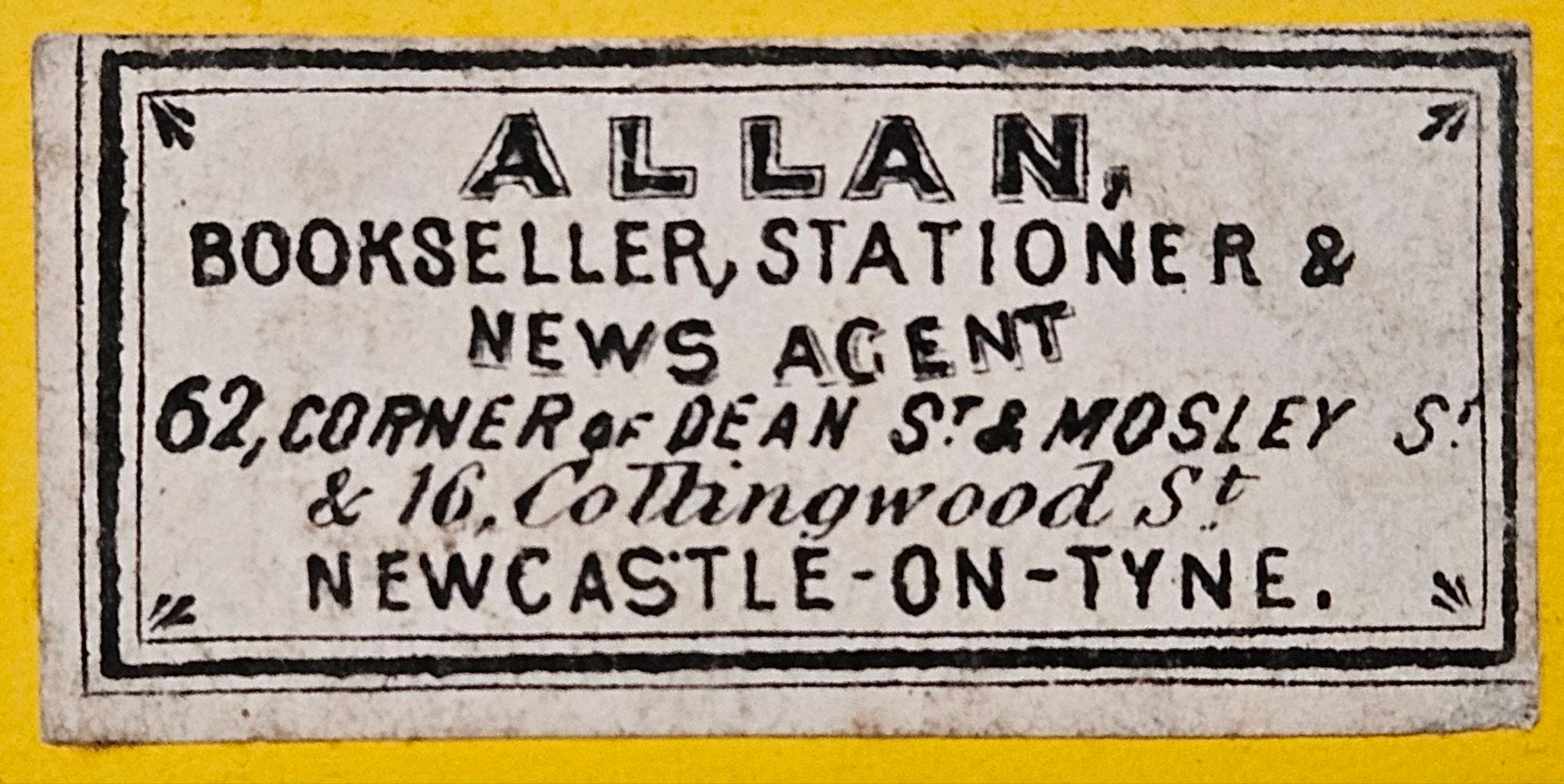
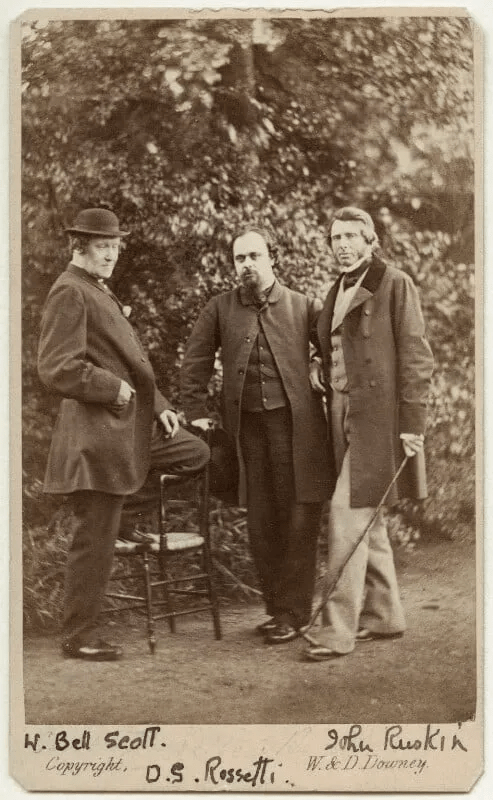
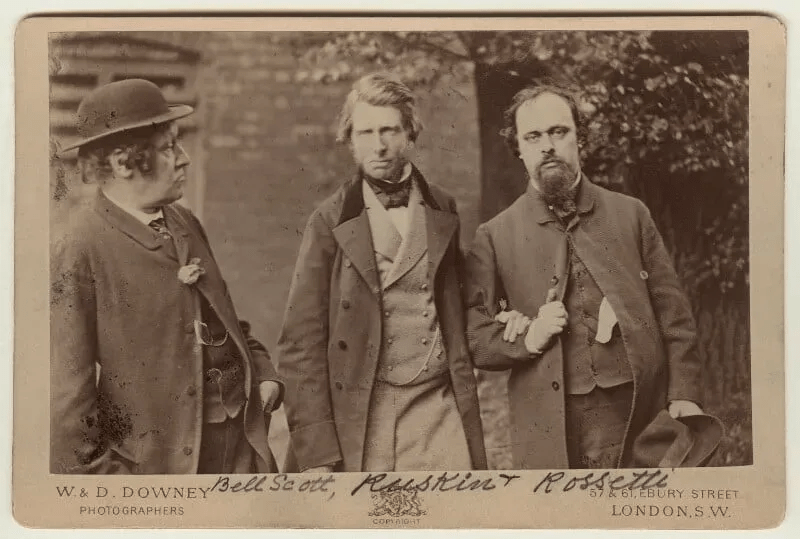
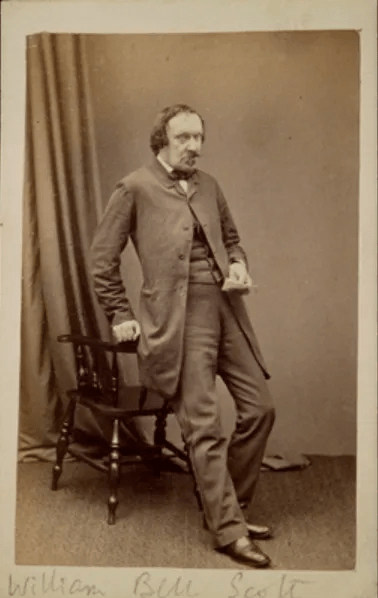
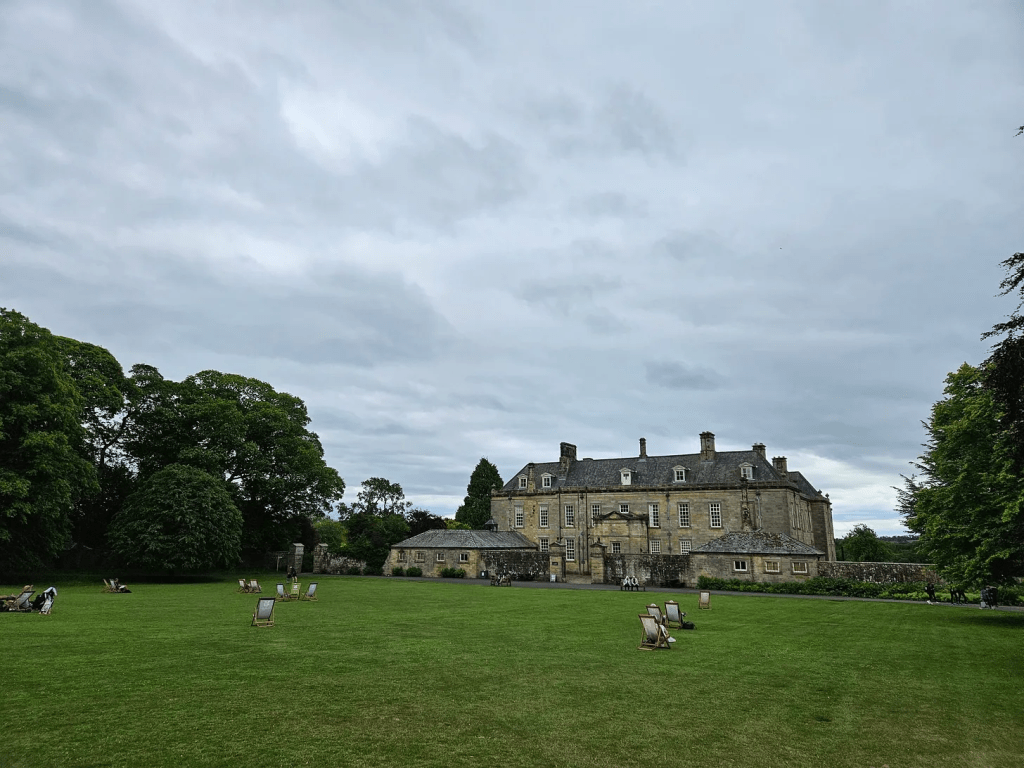
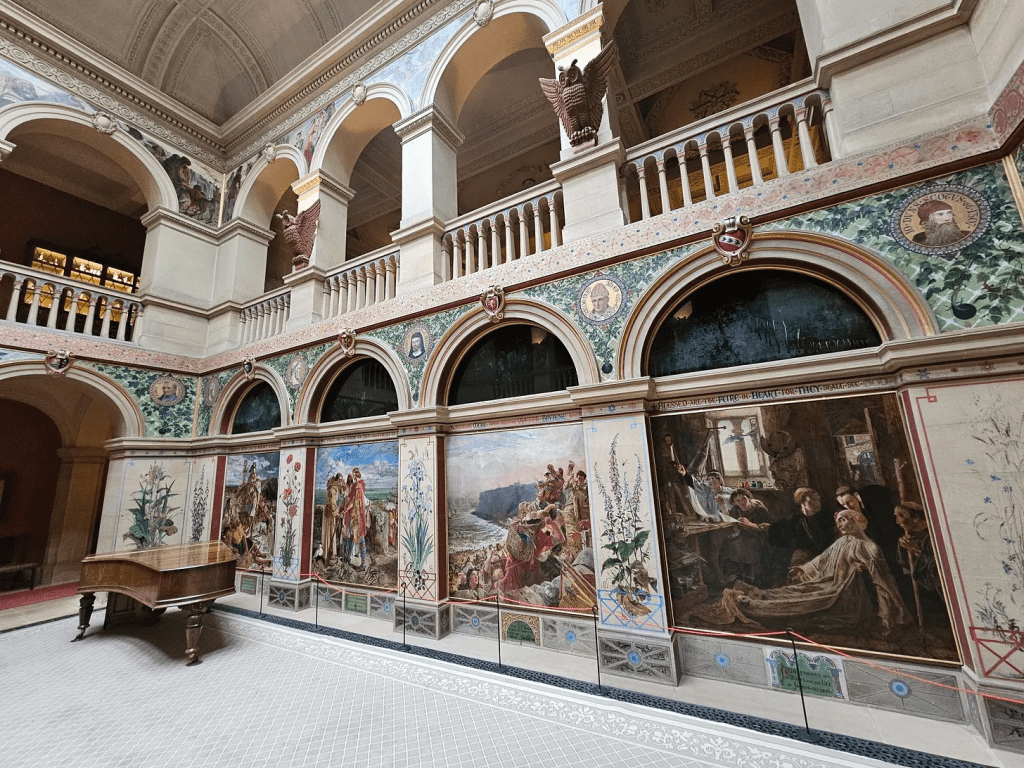
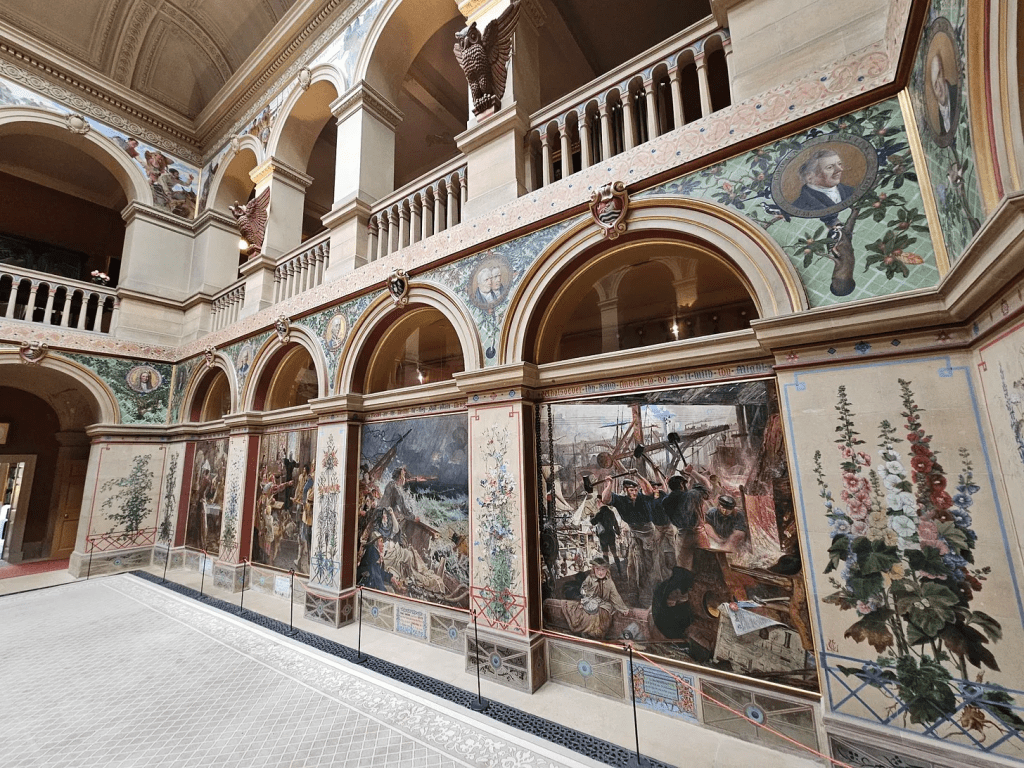
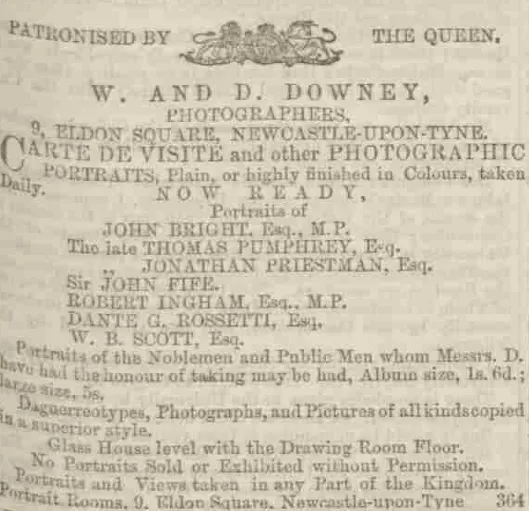
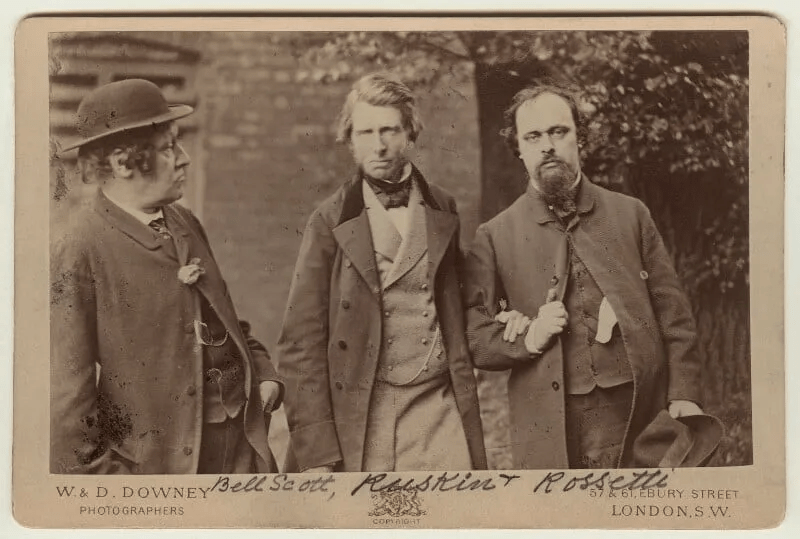
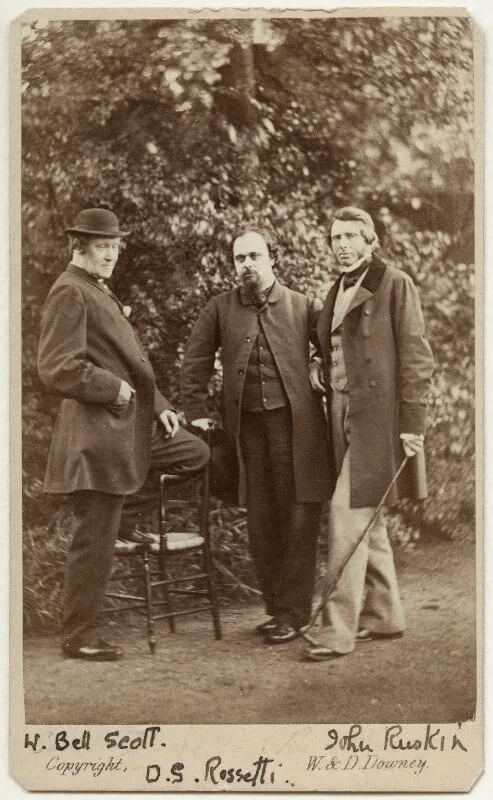
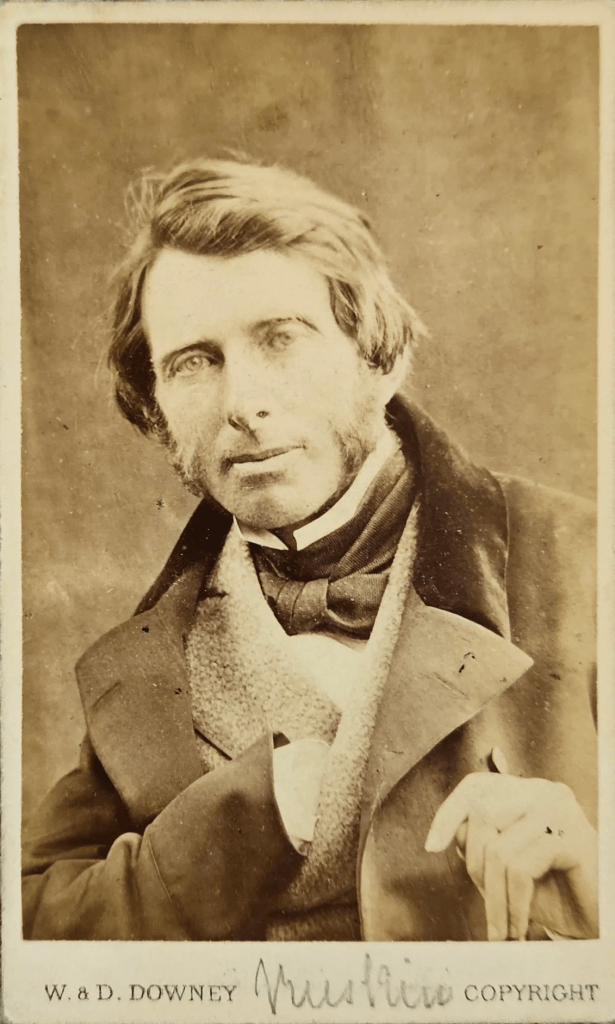
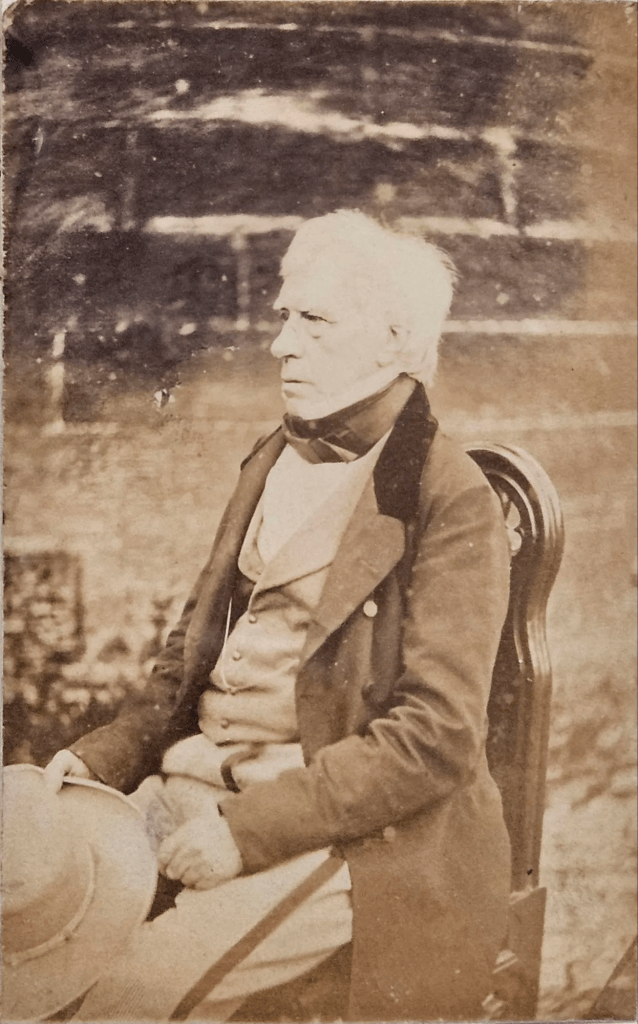
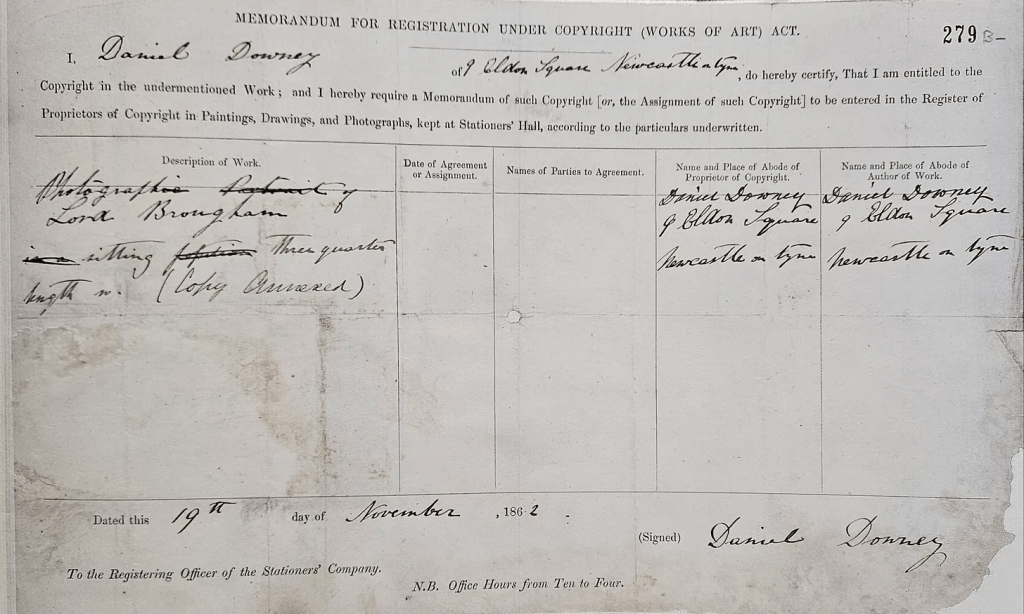
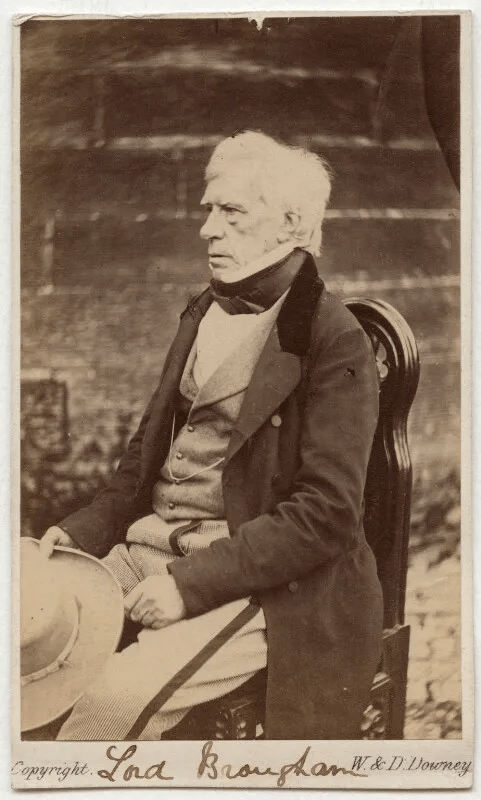
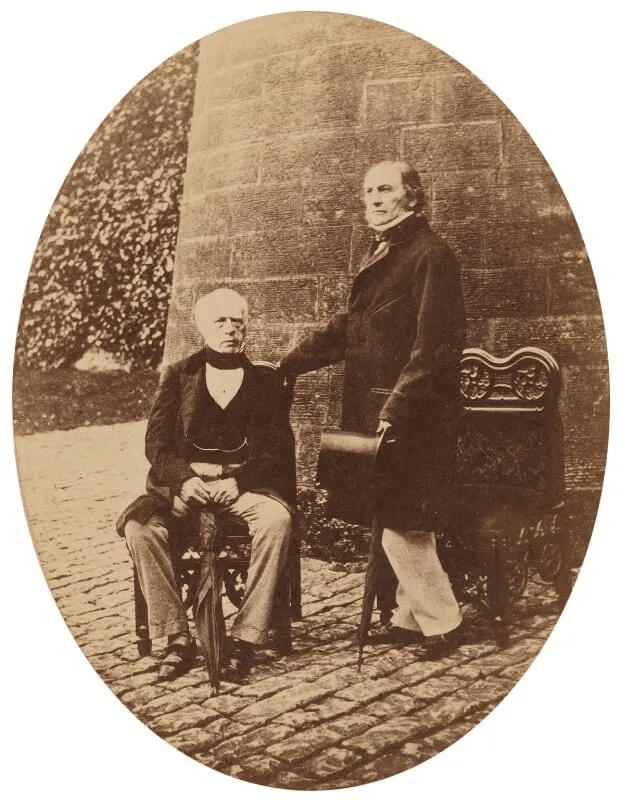
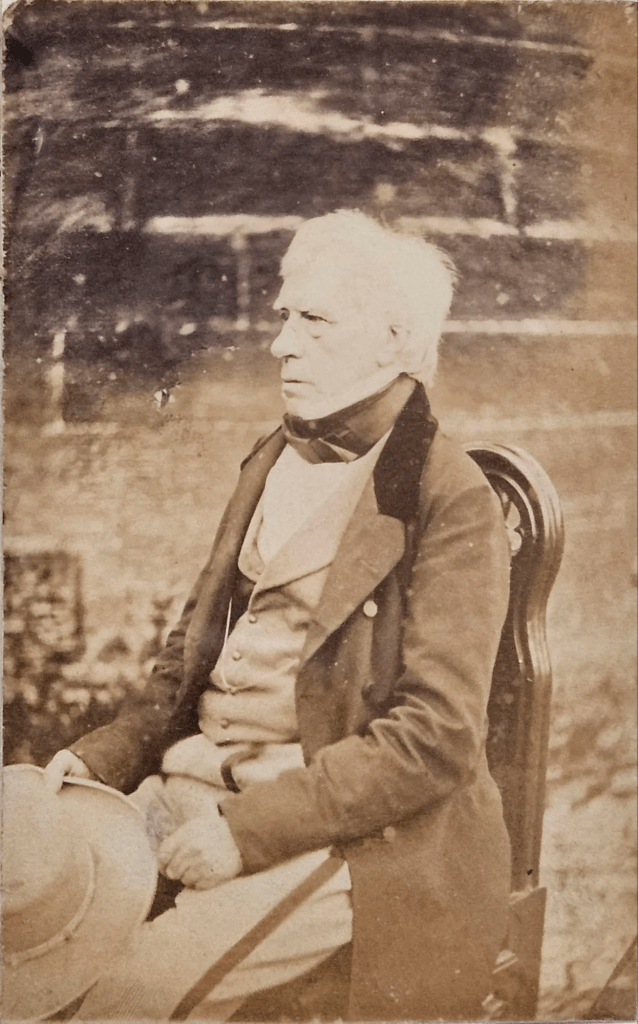

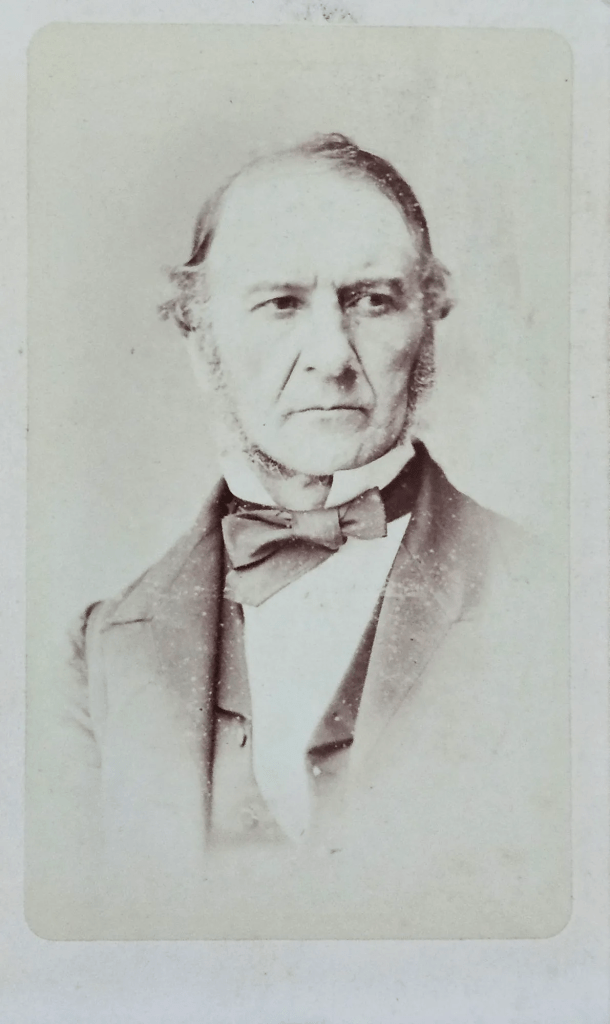
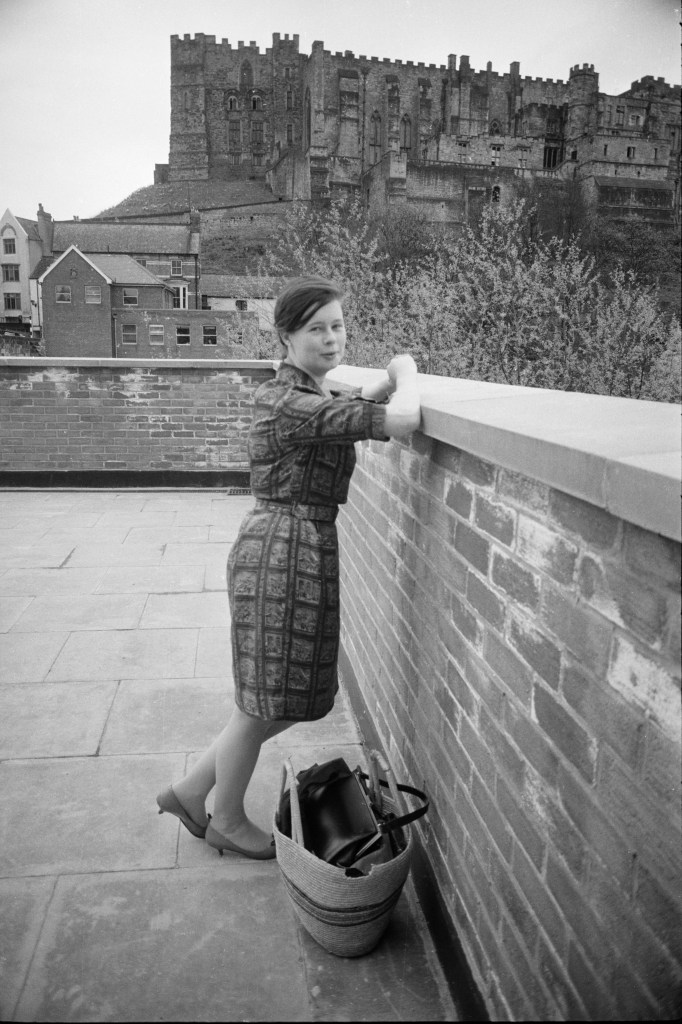



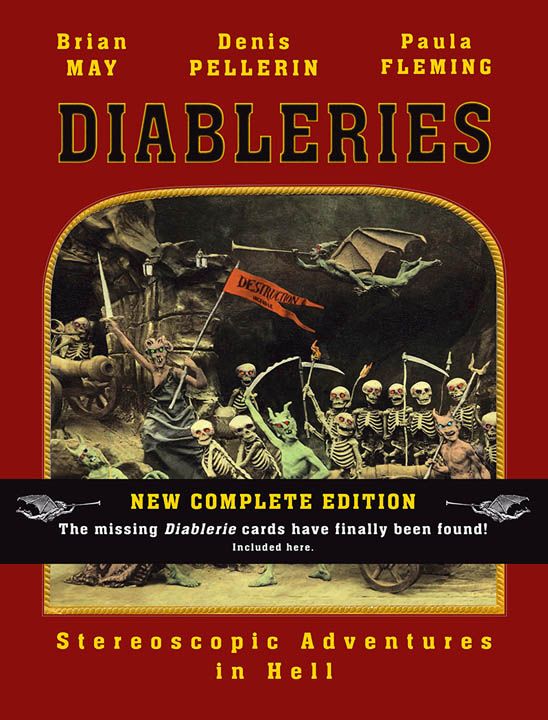
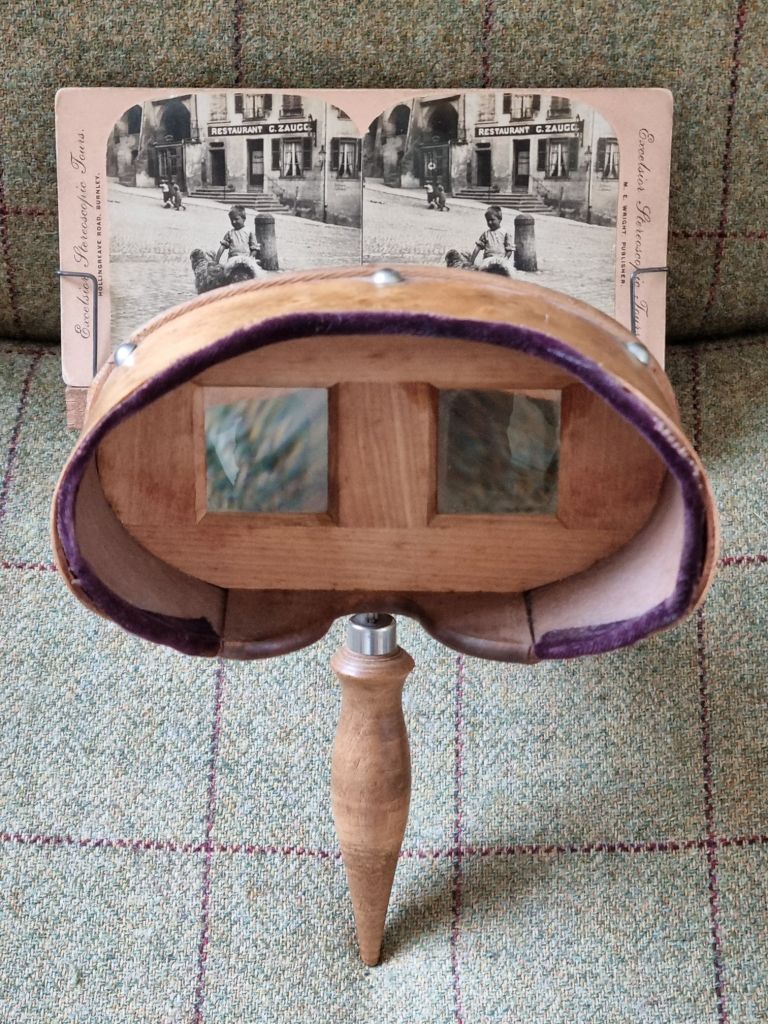
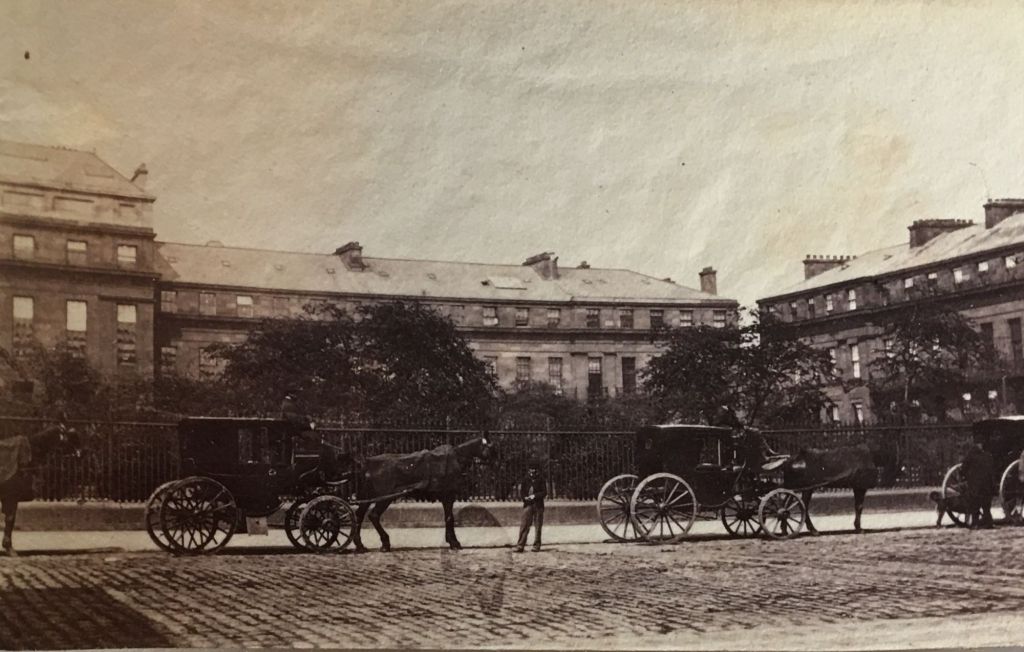
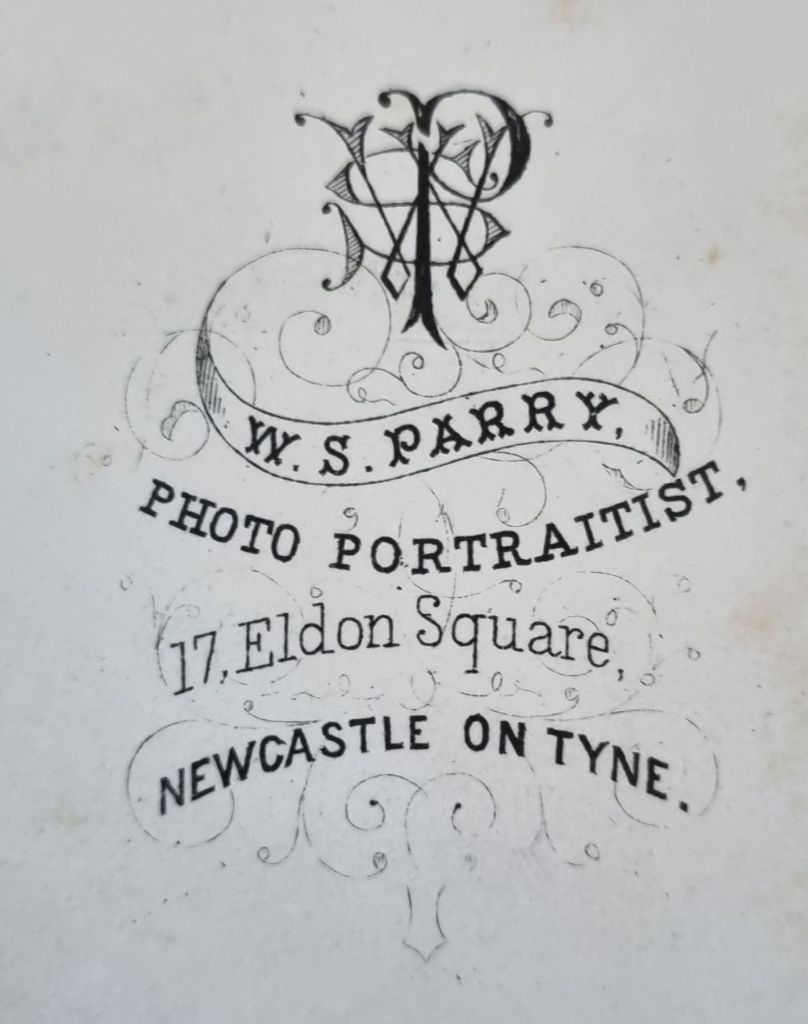
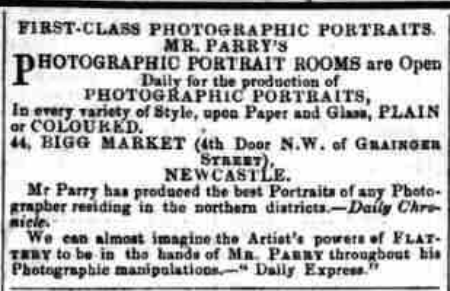

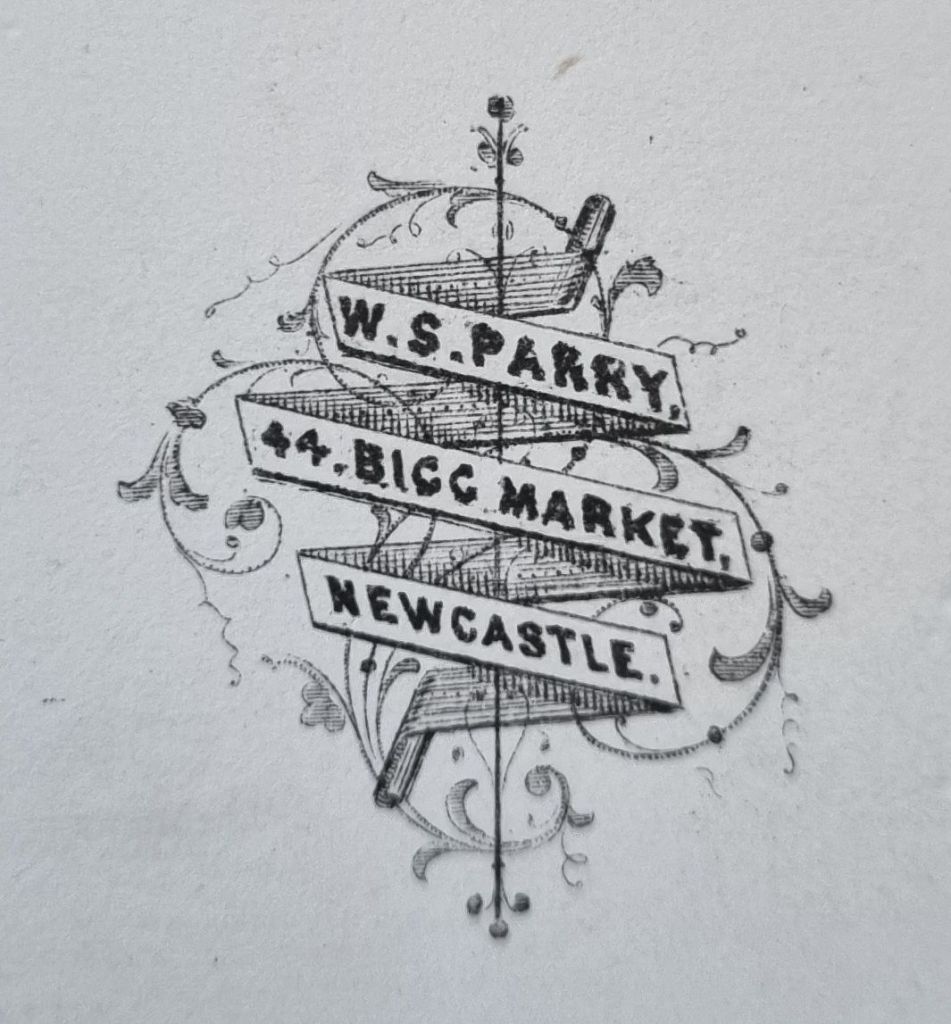

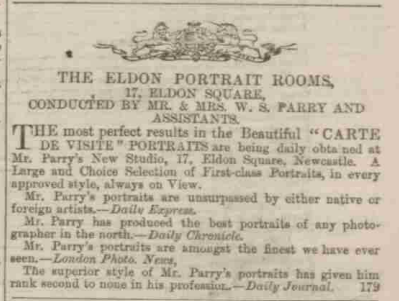
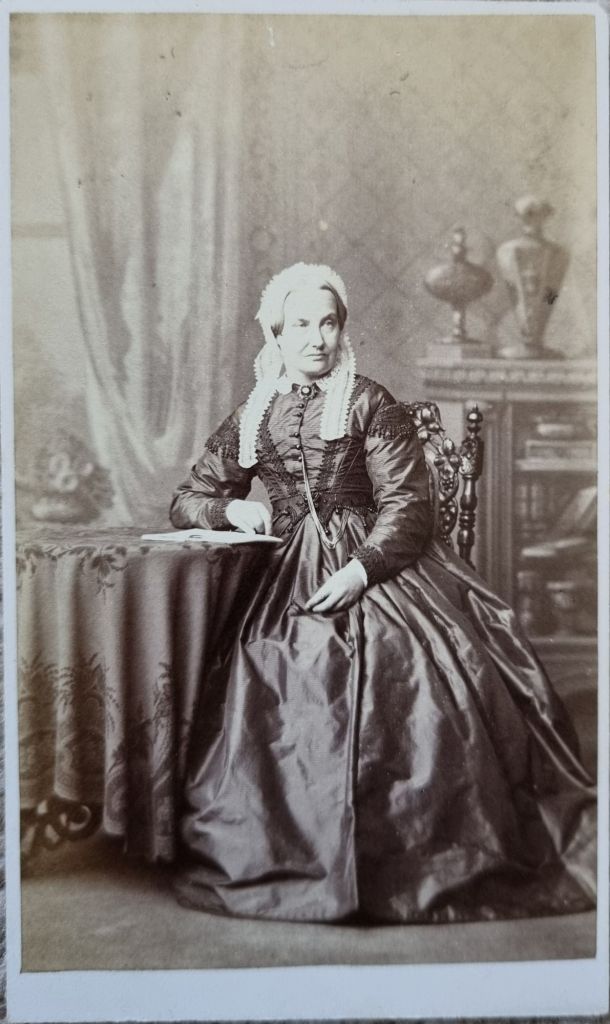
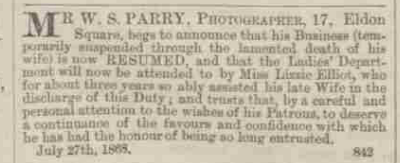
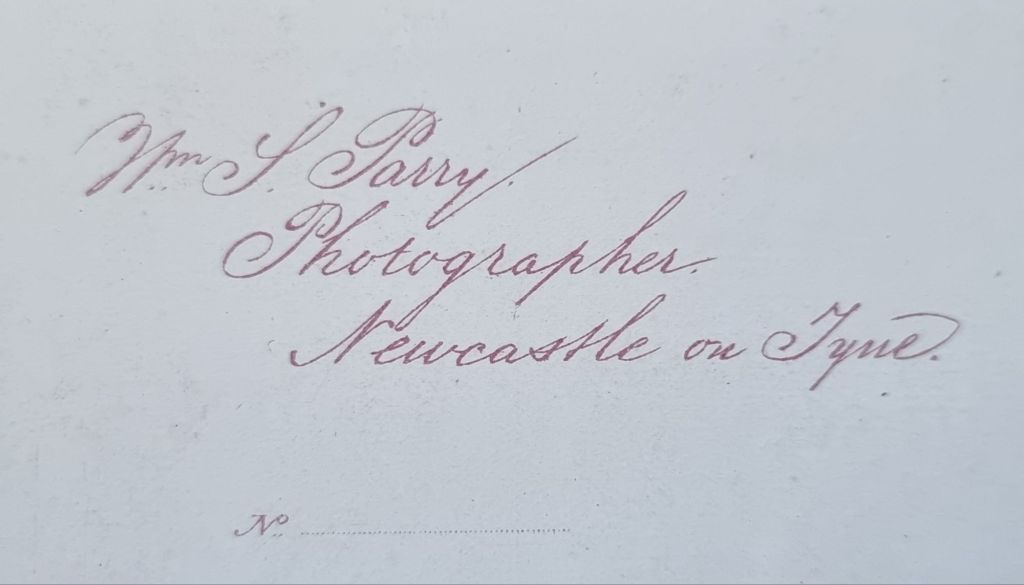
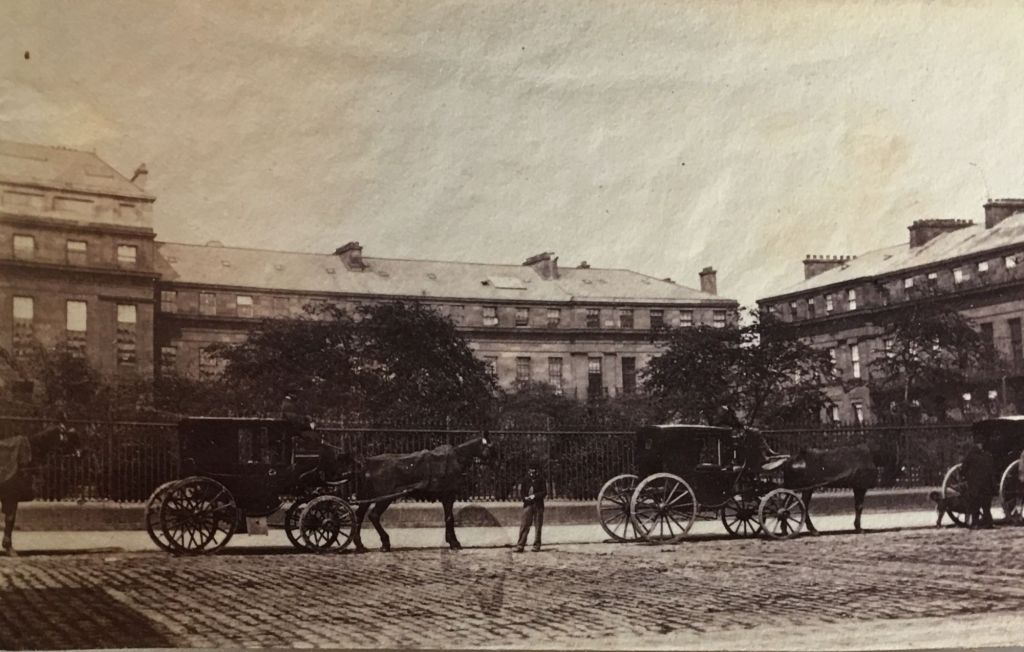

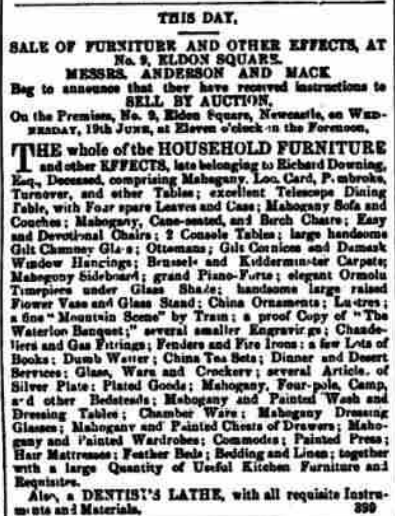


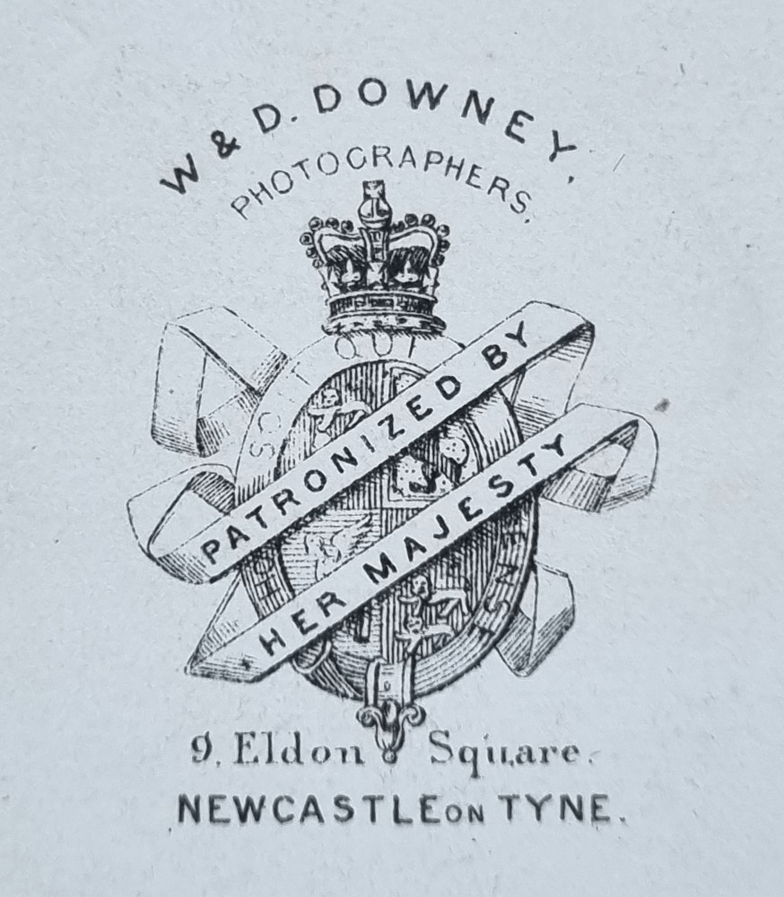
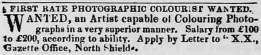
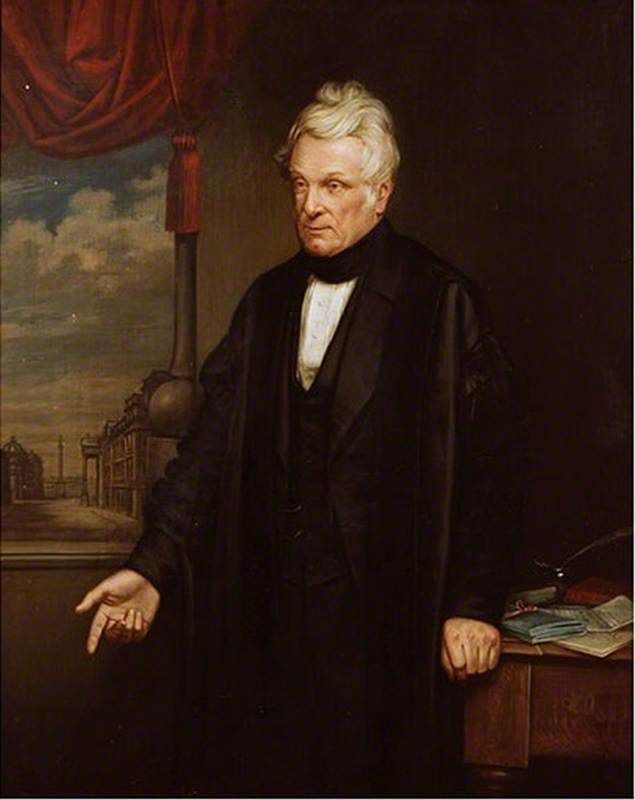
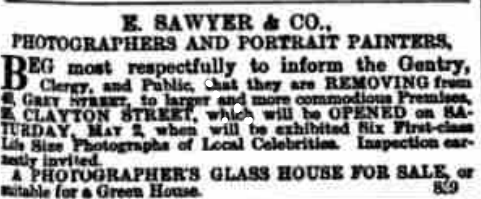
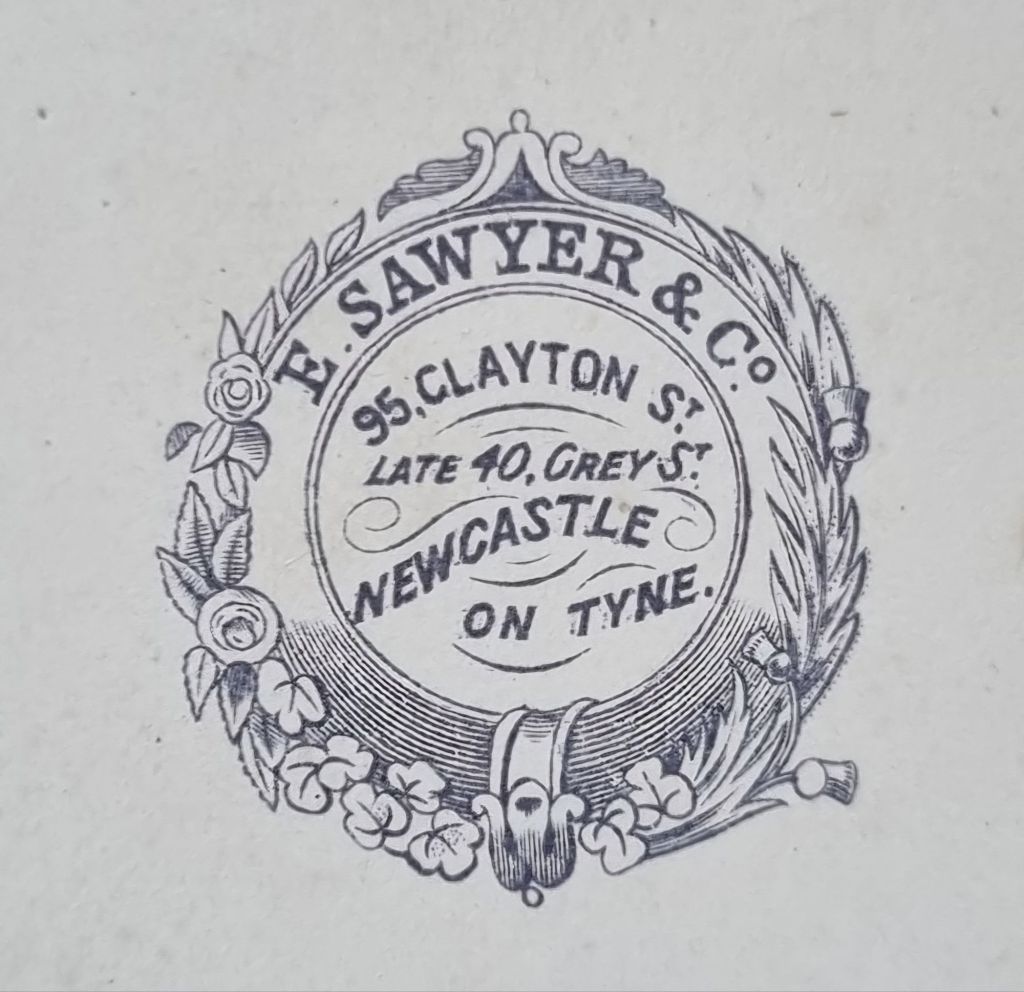
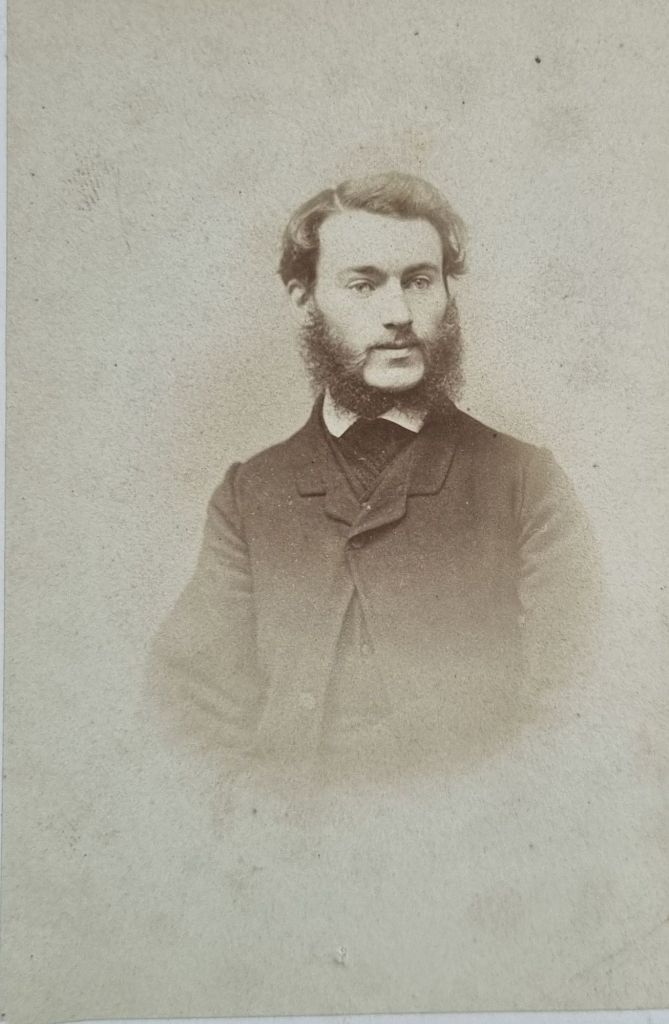
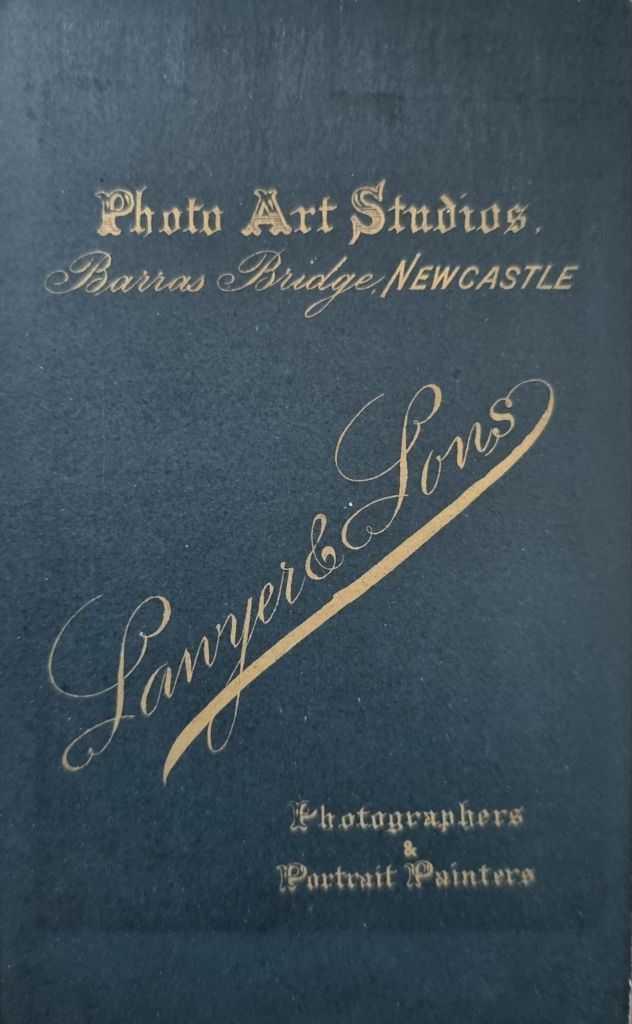
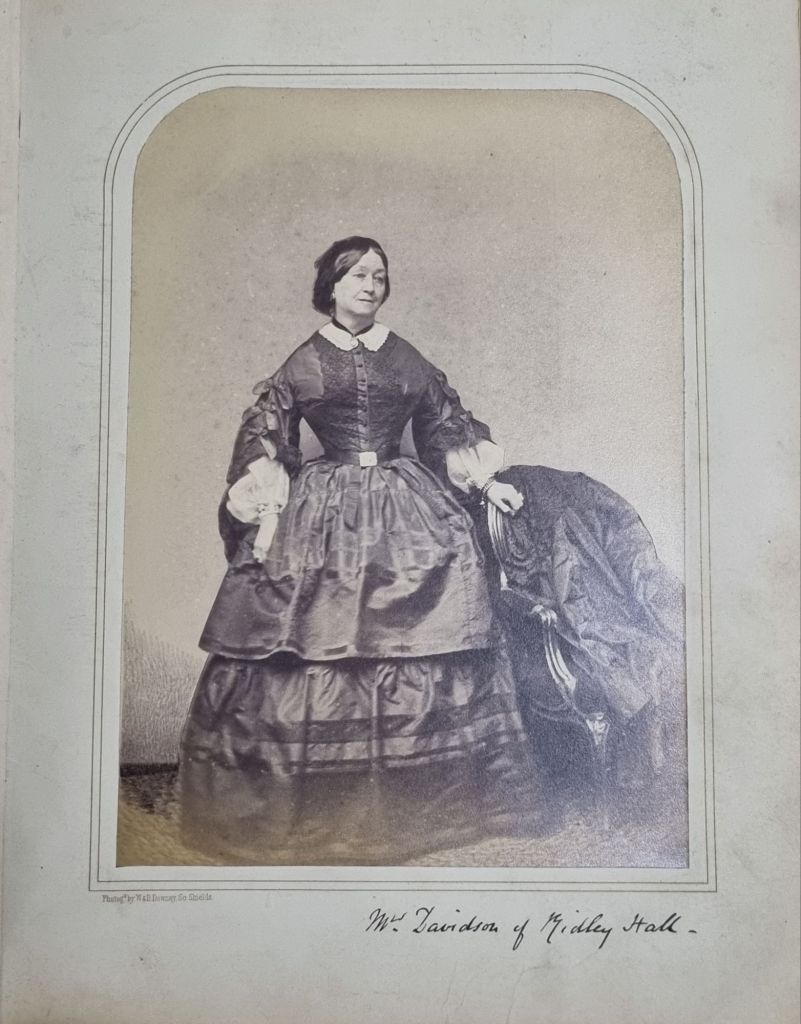
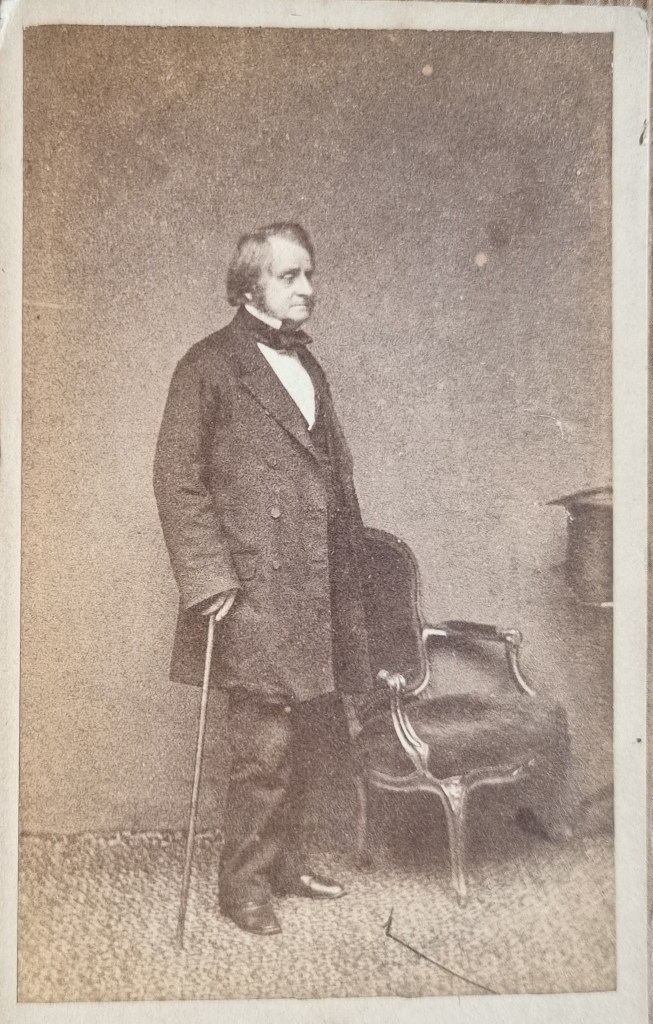

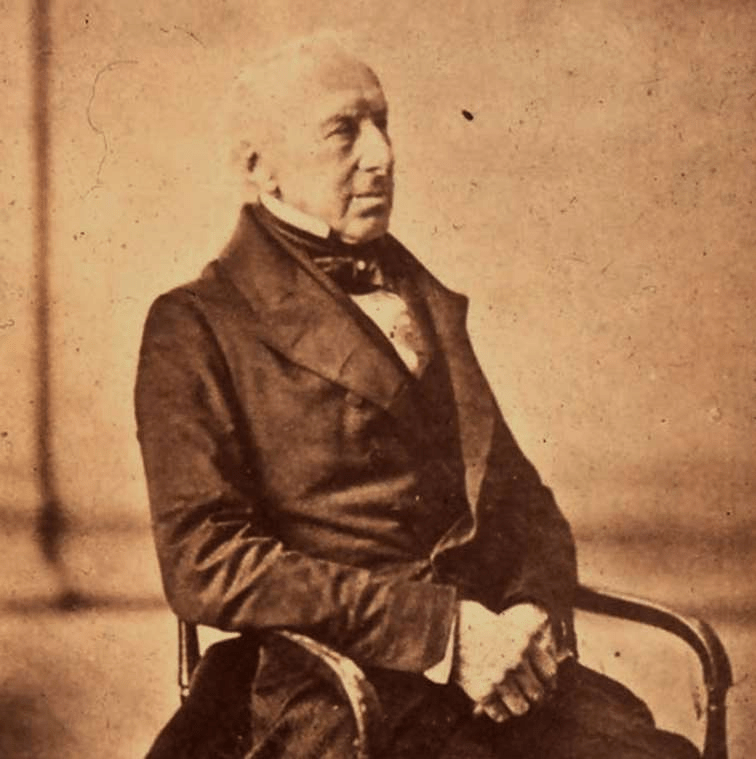
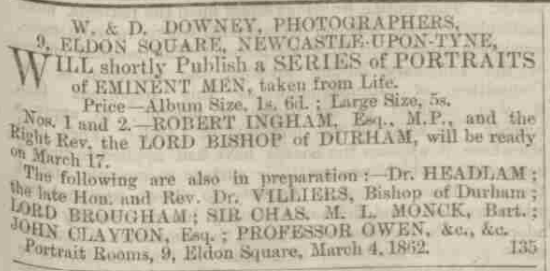
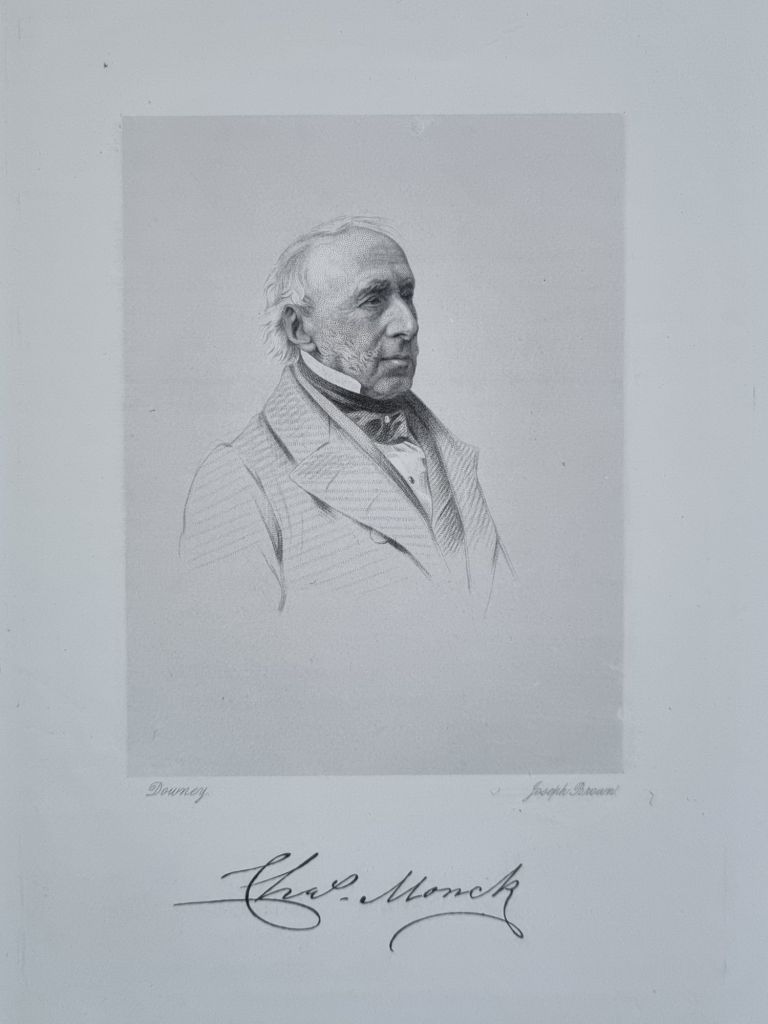


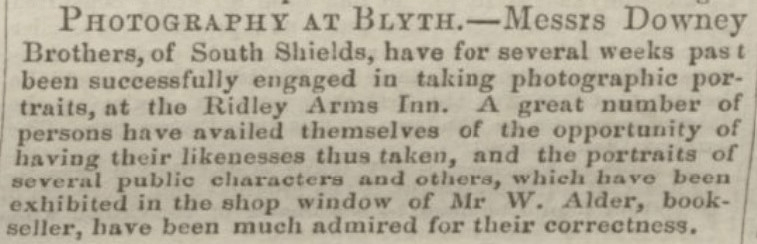
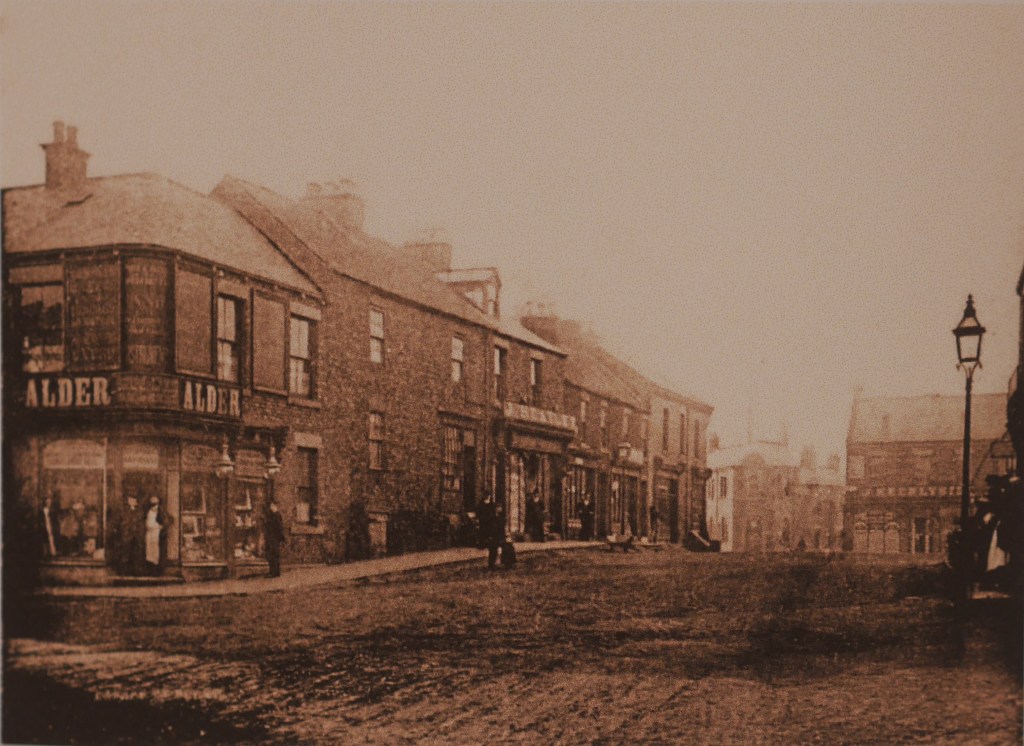
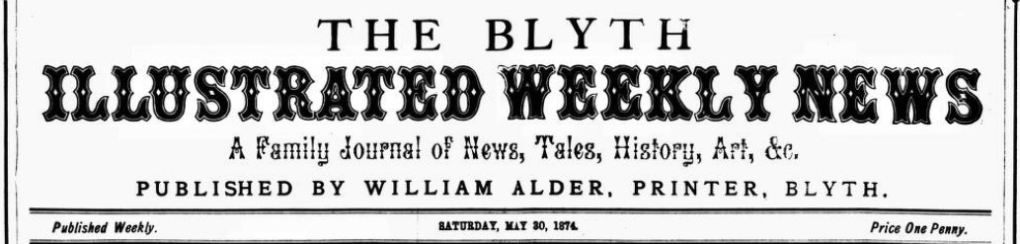


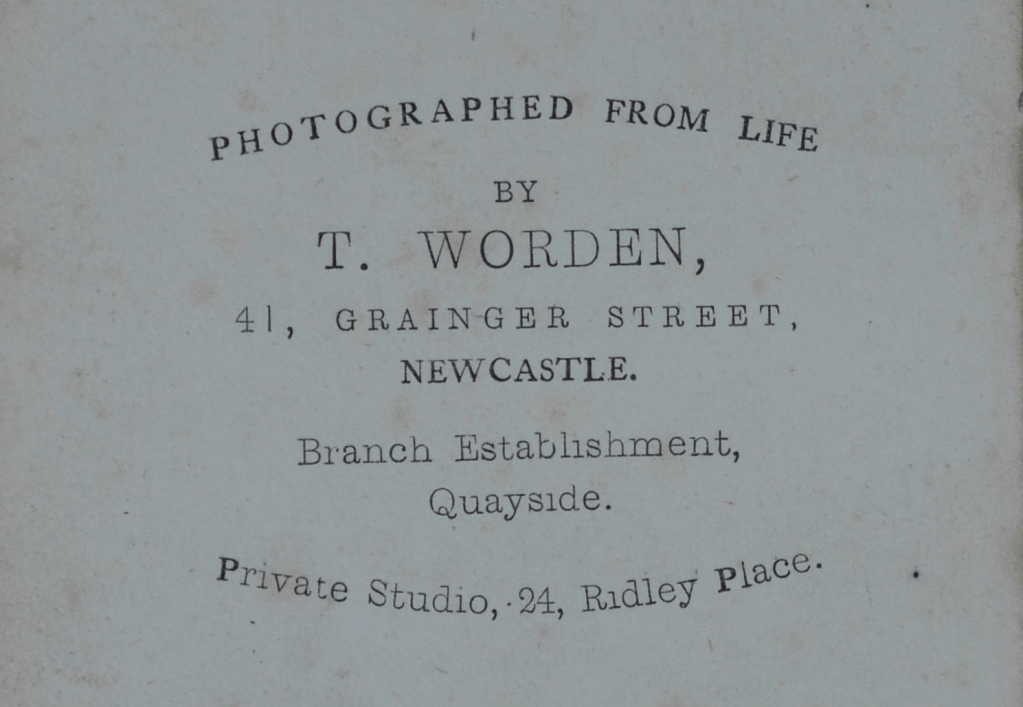
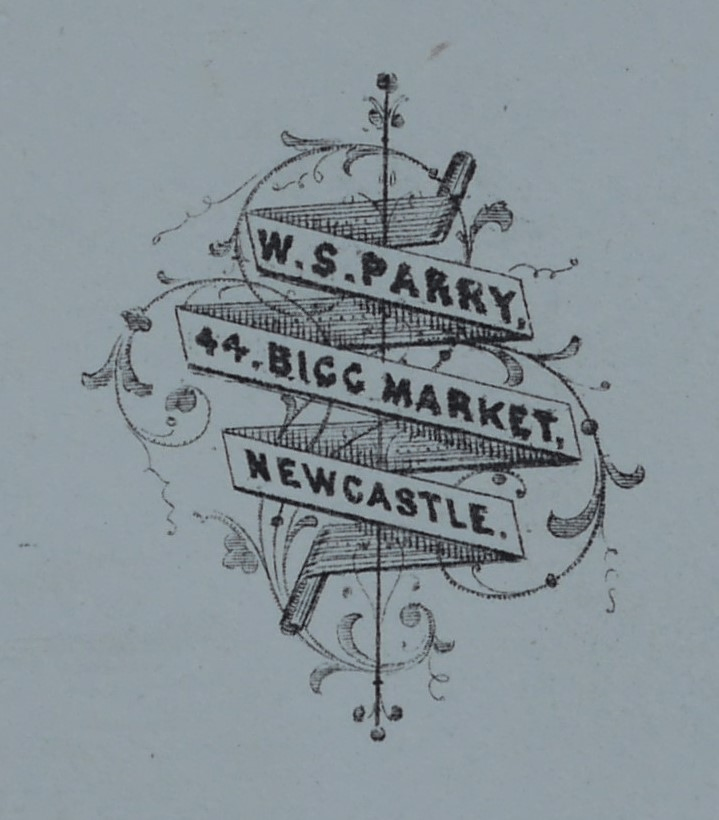
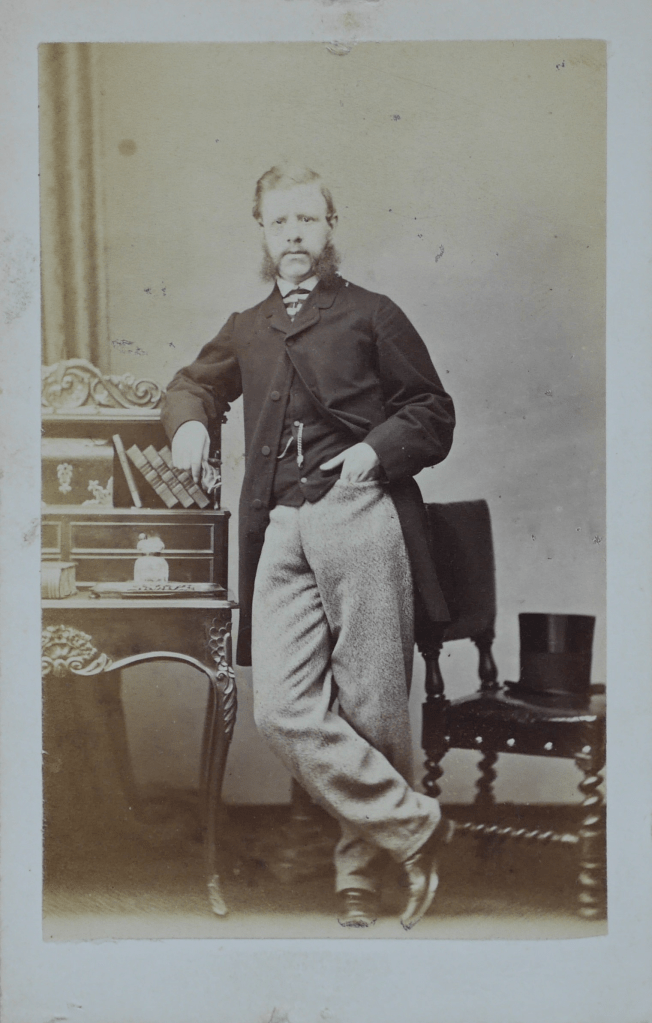

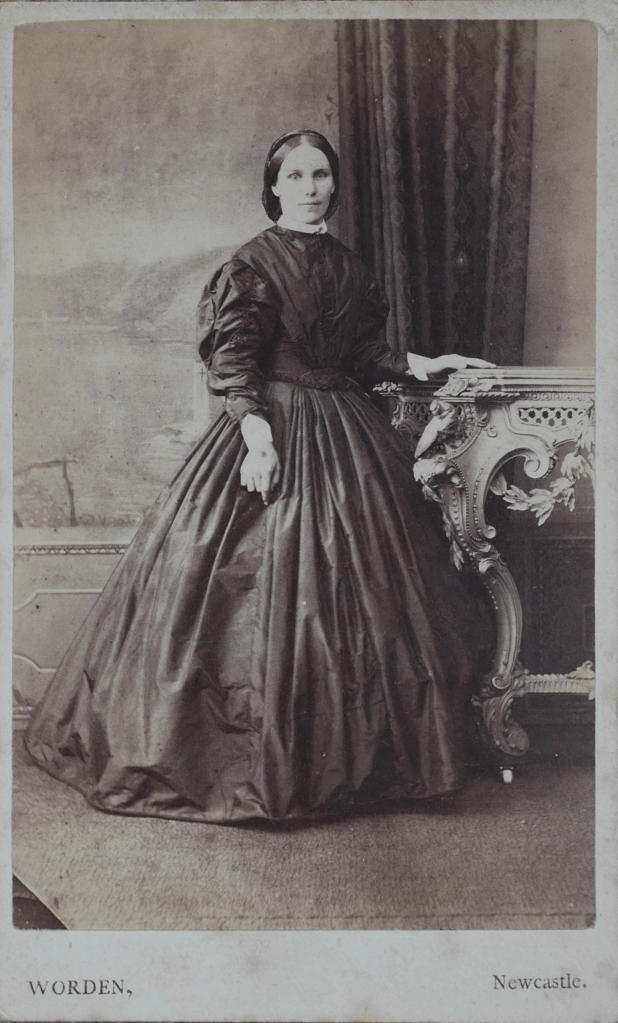


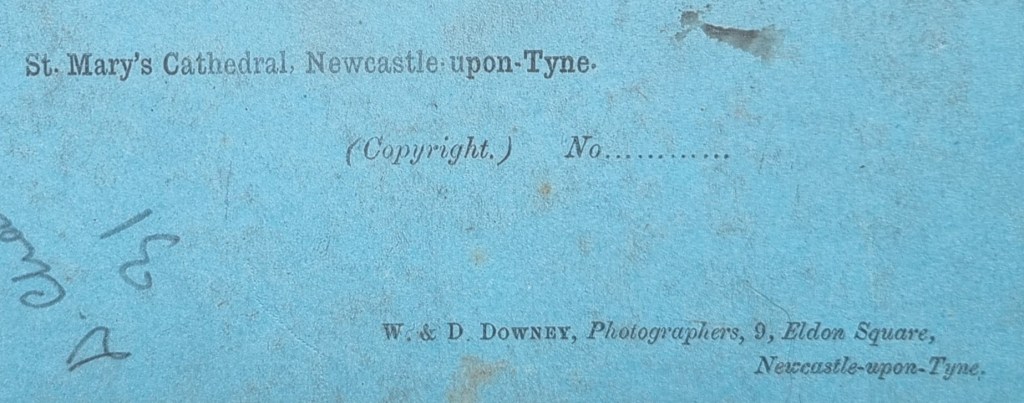
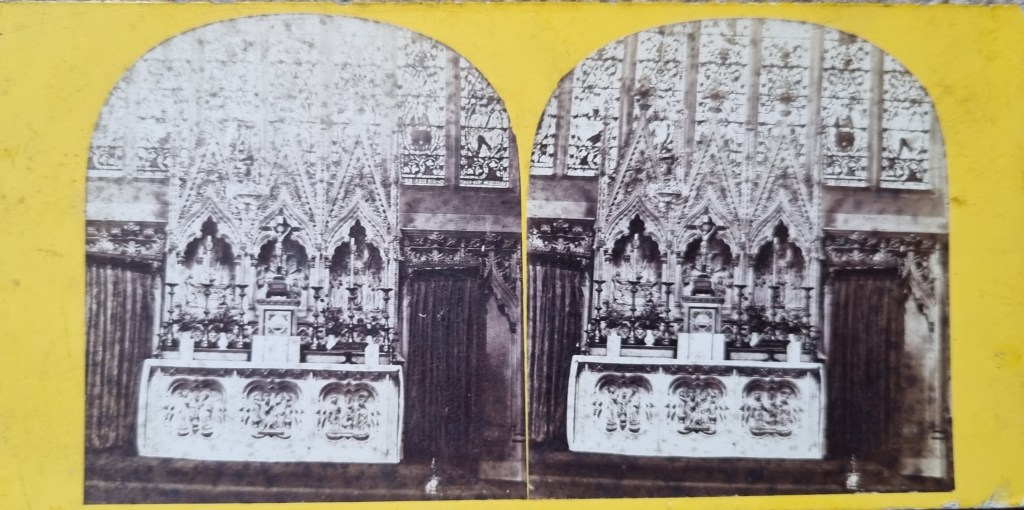

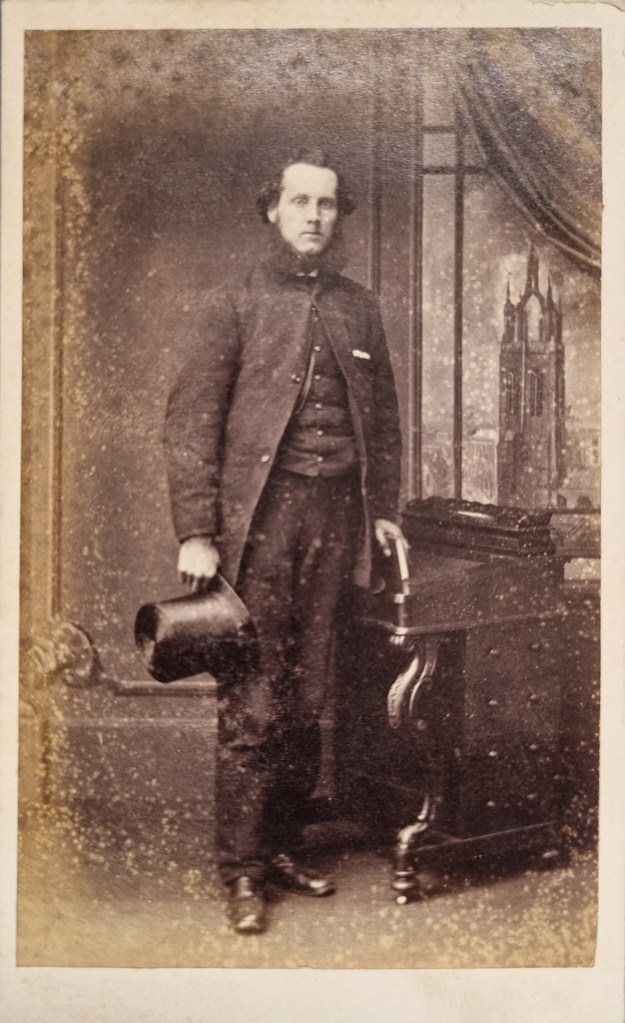

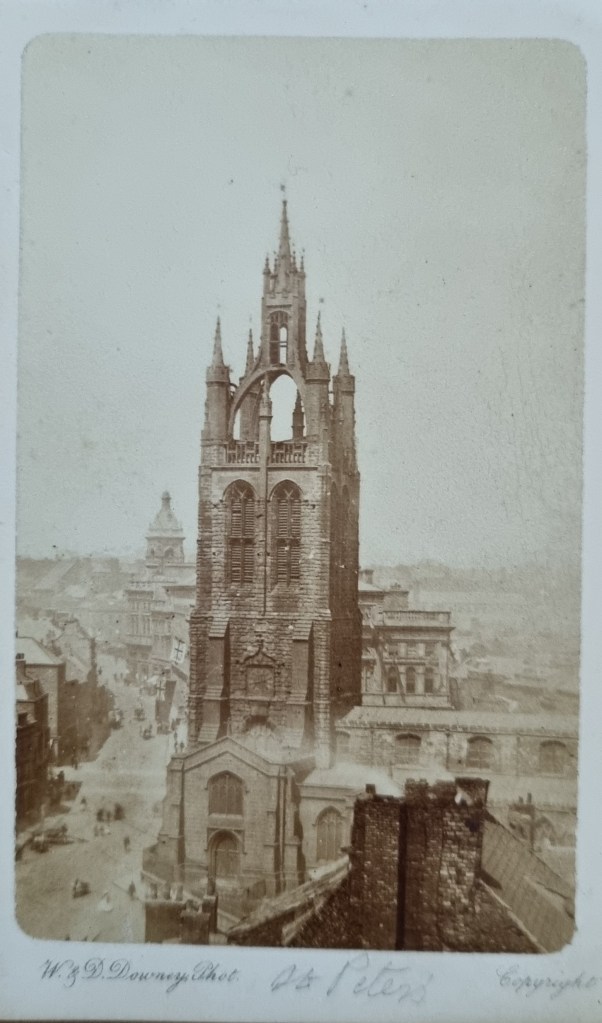
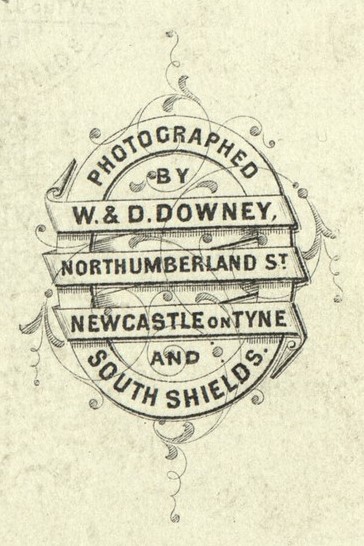
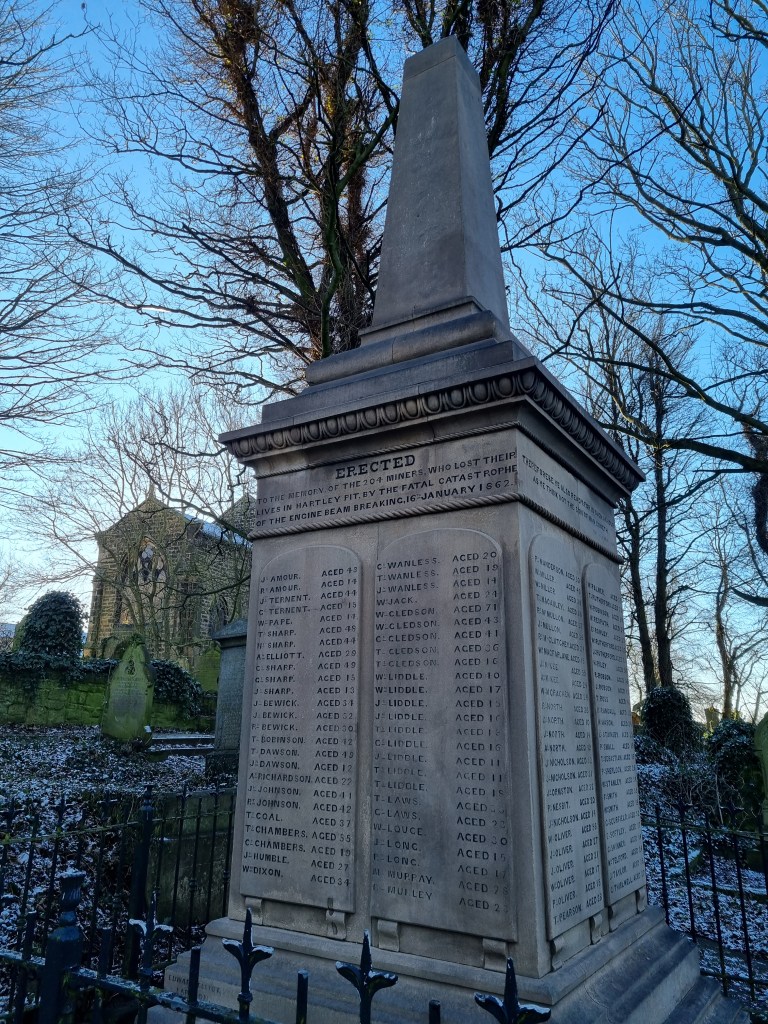
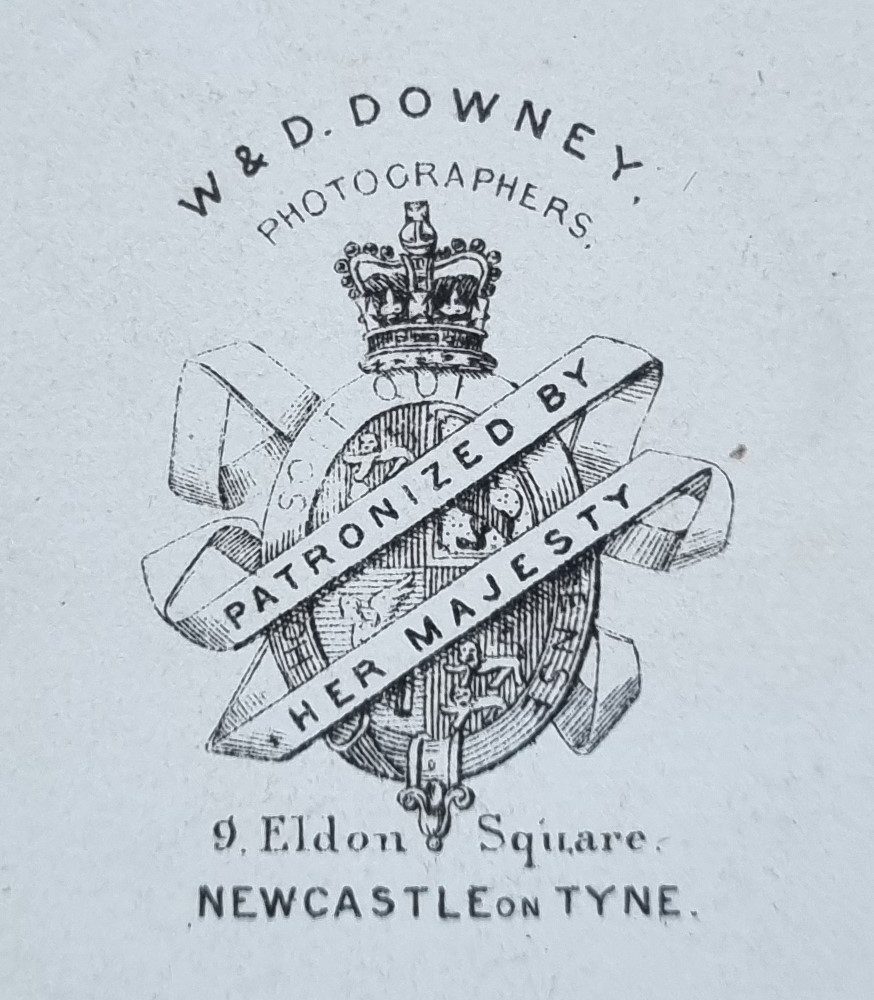
 Pressphotoman
Leave a comment