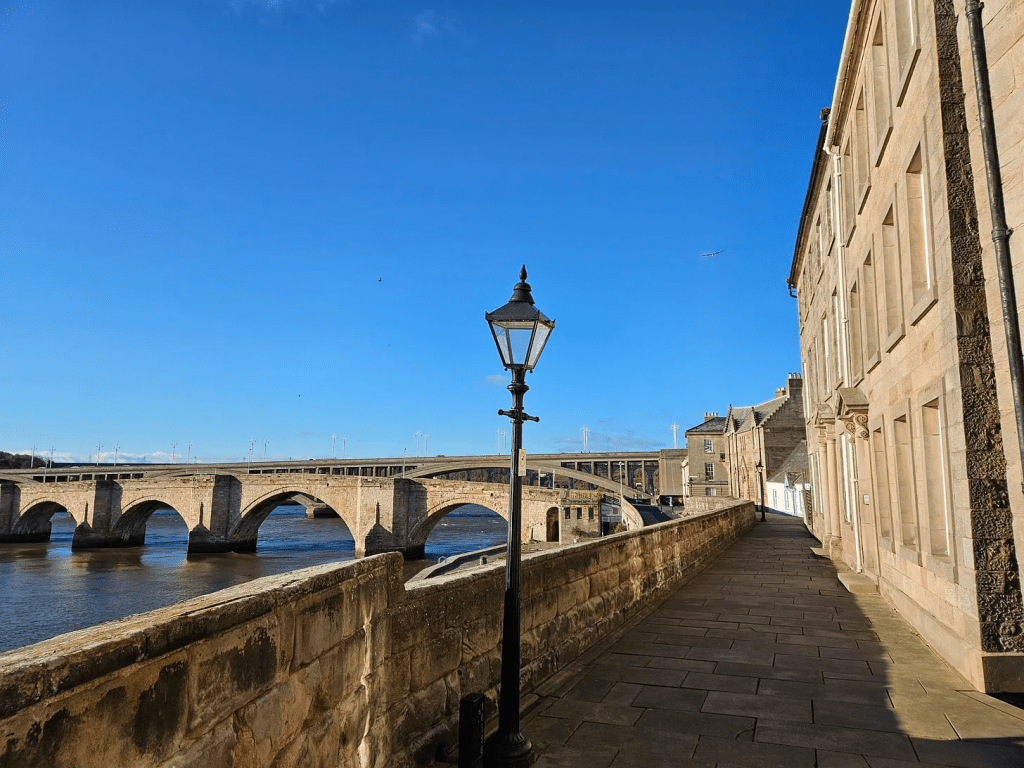
The Border town of Berwick-upon-Tweed in Northumberland has a number of claims to fame including its location as the most northerly in England.
On the banks of the River Tweed within sight of the border with Scotland, Berwick has an historic atmosphere and features an array of wonderful old buildings and structures.
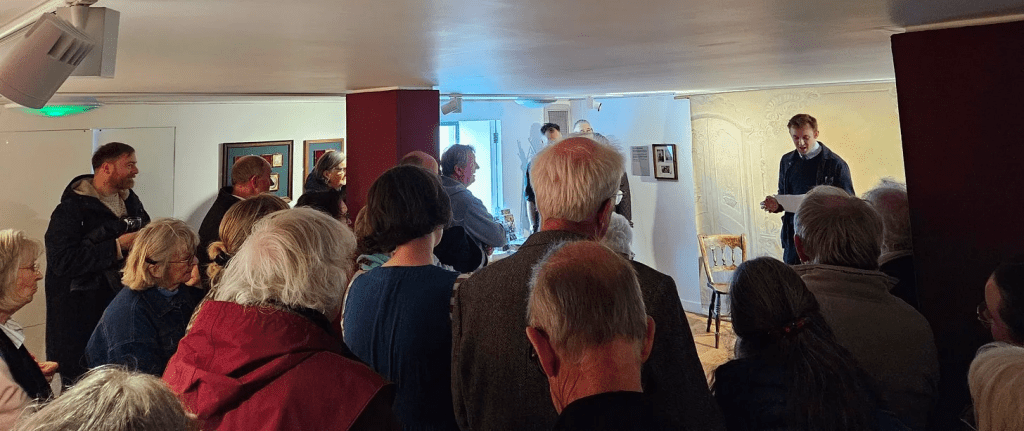
Curated by Cameron Robertson of the Berwick Record Office, the gallery was packed for an exhibition preview I was delighted to attend.
Cameron Robertson (right) at The Days of Light Past exhibition preview. 25th October 2025.
Among its many highlights, the exhibition uses an impressive range of visuals to explore nearly a century and a half of photohistory.
The story starts in August 1839 with the town’s specific inclusion in the first England and Wales patent licence for Louis Daguerre’s new daguerreotype process.
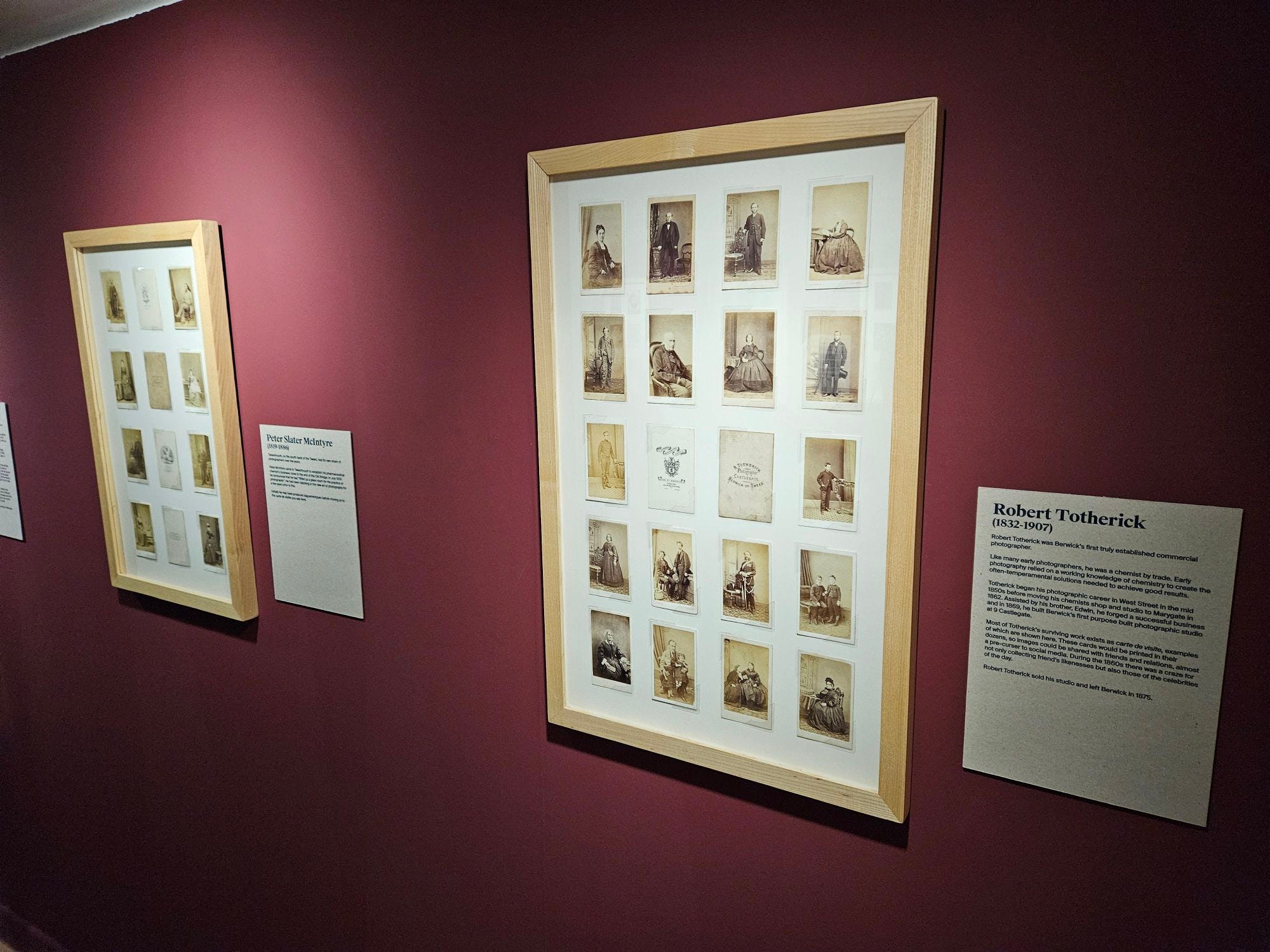
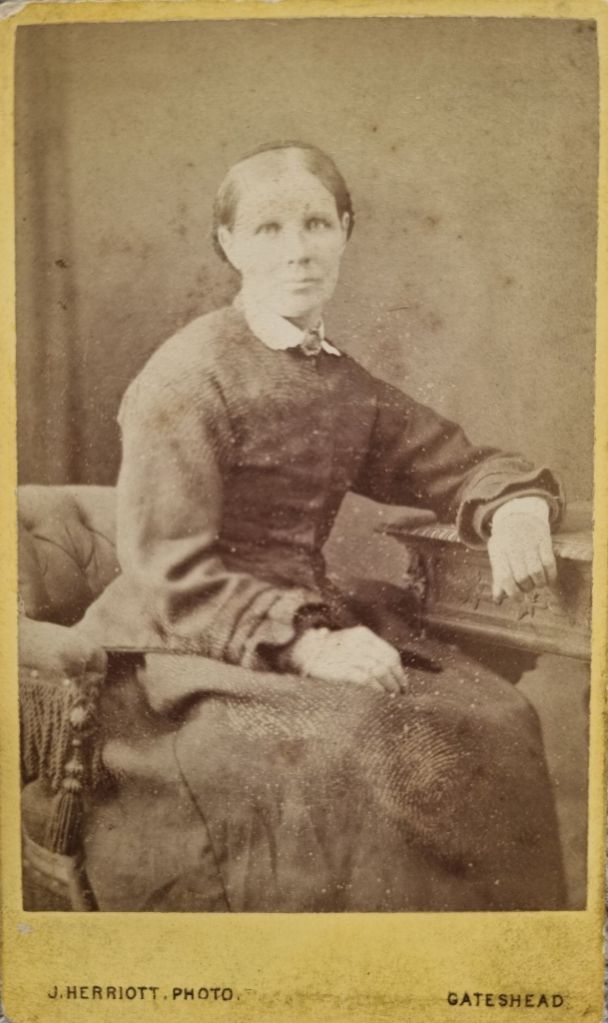
Berwick’s first commercial photography studio followed a decade later and the stories of various pioneers are celebrated in display cases of the carte-de-visites they sold by the thousand.
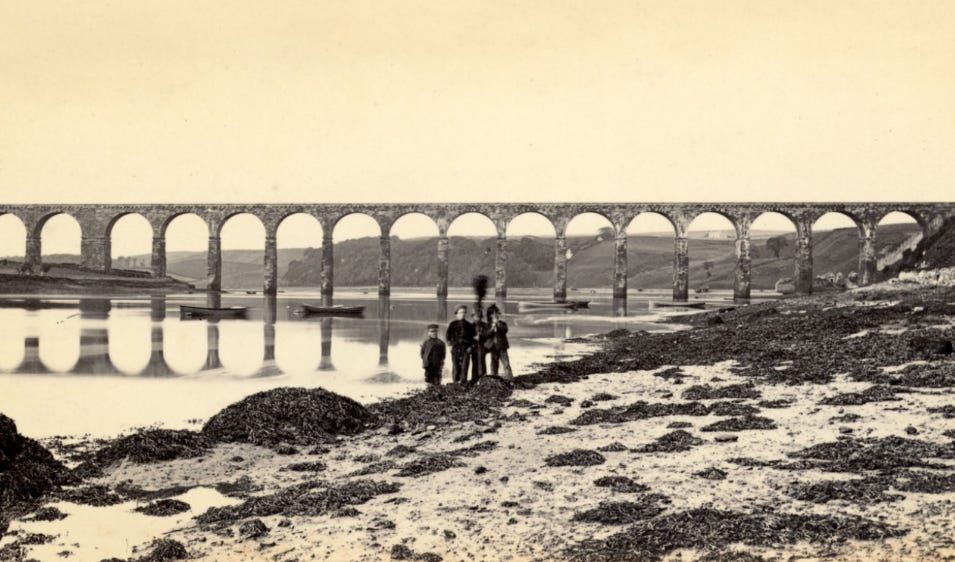
Among the most eye-catching photographs are a selection taken during the mid-late 19th century and blown up in size so their details can be fully enjoyed.
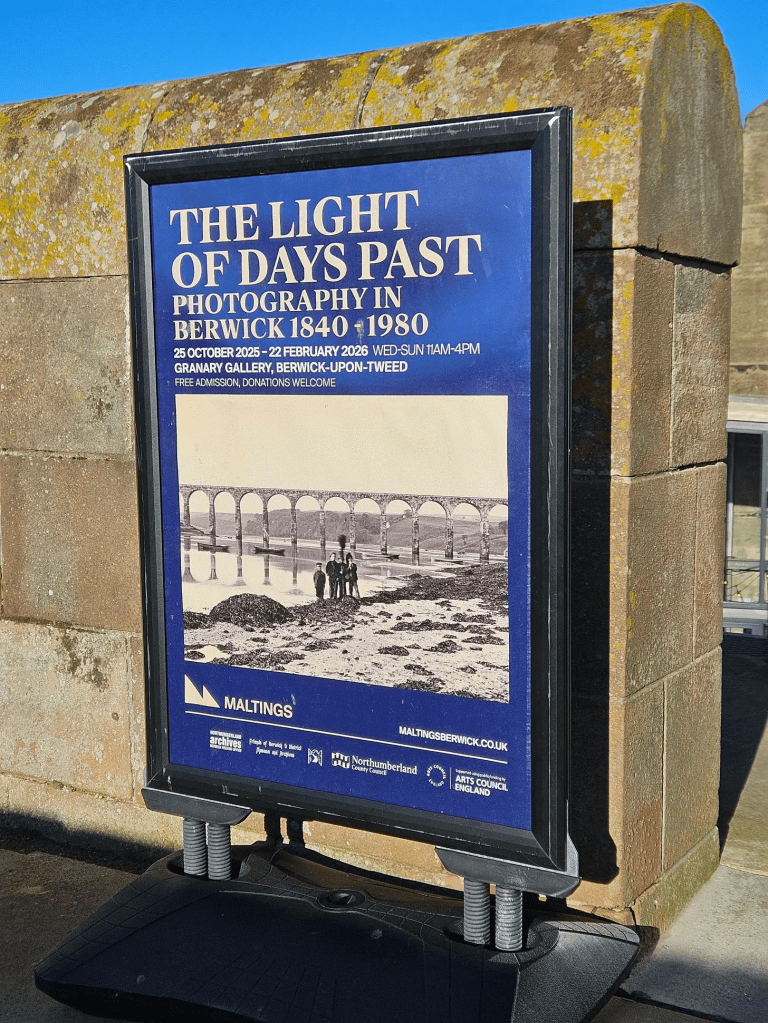
These include a striking image used in the exhibition poster of a group of boys pictured in front of the Royal Border Bridge that carries the East Coast railway line across the River Tweed.
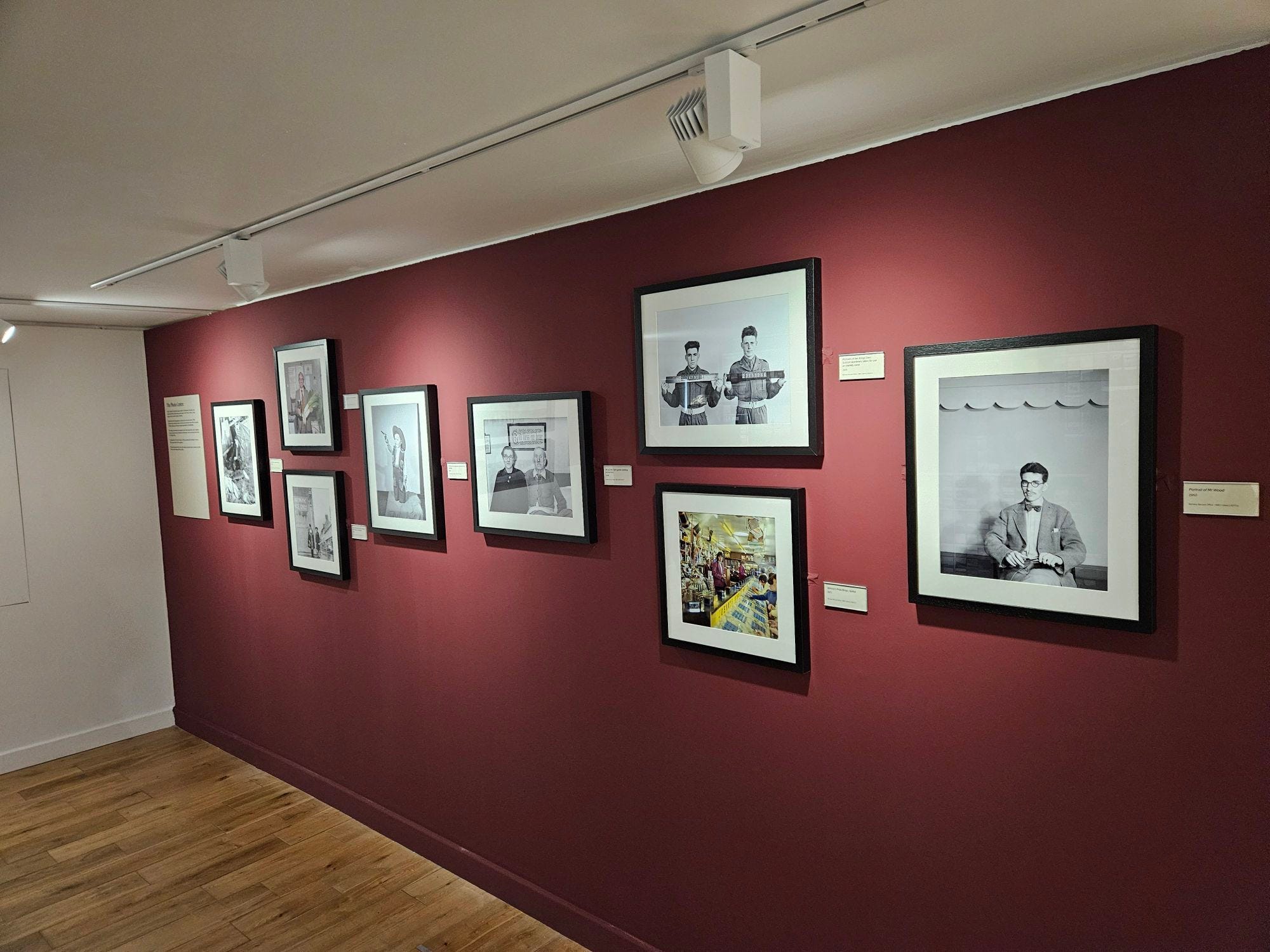
Like many towns across Britain, Berwick and its day-to-day life was later captured photographically by both press photographers and photo agencies.
A selection of these mid-20th century portraits transcend their origins and testify to the skill and artistry of the photographers involved.
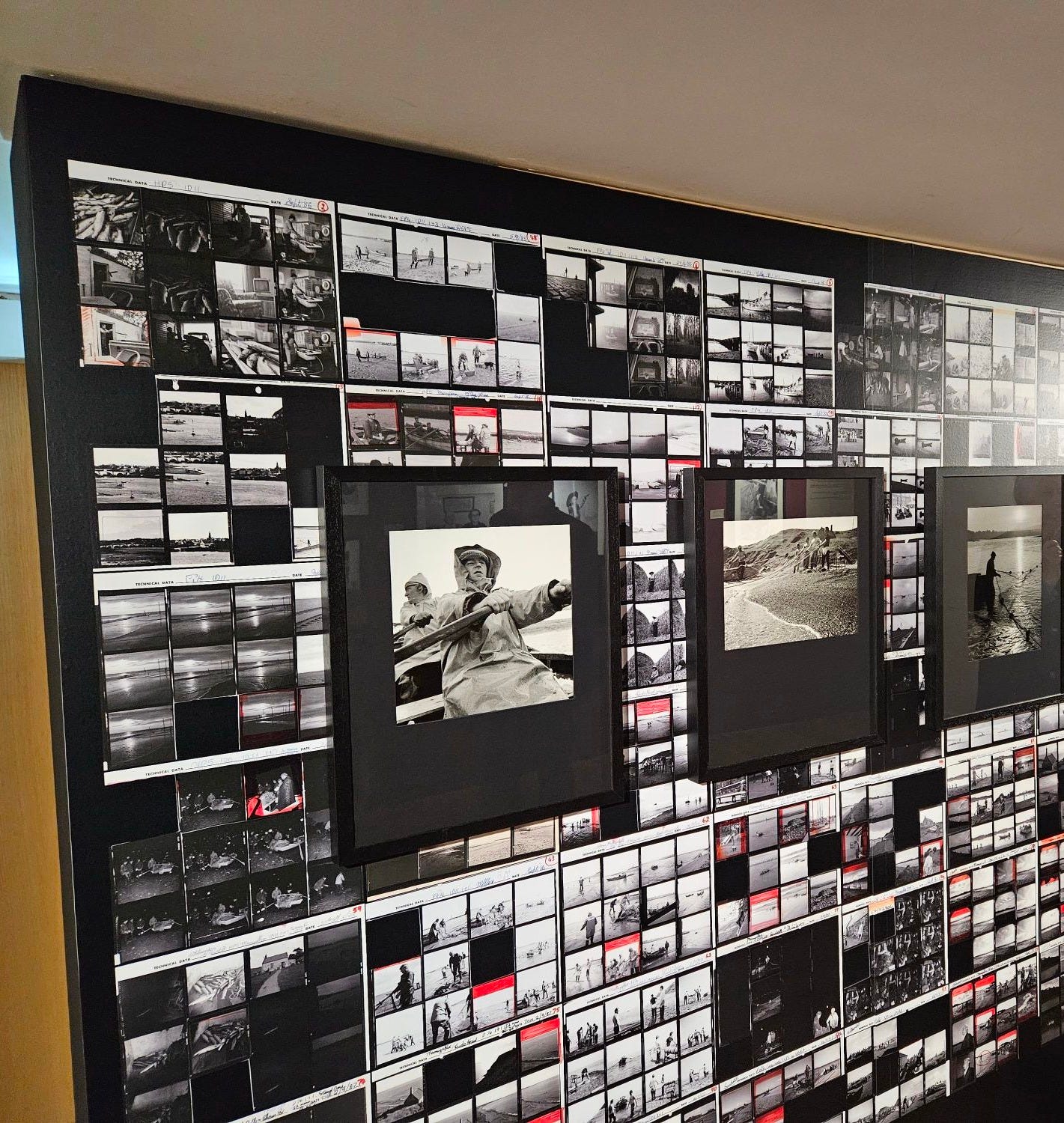
It was also a treat to see a display of photographs and contact sheets by the late Jim Walker FRPS, who portrayed the salmon fishing industry on the Tweed.
If you’re in the vicinity, a visit to The Light of Days Past comes highly recommended (Wednesday – Sunday, 11am – 4pm until 22nd February 2026). Admission is free though donations are welcome.
Our third subject is someone who Messrs. Mendelssohn and Edwards are likely to have known during their years with Downey.
James Herriott was born in 1846 in Blaydon, a town on the Tyne, a few miles across the river from Newcastle.
By his mid-twenties, he was married with a baby daughter and living in nearby Gateshead.
But he had already made valuable connections in the photographic business.
During his teens, he was apprenticed to Mawson & Swan of Newcastle on Tyne, who supplied firms like W. & D. Downey with the latest photographic equipment and chemicals.
Given this background, it’s perhaps unsurprising that James Herriott’s own career in photography was soon underway in Gateshead.
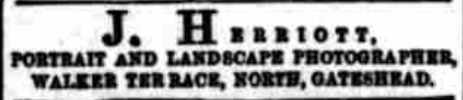
The 1871 census recorded his ‘rank, profession or occupation’ as ‘photographic artist,’ and the following year, a newspaper advertisement described him as a ‘portrait and landscape photographer.’
Advertisement from Gateshead Observer (1st June 1872). From British Newspaper Archive.
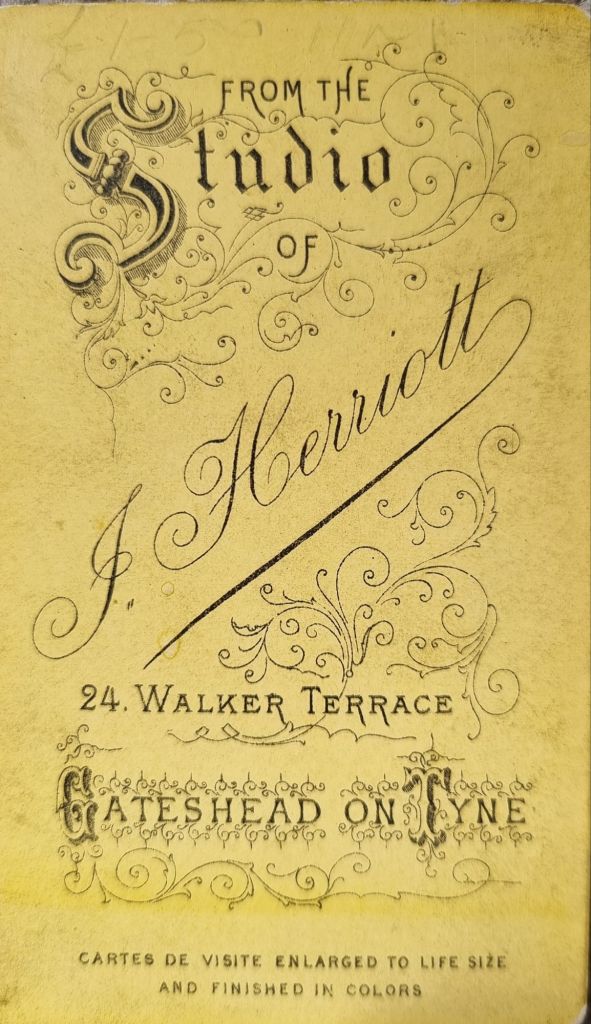
In terms of portraits, he offered customers ‘cartes de visite enlarged to life size and finished in colours.’
Whether his business hit financial or other difficulties, a notice published in the Newcastle Journal in April 1875 signalled a change of direction.
After closing for alterations, the notice stated, the business would re-open ‘under the named management of Downey and Herriott’ and ‘they will be prepared to do the highest class of work in the Art.’
The named ‘Mr. Downey, late of Oxford Street, Newcastle’ was photographer John Downey (1823-1906), elder brother of William and Daniel.
As described in part 1 of this mini-series, John Downey was previously in partnership for two years (1872-73) with Hayman Seleg (H.S.) Mendelssohn, another Downey apprentice.
The Downey & Herriott partnership though appears to have been even more short-lived.
Within a year or so, James Herriott was again advertising his Gateshead business, now with a second studio address in the centre of Newcastle.
Meanwhile, John Downey had set up ‘J & C. Downey, Photo Artists’ with his eldest son Cornelius at a separate address in Gateshead.
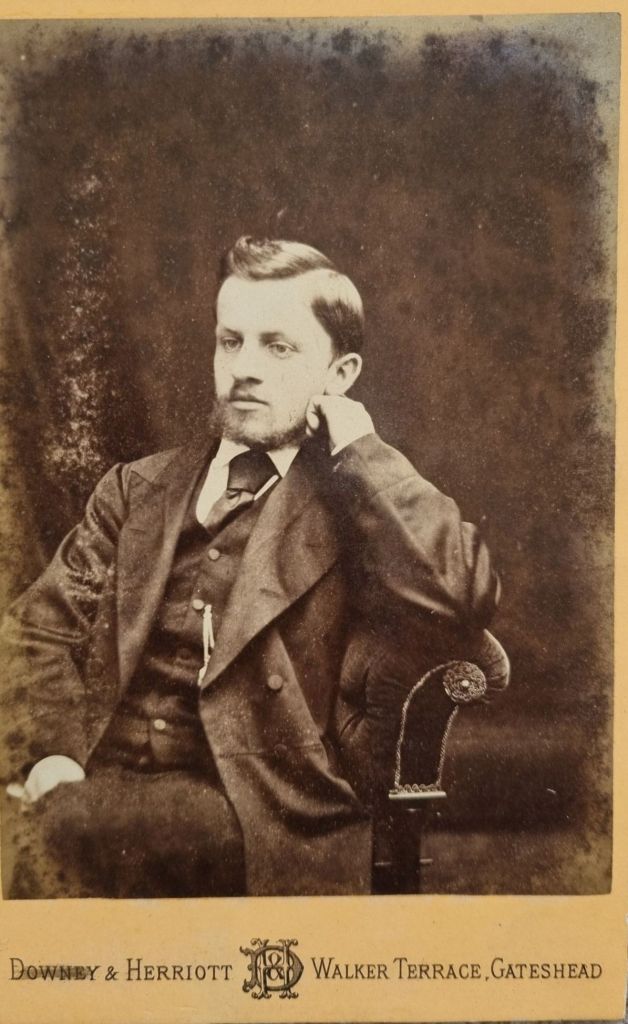
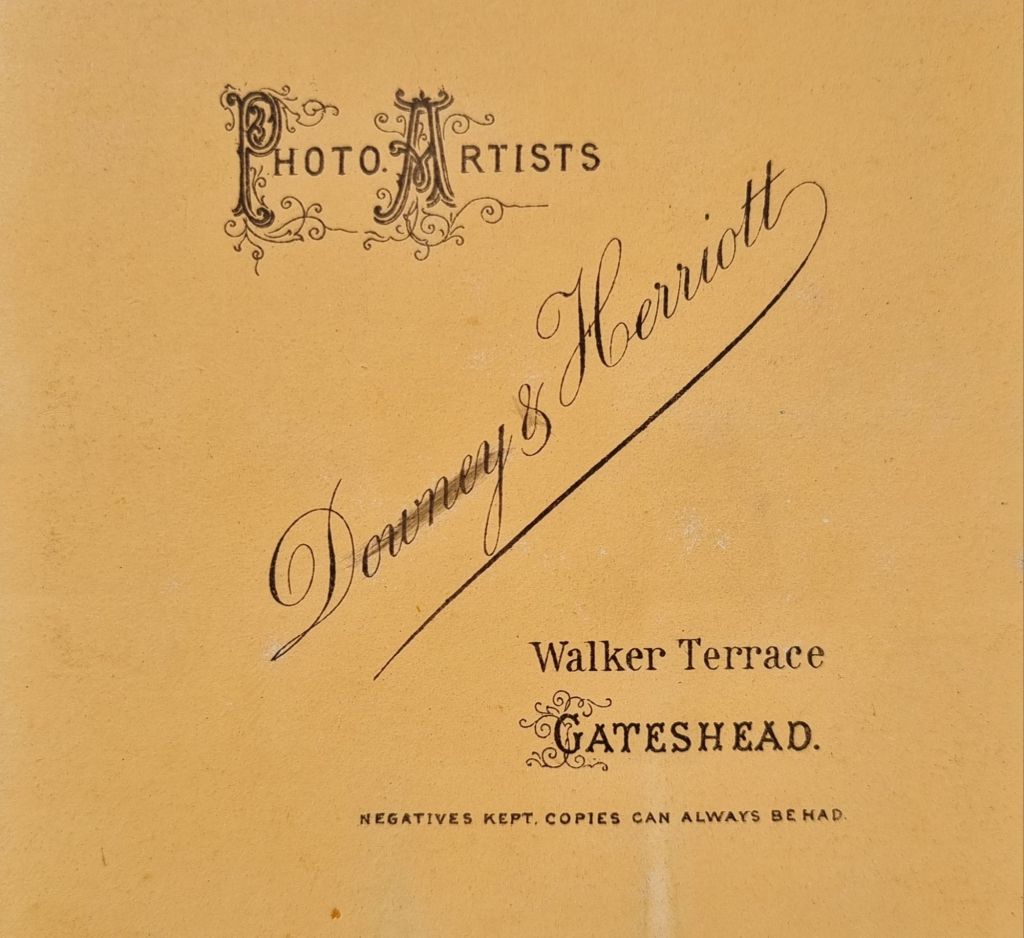
Downey & Herriott portraits are hard to track down, however, this cabinet card is unusual in that it shows the name ‘Downey’ crossed out on both front and the verso.
One explanation might be that card stock printed for the Downey & Herriott partnership was later used by James Herriott alone, perhaps because finances were still tight.
It’s also noticeable that both Downey & Herriott and Downey & Mendelssohn used the same distinctive orange-coloured card for their products.
Herriott’s involvement with the Downey photographic empire points to a long-running relationship.
It was one that perhaps began in the late-1860s following his Mawson & Swan apprenticeship and before opening his own Gateshead studio.
In a 1920s newspaper interview recalling ‘the days of his apprenticeship to W. and D. Downey,’ he recalled assisting ‘Mr. Downey’ in photographing both Queen Victoria and the Prince of Wales (later Edward VII) on separate occasions.
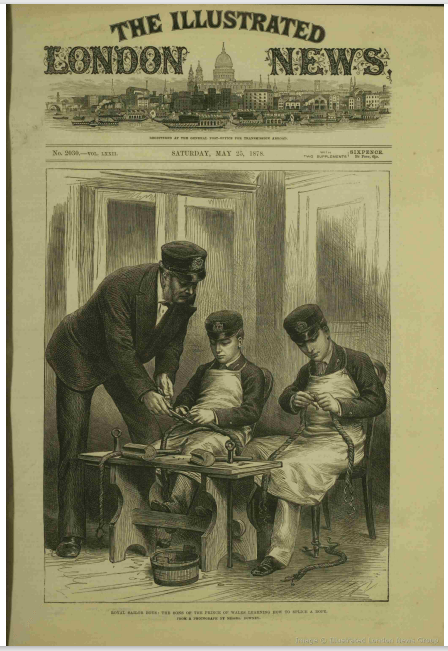
Another memory of a Downey assignment involved photographing Prince Albert (known as Eddy) and Prince George (the future George V) ‘while learning to splice rope’ during naval training aboard HMS Britannia.
In May 1878, the resulting photograph credited to ‘Messrs. Downey’ was reproduced as an engraving by the Illustrated London News.
Supplement to Illustrated London News (25th May 1878). From British Newspaper Archive.
The dating of 1878, at a point when James Herriott was running his own photographic business, reinforces the idea that he was a trusted Downey associate.
Within a few years though, the Tyneside chapter of his life came to an end.
In March 1882, the Berwick Advertiser listed ‘James Herriott, photographer’ among ‘incomers’ to Berwick on Tweed.
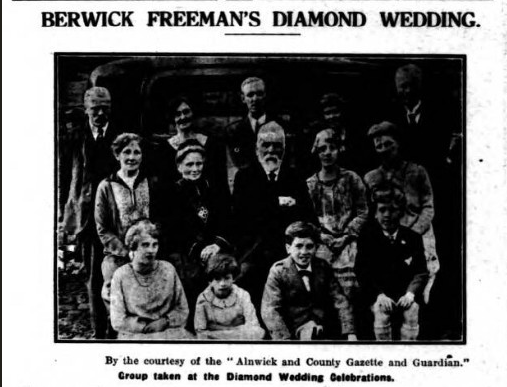
This move together with his wife Martha and their four children might be explained by James’s parents originating from Berwick, the northernmost town in England, where James had become a Freeman at the age of 21.
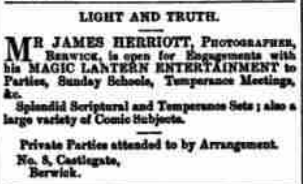
Resuming his photography, he opened a studio in the town’s Castlegate offering a range of portraits.
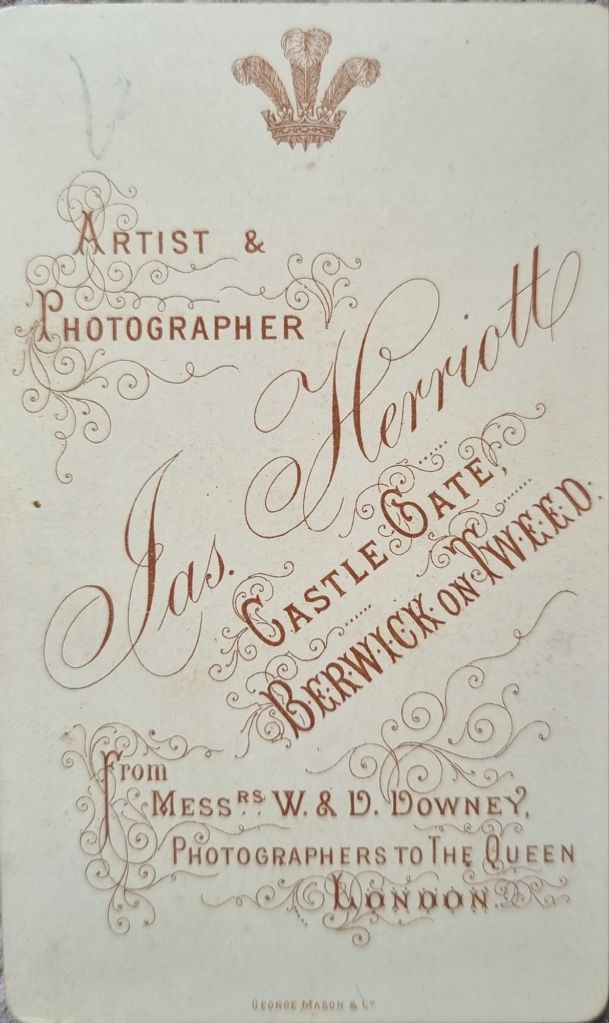
The verso of his products also took the opportunity to highlight his professional link to ‘Messrs. W. &. D. Downey, Photographers to the Queen, London.’



 Pressphotoman
Leave a comment