The arrival each November of red poppies and collection boxes, both physical and digital, up and down the land is a poignant reminder of wars past and present.
2025 has seen a number of World War 2 anniversaries marking 80 years since VE Day and VJ Day.
As the decades go by, fewer and fewer of the original combatants are still alive and able to bear witness to the terrible consequences of such conflicts.
So it is left to those with a familial connection to share memories of their loved ones and the sacrifices made for succeeding generations.
A year ago, Remembrance Day (11th November) fell on a Monday.
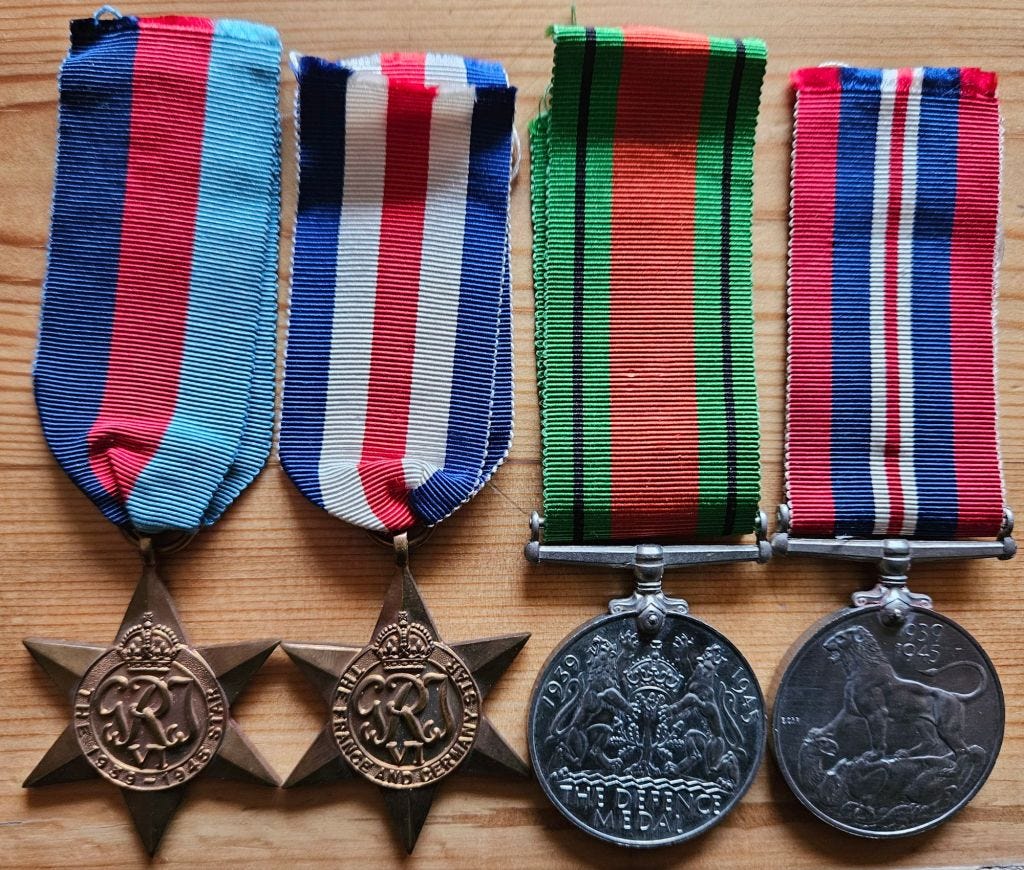
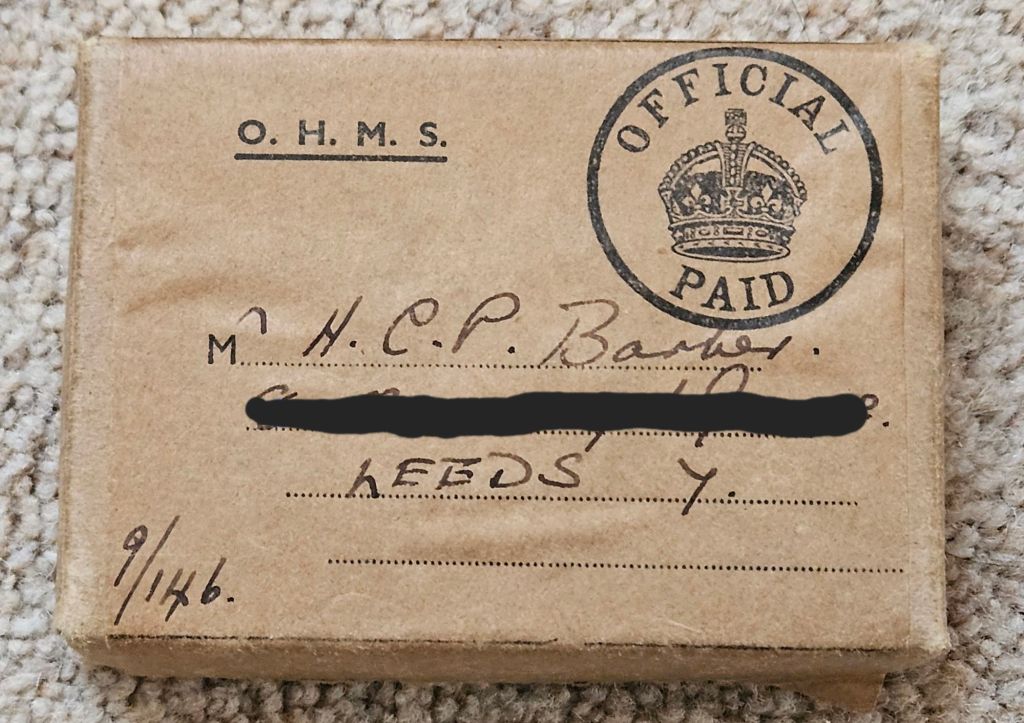
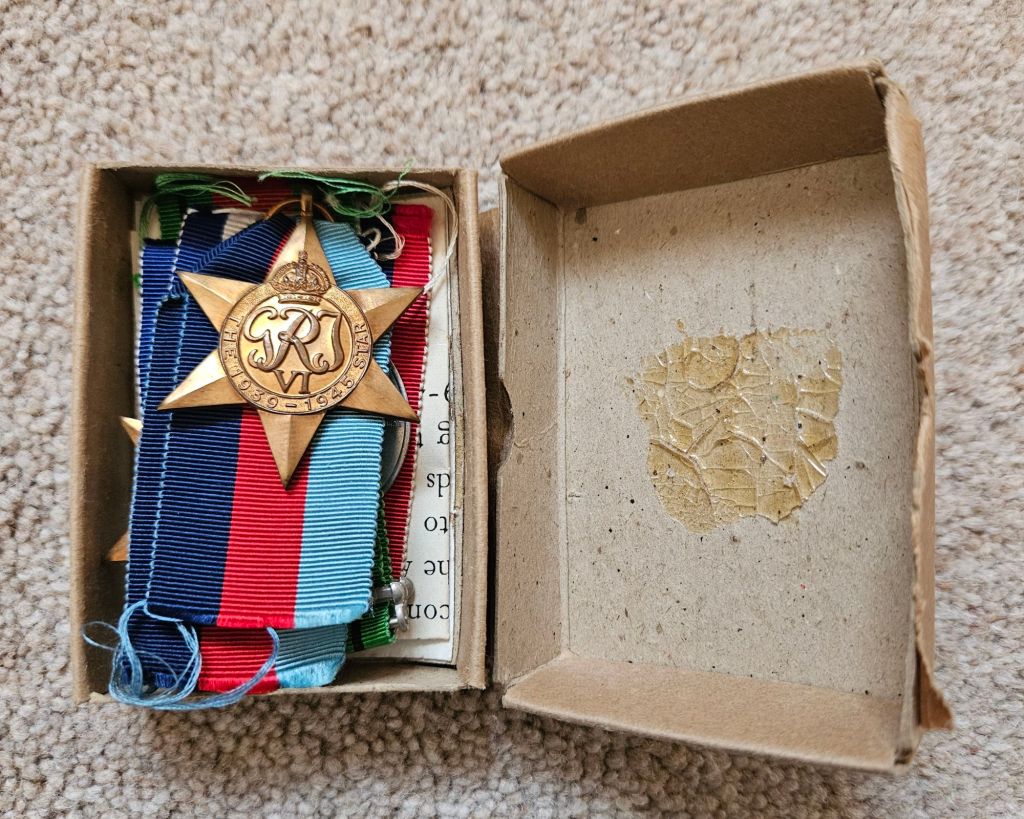
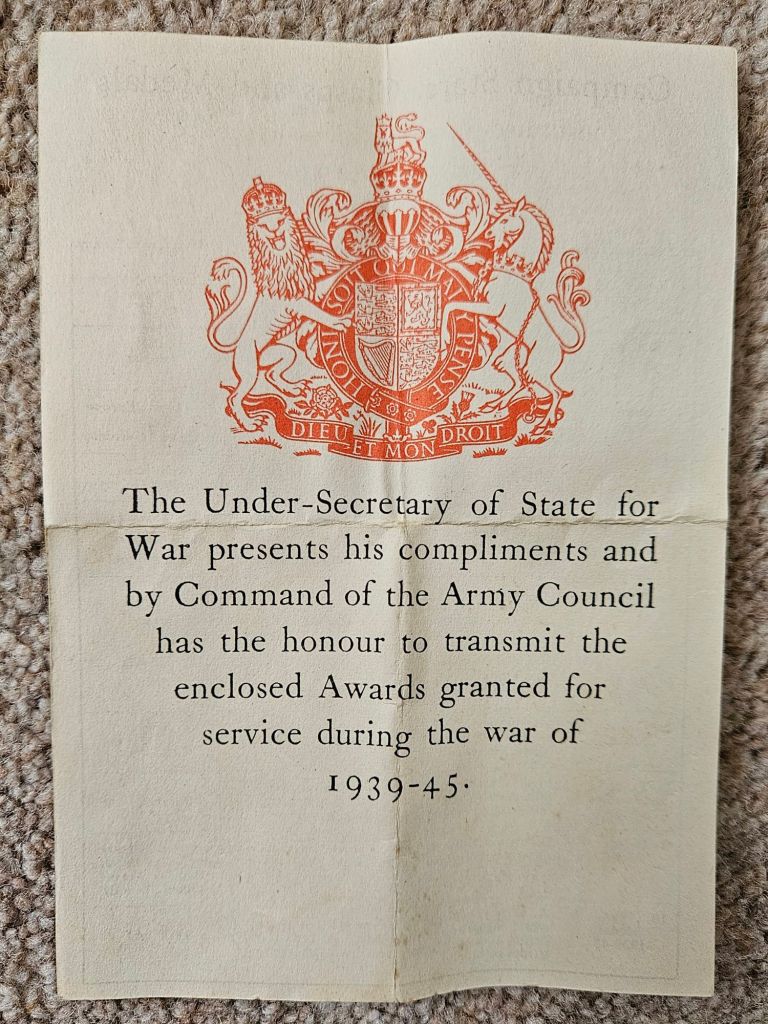
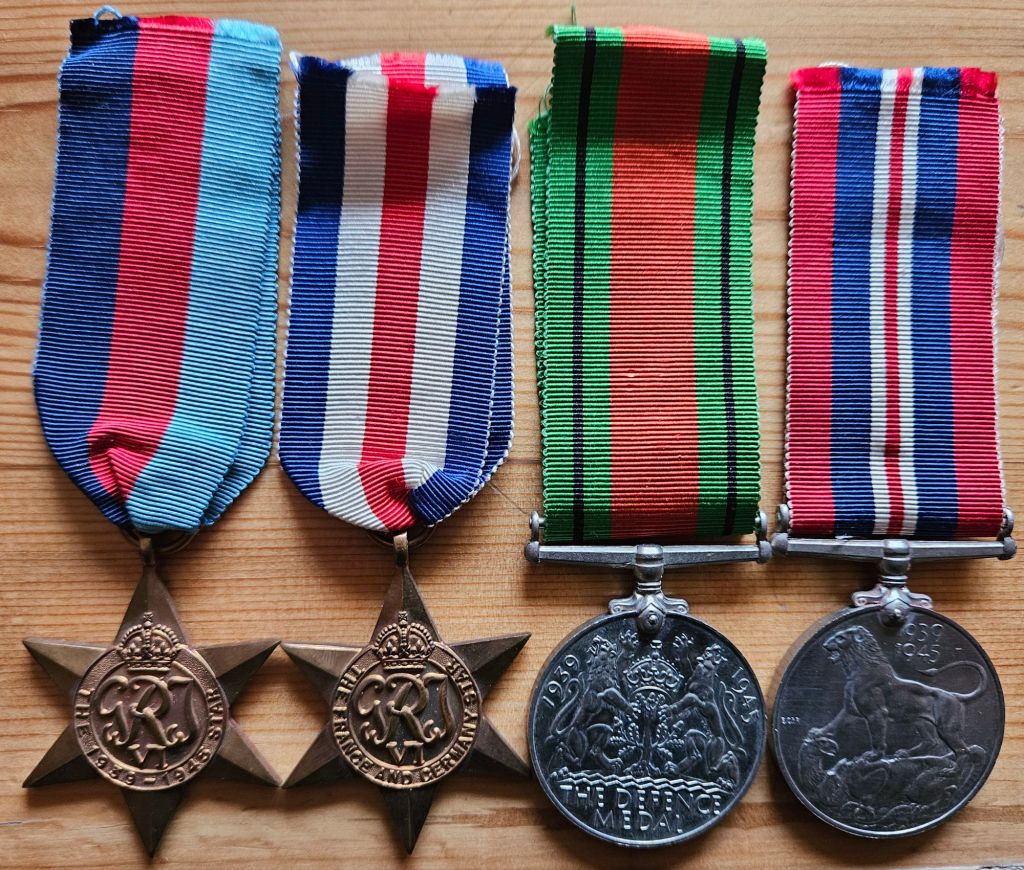
My regular Pressphotoman post then reflected on the medals awarded to Dad for his wartime service with the Royal Artillery that had lain untouched in a drawer for decades.
These covered the period from his call-up as a 20 year-old in September 1939 to his demob in February 1946.
The post also included links to two others from 2024 that centred on Dad’s album of snapshot photos from his time in Iceland (1940-1942) and following the North West Europe campaign of 1944/45 that began with D-Day.
Last Spring, an exhibition titled Vein by the contemporary artist Matilda Bevan was staged at The Granary, Berwick upon Tweed.
It drew its inspiration from the Northumberland landscape and the work of the British artist and writer Thomas Hennell (1903-1945).
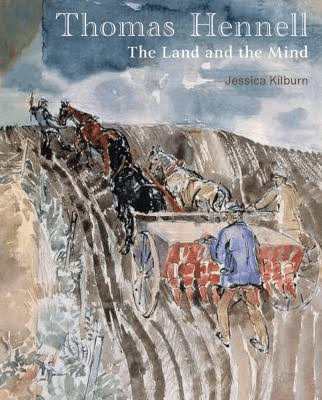
Alongside the exhibition, Jessica Kilburn presented a talk featuring material from her lavishly illustrated book about Hennell published in 2021.
Thomas Hennell: The Land and the Mind by Jessica Kilburn (Pimpernel Press, 2021).
Hennell’s art and life story were new to me and it’s been a real pleasure to discover more about him.
One unexpected revelation came in the chapter titled ‘A War Artist in Iceland,’ which pointed to a surprising connection with our family.
Hennell arrived in Iceland in the summer of 1943 by which point the British garrison including our Dad, Gunner Peter Barber, had been relieved by American troops.
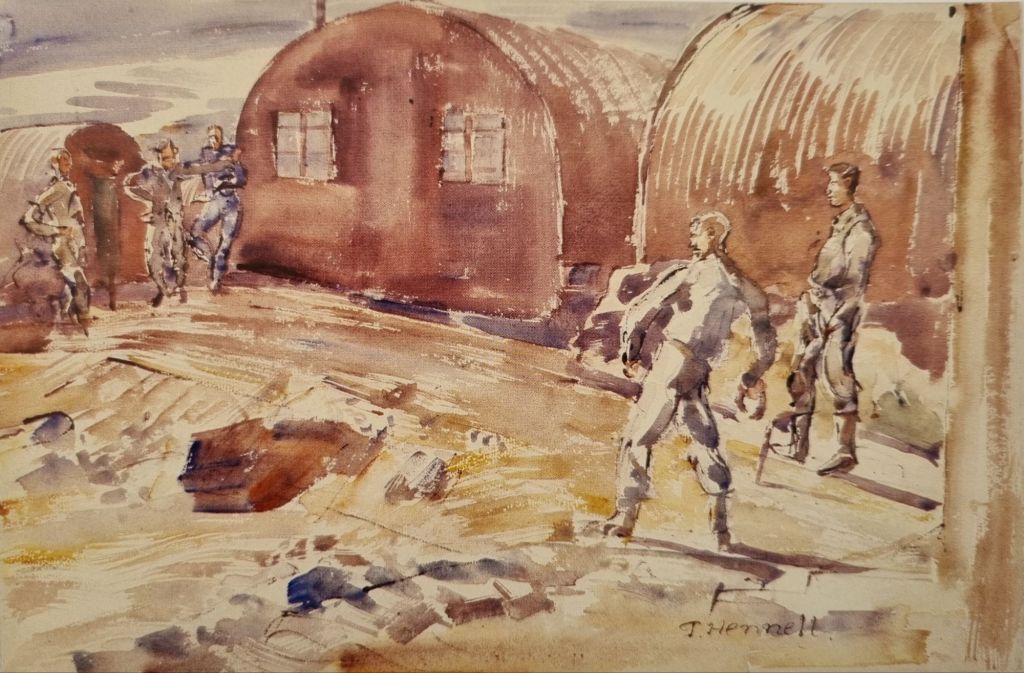
It was this Hennell watercolour dated 1st August 1943 and its accompanying text that made me do a double-take.
‘American Troops Playing Horseshoe and Peg (Barnyard Golf), Skipton Camp, Reykjavik’ by Thomas Hennell (1903-1945). Watercolour. Imperial War Museum, London.
The accompanying text read: “Hennell shows the Nissen huts of Camp Skipton, built as barracks by the 49th (West Riding) Infantry Division in 1940 …”
From his military service record, I knew Dad served in Iceland between July 1940 and September 1942 as a member of 69th Royal Artillery field regiment, part of the 49th Division.
The West Riding of Yorkshire was where the division’s troops were recruited from, hence ‘Camp Skipton’ named after a town in the county.
Then the penny dropped.
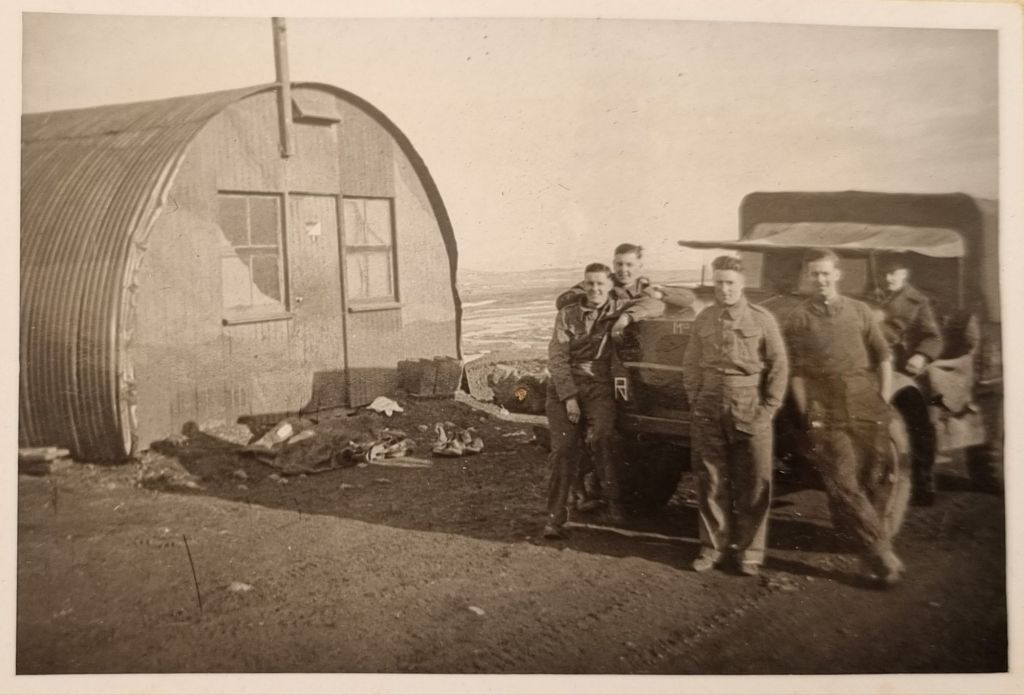
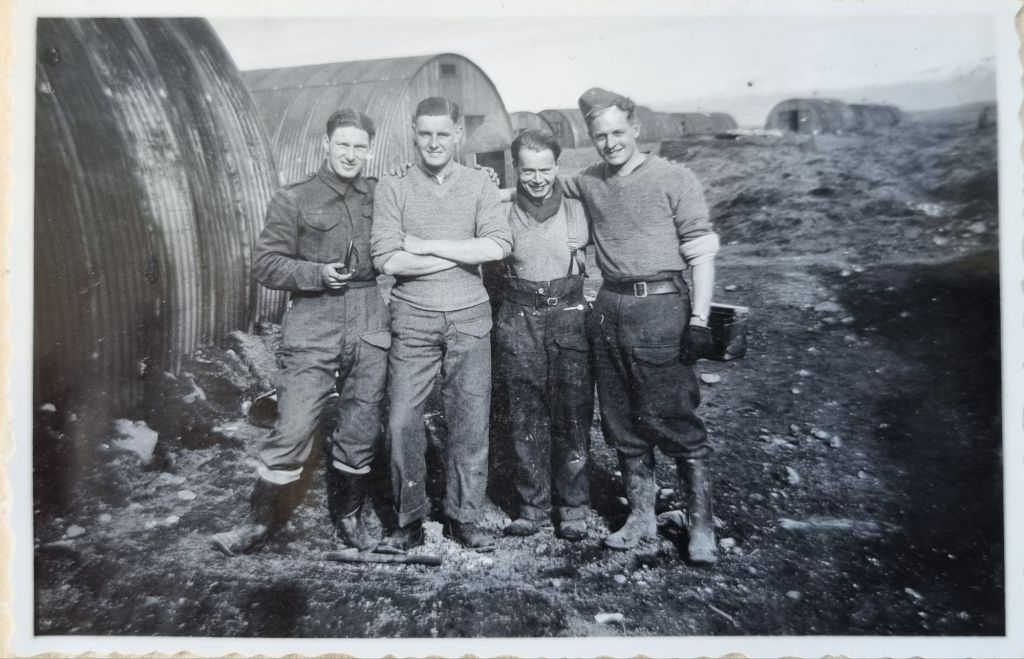
I had previously seen Nissen huts like those in Hennell’s painting in Dad’s battered wartime photograph album.
Earlier this summer, I wrote about its ‘Germany’ pages to mark the 80th anniversary of D-Day and the Normandy landings.
Designed to accommodate 24 men, the Nissen hut with its distinctive corrugated iron shell was designed during the First World War and billed as ‘cool in summer and warm in winter.’
Keeping warm must have been a challenge.
Indeed, Thomas Hennell described conditions during a visit he made to northern Iceland in September 1943 as “violently cold.”
This snapshot, possibly taken by Dad, suggests that the barracks were far from luxurious and privacy would have been at a premium.
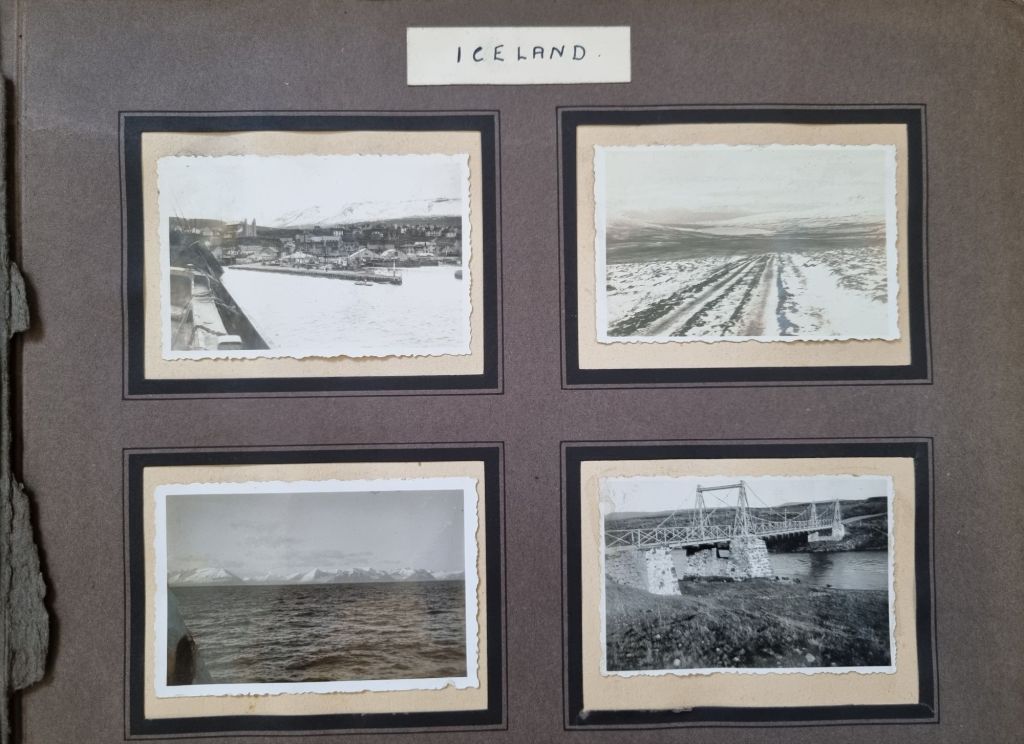
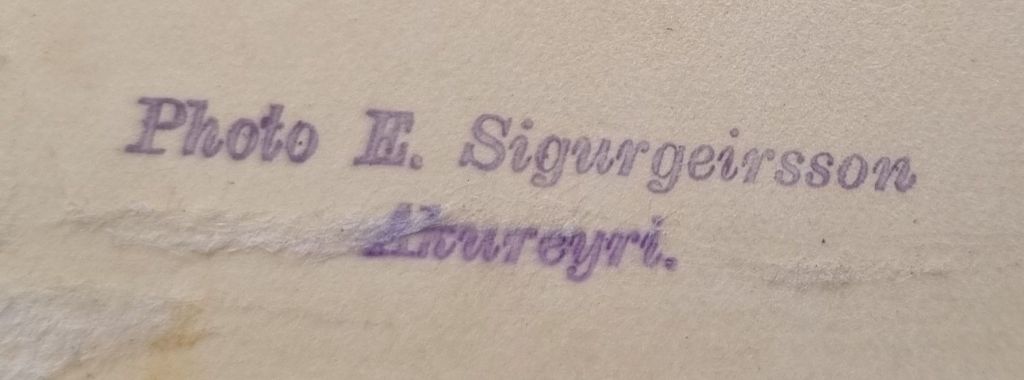
As a photohistorian, the backs of photographs are invariably of equal interest to the fronts and so it proved with the ‘Iceland’ section of Dad’s album.
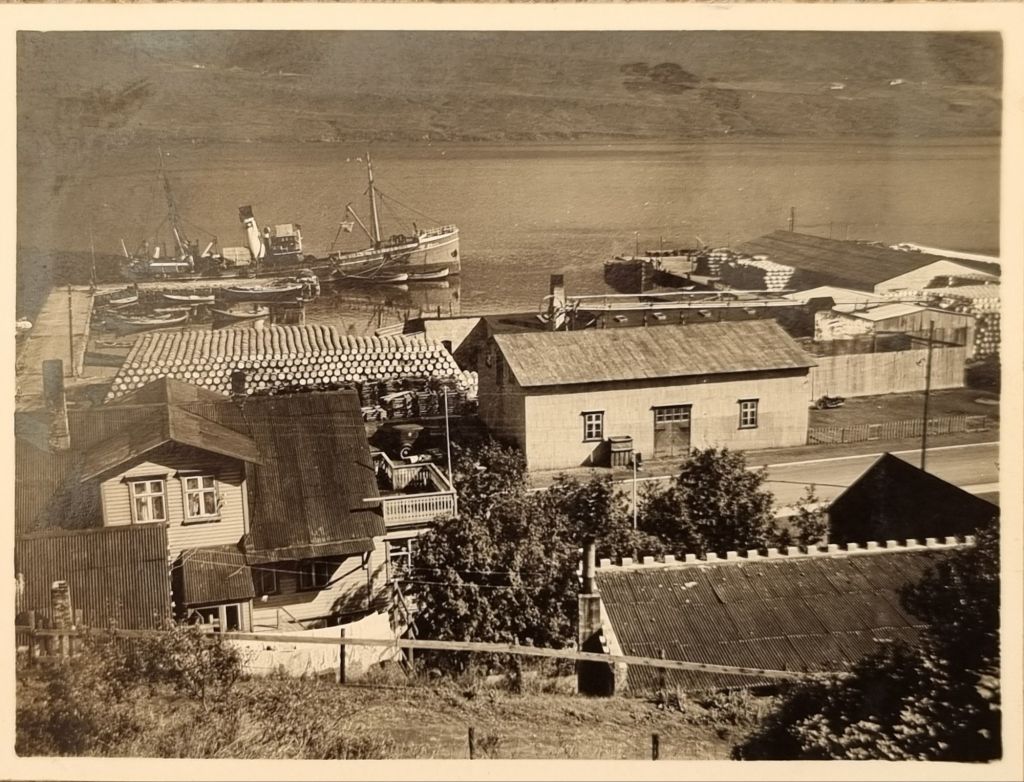
For more than two years, he and his colleagues were based at Akureyri on the northern Icelandic coast from where a photographer named E. Sigurgeirsson operated.
His stamp features on the verso of a small number of the album’s images, which portray Icelandic scenes including the fishing port of Akureyri, a key base for the allies.
Sadly, further information about ‘E. Sigurgeirsson’ has proved impossible to track down though postcards bearing his name occasionally surface on Ebay.
As a war artist, Thomas Hennell survived the Normandy landings, but disappeared in Java in October 1945 and was presumed dead.
Dad was one of the lucky ones who survived the hostilities, and his wartime photograph album continues to speak down the decades.





 Pressphotoman
Leave a comment