Easter is traditionally a time for excursions out and about taking in and enjoying the sights and sounds of Spring.
In 1911, Easter Sunday fell on 16th April and the unknown amateur stereographer, whose road trip aboard ‘X 1419’ is the subject of this Pressphotoman mini-series, headed for North Northumberland.
The village of Etal about 10 miles from Berwick upon Tweed is known for its model village feel and riverside location together with 14th century castle ruins in the care of English Heritage.
Previous posts have featured stereo views of locations close to Newcastle upon Tyne whereas the trip to Etal aboard ‘X 1419’ took its party more than 60 miles to the north.
Two stereocards in the collection, though slightly damaged by the passage of time, offer the opportunity to retrace the unknown stereographer’s tyre tracks and footsteps to locations recognisable today.
The first shows the village’s historic Black Bull pub with its thatched roof as the most prominent building on the skyline.
The adjoining row of cottages to its left was rebuilt in the mid-1930s as can be seen in the same 2026 view from the addition of dormer windows and tiled roofs.
Whether the men were part of the road trip party or merely passers-by, their likely destination just out of view was the ford over the River Till, a crossing-point on what is a tributary of the River Tweed.
A fortnight earlier on Sunday 2nd April 1911, the stereographer had produced two fine landscape studies featuring ‘The Hart Burn, near Hartburn’ to the north west of Newcastle.
In June, a further series of stereocards will enable readers to resume this 1911 road trip as it culminates in celebrations marking the coronation of King George V and Queen Mary.
During the spring and summer of 1911, an unknown amateur stereographer captured a series of 3D views in a variety of locations across the North of England.
It’s a small collection obtained recently via Ebay that will feature in Pressphotoman posts over the next few weeks.
As described in last week’s opening instalment, these photographic expeditions seem to have been made possible by ‘X 1419’, a vehicle registered with Northumberland County Council.
In a wooded glade, the camera was positioned so that various tree trunks featured in the immediate foreground of the shot, producing a heightened three-dimensional effect.
Two young girls can be seen wearing matching coats with shiny buttons (far left and centre of frame) accompanied by two women (2nd left and far right).
All four appear to have been deliberately positioned by the stereographer with the woman on the far right standing at right angles to the others in an artful pose.
Exploring connections to the ‘Miss Hamilton driving’ stereo, the bonnet-wearing younger girl in the centre of shot resembles the passenger in the right-hand rear passenger’s seat of ‘X 1419.’
This time, a single female figure with their back to the camera can be observed in the centre of shot, dressed in a three-quarter length coat and hat with fur stole.
Taken on the same day and at the same location, another (now slightly damaged) card illustrates the stereographer’s interest in capturing the starkness of a winter landscape complete with reflections and scudding clouds.
These excursions offer a glimpse into how someone with a good eye for 3D photography was trying out different compositional techniques.
What is also evident is that their travelling companions seem to have been all too willing to help create the desired results.
Bolam Lake in Northumberland was created in 1816 by John Dobson, the leading Newcastle upon Tyne architect, and today remains a popular spot with visitors.
All this information led to a follow-up inquiry to the card seller as to whether more stereos from the same source were available.
The answer came back ‘yes’, so in coming weeks, Pressphotoman readers will be able to go on a scenic 3D car trip around the North of England during 1911.
Pressphotoman’s ongoing search for stereoscopic photographs by the early press photographer James Edward Ellam (1857-1920) can report an exciting development.
One of his stereocards has been identified in the archive collection of Queen guitarist Sir Brian May thanks to co-curators Denis Pellerin and Rebecca Sharpe.
This wonderful 3D image features ‘Deansgate, Manchester’ with the city’s Anglican cathedral in the background
It’s captioned and dated ‘1894’ on the verso in Ellam’s distinctive handwriting.
Courtesy of the Brian May Archive of Stereoscopy (BMAS).Courtesy of the Brian May Archive of Stereoscopy (BMAS).
Rebecca tells me that the card was added to the BMAS collection as part of a lot acquired in 2019.
Looking at the card’s style and colour, this newly-discovered example also appears significant in researching the pioneering Fleet Street photographer’s career.
In 1894, Ellam was working as a chemist’s assistant in the North Yorkshire town of Yarm where he lodged with tailor and fellow amateur stereographer Henry Bradley (1852-1937).
Like ‘Deansgate, Manchester,’ the stereo below also features rounded corners and is presented on black card.
The stereo was one of around 30 acquired by Pressphotoman from an Ebay auction in 2023 that can be attributed to James Edward Ellam.
If, like ‘Deansgate, Manchester’, the group portrait was taken in 1894, the Bradleys and their lodger were soon on the move to Dunmow in Essex where Henry took over another tailoring business.
This relocation gave Ellam proximity to London and allowed him to pursue a professional stereography career, first with Underwood & Underwood and then London News Agency Photos.
To add to my excitement about the newly discovered Ellam stereo, an example of Henry Bradley’s stereography has also emerged from the Brian May Archive of Stereoscopy (BMAS).
Courtesy of the Brian May Archive of Stereoscopy (BMAS).
Though untitled, the rural scene features an ‘H. Bradley, Dunmow’ stamp on the verso.
Courtesy of the Brian May Archive Stereoscopy (BMAS).
Research into the stereography of both James Edward Ellam and Henry Bradley continues.
Photohistory research often resembles a large jigsaw puzzle in which the pieces are randomly scattered around the world
It’s then the researcher’s job to try and locate pieces that have survived the passage of time and reassemble what remains of the puzzle until some sort of understandable picture emerges.
Nearly two years have passed since a couple of 3D stereoscopic images produced by London News Agency Photos (LNA) of 46 Fleet Street came to my attention on a well-known online auction site.
At the time, I made a case for the stereos taken at the 1910 Army Pageant at Fulham Palace being the work of early press photographer James Edward Ellam (1857-1920) whose career I continue to explore.
Then out of the blue, a recent email exchange with Julie Gibb from National Museums Scotland yielded yet more pieces of this particular jigsaw.
She curates the Bernard Howarth-Loomes Collection of around 11,000 stereos.
Unbeknownst to me, it included a set of five featuring the self-same 1910 Army Pageant and also published by London News Agency Photos
What was more exciting was that one of the Bernard Howarth-Loomes images matched the second one that that I obtained from Ebay in 2024 minus its handwritten caption as supplied by JE Ellam.
What is apparent from the further four LNA stereos in the Bernard Howarth-Loomes Collection is that they were published as a commercial set complete with printed captions.
This echoes the approach taken during the same era by Underwood & Underwood, a fellow stereoscopic photography company with a London office near Fleet Street.
Like LNA, they too published sets of stereocards featuring news events and supplied the images from the same assignment to newspapers and magazines.
To complete the picture, James Edward Ellam worked for the Underwood company for a decade from 1897 before joining London News Agency Photos after it began life in 1908.
These new LNA stereos featuring the 1910 Army Pageant add further weight to the case for them being Ellam’s work.
My thanks to Julie Gibb for permission to reproduce the following LNA stereos from the Bernard Howarth-Loomes Collection in this blogpost.
Saturday (6th December) marks the Feast of St. Nicholas when celebrations take place in many western Christian countries.
It’s a tradition that dates back to the 4th century when St. Nicholas as Bishop of Lyra was venerated for his generosity to children.
His later transformation into Santa Claus and Father Christmas during the 19th century has rather overshadowed his earlier role in the Christian church.
That said, many churches are named after St. Nicholas including one of my favourite buildings in Britain.
Newcastle Cathedral with its distinctive lantern tower began life during the 12th century as St. Nicholas Parish Church.
It’s a structure that continues to dominate the urban skyline and has been portrayed by successive generations of photographers as my own collection bears witness.
For instance, this carte de visite dates from the mid-1860s when the firm of W. & D. Downey was establishing its Newcastle studio in the heart of the city.
Erroneously titled ‘St. Peter’s’ in an unknown hand, it’s a view that had its origins in a stereoscopic 3D image.
In July 1864 as Downey’s consolidated its reputation for high-quality work, the firm placed one of its regular ‘Now Ready’ advertisements in the local press.
Newcastle Journal (15th July 1864). From British Newspaper Archive.
Like most collectors, the search for a particular image sometimes ends when you are least expecting it.
So it proved with a Downey stereo of St. Nicholas’ Church that appeared on a well-known auction site recently courtesy of a seller in the United States.
The first image I saw featured the verso of the stereocard revealing its title details printed on the company’s familar blue sticker.
The only slight disappointment was that, as closer examination of the two stereo halves reveals, the full 3D effect was undermined by the images being slightly out of alignment.
One explanation for this might be a result of the laborious process of cutting the photographic prints to size by hand.
Whether this particular stereo failed to meet Downey’s own high standards and ended up in the bin isn’t known.
Despite this, the pleasure of handling an object that is around 160 years old never fails to pall.
Bigg Market in the heart of Newcastle upon Tyne is home today to numerous bars and restaurants that are a popular destination for a lively night out.
The name Bigg Market derives from a type of barley – ‘bigg’ – grown in the North of England and Scotland since Neolithic times.
From the early 19th century, varieties of grain from oats to corn were sold at a regular market staged in an area of Newcastle close to St. Nicholas Church, now its Anglican cathedral.
The name Bigg Market stuck.
It is a location captured during the late-1860s in this 3D stereocard by W. & D. Downey that has recently become part of the Pressphotoman collection.
Stereoscopically, it has the hallmarks of their work in terms of quality with the two wheeled carts in the immediate foreground acting as a trigger for the three dimensional effect.
Even without a stereo viewer to hand, it is possible to achieve the 3D effect by looking into the heart of the card and relaxing your eyes.
Downey’s had published stereos since its early days in South Shields at the end of the 1850s, but examples are hard to find.
Dating this card is helped by the knowledge that the prominent facade of Newcastle Town Hall (with St. Nicholas Church and its distinctive lantern tower in the background) was completed in 1863.
Another Downey stereo in my collection features the town’s catholic cathedral, St. Mary’s, and dates from around the same time when the company was actively promoting its series of ‘views’ of Newcastle in press adverts.
Again, yellow card is used, but the images are arched rather than square; and the verso features a blue coloured sheet of paper pasted onto the card that helped the stereos retain their shape.
One feature that is common to several Downey items in my collection is the same seller’s stamp on the verso.
‘Allan’ was Thomas Allan (1833-1894), a Newcastle blacksmith with a love of reading who set up in business as a bookseller and newsagent in 1858.
Three years later, he established another branch in nearby Dean Street which then moved to the ‘corner of Dean Street and Mosley Street’ as per his seller’s sticker.
As the company established itself in Newcastle, Downey’s ever-expanding range of carte de visite as well as stereocards were available to customers at all branches of Allan’s.
Thomas Allan joined forces with his brother William in 1881 and the T. & G. Allan company was a thriving concern across the North East of England into the 21st century.
This week in 1876, one of the engineering wonders of the industrial age in Britain opened to river traffic for the first time.
The wrought iron Swing Bridge on the River Tyne linking Newcastle and Gateshead was designed to improve navigation for larger ships and expand trade on its upper reaches.
171 metres long and 14 metres wide, the bridge swung open around a central pivot, creating two unobstructed waterways on either side of its main central pier.
As the fourth structure to be built on the same site spanning Roman and Medieval times, it cost £240,000 (or £24 million in today’s money).
An engraving published in the Illustrated London News captures the moment on Monday 17th July 1876 when The Europa became its first customer.
Illustrated London News (29th July 1876). From British Newspaper Archive.
Dwarfed by the high-level railway bridge in the background, the ship was on her way to pick up a 100 ton gun from the Armstrong works at nearby Elswick for the Italian government.
Illustrated London News (29th July 1876). From British Newspaper Archive.
The Swing Bridge has long been a popular photographic subject and its distinctive design was what caught my eye when a stereocard in which it featured recently appeared on eBay.
Produced by Realistic Travels of London, Capetown, Bombay, Melbourne and Toronto, it shows the Newcastle quayside in the background lined with ships and other vessels.
Realistic Travels are best-known for their sets of First World War battle scenes mimicing giant publishers such as Keystone View and Underwood & Underwood.
Indeed, one of Realistic’s co-founders, Hilton DeWitt Girdwood (1878-1964), had learned the 3D trade with the Underwood company as a salesman and later as a stereographer.
A stereo titled ‘HRH the Prince of Wales discusses cinematography with Dr. H. D. Girdwood’ is part of the collection of the National Portrait Gallery, London complete with the Realistic Travels branding.
As described by Paul M. Bond in a recent article for Stereo World magazine (January/February 2025), Girdwood and his business partner Henry Creighton Beckett also produced non-war stereos from as early as January 1919.
Realistic Travels operated from a London address at 73 Westwick Gardens, Hammersmith and the small-scale nature of the operation is perhaps reflected in the poor quality printing on view in its Swing Bridge stereo.
It would be several years before the view beyond included the distinctive arch of the Tyne Bridge opened in 1928 and currently being repainted ahead of its centenary.
The Swing Bridge is also undergoing major repairs with the hope that it will be working again in time for its 150th birthday next year.
This week’s Stereoscopy Day, an international celebration of stereoscopic 3D, is a wonderful opportunity for enthusiasts to share their passion for this form of photography.
21st June marks the anniversary of the day in 1838 when Sir Charles Wheatstone shared his revolutionary reflecting telescope with the Royal Society of London and demonstrated his theory of binocular vision.
In the past 12 months, my own collection of stereocards has grown in size as examples by commercial publishers and amateur photographers have come to my attention.
I’ve picked out a number of highlights with the accompanying Pressphotoman blogpost where you can learn more about each one.
It starts with what was a chance discovery: a card by George Washington Wilson of Aberdeen that is now the oldest in my collection.
The second card comes from a collection created at the turn of the 20th century by the model toy designer and entrepreneur W. J. Bassett-Lowke (1877-1953) of Northampton, England.
A recent road trip to visit family and friends in the South of England offered an ideal opportunity to visit 78 Derngate, Northampton.
Regular readers will recognise the address as the home of WJ Bassett-Lowke (1877-1953), an entrepreneurial model engineer and amateur photographer and film-maker.
A selection of his 3D stereocards bought during an eBay auction featured in a series of Pressphotoman posts during January and February.
78 Derngate, a wedding present from WJ’s father, was remodelled in 1916 by the celebrated architect and designer Charles Rennie Mackintosh (1868-1928).
Indeed, it was his last major architectural commission, so as a photohistorian and lover of all things Mackintosh, my visit to 78 Derngate held a number of attractions.
I wasn’t disappointed.
The original Georgian house sits on a terraced street though it was once on the edge of Northampton rather than close to the town’s busy hospital as it is today.
Front elevation of 78 Derngate, Northampton. 11th March 2025. Author’s photo.
As you approach, number 78’s black front door, featuring Mackintosh’s signature style, immediately marks it out as does the rear elevation complete with balconies.
Rear elevation of 78 Derngate, Northampton. 11th March 2025. Author’s photo.
My arrival coincided with a guided tour of the property that lasted more than an hour, but which flew by in a whirl of information to accompany the visual and design delights of each room.
From 78 Derngate, Northampton Souvenir Guide (78 Derngate Trust, 2005).
The guest bedroom (above) was once occupied by the playwright George Bernard Shaw, a keen photographer himself, whilst the sitting room (below) is almost too dazzling to spend a lot of time in.
From 78 Derngate Northampton Souvenir Guide (78 Derngate Trust, 2005).
There is so much to take in on one visit, but my attention was caught by a display case featuring cameras that WJ wielded at various points.
The serendipity of adding a dozen of his stereocards to my collection, taken between 1900 and 1904 when he was launching the model train business that bore his name, has continued.
In a subsequent eBay transaction with the same seller, I was fortunate enough to secure a further five Bassett-Lowke cards.
In addition, I bought an Underwood & Underwood stereo titled ‘The Children’s Paradise – A German Toy exhibit in the Industrial Arts Building’ taken at the 1900 Paris Exposition.
It was during his visit to Paris that WJ saw the model railway engines built by German companies from Nuremberg that inspired the future direction of Bassett-Lowke Ltd.
My favourite of the latest cards is a stereo of the famous Frauenkirche on the edge of the city’s market square.
It is taken from ‘A Tour of Germany’ that he and his business partner Harry Franklin undertook in April 1900 and is numbered on the verso as ‘35.’
The clock tower shows the time as ten past one and a market stall holder in the foreground appears to be on her way to lunch.
The name Wenman Joseph Bassett-Lowke (1877-1953) was new to me until I came across it recently on a series of 3D stereocards for sale on eBay.
Bassett-Lowke Ltd., the company he co-founded, is known to model and miniature railway enthusiasts in Britain as a by-word for quality.
As a photohistorian though, I wasn’t aware of WJ Bassett-Lowke’s photography.
From Wenman Joseph Bassett-Lowke by Janet Bassett-Lowke (Rail Romances, Chester, 1999).
However, a dozen of his stereos, now in the Pressphotoman collection, have provided material for this mini-series of pieces about his life around 1900 as a talented young entrepreneur.
WJ’s love of travel, particularly around Europe, was clearly a major influence on his life as illustrated by stereos taken during a trip to Normandy in 1904.
These dark-coloured cards edged in gold are stamped ‘Stereoscopic Photography’ on the left-hand side and ‘WJ Bassett-Lowke, Northampton’ on the right.
The first features a shot taken on board ship, perhaps crossing the English Channel en route to France.
Mont St. Michel has a scaffolding structure visible to the left of frame whilst the Honfleur ‘street scene’ features a small group leant against a wall to the right of frame.
Such excursions with camera in hand provide evidence of both WJ’s sharp eye and attention to detail.
What I didn’t know before researching these pieces is that he also played a pivotal role in the creative life of the celebrated architect and artist Charles Rennie Mackintosh (1868-1928).
During the First World War, Mackintosh was commissioned to re-model a modest Georgian house at 78 Derngate, Northampton that became home to Mr. Bassett-Lowke and his wife Jane.
Their front door hints at the wonders within.
From Wenman Joseph Bassett-Lowke by Janet Bassett-Lowke (Rail Romances, Chester, 1999).
The result is the only place outside his native Scotland where Mackintosh’s mature architectural and interior style can be seen in their original setting.
You can visit 78 Derngate, which has been renovated and restored in recent years.
To conclude this mini-series, here are two undated stereos that give a flavour of WJ’s consummate skill as a stereographer.
One captures a group of children dancing down the street, possibly St. James in Northampton, accompanied by a barrel organ glimpsed to the extreme left of frame.
They also capture a key moment in the evolution of the Bassett-Lowke company, which had began life producing parts for miniature steam engines by 1899.
The following July, WJ travelled from Northampton to visit L’Exposition de Paris 1900.
As a World’s Fair, it celebrated the achievements of the past century and showcased the latest developments for the one to come.
According to his own account, WJ’s decision to visit was inspired by reports in local newspapers.
These “aroused my curiosity and interest … there was a good collection of mechanical toys and also some Continental scale models to be seen there.”
Armed with his 3D camera, he travelled to Paris with a friend.
Frank Jones, his future brother-in-law whose family ran a Northampton shoe company, was going to look at the Fair’s leather section.
All the major commercial stereoscopic companies produced sets of 3D cards capturing the event in detail.
So it’s interesting to see how an amateur yet skilled stereographer tackled the same task.
The Eiffel Tower built for the 1889 World’s Fair features in three of the four WJ cards shot in Paris that now in the Pressphotoman collection.
This one stamped with its location (left) and date and stereographer credit (right) is captioned on the verso: “Looking towards the Trocadero from the Eiffel Tower.”
The view features an unusual overhead travelling crane made by the Carl Flohr company of Berlin whose logo can be viewed in the centre of shot.
Elsewhere, WJ’s attention was grabbed by miniature model railways with locomotives, coaches, wagons and other accessories, also produced by German companies.
“One of the finest displays was that of … Bing Bros. of Nuremberg,” he wrote later.
It was a business connection that led in time to Bing and other ‘Toymakers of Nuremberg’ supplying a range of model trains to Bassett-Lowke specifically designed for the British market.
These started appearing in the company’s catalogues from 1901.
A visit to Germany to finalise exact details of this production deal may well have prompted ‘A Continental Tour’ undertaken by WJ that May.
Nuremberg was among the locations listed beneath the stereo images of a hotel where WJ perhaps stayed.
The name Bassett-Lowke will be familiar to model and miniature railway enthusiasts in Britain and around the world.
The company co-founded in the late-1890s by Wenman Joseph Bassett-Lowke (1877-1953) became a by-word for its high-quality products.
Today they’re revered by collectors and enthusiasts.
Wenman Joseph Bassett-Lowke (1877-1953).
However, I knew nothing of any of this when I came across ‘WJ Bassett-Lowke, Northampton’ stamped on a series of stereocards during a recent eBay trawl.
Curious to learn more, my initial research revealed that ‘WJ’ was an accomplished photographer from his teens.
Delving further into his life story, a fascinating biography published in 1999 by his niece Janet included one sentence on page 35 that stood out.
“Photographs were even taken by WJ in stereograph (3D),” she wrote.
Thanks to a helpful American eBayer, who was selling a large collection of WJ Bassett-Lowke stereocards bought at auction in England, I was able to purchase a dozen dated between 1900 and 1904.
In a short Pressphotoman series over coming weeks, I’ll explore what these cards add to the established narrative about their creator.
From Wenman Joseph Bassett-Lowke by Janet Bassett-Lowke (Rail Romances, Chester, 1999).
By the time the photograph above was taken, ‘WJ’ was in thrall to photography.
His father ran a firm of engineers, boilermakers, and iron and brass founders in Northampton.
In one of its outbuildings, WJ had the run of a photographic dark room.
As well as an enthusiasm for model engineering and cycling, he shared a passion for photography with his father’s bookkeeper, HFR (Harry Foldar Robert) Franklin.
By 1899, the pair had set up a business making parts for small model engines that grew into the much-loved Bassett-Lowke company.
The following Spring, they undertook ‘A Tour in Germany’ that may have had a model engine purpose.
The earliest two stereocards I bought are dated ‘April 1900’ on the verso and feature both their names on the front of the cards.
It is a scene recognisable today because of the twin towers of the medieval St. Sebaldus Church, here seen partly shrouded in scaffolding.
The church was extensively damaged during the Second World War and has since been restored, so WJ’s stereo has added historical value.
This Germany tour is not mentioned in Janet Bassett-Lowke’s biography of her uncle.
But she does highlight his attendance three months later at the 1900 Paris Exposition as “the most momentous decision in WJ’s life.”
It was while in Paris, she recounts, that he was impressed by the sheer quality of the mechanical toys and continental scale models displayed by German companies.
Nuremberg in particular was widely acknowledged as a centre of excellence for manufacturing model locomotives.
Could it be then that the tour of Germany including Nuremberg was a precursor to what happened in Paris when key business connections were made by WJ and Harry Franklin’s fledgling company?
In my next Pressphotoman post, I’ll explore a number of scenes from the 1900 Paris Exposition as captured by WJ’s 3D camera.
So it was perhaps written in the stars that the reverse view, an ‘Interior of Fingal’s Cave, Staffa,’ by the same G. W. Wilson of Aberdeen has now joined my collection.
To establish its provenance, I again consulted Roger Taylor’s authoritative study George Washington Wilson (1823-1893): Artist and Photographer (London Stereoscopic Company, 2018).
The title, listed as ‘No. 68,’ is included in ‘Wilson’s 1863 List of Stereoscopic and Album Views.’
Again, the verso featured the view’s title and number plus the stereographer’s credit.
Again, it uses blue coloured paper to stop the stereocard from curling.
The first thing that strikes the viewer is the technical challenge facing the stereographer in capturing this spectacular scene from the inside out.
Presumably, Wilson used all the available natural light to illuminate the vast space.
As in ‘Fingal’s Cave, Staffa,’ he positioned a human figure at the entrance to give a sense of scale.
Detail from ‘Interior of Fingal’s Cave, Staffa’ by G. W. Wilson, Aberdeen.
Though the card is the same size, the two albumen paper prints are slightly smaller, suggesting that Wilson may have used a different camera.
An added bonus for the photohistorian is the presence on this card’s verso of a seller’s stamp, that of ‘Andrew Elliot, Bookseller & Stationer, 15 Princes Street, Edinburgh.’
Seller’s stamp on verso of ‘Interior of Fingal’s Cave, Staffa’ by G. W. Wilson.
Trade directories reveal that his business began operating from one of the city’s most famous locations in the late-1850s.
Elliot’s shop, directly opposite Edinburgh’s Waverley railway station, offered easy access to visiting tourists, who were Wilson’s intended market for such stereos.
Andrew Elliot, who died in 1921 aged 92, was a significant figure in the history of Scottish photography.
A noted collector, his calotypes by pioneering Scottish photographers David Octavius Hill and Robert Adamson were used to illustrate the first monograph about their partnership published in 1928.
Elliot’s family subsequently bequeathed his remarkable photography collection to the National Galleries of Scotland in 1950.
The card was the work of the celebrated stereographer George Washington Wilson of Aberdeen (1823-1893).
What I wasn’t able to confirm until I got home is that the card was as old as I thought it was.
My reference source was Roger Taylor’s George Washington Wilson: Artist and Photographer (1823-93) published in 2018 by the London Stereoscopic Company.
There on page 100, ‘Fingal’s Cave, Staffa’ was reproduced as plate 7.2 in a chapter about the stereographer’s output during the year 1859.
According to Taylor, it was among “topographical studies of Scottish studies intended exclusively for the tourist market.”
Wilson’s intention, he added, was to “carry a gleam of sunshine into many a home.”
The natural architecture of Fingal’s Cave had fascinated visitors since its discovery in the 1770s.
Map of Scotland featuring Staffa on the west coast.
According to contemporary critics, Wilson’s stereo of the location apparently caught the grandeur and spirit of the place.
It prompted one reviewer to remark: “The celebrity of this picturesque cavern would alone insure a large demand for a good illustration of it.
“But even if it were altogether unknown, such a one as we have before us would, of itself, be enough to render it celebrated henceforth.”
A chronological listing of Wilson photographs reveals that though stereographed by him in 1859, ‘No. 17’ was not reviewed by the British Journal of Photography until September 1861.
That said, the card now in my collection has aged remarkably well and is a wonderful 3D image.
It also opens up the possibility that George Washington Wilson will join Underwood & Underwood and Excelsior Stereoscopic Tours of Burnley as 3D photography companies I collect.
The Asia-Pacific Tour currently being undertaken by Pope Francis is attracting a great deal of media attention.
Over the course of 12 days (2nd-13th September 2024), the 87 year-old pontiff is visiting Indonesia, Papua New Guinea, Timor-Leste and Singapore.
This news photo (below) from the start of the tour attracted my attention as it well illustrates the continuing influence of stereoscopic 3D photography on today’s visual media.
Pope Francis is greeted after his arrival at Soekarno Hatta International Airport, Jakarta, 3rd September 2024. Photo by TIZIANA FABI/AFP via Getty Images.
Shot between two lines of soldiers with the Pope in the distance, its use of different planes along the length of the red carpet and then up the aircraft steps would work perfectly if taken in three dimensions.
The fact that it was published in 2D without any comment underlines a factor in press and website illustration dating back to the turn of the 20th century.
At that point, newspapers and magazines first adopted half-tone printing.
This enabled a variety of publications to re-produce real photographs rather than using line drawings or engravings.
One of the leading players in servicing this demand was Underwood & Underwood of New York & London whose role was the subject of my 2021 doctoral thesis (see ‘Writings.’)
As 3D photographers, Underwood stereographed news events, which they then sold to customers in box sets.
In addition, the company offered prints taken from one-half of a stereo pair for publication by newspapers and magazines.
In time, Underwood’s press photos agency became the biggest in the world.
One of the company’s best-selling sets of 3D photos, published in 1904, was titled A Pilgrimage to see the Holy Father through the Stereoscope.
It featured 36 stereos and a guidebook with maps to shepherd the ‘pilgrim’ from location to location.
Within months of Pope Pius X’s election in the summer of 1903, Underwood sent a team from its London office led by the company’s European manager Eldon R. Ross.
As revealed by copyright forms in the National Archives at Kew (COPY 1/467/107-115), Underwood stereographer James Edward Ellam (1857-1920) took a number of the key images.
These included the new Pope in his pontifical robes in the Vatican’s Throne Room.
In recent months, two of Ellam’s papal stereos have joined my collection, both of which appeared as press photos in the then popular weekly illustrated paper The Sphere.
In the first, numbered ’24’ in Underwood’s stereo set, ‘the Holy Father’ is pictured ‘blessing humble pilgrims.’
Despite previously having used the standing version, The Sphere used a print of the sitting version in the following week’s issue.
From The Sphere (12th December 1903). From British Newspaper Archive.
As Pope Francis continues his Asia-Pacific Tour, the world’s media will no doubt continue to follow his every move.
This media attention replicates a phenomenon that saw the day-to-day activities of one of his predecessors being viewed for the first time in 3D, generating similar public interest.
According to William C. Darrah’s ‘The World of Stereographs’ (1977, p. 187), twelve tissues illustrating the life of Jesus were published in France in the late 1860s.
He states that these paintings were copied as stereographs and then repeatedly reproduced as views in the decades that followed.
Darrah also adds that “great quantities of these were sold in the United States until 1915.”
The set in my collection features 24 scenes published by Underwood & Underwood (U&U) starting with ‘The Nativity’ and ending with ‘The Ascension.’
They came into my collection almost by accident, arriving unadvertised together with a wooden U&U ‘Perfecscope’ viewer that I purchased several years ago when my interest in stereoscopic photography was starting.
If you know more about the ‘Life of Christ’ stereo set and have seen examples produced by other publishers, please use the comments box below.
Over the weekend, a trip to the Glasshouse International Centre for Music (formerly Sage Gateshead) had a welcome photographic spin-off.
It offered an opportunity to look at Newcastle from across the River Tyne and see how much has changed since a stereographer captured the same scene in the 1860s.
Here’s that stereo from my collection. There is no identifying photographer or company credit on either front or verso.
From left to right, they are the Castle Keep with its crenellated battlements, the Greek Doric order Moot Hall opened as a courthouse in 1812 and St. Nicholas’ Church with its distinctive lantern tower.
On the quayside, a masted sailing ship is tied up alongside various smaller craft.
A dock crane is visible to the left and groups of people are huddled together amid wooden huts and stalls to the right.
The stereo, though difficult to date precisely, is similar in style and presentation to that of the Stephenson Memorial (unveiled in 1862) featured in a recent Pressphotoman blogpost (5th February 2024).
By way of comparison, here is a location photograph taken over the weekend from roughly the same position using a Samsung Galaxy phone.
View of Newcastle-upon-Tyne from the Glasshouse, Gateshead. Author’s photo. 2nd March 2024.
Still visible between the towers of the Tyne Bridge (opened in 1928) is St. Nicholas Church (now Cathedral), whilst the Castle Keep can also be glimpsed between the road and the curve of the metal girders above.
The Moot Hall, now a grade 1 listed building, is obscured by the bridge structure.
Down on the quayside, the sailing ships may have gone, but the buildings with their curved architectural sweep and topped by a white roof rotunda remain intact from the 1860s.
Much of the quayside area was devastated by a huge fire in 1854, so it is interesting to see buildings that survived, captured photographically around 160 years apart.
Since first writing up what I knew about the life and career of James Edward Ellam (Press Photo Pioneer – 28th April 2023), I’ve been fortunate enough to locate 30 examples of his 3D views.
That’s resulted in this blogpost-a-day series, which has appeared throughout September, attracting ‘likes’ and ‘follows’ and interest from other photohistorians.
Those who’ve followed my daily posts will have worked out that today, by including two of James’s stereos in “The Great Gale” (23rd September 2023), I’m a stereo short.
So I thought I would conclude the series with a few reflections on what more I’ve learned about James and how his amateur stereoscopy in Yorkshire fed into his later life as a Fleet Street photographer.
As comments like “wow,” “beautiful” and “amazing” in response to various posts have underlined, James was a fine stereoscopic photographer.
He was also well-travelled as the range of locations he stereographed in England, Scotland, Wales and continental Europe bear out.
The role of amateur societies in popularising photography in the latter part of the 19th century is currently the focus of a number of academic research projects.
In James’s case, summer excursions organised by the Stockton Photographic Society, of which he was Secretary, played a significant part in his development as a 3D practitioner.
As one newspaper report noted (Stockton Herald, 7th February 1891), “Stereoscopic work is one of the principal branches of the Society’s operations” and added that “the roll of the Society … now numbers nearly sixty.”
A visit I made in 2018 to Preston Park Museum, near Yarm, which has a collection of around 20 of James’s stereocards, enabled me to make an important link.
I was able to place one that I saw there, featuring a flood in Yarm dated October 1893, alongside one of my 30 with the same title from a different viewpoint.
This illustrated how James shot sequences in 3D, a skill that would come in useful when he began supplying photographs to illustrated newspapers in Fleet Street.
It was also evident in the two stereos that I wrote about in “The Great Gale” featuring the effects of a storm in Scotland in October 1898 that created headline news.
Another formative influence was James’s job as a chemist’s assistant with Strickland & Holt in Yarm where he lived in the first half of the 1890s.
Back in 2018, Stephanie Richardson, whose family co-founded the business nearly 170 years ago, shared with me several examples of James’s stereo views.
As a result, I was able to recognise the “J.E. Ellam, Yarm” stamp which features on the verso on the first half-a-dozen or so cards I blogged about.
Stephanie also showed me a stereo illustrating an outdoor portrait studio used by Strickland & Holt customers in the 1890s.
Outdoor portrait studio at Strickland & Holt, Yarm. Courtesy of Stephanie Richardson.
What I know realise is that the bearded man on the left (above) bears a resemblance to Henry Bradley (below), with whose family James lodged during his years in Yarm and later in Dunmow, Essex.
Henry was also active in the Stockton Photographic Society as a committee member and later as a vice-president.
The 3D portrait of the Bradley family that featured in the cache of 30 was another breakthrough moment in my research project.
Looking at census records, I was able to put names to faces in the stereo, notably Henry, who I had previously seen featured in a promotional postcard for his outfitters business, his wife Dorothy, and some of their children.
Viewing the stereo, I wondered if the youngest of the girls featured was their daughter Marguerita?
I knew that in the 1911 England Census, Henry recorded the “personal occupation” of Marguerita Annie Bradley, or “Mab” as she was known throughout her life, as a “Retoucher” working “at home.”
By that point in his professional life, James was working for London News Agency Photos at 46 Fleet Street.
Though he lived in London during the week, he returned to Dunmow at weekends and stayed with the Bradley family.
Could it be that in 1911, Miss “Mab” Bradley, then aged 22, was earning a living by retouching photographic negatives, including James’s, to improve their quality?
Further research into Mab’s photographic career has confirmed that she too was an accomplished photographer.
The 1921 Census records her living in Dunmow with her parents and sisters Clare and Feodora, but more importantly, her “personal occupation” is recorded as “photographer.”
For example, she is credited with photographs that feature in local history publications including Dunmow and Its Charters (1923) and A Short History of Great Dunmow Church (1926).
From A Short History of Great Dunmow Church (1926).
Both publications feature in the British Library and both post-date James’s death in an accident involving an omnibus in Fleet Street in 1920, so it appears that Mab’s photography continued to flourish.
One last thought occurs to me.
Perhaps the cache of 30 stereos that have formed the basis of this blogpost-a-day series once belonged to Miss Mab Bradley (1889-1979).
The donation of the 30 stereos to a charity in Essex before reaching a well-known auction website would indicate that this thought is worth further investigation.
In an earlier post (“St. Anton” – 24th September 2023), I suggested that James Edward Ellam (1857-1920) worked for 3D giants Underwood & Underwood as a travel views photographer.
A cache of 30 stereos from the 1890s that are attributable to him, and about which I’ve written this month, includes a second stereo that supports this idea.
Captioned “At Bruneck” in James’s hand, it features a 3D view taken through an archway into the street beyond.
Today the medieval town of Bruneck, its German name, is part of the South Tyrol province of Northern Italy where it is known as Brunico.
As with “St. Anton,” the stereo uses a light-coloured card suggesting it comes from the same time period.
In researching this series of blogposts about James, I had previously failed to identify a photograph of him.
In 2022, I used social media to try and locate one, but without success.
Yesterday’s stereo captioned “His Majesty” raised the possibility that it featured James.
Perhaps it was taken by his fellow 3D photography enthusiast Henry Bradley with whose family James lodged for around three decades in Yorkshire and later Essex.
Of my 30 stereos attributable to him, the word “at” only appears in the title given to this particular view.
Here, its use could be read as meaning that I, James Edward Ellam, am “At Bruneck.”
I’ve spent many hours looking at both stereos detecting similarities between the men featured, particularly their moustaches, their height, and their stance in which the left foot is favoured.
I’ll leave you to decide whether or not you agree.
Throughout my research into the early press photographer James Edward Ellam (1857-1920), I have been on the look out for a photograph of him.
It was only when I obtained the 30 stereos attributable to him that have formed the subject of this month’s blogpost-a-day series that a contender emerged.
Captioned “His Majesty” in James’s hand, it features a man with a moustache in full Highland dress.
Though slightly faded due to age, the 3D effect is still intact.
Of all the stereocards that I have written about this month, it is the only one that uses an orange-coloured card, suggesting it was distinctive in some way.
The outfit which the man is wearing might also be significant when viewed in the context of one of James’s best-known stereos for the Underwood & Underwood company.
In September 1902, following the coronation of Edward VII, James and a court photographer from Russell & Sons were at Balmoral Castle in Scotland where members of the royal family were attending the annual Braemar Gathering.
With the castle walls as a backdrop, he took this 3D portrait of the King and his grandchildren including the future Edward VIII and George VI in their kilts and Glengarry bonnets.
In the “His Majesty” stereo, the use of that title perhaps suggests a keen sense of humour at play.
It is one that journalists and press photographers would certainly identify with.
For James, who only a few years earlier had been a keen amateur stereographer in Yorkshire, the mere idea of being in close proximity to the monarch on such an occasion must have seemed faintly ridiculous.
Of the 30 stereos attributable to the early press photographer James Edward Ellam (1857-1920) and featured in this blogpost-a-day series, today’s posed the greatest challenge in identifying its subject.
As has been the pattern in recent posts, there is no identifying credit or title in James’s distinctive handwriting.
All we really have to go on to suggest its provenance is the circumstantial evidence of its presence in the cache of 30.
This stereo, featuring a floral wreath in the shape of a crown and placed on a multi-sided table, needed closer inspection of the label to confirm what it was.
The most readable text in capitals features the words “King Charles.”
But it took a high-quality magnifying glass to reveal the rest.
This reads: “Dedicated To The Immortal Memory of His Most Sacred Majesty.”
The word “Executed” followed by a barely legible date and place points to this being a floral tribute to the late King Charles I (1625-1649).
He was beheaded in a public execution on 30th January 1649 outside the Banqueting House in London’s Whitehall following his trial in the House of Commons for treason.
Each year, the anniversary of his execution is marked with floral tributes being laid at the scene of his death by organisations that are sympathetic to him.
In the context of early press photography around 1900, this stereo offered both a 3D view and a print taken from it that could be offered to newspapers as an effective commemorative image.
This view also offers a classic example of how early press photographers like James Edward Ellam, who used stereoscopic cameras, constructed shots with 3D at the forefront of their minds.
The resulting image makes particular use of the label in the immediate foreground, the flower heads in the middle distance, and embraces the depth of field offered by the multi-sided table.
Following “The Wheatear” yesterday, a second stereo featuring birdlife in this blogpost-a-day series can be attributed to James Edward Ellam (1857-1920).
Evidenced by James’s familiar handwriting in ink on the verso, this stereo is titled “A (blue) tit robbing the Pears.”
The subjects stereographed by James Edward Ellam (1857-1920) during the 1890s and featured in this series of daily blogposts have been wide-ranging.
As examples of his craft, many pre-date his professional working relationship with the 3D photography giants Underwood & Underwood.
But they well illustrate the commercial possibilities offered by stereography for consumption by late-19th and early-20th century audiences.
For example, a few years ago, I saw an Underwood & Underwood boxed set for sale titled “Birds Nests Through the Stereoscope” copyrighted and dated to 1899.
Today and tomorrow, birdlife as seen through James’s 3D camera seen at close quarters takes centre-stage.
First up is a study of “The Wheatear” as it is described on the verso of the card in pencil in James’s hand.
A small ground-dwelling robin-sized bird, it is billed as “one of the world’s great migrants” (RSPB Pocket Guide to British Birds by Simon Harrap 2012).
The description on the card verso also includes details about the location of the Wheatear’s nest (“? wood”), the colour of its eggs (“bright blue”) and the nest materials used (“hay mixed with feathers”).
Looking at examples of male and female Wheatears, the bird featured here most closely resembles the markings of a female.
Through the stereoscope, the scene comes to life in 3D and the viewer appears to be almost within touching distance of its subject.
However, to my eyes, the bird’s legs are hard to discern, making it appear suspended in mid-air as if stuffed or separately edited into the shot.
Whether James was a keen bird-watcher, or this stereo was a technical challenge that he set himself, the result is slightly unnerving.
The relationship between James Edward Ellam and the Underwood & Underwood company (U&U) flourished from 1897 when he stereographed Queen Victoria’s Diamond Jubilee Celebrations.
Five years later, his exclusive 3D portrait of King Edward VII and Queen Alexandra in their coronation robes provided U&U with both a press photo and a highly commercial stereocard.
Captioned “St. Anton” in James’s hand, it features a view of a town in the Austrian Alps known the world over as a legendary ski resort.
However, it was only towards the end of the 19th century, when alpinists used a new railway to reach St. Anton, that skiers were first spotted on the surrounding slopes.
Dating this stereo to the mid-to-late 1890s places it at a time of transition for St. Anton from an economy based on agriculture to one centred on tourism.
At this point in its evolution, the stereoscopic photography company Underwood & Underwood of New York and London was expanding the list of countries its customers could visit virtually via the stereoscope.
Their big idea was to publish box sets of 3D views, accompanied by maps and guidebooks, that allowed customers to travel as virtual tourists without leaving home.
Stereoscopic photographers, who could deliver high-quality views, were essential to the success of its business model.
A typical example is “Picturesque Innsbruck, the capital of Tyrol, Austria …”
By 1897, James Edward Ellam (1857-1920) had established a working relationship with the stereoscopic photography company Underwood & Underwood (U&U) and had relocated from Yorkshire to Essex.
From his new base, he was well placed to pursue his career as a photographer servicing newspapers in London’s Fleet Street with images.
Identifying the work of early press photographers such as James is difficult.
They were rarely credited individually by name and their work, in James’s case for 3D companies like U&U, was covered by a catch-all credit such as “taken from a stereograph by Underwood & Underwood.”
So I was delighted to come across these two stereos among the cache of 30 about which I have written this month.
There is no “J.E. Ellam” credit present or a title sticker featuring his distinctive handwriting, so there is only circumstantial evidence of their presence in this cache to point to James as their author.
Both stereos show signs of ageing, but their 3D qualities are largely intact.
They are presented on different coloured cards of light grey and black, both of which we have seen during this blogpost-a-day series.
The 3D images relate to what was billed by The Scotsman newspaper as “The Great Gale” which swept across Scotland in mid-October 1898.
I’ve captioned them below with the text typed onto their versos.
This style of caption will be familiar to anyone who has encountered press photographs, particularly in the pre-digital era.
They provided a sub-editor with information to enable an image to be correctly captioned.
In this case though, the different spellings used for the Norwegian schooner would have triggered a double-check to verify it was, in fact, Alfen.
Whether James supplied these stereos to Underwood & Underwood, or he was working in a freelance capacity, is not known.
However, their existence provides an insight into the cross-pollination between 3D photography and the illustrated press either side of 1900.
“The Great Gale” was certainly a newsworthy story as is evidenced by The Sketch which published a photo of the wreck of the Alfen (2nd November, 1898), which was published without credit.
From The Sketch (2nd November 1898).
So far, the locations visited by James and featured in this series of blogposts have been confined to England, Scotland and Wales
But as we will see in tomorrow’s post, stereoscopic photography companies like Underwood & Underwood were interested in helping their customers travel the world in 3D.
This blogpost-a-day series about a cache of stereos attributable to James Edward Ellam (1857-1920) has so far revealed a wide range of subjects from cathedrals and castles to floods and snow.
But today’s stereo marks a change and is an example of the sort of comic or sentimental 3D cards that were hugely popular with late-Victorian and Edwardian audiences.
Titled “Darby & Joan,” two children dressed in Scottish-themed tartan outfits appear as the hero and heroine of the mid-18th century ballad by Henry Woodfall.
The term “Darby & Joan” has come to signify a loving, virtuous married couple, so the use of young children to convey its theme adds a twist that was presumably intended to increase its commercial appeal.
Looking at the faded title written in ink, it strongly resembles James’s handwriting indicating, as with other stereos from posts this week, that he may have been the stereographer responsible.
As we learned yesterday, James lodged with fellow photography enthusiast Henry Bradley, his wife Dorothy and their five children in Yarm, Yorkshire and then when they moved to Dunmow, Essex in 1896 (“The Bradley Family” – 21st September 2023).
Given this domestic arrangement, it is possible that two of the younger Bradleys posed as models for this 3D portrait.
As evidence for this, it’s noticeable that a particular style of shoe with an ankle strapping is present in both the Bradley family portrait and “Darby & Joan.”
Further evidence of James’s embryonic relationship with the stereoscopic photography company Underwood & Underwood (U&U) is revealed by the verso.
It boasts a typed sticker featuring the Underwood company’s London address from the mid-1890s of 26 Red Lion Square.
Verso of “Darby & Joan” featuring Underwood & Underwood sticker.
Here, a little company history is helpful.
U&U began life in Ottawa, Kansas in the early 1880s, but as the company expanded beyond America, an office was opened in Liverpool in 1890 to handle its transatlantic trade.
By the mid-1890s, 26 Red Lion Square in London was the hub of its UK operation as the company developed new markets for its 3D products in Europe and beyond.
Whether James submitted “Darby & Joan” for publication by U&U, the card’s verso indicates a connection with the company at some point in its life.
James’s relationship with the Underwood company was certainly up and running by June 1897 when U&U published his views of the Thanksgiving Service for Queen Victoria’s Diamond Jubilee.
And with London’s Fleet Street demanding photos to illustrate its news stories, James was well placed to help service that demand.
During his years living and working in the small Yorkshire town of Yarm, James Edward Ellam (1857-1920) lodged with Henry Bradley and his family who ran its tailors and outfitters.
Whilst James was Honorary Secretary of the nearby Stockton Photographic Society, Henry was a Vice-President.
In July 1896, the local press reported that James and Henry would be leaving the society and the district.
Their joint destination was Dunmow in Essex where the Bradleys took over another outfitters’ business and James again lodged with the family.
It was a domestic arrangement that lasted until the photographer’s death in 1920.
With London only 30 miles away by train, James was able to pursue his photographic ambitions during the week before returning to Dunmow at weekends.
Today’s uncaptioned stereo, taken from a cache of 30 3D cards by him that are the subject of this blogpost-a-day series, almost took my breath away when I viewed it for the first time.
If features an unnamed family group, posing outdoors, in which I recognised the bearded figure of Henry Bradley (1852-1937).
Researching the Bradley family’s years in Dunmow, I came across a postcard Henry produced to promote his new business that included a self-portrait at its heart.
Promotional postcard featuring Henry Bradley from Dunmow in Old Picture Postcards by Stan Jarvis (1986).
Using census records, I learned more about the Bradley family.
The woman to his right in the stereo is likely to be his wife Dorothy (1853-1931).
They are pictured together with three children.
Their eldest Clare Isabel was born in 1884 followed by Ellinor Pauline (1886), Feodora Alice (1887) and Marguerita Annie (1889).
The 1911 England Census records that another child had died by that point.
Parish records for Yarm reveal that a child named Rita Bradley, aged “24 hours,” was buried on 18th July 1883, so perhaps their last-born Marguerita was named partly in tribute to her sister.
Given this biographical information, and if the girl standing between her parents is their eldest, Clare Isabel, the stereo would appear to date from around the time the family left Yarm and moved south to Essex.
Whilst the stereo has no credit or markings on its verso, it would hardly be stretching credibility to think that it was taken by their lodger, James Edward Ellam.
More significantly, it was among the cache of 30 stereos which, I have recently learned, came into my hands via a donation to a charity … in Essex.
Looking through a cache of 30 undiscovered James Edward Ellam stereos from the 1890s, a eureka moment occurred when I saw this stereo titled “Fountains Abbey.”
There, along with James’s familiar handwriting recordinging the stereo’s title in ink, was a pencil addition in his hand of “Underwood & Underwood.”
Those who’ve been following my daily blogposts will be aware of James’s stereos for the Underwood company (U&U) at the celebrations in June 1897 to mark Queen Victoria’s Diamond Jubilee.
What this stereo offers is evidence suggesting he had an embryonic relationship with U&U in the preceding years.
Whether he thought this view of Fountains Abbey was worthy of publication, and perhaps even sent it to them for consideration, is not clear.
His choice of a light-coloured card is perhaps significant as it mirrored that being used by the Underwood company in the mid-1890s.
By the summer of 1896, James was sufficiently confident about the quality of his photography, stereography in particular, to leave Yarm and Yorkshire behind.
His ultimate destination was London where U&U and other leading stereo companies were based.
In the absence of a “J.E. Ellam” credit or any of the bordered stickers seen in previous stereos by him, we are left with a sample of his distinctive handwriting to verify its provenance.
As to the composition of the stereo, it is almost painterly with the use of reflections, adding to the sense of stillness created.
By placing the rowing boats in the immediate foreground along with the wooden fence post and row of nettles, the viewer’s eye is led slowly towards the bridge itself in a classic example of stereo composition.
The worn away edges of the card suggest it was a much-used and perhaps much-appreciated example of his 3D craft.
As we will see in tomorrow’s post, around this time, James Edward Ellam’s 3D photography came to the attention of the American stereoscopic photography company Underwood & Underwood, who opened an office in London in the mid-1890s.
After yesterday’s visit to the Chapel Royal at Holyrood in Edinburgh, our stereoscopic tour of Scotland continues in the company of photographer James Edward Ellam (1857-1920).
Today’s location is Barnbougle Castle, a 13th century structure rebuilt in the 1880s by the 5th Earl of Rosebery, a Prime Minster of the United Kingdom (1894-1895).
Rosebery wanted Barnbougle to be a retreat for study and contemplation, hence it boasted six libraries, a single bedroom and a barrel-vaulted Banqueting Hall where he practised his parliamentary speeches.
Today’s stereo is titled “Entrance to Chapel Royal at Holyrood” and takes us to another set of abbey ruins.
This time, we’re in the grounds of the Palace of Holyroodhouse, the official residence of King Charles III in Edinburgh and home of Scottish Royal History.
Though there is no “J.E. Ellam” credit in evidence, the verso features the distinctive handwriting of James Edward Ellam (1857-1920) whose amateur stereos from the 1890s are the focus of this blogpost-a-day series.
As with “Furness Abbey and “Whitby Abbey” amongst others in this recently discovered cache of his work, James uses part of the surviving structure to act as a frame for the 3D view he is constructing.
In this instance, the weather has co-operated sufficiently to allow him to capture the effect of shadows on the ground in the middle distance.
It’s a timeless view that has been captured by many artists and photographers down the years and continues to be a popular tourist attraction.
The only indication that this stereo was taken in the mid-1890s are the two women in their full-length dresses looking at the memorials on the far wall.
Today’s stereo by James Edward Ellam (1857-1920) taken from a recently-discovered cache of his work is the last that boasts a “J.E. Ellam” sticker on its verso.
Reflecting his passion for stereographing religious buildings, it features Jervaulx Abbey in North Yorkshire, one of the largest privately-owned Cistercian buildings in England.
Owned by the Burdon family since 1971, its ruins are only around 30 miles from Yarm where James lived from around 1890 to 1896 when he left the town.
As a stereo, it is particularly successful.
The large tree along with the fence and post in the immediate foreground help provide depth and lead the eye to the River Ure with its gently-sloping banks.
This acts as the visual prelude to the abbey ruins in the distance and the buildings to its left, visible through the undergrowth.
Though it’s hard to be certain, the ground appears to be covered in frost or a light dusting of snow suggesting a wintery excursion to this location.
From this point, the attribution of the remaining 14 cards in this series to “J.E. Ellam” involves detective work that I look forward to sharing.
We’re now at the September mid-point of this blogpost-a-day series on my recently discovered cache of amateur stereos by the press photo pioneer James Edward Ellam (1857-1920).
With this particular stereo, titled “Forth Bridge showing the tubular construction,” I recognised a familiar view.
The Forth Bridge, spanning the Firth of Forth and linking Fife and Edinburgh in Scotland, is the oldest multispan cantilever railway bridge in the world.
Today it is a UNESCO World Heritage Site and has been a popular subject with photographers since it opened in 1890.
Looking at the “J.E. Ellam” sticker on the verso of James’s stereo together with its separate handwritten title pasted onto a black card, a date in the mid-1890s suggests itself.
What is interesting is that commercial companies produced stereocards of this exact same view around this time.
For example, James’s stereo is remarkably similar in conception to one sold by Underwood & Underwood (U&U) of New York and London.
Using its Strohmeyer & Wyman imprint, U&U’s card was captioned “Looking Through the Great Forth Bridge (8,300 feet long), Scotland.” It was copyrighted and dated 1896.
The significant difference in the Strohmeyer & Wyman/Underwood & Underwood version is that an elderly gent has been positioned to the right of frame to give a sense of scale.
Also, its camera has been positioned further back than James’s allowing more of the tubular steelwork to be visible.
As to James’s own relationship with Underwood & Underwood, it appears to have crystallised during celebrations to mark Queen Victoria’s Diamond Jubilee in the following year of 1897.
On 22nd June, he and his stereoscopic camera were positioned outside St. Paul’s Cathedral in London during the Thanksgiving Service to mark the monarch’s 70 years on the throne.
A number of his views were produced by U&U, this time using its J.F. Jarvis imprint.
And a print taken from another of his stereos was published by The Graphic in its Diamond Jubilee Celebration Number (28th Jine 1897) and credited to U&U.
However, as we will see in future posts, there are indications from other Ellam stereos in my recently discovered cache of 30 of an embryonic relationship with the Underwood company in the years before 1897.
In this case, James’s “Forth Bridge” stereo suggests that he was well aware of the sort of 3D images that would have a wider commercial market.
Given the opportunity, he perhaps thought he could successfully produce what would be required from a major publisher like Underwood & Underwood.
The beauty of viewing a series of stereos, as with these taken by James Edward Ellam, is that we’re able to view his development as a 3D photographer over several years.
Whereas “The First Fall” (3rd September 2023) was from the early 1890s, “Winter” can be traced to a few years later.
By the middle of the decade, he had started using a vertical “J.E. Ellam” sticker on the verso and discarded from his credit “Yarm,” the Yorkshire town where he lived and worked.
Following yesterday’s “Sheep Shearing,” he again uses a title that succinctly describes what a viewer will see.
In this case, a nattily-dressed golfer is apparently about to putt the ball towards the hole watched by a small crowd of men and boys.
In terms of the fashions on view, the majority are wearing caps, but two men on the extreme left of shot stand out because their bowler hats. One even has a bow-tie.
There is also an impressive display of golf clubs and bags.
What is significant about James’s stereo is that he recorded the game of golf at a formative moment in Britain.
During the 1890s, more and more golf courses opened, terms like “par” and “bogey” entered the language and the Ladies Golf Union was formed (1893).
Here, James has used a lighter grey card on which to mount his prints which are approximately 2.75″ x 3″.
The prints themselves shows signs of slight fading, but the overall 3D effect is still very much intact.
In today’s stereo by the press photo pioneer James Edward Ellam (1857-1920), we return to the Pictorialist style with which I began this series of blogposts (“On The Look Out – 1st September 2023).
Here, James has carefully staged a familiar rural scene he’s titled “Sheep Shearing.”
In the immediate foreground, a group of sheep are enclosed in a pen made of wooden hurdles with a few waiting patiently close by.
In the middle distance, a shearer, hard at work with a set of hand clippers, is flanked by a pile of fleeces to his right at the base of a tree.
If you look closely, you will see a bearded man together with a young child hiding behind the tree, but failing to avoid being caught on camera.
Again, James has used a black card mount and the vertical “J.E. Ellam” sticker with its handwritten title on the verso suggests this stereo was taken in the middle 1890s.
James Edward Ellam was still living and working in the Yorkshire town of Yarm when he photographed the Cloisters of Durham Cathedral in 1894.
As one of the finest examples of Norman architecture in England and with its links to St. Cuthbert and the Venerable Bede, Durham Cathedral must have been high on James’s list of must-visit locations.
When I saw the subject of this particular stereo for the first time, I was reminded of another of James’s stereos that I had seen during my PhD research project.
“View of Durham from the railway station” by J.E. Ellam. Courtesy of Stephanie Richardson.
It’s possible that he took both stereos during the same visit. Thirty miles from Yarm, Durham was easily reached by train.
It seems that the view of Durham Cathedral from the railway station was also a favourite of his.
I located a lantern slide version of the same scene, marked “Yarm 6” and credited to “J.E. Ellam,” in the collection of Shropshire Museums in Ludlow. How and why it came to be there is not known.
“View of Durham from the railway station.” Glass lantern slide. Shropshire Museums. SHYMS: P/2005/1215
The numbering “Yarm 6” is interesting as it suggests it was part of a lantern slide show, perhaps featuring a sequence of locations close to Yarm such as Durham.
Returning to “The Cloisters, Durham Cathedral,” James’s stereo makes effective use of the light which enables the viewer to appreciate the wooden ceiling with its three-dimensional decoration.
In the 1920s, the celebrated photographer E.O (Emil Otto) Hoppé (1878-1972) visited the same location and produced a photogravure print which I have seen on various websites.
Hoppé might have enjoyed better weather conditions than James as he managed to capture the shadows of the arched windows falling along the length of the stone corridor.
When James visited during the 1890s, it boasted an iron bridge that had been built two decades before for a visit by Queen Victoria.
A replacement bridge was installed in 2010, but it too had to be replaced and a new structure opened earlier this year, giving visitors access to the stepped waterfall formed by the Keltie Water.
For his 1890s stereo, James made use of the figures standing on the bridge in the far distance to give a sense of scale.
And such is the 3D effect, you can almost hear the water tumbling down the falls.
For the first time, there is no mention of “Yarm” on the stereo’s verso, and “J.E. Ellam” is used vertically on a sticker within a two-lined border where the title is recorded alongside in James’s handwriting.
Perhaps, the omission of “Yarm” signified a change in how he perceived himself as a stereographer, operating on a national rather than local level.
In October 1894, James produced prints as “Ellam of Yarm” taken from his stereos of the aftermath of the “Scotch Express” rail crash near Northallerton.
A few weeks later, he copyrighted images including “The Second Engine and Tender” reflecting his success in placing it with the Illustrated London News and other papers.
As we will see in future posts, the type of “J.E Ellam” sticker featured on “Bracklinn Falls, Callander” appears on the verso of a number of his stereos.
These can dated to the years either side of 1896 when he left Yarm to pursue a new career in London’s Fleet Street.
Furness Abbey on the outskirts of Barrow in Cumbria was another historic religious site that James Edward Ellam (1857-1920) visited with his stereoscopic camera.
Founded in the early 12th century by Stephen, later King of England, its ruins inspired both William Wordsworth and JMW Turner and are today owned by the conservation body English Heritage.
For his stereo portrait, James featured a group of women and children in the middle distance to help viewers gain perspective on the size of the surrounding structure.
Furness Abbey was more than 100 miles from Yarm in North Yorkshire where he lived and worked during the first half of the 1890s.
So perhaps his visit was part of a holiday or a trip organised by the Stockton Photographic Society of which he was Secretary between 1890 and 1896.
The type of printed sticker on the verso featuring his credit – “J.E. Ellam, Yarm” – is unique among the 30 stereos in my collection of his work, but his handwriting with its distinctive letter “F” is again present.
His stereo taken through the West Window acts as a frame for the view beyond creating a strong 3D effect.
Adding to this are the assorted pieces of stone that appear to have been strategically placed at the bottom of the window.
This creates a miniature time capsule of sorts for a building which dated back to the 13th century.
In the far distance, there is evidence of what appear to be a number of wooden beams, helping to support the structure.
The verso of James’s stereo features the same style of sticker as “The Flood, Yarm October 1893” (5th September 2023) crediting “J.E. Ellam, Yarm” accompanied by the title in his distinctive handwriting.
Whitby Abbey was only a few miles south of Runswick Bay (“On The Look Out” – 1st September 2023) on the Yorkshire coast, offering the inhabitants of Yarm an attractive set of locations for visits and holidays.
As we’ll see in future posts, James, a keen churchgoer, Sunday School teacher and choir member, was particularly drawn to religious buildings as subjects for his stereoscopy.
The last of the stereocards in my collection stamped “J.E. Ellam, Yarm” with a handwritten title on the verso features another example of a stereographer experimenting with 3D.
In “Rose Hill Gardens,” James has located his camera at the end of a grass pathway and positioned a child and then other figures in receding planes along its length.
The stereo effect is enhanced by the tree located in the near foreground whilst the composition effectively uses the matching white dresses and hats worn by the featured children.
The prints are again different in size. In this example, they are two-and-three-quarter inches square perhaps suggesting that yet another camera was being used.
Again, James uses black card on which to present his stereos, a style which he adopted in the following years.
Here though the images are mounted within the card rather than being pasted directly on to it.
As to location, the Historic England website features a listed building in Yarm named “Old Rosehill” so perhaps this featured a garden that was open to the Victorian public.
Today’s stereo, attributable to the pioneering press photographer James Edward Ellam (1857-1920), was one that I immediately recognised.
It captures a significant news story in the small town of Yarm where he lived and worked in the first half of the 1890s.
Dated “October 1893,” the stereo shows the effect of the nearby River Tees bursting its banks, inundating the High Street and its distinctive Town Hall.
It was a scene familiar to me from another stereo with the same caption that I saw during my PhD research in 2018.
That Ellam stereo (T68105) is part of the collection at Preston Park Museum located a few miles from Yarm.
Its dating, I now realise, has been mis-recorded at some point as “1892” because the final figure on its caption in James’s hand looks at first glance more like a “2” than a “3.”
This stereo shows the flooded High Street from the southern end of Yarm with the Town Hall visible in the far distance.
In the middle distance, someone appears to be paddling towards the camera in a small craft.
The “J.E. Ellam, Yarm” stereo now in my collection and taken from the northern end of the town captures a similarly desolate scene.
According to the Town Hall clock, it is shortly before a quarter past four in the afternoon though the flooding might have caused it to stop working.
Having blogged so far about James’s amateur stereos of beauty spots and posed scenes, “The Flood, Yarm. October 1893” marks a significant moment in his photographic life.
For the residents of Yarm, the River Tees bursting its banks and flooding the town and the surrounding area was a frequent occurrence, most notably in 1881, creating headlines in local newspapers.
Photographically, James makes good use of the reflections on the water capturing the Town Hall’s arches.
He also noticed another intrepid soul on the water, this time to the right of the building , who appears to be piloting a cart down the middle of the flooded street.
In the far distance, you can make out a few figures taking in the scene from a slightly elevated position.
As a stereo, it certainly captures the reality of flooding with the river’s eddies rippling the water to the left of the Town Hall building.
In addition to capturing the scene as a photographic observer, the flood would have affected James personally as both his home and work place were on Yarm High Street.
Looking at his subsequent career as both a royal stereographer and news agency photographer servicing Fleet Street, this stereo from 1893 looks to be a pivotal moment.
In this example, a number of different flower and shrub varieties are visible, notably hydrangeas in pots, fuchsias towards the back and a resplendent lily in the top right-hand corner.
Stereos produced by commercial companies during this period featuring similar subject matter were sometimes hand-tinted to show off the rainbow of colours on display.
The most noticeable change in this Ellam stereo is the slightly larger size of print used suggesting a change of camera.
Here it’s a quarter of an inch larger than the first three examples about which I’ve blogged.
Judging by the verso stamp and handwriting combination, this time in pencil rather than ink, all four date from the early 1890s.
Whether it’s the larger sizing or other factors, “Triangle Greenhouse” appears to be a less successful stereo with, for example, some of the petals in the foreground being slightly out of focus.
Experimentation might be one explanation for this during a period when James was gaining experience of working with the stereoscopic format.
The where regarding this stereo is not known, but in any part of Britain, the arrival of the first snow each year marks a significant moment in the weather cycle.
Again, the prints are sized 3″ by 2.75″ and he used a light-coloured card on which to present his stereo.
Photographically, James set himself a technical challenge to capture a 3D black and white scene in black and white.
He achieved this using a section of fencing in the immediate foreground to provide a visual trigger.
But it’s in the stereoscope that the view really comes alive with the delicate snow-covered branches caught hanging in mid-air, apparently defying gravity.
Founded in 1132, Fountains Abbey was a casualty of Henry VIII’s Dissolution of the Monasteries (1539) after which the estate was sold, remaining in private hands until the 1960s.
Since 1983, the site has been owned by the National Trust and, together with the adjoining Studley Royal Water Garden, is now a UNESCO World Heritage site.
As James’s stereo well illustrates, “The Surprise View” is the climax of a walk around water gardens that were created more than 200 years ago.
Glimpsing the abbey ruins in the distance was designed to provoke a sharp intake of breath from visitors as they came across it as it does today.
What is noticeable in James’s 3D version is the lack of water on view when compared with a contemporary photo taken at the same spot.
Victorian stereos and Edwardian postcards featuring “The Surprise View” show the same water level as that above, so why might it be absent in James’s version?
A couple of explanations spring to mind.
Perhaps the effect was caused by a severe summer drought (trees framing the view are visibly in leaf) or, alternatively, maintenance work was underway that led to the water garden being drained.
Either way, it suggests that even at this point in his photographic career, James had an eye for the unusual news angle, even when contemplating a vista that would have been familiar to other Victorian photographers.
Throughout September, I’ll be blogging about a series of stereocards that I recently purchased as part of my ongoing research into the influence of 3D on early press photography.
The significance of the cards I’ll be looking at is that they can be attributed to James Edward Ellam (1857-1920), an amateur stereographer from Yorkshire who enjoyed a successful career in London as a news agency photographer servicing Fleet Street.
He is best-known for his stereos for the Underwood & Underwood company of King Edward VII & Queen Alexandra in their Coronation robes, King Edward with his grandchildren at Balmoral (both in the National Portrait Gallery, London) and a set featuring Pope Pius X at the Vatican in Rome.
As there are 30 of his amateur stereos, I thought I would write a blogpost-a-day this month about each of the cards.
In the process, I hope to shed further light on a period of James’s career when he was making the transition, like other aspiring press photographers, from amateur to freelance/professional status.
The earliest cards date from the first half of the 1890s, a period when he was living in the Yorkshire town of Yarm and working as a chemist’s assistant for Strickland & Holt on the High Street.
Principally a wine merchants, the business (established in 1854) also offered photographic services including developing negatives and the use of an outdoor studio.
By this point, James was Secretary of the Stockton Photographic Society. It had around 60 members and its speciality was stereoscopic photography, so these stereos can be seen within the context of an amateur practising his craft.
The first stereo boasts a stamp on its verso – “J.E. Ellam, Yarm” – and a handwritten title and location – “On the look out. Runswick Bay. ”
The handwriting with its extravagant flourishes was familiar to me from examining various copyright forms he completed and which are now part of the National Archives in Kew.
Also familiar was the printed stamp in blue ink, which I had seen on other examples of his work in museum and private collections. This appears to be the earliest method of accreditation he used in the years prior to 1893.
As for the stereo itself, it’s a study featuring three children in a Pictorialist style that was popular during the late-Victorian period among both amateurs and professionals.
Two of the children are more prominent. Both stand on a large rock, whilst the third, seated in the background to their immediate left, seems a more reluctant participant.
As to whether the children were known to the stereographer, the image offers few clues, but the two on the rock appear to have responded to direction to help achieve the theme of “On the look out.”
The location of Runswick Bay (pronounced Run-zick) on the North Yorkshire coast meant James had journeyed about 30 miles from his home in Yarm.
As it does today, the location offered a spectacular spot for photographers with both its sandy beach and rocky headland.
As we will see in coming posts, “J.E. Ellam, Yarm” used different cameras during this period. In this example, each stereo photo measures 3″ x 2.75.” He also used a variety of coloured cards, in this case a lighter cream.
Despite being around a hundred and twenty years old, the prints are remarkably clear and there is only minimal foxing to the card.
Tomorrow: “The Surprise View. Fountains Abbey.”
If you’re new to stereoscopy, I’d recommend investing a few pounds in a Lite OWL, invented by Sir Brian May of Queen-fame, so you can view each post in all its dimensions.
Throughout September, I’ll be blogging each day about a recently-discovered cache of 30 stereos that can be attributed to the photographer James Edward Ellam (1857-1920).
In a previous post (Press Photo Pioneer – 28th April 2023), I distilled what I knew at that point about his life and career.
But in recent months, further research and a fortunate discovery via Ebay have yielded 30 of his stereos dating from the 1890s.
If you are new to stereoscopy and wish to enjoy his work in 3D, the Lite OWL, invented by Sir Brian May, can be purchased for a few pounds and will enhance your viewing experience.
Sir Brian May introduces the Lite OWL for viewing stereocards.

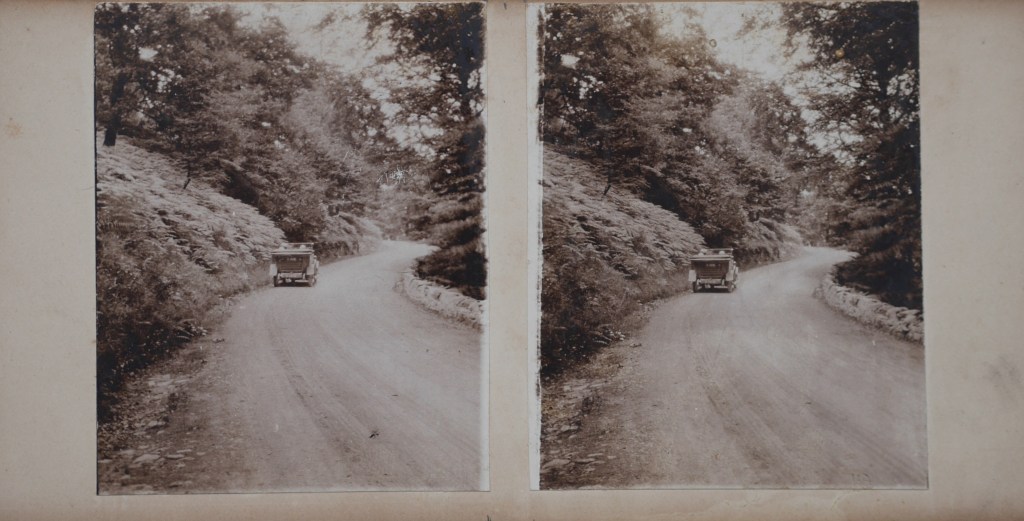
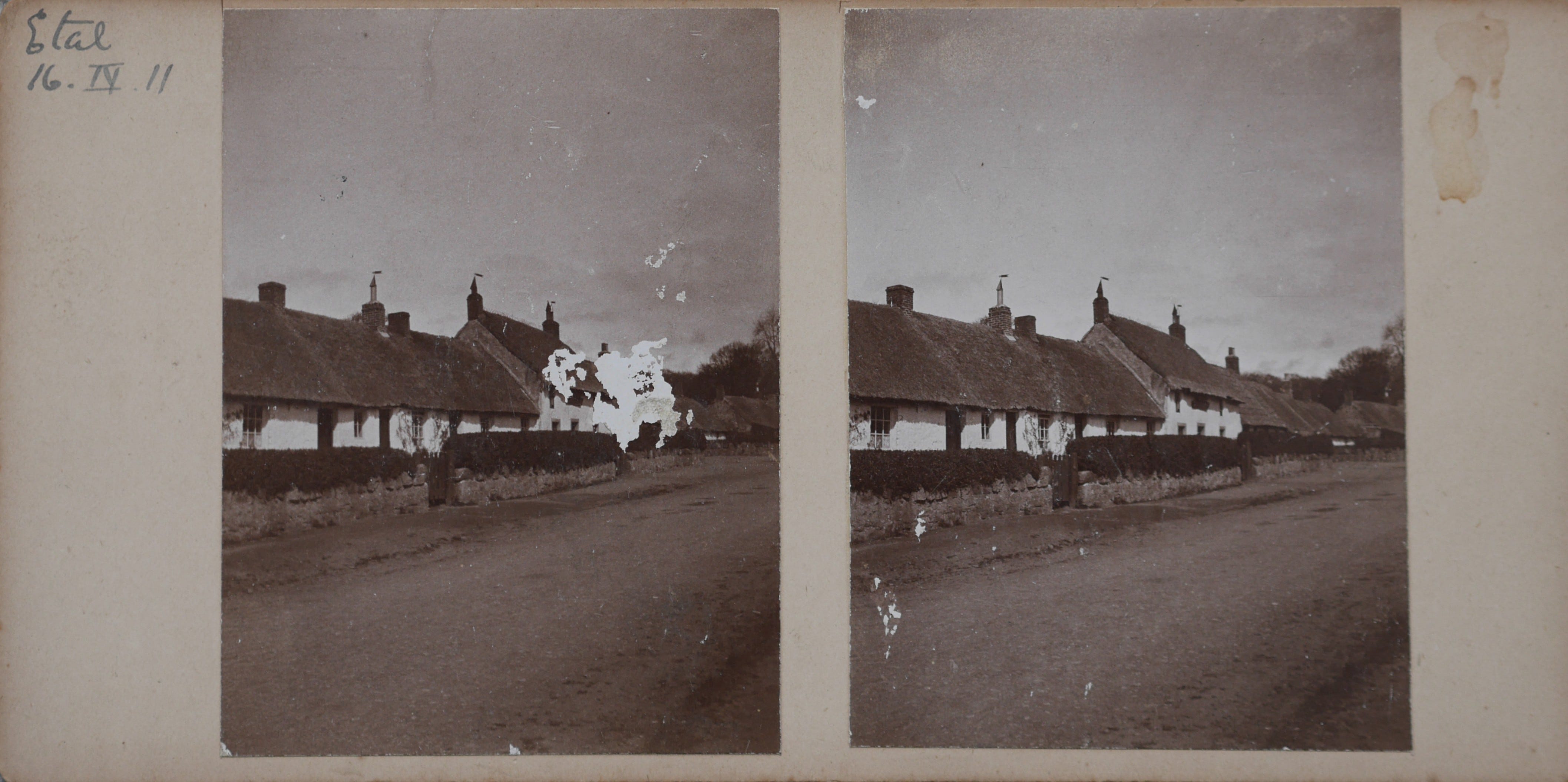
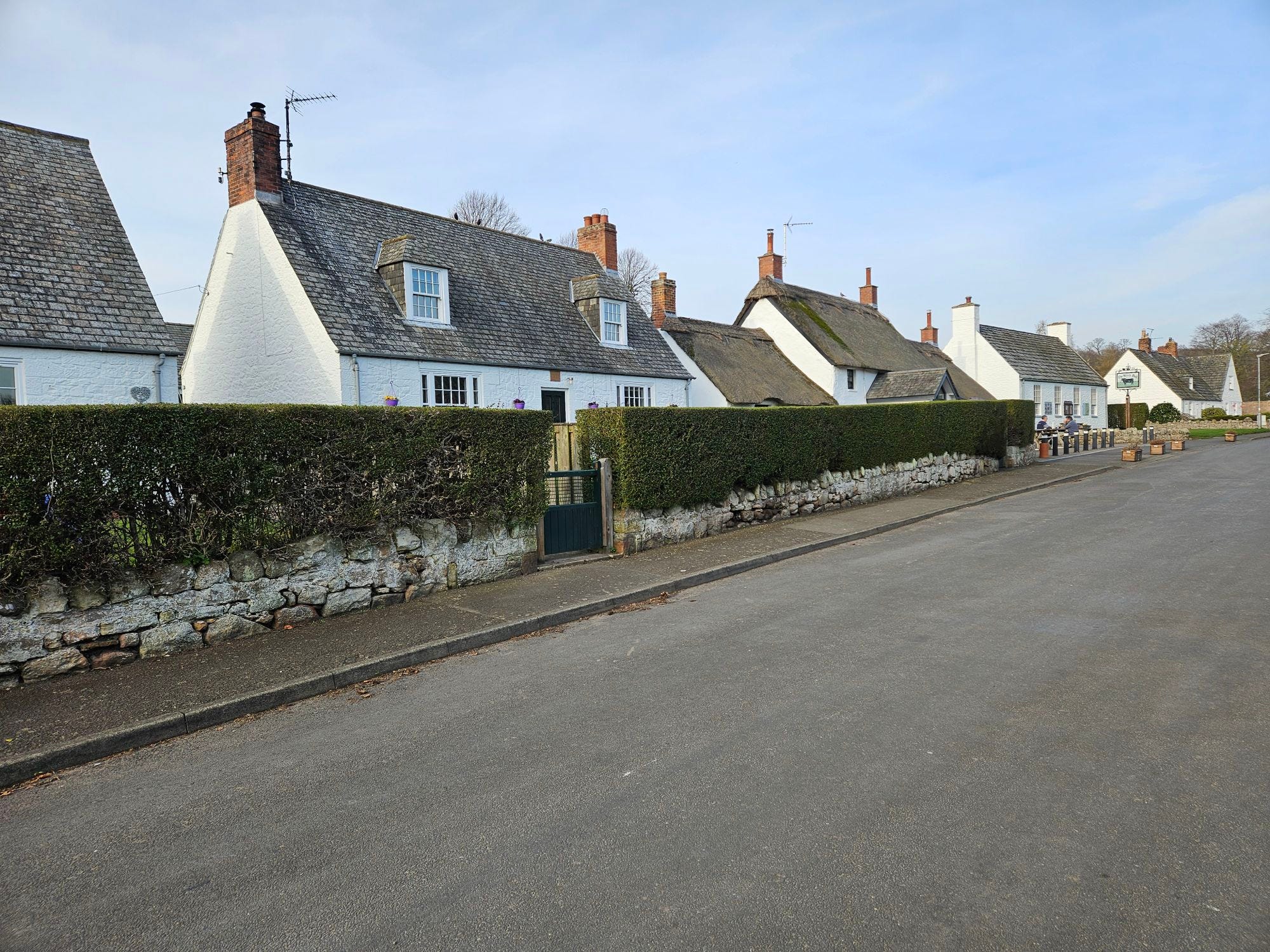
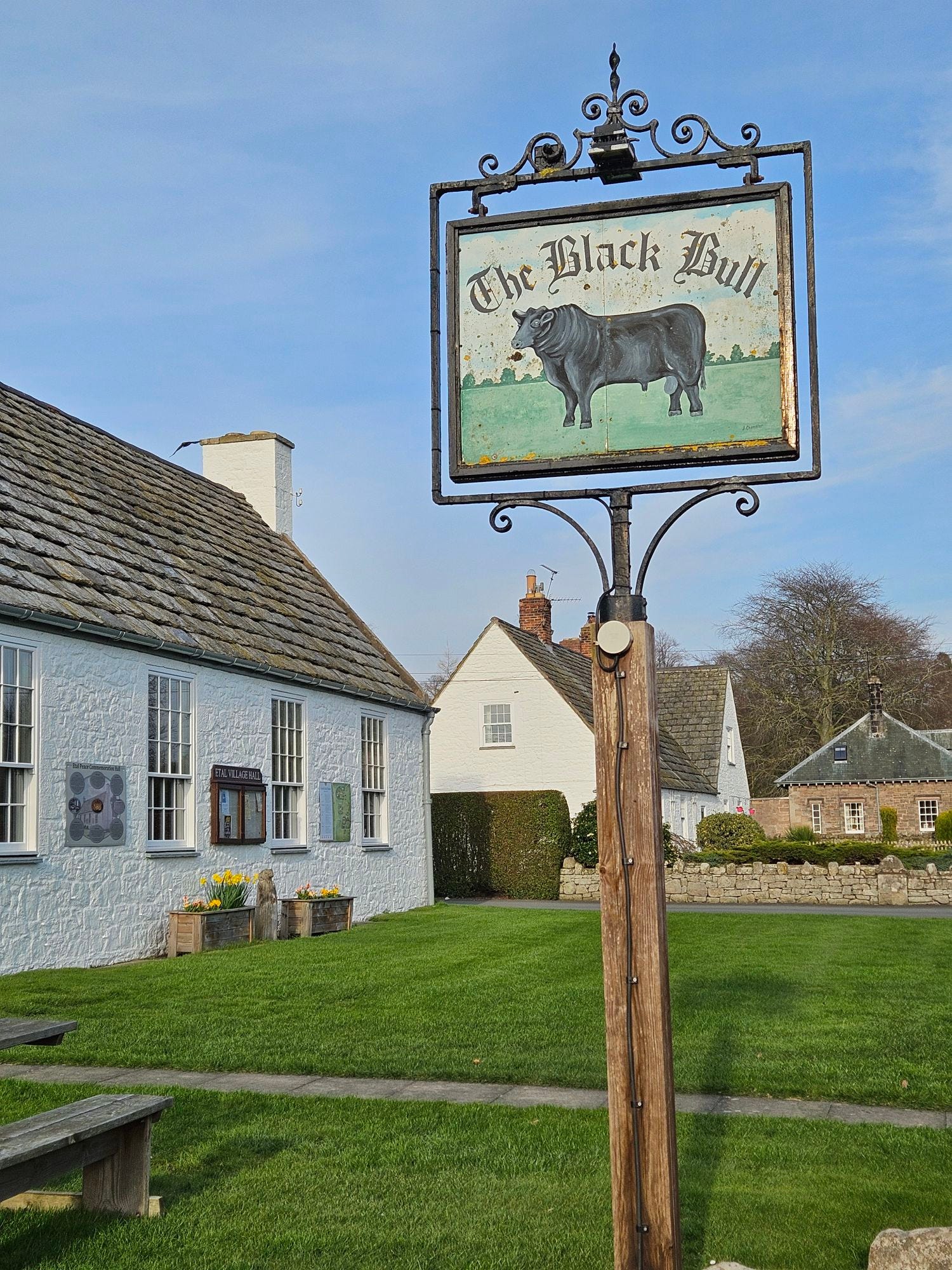
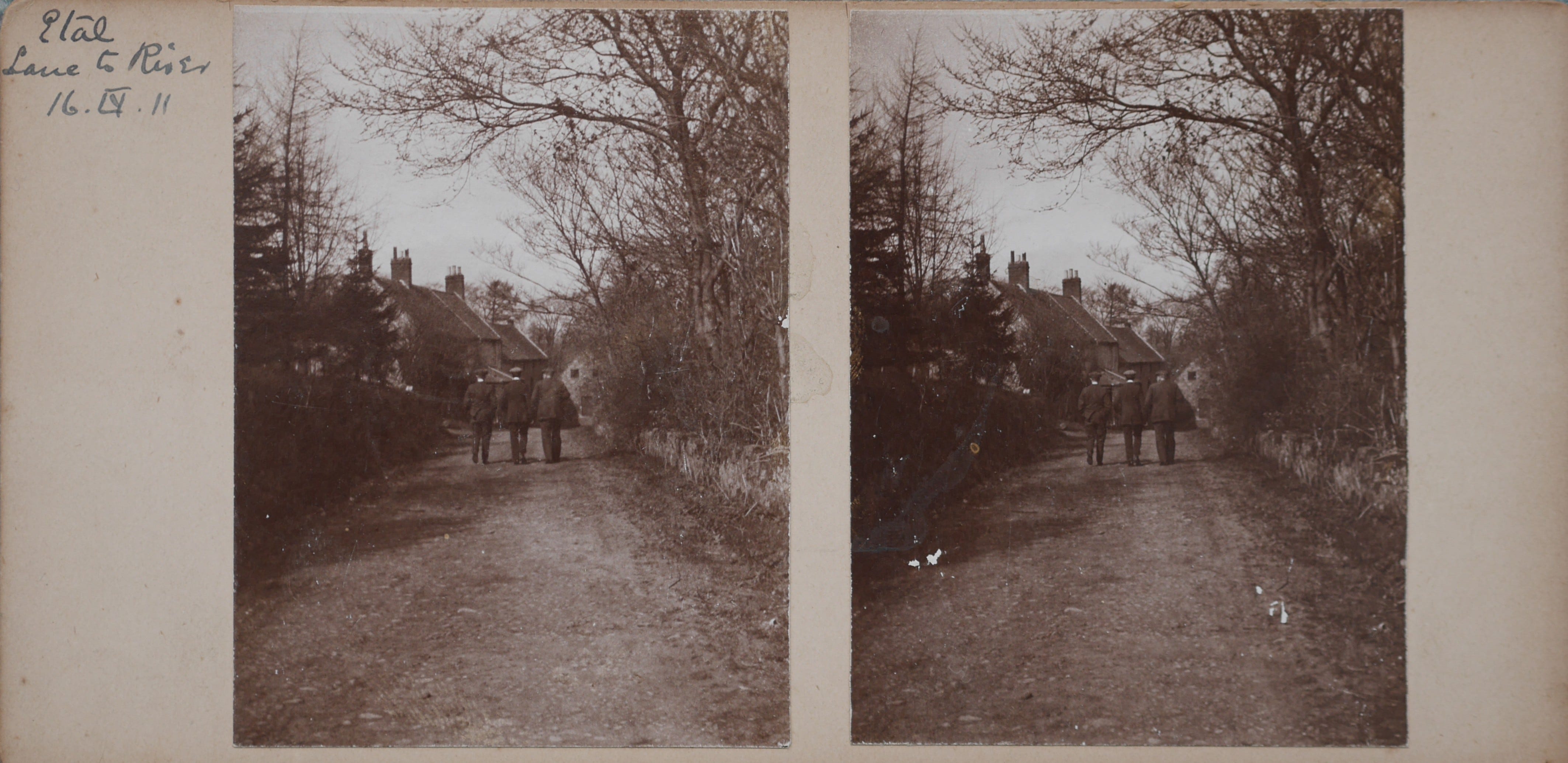
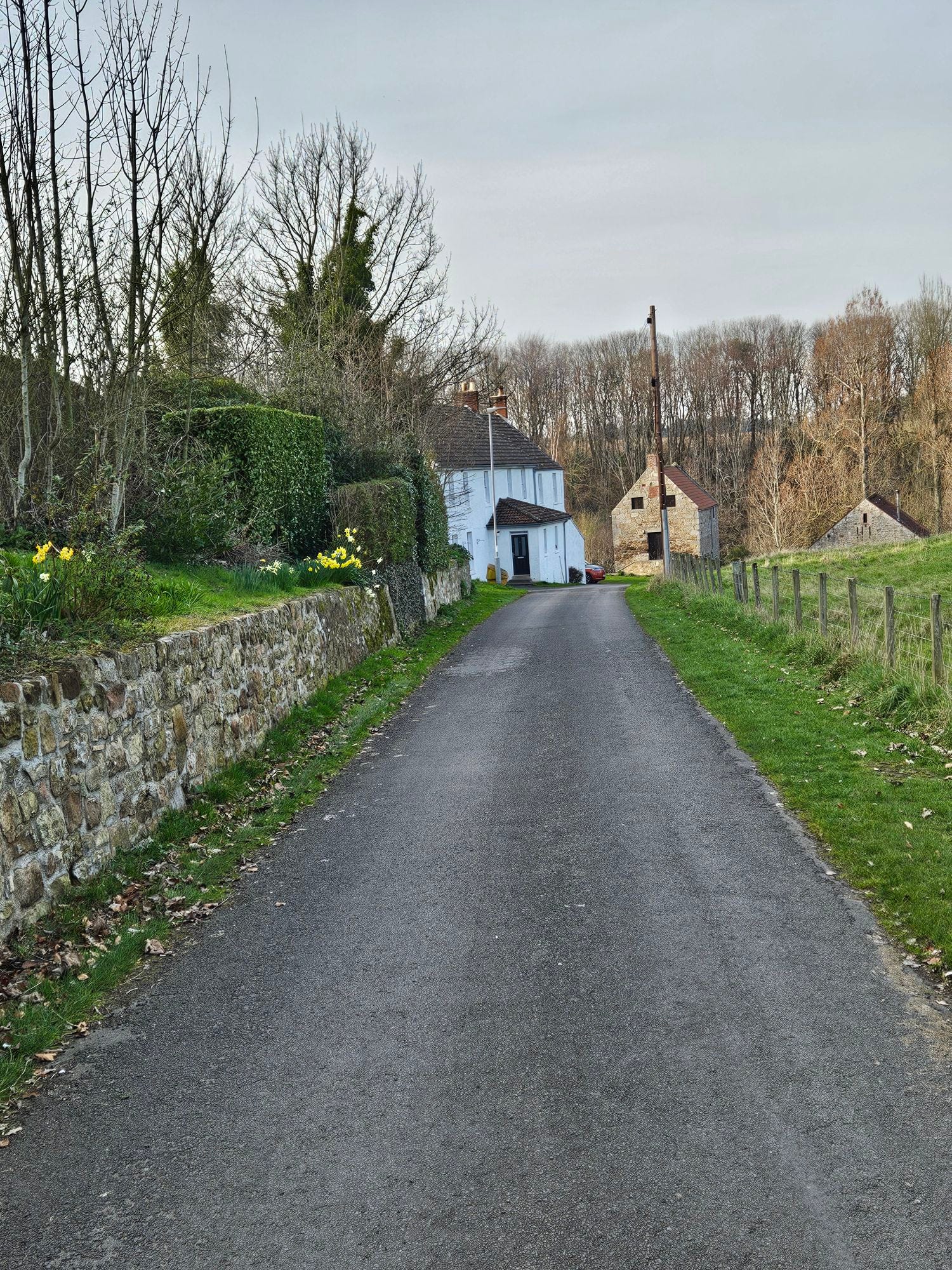
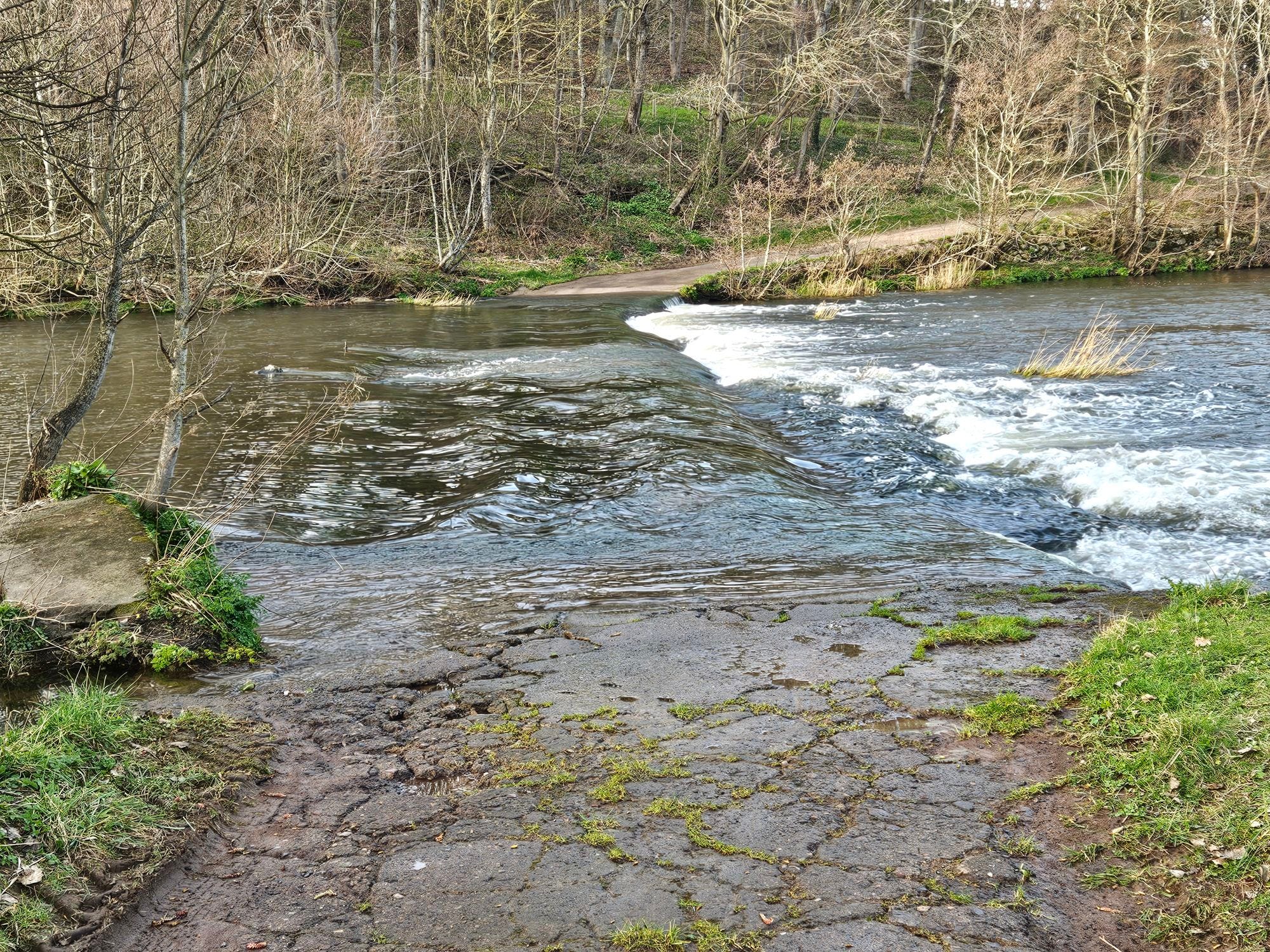
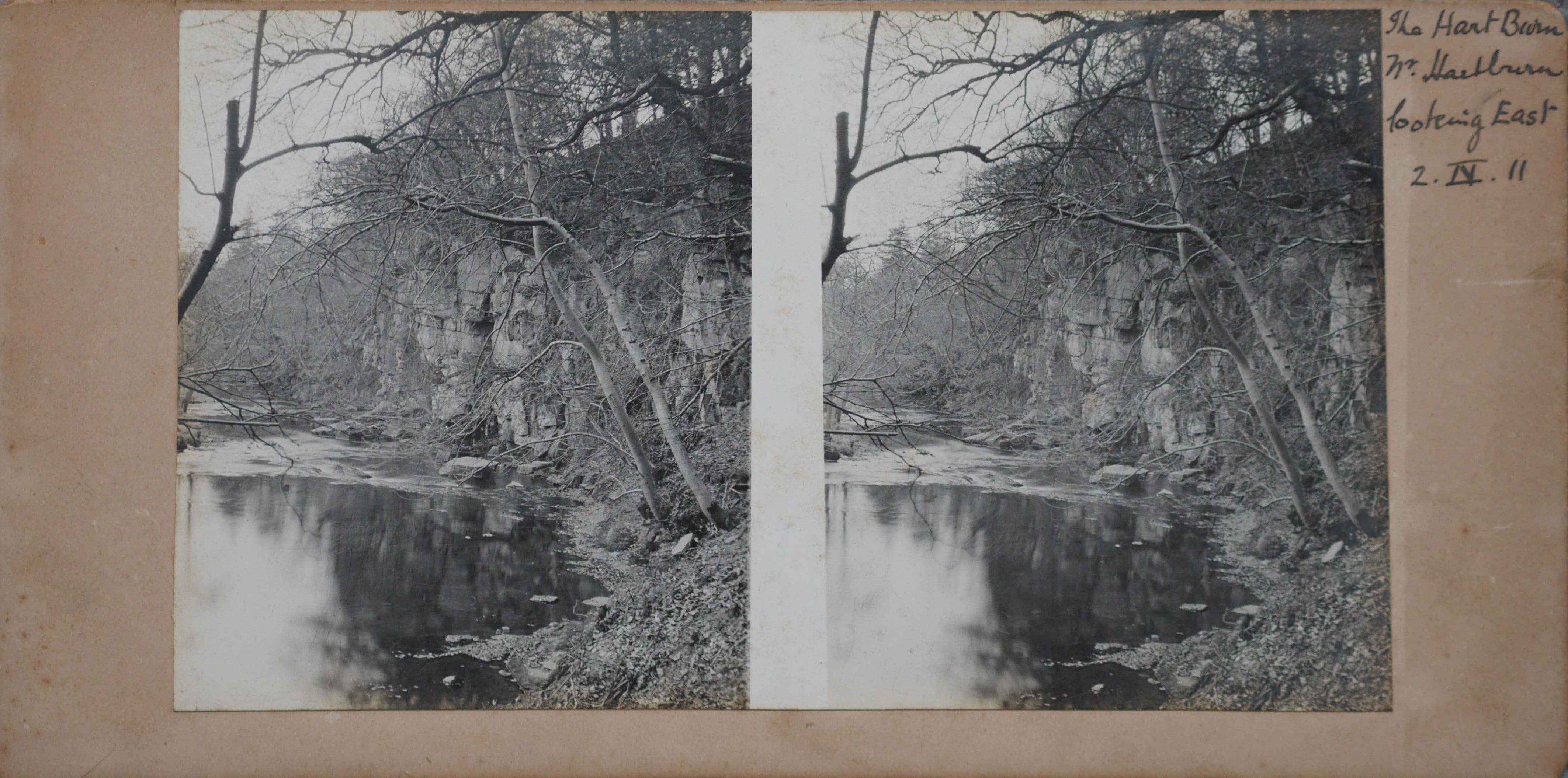
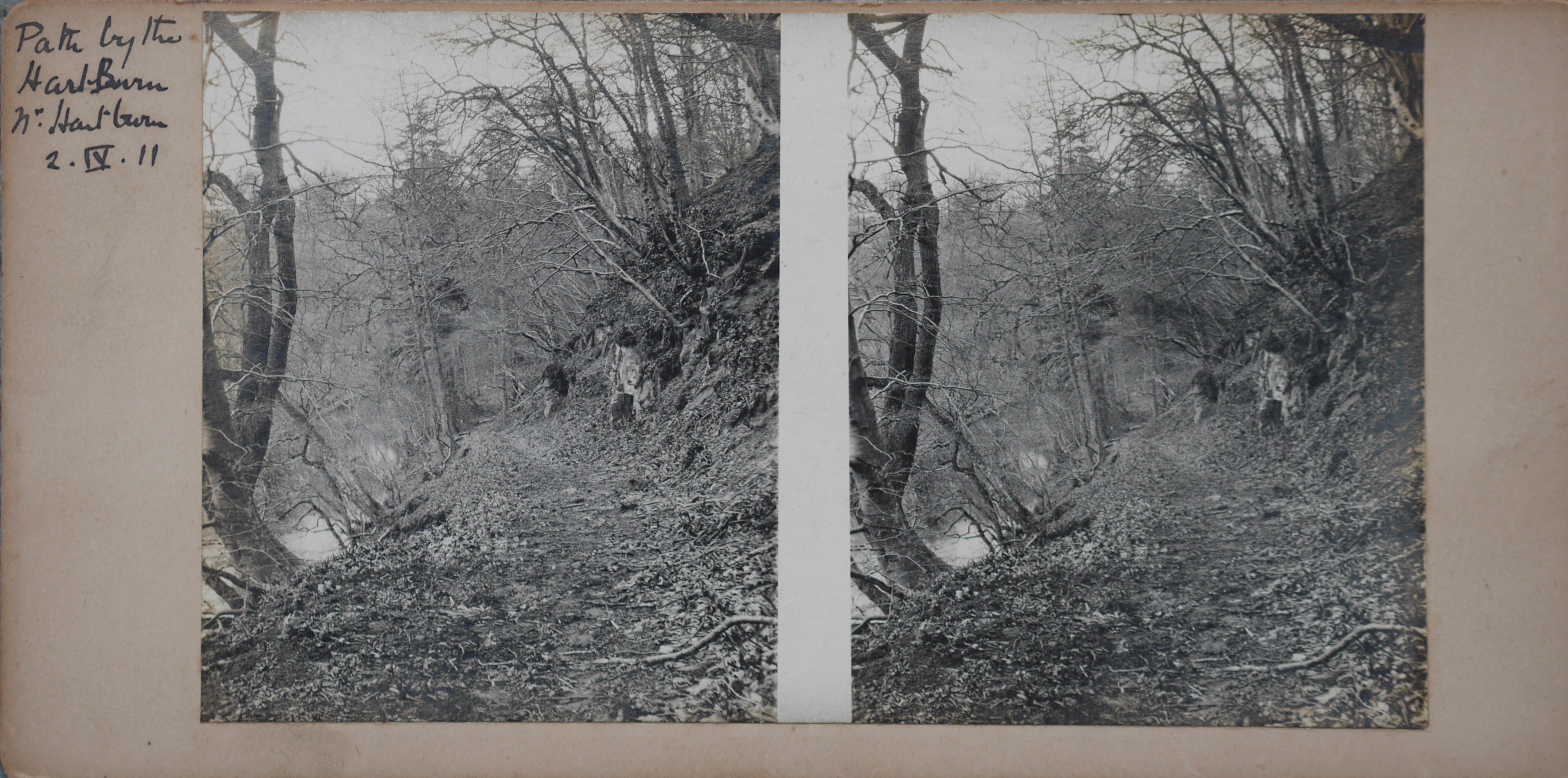
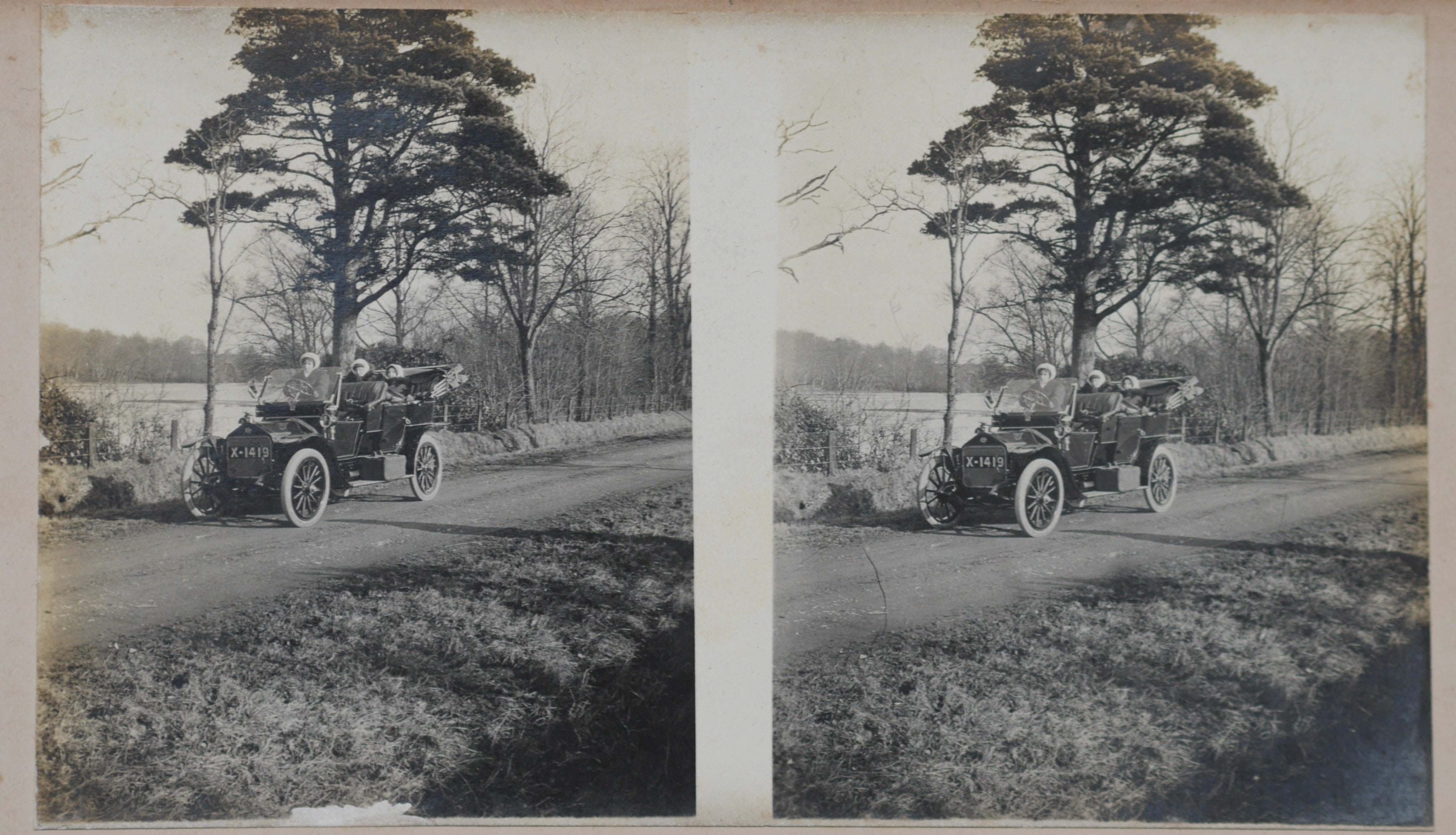

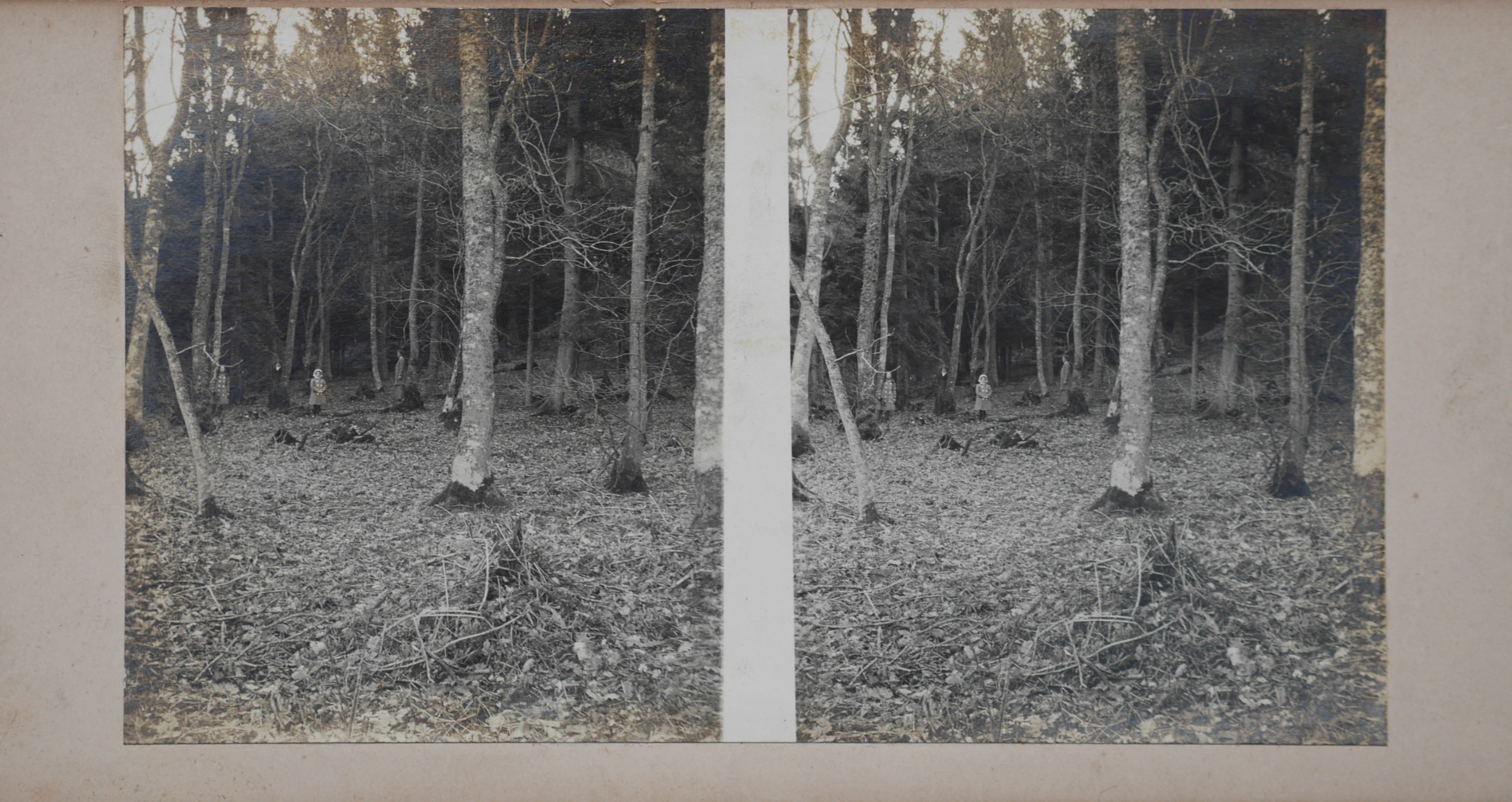
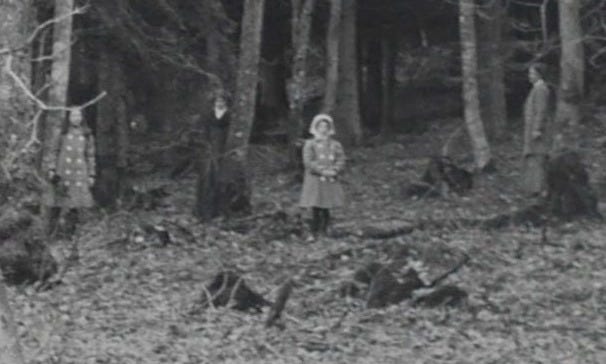
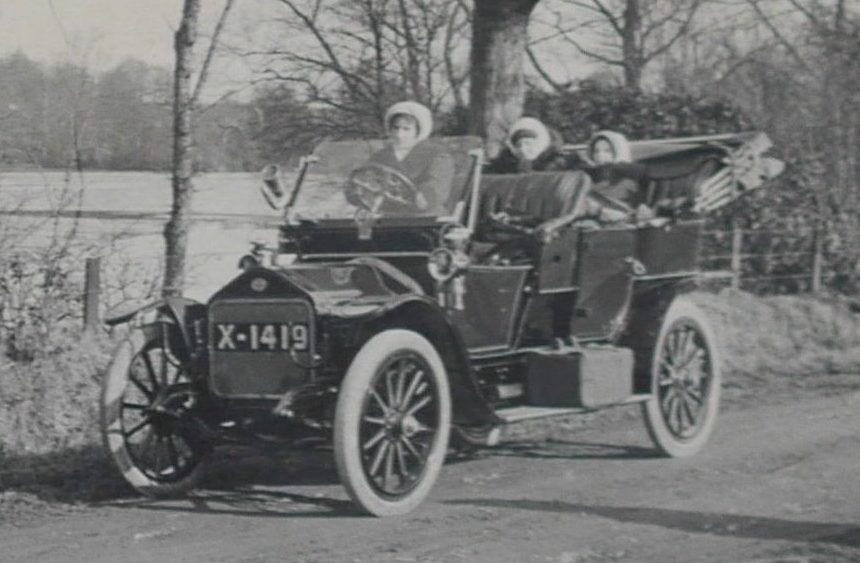
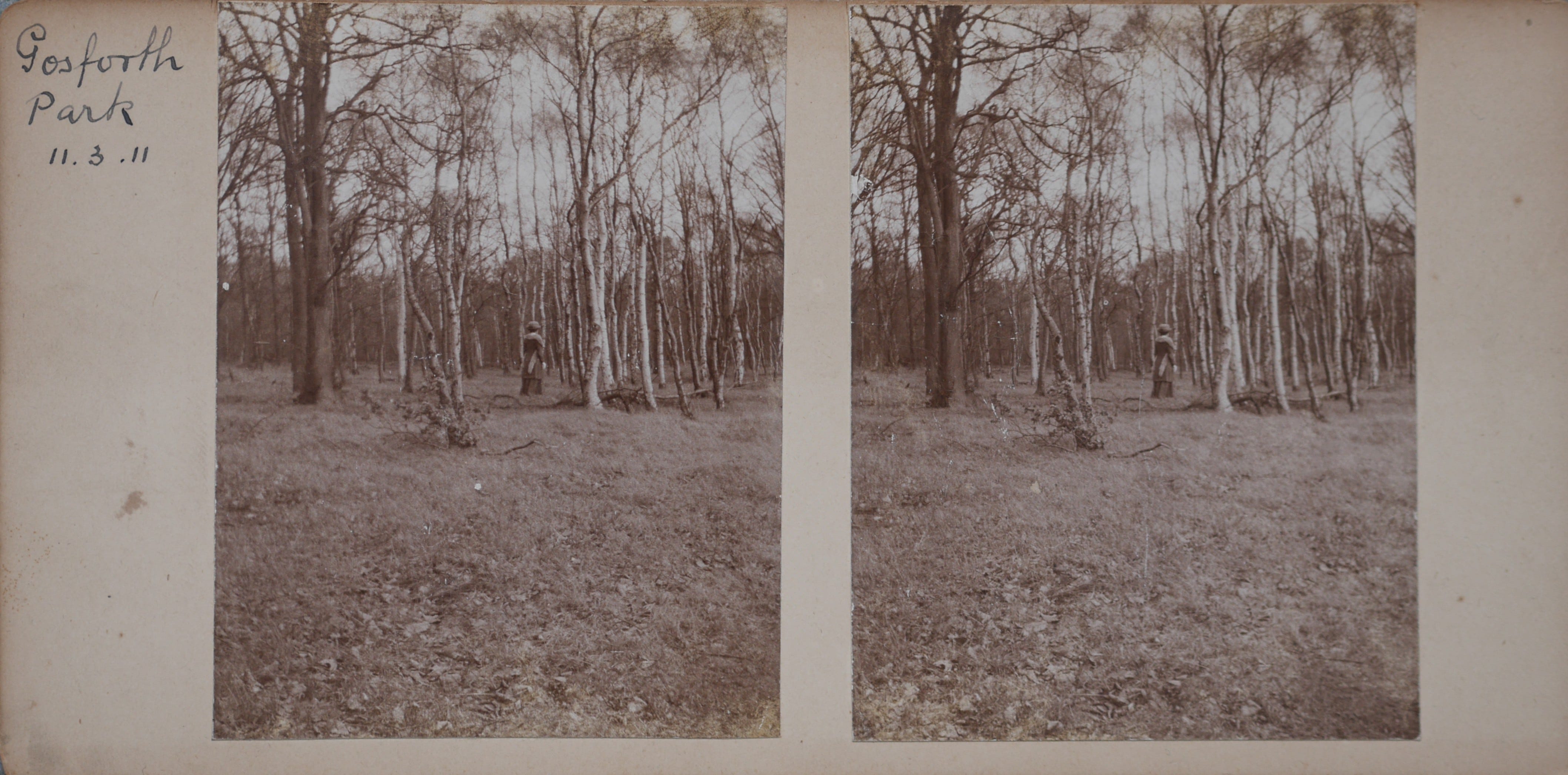
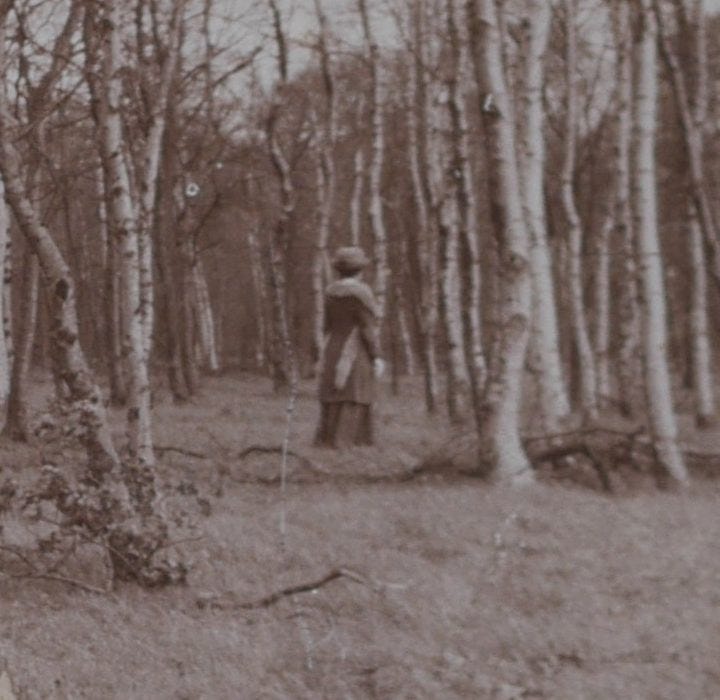
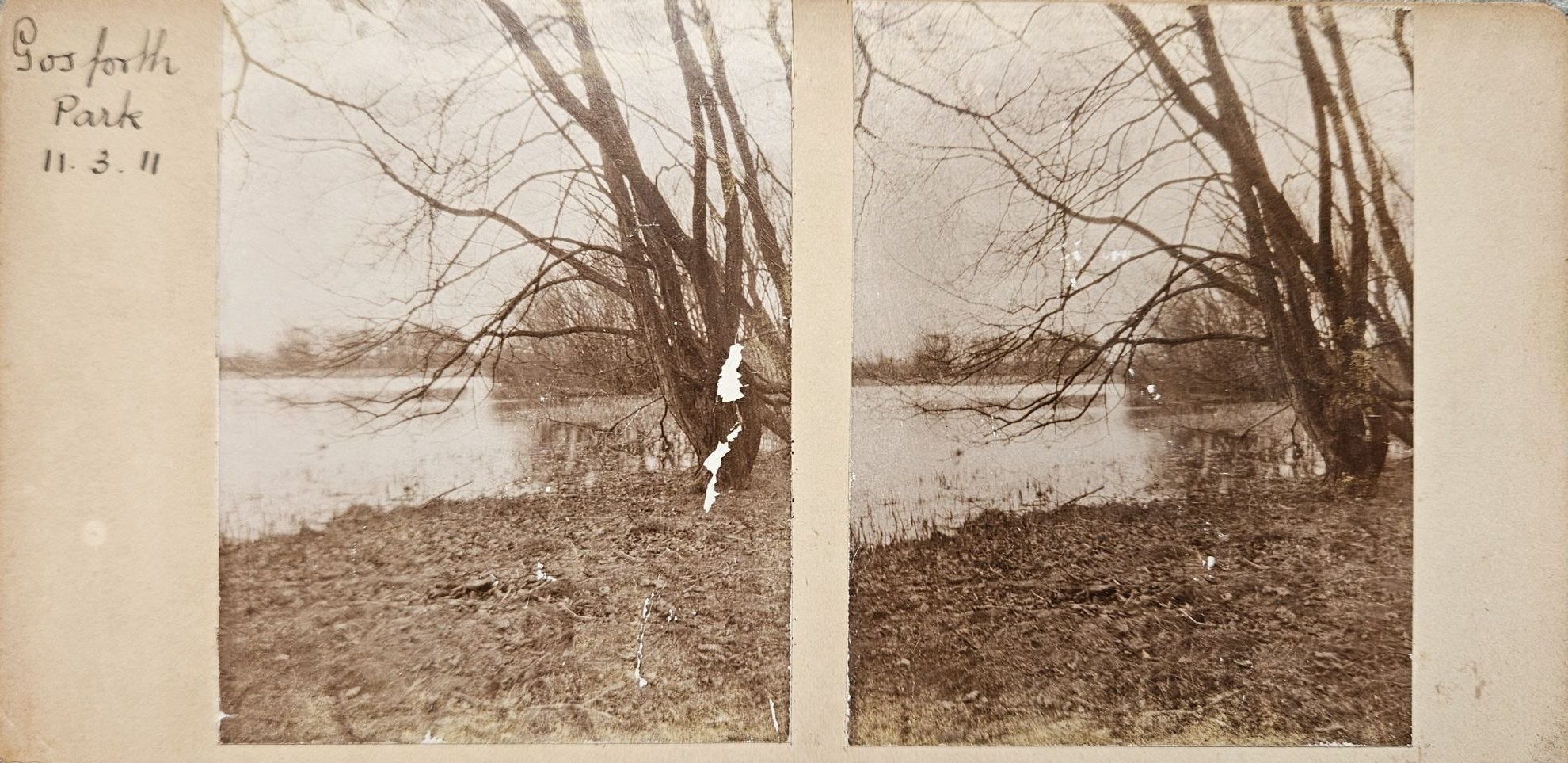
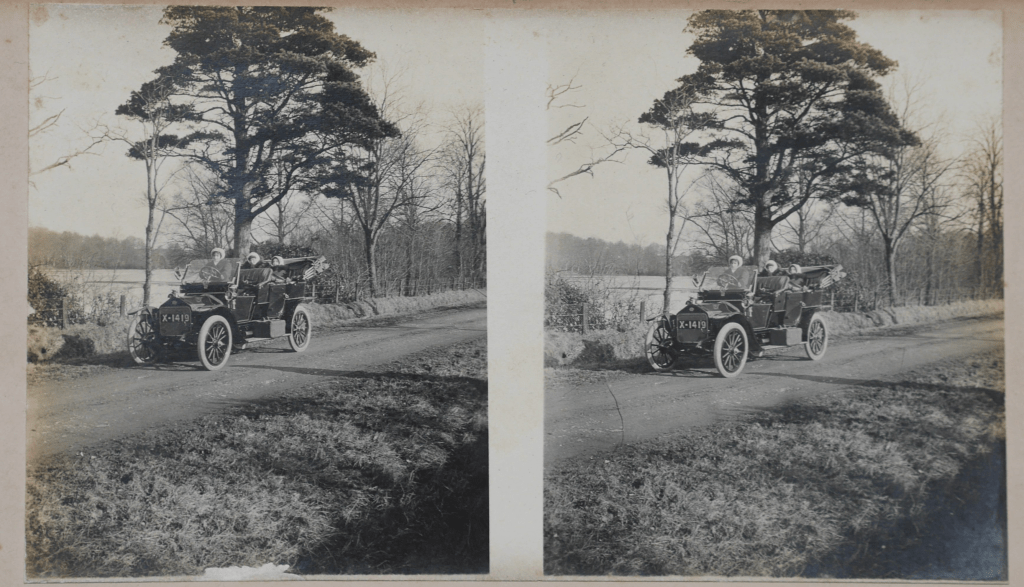
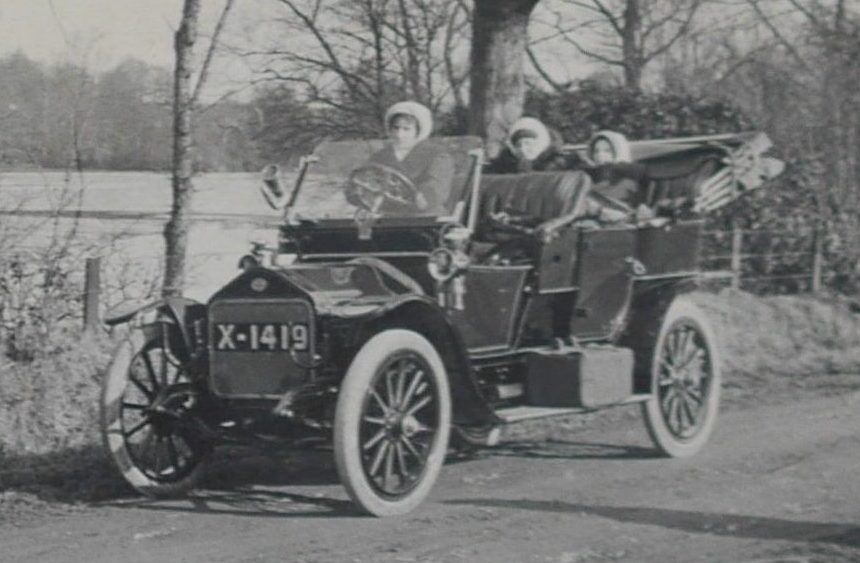
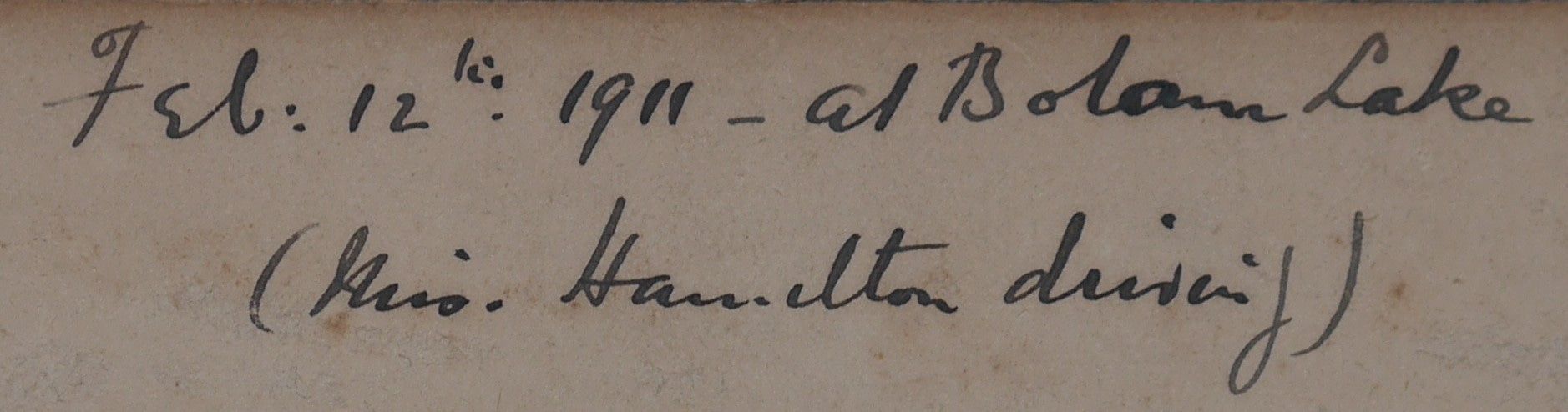
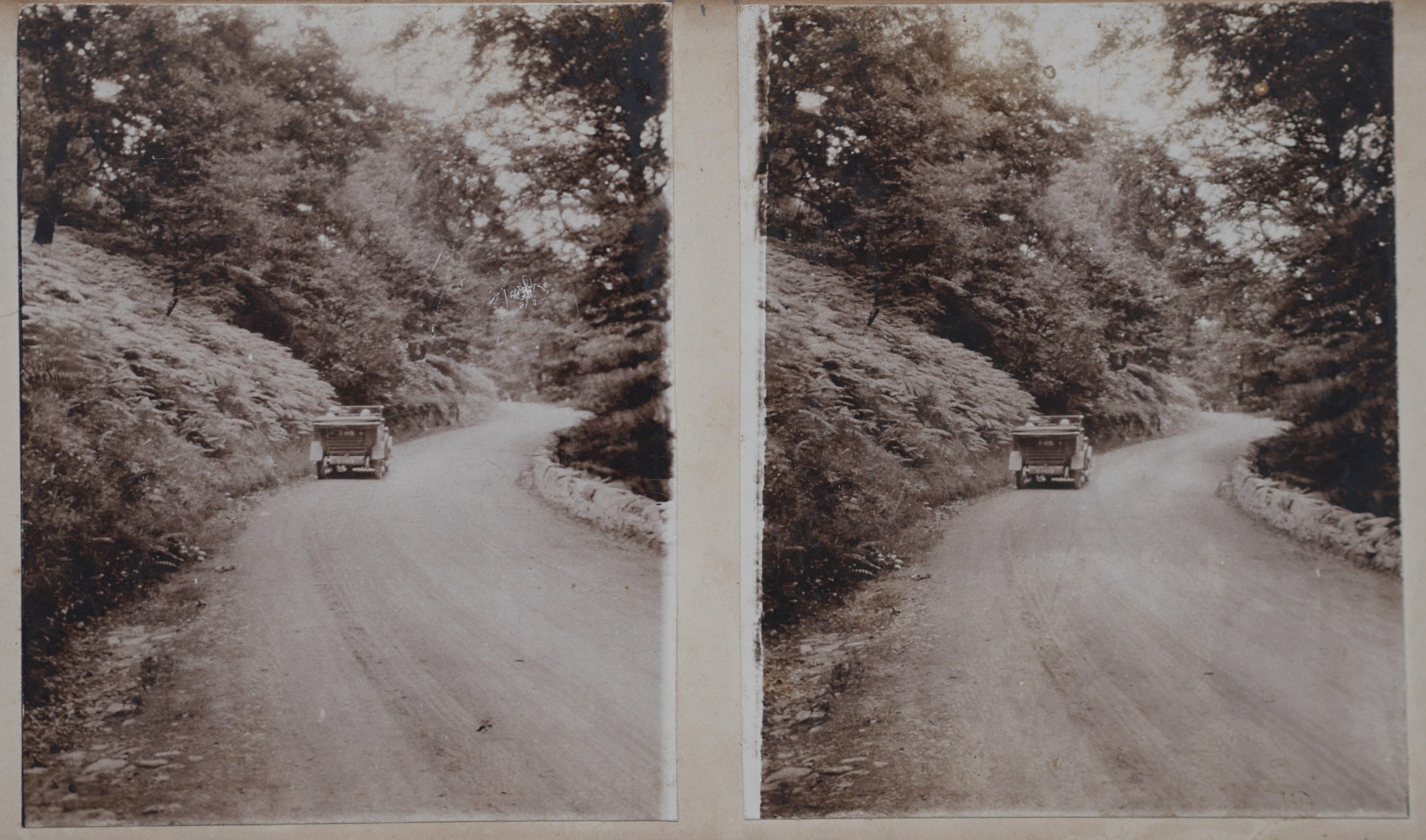
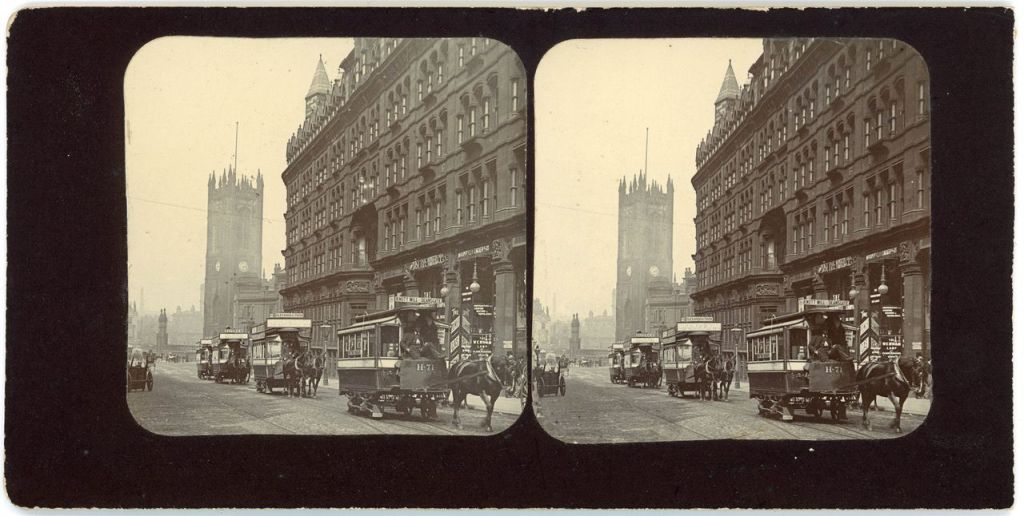
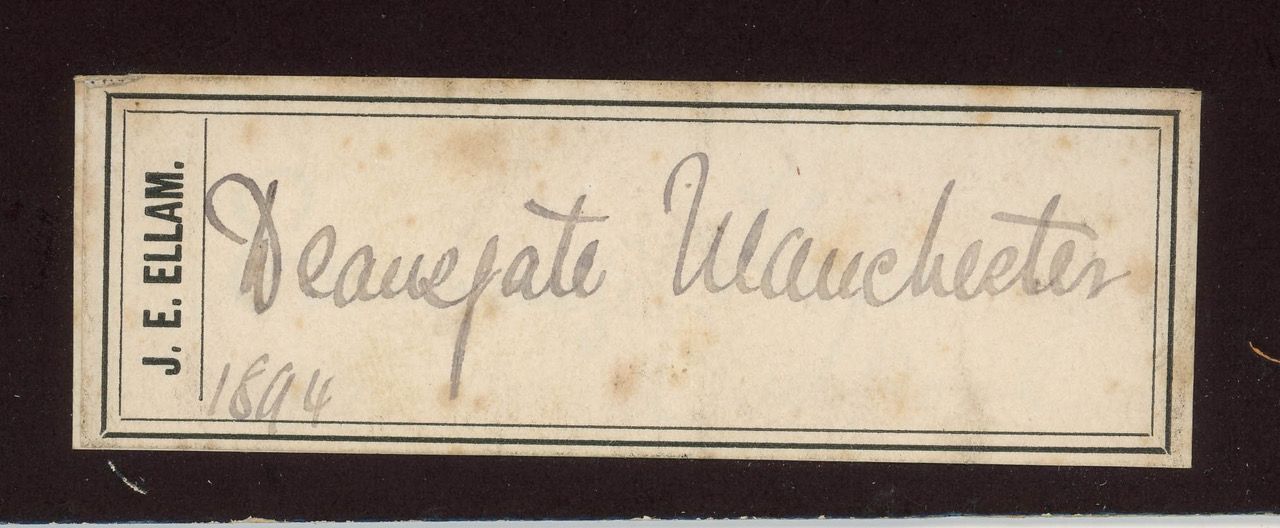
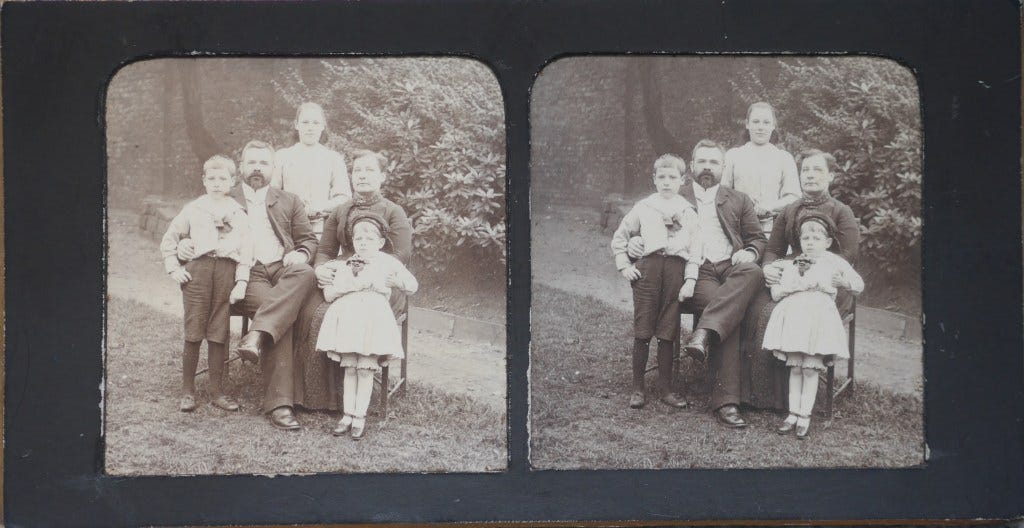
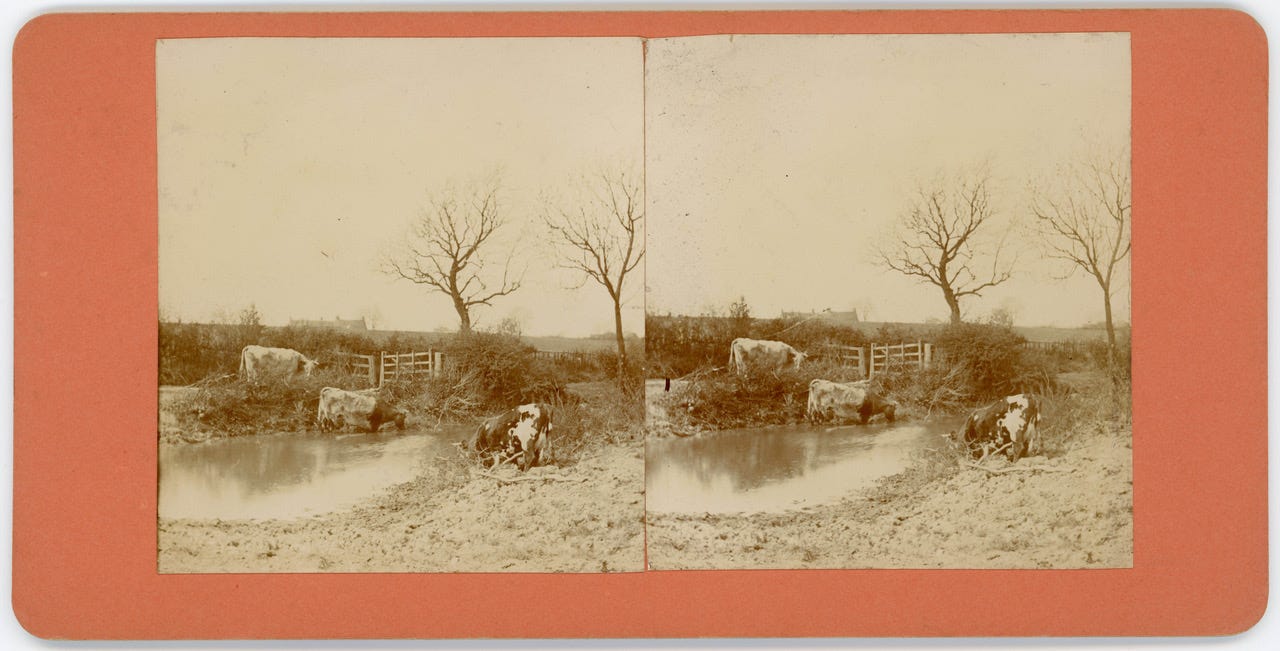
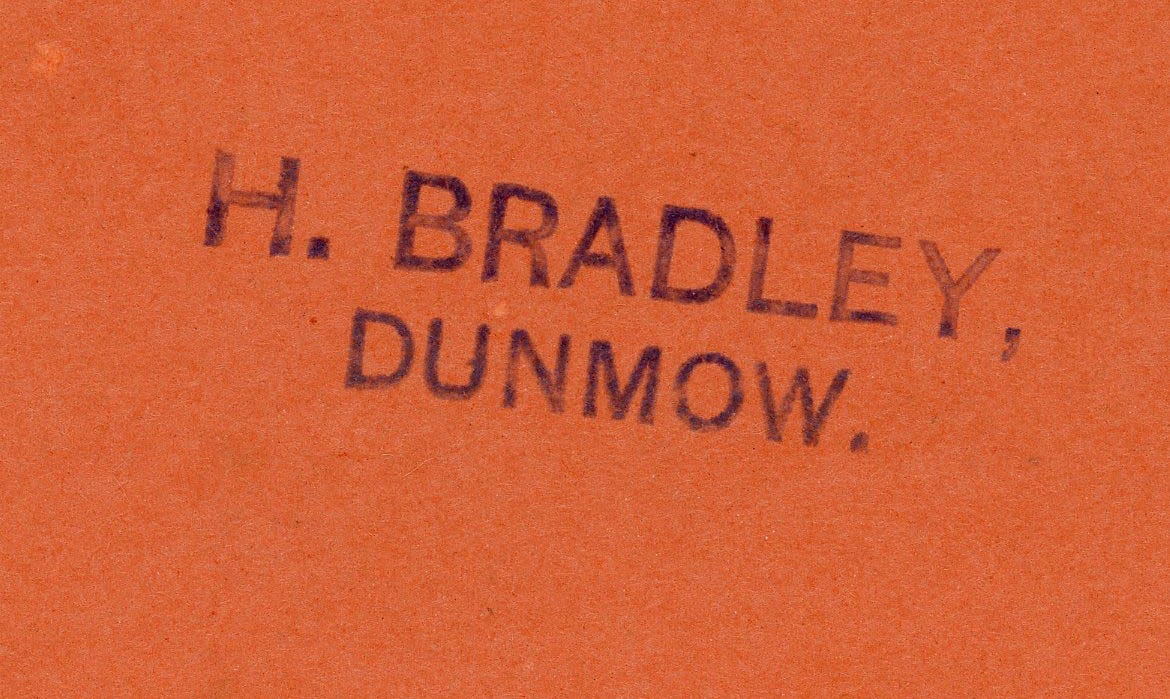
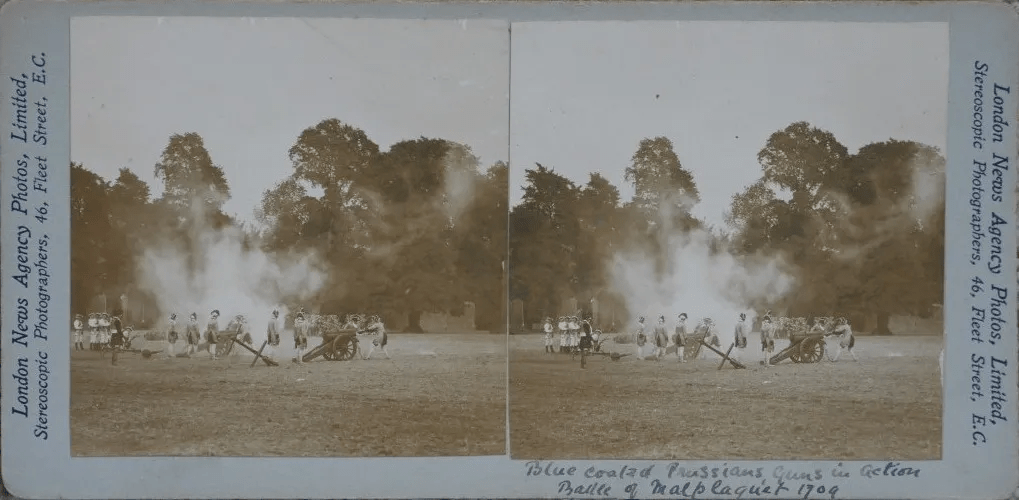
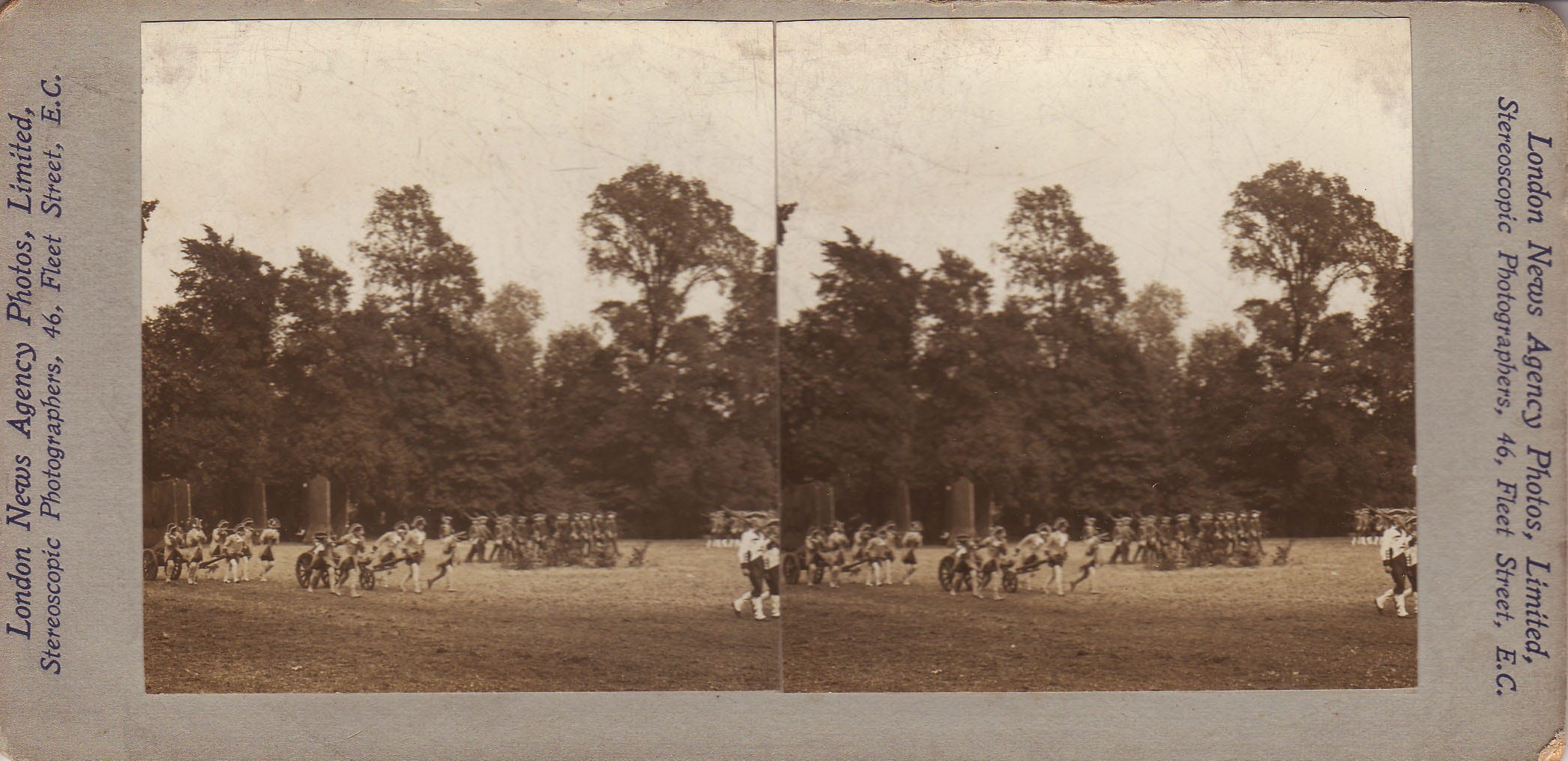
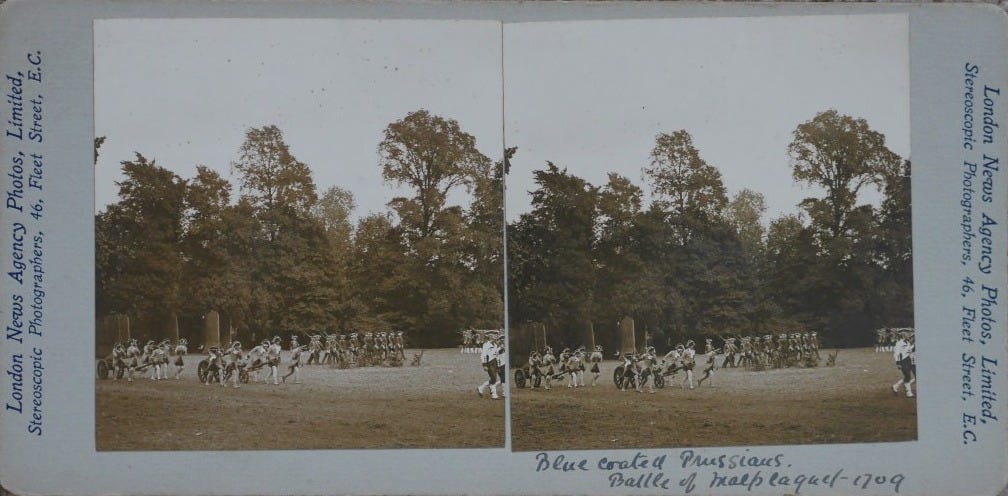
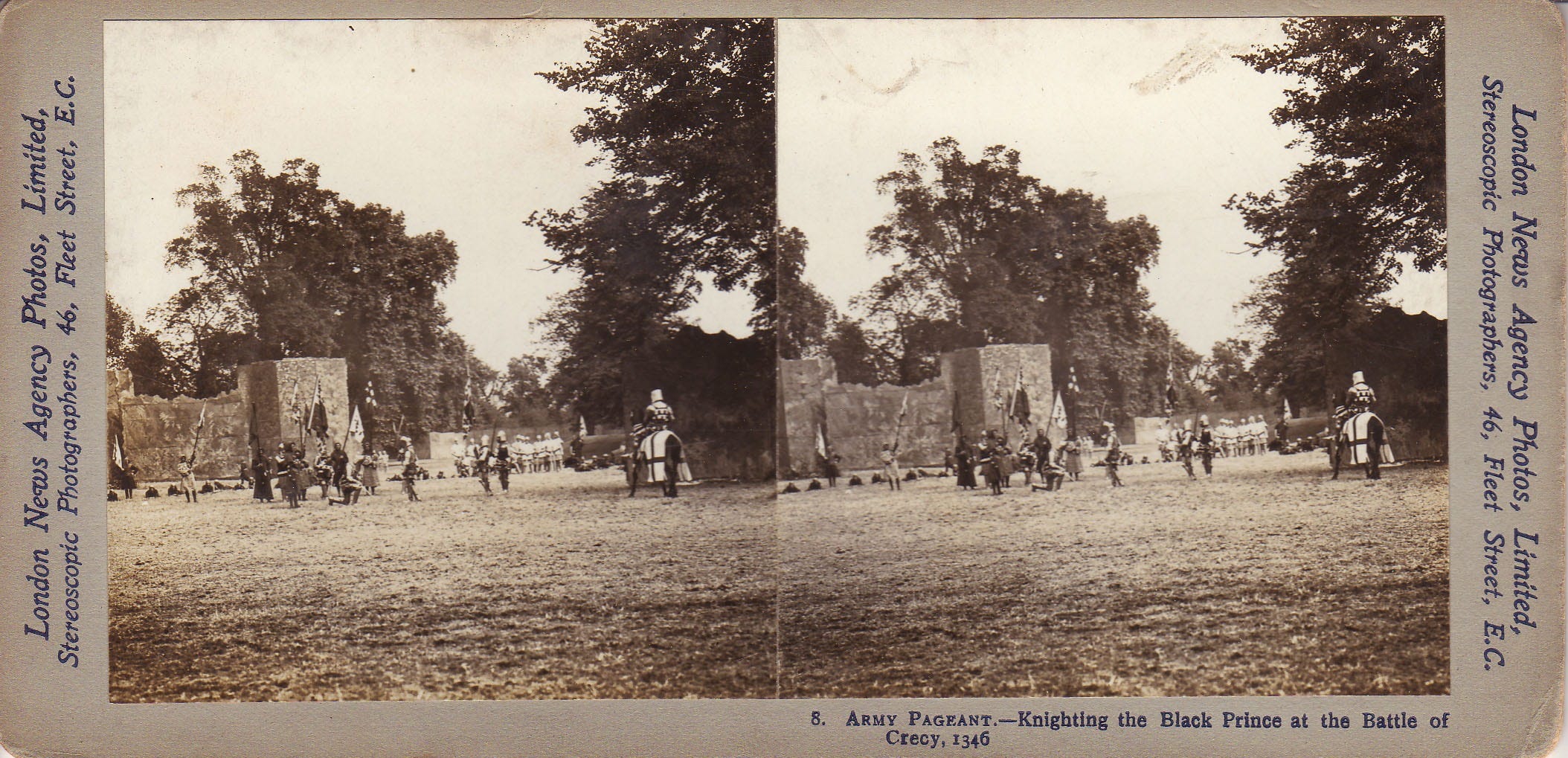
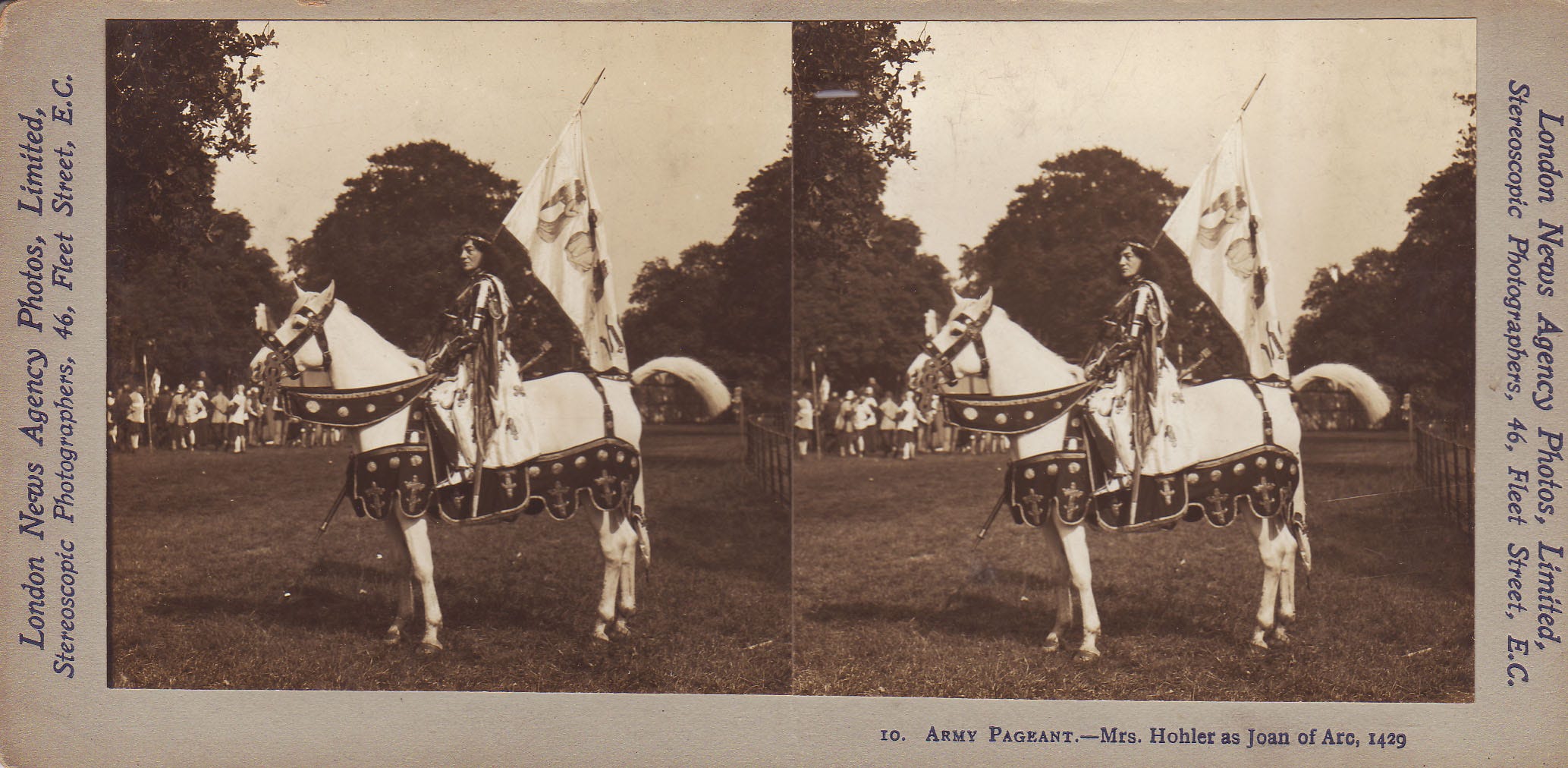

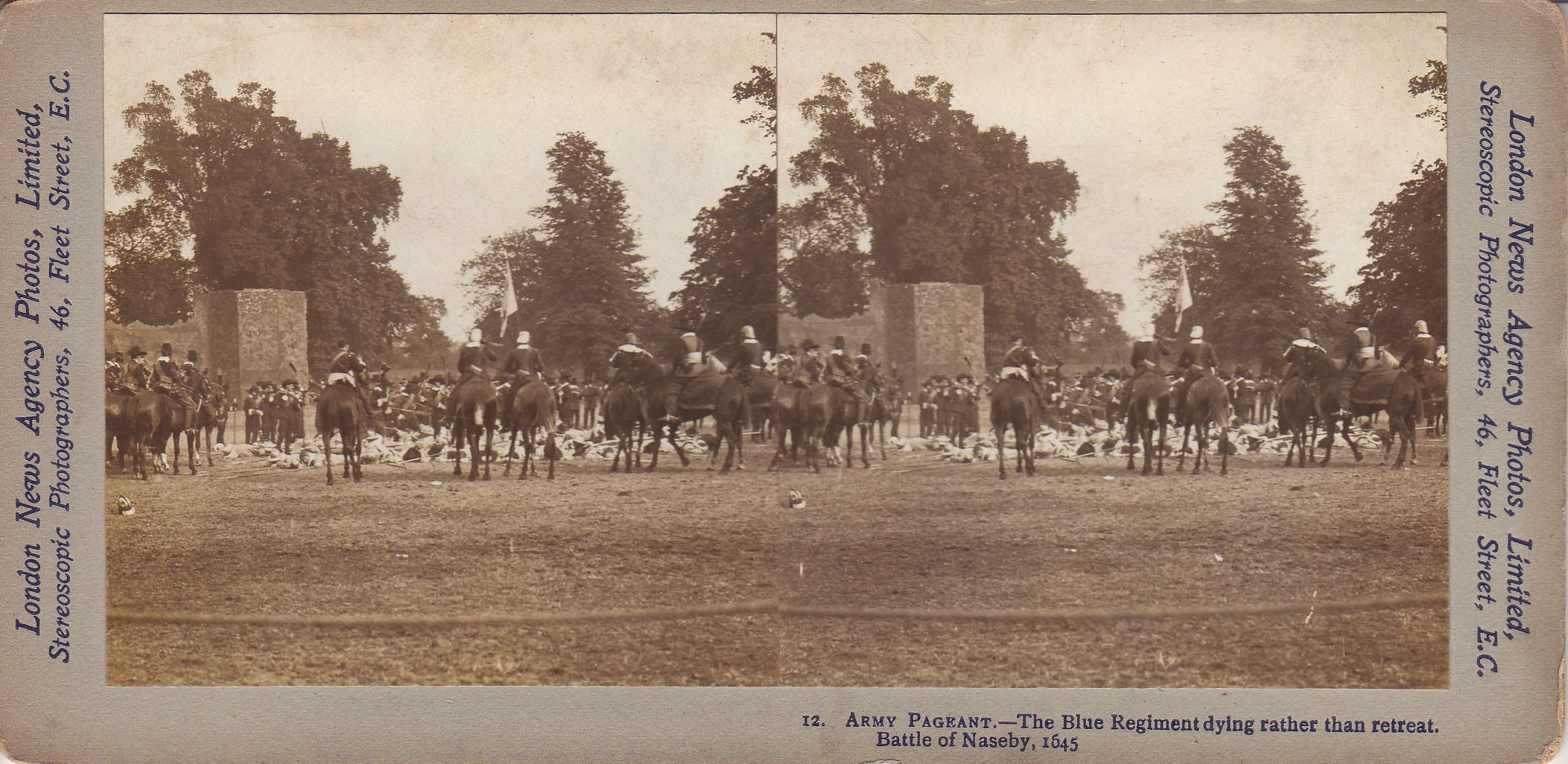
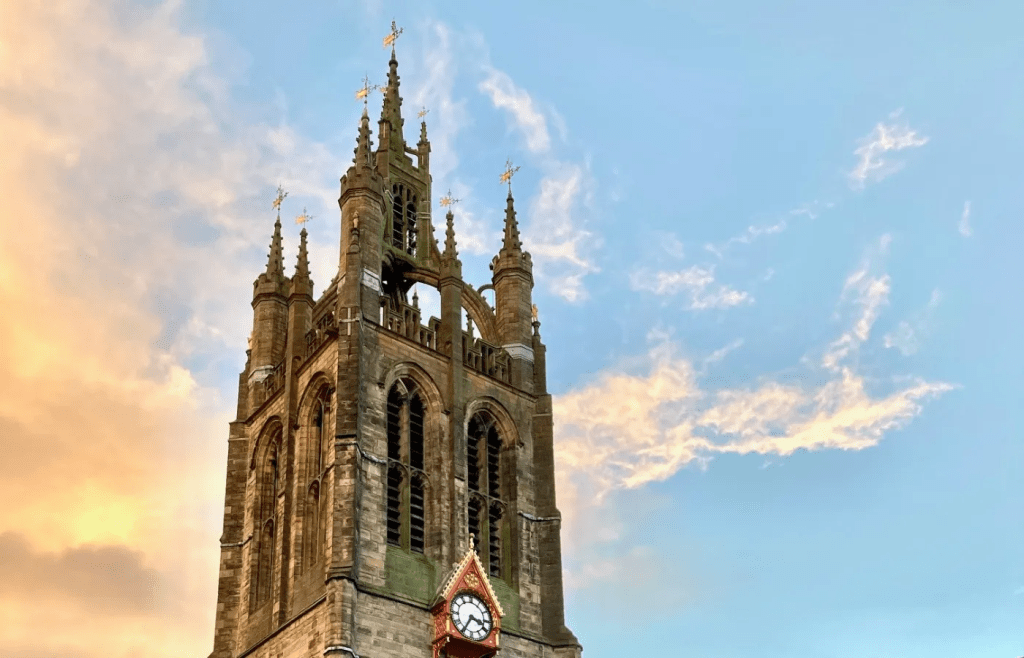
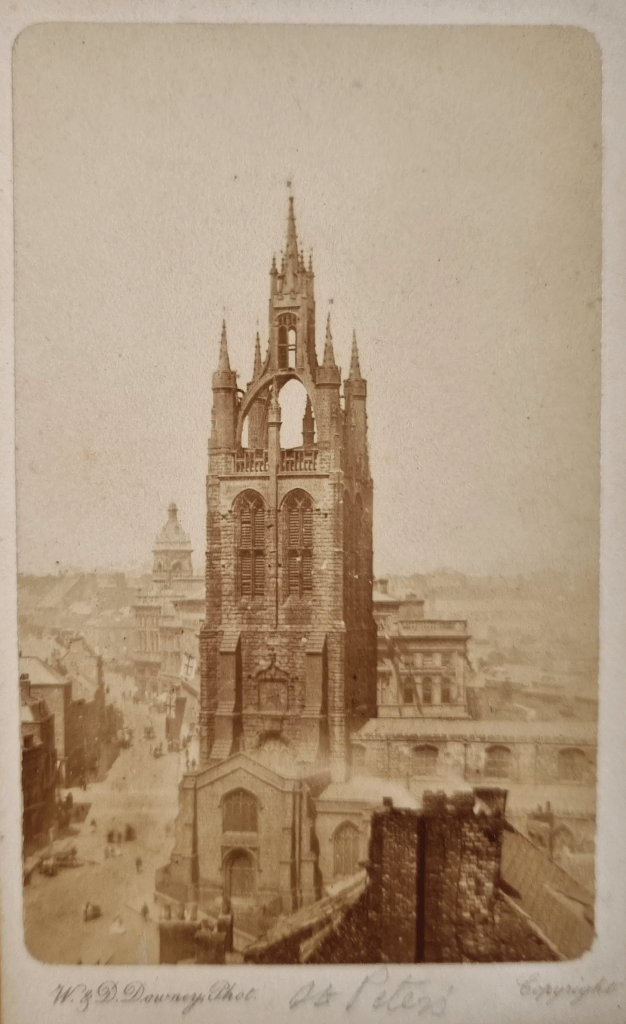
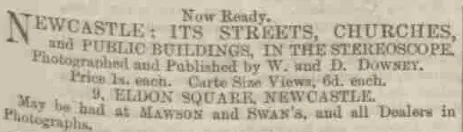
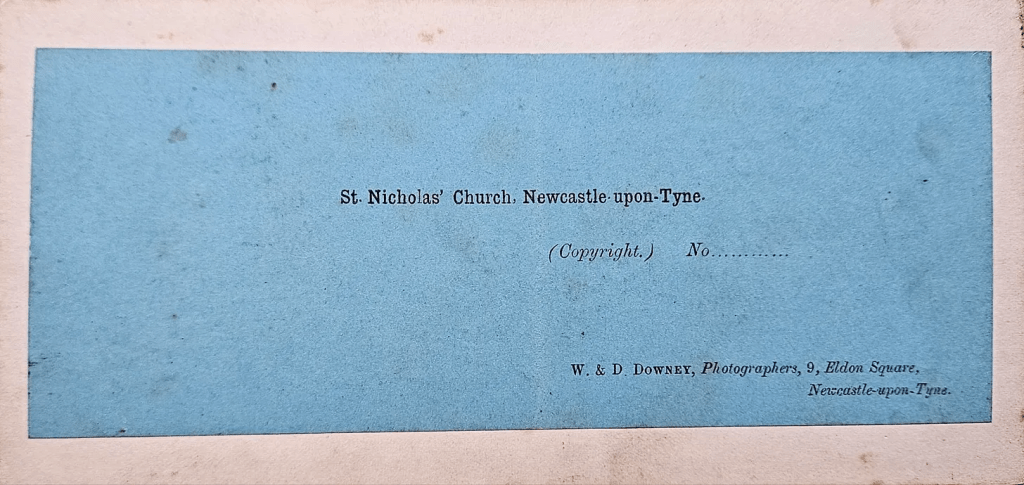
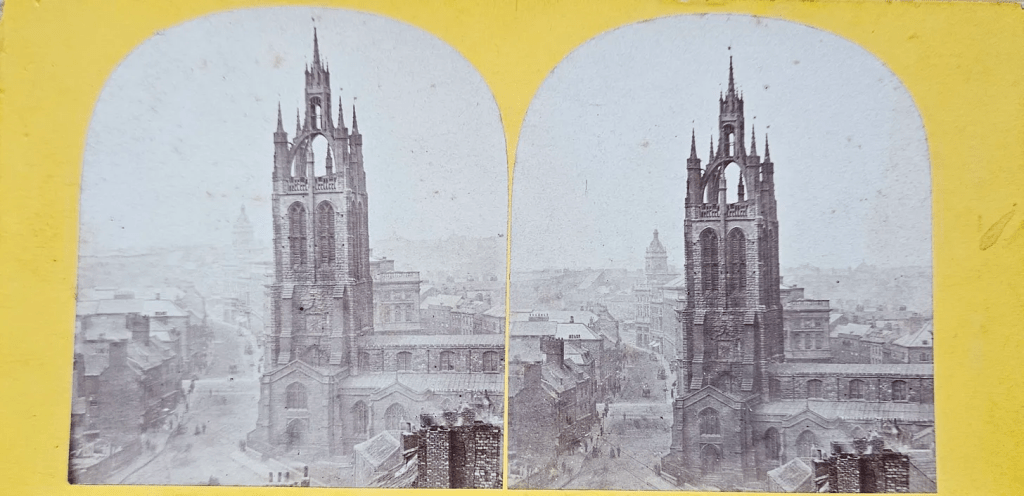
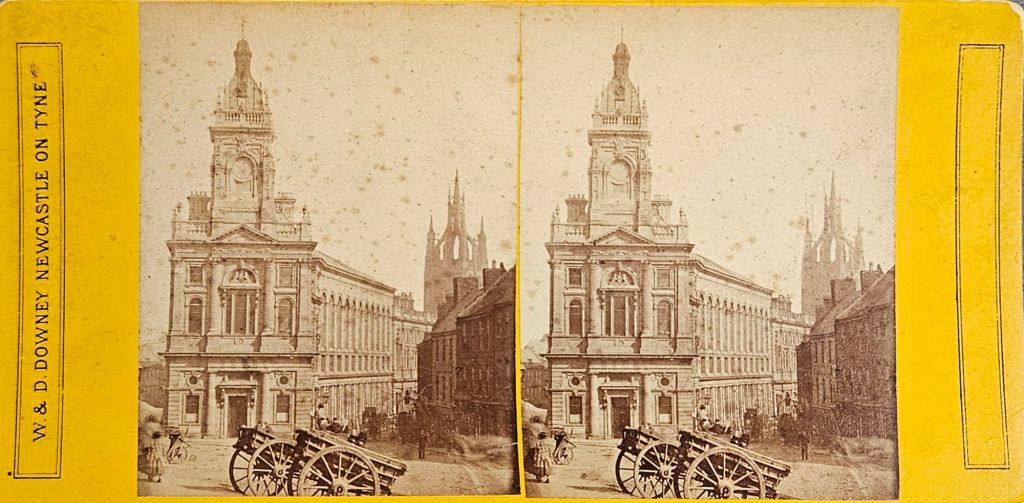
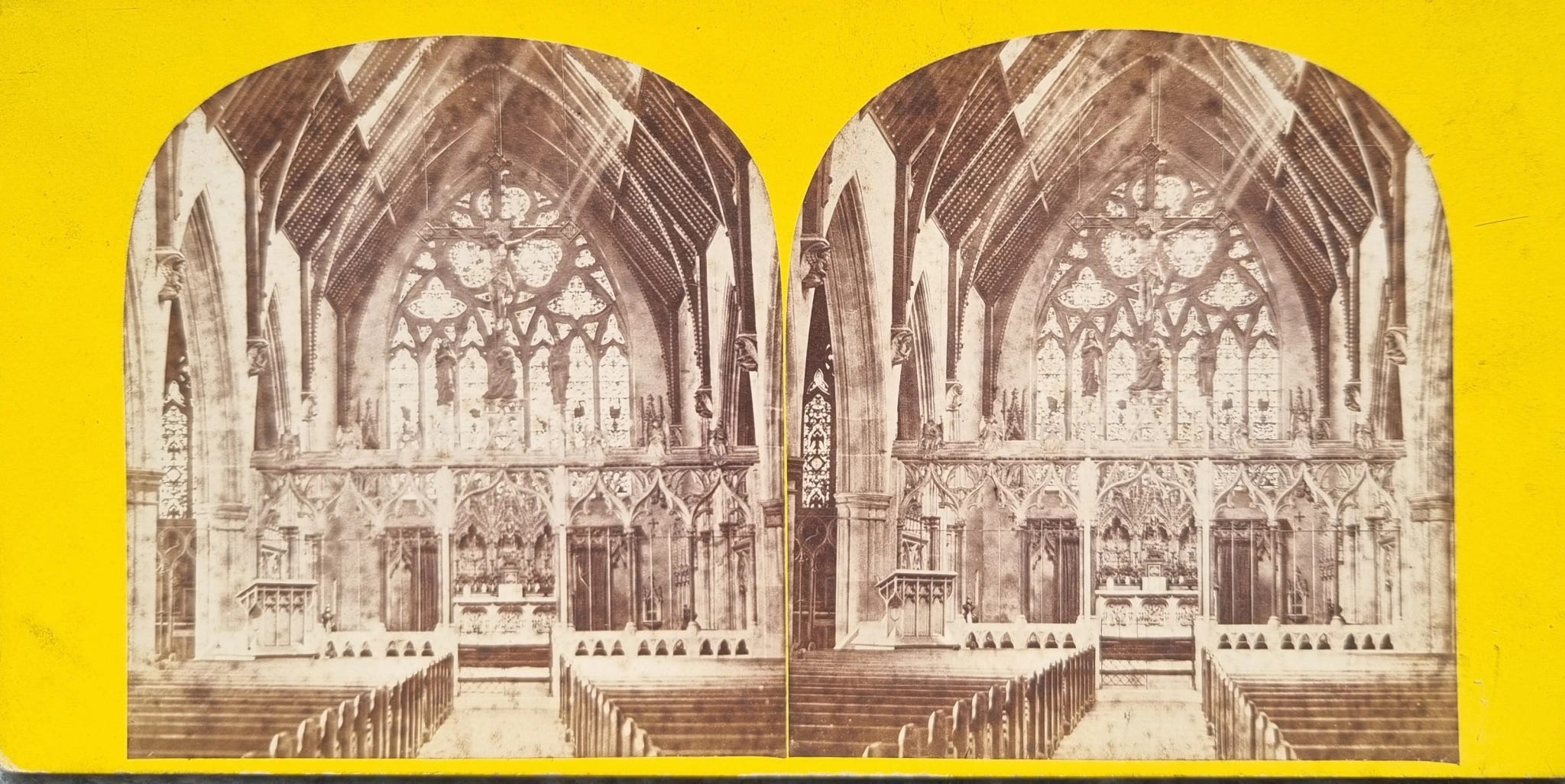
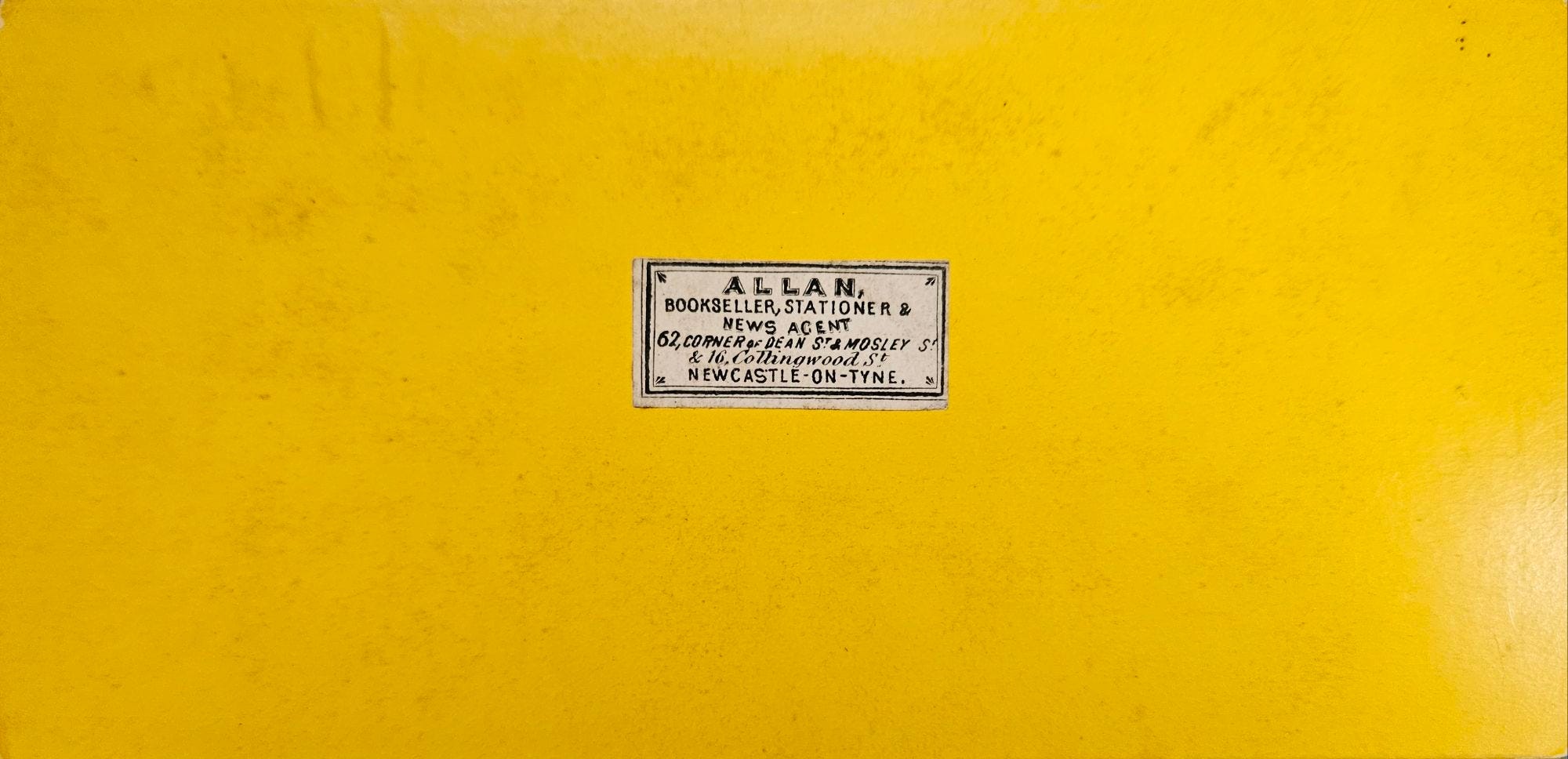
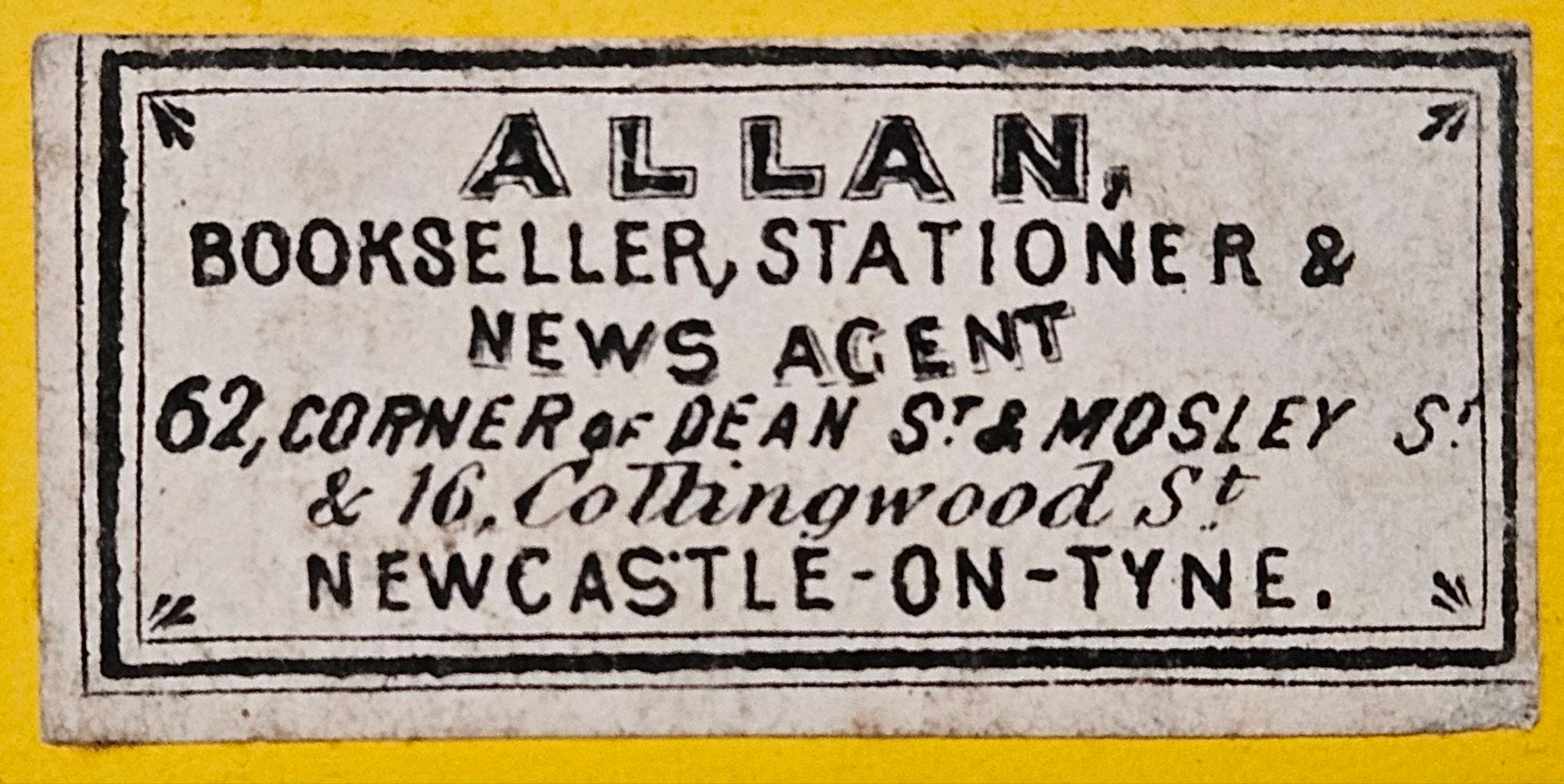
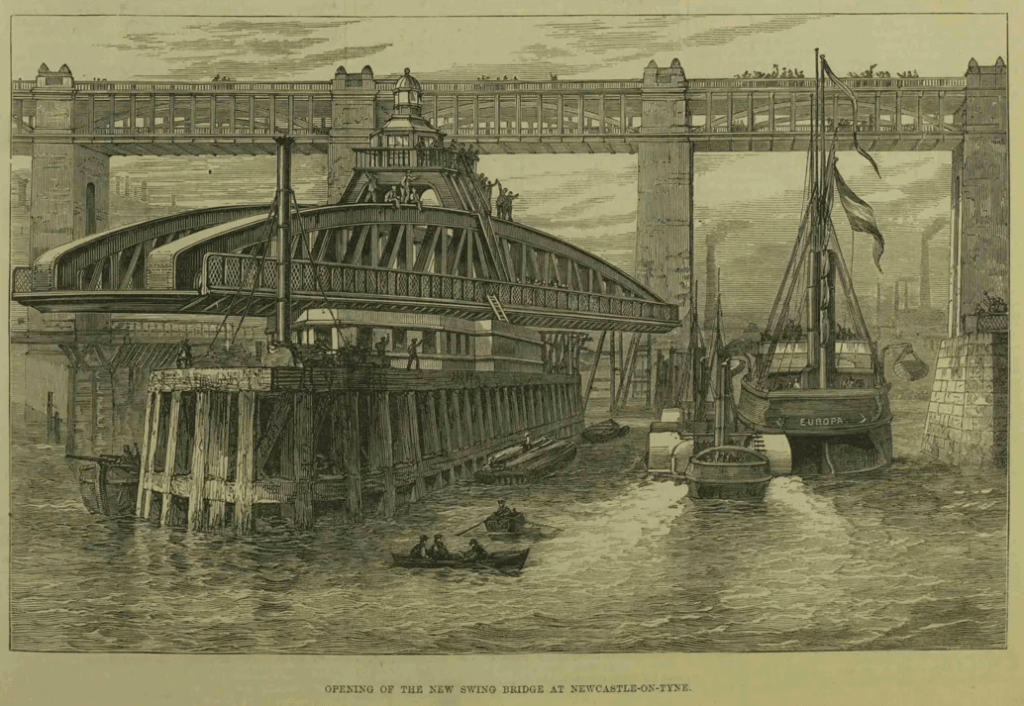
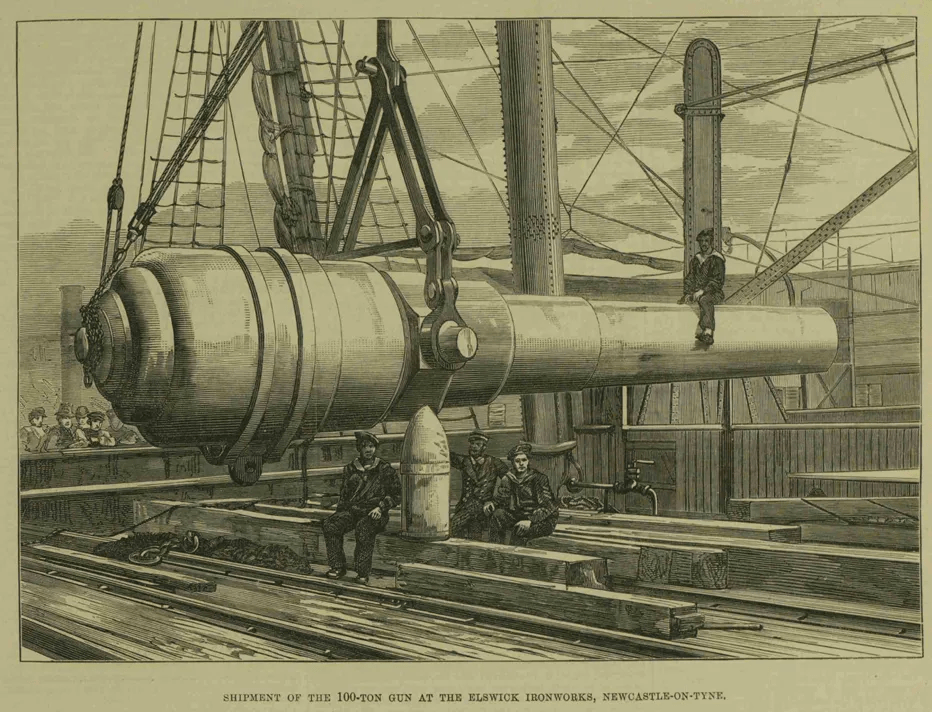
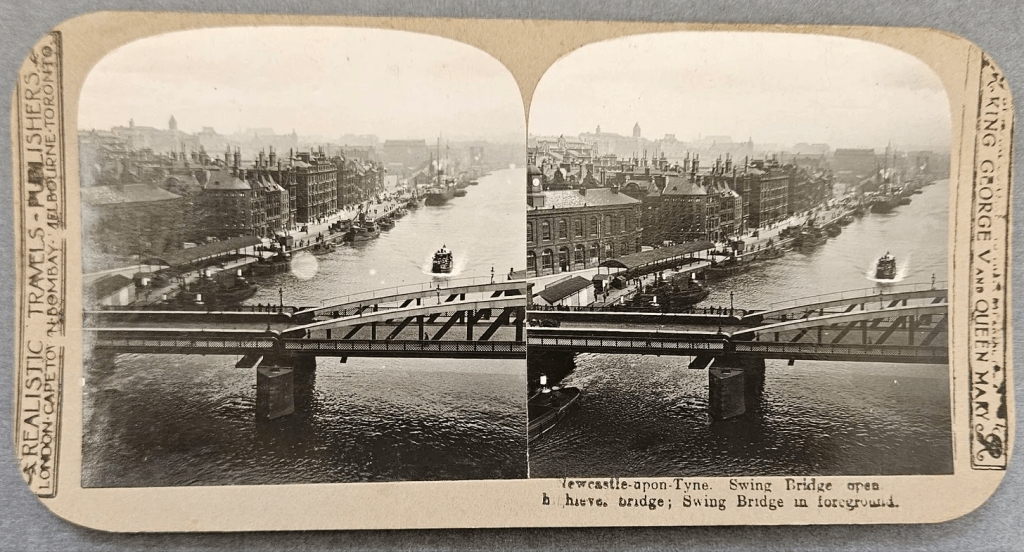
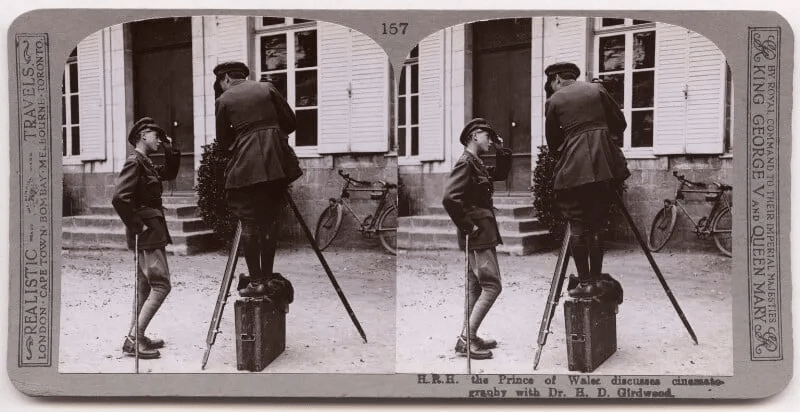
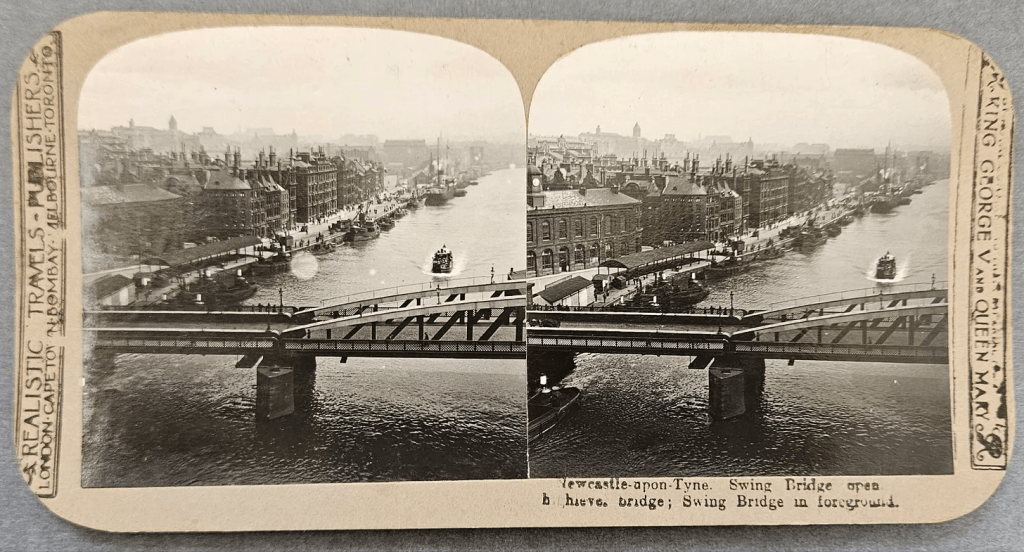
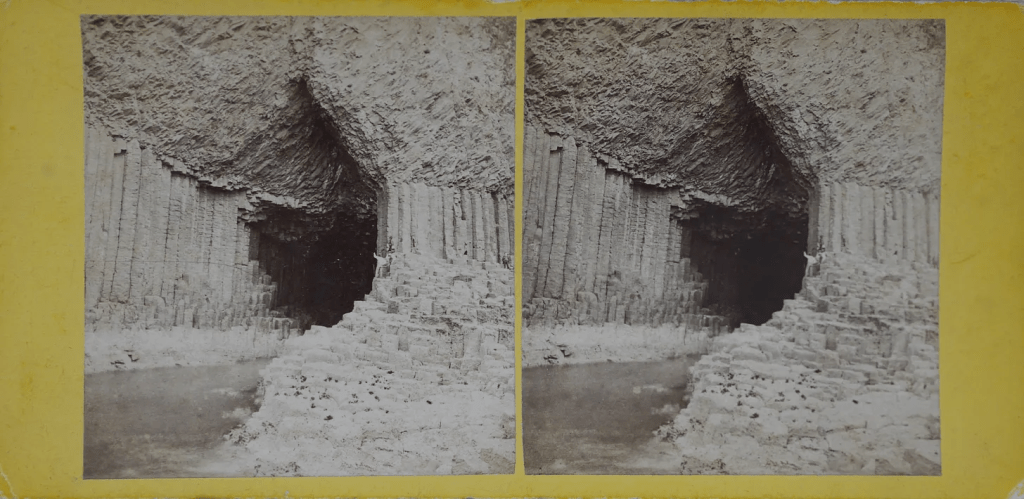
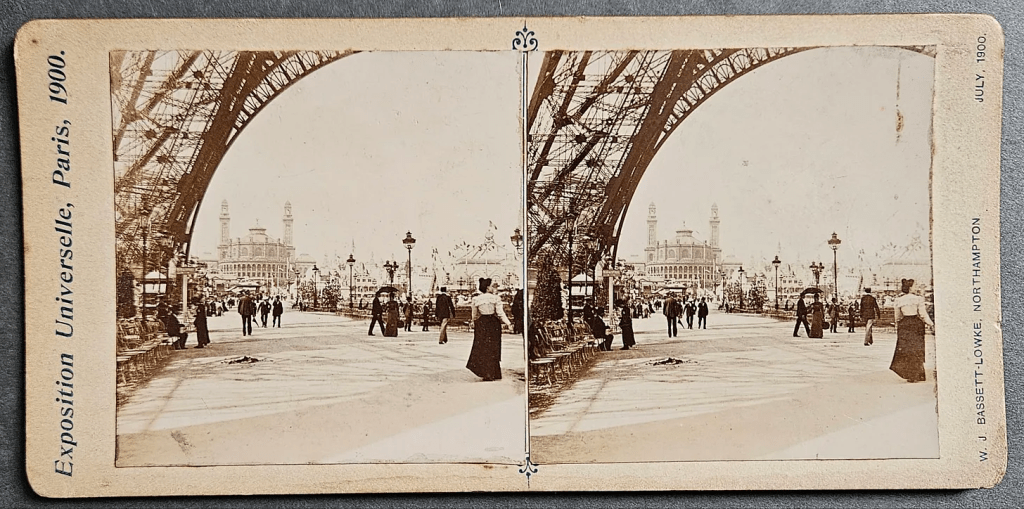
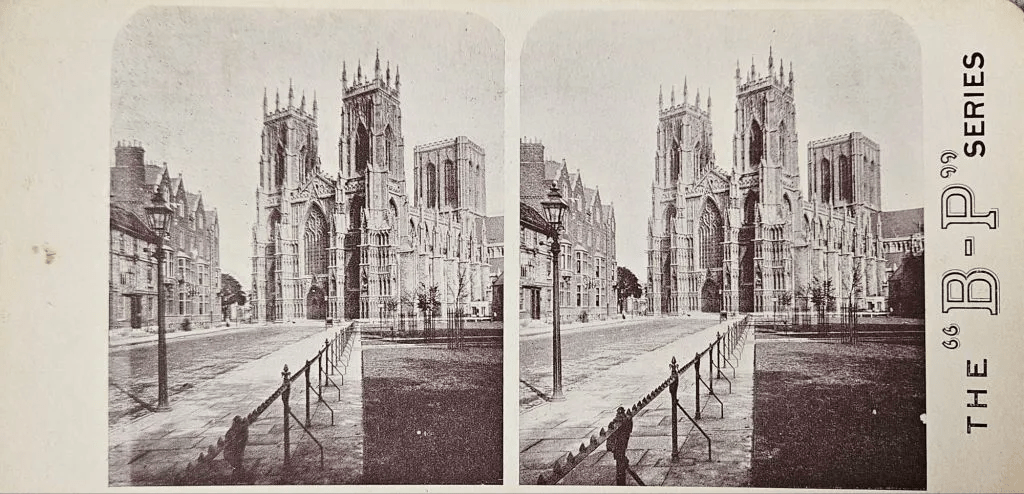
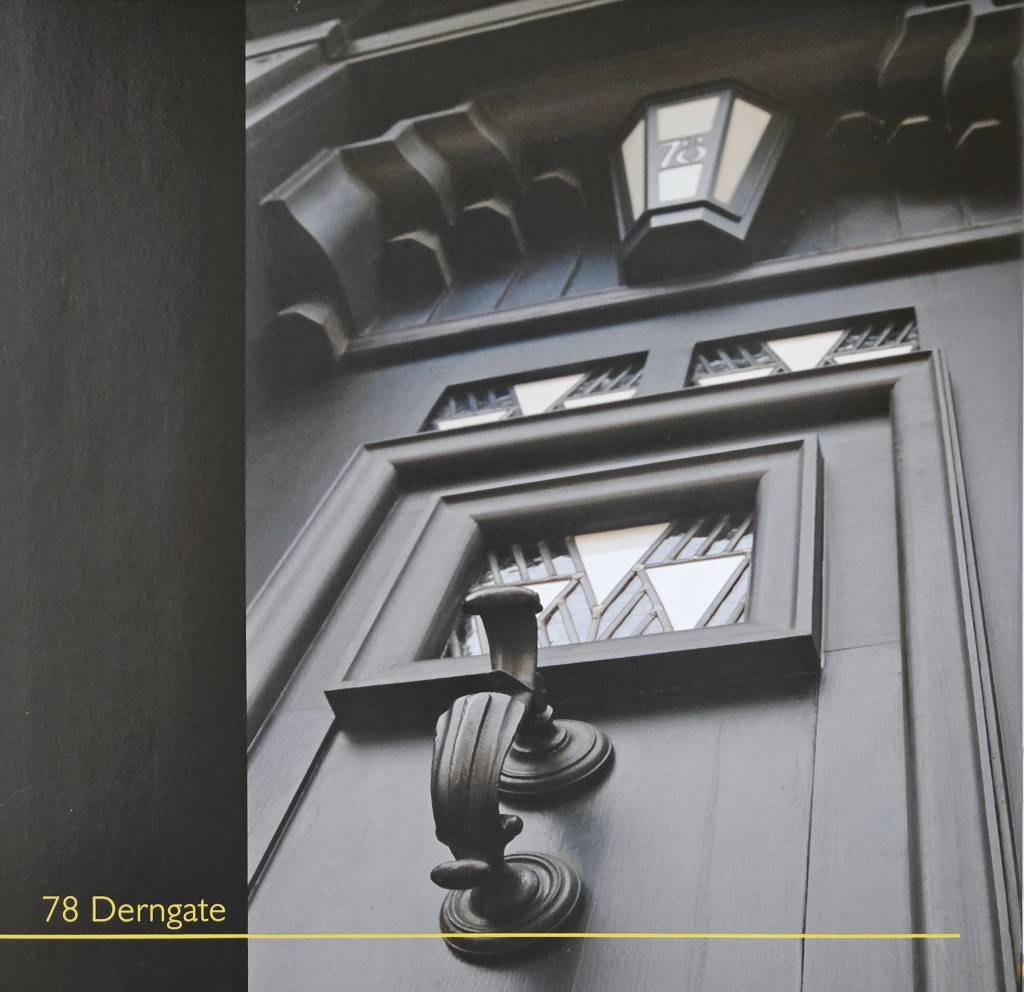
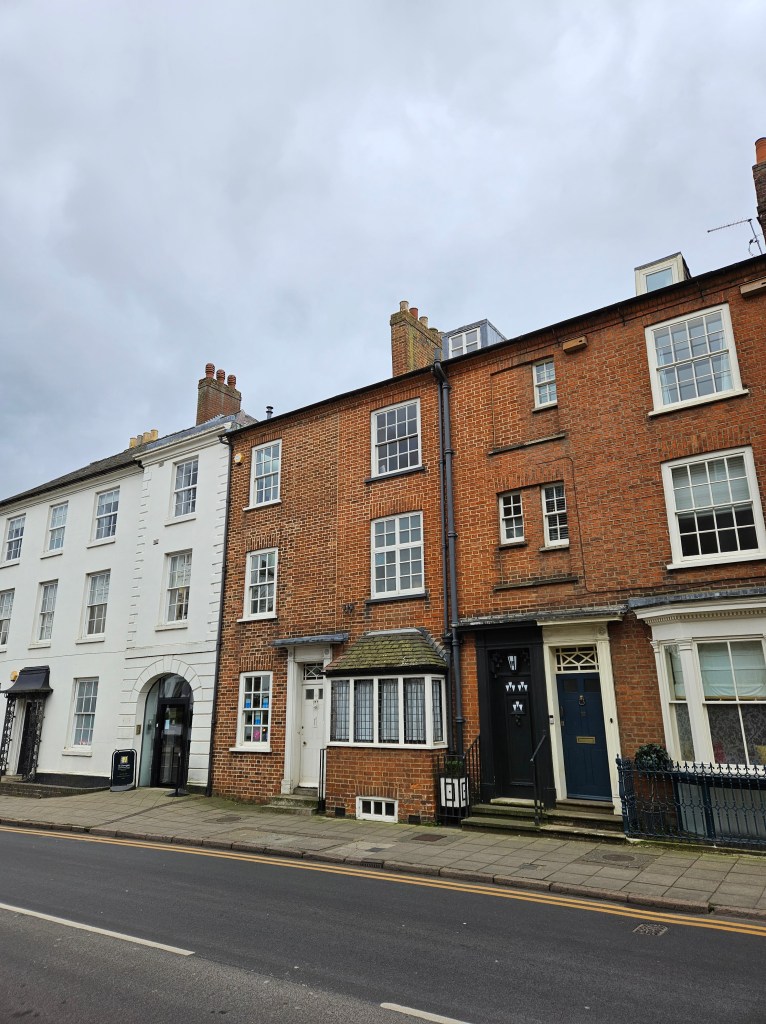
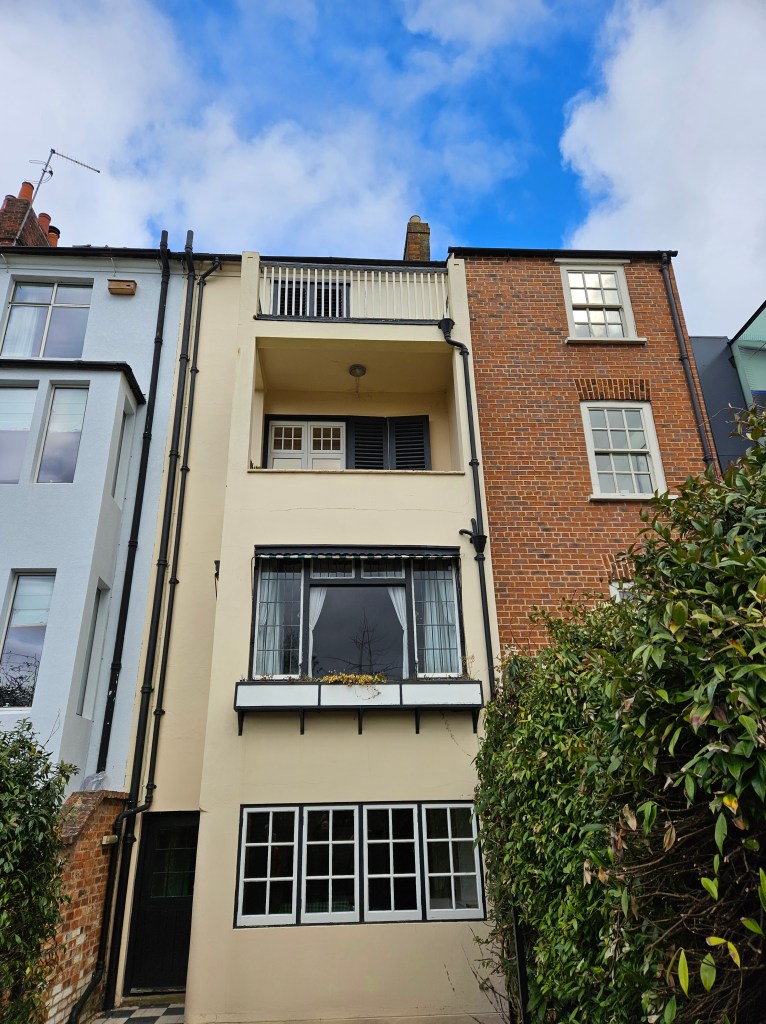
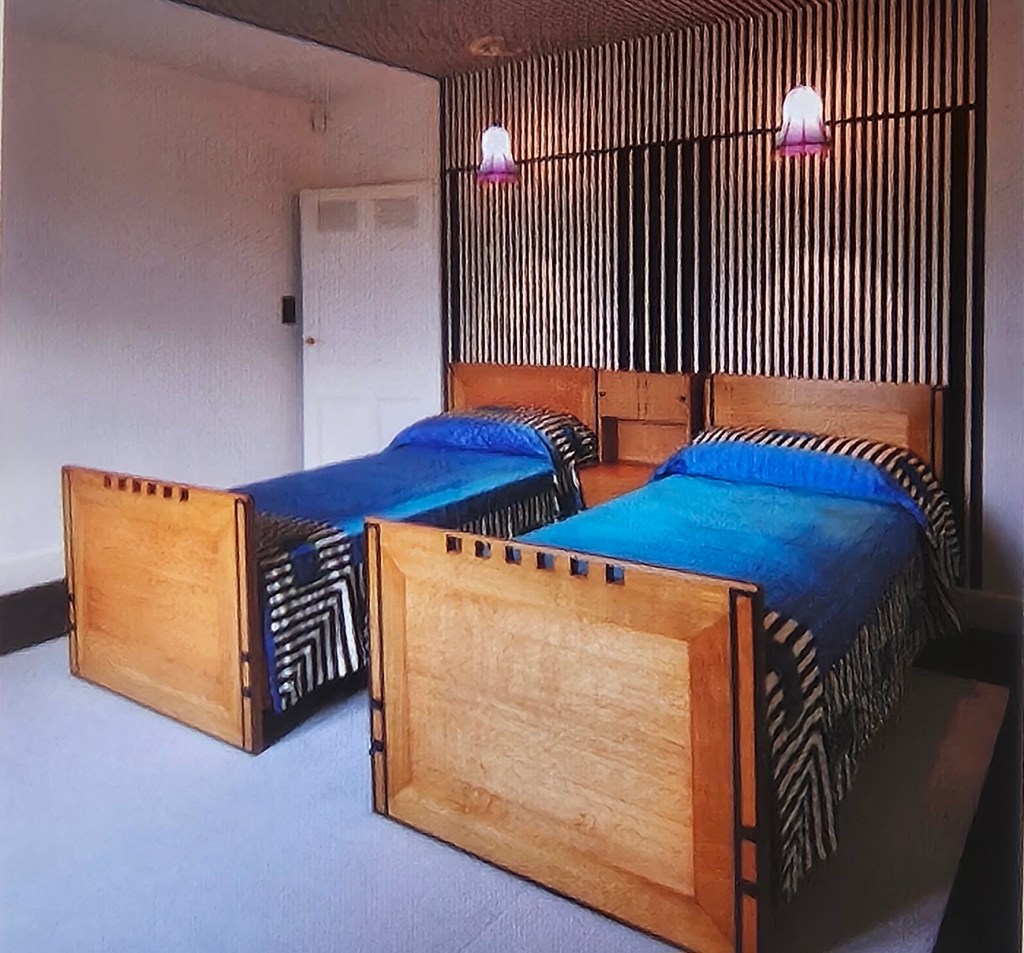
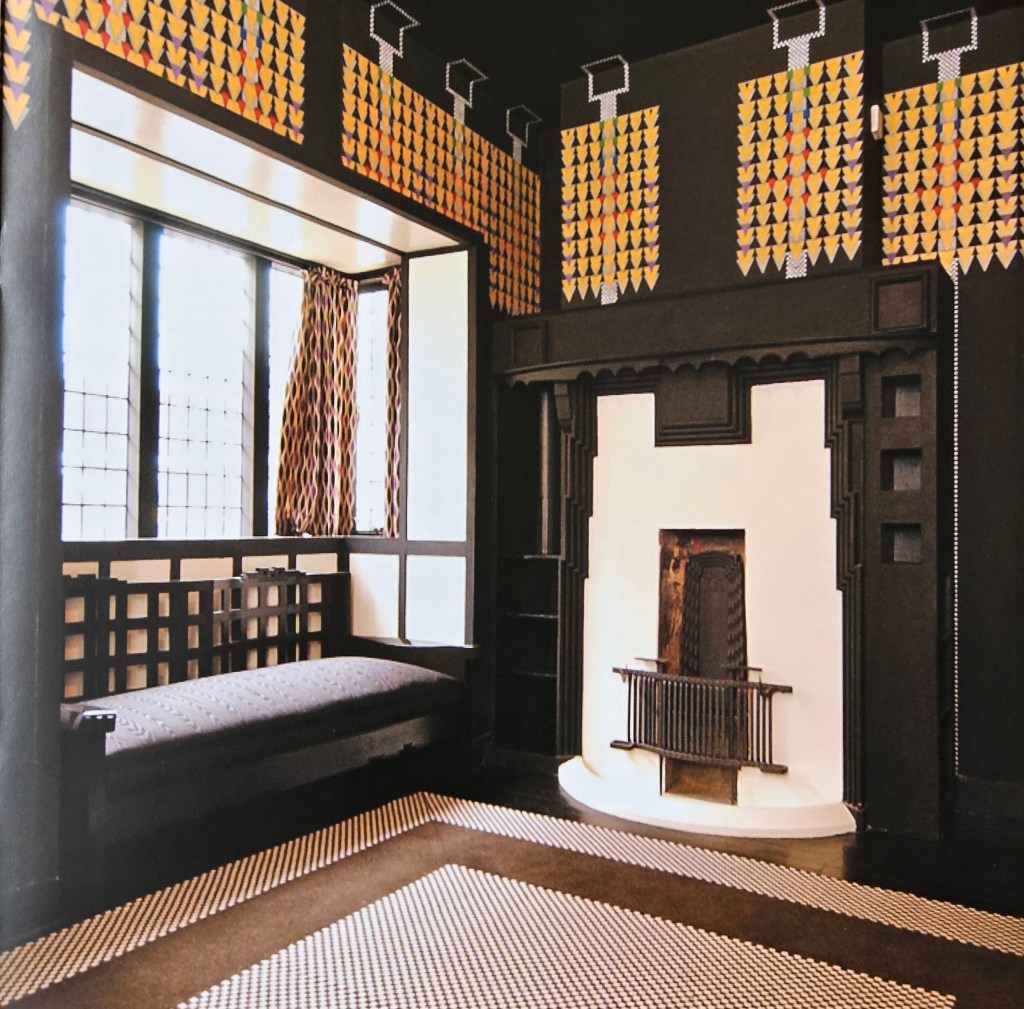
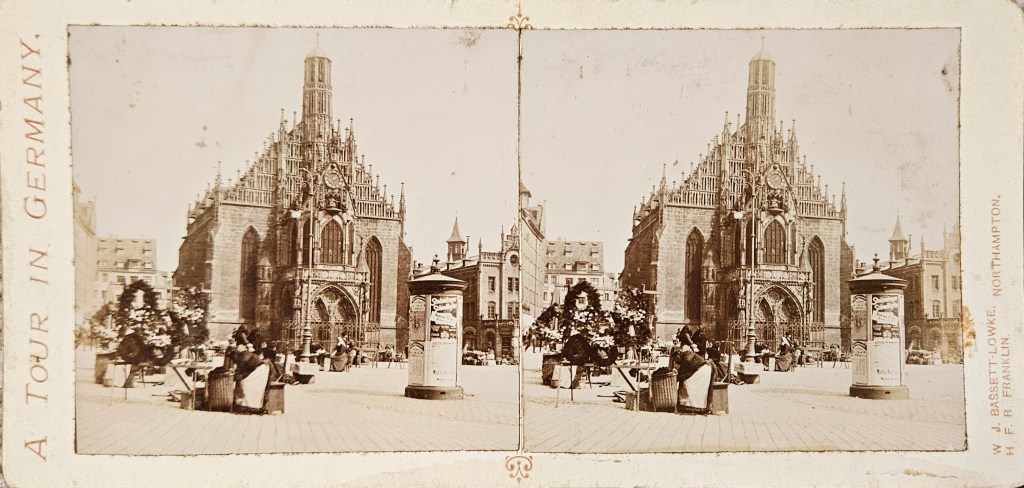
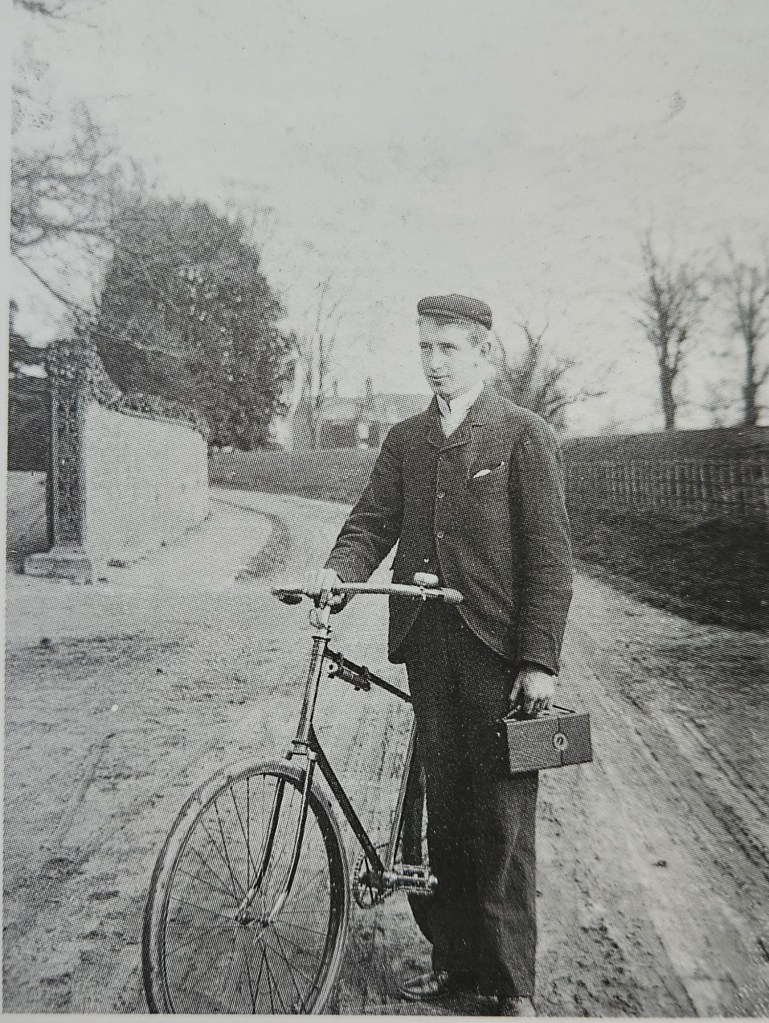
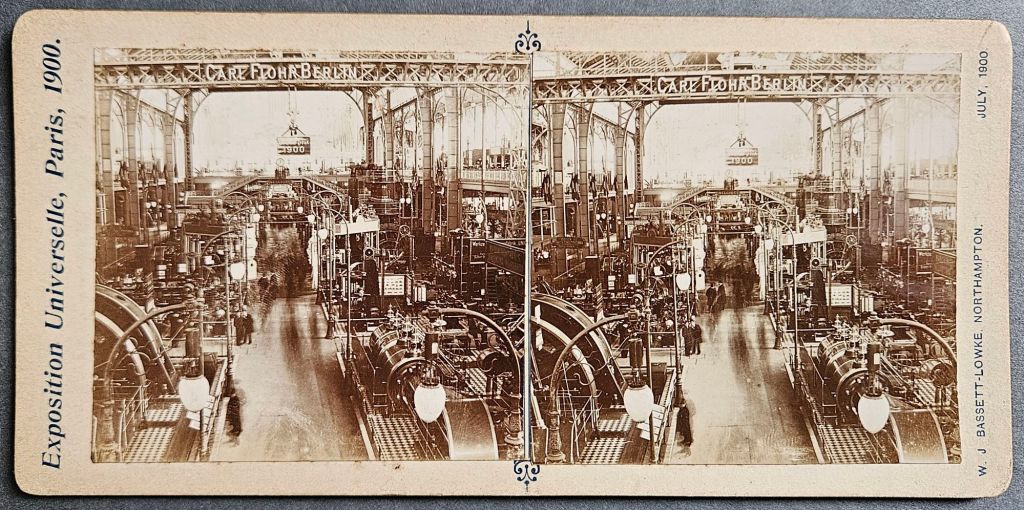
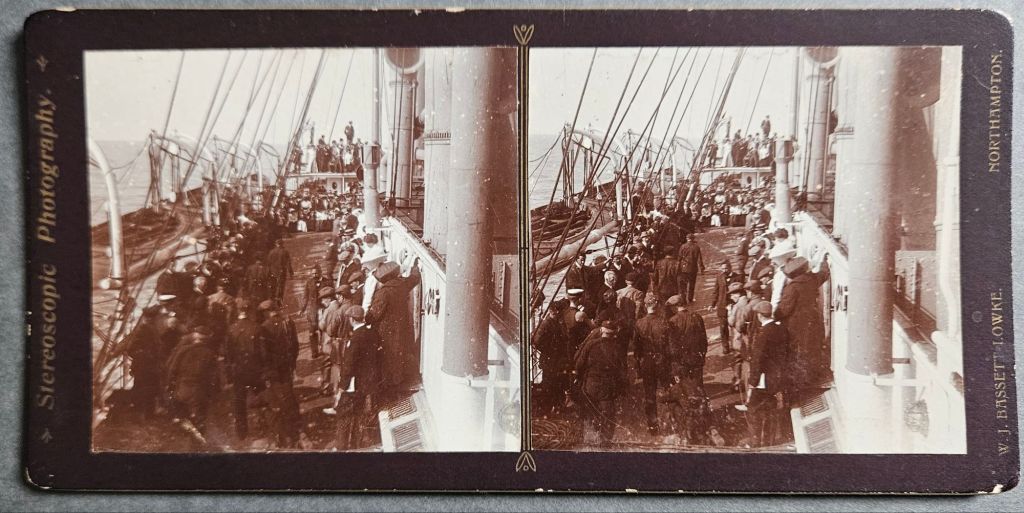
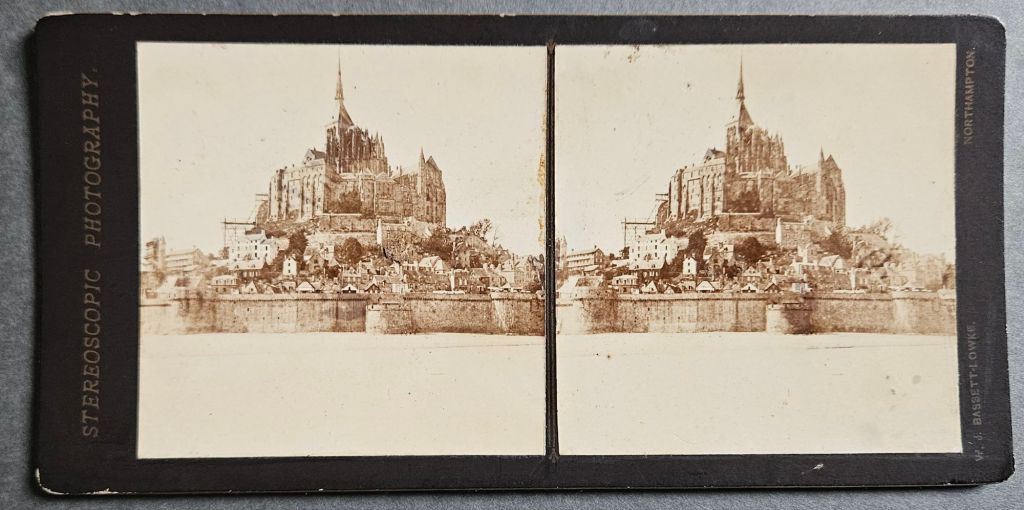
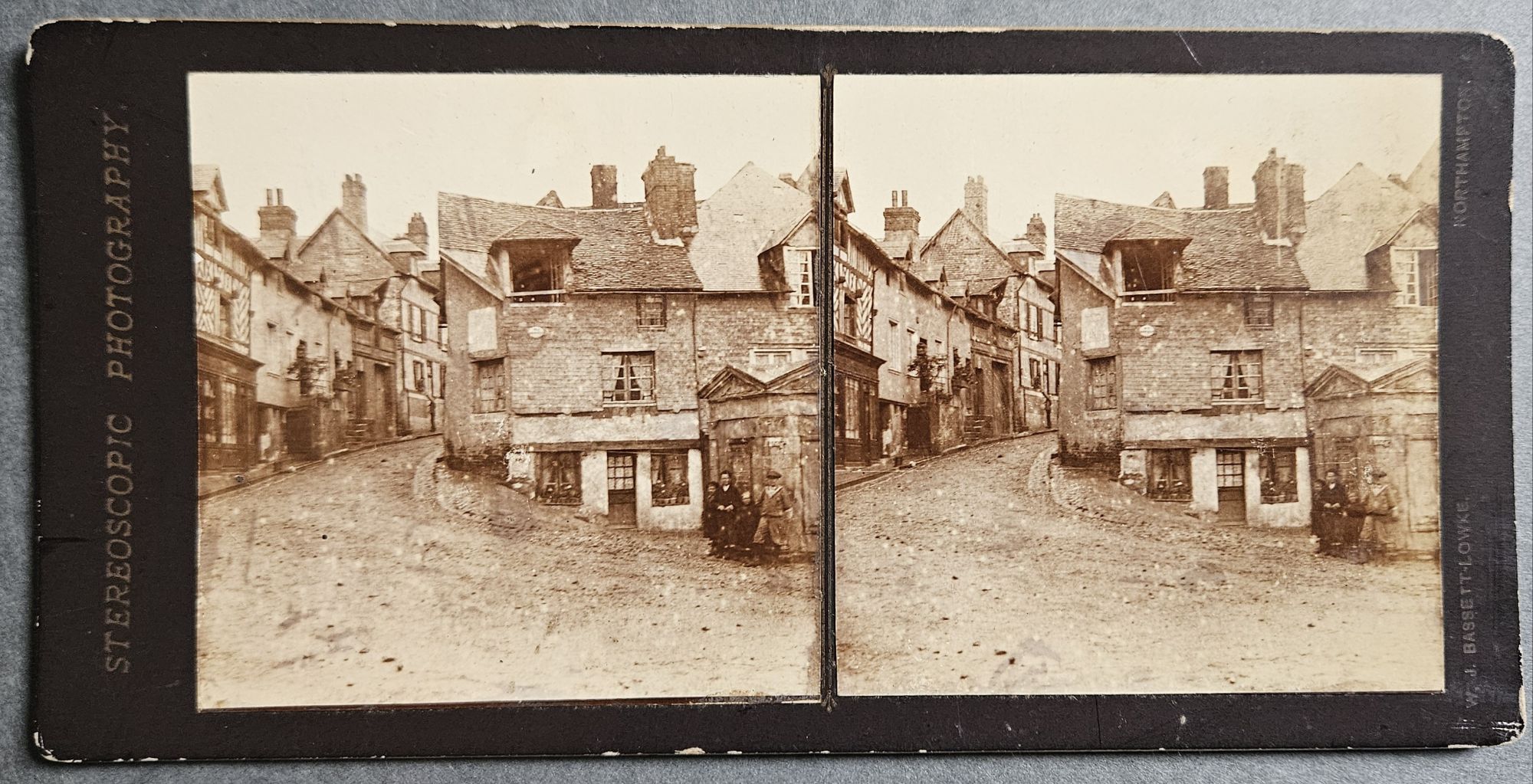
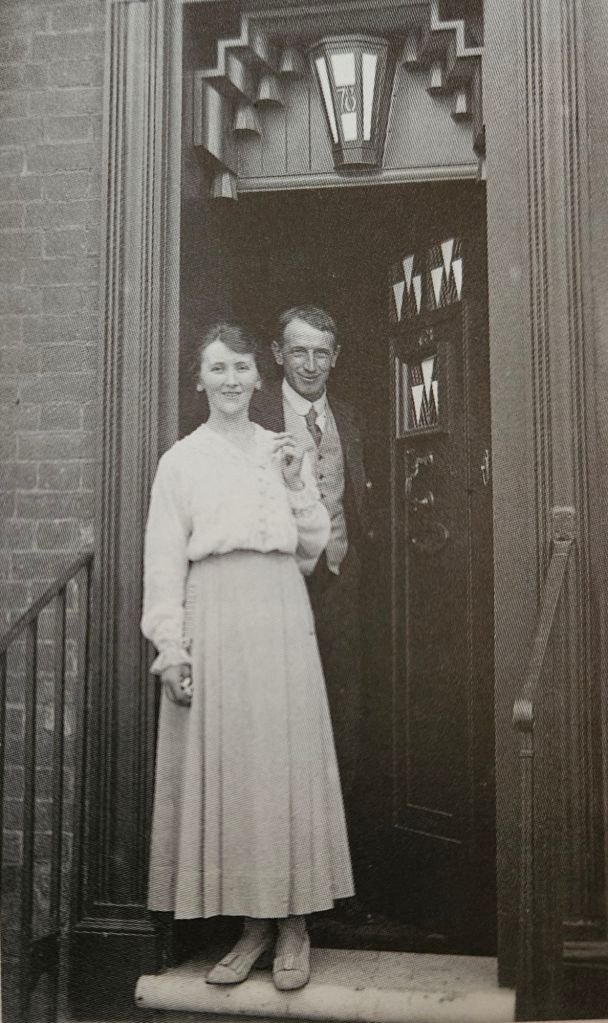
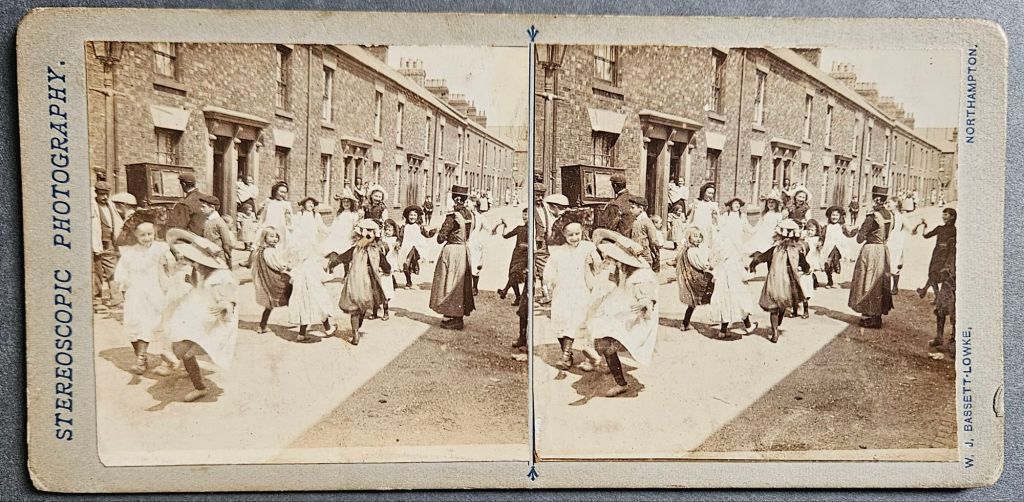
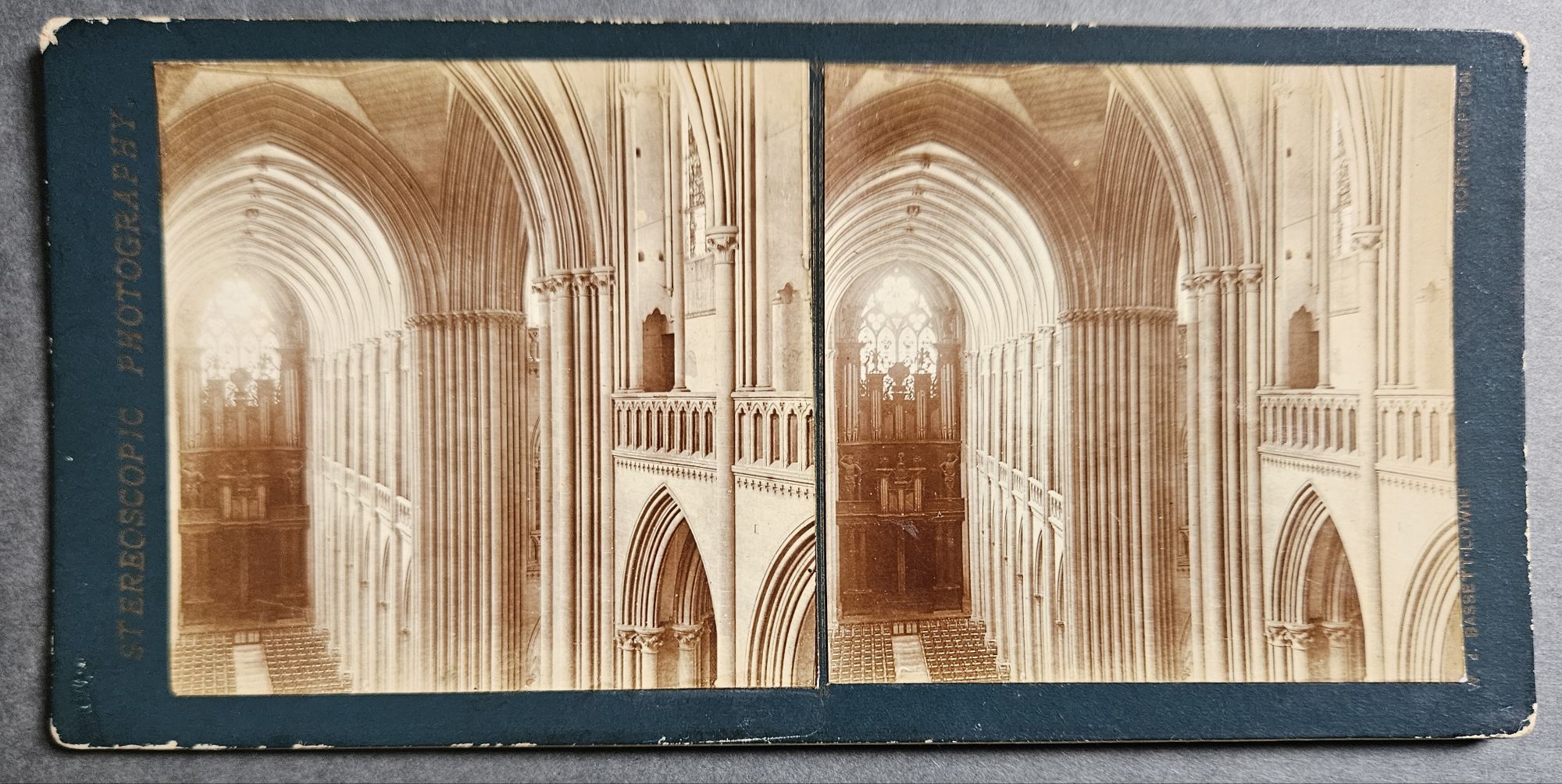
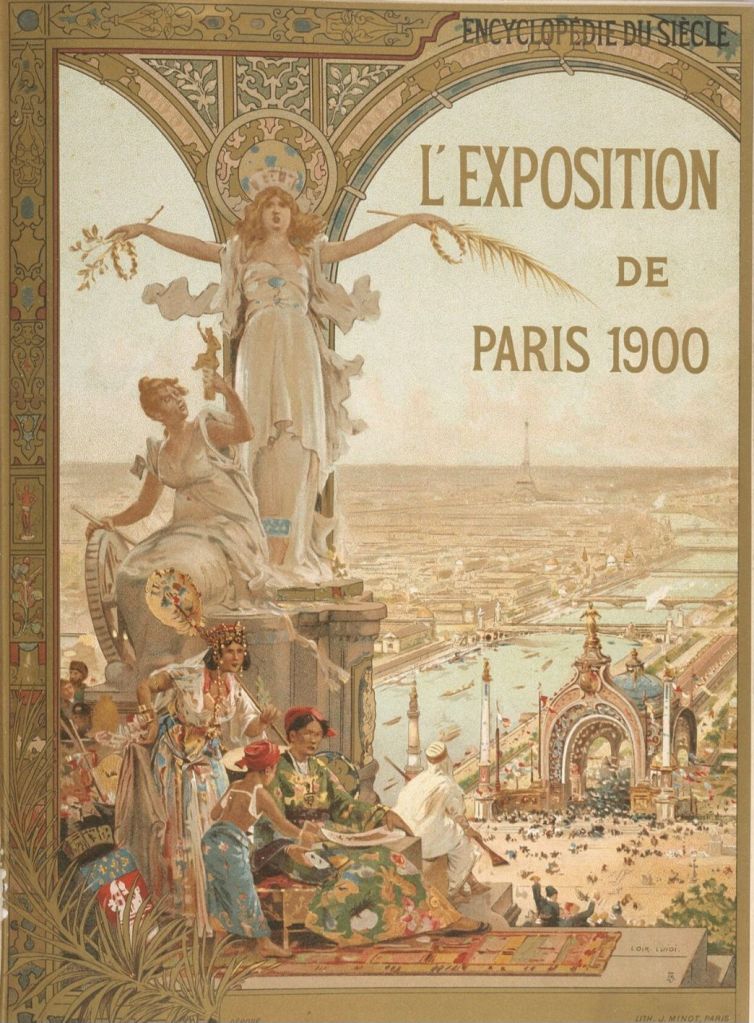
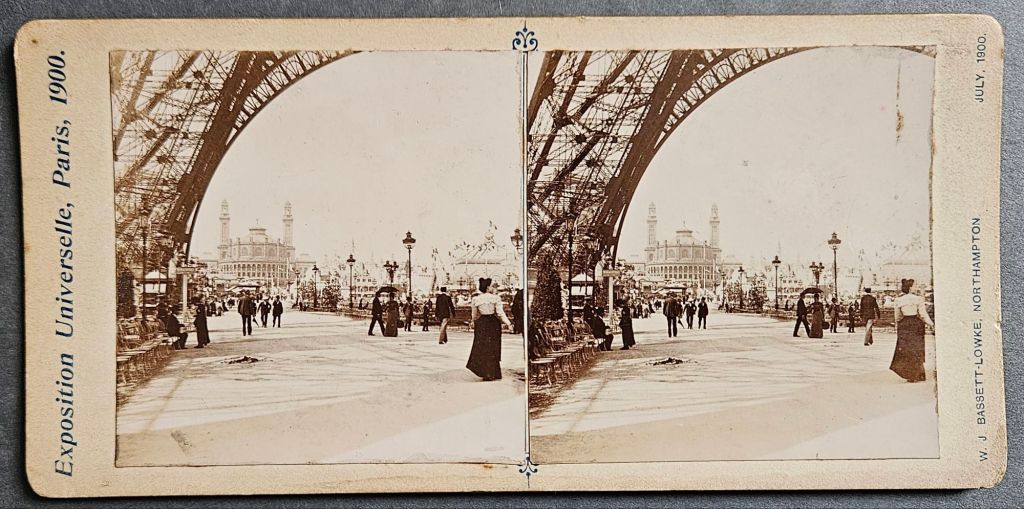
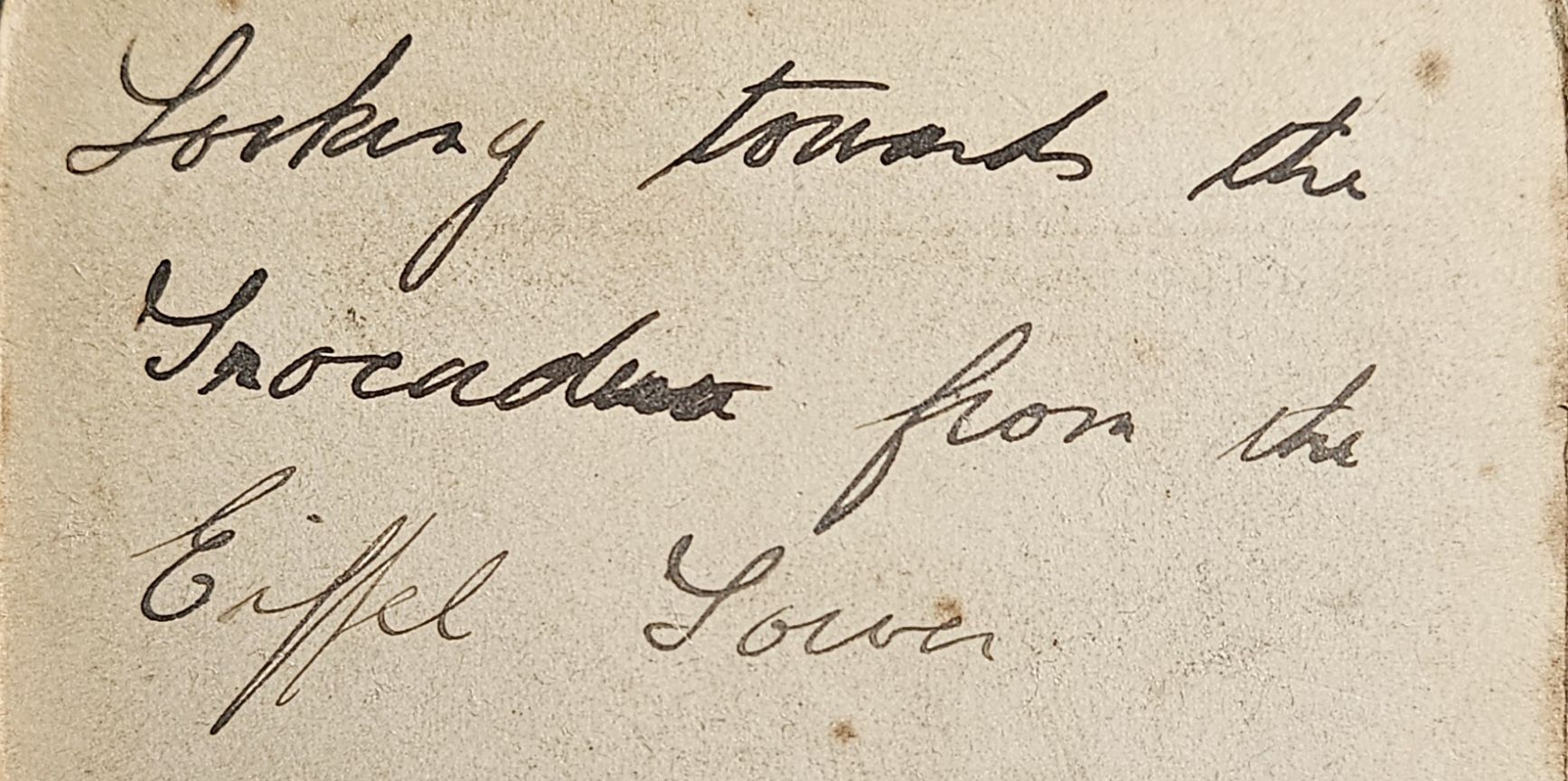
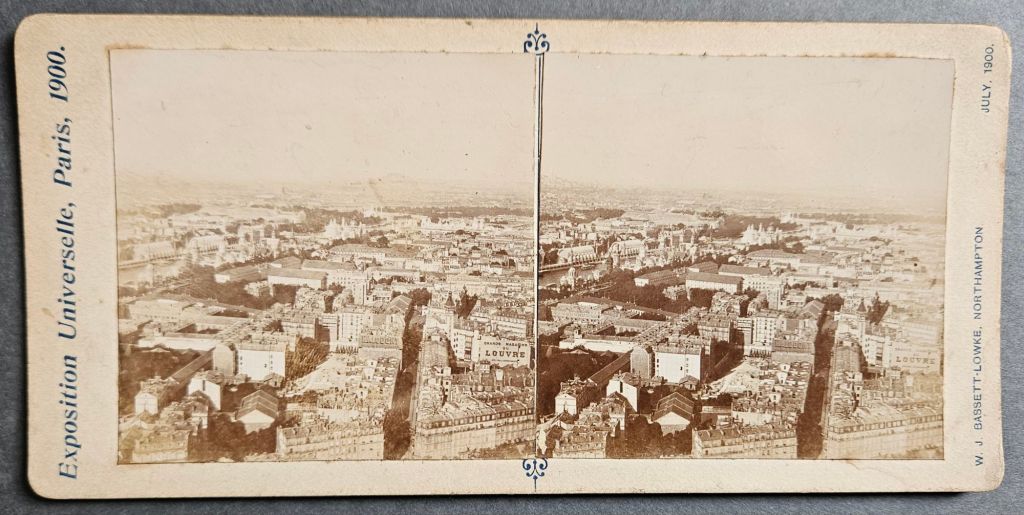
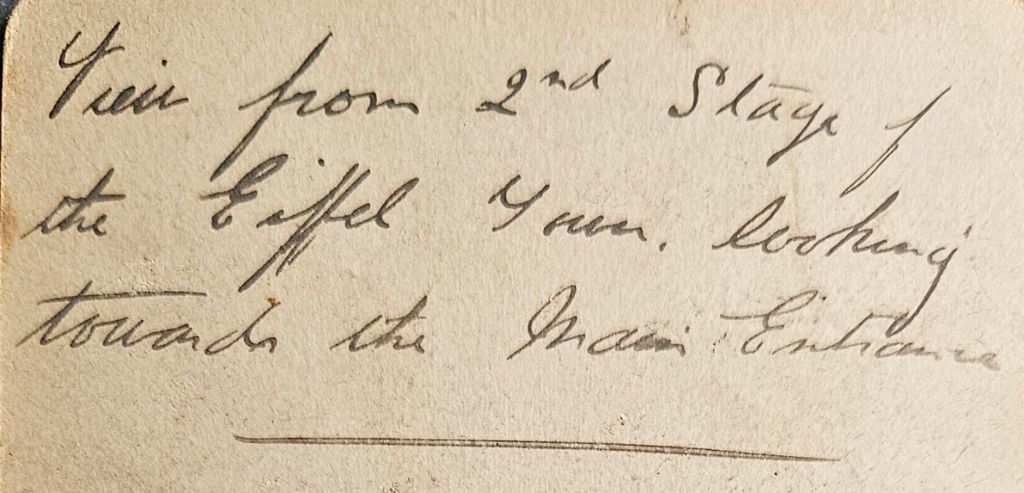
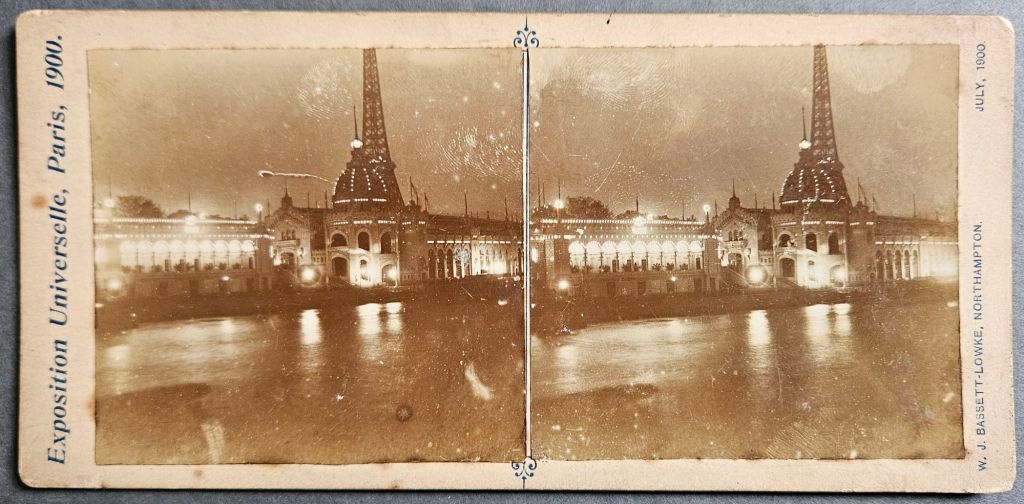
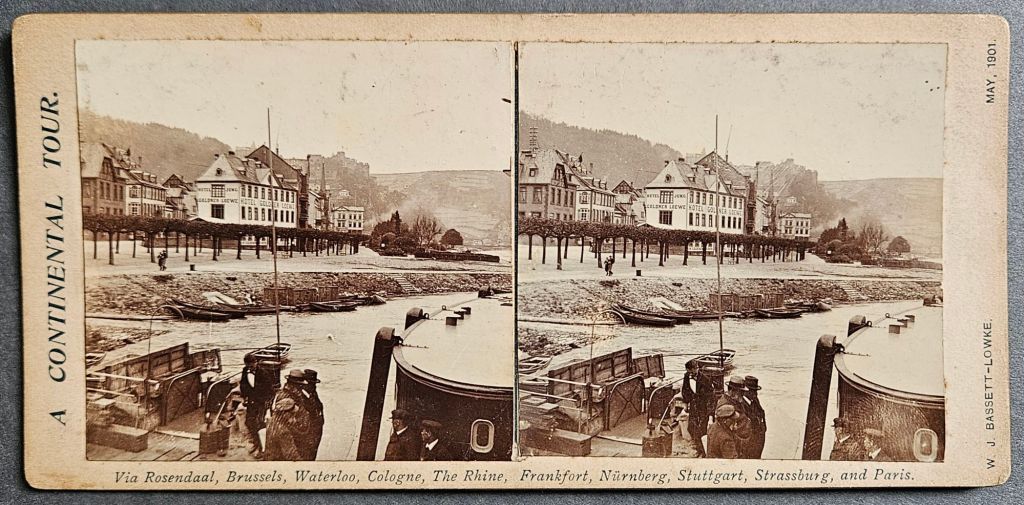
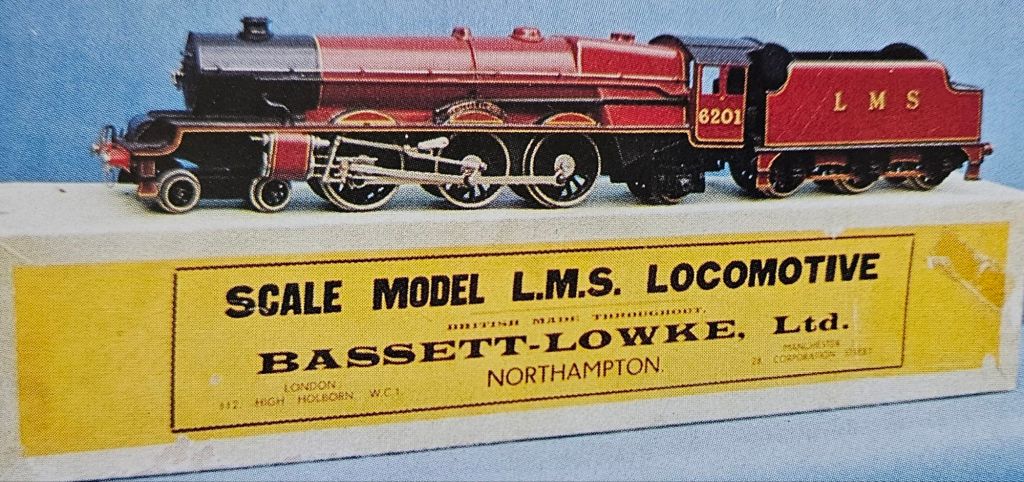
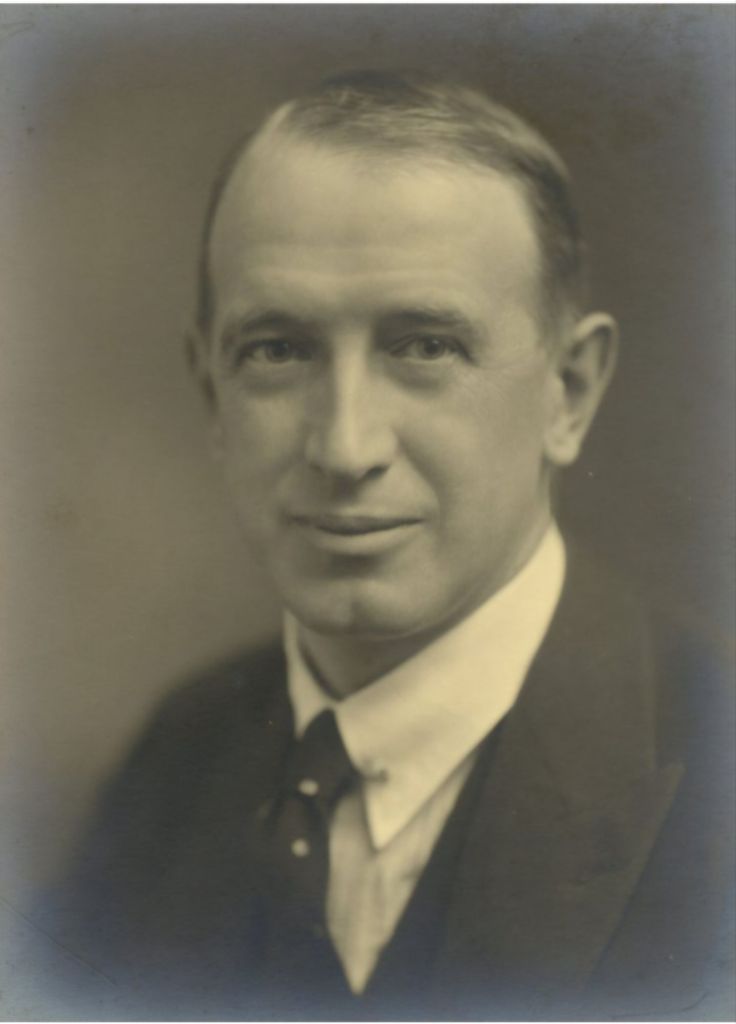
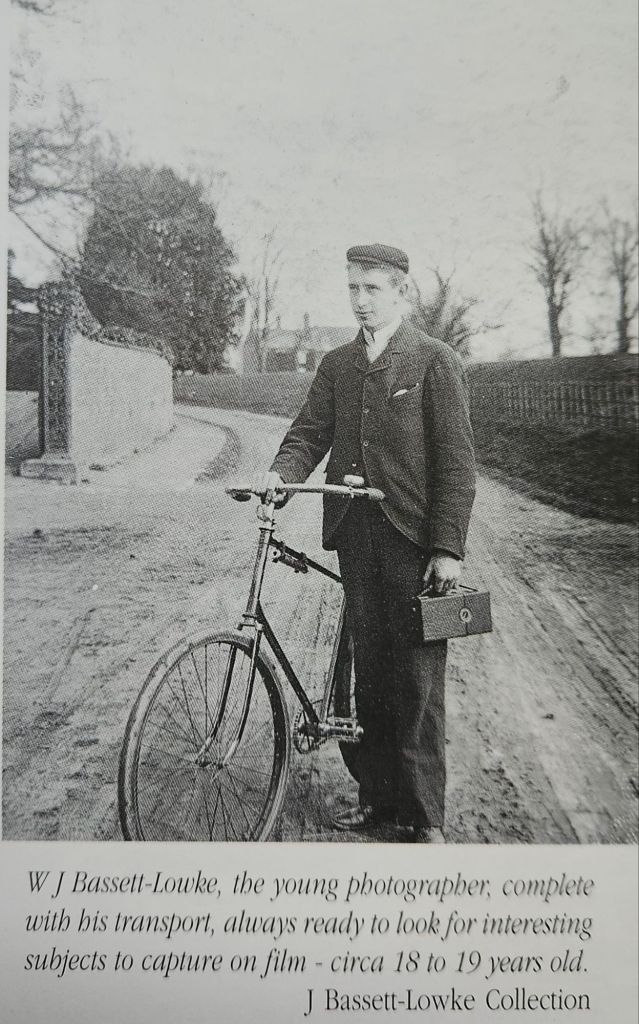
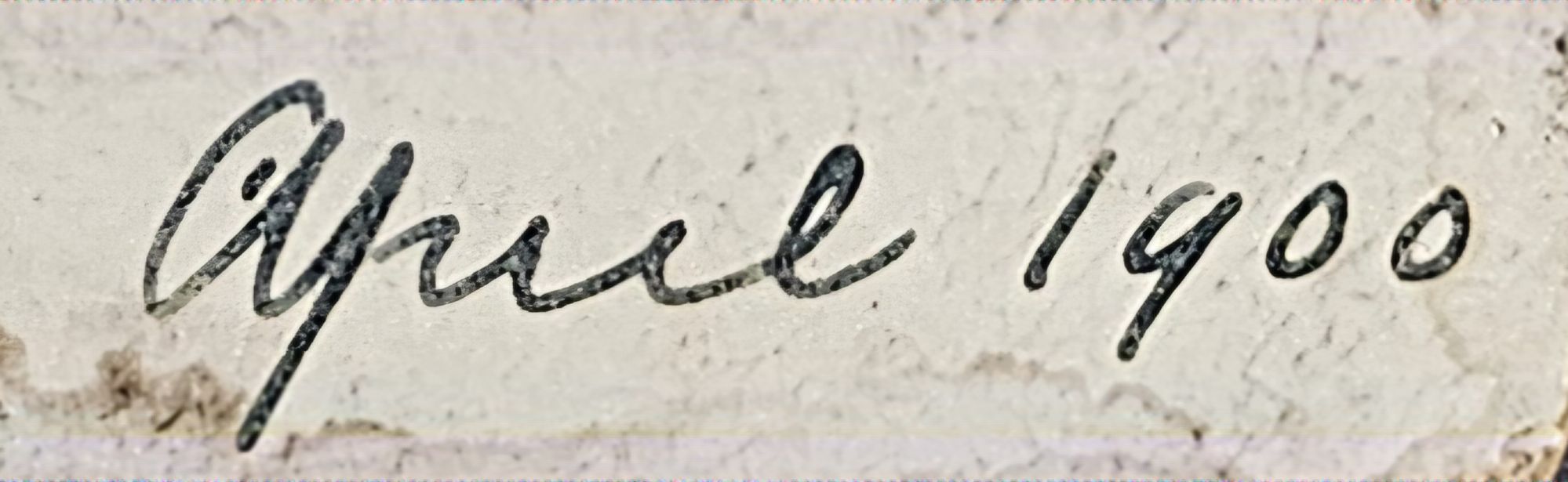

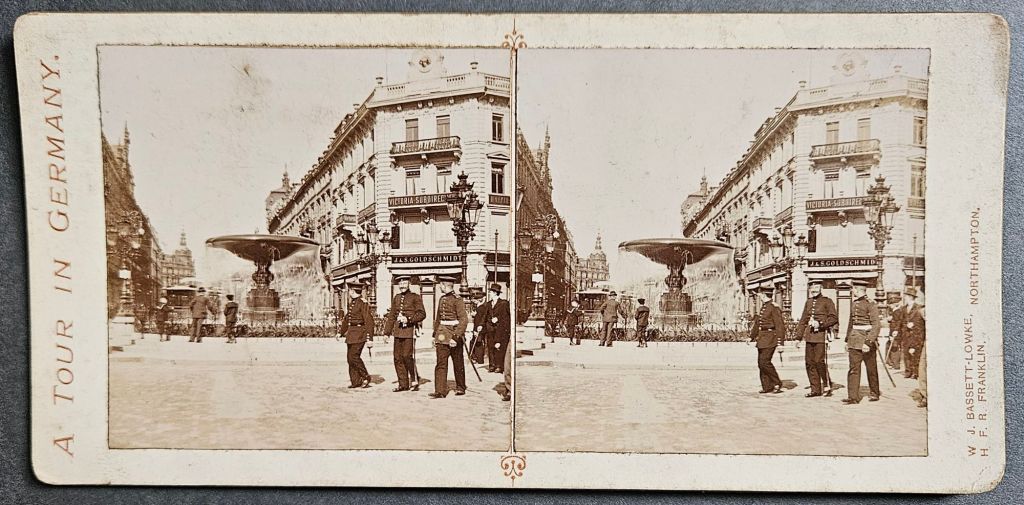
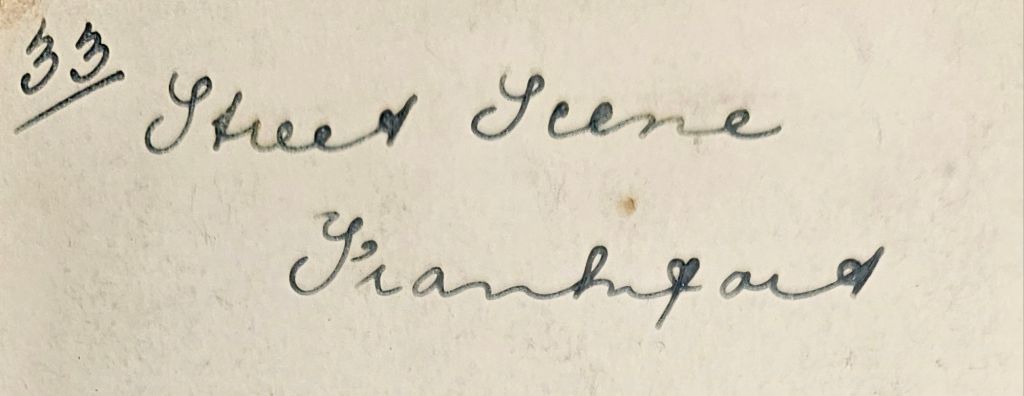
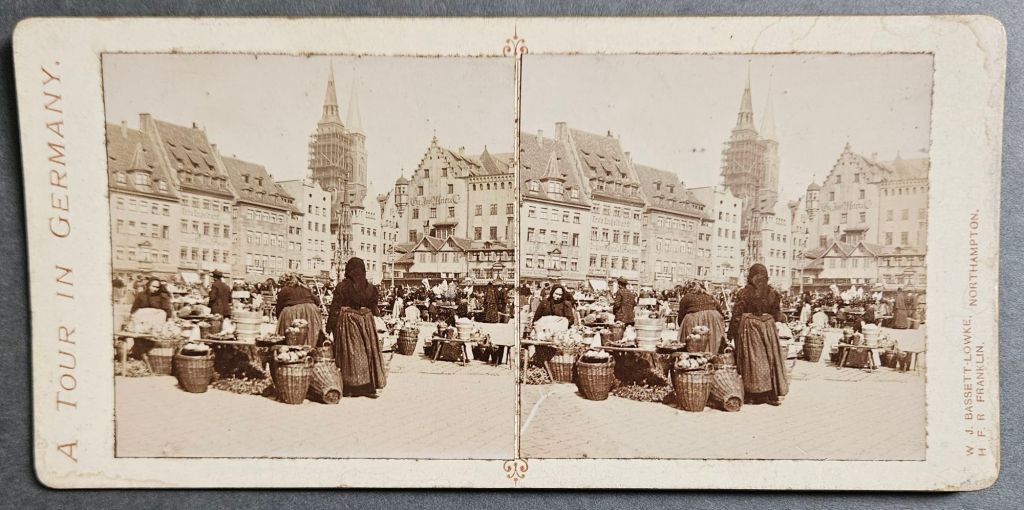

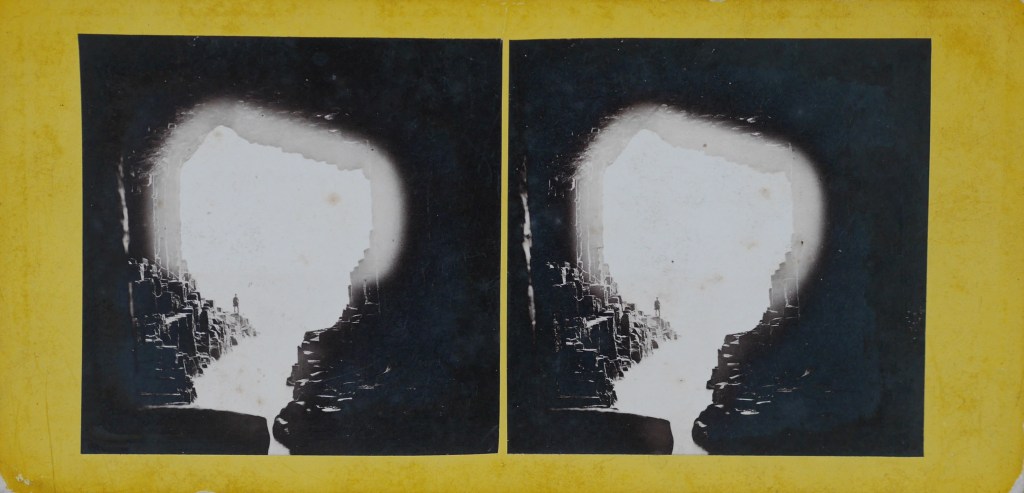
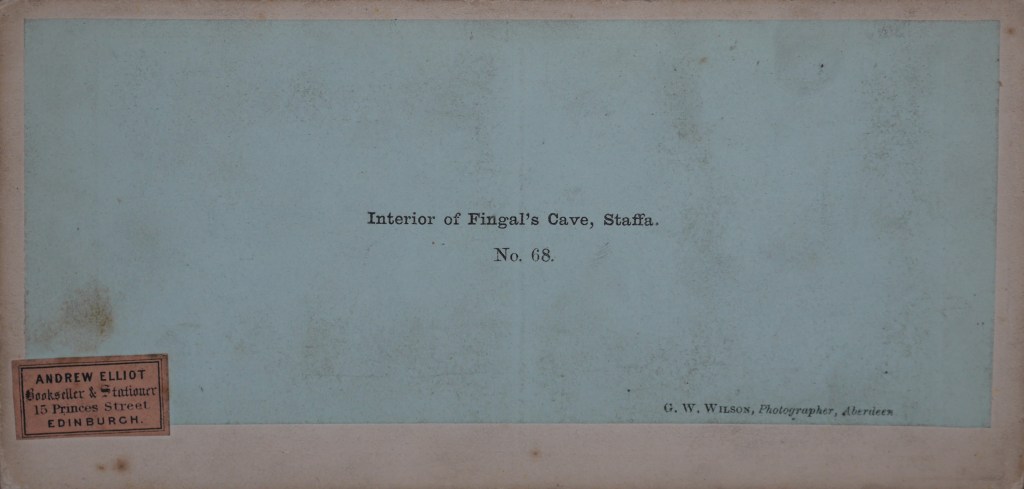


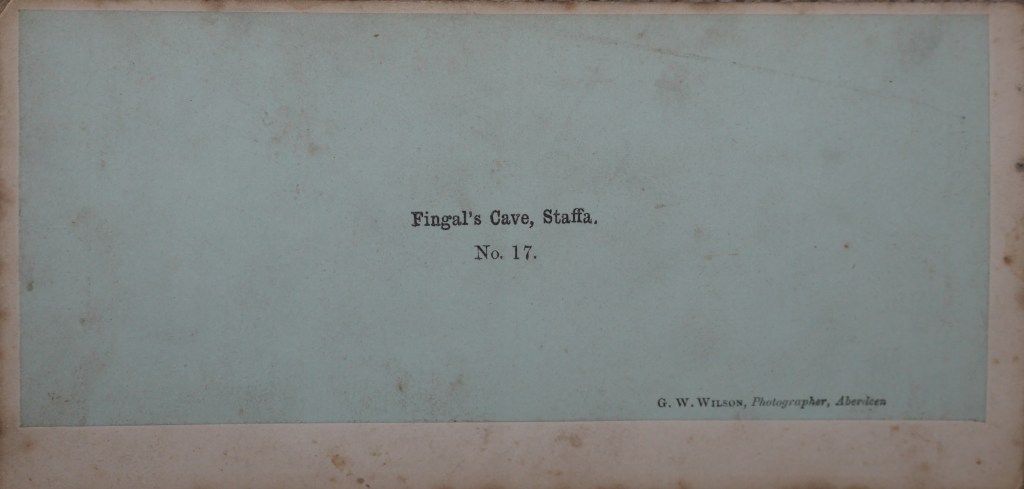
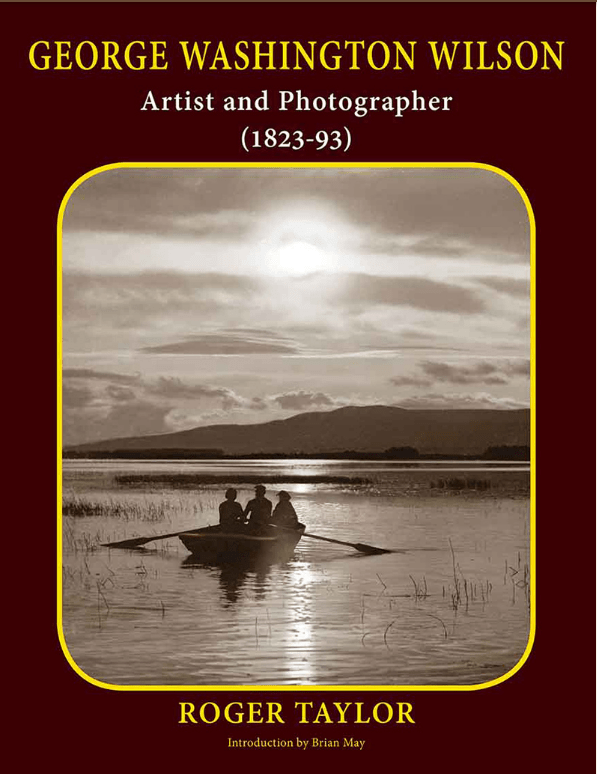
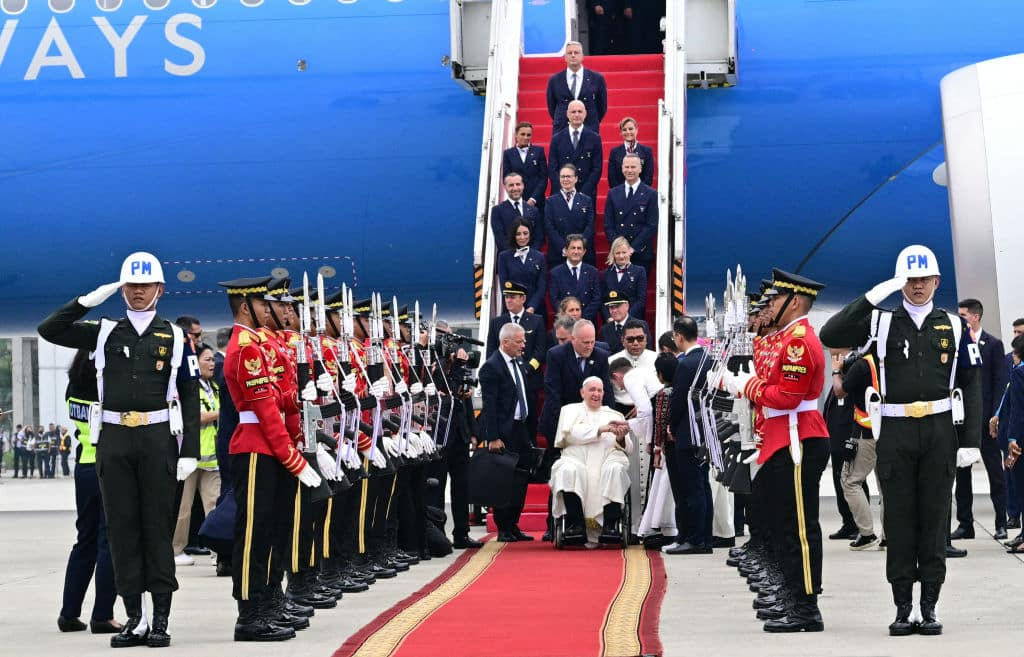

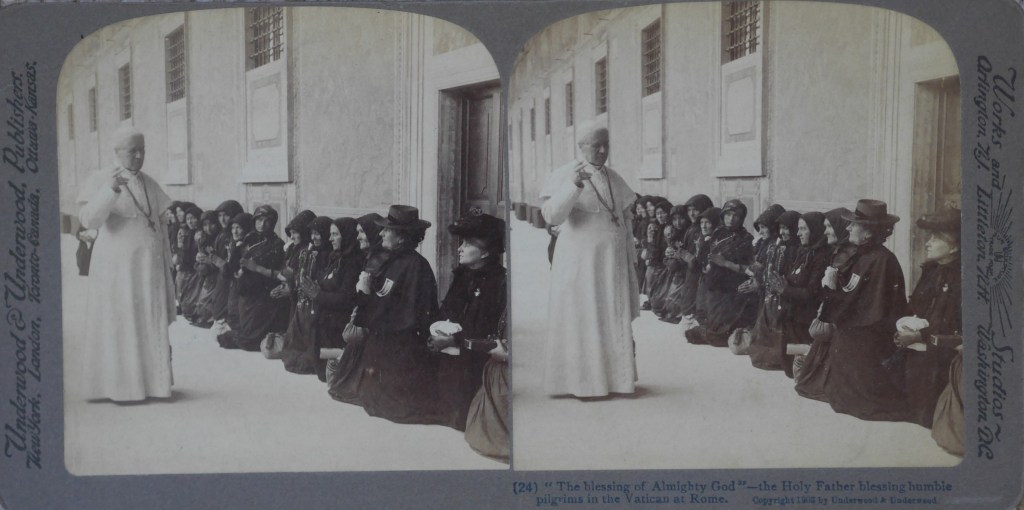


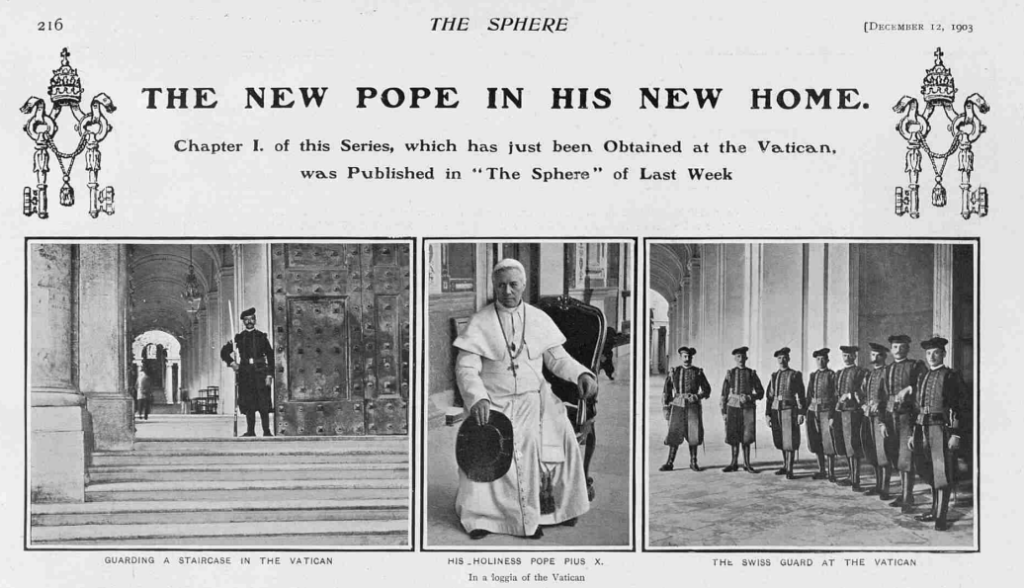
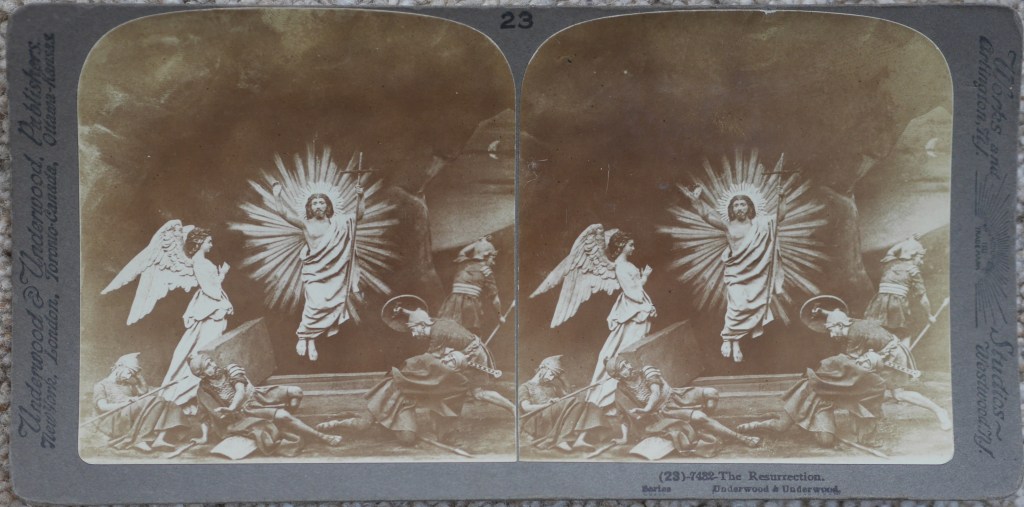

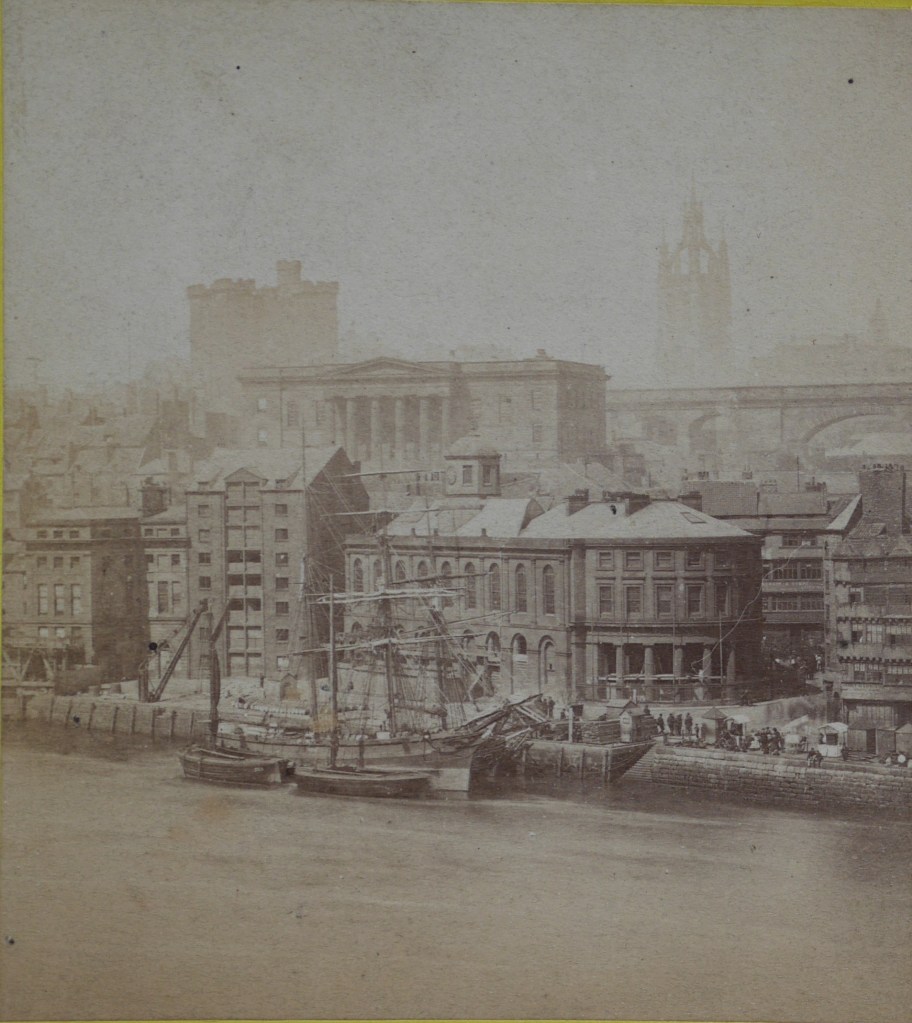
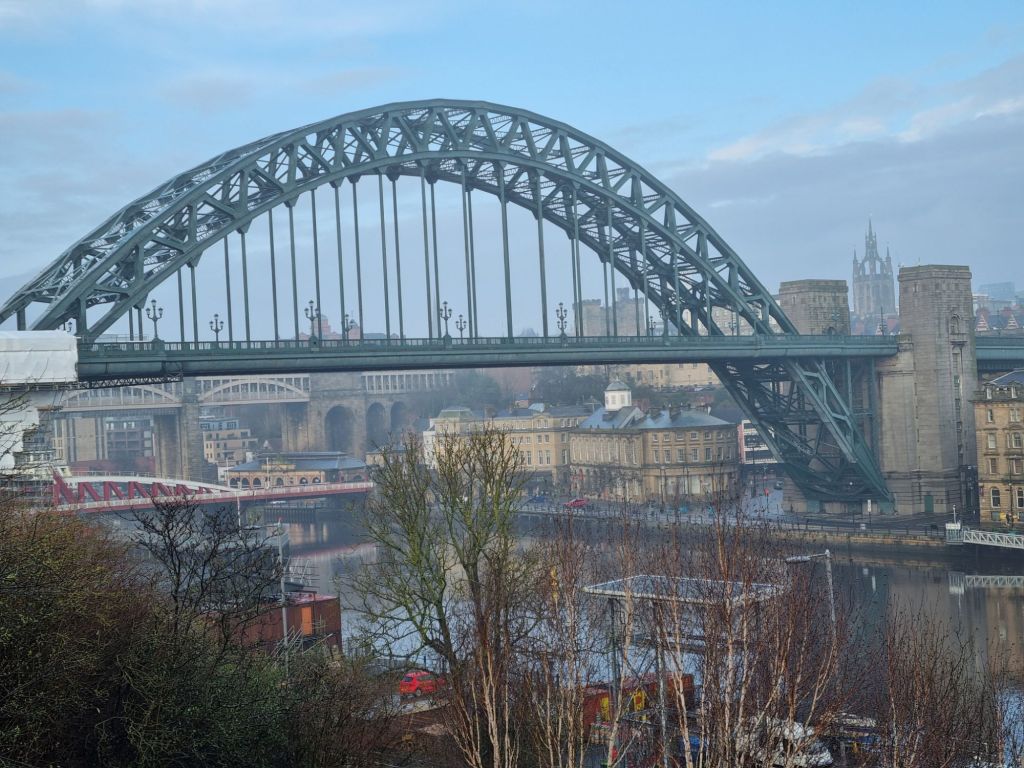

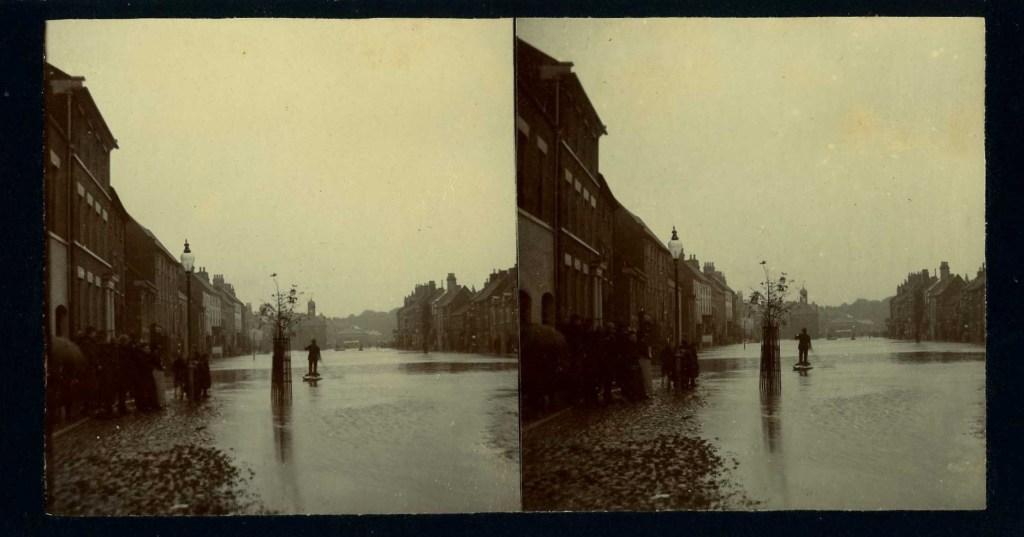

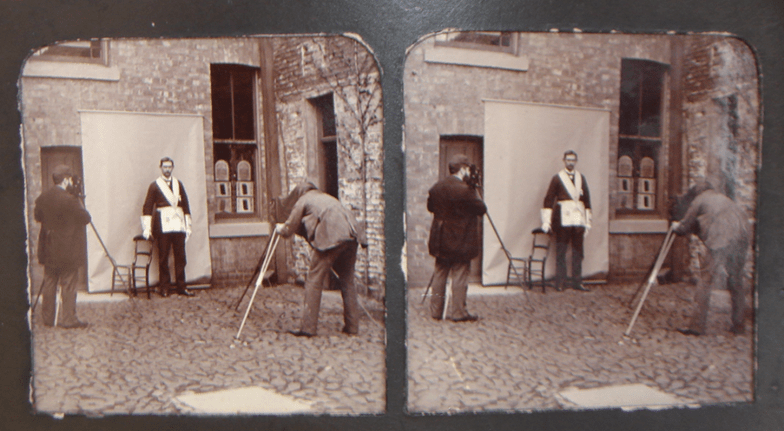
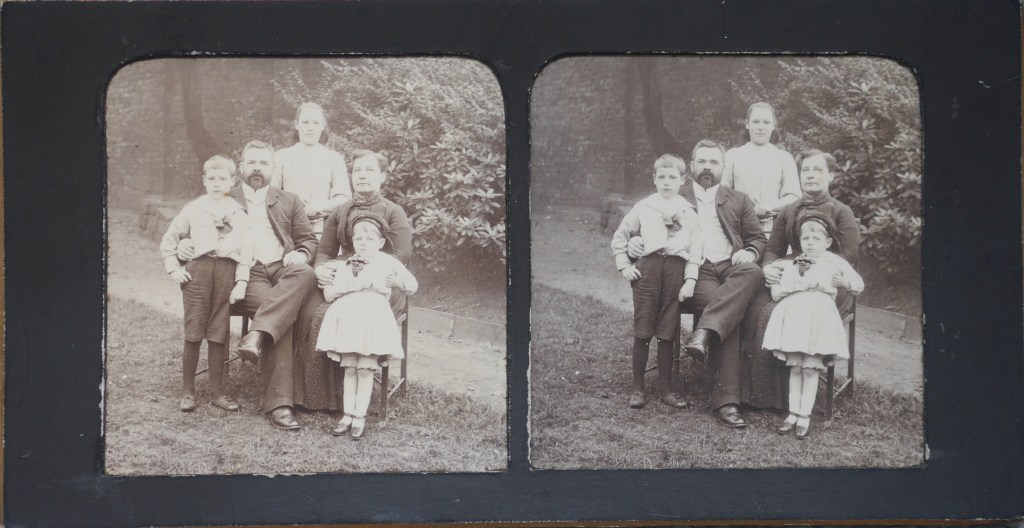

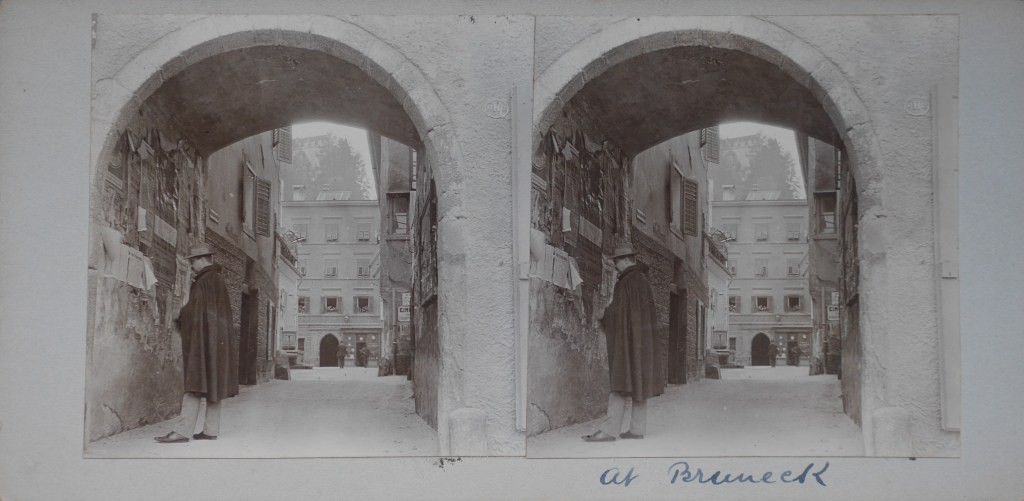


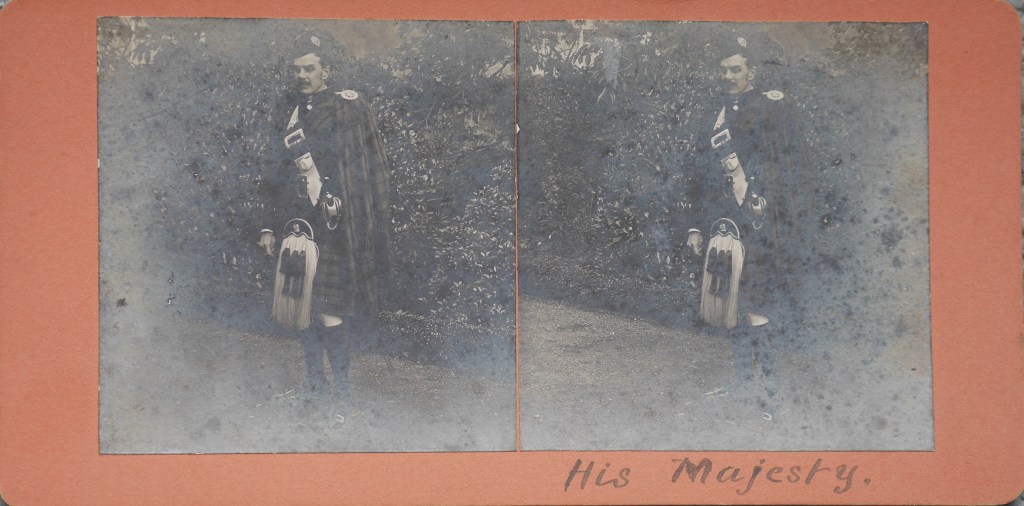

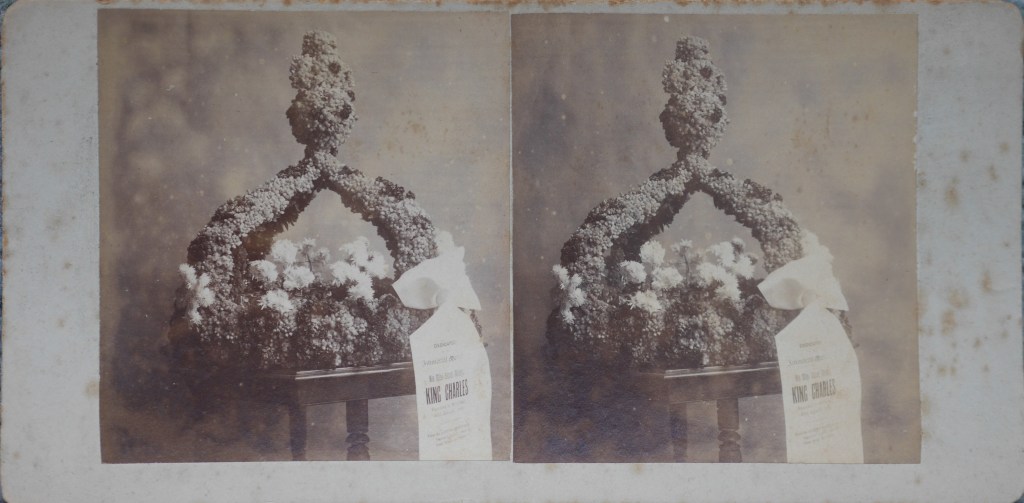

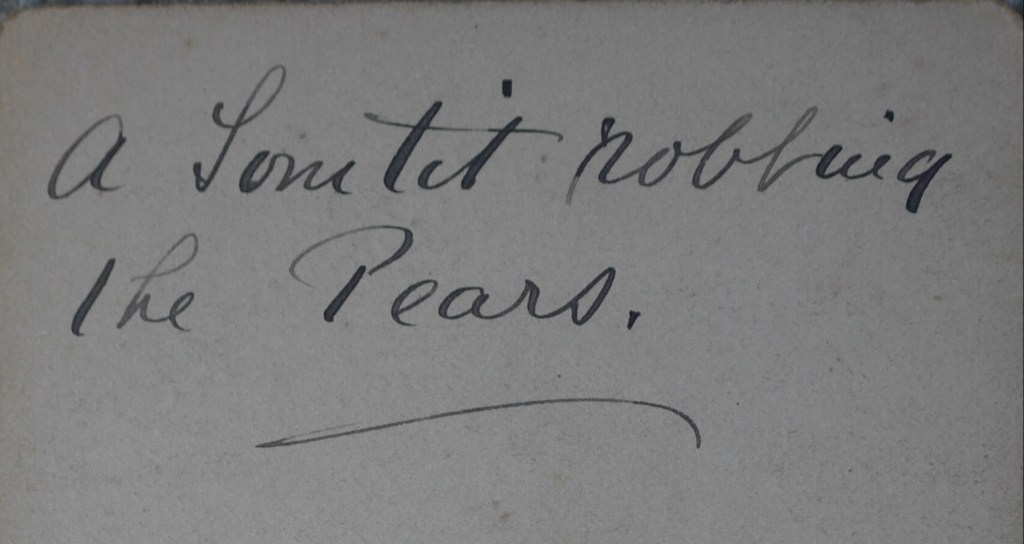

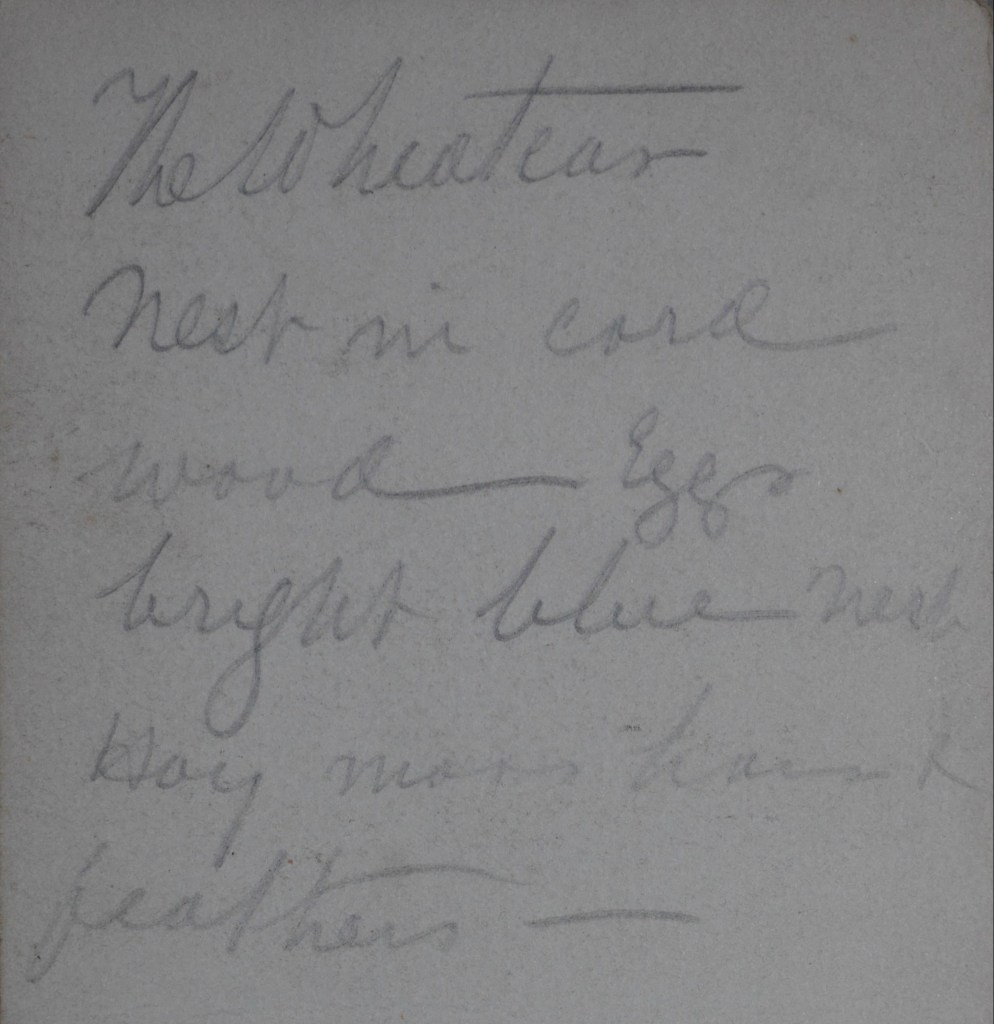
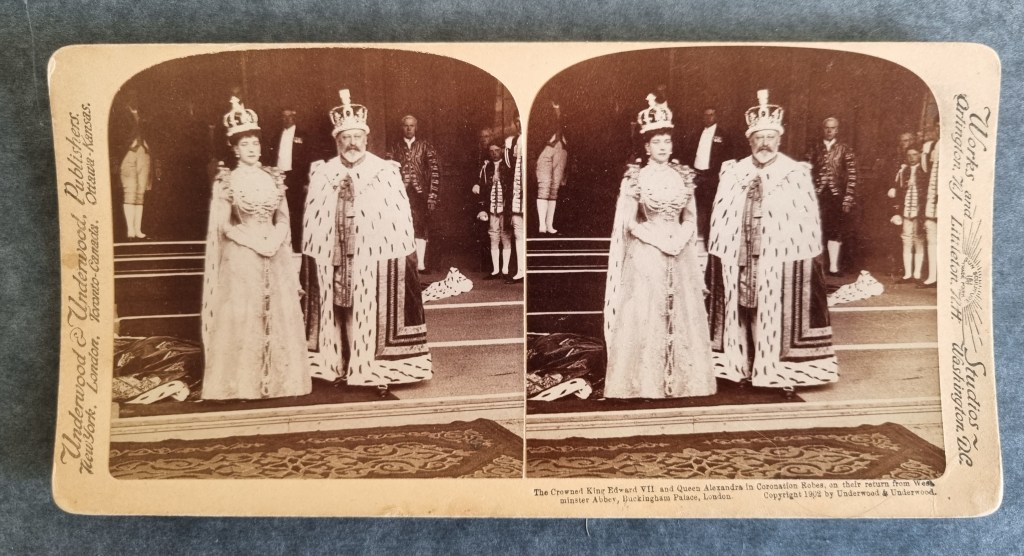


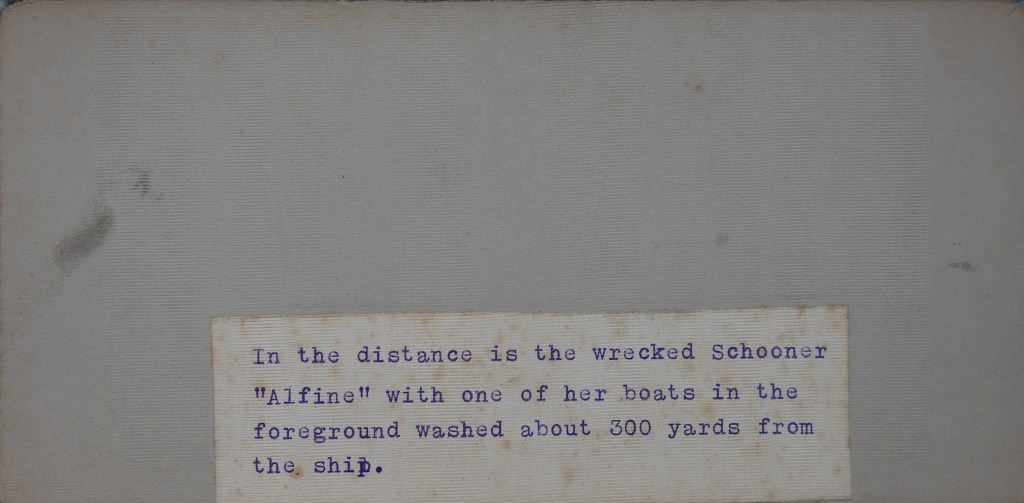


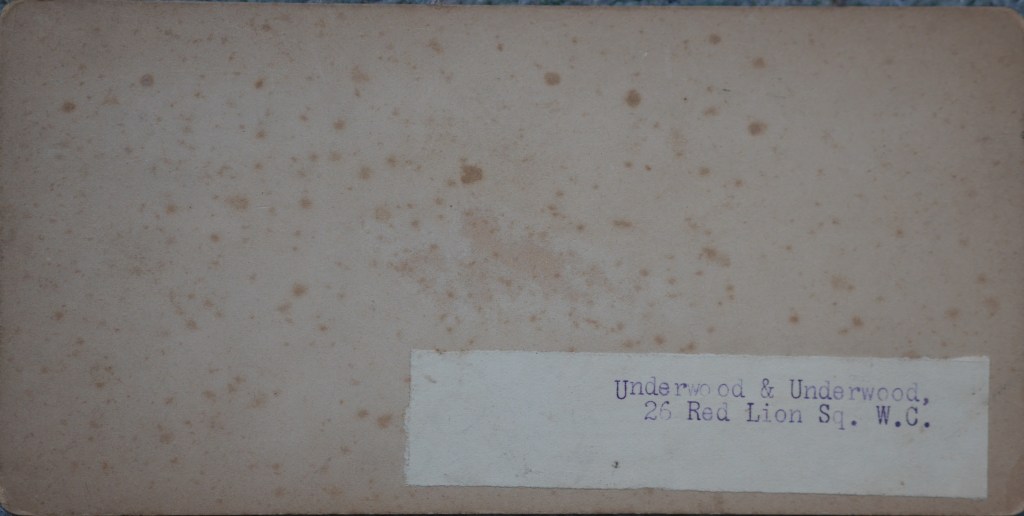
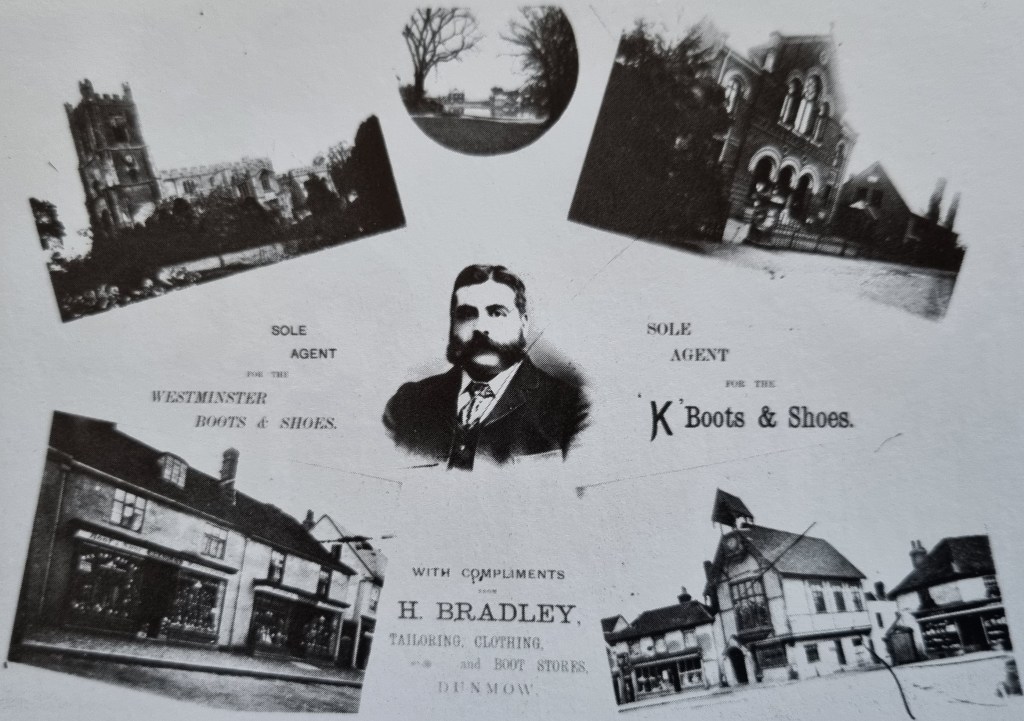


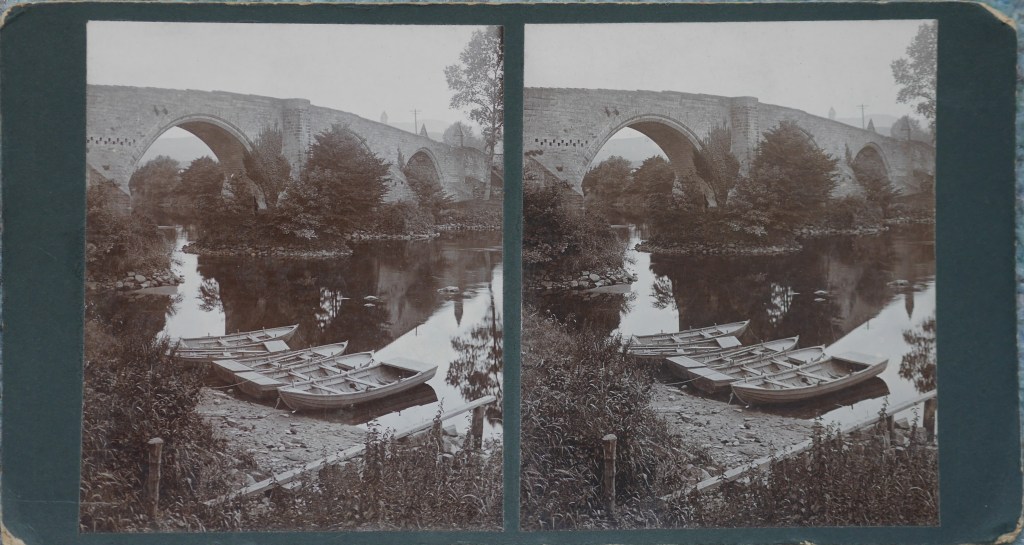
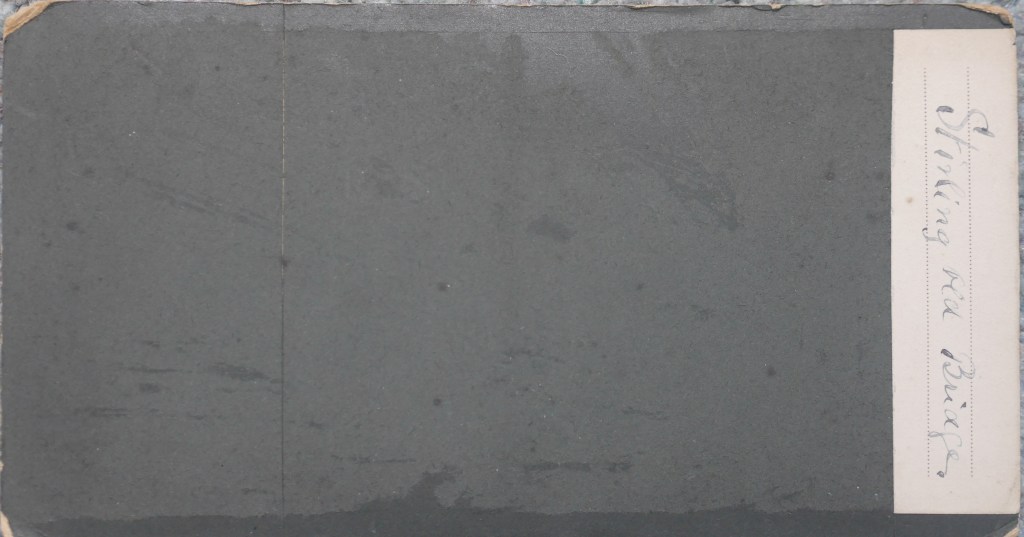
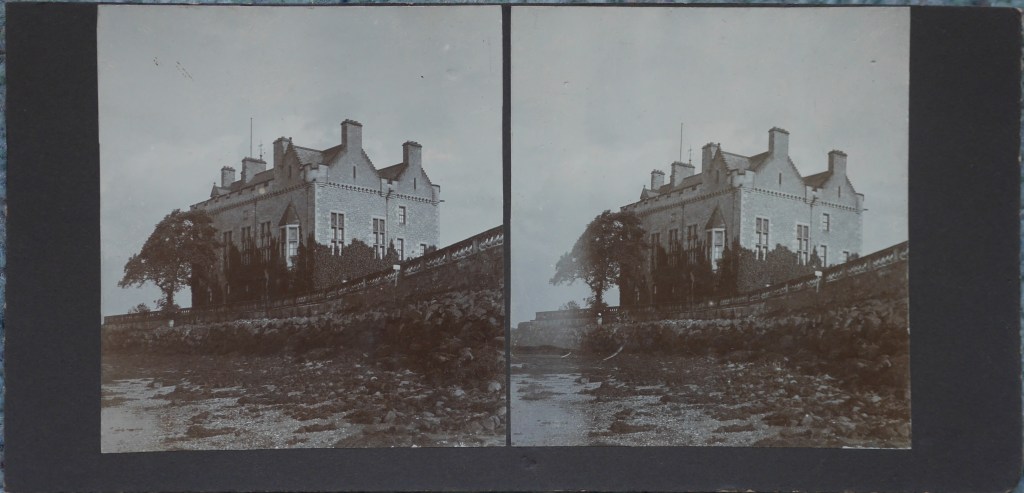
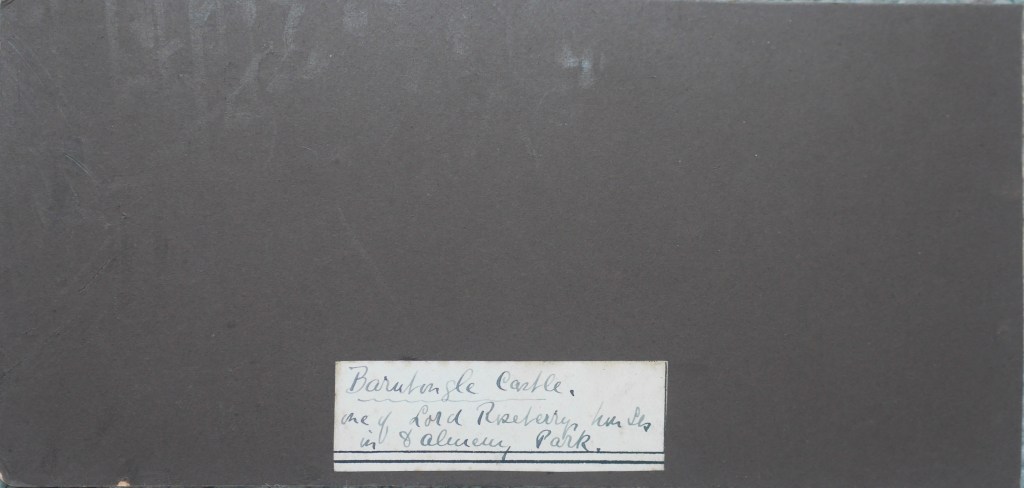


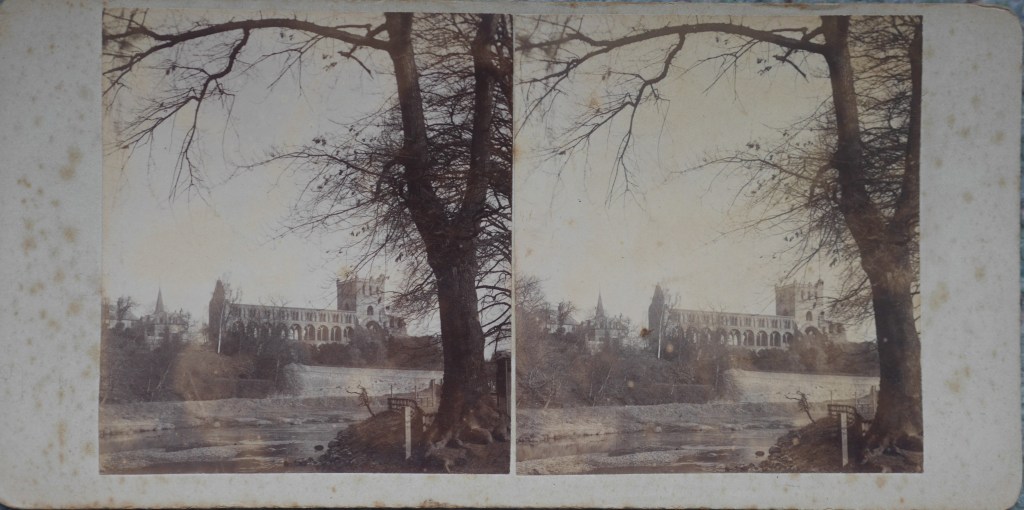


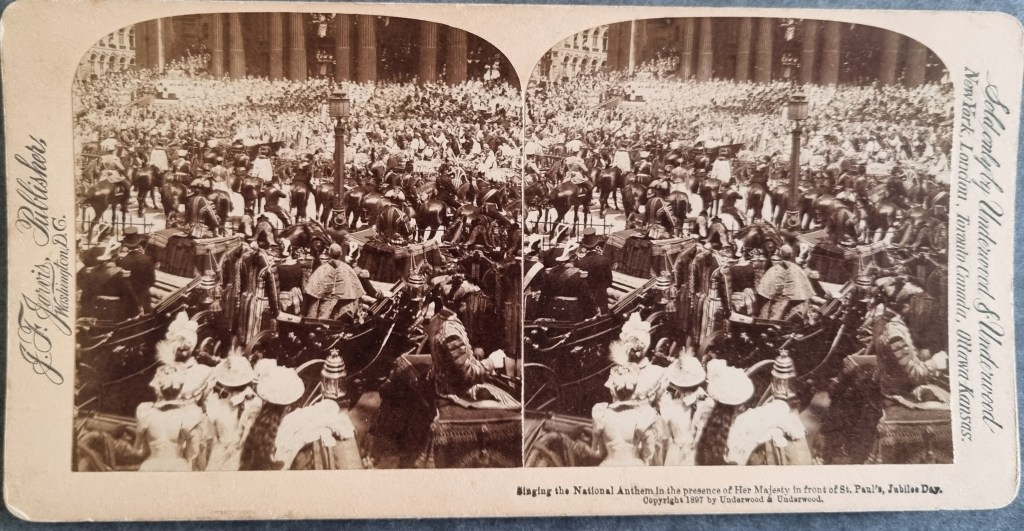



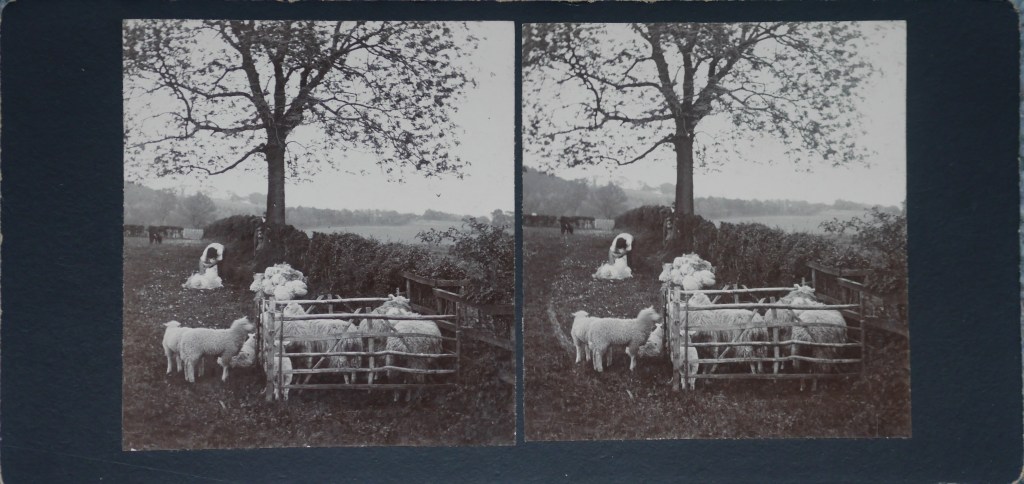
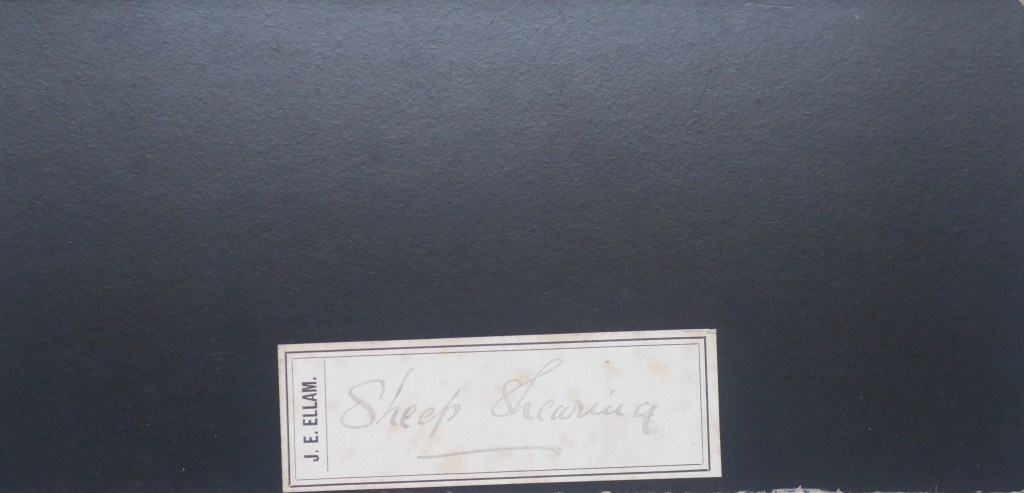


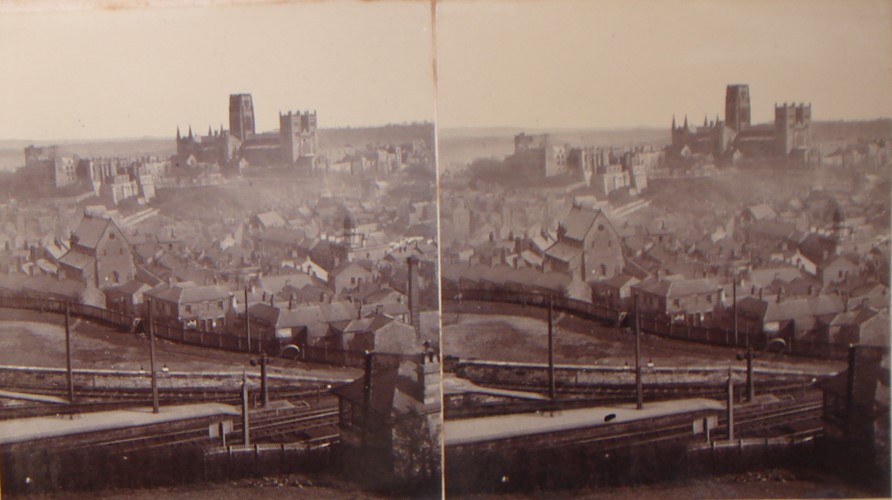

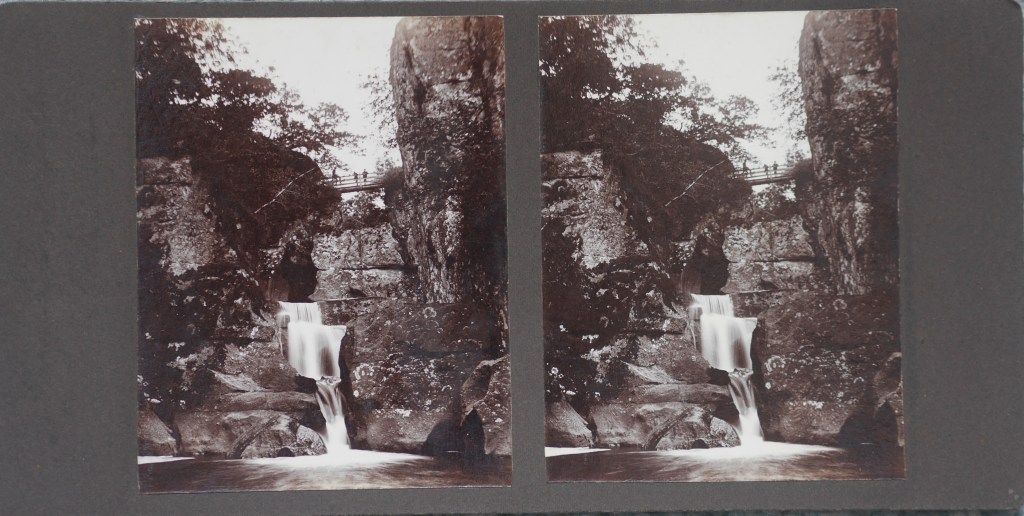

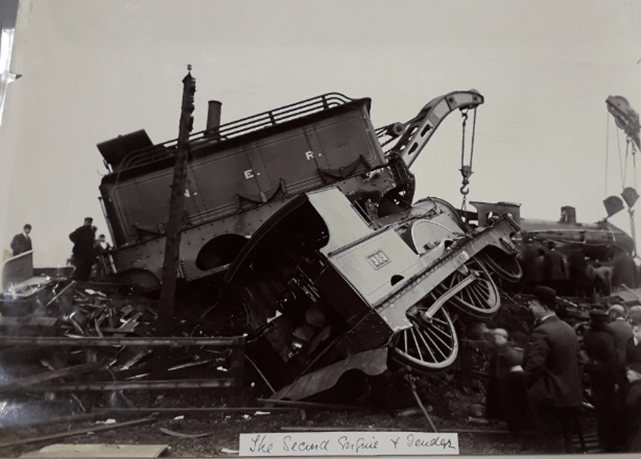


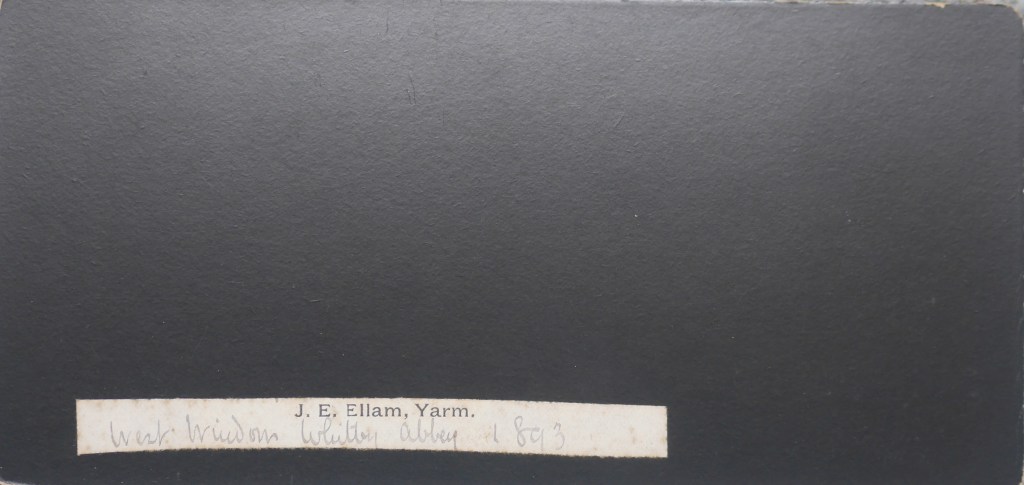


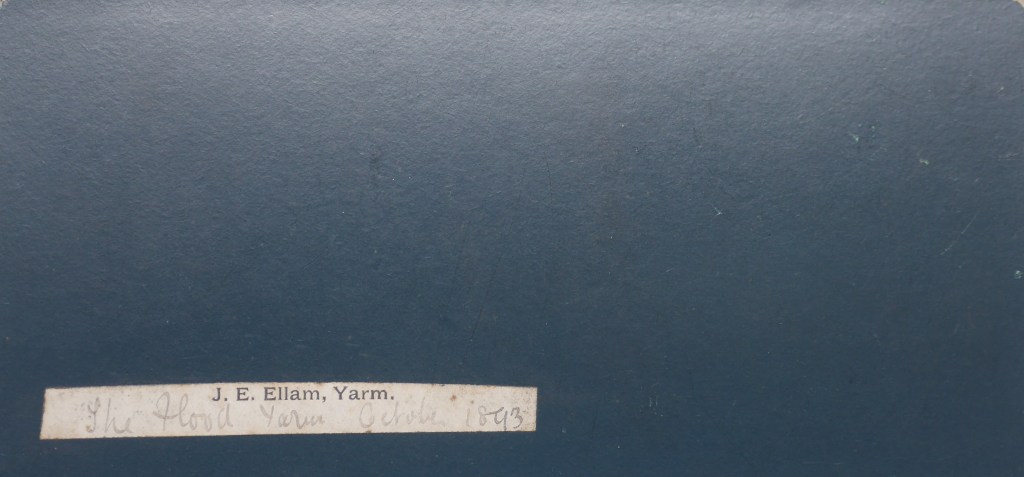
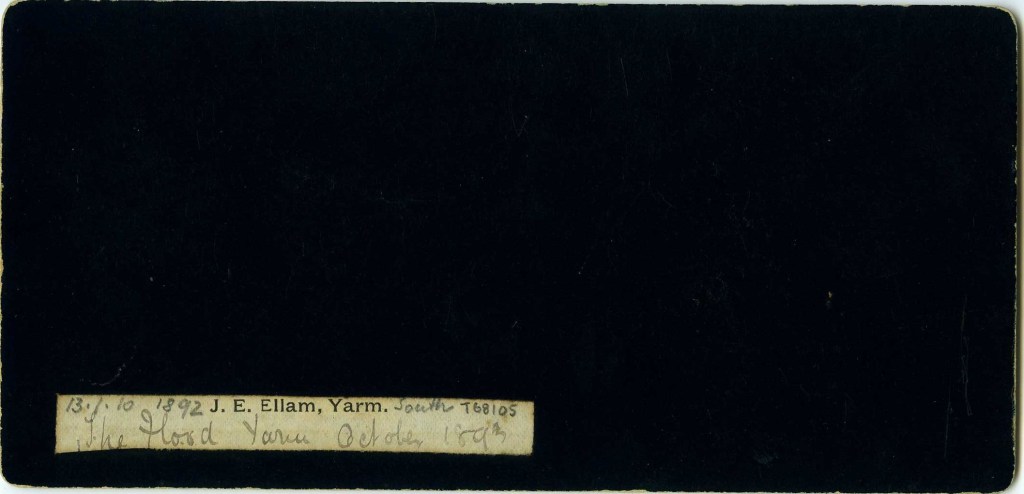


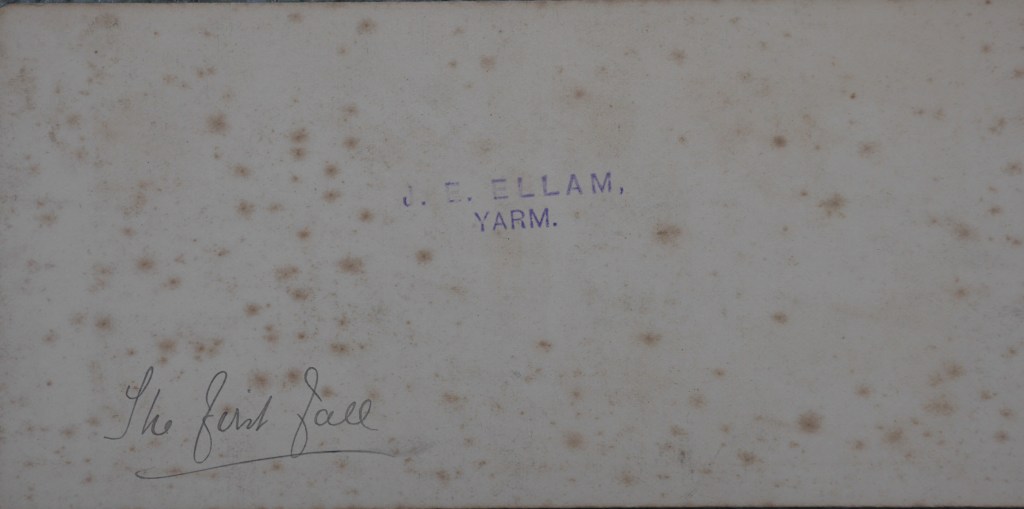
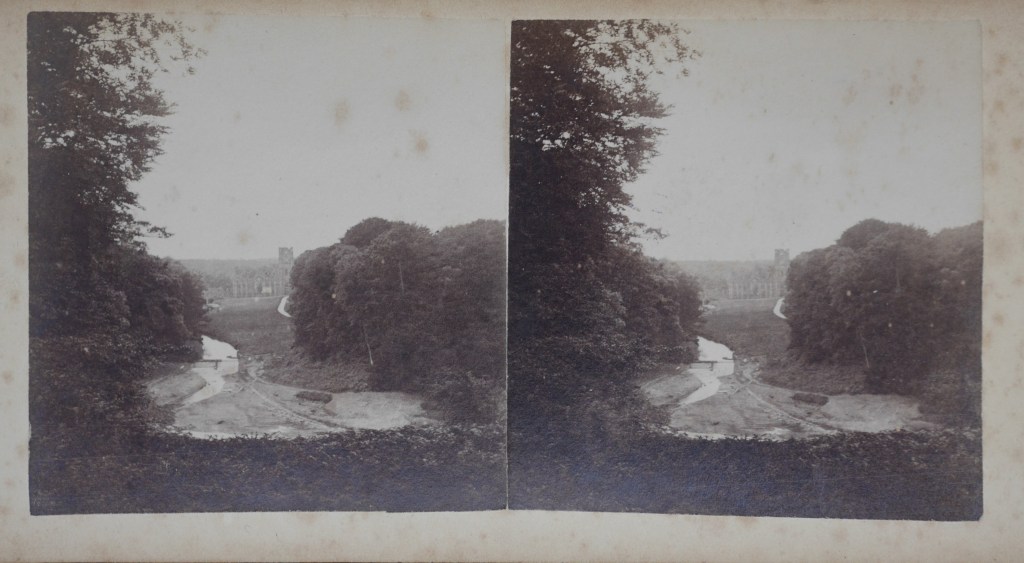


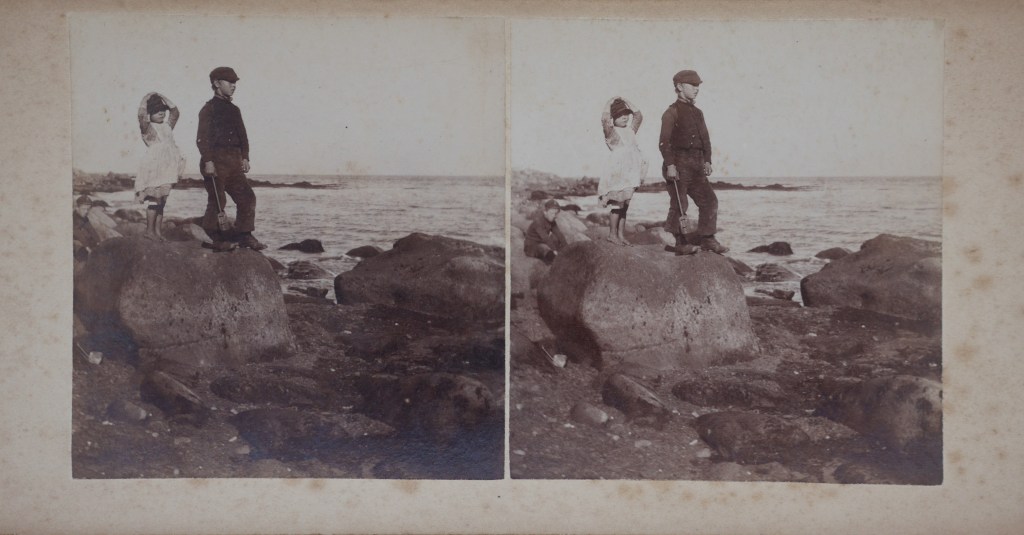

 Pressphotoman
Leave a comment