His reputation as a landscape and portrait photographer was sufficiently solid for the business he established in the coastal resort of Tynemouth to thrive well into the 20th century.
However, new research has revealed that the Auty name lived on in a separate photographic enterprise following his sudden death in 1895.
The new business was the result of a liaison between Matthew Auty’s widow Elizabeth and her late husband’s manager Robert Archibald Heaven (1860-1916).
From 1897, newspaper advertisements reveal ‘Auty & Heaven’ operating from an Edinburgh address and looking to employ staff in a variety of posts.
However, details of the exact nature of the couple’s relationship were at the heart of a subsequent legal dispute involving the late Mr. Auty’s will.
Edinburgh Evening News (27th June 1899). From British Newspaper Archive.
In June 1899, the Court of Session in Edinburgh heard that following her husband’s death, Elizabeth Auty had forged a “close relationship” with Mr. Heaven and subsequently gave birth to a child.
Whilst Mr Auty’s will had made financial provision for his widow, its terms were affected by any subsequent marriage she made and this led to a widely reported court case.
The resulting legal dispute took nearly a year to resolve by which point Elizabeth Auty and Robert Archibald Heaven had gone through a marriage ceremony.
As a result, newspapers in both Edinburgh and Newcastle upon Tyne reported that a financial settlement had been reached by the couple with other members of the Auty family.
Photographically, the partnership of Auty & Heaven apparently flourished in the years that followed.
The quality of its portraiture is evident in these examples of the same ‘unknown woman’ from the collection of the National Galleries of Scotland
The firm’s portraits of leading actors and actresses of the day were also supplied to popular illustrated publications such as The Tatler.
The Tatler (4th June 1902). From British Newspaper Archive.The Tatler (8th April 1903). From British Newspaper Archive.The Tatler (30th August 1905). From British Newspaper Archive.
By February 1908 though, the business appears to have run its course and an advertisement appeared in the Edinburgh Evening News offering for rent “commodious premises as occupied by Auty & Heaven, photographers.”
From the 1860s, photographers W. & D. Downey were among Queen Victoria’s favourites and produced defining royal images into the early decades of the 20th century.
However, by the time the Daily Mirror published this front page Downey portrait of Queen Alexandra marking her Diamond Jubilee in 1923, the company’s fortunes were already in decline.
Daily Mirror (7th March 1923). From British Newspaper Archive.
By July 1932, according to a notice that appeared in the Daily Telegraph, liquidators were called in and creditors asked to make claims on any outstanding debts.
Daily Telegraph (25th July 1932). From British Newspaper Archive.
That, one might have assumed, was the end of the W. & D. Downey story.
However, new research reveals that both the company name and its famous address of 61 Ebury Street in London’s Belgravia lived on.
The photographer responsible was Miss Sarah Partridge (1868-1955) whose career as a high society portraitist was celebrated in last week’s Pressphotoman blogpost.
By the time of Downey’s liquidation, she had a long and illustrious CV in the photography business.
Examples of Sarah’s photography have been shared with this blog by Jennie Gray, her great great niece who lives in Australia.
These untitled examples are both signed ‘S. Partridge’ with a London address at ‘26 Victoria Street, SW’ from where she operated in 1920, according to the London telephone directory.
Untitled by Sarah Partridge (1868-1955). Courtesy of Jennie Gray.Untitled by Sarah Partridge (1868-1955). Courtesy of Jennie Gray.. Signature of Sarah Partridge (1868—1955). Courtesy of Jennie Gray.
When the 1921 Census was taken, Sarah was recorded as a self-employed ‘photographic finisher’, working from home in the Surrey suburb of Croydon where she lived with her sister Lillie Kerswill and her family.
Sarah’s work for Bruton Studios in London’s Mayfair alongside society photographer Robert Johnson (1856-1926) seems to have lasted for around a decade into the early 1930s.
Examples of portraits by Sarah Partridge (1868-1955). Courtesy of Jennie Gray.
The details of how she then became connected with the W. & D. Downey company name after its liquidation are not known.
However, by 1935, ‘Sarah Partridge (Miss) (late of Bruton Studios)’ was operating as a ‘photographer & photographic instructor’ from Downey’s long-established London address at 61 Ebury Street in Belgravia.
1935 London Telephone Directory. From My Ancestry.
Trade directories reveal that she was sharing the premises with, amongst others, a cabinetmakers and a handicrafts business.
Examples of Sarah’s photography during this period have not survived, but she was using the company name as late as 1940 when this telephone directory listing was published.
1940 London Telephone Directory. From My Ancestry.
The following year, ‘W. & D. Downey’ is again listed in a London Post Office directory at 61 Ebury Street, but on this occasion there’s no mention of Sarah Partridge.
It’s at this point that the research trail goes cold, though the Royal Collection Trust website which features nearly 1,500 examples of the company’s photography, confirms that 1941 was Downey’s last year of operation.
Entry for W. & D. Downey from Royal Collection Trust website.
The lack of any surviving company archives by way of glass plate negatives or prints and written records suggests that the London Blitz may have had a hand in the company’s eventual fate.
What can be celebrated though with more certainty is the overlooked career of Miss Sarah Partridge who can now be recognised as a talented portrait photographer.
Sarah Treneman Partridge (1868-1955). Courtesy of Jennie Gray.
The search to discover more examples of her work and uncover more information about the final days of W. &. D. Downey continues.
Photohistory sometimes takes the researcher down less travelled byways and throws up unexpected connections that take the breath away.
That is certainly the case with the photographer Sarah Partridge (1868-1955) whose career is fleetingly captured in a series of public records and press cuttings.
Sarah Treneman Partridge (1868-1955) in later life. Courtesy of Jennie Gray.
The first ‘wow’ moment in trying to learn more about her photography was provided by an entry in a 1925 London Street Directory for 10 Bruton Street in the Mayfair district.
Two names in particular stood out: ‘Norman Hartnell’ and ‘Gladys Cooper’.
As revealed in his 1955 autobiography Silver and Gold, the fashion designer Norman Hartnell (1901-1979) opened his first haute de couture at 10 Bruton Street in April 1923.
According to Hartnell, “no house was ever started in a more unprofessional, amateurish way” (London: V&A Publishing, 2019 reissue).
Despite this, Hartnell was soon earning rave reviews in Paris and by the mid-1930s, he was designing clothes for the Royal Family.
It was a relationship that culminated in Princess Elizabeth’s wedding dress in 1947 and her magnificent Coronation dress six years later.
Also occupying commercial premises in the Georgian building at 10 Bruton Street was the celebrated actress Gladys Cooper (1888-1971).
At this point in her theatrical career, Gladys (later Dame Glad2ys) was the darling of the tabloid and illustrated press as demonstrated in this 1925 portrait from The Sketch.
Her ‘beauty preparations’ business chimes with Hartnell’s recollection of Cooper being the first person he knew who followed a diet (milk and potatoes, two days a week) to stay slim.
However, what Hartnell’s account omitted to mention were the two photographers also operating from 10 Bruton Street, ‘Robert Johnson’ and the subject of this blogpost ‘Miss Sarah Partridge’.
Using the business name ‘Bruton Studios’, both were well connected in the world of royalty and high society.
Robert Johnson (1856-1926) created this striking colourised portrait in the late 1890s when the future George V was Duke of York.
It is one of three of images credited to him in the National Portrait Gallery, London that underline his credentials as a portrait photographer.
Like Johnson, Sarah Partridge began working in photography during the later decades of the 19th century.
First as a photographer’s assistant and then photographic re-toucher, the 1911 Census recorded her ‘personal occupation’ as ‘photographer’s artist’.
Her artistry is evident in examples of her work shared with this blog by her great great niece Jennie Gray, who lives in Australia.
Examples of portraits by Miss Sarah Partridge (1868-1955). Courtesy of Jennie Gray.
The verso of the portrait (above bottom right) identifies its subject as ‘Mrs. Sydney Cullon Wells’.
Verso of ‘P3684’. Courtesy of Jennie Gray.
‘P3684’ may relate to the thousands of similar portraits that Sarah was responsible for creating for a wealthy list of clients.
In the second part of this blogpost, I’ll share further research about Sarah’s photography that culminates in her role during the final days of royal photographers W. & D. Downey.
During the summer of 1866, the celebrated photographic firm of W. & D. Downey named after its founding brothers William and Daniel placed a series of advertisements in the regional press.
These announced that they had opened a ‘branch establishment’ in the Northumberland seaside resort of Newbiggin by the Sea (last line below).
Newcastle Weekly Chronicle (16th June 1866). From British Newspaper Archive.
The choice of Newbiggin, fifteen miles along the North Sea coast from Downey’s main studio in Newcastle upon Tyne, was rooted in a significant family moment.
It was in Newbiggin that on 18th April 1866, Daniel Downey’s wife Elizabeth gave birth to a daughter.
Shields Daily News (20th April 1866). From British Newspaper Archive.
The couple’s choice of location for the baby’s delivery may well have been informed by the health benefits of escaping the pollution of an industrial city where child mortality rates were high.
Indeed, the couple, who married in 1863, had lost their first child, a boy named William Daniel, early the following year.
The safe arrival of Elizabeth Jane Downey was followed by a period of entrepreneurial photographic activity that characterised the firm throughout its long history.
Newspaper adverts reveal that by mid-July, the Downey’s had moved their seaside studio to Monck House, a property once occupied by Sir Charles Monck of Belsay.
A leading aristocrat in the region, Monck had previously sat for the Downey’s at Belsay Hall and was part of their expanding network of influential figures.
Monck House was certainly more in keeping with the facilities on offer at their 9 Eldon Square base in Newcastle as this newspaper advert confirms.
Newcastle Daily Journal (3rd August 1861). From British Newspaper Archive.
On 14th July 1866, an advert carried by the Morpeth Herald announced that Downey’s Newbiggin branch, now with its Monck House address, was open “for a short season, for the convenience of visitors to this beautiful watering place.”
It also advised that “to prevent disappointment, or having to wait, it will be better to make an appointment.”
Together with a series of views of “Newcastle, Woodhorn and Newbiggin-by-the-Sea”, another of the paper’s small ads made its readers aware of yet more Downey product that could be purchased in the resort.
Morpeth Herald (14th July 1866). From British Newspaper Archive.
Apart from mis-spelling its surname, the use of ‘Messrs. D & W.’ reversing the usual order of ‘W. & D.’ suggests that Daniel was combining his duties as a new father with this varied photographic schedule.
What a recent Pressphotoman visit to Newbiggin revealed was that the mid-1860s were pivotal years in the resort’s development.
1866 itself saw the building of Newbiggin Rocket House, one of Britain’s oldest and one that was involved in life-saving ship rescues well into the 20th century.
Within weeks of their summer season at Newbiggin by the Sea, the Downey brothers began a ground-breaking new chapter in their firm’s illustrious history.
For the first time, they were summoned by Queen Victoria to Balmoral where her diary for Saturday 22nd September 1866 records that “on coming home was photographed by a very good photographer Downey from Newcastle”.
Like the couple featured in a giant sculpture that watches over Newbiggin by the Sea today, the Downey’s never looked back.
The late August Bank Holiday in Britain (apart from Scotland) marks the traditional end of Summer.
Today’s forecast for glorious sunny weather offers an ideal opportunity to venture to the beach for a dip in the sea.
It’s a moment captured in a celebrated stereocard, titled ‘Miss Ward, the greatest of all Lady Divers’, whose back story comes to mind on this particular Bank Holiday Monday.
In the Spring of 1891, the American stereoscopic photography company Underwood & Underwood (U&U) opened a new branch office in Britain.
Its decision was informed by the port city of Liverpool’s key role in trade across the Atlantic Ocean and as a hub for transport links into the lucrative European market.
At this point, U&U’s 3D cards featured Liverpool alongside New York; Ottawa, Kansas (where it had started life); and Toronto, Canada as cities from which it operated.
Further evidence of its new commercial commitment to Europe came on 27th February 1893.
It was then that the company’s co-founder Bert Underwood (1862-1943), who had set up the Liverpool office, registered a number of its stereos for copyright in the UK.
Among the first he submitted (COPY 1/411/262) was titled ‘Miss Ward, the greatest of all Lady Divers’ complete with its ‘copy attached’ seen below in the National Archives at Kew.
This stereo like others registered at the same time had proved a popular seller for Underwood & Underwood in the United States.
An example in the Pressphotoman collection reveals that it first appeared in 1889 bearing the stamp of its New York partner company Strohmeyer & Wyman.
The photographic brilliance of its ‘instantaneous’ composition allows the viewer to relive the feeling of flying through the air in 3D en route to the water beyond.
But who was ‘Miss Ward’ and where was this remarkable shot taken?
The card’s verso records its location as ‘Coney Island, U.S.A.’, home in its late-19th century heyday to three seaside resorts in the Brooklyn district of New York.
Among the amusements on offer to holidaymakers and daytrippers, ‘Miss Ward’ performed diving displays that drew large and enthusiastic crowds.
Another U&U stereocard, also taken in 1889, that recently joined the Pressphotoman collection features ‘Daring Miss Ward’ in a less dramatic pose.
The very first Pressphotoman post published in December 2022 featured a Channel 5 tv documentary about Queen Alexandra.
Portraying “the little celebrated and long-suffering wife” of King Edward VII, I questioned why a 70-minute programme rich in archive photographs had ignored one particular celebrated carte de visite portrait.
The resulting carte reportedly sold around 300,000 copies at a time when photography offered the public an affordable outlet for their fascination with the royal family.
That fascination continues as evidenced by another royal tv documentary broadcast in Britain last week.
Again, it offered an unmissable opportunity to utilise well-known carte de visite portraits of its subjects.
This time the programme makers did not disappoint.
Titled ‘Queen Victoria: Secret Marriage? Secret Child?’, Dr. Fern Riddell presented new evidence revealing a romantic relationship between Queen Victoria and her Highland servant John Brown.
As its title hinted, this included the claim that they not only married, but even had a child together.
Photohistorians have long pored over carte de visite portraits of the couple that were produced during the 1860s and 1870s.
Among the earliest was taken by the Aberdeen photographer George Washington Wilson at the Queen’s Balmoral estate in October 1863.
Marking the anniversary of her last Highland ride with Prince Albert, Victoria together with her pony ‘Fyvie’ were flanked by two of her servants, John Brown and John Grant.
However, when the photograph was published as a commercial carte, Grant was edited out of the shot leaving Brown and the Queen together.
The photograph later became symbolic of the monarch’s deep mourning for her late husband and her relationship with Brown that was already the subject of much gossip.
Sales during the following year were just short of 13,000 copies of this and other portraits made on the same occasion though the ‘Fyvie’ carte was the most popular.
The documentary also made great use of a similar portrait of Victoria and Brown taken five years later.
In the documentary, it was used to provide physical evidence for its argument that the Queen had given birth to a child with Brown the previous year.
Photographers like the Downey brothers and George Washington Wilson were no doubt privy to all kinds of interactions between the Queen and members of the royal household.
Exactly what they knew and saw would no doubt have interested today’s royal documentary makers.
What these intimate photographs capture only adds to the mystery surrounding Victoria and Brown.
The genre of seaside photography has a long history in Britain dating back to Victorian times.
Armed with a camera, its practitioners operated on promenades and piers, snapping holidaymakers and trippers as they enjoyed a seaside stroll.
Customers were then issued with a card inviting them to call later at a booth to collect their set of prints.
Our family’s collection of photographs contains several examples of the genre snapped at various holiday resorts in the first half of the 20th century.
For photographers with access to a seaside location, the commercial opportunities were significant.
In the summer of 1882, A. D. (Alexander Denholm) Lewis opened his Photo Atelier in the coastal resort of Tynemouth.
Born in Scotland, he had operated as a photographer running the North of England Photo Institute at various addresses in nearby Newcastle on Tyne for around 20 years.
A new railway station had just opened in Tynemouth bringing day trippers from across the region as well as families wanting to enjoy the delights of the new craze for seaside holidays.
A.D. Lewis’ newspaper adverts drew particular attention to what he called his Chaste New Tynemouth Promenade Carte describing it as a “great favourite.”
The Shields Daily News (19th June 1882). From British Newspaper Archive.
The claim that it had “been adopted by all the principal Photographers of the South, the Continent and America” may seem exaggerated.
However, an example that recently joined the Pressphotoman collection suggests that Mr. Lewis saw himself as an inventor and even an innovator.
Measuring 12.5 cms x 6.5cms, the Tynemouth Promenade Carte is longer than a standard carte.
Rather than photographing clients as they strolled in the open air, ‘A.D.L’ appears to have used a studio at 56 Front Street which was only a stone’s throw from Tynemouth sea front.
This enabled him to offer customers a more formal setting for their portrait and eliminated many of the technical challenges that faced outdoor photographers.
Though seaside photographers were still operating well into the second half of the 20th century, Mr. Lewis’ like many of his competitors appears to have suffered a downturn in his fortunes.
Aged 67, the 1901 Census records that he was a ‘retired photographer’ and was an ‘inmate’ of the Union Workhouse in Westgate Road, Newcastle.
The previous Pressphotoman piece marking a significant photographic anniversary has sent this blog’s research into the firm of W. & D. Downey of Newcastle on Tyne in fresh directions.
On 29th June 1863, William Downey took this group portrait in the garden of the London home of the Pre-Raphaelite artist Dante Gabriel Rossetti.
It features Rossetti and William Scott Bell, known as the Northern Pre-Raphaelite, together with the movement’s champion John Ruskin.
The explanation for the hat and wig he is wearing is that his facial hair including his eye brows had recently fallen out due to an attack of alopecia.
This dramatic change is evident in an earlier Bell Scott portrait, also attributed to W. & D. Downey.
It is one that features in the collection of the Watts Gallery, Surrey (my thanks to Antony Ryan for this information).
The exact dating of the portrait is unknown, but it has the hallmarks of the company’s early celebrity cartes de visite published around 1860 when the Downeys were still based in South Shields.
As head of the Government’s School of Design in nearby Newcastle on Tyne (1843-1864), Bell Scott was a significant figure in the North East of England.
Eight of his best-known artworks completed between 1857 and 1861 feature in the Central Hall of Wallington, Northumberland, a stately home now in the care of the National Trust.
Rear view of Wallington, Northumberland. June 2025. Author’s photo.
Commissioned by Lady Pauline Trevelyan, Bell Scott’s brief was to decorate the hall with ‘wall paintings to illuminate the history and worthies of Northumbria.’
These are titled ‘The Roman Wall,’ ‘King Efrid and Cuthbert,’ ‘The Descent of the Danes,’ ‘The Death of Bede,’ ‘Spur in the Dish,’ ‘Bernard Gilpin,’ ‘Grace Darling’ and ‘Iron & Coal.’
The Central Hall designed by the Newcastle architect John Dobson took its inspiration from John Ruskin’s vision of an Italian Renaissance courtyard.
A recent opportunity to visit Wallington confirmed the impressive nature of both the hall and its paintings.
Central Hall, Wallington. June 2025. Author’s photo.Central Hall, Wallington. June 2025. Author’s photo.
The Army Pageant staged during the summer of 1910 in the grounds of Fulham Palace, London was by all accounts quite a spectacle.
Advertisement from Illustrated London News (18th June 1910). From British Newspaper Archive.
It featured around 5,000 performers and was witnessed by an estimated 100,000 spectators during its 21-performance run, according to The Times.
The Historical Pageants in Britain website describes what pulled in the crowds as “a disparate selection of episodes that illustrated the development of military conflict and the British armed forces.”
Illustrated London News (25th June 1910). From British Newspaper Archive.
Among the press photographers on hand to record the action was James Edward Ellam (1857-1920), whose stereoscopic camera recorded various scenes for London News Agency Photos based in Fleet Street.
The Fulham and District organiser for the Army Pageant was Stanley Cave, a gentlemen’s outfitter with a shop at 815 Fulham Road, SW.
Interviewed earlier that year by the Fulham Chronicle, he explained that an estimated 600 local residents of all ages would be needed to stage its allocated Elizabethan episode.
As to costumes, they could be designed, cut and, if necessary, made to order under the supervision of Miss Lorna Burn-Murdoch, Mistress of the Robes.
Mr Cave went on to tell the paper: “The cost of the costumes will have to be borne by the players, who can spend practically what they like on them, from a few shillings to a few pounds.
He continued: “They will, of course, be the property of the wearers once the Pageant is over, and will serve as costumes for fancy dress balls and skating carnivals and will also be an interesting souvenir of the event.”
Press reports confirm that Mr. Cave took part in the Elizabethan episode of the pageant as one of the “Courtiers (mounted).”
However, a photographic postcard that recently joined the Pressphotoman collection suggests that his horse-riding skills may have led to another role too.
Aside from Mr. Cave’s splendid outfit, the photographer also captured his visibly distracted expression, which I initially put down to the pressures of helping organise such a huge undertaking.
However, a press report, again taken from the Fulham Chronicle, revealed how a few weeks earlier, Stanley Cave had suffered a family tragedy.
Fulham Chronicle (3rd June 1910). From British Newspaper Archive.
An inquest heard how his ten year-old daughter Ellen had died from a cerebral haemorrhage whilst she slept.
A week later, the paper reported on her funeral “amidst many manifestations of grief and sympathy.”
In the years that followed, members of the Cave family took an active part in many more pageants staged in Fulham raising money for local charities.
When Mr. Cave’s youngest daughter Mary married in 1931, the Fulham Chronicle described how she had taken the role of Anne Boleyn on several occasions playing opposite her father’s Henry VIII.
Following contact with her family, a photograph emerged of Mrs. Burrell, known as Theonie, together with her dog Judy.
Henrietta Theonie Burrell (1860-1934). Courtesy of Simon Burrell.
However, other examples of Mrs. Burrell’s work in the photographic medium have been reluctant to show themselves … until now.
Copyright records held by the National Archives revealed that, alongside her Marie Hall portraits (COPY 1/460/372-374), she lodged another form with a different subject in late-December 1904.
According to its description, COPY 1/481/107 features a ‘Photograph of Mr. Philip Cunningham – front face.’
During a recent research visit, I successfully located the form together with its attached photograph.
Each form is preserved within a clear sleeve so obtaining a photograph without any reflections is nigh on impossible as the image below demonstrates.
Despite this, the quality of the portrait Mrs Burrell produced is evident.
Her sitter’s identity slowly emerged via a number of newspaper articles.
They revealed that ‘Philip Cunningham’ (or Cuningham’ as it is sometimes spelt) was the stage name of Philip Harold Boosey (1865-1928).
The family business was music publishing, but the lure of the stage proved irresisitible and he made his theatrical debut in 1885 as a walk-on alongside Sir Henry Irving in a London production of Faust.
By the time ‘Mr. Philip Cunningham’ appeared in front of Mrs. Burrell’s camera, he was a household name.
The exact circumstances of the sitting aren’t known, but the dating of Mrs. Burrell’s copyright form points to a touring production of ‘The Eternal City’ staged at the Theatre Royal, Newcastle in which he appeared.
Based on the novel by Hall Caine, the play portrayed what the Newcastle Daily Chronicle (17th May 1904) described as “pictures of Italian politics and Pontifical procedure.”
The reviewer went on: “If the mounting of the play is excellent, it can be said most unreservedly that the acting is upon an equally high level.”
There was particular praise for “Mr. Philip Cunningham as the Radical orator David Rossi.”
Given the success she enjoyed with her postcard portraits of Marie Hall, it seems likely that Mrs. Burrell pursued the same commercial model, but this time with a different London publisher, John Beagles & Co.
The resulting postcard of the actor is certainly a striking image and would have been popular with fans clamouring for his autograph at stage doors across the country.
Unlike her Marie Hall postcards though, the credit ‘Mrs. Burrell, Newcastle on Tyne’ was nowhere to be seen on either the image nor its verso.
As to the roundel version attached by Mrs. Burrell to her copyright form, it suggests that she may have produced a similar print for her sitter, perhaps for his private use.
Though he may be a largely forgotten name these days, Mr. Philip Cunningham as portrayed by Mrs. Burrell of Newcastle on Tyne captures a stage star at the peak of his powers in a rare surviving example of her photography.
The attribution ‘Unknown Photographer’ is like catnip to the photohistorian.
Sometimes the pieces of the jigsaw fall neatly into place and a credible name for the author of an image emerges.
That’s exactly what happened during the writing of this blogpost.
It began with a portrait photograph that is more than 160 years old and among the earliest protected by UK copyright law.
Copy 1/1/279. National Archives/OGL.
It features the veteran statesman and philosopher Henry, Lord Brougham (1778-1868) and was taken by Daniel Downey, one of the Tyneside brothers behind the celebrated photography firm of W. & D. Downey.
These facts are known because of a vital piece of legislation that early photographers in particular were quick to embrace.
On 29th July 1862, the Fine Arts Copyright Act became law and required anyone wanting to protect their paintings, drawings or photographs to complete a form and attach a copy of the work.
The first photograph (COPY 1/1/1) was registered on 15th August at Stationers Hall in London where the act was administered.
A few months later, according to a document stored in the National Archives at Kew, Daniel Downey submitted a form together with a copy of the photograph (seen above) that he had taken.
Copy 1/1/279. National Archives/OGL.
Dated 19th November 1862, the resulting form complete with his signature is numbered ‘279.’
For a researcher like me with an ongoing interest in charting the history of the Downey company, seeing such a document in the flesh as I did recently was a real privilege.
As regular readers will be aware, 1862 was a pivotal year for the Downey brothers, William and Daniel, who had started their photography business in South Shields several years earlier.
That January, their photographs of the aftermath of the New Hartley pit disaster claiming the lives of 204 men and boys were acclaimed by Queen Victoria.
Then, in March, their new studio at 9 Eldon Square, Newcastle on Tyne opened and quickly became a go-to destination for the great and good seeking a high-quality photographic portrait.
Daniel’s portrait of Lord Brougham was subsequently issued commercially as a carte de visite.
An example of this carte marked ‘Copyright’ and ‘W. & D. Downey’ on the front is part of the collection of the National Portrait Gallery, London.
As to when the photograph was taken, an article in the Newcastle Daily Journal (12th January 1863) reported how Downey had been honoured with repeated commissions from Brougham, who it called “the great opponent of the slave trade.”
The paper went on: “… only recently they were on a professional visit to his residence in Westmoreland, when they had the rare good fortune to obtain, in one small carte de visite, the portraits of both Lord Brougham and Mr. Gladstone.”
Searching online for this carte featuring Brougham with the then Chancellor of the Exchequer and later Prime Minister in four British governments, I came across this image.
Titled ‘Henry Brougham …. and William Ewart Gladstone’ and described as an ‘albumen print, late 1850s,’ the website of the National Portrait Gallery, London states that it was purchased in 1991 and attributes it to an ‘unknown photographer.’
Looking at the chair being used and the stone wall background, the visual evidence suggests a number of similarities with Daniel Downey’s copyrighted portrait of Lord Brougham.
Copy 1/1/279. National Archives/OGL.
Press reports also help identify a possible date and location at which these portraits featuring Brougham alone and together with Gladstone were taken.
In a report headlined ‘Mr. Gladstone’s visit to Newcastle’, the Newcastle Courant (10th October 1862) described how “the right honourable gentleman [Gladstone] and Mrs. Gladstone, who had been staying with Lord Brougham at Brougham Hall, near Penrith … arrived at Blaydon-on-Tyne, on Monday afternoon, by train from Carlisle.”
Newcastle Courant (10th October 1862). From British Newspaper Archive.
This account points to the period prior to this when the sittings took place with Brougham Hall being a strong candidate as the location.
It would also connect neatly with an event that took place in Newcastle the day after Gladstone and Mrs. Gladstone’s arrival in the city on Monday 7th October 1862.
The next day, the Newcastle Courant reported that Gladstone paid a visit to “the studio of Mr. Downey, photographer, Eldon Square, where the Chancellor of the Exchequer sat for a portrait.”
This resulting carte de visite issued by W. & D. Downey is part of my collection and also features in several versions in the collection of the National Portrait Gallery, London.
Taken together, the sequence of events strongly suggests that Daniel Downey not only took the portraits featuring Lord Brougham and Mr. Gladstone at Brougham Hall, but also as that of Gladstone at Downey’s Eldon Square studio in Newcastle.
Whatever the exact details of their provenance, the resulting photographs capture two of Britain’s best-known politicians in their Victorian pomp.
Since then, attempts to locate more examples of Theonie’s photography have sadly proved unsuccessful.
However, thanks to her great nephew Simon Burrell, I am able to share a photograph of the woman herself.
Henrietta Theonie Burrell (1860-1934). Courtesy of Simon Burrell.
She is pictured holding her dog Judy, standing in what may be the garden of the Burrell family home at Neville Cottage in the Elswick district of Newcastle.
As to identifying the photographer, it might be the work of her sister Fanny Johanna Bunning or her children Theonie Renee Burrell (1889-1945) or Cedric Ian Burrell (1892-1980).
One of the joys of blogwriting is connecting with readers who’ve discovered one of your posts, particularly when several months have passed since it first appeared.
It’s all the more exciting when that reader turns out to be a direct descendent of a subject of your photohistory research.
That was the case recently when I was contacted by Chris Parry whose great great grandfather was the subject of this Pressphotoman post in May 2024.
William Softley Parry (1826-1915) was a leading portrait photographer in Newcastle in the 1850s and 1860s.
But until Chris contacted me, I had never seen a portrait of WS Parry let alone one taken outside his photography business.
William Softley Parry (1826-1915). Courtesy of Chris Parry/South Tyneside Libraries.WS Parry outside his photography business. Courtesy of Chris Parry/South Tyneside Libraries.
What’s particularly interesting about the second image is whether it was taken outside his premises at 44 Newgate Street (1855-1858) or 44 Bigg Market (1858-1864).
The photographs may well have been taken by his wife, Christiana, who ran the shop’s Ladies Department.
I particularly love the examples of their portraiture displayed outside in various sizes and frames.
If you look very closely, you’ll glimpse a small child, possibly a girl, huddled in the doorway to Mr. Parry’s right, but still managing to look towards the camera.
The Parry’s eldest daughter Euphemia died aged 5 in 1862, so if the little girl is her, the location may well be 44 Bigg Market.
Chris Parry has written a Substack post about his fascinating family down the generations and kindly included some of my research about his great great grandfather.
The name of John Hunter Rutherford (1826-1890) lives on in a number of educational institutions.
An evangelical preacher from the Scottish Borders, he came to Newcastle on Tyne in 1850.
Among his many achievements as an educationalist, he is best known for setting up a series of elementary schools in the surrounding area.
Rutherford College named after him gave birth to what today is Northumbria University.
When Dr. Rutherford died suddenly, his reputation was such that 5,000 people took part in his funeral procession.
Newcastle Daily Chronicle (28th March 1890). From British Newspaper Archive.
In addition, the Newcastle WeeklyChronicle estimated that more 100,000 lined the processional route.
This line drawing of him in later life accompanied the newspaper’s three-column report of the occasion.
Newcastle Weekly Chronicle (28th March 1890). From British Newspaper Archive.
However, in his younger days, a recent addition to the Pressphotoman collection reveals that he posed for his portrait with leading Newcastle photographers W. & D. Downey.
The slogan ‘Patronized By Her Majesty’ was used by the company before being replaced by ‘Photographers To Her Majesty’ in the middle of the decade.
This information and the lack of Downey branding on the front of the carte allows it to be dated c. 1862-1866.
At that point, Dr. Rutherford was in his late-30s and in the midst of his studies as a medical doctor.
A surprising twist to this blogpost is that his death occurred only a few doors away from where the Downey carte portrait was taken.
As part of its funeral report, the Newcastle Weekly Chronicle published a letter from Dr. Rutherford’s son John sent from 6 Eldon Square, the family home.
It indicates the esteem in which his father was held.
Newcastle Weekly Chronicle (28th March 1890). From British Newspaper Archive.
Given this, the Downey carte de visite of John Hunter Rutherford as a younger man making his way in the world seems all the more poignant.
It was taken during a visit to Newcastle on Tyne in October 1862 when he was Chancellor of the Exchequer.
Prior to a lavish banquet in the city’s Town Hall, Mr. Gladstone together with his wife toured several Newcastle locations.
These included the Literary & Philosophical Society, St. Nicholas Church (now the Anglican cathedral), the Castle and Old Norman Keep, and Central Exchange reading room.
According to the Newcastle Courant (10th October 1862): “The next move was to the studio of Mr. Downey, photographer, Eldon Square, where [Gladstone] sat for a portrait, which, our readers will, no doubt, by and by have an opportunity of inspecting.”
The verso of the resulting carte, with its seller’s stamp (bottom left) for ‘A. Mansell,’ a photograph and bookseller in Gloucester, illustrates the subsequent nationwide appeal of this one shilling photograph.
A copyright form for Downey’s carte of Gladstone was lodged several months later in July 1863.
This gap between the sitting and publication perhaps indicated a delay in securing the politician’s agreement to the photograph being put on general sale.
Indeed, Gladstone was a popular carte subject.
During the period 1862-1870, he was second only to members of the Royal Family with more than 50 registered copyrights for his photographic portrait.
It was only when Disraeli succeeded Lord Derby as Prime Minister in 1868 that Downey secured a sitting with Gladstone’s political adversary.
On 3rd October 1868, the Newcastle Journal reported: “Our townsmen, Messrs. Downey, have had the honour of photographing the Right Hon. B. Disraeli during their sojourn at Balmoral.”
Queen Victoria’s diary records that he stayed at her Scottish home for 10 days during the second half of September.
As Downey busied themselves with the latest round of royal portraits, they also took the opportunity to photograph the Queen’s new Prime Minister.
It well illustrates how Downey set up the shot, allowing for a variety of framings that were used to produce different sized versions.
Later ennobled by Queen Victoria as Lord Beaconsfield, his death in 1881 allowed firms like Downey to re-issue its archive of Disraeli portraits to new customers
The carte that recently joined my collection with the company’s later ‘London & Newcastle’ branding falls into that category.
The prominent seller’s stamp for ‘Pawson & Brailsford,’ publishers and stationers in Sheffield, shows that the wider photographic trade was also keen to exploit such commercial opportunities.
stephenmartin81
Interesting to see how the Victorians liked portraits of their Prime Ministers and probably thus treated them with due respect. How times have changed!
Few today would want a portrait of recent Prime Ministers – except perhaps for darts’ practice!!! – and even the present Prime Minister and cabinet have reportedly removed portraits of certain recent Prime Ministers or senior Cabinet ministers from Government offices.
The singer-songwriter Nick Drake, who died 50 years ago today, was immortalised not only by his music.
Keith Morris (1938-2005) took many of the images inextricably linked with Nick and helped create his public persona.
Long ago, I was fortunate to meet and interview Keith.
Published tomorrow, material from that encounter features in volume 2 of The Island Book of Records 1969-70 (Manchester University Press, £85).
As the title suggests, this ongoing LP-sized series chronicles every release, both albums and singles, by the seminal Island label.
Volume 1 published last year covered the years 1959 to 1968.
In 432 beautifully illustrated pages, Volume 2 looks at the next two years.
Famous names like Traffic, Free, Fairport Convention, Jethro Tull, King Crimson, John and Beverley Martyn and Cat Stevens amongst many other acts were all on the Island roster.
Nick Drake’s debut album Five Leaves Left (1969), released while he was still a student at Cambridge University, features one of Keith Morris’s best-known photographs on the rear sleeve.
Rear sleeve of Nick Drake’s Five Leaves Left. From The Island Book of Records 1969-70 (Manchester University Press).
Described by its creator as “the famous wall shot,” it is now part of the National Portrait Gallery collection in London.
That and a number of Keith’s other celebrated portrait photographs can be viewed online.
One fact about Keith’s photography revealed by Neil Storey with Jayne Gould, the team behind the Island Book of Records project, was that during the shoot for Five Leaves Left, he was working with an unfamiliar camera.
Instead of his usual Nikon, he used a borrowed Pentax.
By way of tribute to both Keith and Nick, here’s a longform piece about their successful working relationship.
The man looking back at me had certainly made a good choice of photographer to capture his likeness.
H. S. Mendelssohn was one of Newcastle’s leading portrait studios during the 1870s and, later in his career, went on to photograph members of the British royal family.
Many of his Newcastle clientele came from well-to-do families, suggesting that our subject might be a person of means and status.
Arms folded and wearing a stylish jacket, the young man looked relaxed and at ease with the world, his eyes radiating a degree of self-confidence.
As regular readers might expect, the carte verso contained helpful clues.
An unknown hand, possibly Mr. Mendelssohn’s own, had recorded the man’s identity: ‘Edward H. M. Elliot, Esq. 82nd Reg. Aged 25. 1878.’
Armed with this information, it did not take long to track down Edward Hay Mackenzie Elliot (1852-1920)
He was a career soldier who made his mark on history at various points in his life.
Born in India, Edward’s father was the celebrated Scottish naturalist Sir Walter Elliot (1803-1887).
Schooling in England concluded at Harrow where skill on the football field led to him representing Scotland in two unofficial international matches against England staged in 1871 and 1872 (‘E. Elliot’ named bottom right-hand corner below).
Bell’s Life in London and Sporting Cheronicle (18th November 1871). From British Newspaper Archive.
That sporting prowess resurfaced between 1897 and 1903 when Edward played cricket for the MCC (Marylebone Cricket Club) in four matches against county opposition.
When he sat in front of HS Mendelssohn’s studio camera in 1878 as a 25 year-old, his career in the Army was already well underway.
Promoted to Lieutenant in the 82nd Regiment of Foot, he later reached the rank of Captain before serving as ADC (aide-de-camp) to Lord Glasgow when Governor of New Zealand between 1894 and 1899.
The Army and Navy Gazette (13th January 1894). From British Newspaper Archive.
Despite retiring on full pay, Edward rejoined his former colleagues during the South African War of 1899-1902 before later returning to the Scottish family home at Wolfelee in Roxburghshire, which he had inherited.
In 1905, Edward, by now a Major in his early fifties, married Miss Edith Margaret Crawford, the 30 year-old daughter of a Surrey clergyman.
As the Surrey Mirror & County Post newspaper reported of the occasion: “The presents were numerous and costly.”
After their honeymoon in The Hague, the couple returned to live at Wolfelee.
If newspaper reports are to be relied upon, Major Elliot’s later years seem to have been characterised by brushes with the law.
In September 1910, the Hawick News reported that he had “forfeited a pledge of 30s [shillings] by non-appearance to a charge of disorderly conduct on Tower Knowe [Hawick] on Sunday morning.”
By 1913, by which time Edward and his wife had sold Wolfelee and moved to Herefordshire, he was again making headlines.
Returning to Newcastle on Tyne where he had been photographed by H.S. Mendelssohn, he was summoned to appear in court.
A Daily Citizen front-page court story was headlined ‘Major Who Hated Pigs: Fine For Disturbing Railway Dining Car.’
The report described an incident on a train journey from London to Edinburgh.
The Daily Citizen (29th November 1913). From British Newspaper Archive.
The death of Edward Hay Mackenzie Elliot in December 1920 at the Middlesex Hospital in London was marked by a notice to his creditors in the London Gazette.
His estate amounted to £3258, around £220,000 in today’s money.
Looking at a rather severe portrait taken later in Edward’s eventful life, that by H.S. Mendelssohn photograph of his younger self is all the more poignant.
A colourful stamp-sized poster with the Newcastle skyline in the background left me wondering how this event was captured visually by photographers and film-makers.
Historical pageants in Britain during the 20th century offered communities up and down the country the chance to dress up, party and celebrate our national history.
Newcastle had previously hosted Northumbrian Pageants in 1923 and 1925.
The 1931 event had a wider geographical focus with participants from across the North of England.
At the time, the region was affected by the low morale and high unemployment that marked the Great Depression of the 1930s.
Deciding something must be done to address this state of affairs, the Women’s Committee of the Northern Counties Area of the National Union of Conservative and Unionist Associations organised a pageant and industrial fair.
Among its key figures was Irene Ward, who went on to be elected as Conservative MP for Wallsend (1931-1945) and Tynemouth (1950-1974).
According to press adverts, the event involved 6,000 performers, a 100-piece orchestra and 500-strong chorus with the promise of “Gorgeous Costumes. Beautiful Spectacles. Stately Dances.”
Northern Weekly Gazette, 18th July 1931. From British Newspaper Archive.
Audiences estimated at more than 120,000 attended the pageant, which proved so successful that two additional performances were staged making 10 in total.
It was also restaged indoors at the city’s Empire Theatre in November 1932.
Photographically, Stuart, a long-established Newcastle firm based at the YMCA Buildings in Blackett Street were on hand to record the pageant’s sequence of Episodes.
Black and white images were then reproduced in a series of ‘Monarch’ postcards published by another Newcastle firm, R. Johnston & Sons with its printing works in neighbouring Gateshead.
As an example of what the crowds witnessed, Episode 5 featuring ‘The Marriage of Princess Margaret to James IV, AD 1503’ was portrayed in a series of general views and close-ups.
Centre-stage playing Princess Margaret was The Honourable Mrs. S. R. Vereker (1896-1972) of Hamsterley Hall, Durham.
Her aristocratic pedigree as one of the organisers connected her to a famous moment in Newcastle history.
Bessy Vereker (neé Surtees) was a descendant of Bessie Surtees whose elopement in 1772 with John Scott, later Earl of Eldon and Lord Chancellor of England, is the stuff of local legend.
Engraving based on an oil painting by Wilson Hepple.
Bessie Surtees House where the elopement took place still stands a stone’s throw from the River Tyne waterfront and is in the care of Historic England.
Following her marriage in 1921 to the Hon. Mr. Standish Robert Vereker, later Viscount Gort, Bessy became a regular client of leading photography studios in London.
Stylish portraits of her by both Bassano and Lafayette feature in the collection of the National Portrait Gallery, London.
At the Newcastle and the North Historical Pageant, a beautiful outfit created for her in the role of Princess Margaret (plus accompanying hound) combined to produce a striking image.
It also caught the attention of the press.
The Sphere was among the illustrated papers that featured her in a photo spread titled “Women of Fashion and Fashions of Women.”
The Sphere (18th July 1931). From British Newspaper Archive.
Perhaps most impressive of all was the footage created by a group from the Newcastle and District Amateur Cinematographers Association.
Sadly, given the eye-catching nature and design of the spectacle, Kodachrome 16mm colour film was not introduced to the market until 1935.
In total, 15 minutes of black-and-white footage was edited together and can be viewed on the British Film Institute website.
Episode 5 featuring the Hon. Mrs. S. R. Vereker as Princess Margaret begins at around 8′ 40″. It’s well worth a watch.
This post has been informed by the ‘Historical Pageants in Britain’ website, which includes detailed descriptions of similar pageants staged across the country.
Paul Frecker’s recently published book Cartomania: Photography & Celebrity in the Nineteenth Century (September Publishing) is a veritable feast for collectors of cartes de visite.
Cartomania: Photography & Celebrity in the Nineteenth Century by Paul Frecker. (September Publishing (2024), £40).
It’s the culmination of more than two decades working as a specialist photography dealer.
In particular, it showcases Paul’s collection of the palm-of-the-hand-sized cards that reached peak popularity during the 1860s.
More modest in size, my own collection started amid ongoing research into the photography firm of W. & D. Downey of South Shields, Newcastle on Tyne and later London.
The company’s story, achievements and several examples of their cartes feature in Paul’s book, which I’m thoroughly enjoying reading.
One early Downey carte that I obtained several months ago via a well-known auction site continues to intrigue me.
It features a woman in full riding habit and hat sat side-saddle on her horse with a smartly-dressed groom in attendance.
This striking example of the carte format prompted questions in my mind as to who it featured and when and where the photograph was taken.
Looking for clues, what appear to be footprints in the snow in the foreground suggest a winter’s day.
Shadows are cast onto the building in the background.
The low sun has also brought to life the horse’s coat, indicating that its groom had worked extra hard to prepare his charge for the camera.
As to who the carte features and when and where the photograph was taken, further research produced a helpful press report.
In May 1861 under the headline “The Photographic Art,” the North & South Shields Gazette printed an article about Downey’s activities.
It described how “the Messrs Downey” had just added “a series of local portraits” to “their photographs of illustrious men and legislators.”
Among those “local portraits” were the Lord Bishop of Durham, Henry Montagu Villiers, and his family, who had “honoured them [Downey] with sittings at Auckland Castle.”
A previous Pressphotoman post (1st July 2024) revealed that the photoshoot for the carte below featuring the Lord Bishop of Durham took place in late-1860.
Among other “local portraits’ credited to Downey were several featuring Sir Edward Blackett and his family “taken at Matfen Hall.”
The Blacketts were a long-established Northumberland family and Matfen Hall near Corbridge, built in the early 1830s, was their stately home.
Today it’s a luxury hotel, spa and golf estate.
But it was the newspaper article’s next sentence that offered a tantalising clue as to the identity of Downey’s woman on horseback.
It continued: “Let us add, as exemplified in the case of one of Sir Edward’s daughters and one of the honourable Misses Villiers [my italics] that the artists have exhibited much felicity in their management of a figure on horseback.”
This information helped narrow the field of likely candidates.
Looking at other sources, the 1861 Census records Sir Edward Blackett in residence at Matfen Hall with his daughters Louisa, Anna Maria and Georgiana Emma, who were all in their twenties.
As to the Villiers family, they were not at Auckland Castle when the census was taken, but at their London residence – 30 Cavendish Place, Marylebone not far from Oxford Street.
It listed the bishop together with his wife Amelia Maria Villiers and three of their daughters.
At the time, Gertrude, Mary and Evelyn Villiers were 17, 14 and 8 respectively though they had an elder sister Amy, who would have been 19.
Given this information, I was pleased to come across a further piece of evidence that points firmly in the direction of a member of the Villiers family being the Downey woman on horseback.
The collection of the National Portrait Gallery, London includes three horseback portraits featuring the ‘Hons. Mrs. Villiers.’
They are all by the celebrated portrait photographer Camille Silvy, who is a significant presence in Paul Frecker’s book Cartomania mentioned at the start of this post.
All three Silvy horseback portraits are dated 1860.
Given the physical similarity to the woman on horseback in Downey’s carte, might the ‘Hon. Mrs. Villiers’ (above) be the mother of “one of the honourable Misses Villiers?’
Last week’s post about the violin prodigy Marie Hall (1884-1956) was the latest resulting from a research dive into the numerous photographic postcards of her.
It was a real pleasure to identify one such postcard, sent to her younger sister Eveline, as Marie’s career was becoming a whirl of international engagements.
This latest post looks at the months immediately following her London concert debut in February 1903, aged 18, and how her public image was shaped by photography.
A number of portrait studios moved swiftly to produce images of the British teenager whose performance had caused such a sensation.
At this point, photographs were a newly attractive medium, both to illustrated papers and to postcard producers with an instinct for what the public wanted to buy.
In Marie Hall, they had a hot property.
Among the first to photograph the new star was the illustrious studio of Bassano.
Based at 25 Old Bond Street in London’s West End, it had been operating since the 1870s.
Their portrait presents the young woman in a typical violinist’s pose, playing alongside what appears to be an elaborately carved music stand.
This image was published as a postcard in various sizes by the Rotary Photographic Company Ltd of West Drayton, Middlesex.
Also quick off the mark was the Newcastle on Tyne photographer Mrs. Henrietta Theonie Burrell (1860-1934), who initially triggered my interest in Marie Hall postcards.
A few weeks after the violinist’s London debut, Mrs. Burrell took advantage of a rapturously-received concert appearance in Marie’s native Tyneside.
By early April, the photographer had registered copyright forms for three different portraits of the wunderkind.
In due course, it was again the Rotary Photographic Company, who published them as a series of ‘real photo’ postcards.
The portraits are less formal and capture a different sense of the young woman’s style, even though she is wearing the same concert dress as in the Bassano portrait.
They were the work of Lena Connell (1875-1949), who learned her craft in the photography business run by her father.
Unusually for the time, her own studio employed female staff and photographed both male and female clients.
The Vote (7th May 1910). From British Newspaper Archive.
Today Lena Connell is best-known for her wonderful portraits of suffragettes involved with the Women’s Social and Political Union (WSPU) of which she was a member.
Speaking to The Vote newspaper in 1910, she recalled how “Miss Marie Hall was at the beginning of her career and the photo I did of her then is still her favourite.”
In the words of the writer: “Miss Connell showed me a photo of Miss Hall … her eyes with that curious half-frightened, half-determined look in them, looming out of the picture.”
This series of portraits was also published as postcards by another of London’s leading firms, J. Beagles & Co. Ltd.
Lena’s images of the violinist also proved popular with the illustrated press, who used them in conjunction with news stories and concert reviews.
But, as in this example, Lena was not always credited for her work as was the experience of many portrait photographers, both male and female.
The Bystander (4th May 1904). From British Newspaper Archive.
Whether the photographer took it upon herself to fight for due recognition, the recently-launched tabloid Daily Mirror didn’t make the same error.
It correctly credited ‘Lena Connell’ when a re-sized halftone version of the same portrait appeared to mark Marie’s 21st birthday in April 1905.
Daily Mirror (8th April 1905). From British Newspaper Archive.
This reflected a new trend whereby such photographic portraits entered the libraries of newspapers and magazines and appeared alongside subsequent stories as stock shots.
Lena’s working relationship with Marie Hall continued and this fine credited portrait alongside her younger sister Eveline was published by the popular weekly Black & White magazine in 1906.
Do you know of other Marie Hall portraits by Lena Connell?
A selection of Lena Connell’s photographs feature in the collection of the National Portrait Gallery, London.
For further reading, her career is the subject of Colleen Denney’s 2021 book The Suffrage Photography of Lena Connell: Creating a Cult of Great Women Leaders in Britain, 1908-1914 (McFarland Press: Jefferson, North Carolina).
The Golden Age of Postcards lasted two decades from around 1900 and was partly fuelled by the work of portrait photographers.
One popular subject was the celebrated violinist Marie Hall (1884-1956), who emerged as a rising star of classical music just as the photographic postcard made its mark.
During a lengthy career, Miss Hall was photographed by many of the leading studios and photographers, invariably incorporating her violin in their portraits.
These included early portraits taken in March 1903 by Mrs. Henrietta Theonie Burrell of Newcastle on Tyne.
It was issued by The Philco Publishing Company (derived from Philip Cohen & Company) of Holborn Place, London, W.C.
However, rather than the striking photograph of which more shortly, it was the handwriting on the ‘communication’ and ‘address’ side of this postcard that really excited me.
It pointed towards the identity of its sender … as Marie Hall herself.
The connection to the violinist was underlined by the text, which read: “Just arrived back after rehearsal. I am playing with Mr. Wertheim this time.”
So who was Mr. Wertheim and was he likely to have played a part in Marie Hall’s musical life?
The answer was an emphatic ‘yes.’
From 1904, Siegfried Wertheim was principal viola with the Queen’s Hall Orchestra led by Henry Wood.
It was with Wood conducting the same Queen’s Hall Orchestra that Marie Hall made her London debut in 1903 performing concertos by Paganini and Tchaikovsky.
Given this musical pedigree, a collaboration between Miss Hall and Mr. Wertheim performing duet repertoire for violin and viola would have been a definite crowd pleaser.
The postcard’s addressee – ‘Miss E. Gall’ – even offered a wordplay (‘you’ve got a gall’) directed at Marie’s sister, Eveline, a talented harpist.
As the postcard featured Marie herself, there was clearly no need for her to sign it.
Whilst the card’s postmark of ‘Ipswich’ is legible, the date and time it was sent are not.
More certainty can be attached to the provenance of the Philco postcard, the identity of its photographer and the occasion on which it was taken.
A credit in tiny letters etched into the bottom left-hand corner of the negative provided a clue. It reads ‘Dinham.’
Within a few weeks, Marie Hall attracted top billing in a newspaper ad placed by J.C. Dinham & Sons for their “Latest Copyright Portraits.”
Ad from Torquay Times (3rd March 1905). From British Newspaper Archive.
The presence in the ad of other leading classical music performers such as violinist Jan Kubelik (1880-1940), who coincidentally mentored Marie Hall, and contralto Clara Butt (1872-1936) suggests Mr. Dinham had both a good ear and a good eye.
Whether he intended to copyright his Marie Hall scoop, he doesn’t seem to have got round to completing the paperwork as no records exist in the National Archives.
Despite this, his postcard portrait of Miss Marie Hall for Philco Publishing appeared in both landscape and portrait sizes.
The latter full-length version shows off her eye-catching outfit to even better effect.
A second ‘Marie Hall’ post next week explores how the violinist’s image was shaped by another celebrated female photographer best-known for portraying suffragettes.
Auty & Ruddock was a partnership between two of North East England’s finest late-Victorian photographers.
Matthew Auty (1850-1895) was a tobacconist, who turned his hobby into an award-winning photography business specialising in landscapes.
Richard Emerson Ruddock (1863-1931) featured in my recent Pressphotoman series on portrait photographers, who trained with royal warrant holders W. & D. Downey.
Auty & Ruddock’s partnership using premises at 20 Front Street, Tynemouth, a short train journey from Newcastle-on-Tyne, was short-lived.
It lasted from the late-1880s to March 1892 when the dissolution of their partnership was announced in the regional press.
Six months later, Ruddock set up his own portrait studio in Newcastle, leaving Auty to run the Tynemouth business as a solo enterprise.
In recent months, I’ve been on the look-out for photographic products bearing ‘Auty & Ruddock’ branding such as cabinet cards and cartes-de-visite.
With a large dose of serendipity, a beautifully embossed book of postcard-sized photographs, printed in Germany and titled ‘Tynemouth’ appeared on a well-known auction site.
The reference to ‘A. & R. have the largest and best lighted Studio in the north on the ground floor’ promoted its facilities for portraiture in which Mr. Ruddock specialised.
However, the ‘Tynemouth’ book of ‘views’ points to it being the work of his partner, Mr. Auty.
His landscape photography had attracted ‘prize medals’ at competitions across the UK and in Europe.
As a pocket-sized book that folds up neatly, its design is particularly effective in displaying the ‘views’ as a sequence or tour.
The featured ‘Tynemouth’ locations are ones that remain popular today and would be familiar to anyone visiting on a day-trip or staying in the area on holiday.
It begins with ‘Long Sands,’ a majestic sweep of beach overlooked (from left to right) by the Tynemouth Aquarium and Winter Garden (1878), Beaconsfield House (1882) and the Grade 1 listed St. George’s Church (1884).
The curved pier complete with a lighthouse at its tip was regularly damaged by storms during the 1890s and was later replaced by a straightened version, which survives today.
‘Tynemouth From The Pier,’ complete with the remains of an older land-based lighthouse (right of frame), offers the reverse perspective.
The tour continues northwards via ‘Table Rocks’ to ‘Whitley Sands,’ better known today as Whitley Bay, where the tourist invasion of the 20th century was still in its infancy.
Other ‘views’ in the photobook feature South Shields Pier, South Shields Sands and Marsden Rock.
Looking at this book of ‘views, the significance of the Auty & Ruddock partnership is how both photographers were later well-placed to exploit what followed: the golden age of postcards.
Though Matthew Auty died in 1895, the firm that bore his name continued to operate well into the 20th century.
Its ‘Auty series’ of postcards could be posted to family and friends with a ‘wish you were here’ message on the reverse.
Ruddock Ltd of Newcastle on Tyne transitioned from portraiture and, by 1904, it claimed to be the largest postcard publisher in the North of England.
As their ‘Tynemouth’ collaboration illustrates, the legacy of both Matthew Auty and Richard E. Ruddock is celebrated in the high-quality photographic products they left behind.
Often, as this blog illustrates, the versos or backs of photographs can provide a wealth of additional information about the subject captured on camera.
That was the case recently with a series of cartes-de-visites that emerged during research on the celebrated portrait photographer HS Mendelssohn (1847-1908).
A Jewish refugee, his early years in Newcastle on Tyne involved photographing well-connected clients for the firm of W. & D. Downey.
That apprenticeship was followed by a brief partnership operating as ‘Downey & Mendelssohn’ before setting up a studio in his own name at 17 Oxford Street in the heart of the city.
The design of cartes-de-visites, both front and back, can assist researchers in dating a photographer’s work and informed my earlier blogpost.
But one of the cards from his studio produced an unexpected twist.
It featured a young boy wearing a smart suit staring intently at the camera.
Turning the card over, handwritten details on the verso revealed that his young life had been cut short.
Using these brief details, a newspaper search produced a notice published in the Newcastle Journal identifying who the young boy was.
Newcastle Journal (3rd October 1874). From British Newspaper Archive.
Fast approaching his 12th birthday, Gibson Blenkinsop Youll lived with his father, a Newcastle solicitor, his mother, two younger sisters, and two domestic servants in the house where he died.
The cause of his premature death was not given, however child mortality in industrial cities such as Newcastle in Victorian times was far higher than today.
Looking at Gibson’s portrait photograph, I reflected on the long-term impact such a tragedy must have had on his family and how they fared subsequently.
The answer was a testament to human resilience.
Gibson’s father, John Gibson Youll, continued with his legal career in Newcastle, working as a partner in the firm of Chartres and Youll.
Politically ambitious, he first served as a Town Councillor, then Alderman, Sheriff and Deputy Mayor, before being appointed Clerk of the Peace in 1890.
In this prestigious role, he oversaw Newcastle’s courts and trade organisations for 25 years.
Mr. Youll’s celebrity was reflected in his appearance in a newspaper feature devoted to ‘Familiar Figures in Newcastle’ illustrated by a fine double-column line drawing.
From Newcastle Weekly Chronicle (2nd September 1899). From British Newspaper Archive.
As to the Youll family, they moved following Gibson’s death to the Newcastle suburb of Jesmond.
Three more sons, Harold, Chartres and Geoffrey, were born and all later joined the legal profession.
Harold and Chartres worked as solicitors in the family firm whilst Geoffrey was a barrister.
Like their late elder brother, Ethel and Maude Youll were also photographed as children by HS Mendelssohn in his Newcastle studio.
At this point in the 1870s, he was establishing a reputation, and both portraits demonstrate his ability to capture the girls’ personalities and characters.
The use of a sofa arm for Ethel to lean on and a pile of cushions on which Maude sits reflect the techniques needed to engage a young child having their photograph taken.
The Youll family’s patronage also indicated their trust in HS Mendelssohn’s skills as a portraitist.
As the two Youll girls became young women, their status in Newcastle society attracted the attention of the press.
In September 1892, Miss Ethel Youll married Mr. Mortimer Ash with younger sister Maude as one of her bridesmaids.
Under the headline ‘Fashionable Wedding at Jesmond,’ the Newcastle Weekly Chronicle described how “the bride wore a white satin gown trimmed with lace and orange blossom and Limerick lace veil.”
Of particular note was that the bridegroom was from another Newcastle – that in New South Wales, Australia.
Public records reveal that Mort and Ethel Ash later lived in London and had three sons before her death in Surrey in 1935 at the age of 67.
Meanwhile, Maude lived with her brothers at the family home in Newcastle until the deaths of their parents.
First, their mother Frances passed away in 1909 followed six years later by their father.
John Gibson Youll’s passing, aged 78, was widely reported in the national press and marked by fulsome obituaries in the Newcastle papers.
One described how “he was for many years identified with the public life of the city, and was held in high esteem.”
From Newcastle Daily Journal (27th March 1915). From British Newspaper Archive.
His photograph, reproduced as a half-tone by the Newcastle Daily Journal, was credited to ‘Bacon’ whose photographic studio and later camera shop in the city thrived well into the 20th century.
One report of Mr. Youll’s funeral listed dozens and dozens of mourners by name, though in the midst of the First World War, Mort and Ethel’s son Beresford “was unable to attend the funeral because of his military duties.”
From Newcastle Daily Journal (30th March 1915). From British Newspaper Archive.
Following their father’s death, Maude and Harold Youll as the eldest surviving children were appointed executors of his will.
As a prosperous and successful solicitor, J. Gibson Youll’s estate was valued at nearly £15,000 (more than £1.9 million today).
Like her elder sister, Maude Youll too got married, later settling in the West Country where she died in 1955 at the age of 85.
The loss of Gibson, the Youll’s eldest child, was one that must have stayed with members of his family throughout their lives.
Years after his death, the young boy still featured in public records such as the 1911 Census, which his father completed and signed.
Asked to record the number of children born during the Youll’s marriage, he recored the figure ‘1’ in the extreme right-hand column for ‘Children who have Died.’
Extract from 1911 Census for Beechwood, Clayton Road, Newcastle. From My Ancestry.
Had it not been for HS Mendelssohn’s surviving carte-de-visite, this chapter in one family’s visual history might have been lost completely.
Instead, the details captured on its verso poignantly record Gibson Blenkinsop Youll’s death 150 years ago, his features immortalised in a fine portrait photograph.
The success of W. & D. Downey of South Shields, Newcastle on Tyne and London was built upon its ability to recruit and train the right photographers.
As demonstrated by this mini-series profiling Downey luminaries, an association with the company, as royal warrant holders to Queen Victoria, proved useful when selling their own products.
Our final subject also used the verso of his cartes-de-visite to announce that he was ‘formerly with Messrs. W. & D. Downey, London.’
Given Downey’s origins in the North East of England, R. E. Ruddock’s credentials were impeccable.
Born in Bishopwearmouth, Sunderland in 1863, Richard Emerson Ruddock was part of a media family.
His father, also Richard, was a newspaper reporter and later executive with the Newcastle Chronicle for nearly half a century.
By the time he was 18, Ruddock junior was living in the Elswick district of Newcastle, working as an ‘artist and photographer.’
Given his father’s position, an opportunity to work for ‘W. & D. Downey, London’ may well have emerged through family contacts.
Though details of his assignments are not known, a period of employment at Downey’s studio in Ebury Street, Belgravia during the 1880s would have provided invaluable experience.
By the end of the decade, R.E. Ruddock had returned to the North East and formed a partnership with another Tyneside photographer, Matthew Auty (1850-1895).
‘Auty & Ruddock’ operated from the seaside resort of Tynemouth where the Ruddock family including wife Alice and a son, also named Richard, made their home.
However, in March 1892, the ‘Auty & Ruddock’ business partnership was dissolved and six months later, R.E. Ruddock launched his own portrait studio in nearby Newcastle.
The opening of the Grand Studio in Goldsmiths Hall ‘at the corner of Blackett Street and Pilgrim Street’ was supported by an advertising campaign in the local press.
This included a double-column advertisement in a number of newspapers including the Newcastle Daily Chronicle.
Newcastle Daily Chronicle (6th September 1892). From British Newspaper Archive.
The ad went on to include a detailed description of the new studio and its facilities.
One press report described it as ‘an establishment which, for luxury and artistic refinement, excels anything of the kind either in the provinces or in London itself.’
The high-quality theme extended to the design of Ruddock’s products including silver-etched cartes-de-visite.
At some point during the 1890s, ‘R.E. Ruddock’ became ‘Ruddock Ltd’ and extended its range to include portraits mounted within embossed cardboard frames.
Despite the fact that photographic portraits credited to ‘Ruddock Ltd’ still appeared as illustrations in the Newcastle press, the business was in financial difficulties.
By November, its liquidation was announced and the ‘Grand Studio’ and its high-quality contents including a ‘stock of picture postcards’ were sold by auction, presumably to realise assets and pay off creditors.
Newcastle Daily Chronicle (19th November 1906). From the British Newspaper Archive.
Whatever the reputational damage caused by this business failure, R.E. Ruddock was not yet finished with photography. Far from it.
Within a short time, he took over the long-established studio of ‘Abel Lewis’ on Whiteladies Road in the Clifton district of Bristol.
Lewis, a long-serving member of the Royal Photographic Society, established his award-winning photography studio in the 1860s, first in the Isle of Man and then in Bristol.
Following the Ruddock take-over, photographs credited to ‘Ruddock Ltd, Clifton’ were soon appearing in local newspapers suggesting access to a wider photographic and press network.
However, the death in 1908 of Richard Ruddock senior prompted his son’s return to Newcastle where he was among the funeral’s chief mourners.
Mr. R.E. Ruddock’s Bristol studio continued to operate and in 1912, he opened a ‘New Photographic Studio’ further along Whiteladies Road.
The press article announcing this news also found space to highlight its proprietor’s connection ‘for many years’ to ‘W. & D. Downey, the well-known firm of court photographers.’
Clifton and Redland Free Press (15th March 1912). From British Newspaper Archive.
However, two years later, the same paper reported: ‘We understand that Mr. Frank Holmes has acquired the goodwill and business of Mr. R. E. Ruddock (late Abel Lewis).’
That August, as the First World War broke out, Ruddock emigrated to the United States where he was then joined by his wife Alice and other family members, settling in Seattle, Washington.
US citizenship followed in 1921 where he continued working as a photographer.
His death a decade later, aged 68 in Scranton, Pennsylvania, was marked by a short newspaper obituaryaccompanied by a poorly reproduced halftone photograph.
The Tribune, Scranton, Pennsylvania(23rd November 1931). From Newspapers.com by MyAncestry.
The paper reported that Ruddock, a widower, died of pneumonia, had ‘been employed at J.B. Schreiver’s [photographic] studio during the past several years’ and ‘was well-known in the city.’
Like his fellow Downey luminaries H.S. Mendelssohn and John Edwards, who featured earlier in this mini-series, a handful of Ruddock’s portraits feature in the collection of the National Portrait Gallery, London.
The value of having worked for W. & D. Downey whether on Tyneside or in London seems to have held all our subjects in good stead during their subsequent careers in photography.
If you can add any information to each of the four photographers profiled or if you know of examples of their work, please use the comments box at the bottom of this blogpost or any of the blogposts below.
Our third subject is someone who Messrs. Mendelssohn and Edwards are likely to have known during their years with Downey.
James Herriott was born in 1846 in Blaydon, a town on the Tyne, a few miles across the river from Newcastle.
By his mid-twenties, he was married with a baby daughter and living in nearby Gateshead.
But he had already made valuable connections in the photographic business.
During his teens, he was apprenticed to Mawson & Swan of Newcastle on Tyne, who supplied firms like W. & D. Downey with the latest photographic equipment and chemicals.
Given this background, it’s perhaps unsurprising that James Herriott’s own career in photography was soon underway in Gateshead.
The 1871 census recorded his ‘rank, profession or occupation’ as ‘photographic artist,’ and the following year, a newspaper advertisement described him as a ‘portrait and landscape photographer.’
Advertisement from Gateshead Observer (1st June 1872). From British Newspaper Archive.
In terms of portraits, he offered customers ‘cartes de visite enlarged to life size and finished in colours.’
Whether his business hit financial or other difficulties, a notice published in the Newcastle Journal in April 1875 signalled a change of direction.
After closing for alterations, the notice stated, the business would re-open ‘under the named management of Downey and Herriott’ and ‘they will be prepared to do the highest class of work in the Art.’
The named ‘Mr. Downey, late of Oxford Street, Newcastle’ was photographer John Downey (1823-1906), elder brother of William and Daniel.
As described in part 1 of this mini-series, John Downey was previously in partnership for two years (1872-73) with Hayman Seleg (H.S.) Mendelssohn, another Downey apprentice.
The Downey & Herriott partnership though appears to have been even more short-lived.
Within a year or so, James Herriott was again advertising his Gateshead business, now with a second studio address in the centre of Newcastle.
Meanwhile, John Downey had set up ‘J & C. Downey, Photo Artists’ with his eldest son Cornelius at a separate address in Gateshead.
Downey & Herriott portraits are hard to track down, however, this cabinet card is unusual in that it shows the name ‘Downey’ crossed out on both front and the verso.
One explanation might be that card stock printed for the Downey & Herriott partnership was later used by James Herriott alone, perhaps because finances were still tight.
It’s also noticeable that both Downey & Herriott and Downey & Mendelssohn used the same distinctive orange-coloured card for their products.
Herriott’s involvement with the Downey photographic empire points to a long-running relationship.
It was one that perhaps began in the late-1860s following his Mawson & Swan apprenticeship and before opening his own Gateshead studio.
In a 1920s newspaper interview recalling ‘the days of his apprenticeship to W. and D. Downey,’ he recalled assisting ‘Mr. Downey’ in photographing both Queen Victoria and the Prince of Wales (later Edward VII) on separate occasions.
Another memory of a Downey assignment involved photographing Prince Albert (known as Eddy) and Prince George (the future George V) ‘while learning to splice rope’ during naval training aboard HMS Britannia.
In May 1878, the resulting photograph credited to ‘Messrs. Downey’ was reproduced as an engraving by the Illustrated London News.
Supplement to Illustrated London News (25th May 1878). From British Newspaper Archive.
The dating of 1878, at a point when James Herriott was running his own photographic business, reinforces the idea that he was a trusted Downey associate.
Within a few years though, the Tyneside chapter of his life came to an end.
In March 1882, the Berwick Advertiser listed ‘James Herriott, photographer’ among ‘incomers’ to Berwick on Tweed.
This move together with his wife Martha and their four children might be explained by James’s parents originating from Berwick, the northernmost town in England, where James had become a Freeman at the age of 21.
Resuming his photography, he opened a studio in the town’s Castlegate offering a range of portraits.
The verso of his products also took the opportunity to highlight his professional link to ‘Messrs. W. &. D. Downey, Photographers to the Queen, London.’
The absence of company records means it is difficult to identify individual Downey photographers as their names rarely appeared in print alongside their work.
Researching John Edwards life and career in photography is further complicated by his name being so commonplace.
Fortunately, he features in the 1881 census which recorded that he was born in the ‘East Indies,’ that he was a ‘photographer,’ and that he was 67 years old.
At that point, he was living with his wife Harriet together with a servant in London’s Kensington district.
In that same year, 1881, an advertisement in the London press highlighted ‘Mr. John Edwards’ photographic portrait studio near Hyde Park Corner, a well-known London landmark.
The Morning Post (11th June 1881). From British Newspaper Archive.
Given the reference to ‘for many years,’ it seems reasonable to conclude that Edwards employment as Downey’s ‘principal photographer’ covered the early decades of the company’s history.
This was a period from 1860 to 1880 during which it consolidated its base in the North East of England and established a London studio on Ebury Street in Belgravia.
It would also point to John Edwards photographing key Downey clients from royalty to celebrities, working alongside co-founders William and Daniel Downey and a growing team of staff.
His own studio at 1 Park Side, Hyde Park Corner attracted the sort of well-to-do individuals and families that he would have been well used to photographing.
A cabinet card, recently added to the Pressphotoman collection, well illustrates his studio’s appeal to a particular class of customer.
Helpfully, the verso featured the names and ages of those appearing before his studio camera in 1884.
Mrs. Laura Hoare is pictured with her children Geoffrey, aged 5, two year-old Lionel and Richard, aged 10 months.
All three took their mother’s maiden name as their middle name, which is also recorded in pencil on the verso.
The daughter of a baronet, Laura Lennard had married William Hoare in 1878.
Educated at Eton and Cambridge University, William was a partner in both Hoare’s Bank and a family brewery business, which included a chain of more than 100 public houses.
Label for Hoare & Co’s Imperial Ale.
The couple went on to have four children including a daughter Mary, whose ‘personal occupation’ is recorded in the 1911 census as ‘poultry keeper.’
However, one of the boys who featured in the 1884 cabinet card, like many of his generation, pre-deceased both his parents.
Their youngest son Richard was killed in 1916 whilst serving as a captain during the First World War.
When Laura died in 1929 aged 78, the press report of her funeral recorded both Geoffrey and Lionel as being Lieutenant Colonels, perhaps indicating military careers rather than banking or brewing.
Their father, who was absent from the family photo created by John Edwards, had died in 1925.
The former Downey principal photographer continued to portray London’s leading families for posterity.
He also supplied images to the illustrated press as the halftone revolution enabled photographic reproduction.
By the mid-1890s, his studio at 1 Park Side shared its address with three other businesses – a waterproofers, an undertakers, and an auctioneer – reflecting that a golden era of portrait photography was nearing its end.
Extract from 1895 Street Directory. From My Ancestry
Shortly before his death, John Edwards’ business including its negatives was taken over by yet another Downey graduate, the celebrated Australian photographer H. Walter Barnett (1862-1934).
However, ‘John Edwards’ portraits continued to appear in newspapers as stock images.
A small number of other portraits credited to John Edwards (1813-1898) feature in the collection of the National Portrait Gallery, London.
If you have any further details of John Edwards biography or know other examples of his photography, please use the comments box below.
In part 3 of this mini-series, how a Mawson & Swan apprentice in Newcastle on Tyne became a trusted Downey assistant, photographing Queen Victoria and the future Edward VII and George V.
Research into the photographic firm W. & D. Downey of South Shields, Newcastle upon Tyne and London is regularly published on this blog.
A number of photographers who worked for the Downey brothers, William (1829-1915) and Daniel (1831-1881), later went on to enjoy successful careers of their own.
Over coming weeks, a Pressphotoman mini-series will share new research on a selection of Downey luminaries.
When the celebrated portrait photographer Hayman Seleg (H.S.) Mendelssohn died in 1908, aged 59, a brief obituary in the Royal Photographic Society Journal described how his career began.
Born in 1847 in Germany and raised in Poland, “… political reasons obliged him to leave that country, and he settled at Newcastle-on-Tyne where he commenced his photographic career.”
It went on: “After serving with Mr. D. Downey for some time, he went into business for himself.”
This passing reference to Daniel Downey points to an apprenticeship with the company’s Eldon Square studio in the late 1860s.
W. & D. Downey’s Newcastle on Tyne studio was located in Eldon Square. Courtesy of Private Collection, Zurich.
Married with two very young children, the transition to life in a different country must have been unimaginably hard.
The Mendelssohns were one of only 160 Jewish families living in Newcastle at that time.
By 1871, they were sharing a house with jeweller Simon Falk and his family in Blandford Street, a short walk from the city’s railway station.
Evidently, employment with W. & D. Downey proved life-changing.
In the 1871 census, Mr. Mendelssohn’s stated ‘trade or profession’ was ‘photographer.’
He then formed a business partnership with another of the Downey brothers, John (1823-1906), who was also a photographer.
In late-January 1872, the firm of Downey & Mendelssohn opened for business in premises at 111 Northumberland Street.
Interestingly, this was the address that W. & D. Downey used when it opened its first studio in Newcastle on Tyne a decade earlier.
Advertisements placed by Downey & Mendelssohn in the Newcastle press offered a range of services.
These included ‘photographs taken of any animate or inanimate object’ and ‘Rembrandt portraits taken to perfection,’ however conventional portraits were their stock-in-trade.
Another notable detail was the addition of the term ‘Photo Artists’ in line with an array of competitors in the city, adding ‘sepia, oil or water colors [sic]’ to their products.
Within 12 months, their studio moved a short distance from 111 Northumberland Street (left of map below) to 17 Oxford Street (bottom right).
Studio moved from Northumberland Street (left) to nearby Oxford Street (bottom right). From John Tallis map of Newcastle on Tyne (1854).
The firm also adopted a distinctive orange-coloured card for presenting its products.
In December 1873, Downey & Mendelssohn’s two-year long partnership came to an end, and ‘H. S. Mendelssohn, Photo Artists’ became sole proprietor of 17 Oxford Street.
By this point, he was an active participant in the photographic life of the city.
This 1874 newspaper advertisement promoted an exhibition of his portraits using the carbon print process invented in Newcastle by (Sir) Joseph Swan.
Newcastle Daily Journal (15th October 1874). From British Newspaper Archive.
However, the adjoining ‘Notice’ hints at a form of intimidation that could be viewed as anti-semitic, which he was willing to confront publicly.
From this point, H.S. Mendelssohn’s career went from strength to strength.
He opened a further studio in nearby Sunderland in 1881 and the following year, his business expanded to London where his growing reputation attracted prestigious clients.
Queen Victoria’s diary entry for 20th December 1883, made at Osborne House on the Isle of Wight, recorded: “A new photographer, named Mendelssohn, has taken lovely photographs of [Victoria’s grandchildren] Daisy [Margaret of Connaught] and little Arthur [Duke of Connaught].”
Whether W. & D. Downey’s royal warrant to Her Majesty (1879) played a part, it proved to be the first of many royal commissions.
H.S. Mendelssohn’s career is celebrated in various collections including the National Portrait Gallery, London where he is credited with 70 portraits.
This cabinet card featuring the actress Miss Ellen Terry taken in 1883 demonstrates his skills and how far he had travelled since arriving in Newcastle on Tyne as a refugee fleeing persecution.
Miss Ellen Terry by H.S. Mendelssohn. National Portrait Gallery, London. NPG Ax5571.
In the next post in this mini-series, how Downey’s principal photographer in the 1860s and 1870s used that calling card to attract clients to his own successful portrait studio.
What particularly caught my attention was the photographer’s credit scratched into the bottom right-hand corner of the plate.
Photo credit for ‘Mrs. Burrell, Newcastle on Tyne.’
It read: ‘Mrs. Burrell, Newcastle on Tyne.’
A new name to me in the pantheon of Tyneside photographers, I wondered who ‘Mrs. Burrell’ was.
Using the British Newspaper Archive plus census and other public records, a fascinating biography emerges.
Born in Newcastle in 1860, Henrietta Theonie Bunning was the third child of a mechanical engineer and a German-born mother.
Known as Theonie, she was in her mid-twenties when she married William Sleigh Burrell, a chemical manure manufacturer. The couple then had two children.
The 1891 Census found the Burrell family living in the Elswick district of Newcastle with a cook, housemaid and nurse.
Their home, Neville Cottage, was previously the Bunning family residence where, a decade earlier, Theonie lived with her parents.
It was also the address that she later used professionally.
What is evident from press reports covering the late 1890s to 1920 is that Theonie was an accomplished artist.
For example, in November 1898, the Newcastle Daily Chronicle reported on an exhibition in Newcastle by the Bewick Club, of which Theonie was a member.
Newcastle Daily Chronicle (2nd November 1898). From British Newspaper Archive.
Named after Thomas Bewick, the legendary Northumbrian wood engraver, the club was founded in 1884 with the primary aim of promoting the interests of professional artists.
The paper’s detailed report highlighted ‘a clever study of a child in pastel’ by ‘Miss [sic] H. Theonie Burrell.’
As to when Theonie’s career as an artist began, her ‘profession or occupation’ is not listed in any census before 1911.
However, the 1901 Census does offer a glimpse into her wider artistic life.
It records ‘Mrs. Burrell,’ her two young children and elder sister Fanny staying in the Tyneside seaside resort of Cullercoats, then home to a well-established artists’ colony.
Cullercoats c. late 1890s. Courtesy of Newcastle City Library.
Further afield, Theonie established a national reputation with artists’ organisations including the Society of Miniaturists.
Also, between 1906 and 1920, watercolour portraits credited to ‘Mrs. H. Theonie Burrell’ regularly featured in the Royal Academy’s prestigious Summer Exhibitions.
But what of her work as a photographer?
Mrs. Burrell’s photographic portraits of Marie Hall were published at a point at which the young violinist’s career was taking off.
Born in Newcastle on Tyne in 1884, she came from a musical family in which her father was a professional harpist in the city.
Marie was aged 10 when she made her public concert debut at Newcastle Town Hall before leaving the city to study violin in Birmingham, London and Prague.
She returned to Newcastle in March 1903 as an 18 year-old for a concert that was the talk of Tyneside.
To mark the occasion, the Newcastle Daily Chronicle devoted a half-page column to reviewing her concert and used a line drawing illustration.
“There has seldom been in Newcastle a musical event so interesting as the appearance last night at the Town Hall of Miss Marie Hall.” Newcastle Daily Chronicle (11th March 1903). From British Newspaper Archive.
Such was her growing fame that the Rotary Photographic Company spotted a commercial opportunity.
Its ‘real photograph’ postcards offered celebrities a conveniently-sized format that could be signed for fans at stage doors and following public appearances.
As to how and where Mrs. Burrell’s photographs of the teenage violinist were taken, their painted backdrop suggests a studio location.
Or it may have been at Newcastle Town Hall as the photo shoot seems to have taken place shortly after her concert appearance there.
Three weeks later on 2nd April 1903, ‘Henrietta Theonie Burrell (Mrs.), Neville Cottage, Newcastle on Tyne’ registered the copyright of three cabinet-size photographs of ‘Miss Marie Hall’ (COPY1/460/372-374).
However, the slightly mystifying aspect of researching this story is that it has yielded hardly any further physical trace of Mrs. Burrell’s photography.
Copyright records held at the National Archives feature only one other ‘Mrs. Burrell’ photograph, namely a face-on portrait of a man named ‘John Cunningham’ registered in December 1904.
The 1911 Census listed her ‘trade or profession’ as ‘photographer and artist’ and in 1916, Ward’s trade directory featured a listing complete with telephone number.
Extract from Ward’s Directory 1916.
All of which leaves a number of unresolved questions, which future research may help answer.
Henrietta Theonie Burrell died in 1934 in Norton-on-Tees, County Durham aged 74.
If you know the wherabouts of any of her photographic or artistic portraits, the comments box below would welcome any information.
A coda to this blogpost involves Miss Marie Hall whose established place in the history of classical music involves one of the most popular pieces in the repertoire.
In 1920, she was the first performer and dedicatee of Ralph Vaughan Williams’ The Lark Ascending, a moment recreated in a 2012 BBC documentary about the piece.
Performance of The Lark Ascending by Ralph Vaughan Williams from BBC tv documentary (2012).
Collectors on the hunt for a particular item or object will be familiar with the daily visit to online auction sites.
This involves entering a few well-chosen words into a search engine and hoping that a ‘new’ or ‘recently added’ result appears.
Even when this happens, the item description often suggests little to indicate that the seller is offering what you are looking for.
This was the case recently when a ‘Victorian Gentlemen’ appeared in a trawl for cartes-de-visites produced by W. & D. Downey during their early years in South Shields.
Initially, the card’s dirty and stained verso looked unpromising.
The NPG’s portrait matched my ‘Victorian Gentleman’ in almost every detail except that his top hat was placed on a cloth-covered table nearby.
Removing the top hat allowed the light to fall on his face producing, to my eyes, a more detailed and pleasing portrait.
Which of the two portraits was taken first is hard to tell.
In the NPG version, the bishop is using his cane for support rather than leaning on the table, so perhaps this came later in the shoot when (minus his top hat) he felt (and looked) more relaxed.
Another interesting feature of these portraits is that they are slightly smaller than other Downey cartes-de-visites of the period.
Both measure 3 and 5/8 inches (rather than 4 inches) by 2 and 3/8 inches.
The accuracy of the NPG’s dating of ‘around 1860’ is supported by the Bishop of Durham’s installation in September of that year.
By December, a lengthy article about W. & D. Downey in the North & South Shields Gazette titled ‘Photography in South Shields’ described how “the portrait of the Lord Bishop of Durham has also been taken by Messrs. Downey.”
Whether or not these portraits were made available to the public, they soon had an added commercial value.
In August 1861, the national press reported the death of Henry Montagu Villiers “whose health has long been in a precarious state … in his 48th year.”
A fortnight later, his funeral was held in Bishop Auckland when, according to the Brighton Gazette, “the shops of the town were closed, as were also the principal shops in the city of Durham.
“And the bells of the cathedral in Durham and of the churches of Newcastle, Shields, Sunderland and other towns, tolled solemnly during the course of the day.”
The arrival of the carte de visite format in the late 1850s was enthusiastically embraced by public figures such as Guthrie, who features in commercially available cards produced by several companies.
Downey’s version, which so impressed me, dates from the early 1870s towards the end of Guthrie’s life.
At that point, the company’s London studio at 61 Ebury Street off Eaton Square ‘opened occasionally,’ according to press adverts.
This ties in with the proviso stated on the verso that ‘portraits taken by appointment.’
As Downey’s business expanded from its Newcastle upon Tyne base to the capital, it encountered a number of accomplished competitors.
Founded in 1863, Elliott & Fry went on to establish itself as ‘one of the most important in the history of studio portraiture in London,’ according to the National Portrait Gallery, London website.
Its own carte de visite of Thomas Guthrie, also produced in the early 1870s, is in a similar style to Downey’s, perhaps suggesting that they kept an eye on each other’s products.
Guthrie’s death in February 1873 generated national newspaper headlines, and such carte de visites offered customers an affordable keepsake of a respected figure.
Given a choice, which of these Guthrie portraits would you have bought and why?
At no. 9 (on the right of facing terrace above), W. & D. Downey opened a new studio in March 1862, consolidating a growing reputation for supplying high-quality portraits.
Other leading photographers in the city such as P.M. Laws, E. Sawyer, R. Turner, G.C. Warren and T. Worden provided the Downey brothers, William and Daniel, with stiff competition.
But in 1864, when W.S. Parry moved his long-established studio to no. 17 Eldon Square, a new chapter in Newcastle’s photo wars began.
William Softley Parry was born in 1826 across the River Tyne from Newcastle in Gateshead.
By the late-1840s, he was in business as a window glass merchant in Grainger Street, Newcastle, enjoying the new medium of photography as a hobby.
Initially, he produced paper calotypes which he exhibited at the Annual Conversaziones of the Literary and Philosophical Society of Newcastle upon Tyne (founded 1793), known as the ‘Lit & Phil.’
By 1855, following the invention of the wet collodion process which used glass plates, Parry opened his ‘Photographic Institution’ at 44 Newgate Street (‘nearly opposite St. John’s Lane’).
Press adverts promised ‘female attendance for ladies’ indicating that his wife Christiana was involved in producing the studio’s photographic portraits ‘on paper and glass.’
Three years later, the Parry’s business relocated to 44 Bigg Market (‘4th door N.W. of Grainger Street’) and glowing reviews from the national press helped promote its wares.
Advert from North & South Shields Gazette, 15th July 1858. From British Newspaper Archive.
The new fashion of carte de visite portraits attracted a wide variety of clients and offered an affordable opportunity to dress up and look your best.
Then in March 1864 with business evidently booming, an opportunity arose to relocate to the more prestigious surroundings of Eldon Square a few doors down from W. & D. Downey.
According to a notice placed in the Newcastle Courant, no. 17, described as an ‘eligible freehold dwelling house with Coach House and Stable,’ was ‘to be sold by auction.’
Advertisement from Newcastle Courant, 14th March 1864. From British Newspaper Archive.
Within a few months, ‘The Eldon Portrait Rooms, 17 Eldon Square, Conducted by Mr. & Mrs. W. S. Parry and Assistants’ were open for business.
Advert from Newcastle Daily Journal, 20th July 1864. From British Newspaper Archive.
The Parry’s arrival cemented Eldon Square’s status as a place to go if you were having your photo portrait taken.
The fact that W. & D. Downey at no. 9 were the Parry’s neighbours and photographic competitors was reflected in subtle changes to their business offer.
For instance, when Downey’s offered a new series of stereoscopic views of Newcastle, Parry raided his photographic archive to advertise ‘local views, and others of general interest … taken from eight to sixteen years ago.’
In the drive for valuable custom, both studios placed almost daily front-page adverts in the Newcastle press.
Downey invariably occupied the top of the left-hand column whilst Parry took a prominent position on the right-hand side of the page.
Then, on 11th July 1868, the Newcastle Daily Journal reported the death of Christiana Parry.
In her late 30s, she had died at no. 17 the previous day though no cause of death was given.
It was the latest tragedy to befall the Parry family whose ‘eldest surviving daughter’ Euphemia died in 1862 aged five.
A fortnight after ‘the lamented death of his wife,’ William announced in a press ad that he was resuming business and that the Ladies’ Department would be run by her assistant for the past three years, Miss Lizzie Elliot.
Advert from Newcastle Daily Journal, 24th July 1868. From British Newspaper Archive.
Improvements to the studio in Eldon Square followed.
However, in June 1871, no. 17 was put ‘up for sale’ and William revealed that he would ‘shortly leave for the South.’
The following month, a two-day sale of ‘household furniture and effects’ and ‘the apparatus and working plant of the Photographic Department’ was held at his home.
After leaving Newcastle, W.S. Parry ran at least two photography businesses, one in Berkshire during the 1870s and another in Birmingham in the 1880s.
However, by the time of his death in 1915, his reputation as a pioneering photographer was long forgotten.
Even the Newcastle Journal, which celebrated his many photographic achievements during the Eldon Square years, headlined its report of an inquest into his death: ‘Blown Over By The Wind: An Old Man’s Sad Death At Middlesbrough.’
Despite this, William Softley Parry’s work as a pioneering photographer is chronicled in two respected accounts of the medium’s early years.
Notably John Werge’s History of Photography (1890) and, more recently, Roger Taylor’s Impressed By Light: British Photography from Paper Negatives, 1840-1860 (2007).
What they confirm is that W. S. Parry’s Newcastle years were both influential and productive and helped put the city on the map as a centre of photographic innovation.
Next time in the final part of this mini-series, new Pressphotoman research explores if an amateur husband-and-wife photography team were also living in Eldon Square at the turn of the 1860s.
This photograph taken in the 1860s shows its terrace of grand houses designed by architects John Dobson and Thomas Oliver and built by Richard Grainger between 1825 and 1831 (Pevsner and Richmond).
Over the next few weeks, Pressphotoman will shine a spotlight on particular houses, exploring their contribution to photography’s growing popularity during the medium’s early decades.
To launch this mini-series, 9 Eldon Square will be an address familiar to regular readers of this blog as the long-time home of commercial photography firm W. & D. Downey.
For new readers, brothers William and Daniel Downey started in business in their native South Shields around 1856, opening a studio in Newcastle upon Tyne at 111 Northumberland Street in the autumn of 1861.
Within six months, the Downey’s had moved studios again and secured a prime location in Eldon Square, one of the city’s most fashionable addresses.
As the census reveals, its residents were typically medical practitioners, dental surgeons, lawyers and well-connected ladies and gentlemen of means with the necessary domestic staff to maintain such a lifestyle.
Research into how no. 9 became home to W. & D. Downey reveals a tragic tale played out in the columns of the local press.
On 7th June 1861, the Newcastle Courant reported an inquest into the death of Richard Downing Esq., a 63 year-old surgeon dentist.
London-born, he had lived with his ‘landed proprietor’ father in Eldon Square since it was built, first at no. 17, then at no. 9.
Under the headline ‘Distressing Suicide,’ the paper reported how Mr. Downing had been in a depressed state of mind during the previous fortnight.
After going upstairs to his bedroom after dinner, his younger sister Jane “heard something fall heavily in the deceased’s room.
“She entered the apartment, and then saw Mr. Downing laying on his back with a deep and large gash in his throat and in a state of insensibility.”
A servant was despatched to bring Dr. De May, “the family medical man,” who lived at no. 15, accompanied by Dr. Heath.
The newspaper account continued: “The deceased was unhappily beyond the reach of medical skill, and within five or six minutes after the arrival of the professional gentleman he expired.”
The nature of Downing’s depression was not disclosed, but he had ended a business partnership with his father and brother in March 1860, and the following month, 9 Eldon Square was put up for ‘sale by auction.’
A year later though, as recorded by the 1861 census, Richard Downing, his sister Jane and a house servant and maid servant were still in residence.
Following Downing’s death, efforts to put his affairs in order moved at speed.
Within a fortnight, an auction of his ‘household furniture and other effects’ took place at no. 9.
Ad for sale of ‘household furniture and effects’ at 9 Eldon Square. Daily Chronicle, 19th June 1861. From British Newspaper Archive.
By August, the house was again on the property market, this time ‘to be let and entered upon immediately,’ suggesting no. 9 was empty and that Downing’s sister and domestic staff had moved out.
Ad from Newcastle Daily Journal, 19th August 1861. From British Newspaper Archive.
Described as a ‘desirable dwelling house’ complete with Coach House, the same ad appeared regularly in the local press for several months.
Attempts to find a suitable tenant may have been hampered in part by the property’s association with Mr. Downing’s death.
Eventually in March 1862, Downey’s used one of its regular ads in the Newcastle papers to announce that no. 9 had new occupants.
Newcastle Daily Journal, 1st March 1862. From British Newspaper Archive.
From a commercial point of view, the timing could not have been better.
Two months earlier, Downey’s had taken a series of photographs in the aftermath of the Hartley Pit Disaster, 15 miles away, which claimed the lives of more than 200 men and boys.
Using its entrepreneurial instincts, the company sent copies to Queen Victoria, enabling it to re-brand its products with a new logo advertising both its royal patronage and new Newcastle address.
The move signalled the start of a highly successful chapter in the history of W. & D. Downey and 9 Eldon Square became a go-to destination for those in the region and beyond wanting a photographic portrait in the latest style.
In the next blogpost in this mini-series, a rival commercial photographer moves into Eldon Square, signalling a battle for customers that lasted into the 1870s.
One of the intriguing aspects of photography’s commercialisation in the middle of the 19th century is its impact on the established medium of art.
It’s a collision that continues to fascinate researchers who spend time investigating the 1850s and 1860s.
The new invention of photography offered an affordable alternative at a time when artists still dominated the portraiture market.
A figure who epitomises the emergence of the ‘Photo Artist’ is the subject of this blogpost.
Pressphotoman first came across Edward Sawyer (1828-1902) during research into the early days of W. & D. Downey of South Shields, Newcastle upon Tyne and London.
After touring Northumberland and Durham in a horse-drawn van christened “Downey’s Crystal Place Portrait Gallery,” brothers William (1829-1915) and Daniel (1831-1881) were rapidly expanding their business.
North & South Shields Gazette, 11th April 1857. From British Newspaper Archive.
Shortly after this advert’s appearance in April 1857, Downey’s announced they had secured a “First Class Artist for Colouring Photographs” adding that “Photography Like Nature Needs A Handmaid.”
Edward Sawyer, a native of neighbouring North Shields across the River Tyne, had established a local reputation for his artistic skills.
With Sawyer on the payroll, Downey again used the columns of the North & South Shields Gazette (8th July 1857), this time to report a “royal” commission.
“Mr. Moffet of the Queen’s Head Inn, North Shields, has just had painted, at the Photographic Establishment of Messrs. W and D. Downey, South Shields, by their artist, Mr. Edward Sawyers [sic], a beautiful full-length portrait of her Majesty.”
This royal likeness of Queen Victoria, the paper informed its readers, had been placed by the landlord “in front of his house on the Tynemouth Road.”
Whether this portrait was an up-market hand-painted pub sign, it was followed by a recognisably photographic assignment.
Downey’s had produced “a fine negative” of the Mayor of South Shields “sitting in the civic chair in his official robes.”
Some of the copies taken from this were then “coloured in oil in a superior style by Messrs. Downey’s artist” (North & South Shields Gazette, 29th July 1857).
This was highly-skilled work and early photographic portrait studios successfully combined the new and established forms of visual media.
How long Edward Sawyer worked for the Downey brothers is not known, but the 1861 Census recorded he was living in Sunderland with his wife and young family and that his occupation was “portrait painter and photographic colourist.”
By then, his commissions had moved into another league as demonstrated by this portrait dated by various sources to 1862.
It features John Clayton (1792-1890), the then long-serving town clerk of Newcastle upon Tyne and a man who is widely credited with saving Hadrian’s Wall.
In the background of the portrait can be glimpsed prominent Newcastle landmarks including Grey’s Monument, the Theatre Royal and Grey Street itself.
Because of his background, it’s possible that Sawyer used a photograph of his illustrious client as the basis for the portrait .
Around this time, the artist set up his own business at 40 Grey Street, arguably the city’s most prestigious address.
By the spring of 1863, E. Sawyer & Co had moved to 95 Clayton Street, a neighbouring Newcastle thoroughfare named after the subject of the portrait above.
Advertisement from Newcastle Daily Chronicle, 28th April 1863. From British Newspaper Archive.
As this newspaper advertisement confirms, Sawyer’s company was offering its services as both “photographers and portrait painters” whilst offering customers the opportunity to view “Six First-class Life Size Photographs of Local Celebrities.”
As demonstrated by the carte de visite from which this company logo is taken,’ E. Sawyer & Co’ produced affordable photographic portraits such as this one in a style that appealed to a range of customers.
The dividing line between portraits produced by photography and those produced by art is difficult to pinpoint.
But as far as Edward Sawyer was concerned, the marriage between photography and art produced a successful business empire.
By the 1870s, Sawyer senior was joined in running his ‘Photo Art Studios’ business on Barras Bridge, Newcastle by his eldest son Lyddell (1856-1927) and other Sawyer siblings.
Known as ‘Lyd,’ Lyddell Sawyer’s international reputation as an art photographer and member of the Linked Ring means that he is better known today than his father.
If you are interested in the Sawyer dynasty and, in particular, viewing examples of Lyddell Sawyer’s art photography, I can recommend ‘Don’t look at the Camera’ by Geoff Lowe published in 2017.
In the meantime, Pressphotoman’s research into the early years of Edward Sawyer’s career and his working relationship with the Downey brothers continues.
Yevonde: Life and Colour at Newcastle’s Laing Art Gallery closes later this week, offering a last chance to view these eye-catching portrait photographs in the flesh.
Exterior of Laing Art Gallery, Newcastle upon Tyne. 12th April 2024. Author’s photograph.
Pressphotoman reviewed the exhibition when it opened in the North East last November after a highly-successful launch at the newly-refurbished National Portrait Gallery in London.
A few days ago, the exhibition’s curator Clare Freestone was at the Laing to present an illustrated talk about Yevonde’s career in photography and explain how the show came into being.
Among several highlights and behind-the-scenes revelations was a video clip from a 1973 Thames Television programme presented by David Frost on the theme of octogenarians.
Then aged 80 and among the show’s youngest participants, Yevonde was briefly interviewed by the celebrated presenter about three of her famous colour portraits.
These included one of the writer George Bernard Shaw taken in 1937 and which the studio audience immediately recognised as a familar face by shouting out his name in unison.
Two stills taken from the Frost programme featured in Ronald M. Callender’s article ‘Mrs Middleton: The Remarkable Lady” (The PhotoHistorian No. 195 / Spring 2023, p. 19).
So it was revelatory to hear Yevonde’s speaking voice for the first time and get a brief glimpse of her sense of humour and engaging personality in action.
Rights issues don’t allow the clip or any visuals to be reproduced here, but Clare’s talk was further proof that such events accompanying exhibitions are well worth seeking out for ‘exclusives.’
Yevonde: Life and Colour at the Laing Art Gallery, Newcastle upon Tyne closes on Saturday (20th April 2024).
Celebrations marking International Women’s Day earlier this month revealed an intriguing French portrait photograph from the 1860s.
In Britain, the National Trust shone a spotlight on Susan Davidson (1796-1877) calling her a “Victorian Wonder Woman.”
Mrs. Davidson’s crowning achievement is Allen Banks and Staward Gorge, a woodland estate in rural Northumberland to which she devoted more than three decades of her life.
To celebrate International Women’s Day, the NT’s Allen Banks and Staward Gorge page on Facebook posted this photograph of Mrs. Davidson.
It was captioned with her full married name, Susan Hussey Elizabeth Davidson, together with the credit “A. Ken. Phot.”
Alexandre Ken (1828-1874) was a photographer with a studio in the Monmartre district of Paris, suggesting a visit by Mrs. Davidson to the French capital to have her portrait taken.
She was not alone. Ken’s portraits of British society figures and aristocracy feature in the National Portrait Gallery, London, and he is described as being “active in the 1860s and 1870s.”
His image of Mrs. Davidson caught my attention as I had previously come across a portrait in a similar style during my ongoing research into the photography firm of W. & D. Downey.
Titled “Mrs. Davidson of Ridley Hall,” the credit in the bottom left cited “W. & D. Downey, South Shields” as the photographer.
This information enables the portrait to be dated prior to October 1861 when the Downey brothers, William and Daniel, first opened a studio in neighbouring Newcastle upon Tyne.
Both images successfully capture a woman, then in her sixties, who was evidently a force of nature, shaping and managing the large Ridley Hall estate.
Tomorrow (12th March) marks the 152nd anniversary of the birth of photographer and author Percy R. Salmon FRPS (1872-1959).
In 2022, with the support of the Royal Photographic Society, a short video about his life and career was produced to mark his 150th.
For more than six decades, Mr. Salmon was both a member and fellow of the RPS, sharing his knowledge and expertise through the medium of books, illustrated lantern slide lectures and articles.
2022 video produced by the Royal Photographic Society about Percy R. Salmon FRPS (1872-1959).
During his lifetime, several eminent photographers turned their lenses on Mr. Salmon as a subject.
Among them was H.D. (Henry Donald) Halksworth Wheeler FRPS (1878-1937) known professionally as Halksworth Wheeler.
His studio in Folkestone, Kent produced this signed print of Mr. Salmon, probably during the 1920s.
Due to its age, the image has slightly oxidised, but it is still possible to enjoy the artful pictorialist style that Halksworth Wheeler brought to his photography.
The men’s paths are likely to have crossed as active members of the RPS including the society’s annual exhibitions which featured their work in both 1908 and 1914.
Halksworth Wheeler’s eminence as a photographer is more widely reflected in the collection of the National Portrait Gallery, London.
Fifty years ago tomorrow (20th February 1974), the Carpenters appeared at the Liverpool Empire during the British leg of their World Tour.
As a piece of music trivia, the significance of this anniversary lies only in the fact that it was my first pop/rock concert.
Memories of the occasion are sadly vague, though I do remember the support act was a Las Vegas-style comedy duo improbably named Skiles and Henderson.
Also, that I found myself in the front stalls thanks to a schoolfriend with a connection in the theatre’s box office.
As a result, I was within touching distance of Karen, Richard and their slick band of musicians as they celebrated “The Singles 1969-1973” reaching number 1 in the UK album chart.
What I didn’t realise until researching this blogpost was that a moment from their Liverpool visit had been captured by a local press photographer.
Backstage, Stephen Shakeshaft from the Liverpool Echo took this engaging photo of the brother-and sister duo.
Their casual but smart clothes suggest a photo shoot before they took to the stage for shows scheduled at 6.30pm and 8.30pm.
In the half century since, my answer to the question “what was your first pop/rock concert” has become a badge of pride.
The Carpenters music has stood the test of time and is a staple of radio and streaming around the globe.
Karen’s death in 1983 at the age of 32 is a tragedy that forms the backdrop to Lucy O’Brien’s latest book, “Lead Sister: The Story of Karen Carpenter.”
Recently published in paperback (Nine Eight Books £10.99), O’Brien seeks to capture what was special about a woman whose eating disorder has long overshadowed the story of “one of the greatest singers in popular music.”
Interestingly, the front cover of the book features an artist’s impression of Karen drumming while she sings, but nowhere among its 350+ pages will you find any photographs.
A sequence of images that captured her physical deterioration as the years went by would seem ill-judged in this context and undermine its focus on other neglected aspects of her life.
Looking at the press photo of the smiling couple taken backstage at the Liverpool Empire 50 years ago, I’m reminded how lucky I was to see the Carpenters at the top of their game.
A new exhibition opened over the weekend at Belsay Hall in Northumberland featuring work by the Turner Prize-nominated artist Ingrid Pollard.
“There is Light in the Fissures” features tree stumps and lumps of stone that form installations and interventions in Belsay’s spectacular Greek Revival house and quarry gardens.
Belsay was the brainchild of Sir Charles Miles Lambert Monck (1779-1867), who was a Whig MP during the early 19th century and also served as a magistrate.
Now in the care of English Heritage, the property that Monck shaped to mirror his own artistic vision has inspired Ingrid Pollard in her role as EH’s first visual art fellow.
Monck’s role in the creation of Belsay is celebrated on the English Heritage website in the “History of Belsay” section.
There, it uses this uncredited portrait photograph captioned “Sir Charles Monck in 1865 at the age of 86.”
“Sir Charles Monck in 1865 at the age of 86.” Taken from the English Heritage website for Belsay Hall, Castle and Gardens.
The website entry goes on: “He refused to have his portrait painted, but was interested in ‘the new medium of photography.’”
Given Monck’s enthusiasm, I wondered if it was possible to identify the photographer responsible for his portrait.
My research revealed a small ad placed in the Newcastle Daily Journal by “W. & D. Downey, Photographers, 9 Eldon Square, Newcastle-Upon-Tyne.”
There “Sir Chas. M.L. Monck, Bart” featured amongst a list of well-known names in its forthcoming “Series of Portraits of Eminent Men.”
Small ad placed by W. & D. Downey for its “Series of Portraits of Eminent Men” including Sir Charles Monck. From British Newspaper Archive.
However, the ad’s dating of “March 4, 1862” in the bottom line did not align with the 1865 date given by English Heritage on its Belsay Hall website.
So was this a reference to the same Monck portrait?
Confirmation that it is one and the same comes from this 1908 reproduction of an engraving of Downey’s photograph of Monck that I recently added to my collection.
The same engraving features in the collection of the British Museum where it is attributed to Joseph Brown (1809-1887) “after a photograph by Downey” and dated to 1862 when it first appeared in Baily’s Magazine.
If portrait photography and historical fiction are among your interests, a recently-published novel by Zadie Smith (Hamish Hamilton/£20) might be worth further investigation.
Front cover of The Fraud by Zadie Smith (Hamish Hamilton/Penguin Books).
As I am about to start reading The Fraud, you’ll be pleased to hear that this first Pressphotoman blogpost of 2024 does not contain any spoilers.
But like me, you might wish to do a little research if tempted to dive into its 454 pages.
The novel’s plot centres on a celebrated 19th century English court case known as “The Tichborne Trial.”
At the heart of the case was a portrait photograph that featured a man with a contested claim to a family fortune.
Was or was he not the aristocrat he claimed to be, and did the photograph support or invalidate his true identity?
Thanks to the BBC Radio 3 series The Essay, you can learn all about the intriguing case of Arthur Orton (1834-1898), who became known as the “Tichborne Claimant” in a 13-minute podcast.
Presented by Professor Jennifer Tucker of Wesleyan University, Connecticut, it featured in the series “A photograph that (you didn’t know) changed everything” first broadcast in 2015.
Since then, Prof. Tucker has presented further research on the Tichborne case, exploring the rising use and circulation of photographs for gathering evidence and witness testimony during the 1860s and 1870s.
Her latest research featured in “Moving Beyond the ‘Mug Shot,’” the bi-annual Hurter and Driffield Memorial Lecture for the Royal Photographic Society presented in 2022.
“Tichborne Blended Photograph,” reproduced in William S. Mathews, Admeasurement of Photographs, as Applied to the Case of Sir Roger Tichborne (London, 1873). Private Collection.
Such was Victorian public’s fascination with the Tichborne case that Arthur Orton became a celebrity figure and featured in a range of best-selling carte-de-visite and cabinet cards.
Among them was this cdv produced by W. & D. Downey, a photographic firm who regular readers of this blog will be familiar with.
If all this background has whetted your appetite to learn more, you might also enjoy listening to a recent episode of the chart-topping podcast The Rest Is History.
In it, the novelist Zadie Smith can be heard in conversation about The Fraud with historians Tom Holland and Dominic Sandbrook.
The world of newspapers and magazines has long relied upon ‘Special Offers’ to attract new customers and retain the loyalty of existing readers.
As Christmas approaches, those publications featuring a ‘free’ gift or money off with your first year’s subscription are everywhere.
Nearly 30 years ago, I took up a newspaper promotion that most definitely fell into the ‘value for money’ category.
One Sunday in September 1995 whilst reading The Observer, my attention was drawn to a feature article about The Beatles prompted by the band’s then about-to-be-released Anthology project.
The Observer, 24th September 1995. From Newspapers.com
Under the sub-heading But Will We Still Need Them?, the music writer and critic Ian MacDonald (1948-2003) pondered what the next century would make of the Fab Four.
Today, following the recent re-release of the Red and Blue ‘hits’ albums along with what was billed as the final Beatles track ‘Now and Then,’ we perhaps have a better idea.
Photographically, the 1995 Observer double-page spread was lavishly illustrated by four photographs, each featuring a member of the band.
They were taken in November 1963 at a cinema in London’s East Ham by the paper’s celebrated photographer Jane Bown (1925-2014).
Beatlemania was at its height and, for the article, she recalled being smuggled into the venue, which was beseiged by fans.
Using a Rolleiflex camera, she took more photographs than usual while the band counted down the hours backstage before their concert.
Apart from the intimate portraits of John, Paul, George and Ringo, what particularly caught my eye was tucked away at the bottom of the article.
Under the sub-heading “Exclusive Beatles picture offer,” readers were given the opportunity to own an original print from Jane Bown’s 1963 Beatles pictures.
Taken from The Observer, 24th September 1995. From Newspapers.com
Available as a set of 6 for £49 “including postage and packing,” the 12″ x 9.5″ black and white glosy [sic] prints were to be handprinted by the photographer’s printers.
Whether it was the price tag or a lack of information about the two unpublished photos in the set, I decided to send for a single print of John Lennon for £15.
I was also half-hoping that I would be lucky enough to get one of the first 1000 copies “individually signed by Jane Bown and issued on a first-come, first-served basis.”
With fingers crossed, I filled out the accompanying cut-out coupon and sent it along with a £15 cheque to a postal address for The Observer in Bushey, Hertfordshire.
At this point, I am able to look up from my laptop and see that I was successful in obtaining a print of John Lennon signed by Jane Bown.
Unfortunately, the “letter of authentication and introduction from The Observer” that accompanied the photo had vanished by the time the print returned from being framed.
But it’s a photograph that continues to give pleasure and initiated an interest in Jane Bown’s work as a photographer.
Researching this post, I came across a portrait of Jane Bown I had not seen before.
It was taken in 1967 by Yevonde, another pioneering figure in the history of the medium and the subject of a recent Pressphotoman post (27th November 2023).


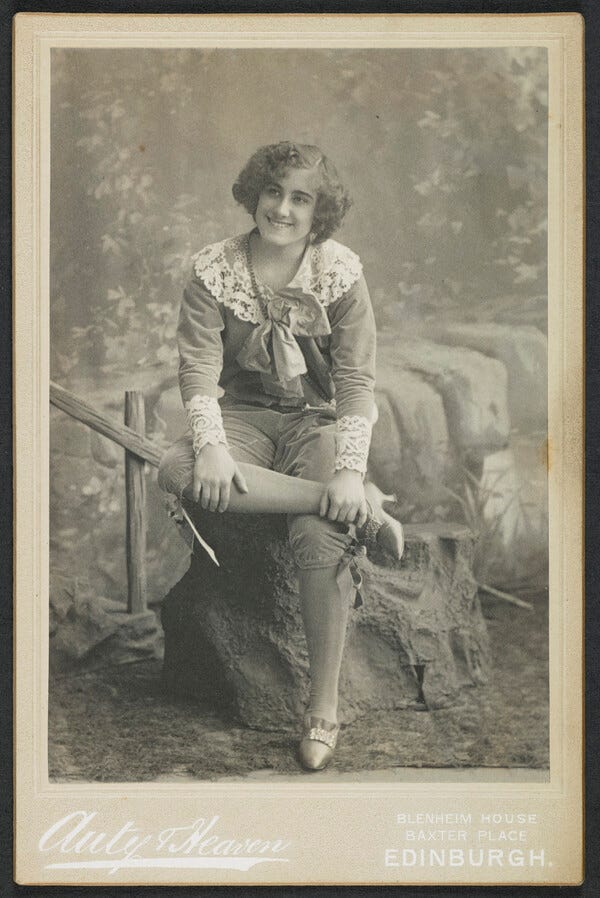
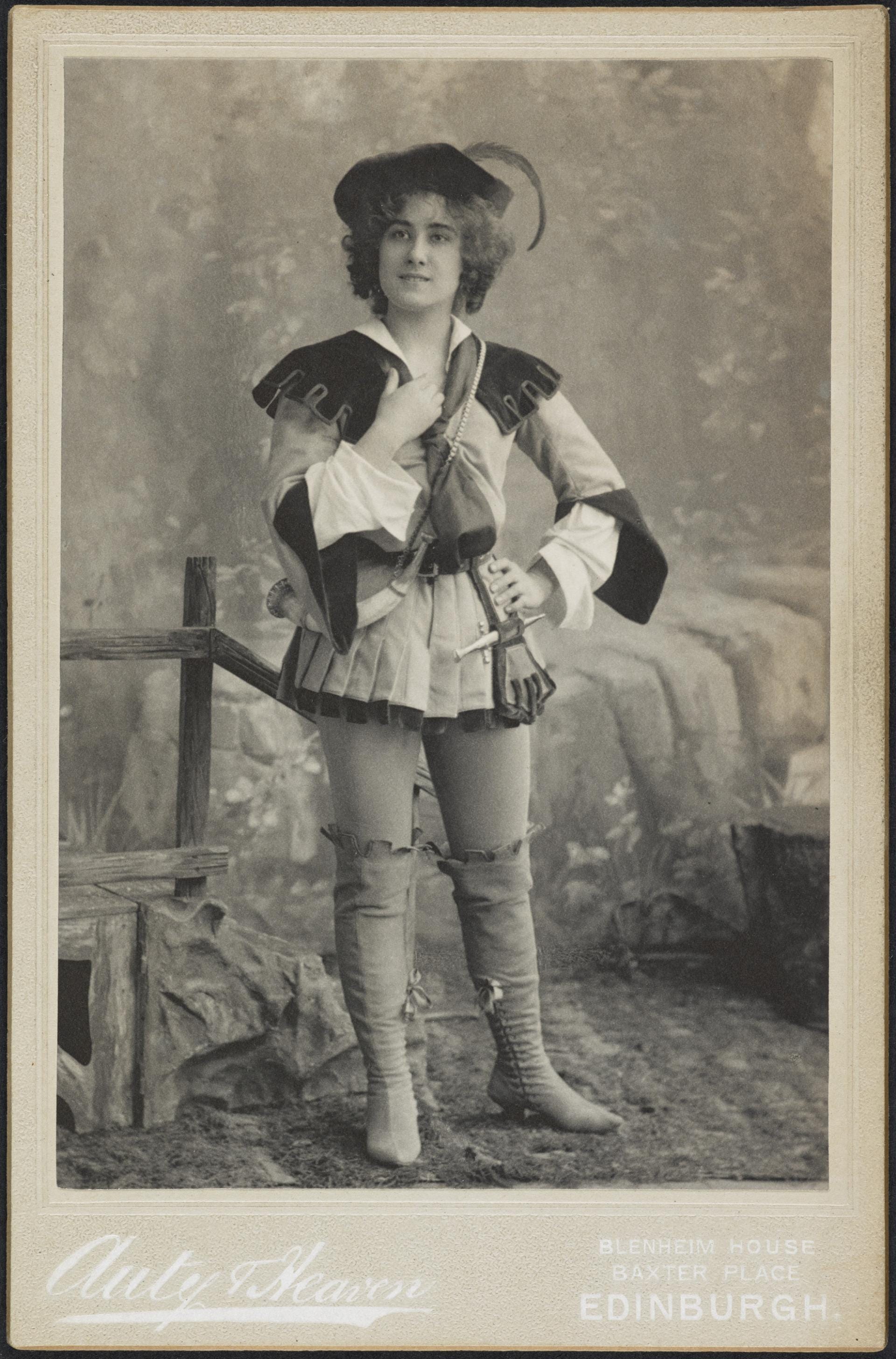
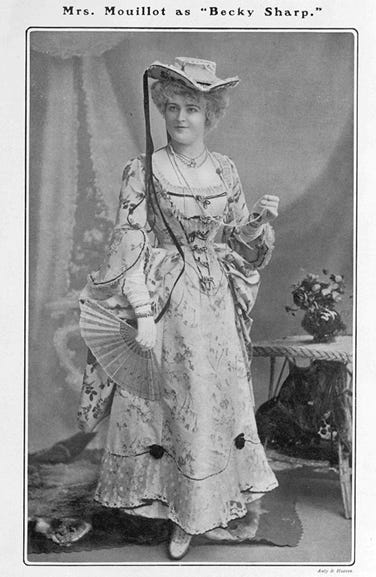
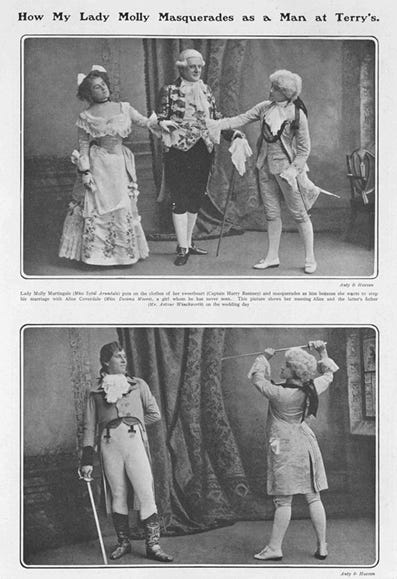
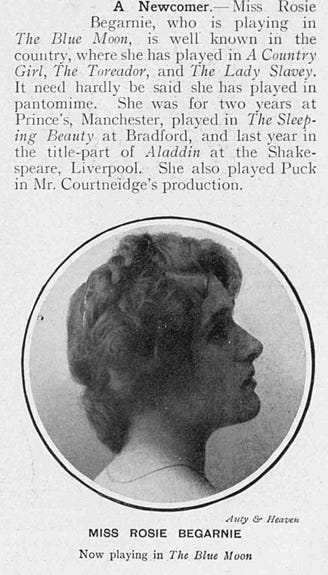
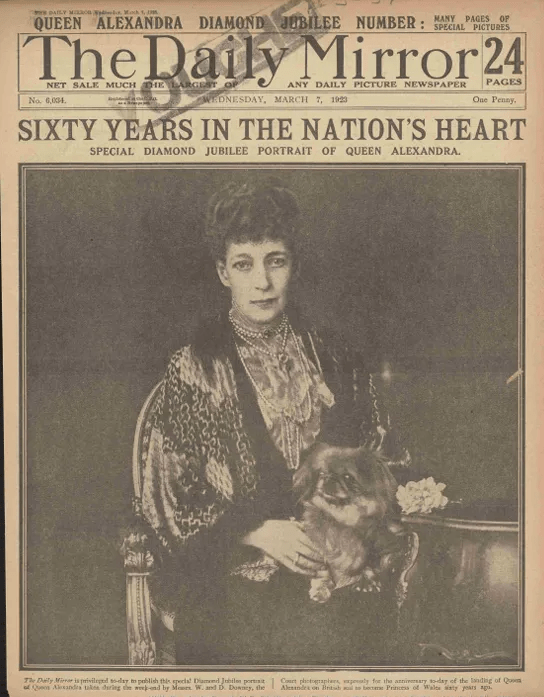
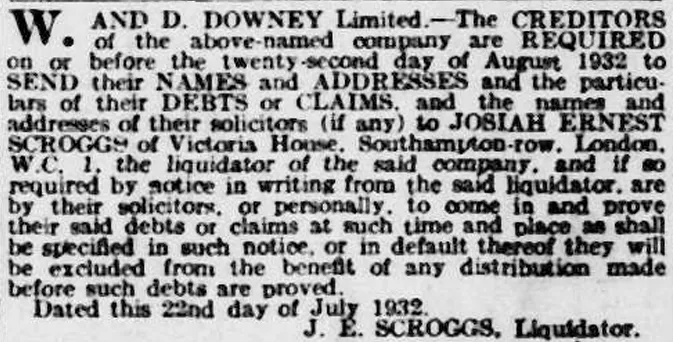
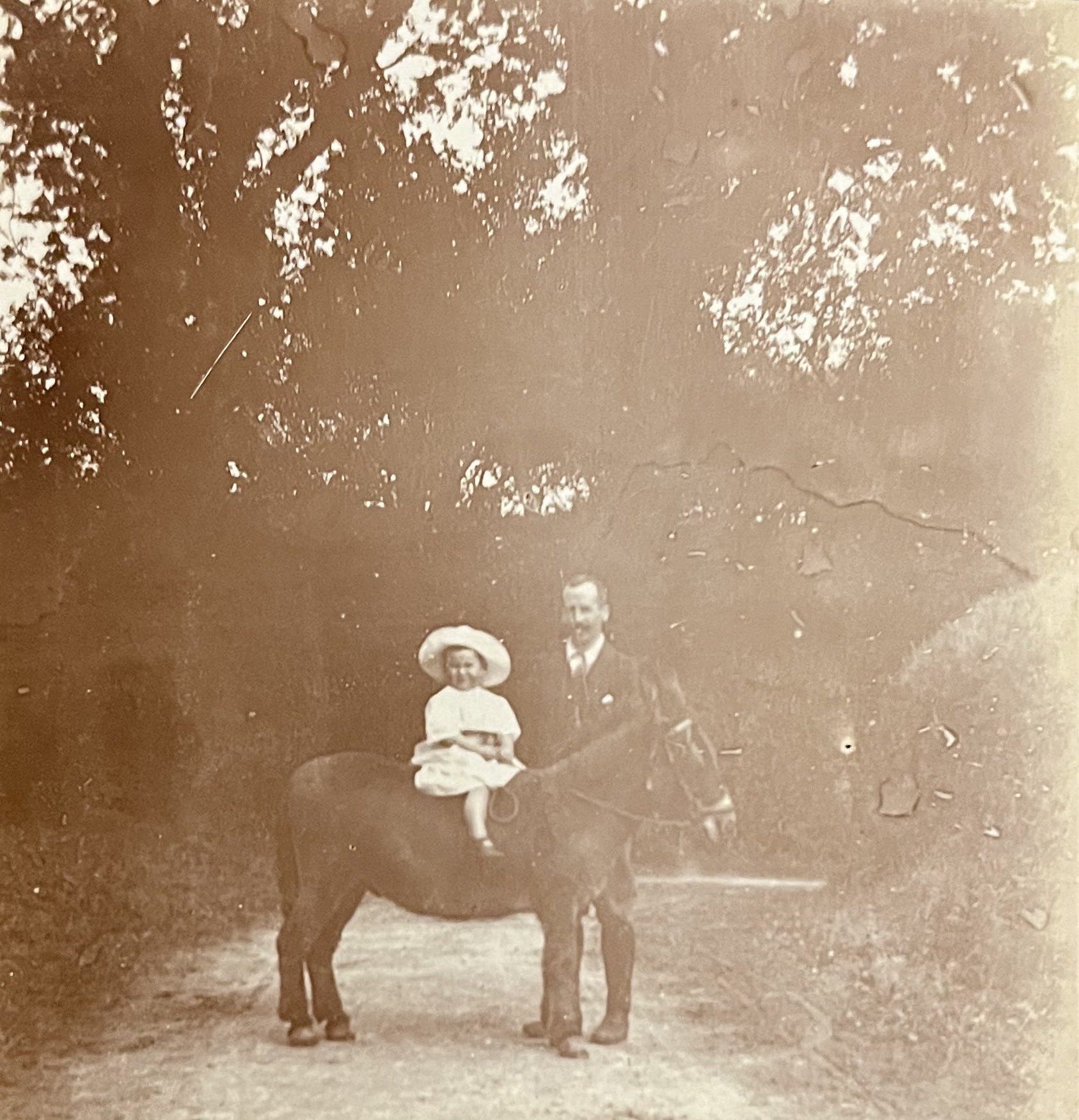
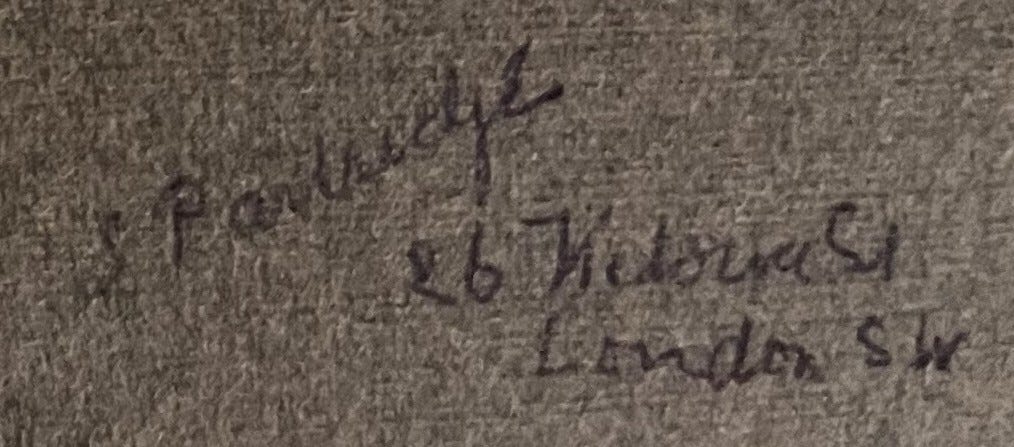
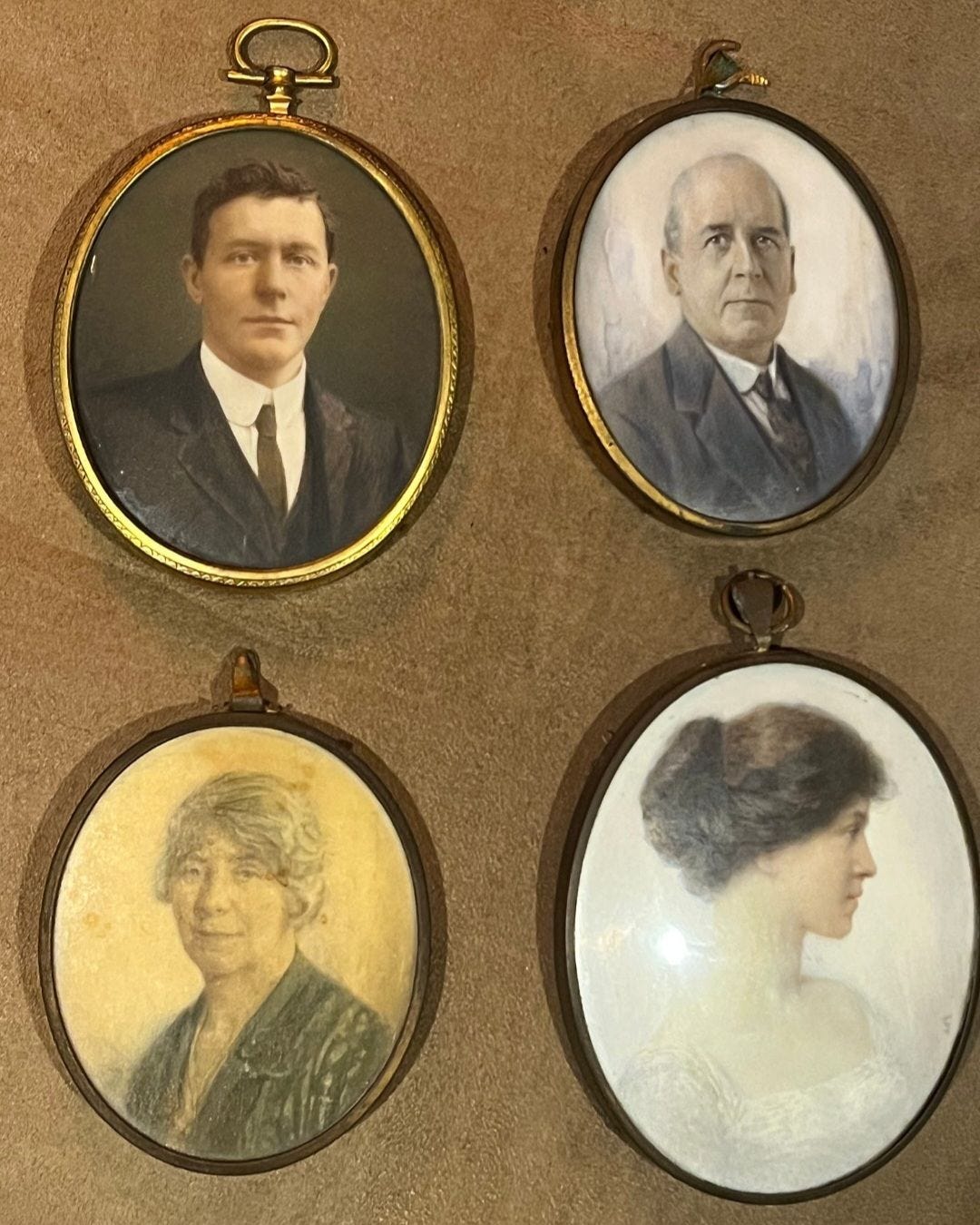
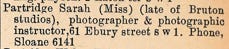


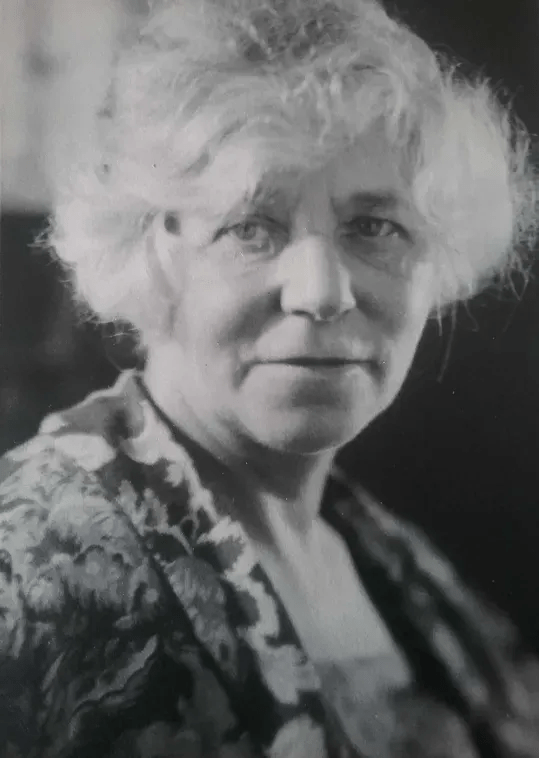
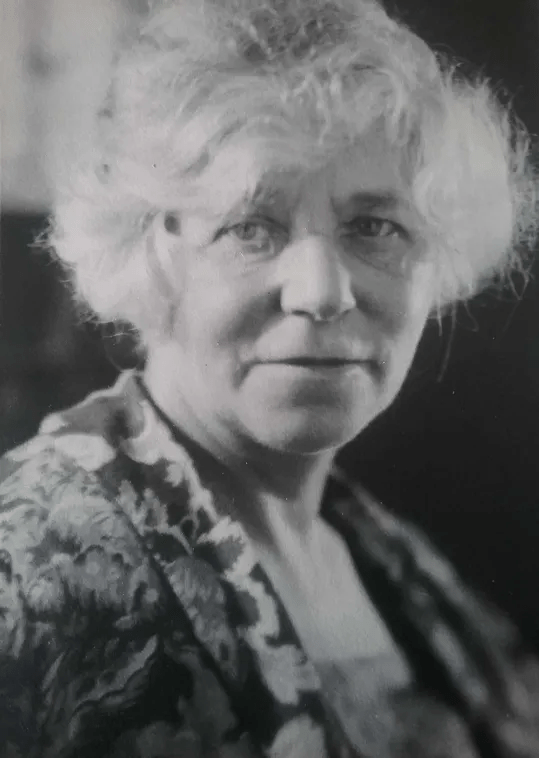
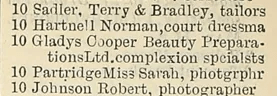
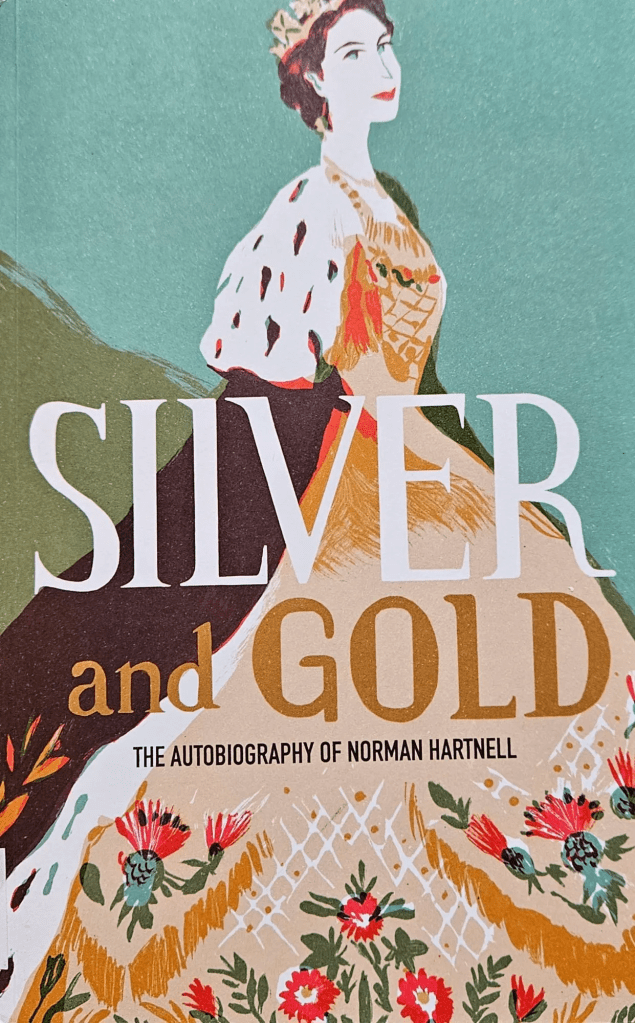
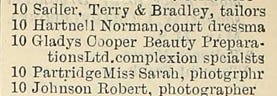
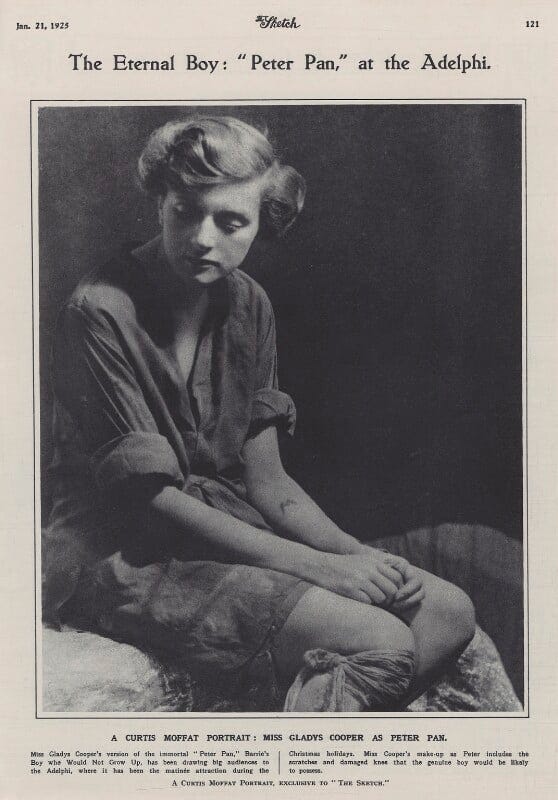
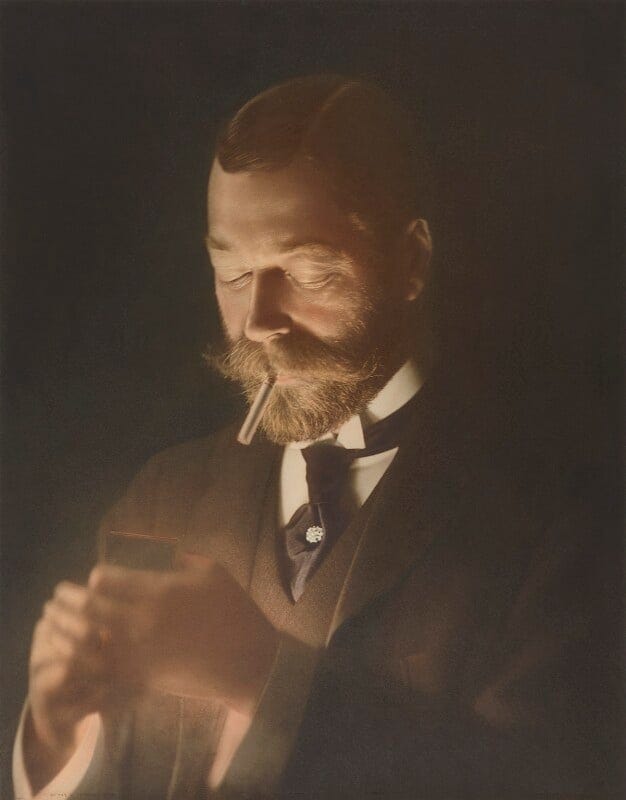
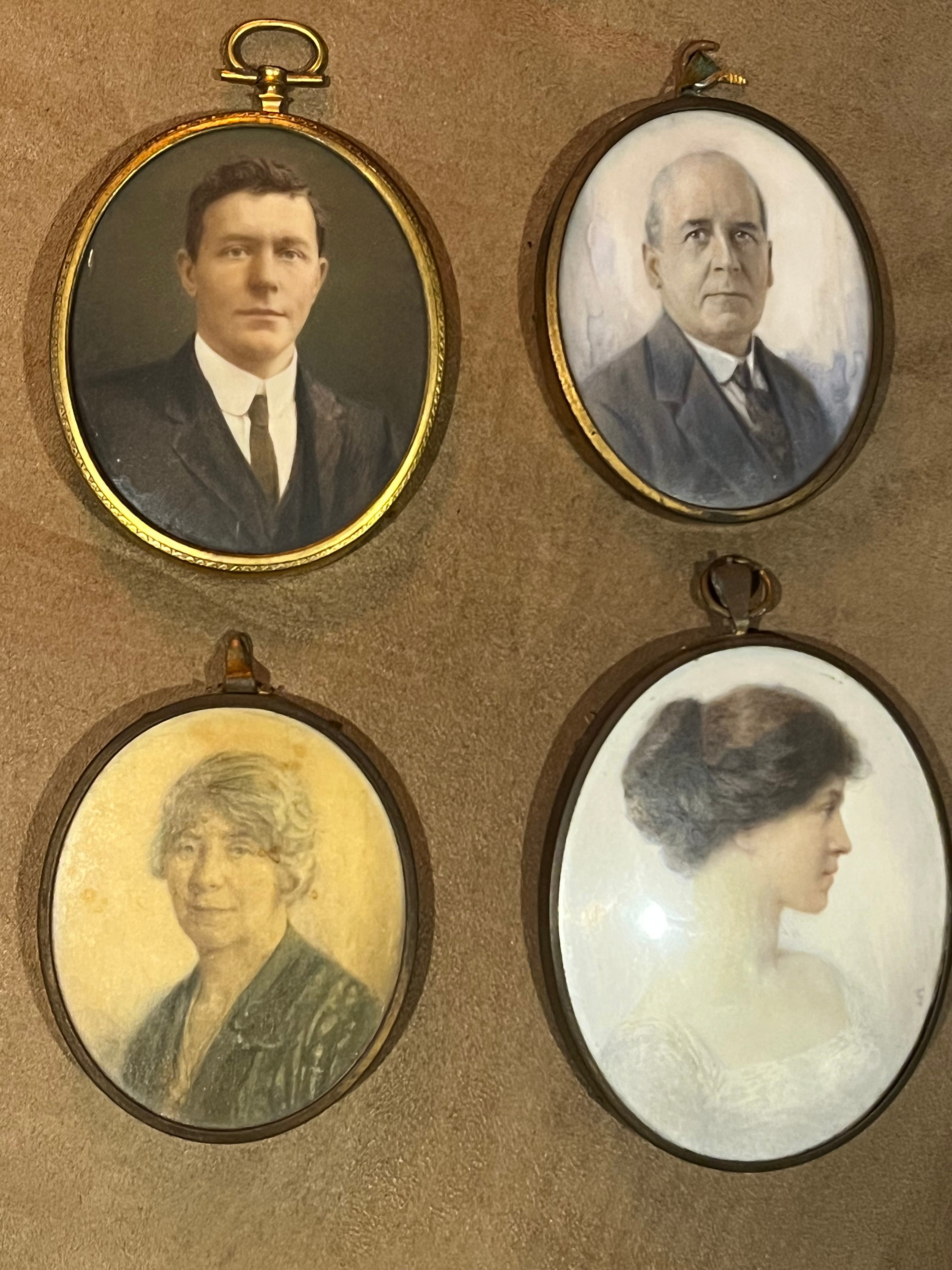
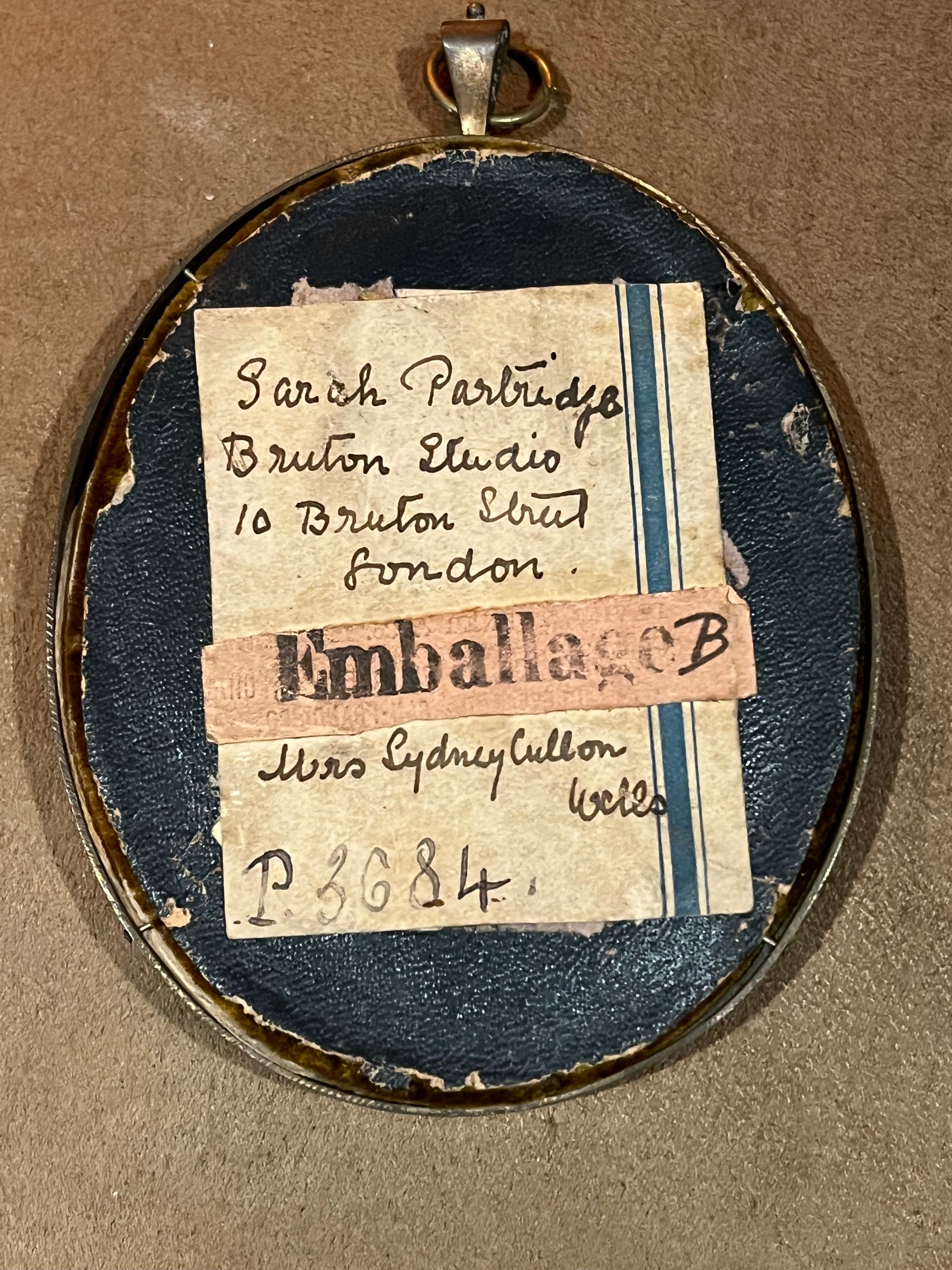

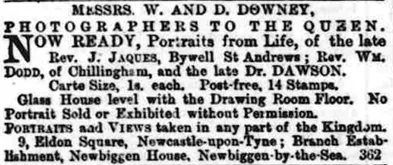
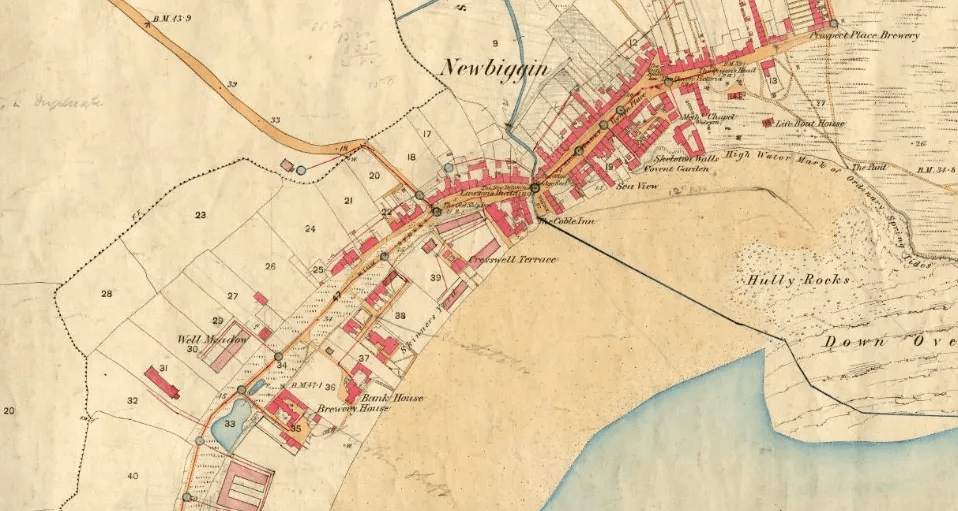
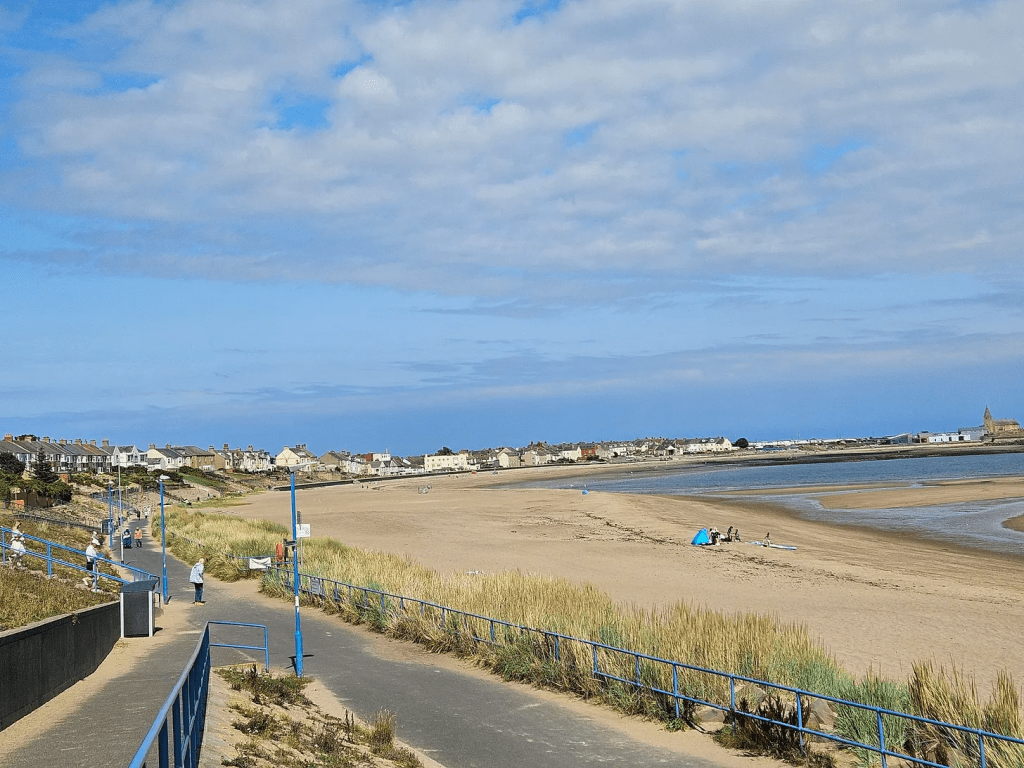

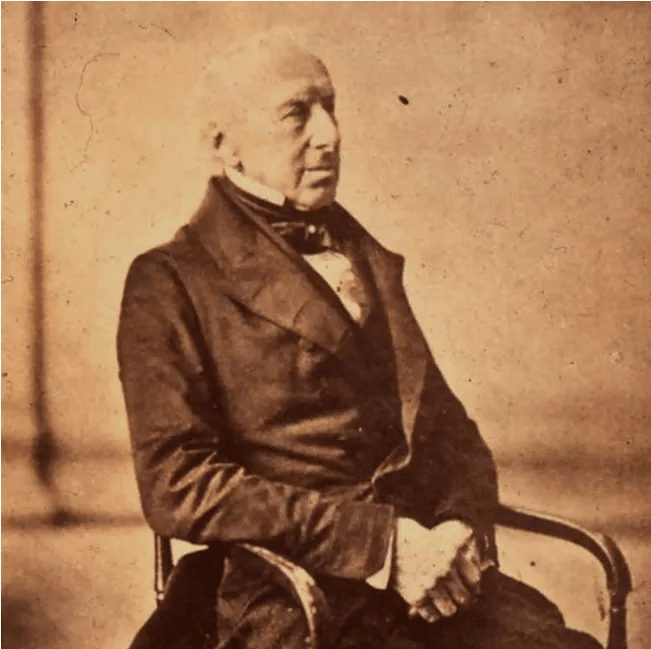
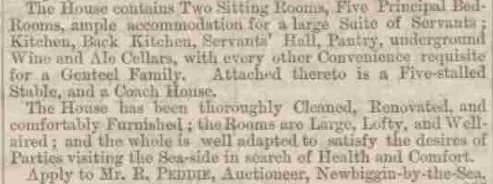
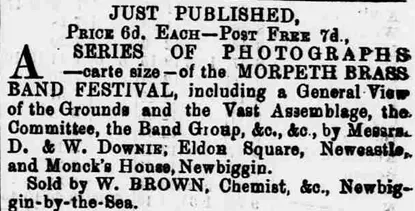
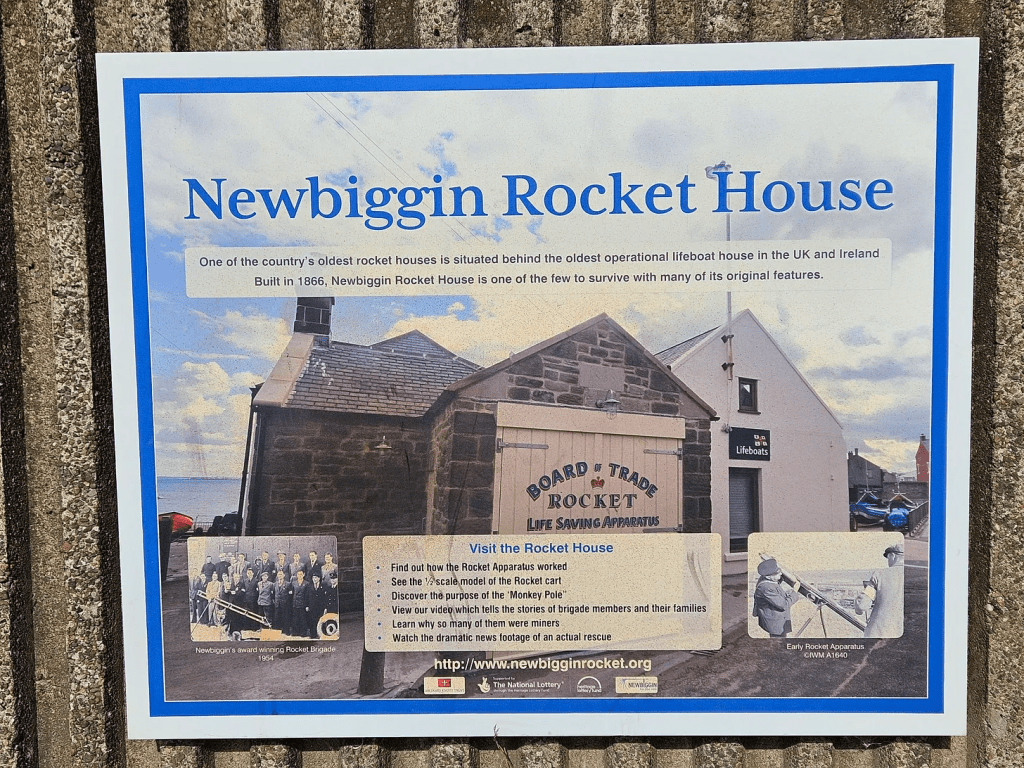
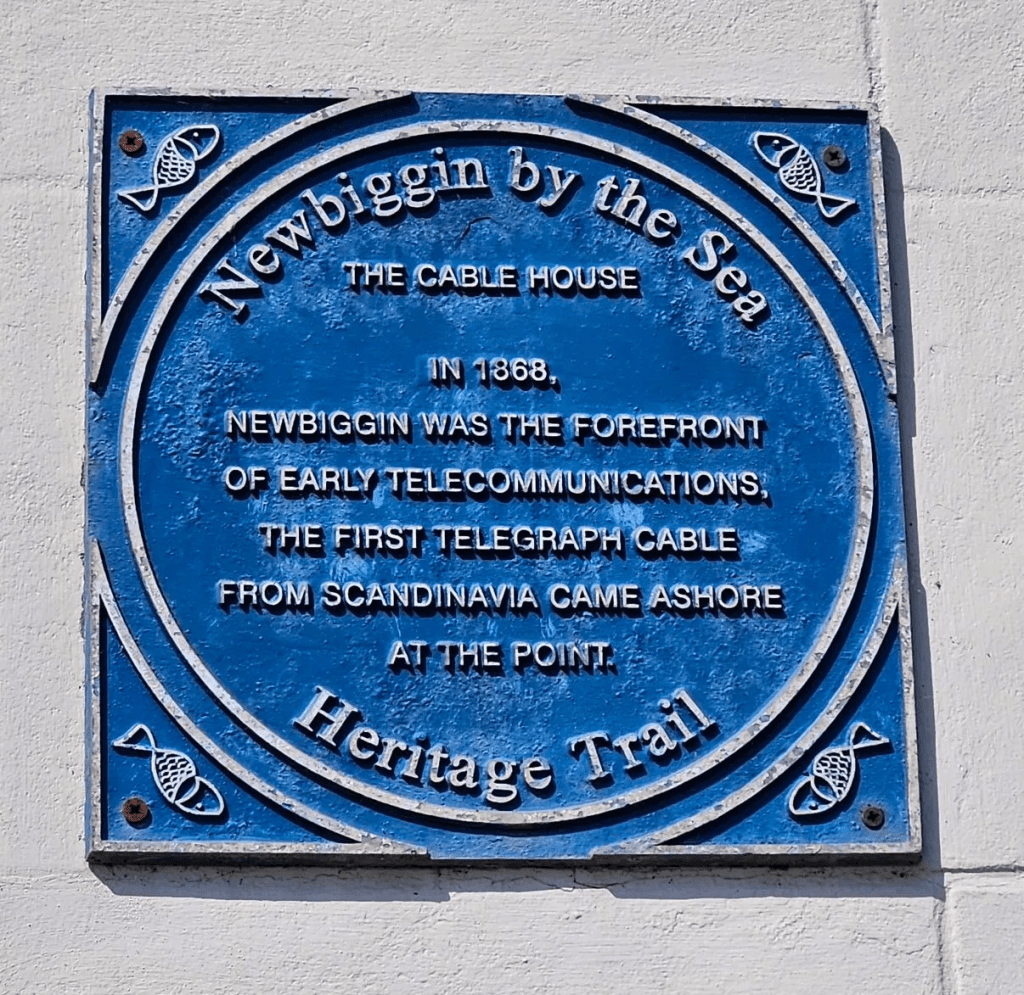
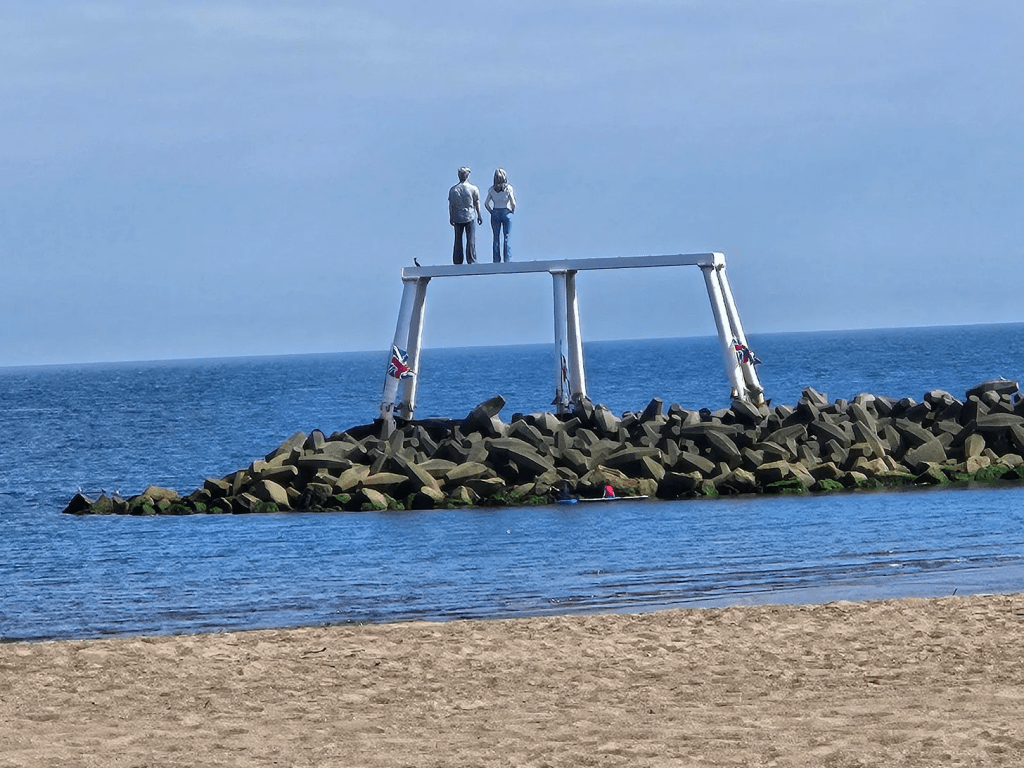
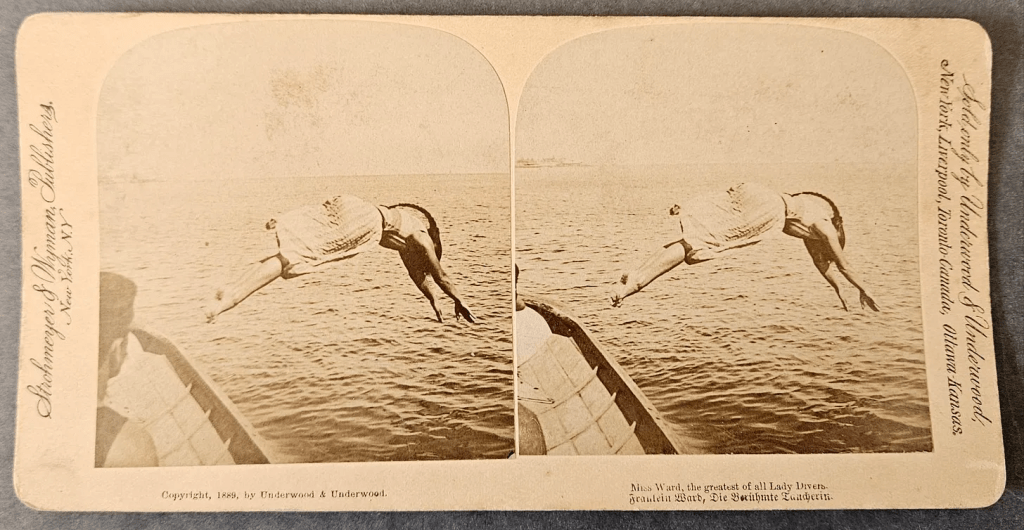
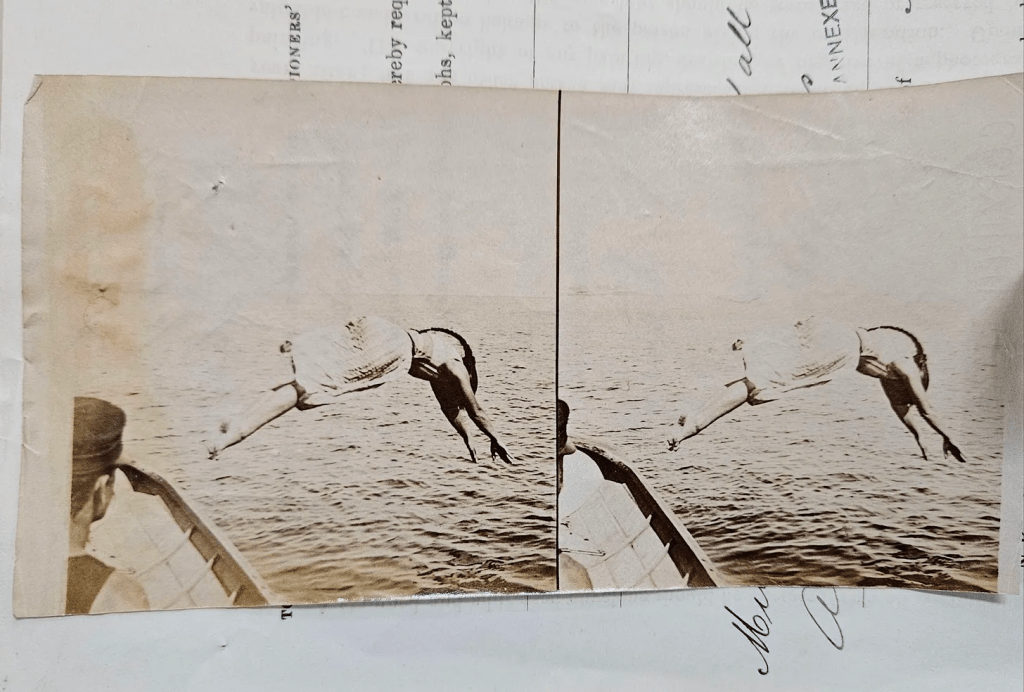
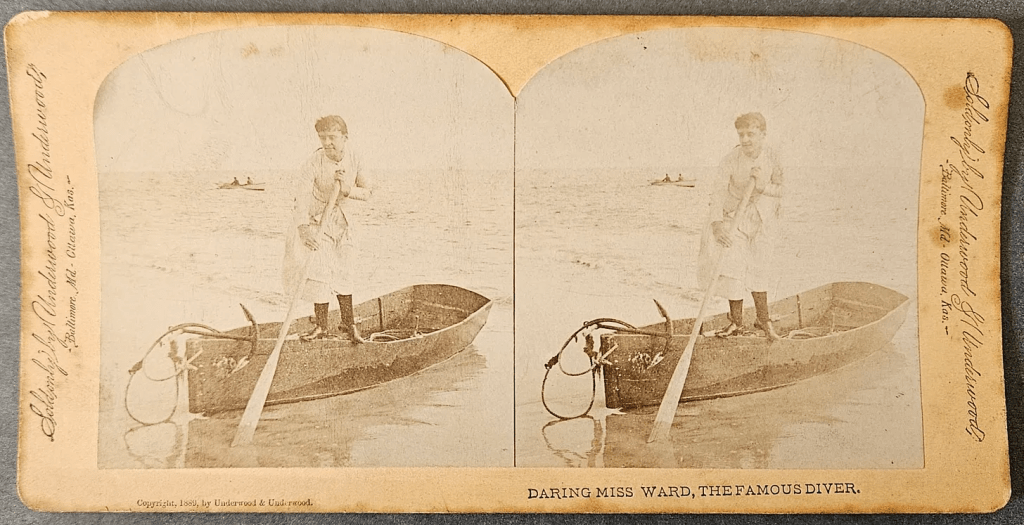
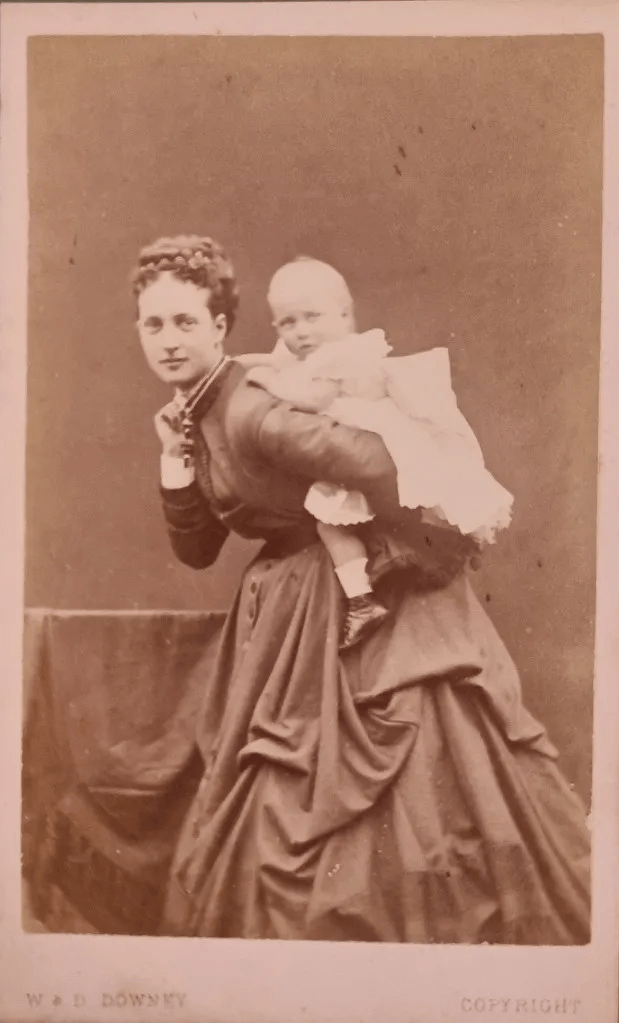
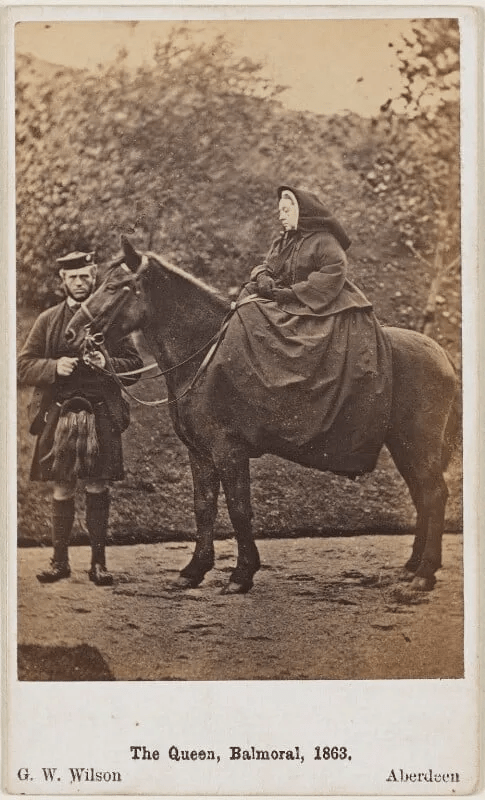
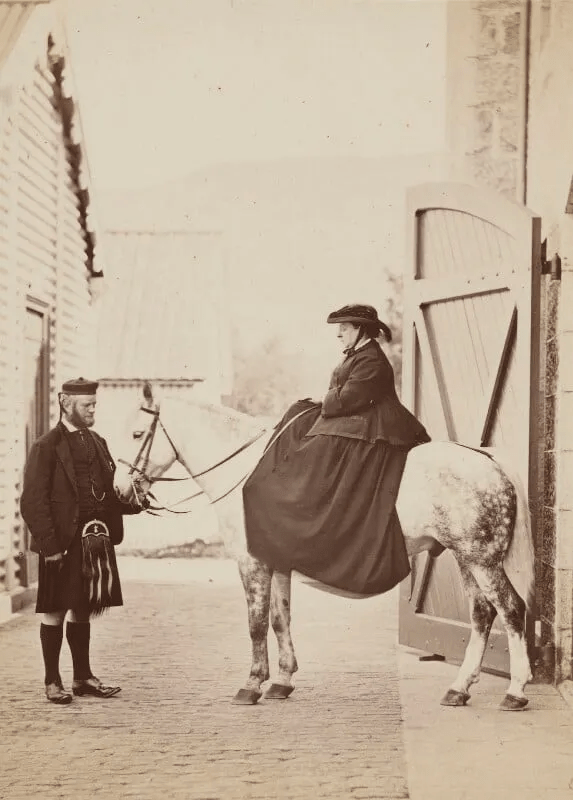
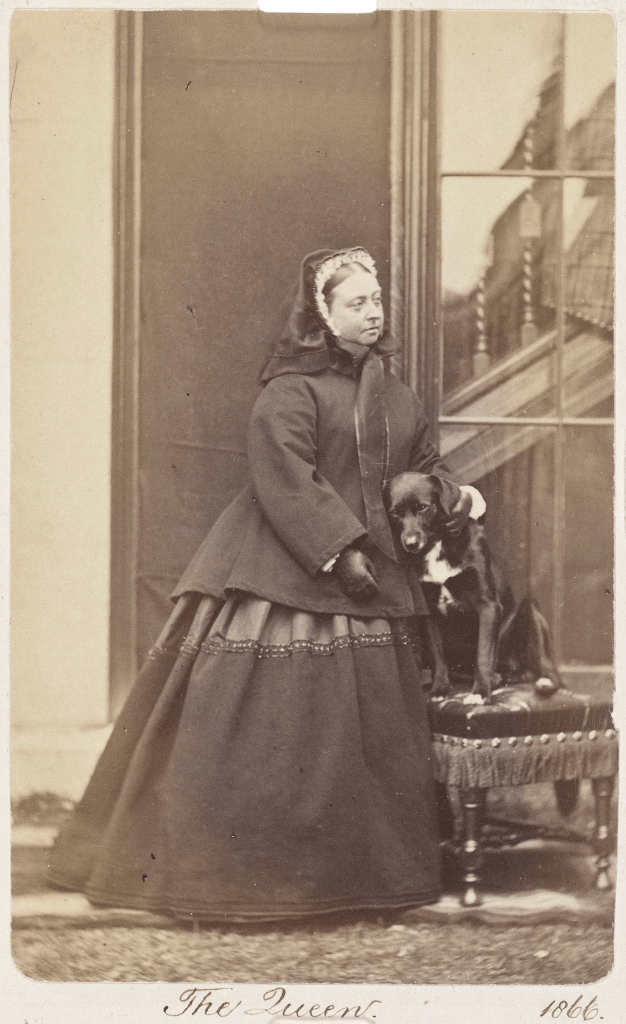
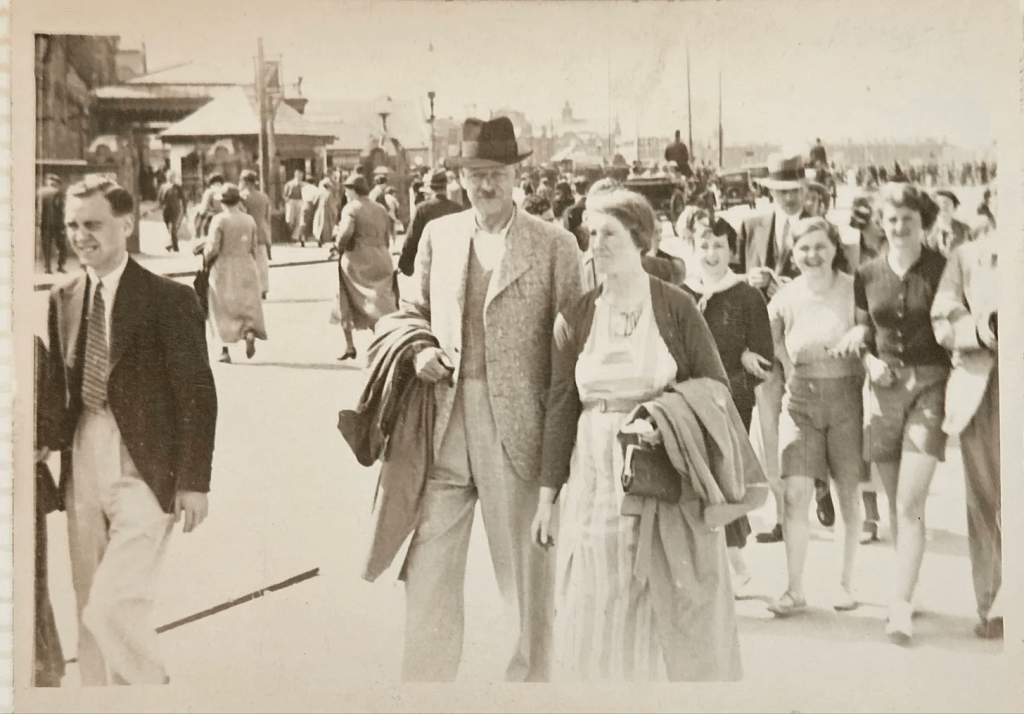
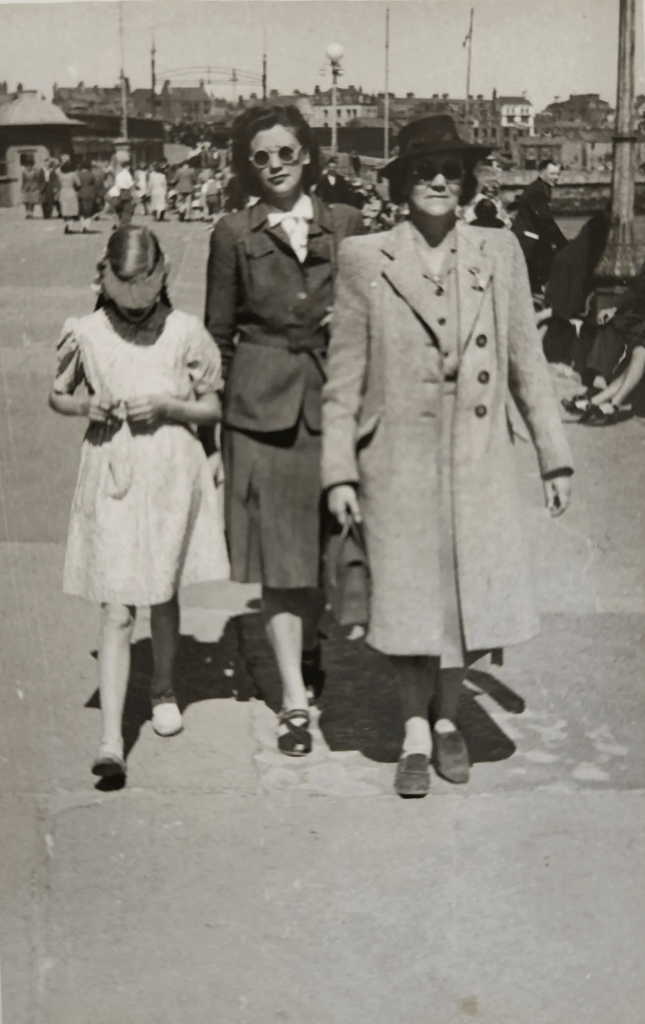
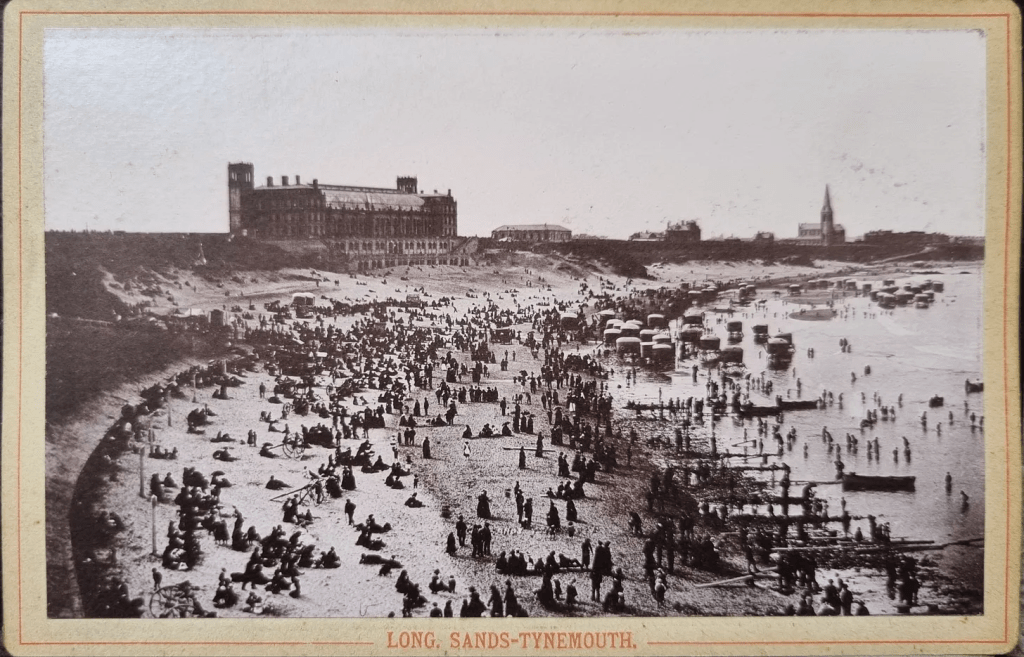
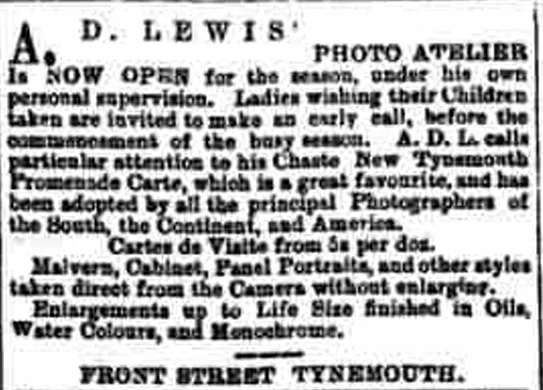
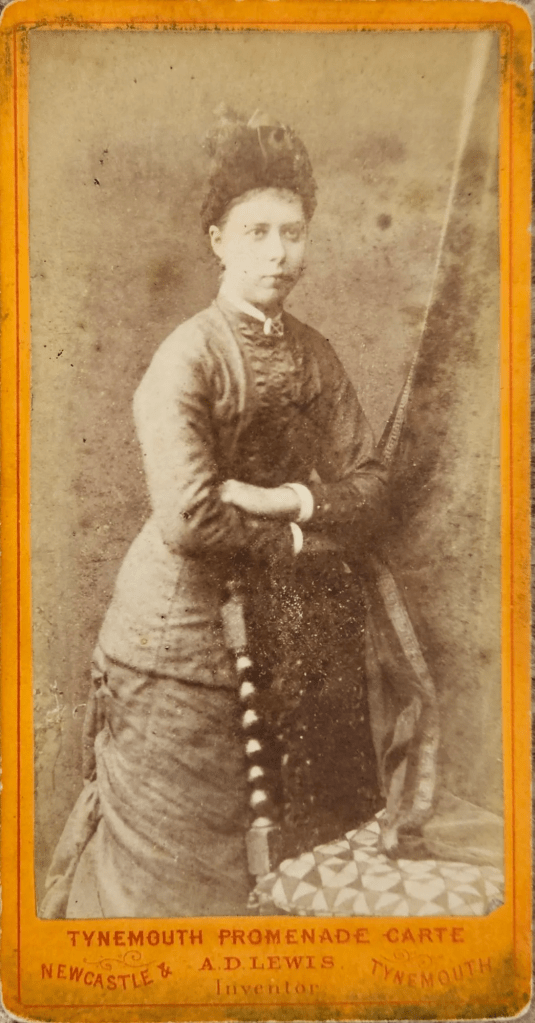
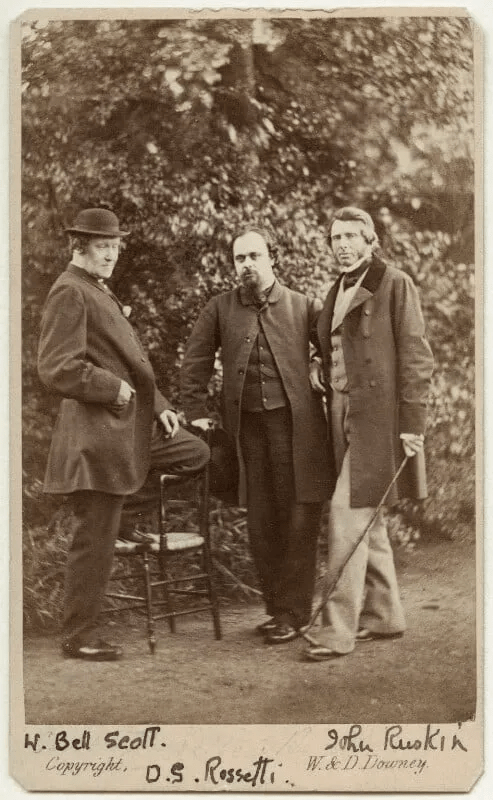
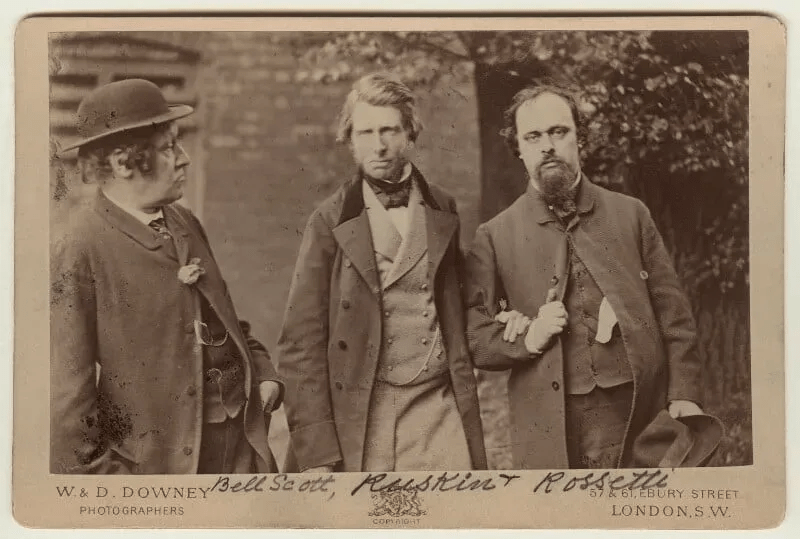
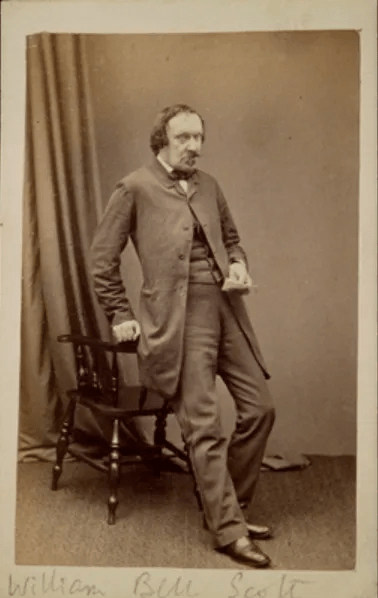
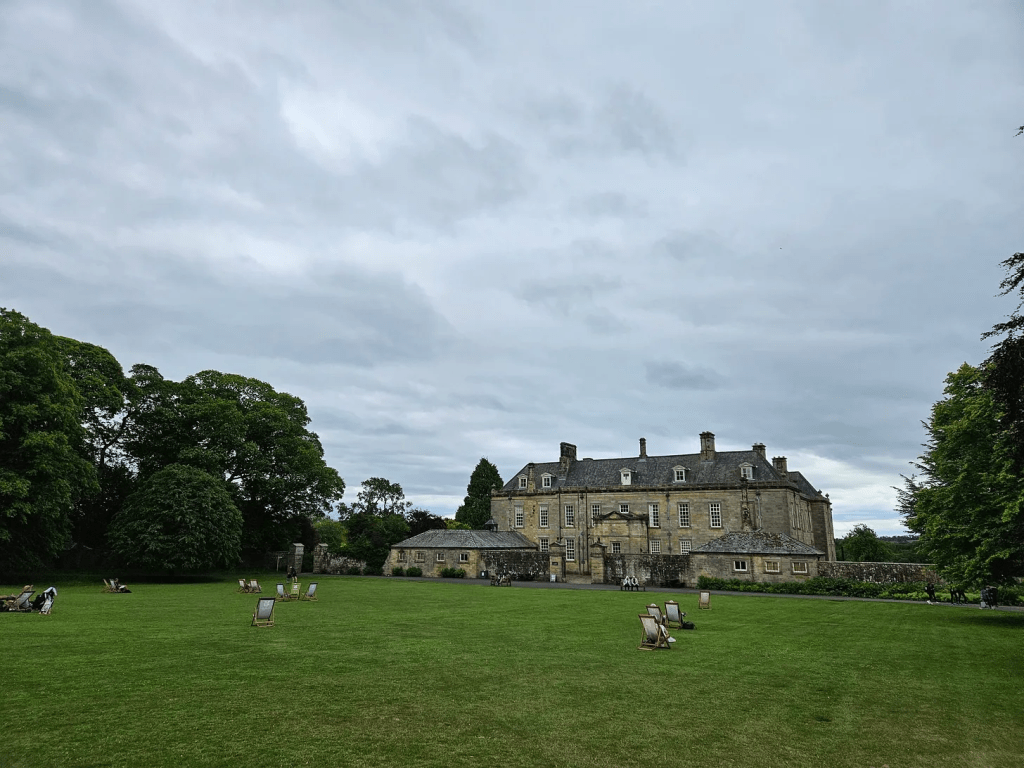
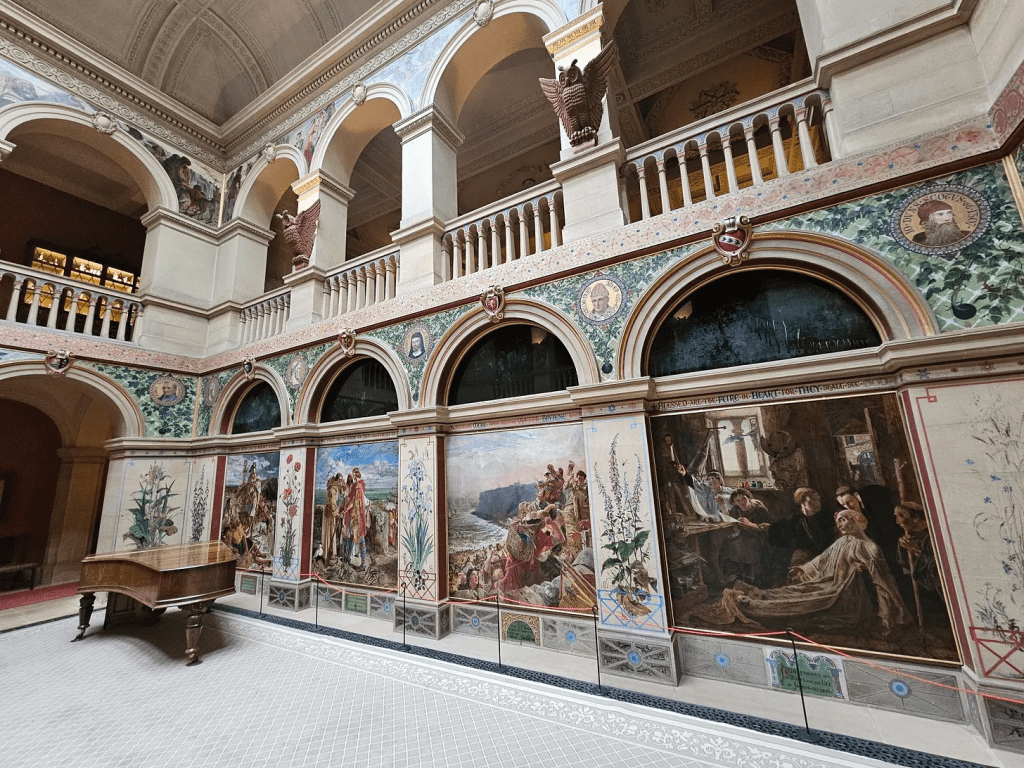
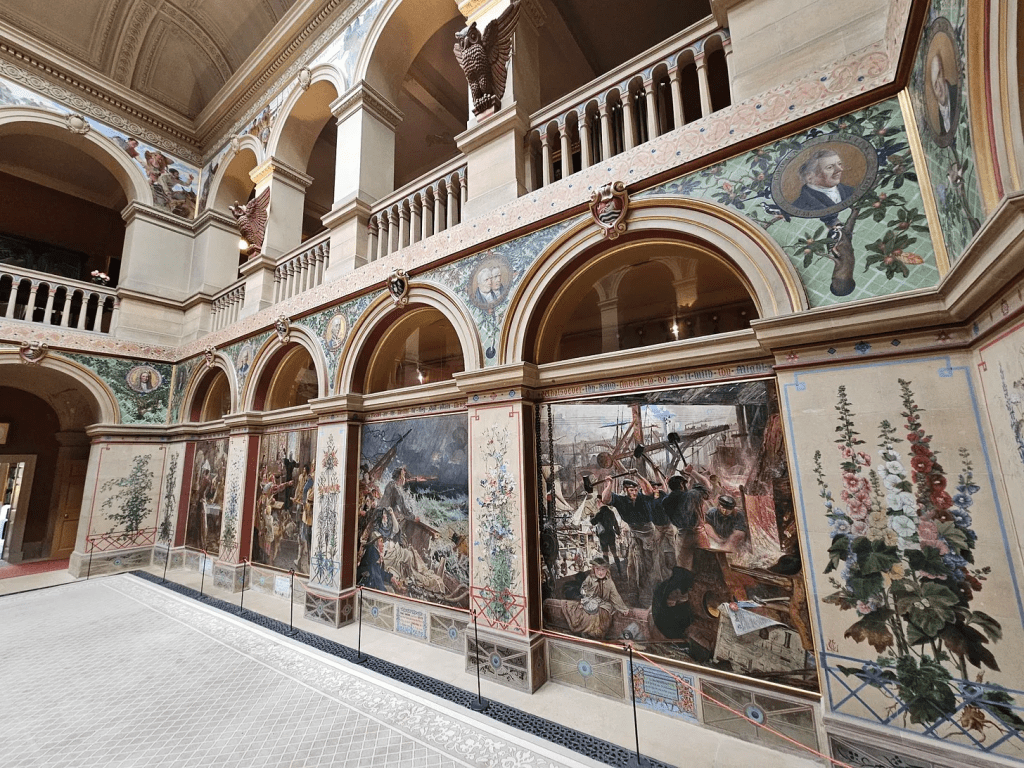

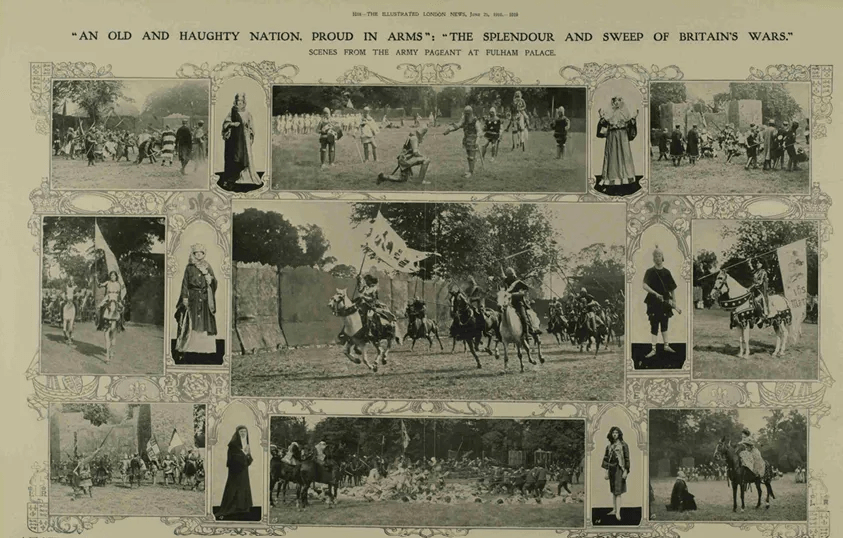
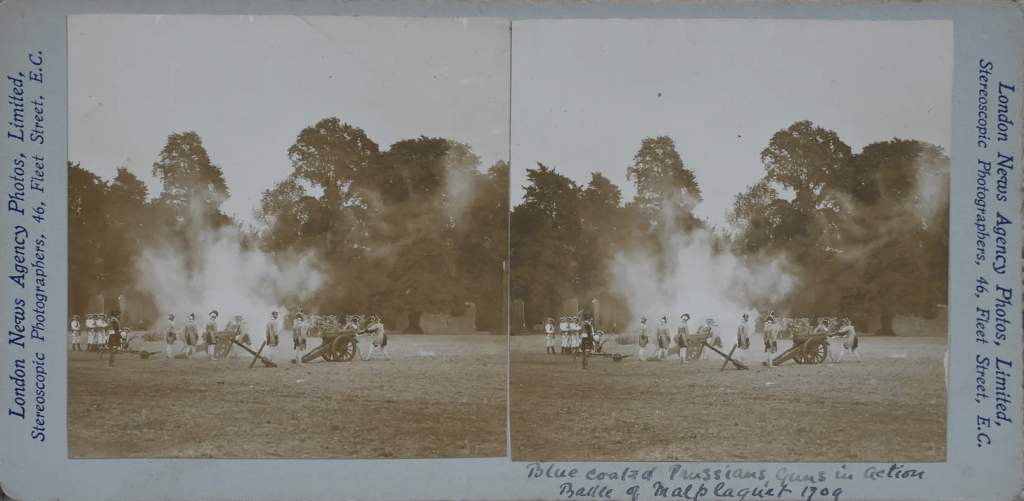
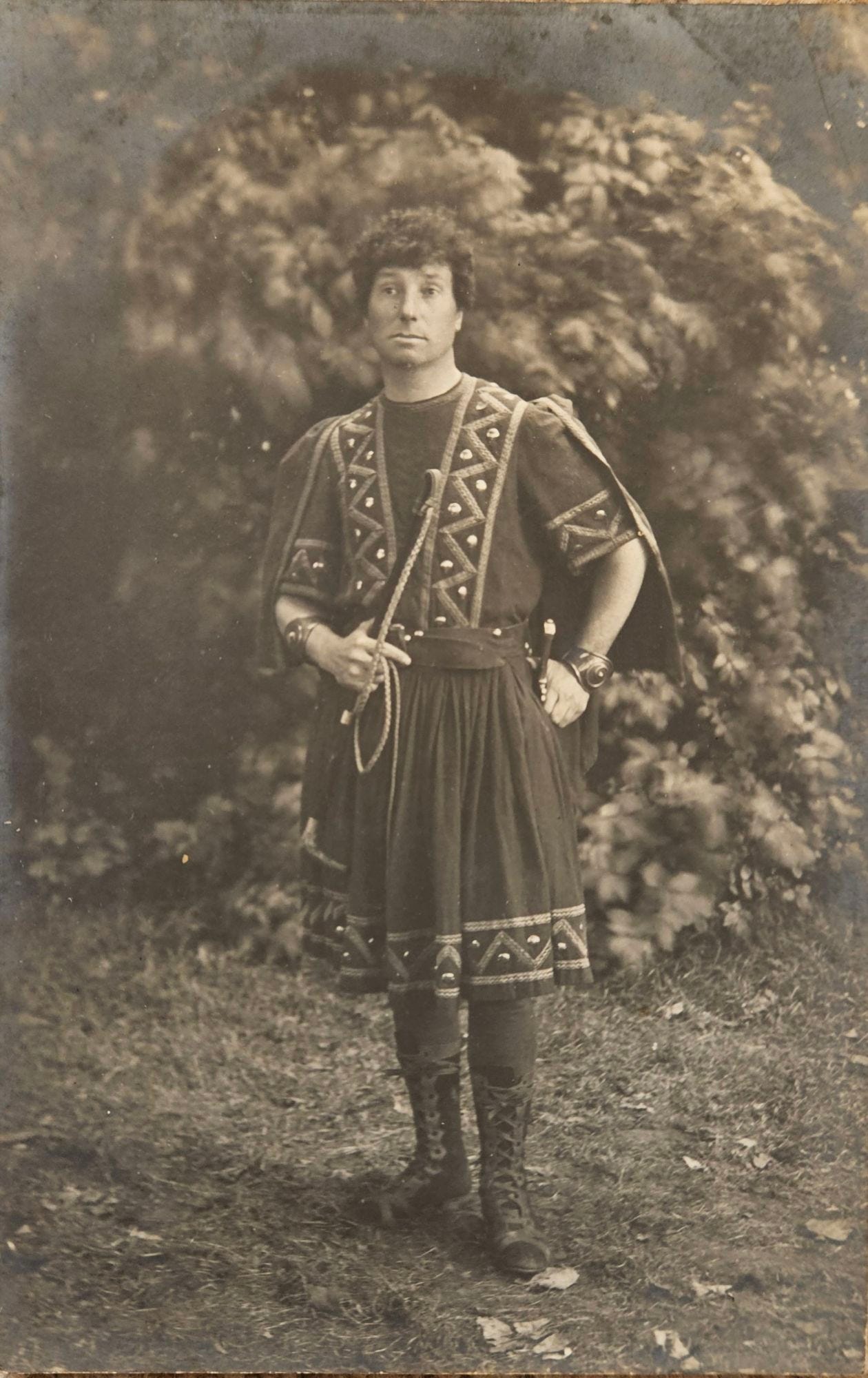
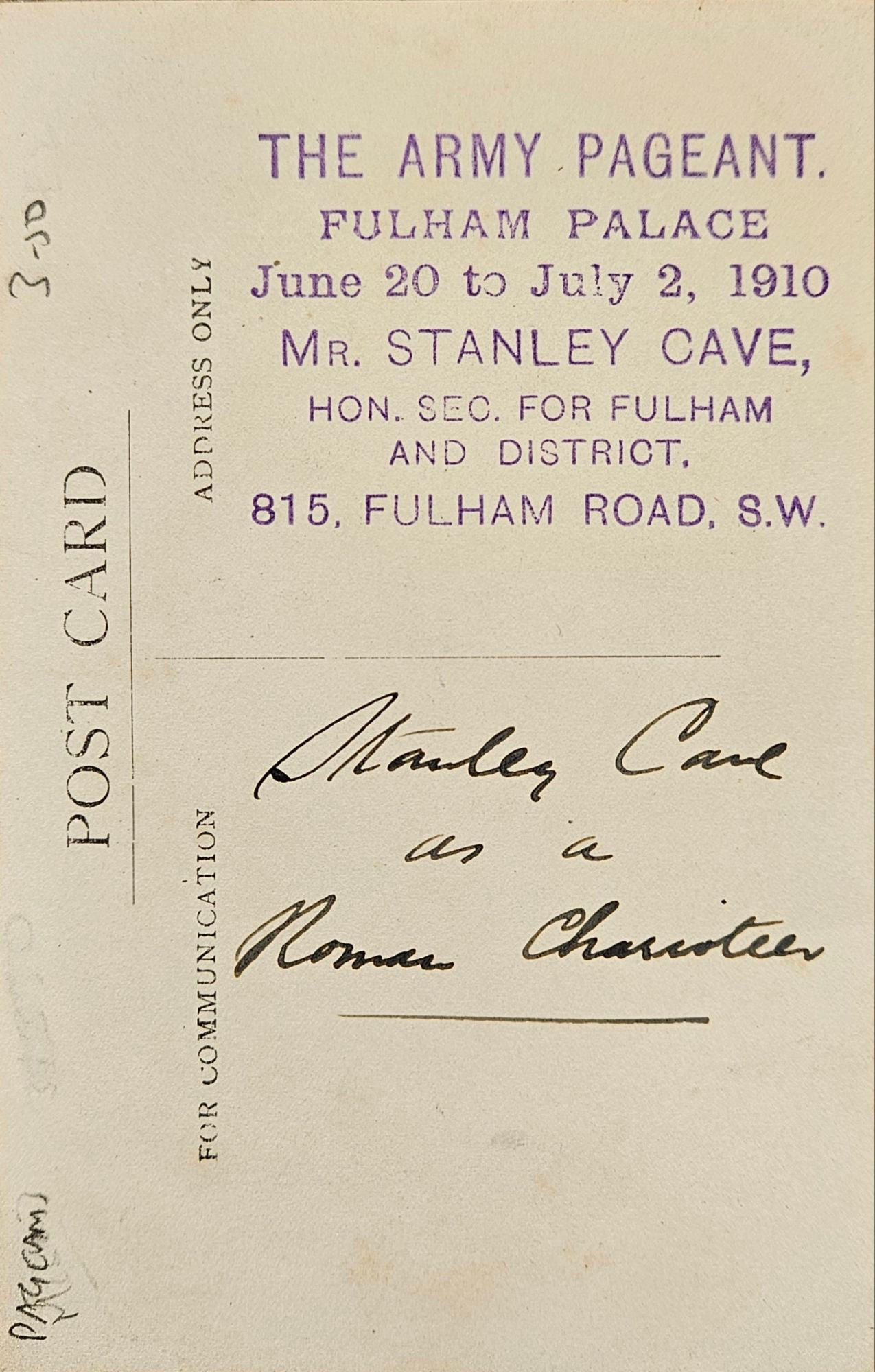
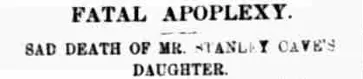
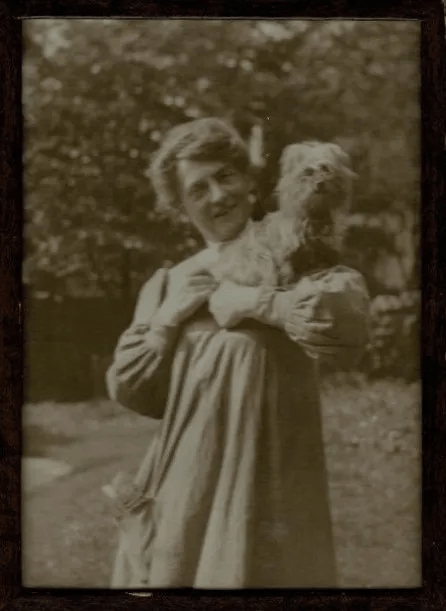
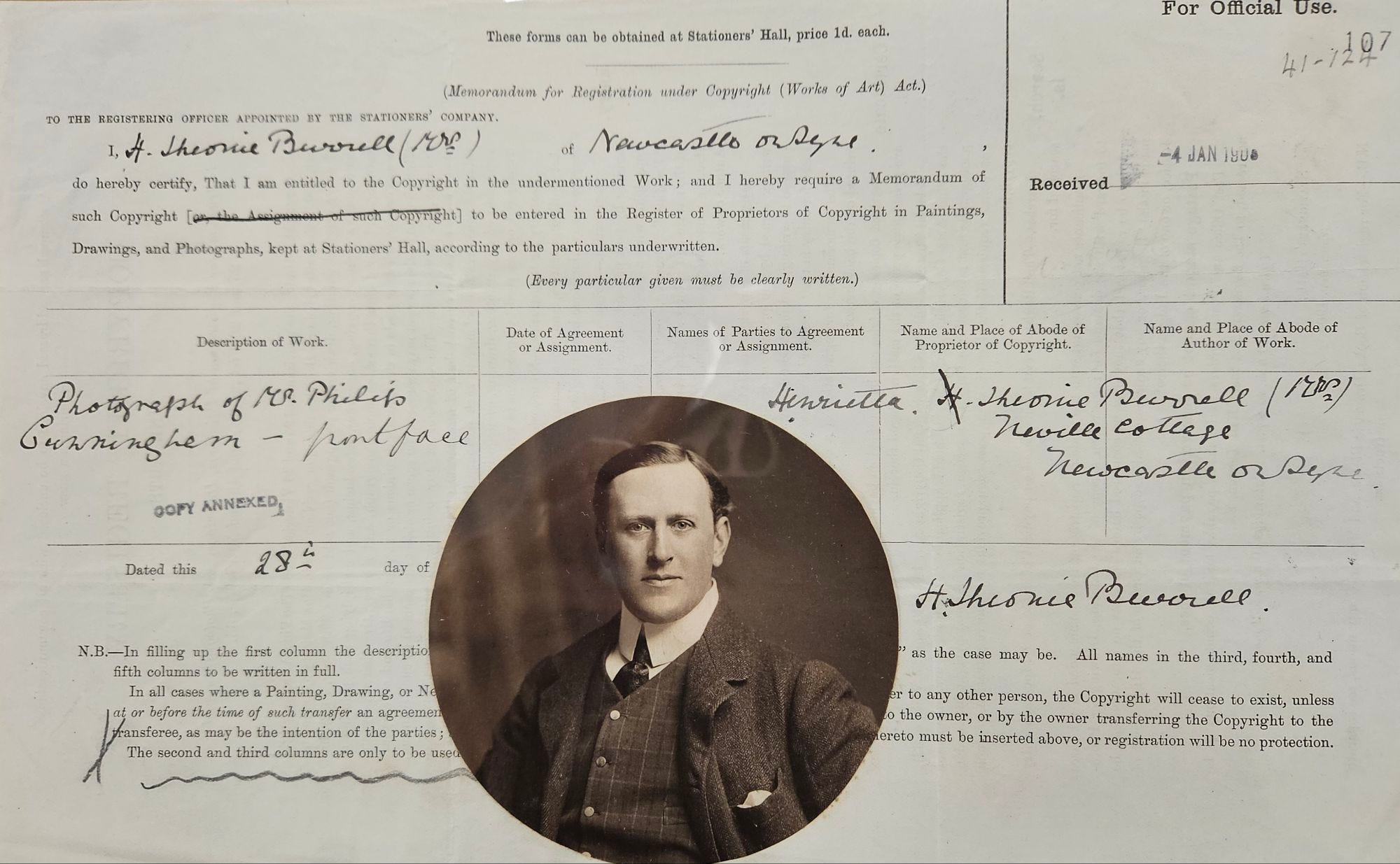
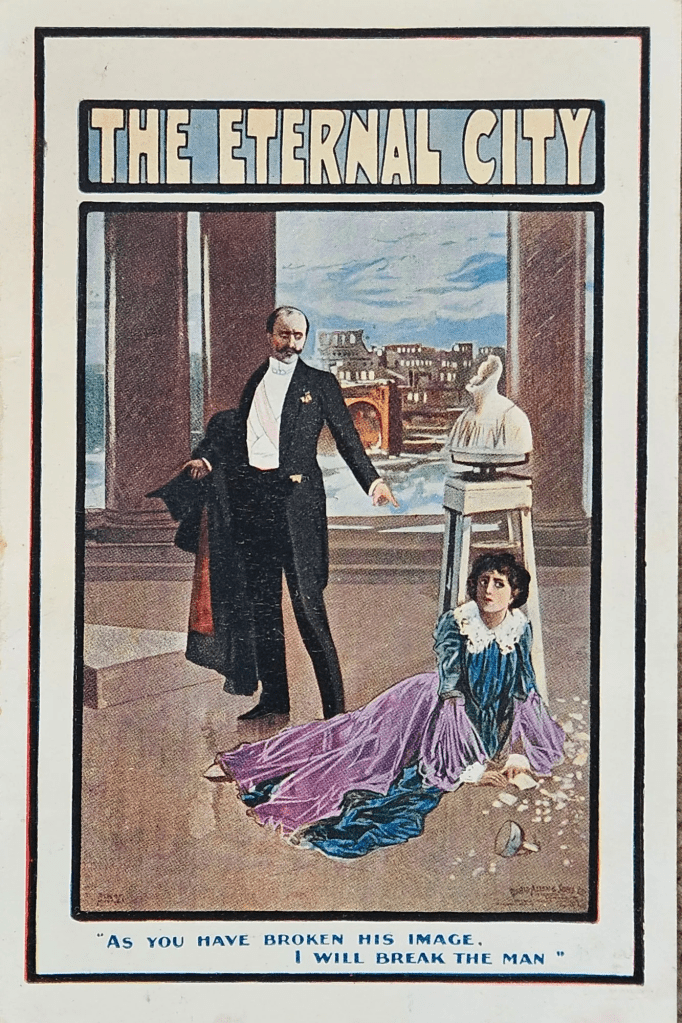
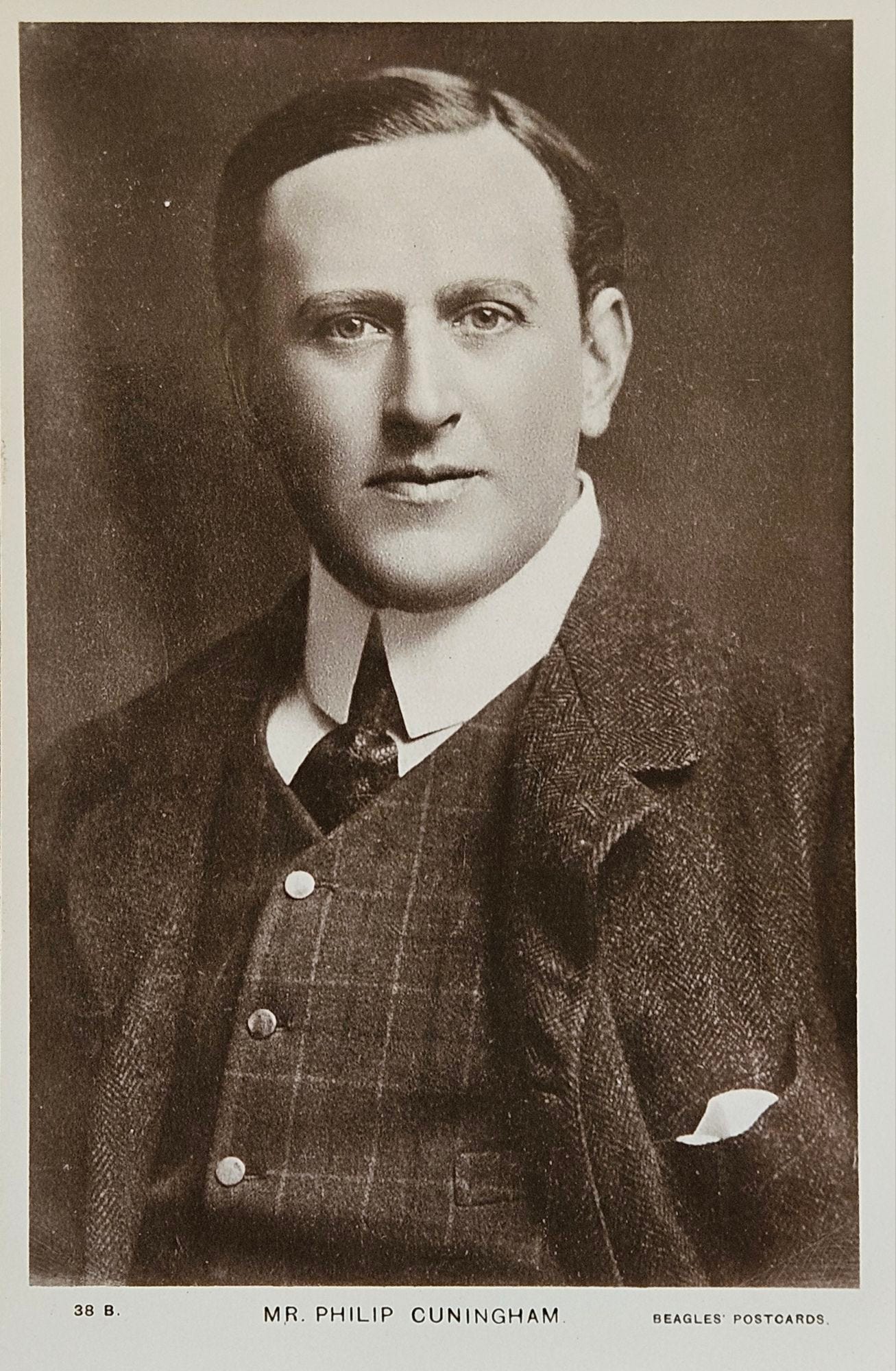
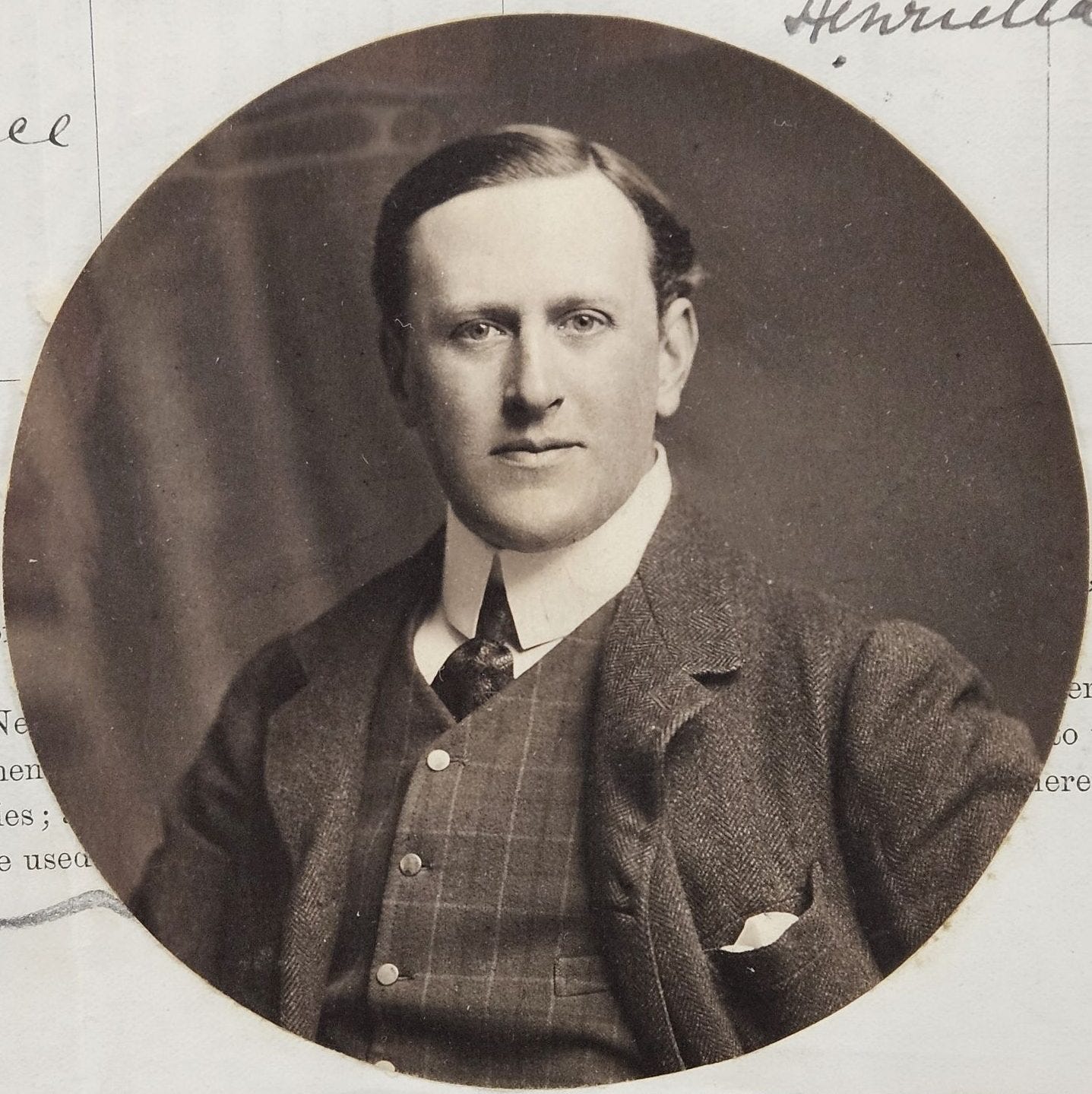
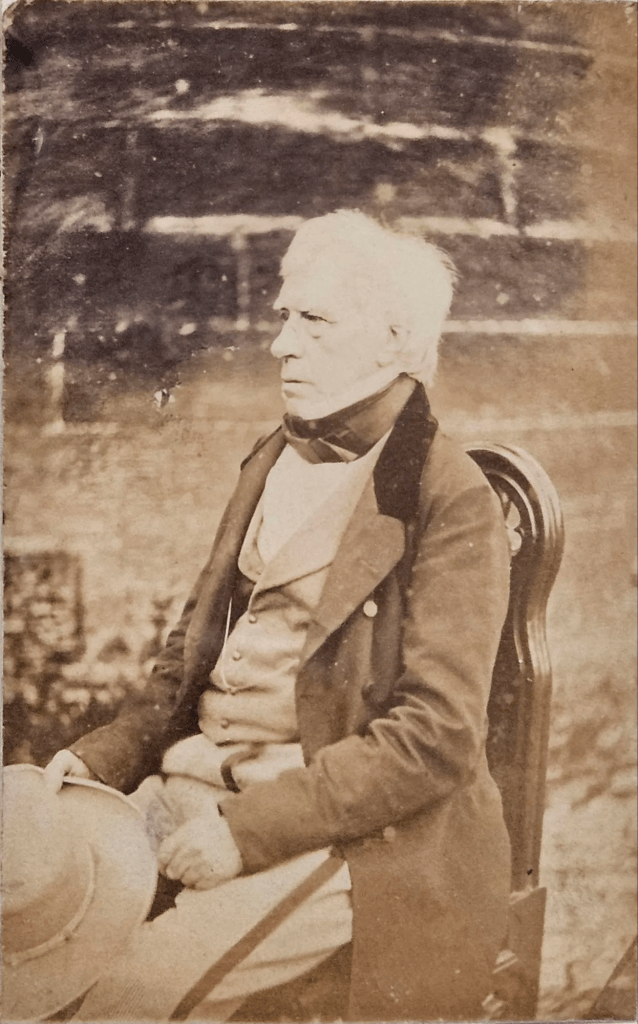
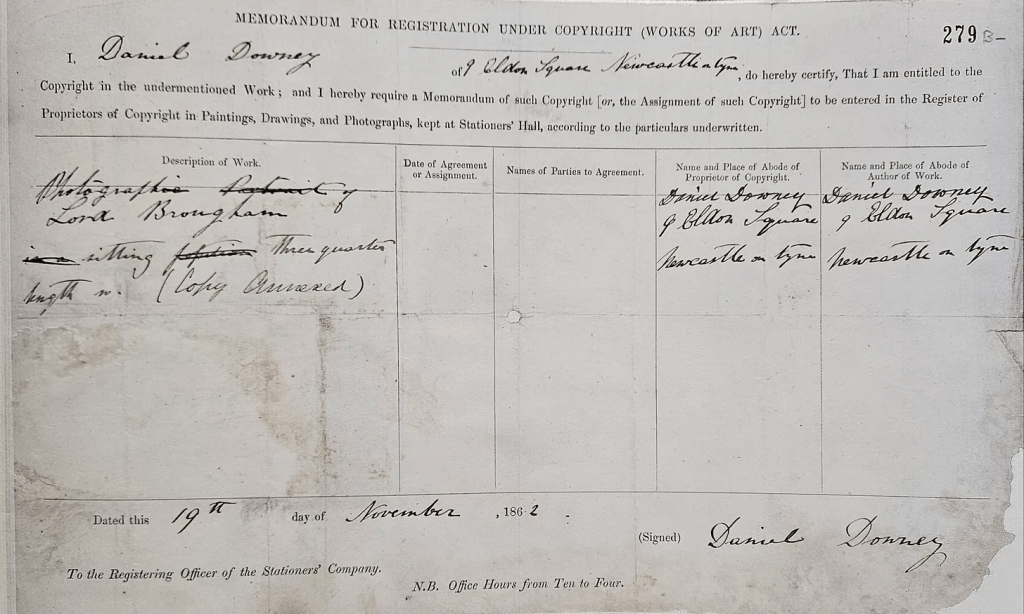
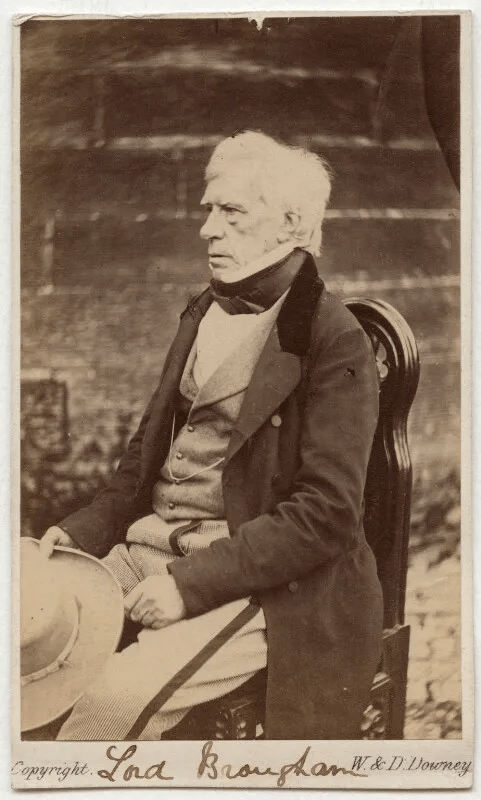
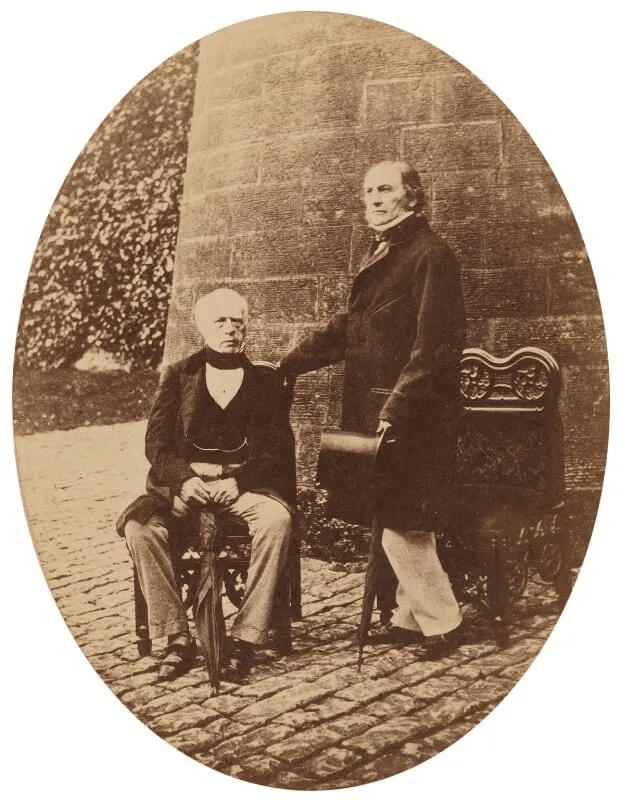
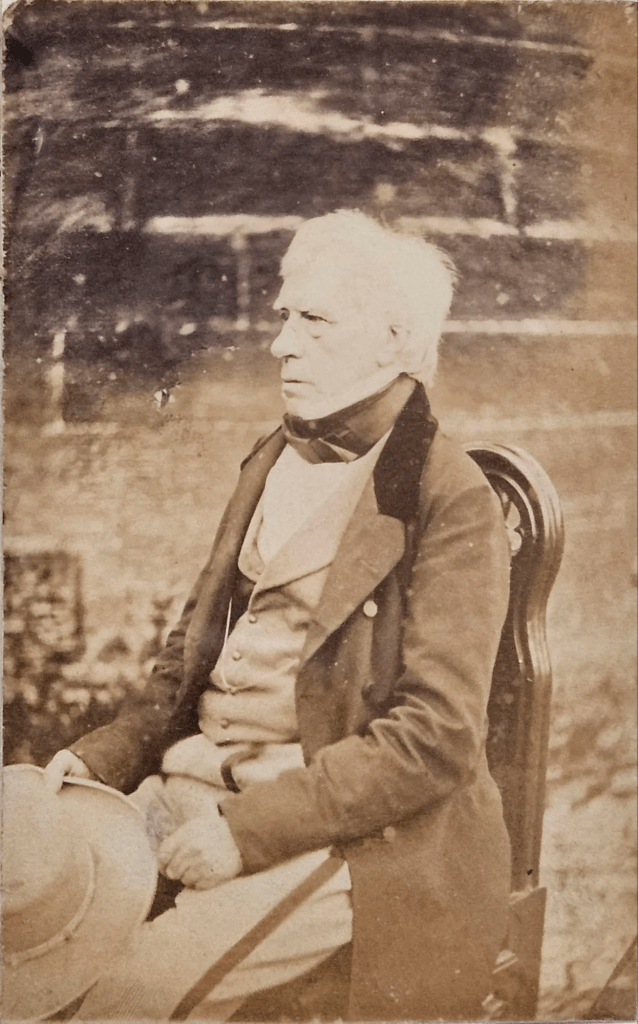

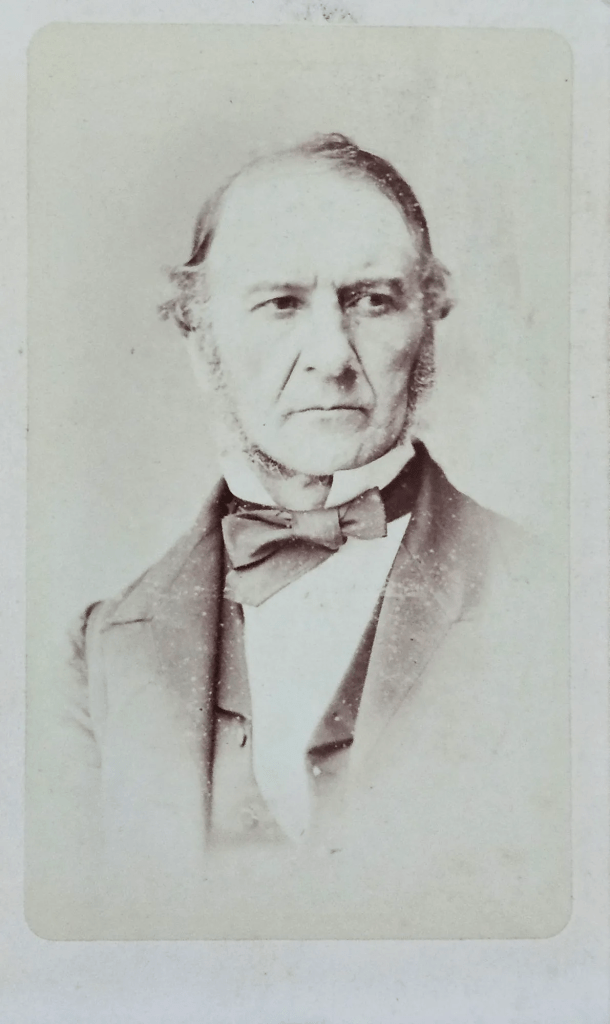
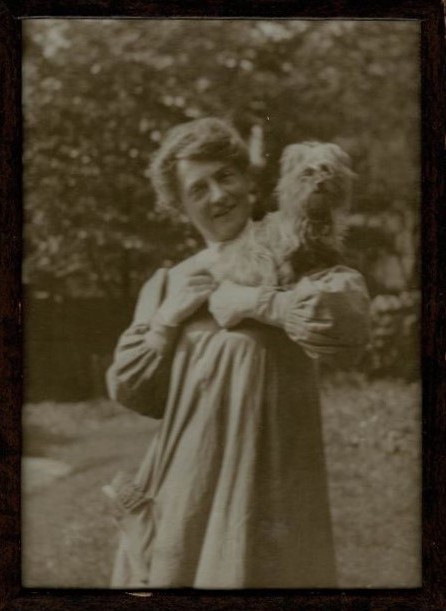
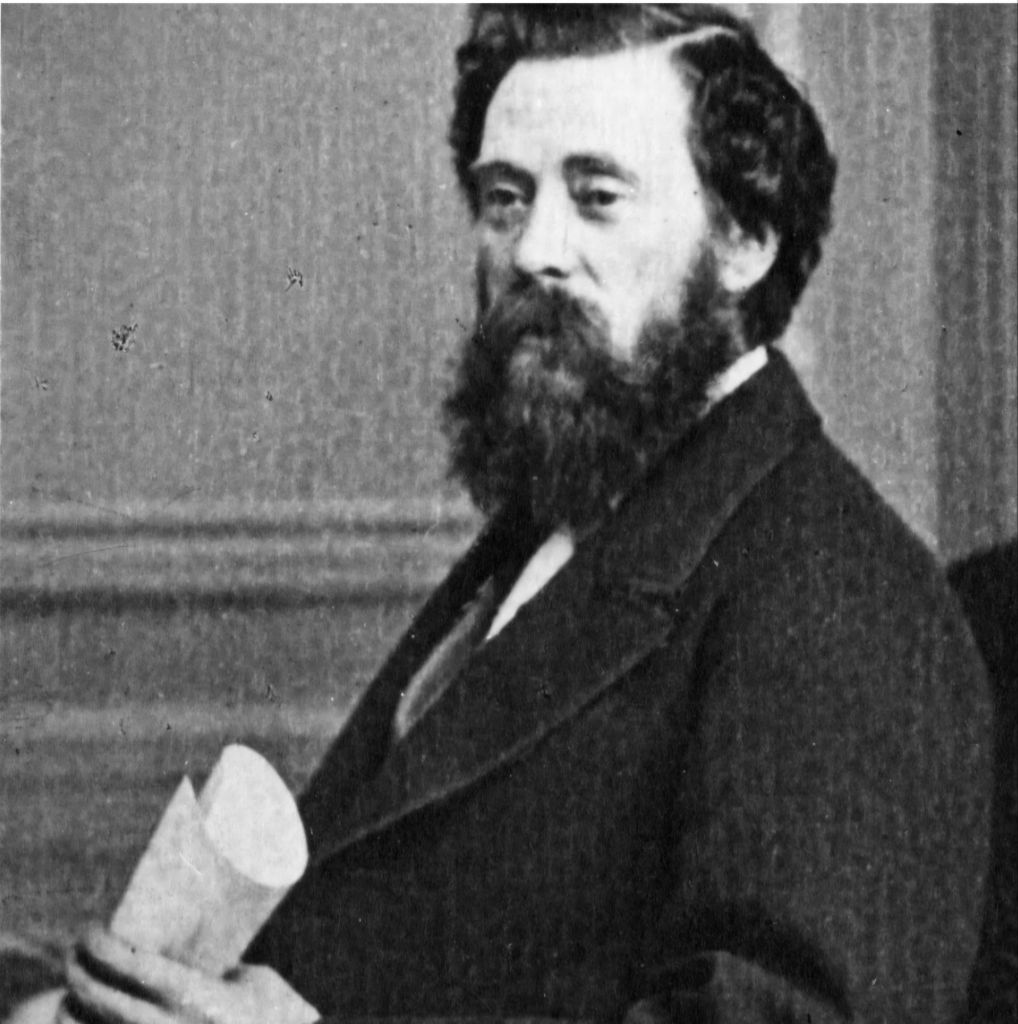
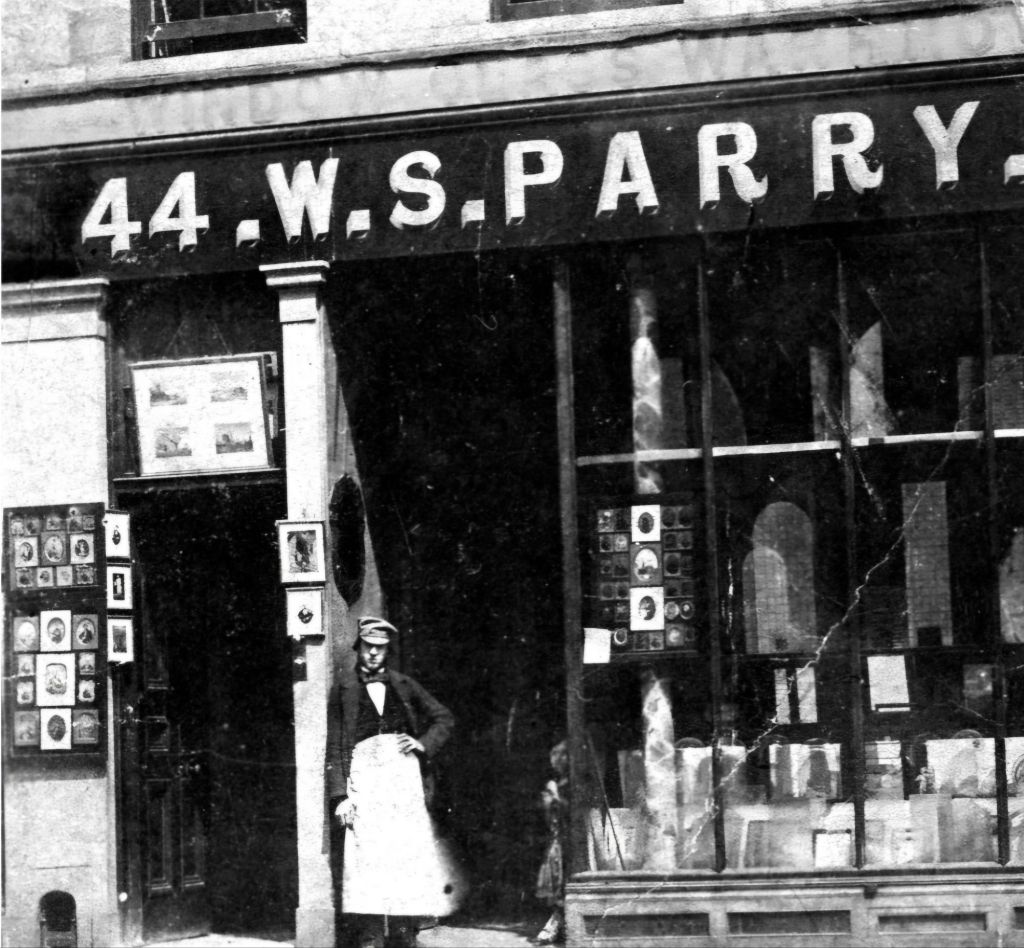

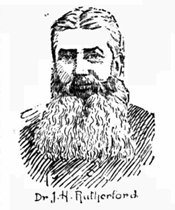
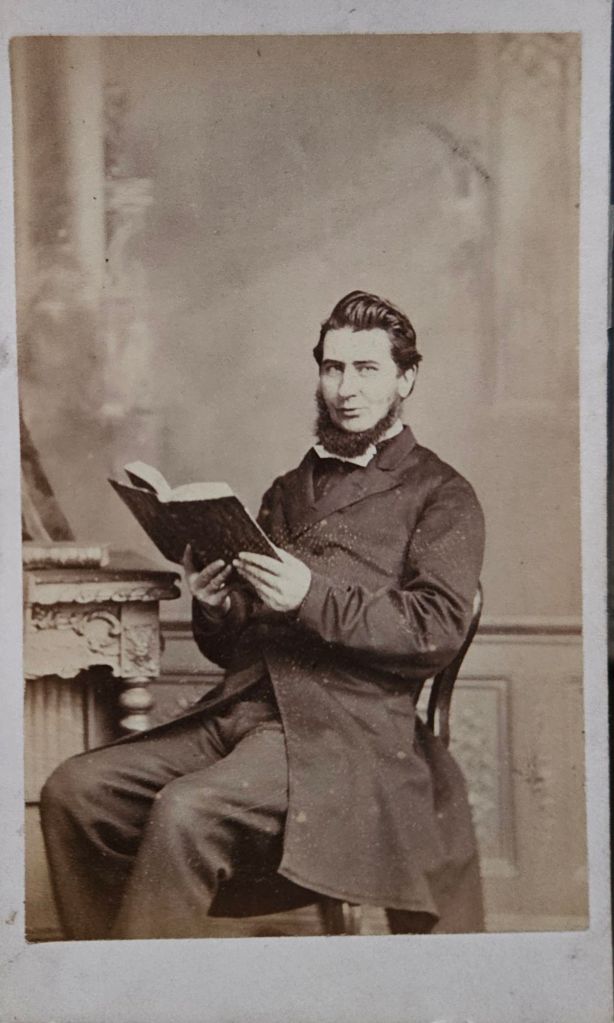
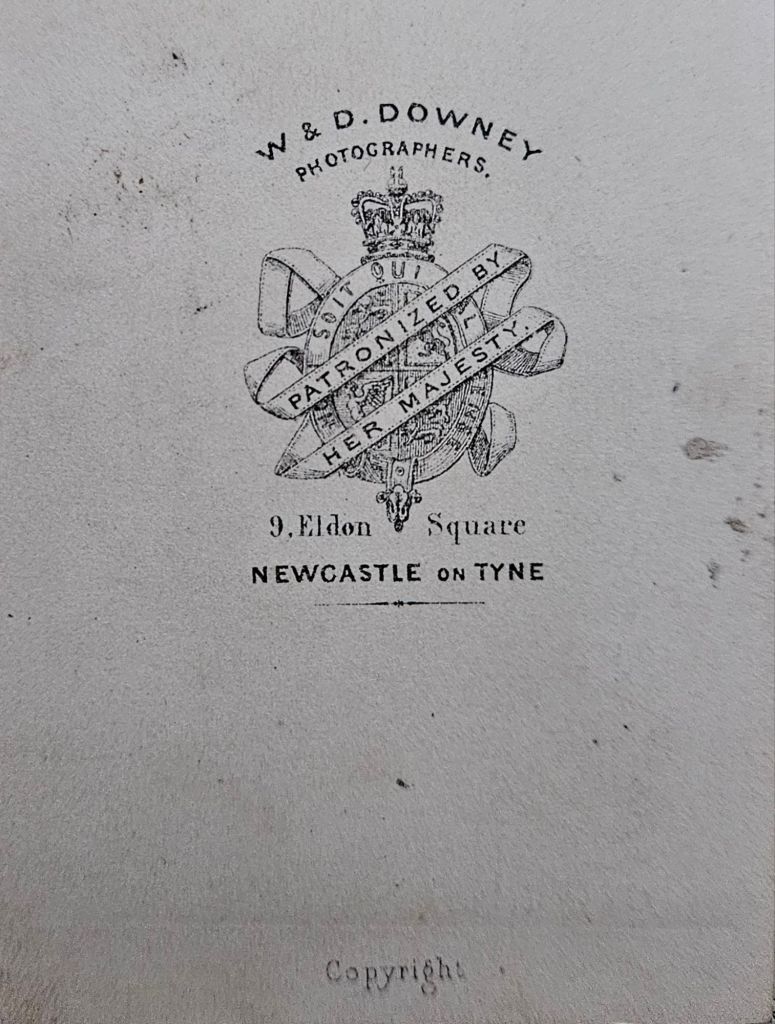
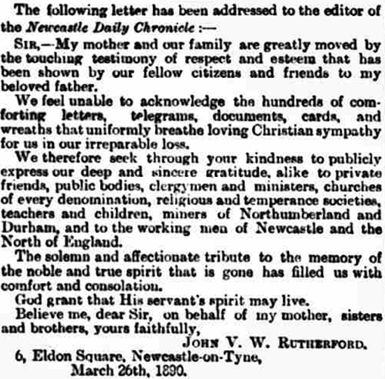
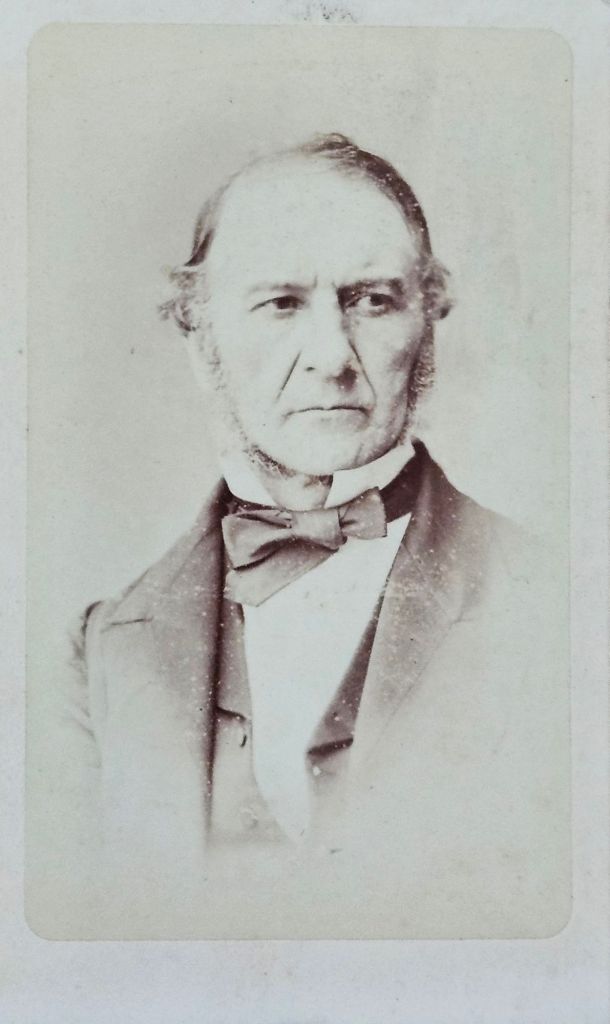
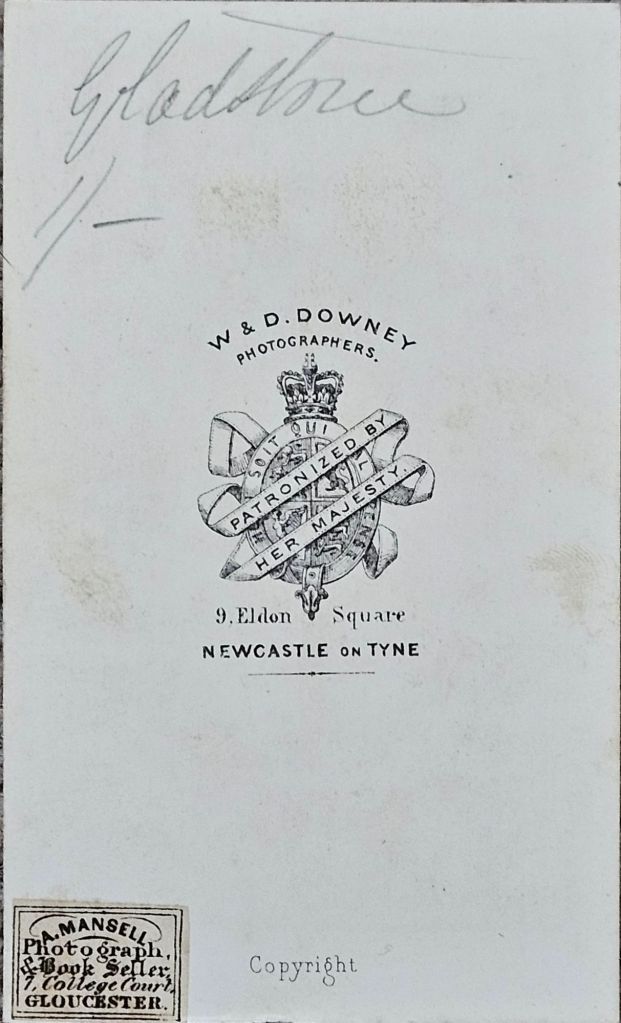
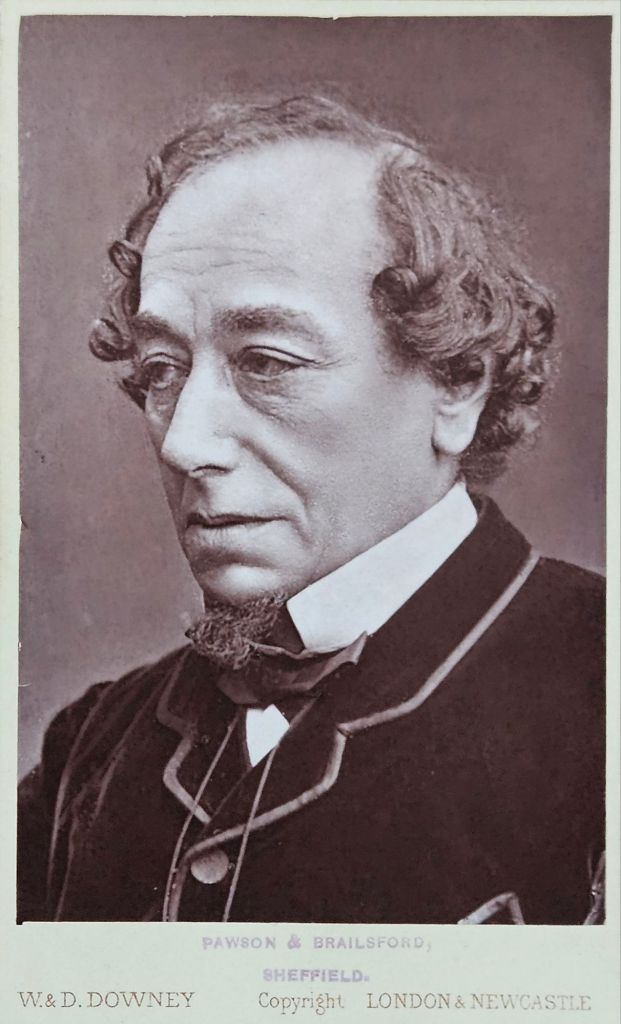


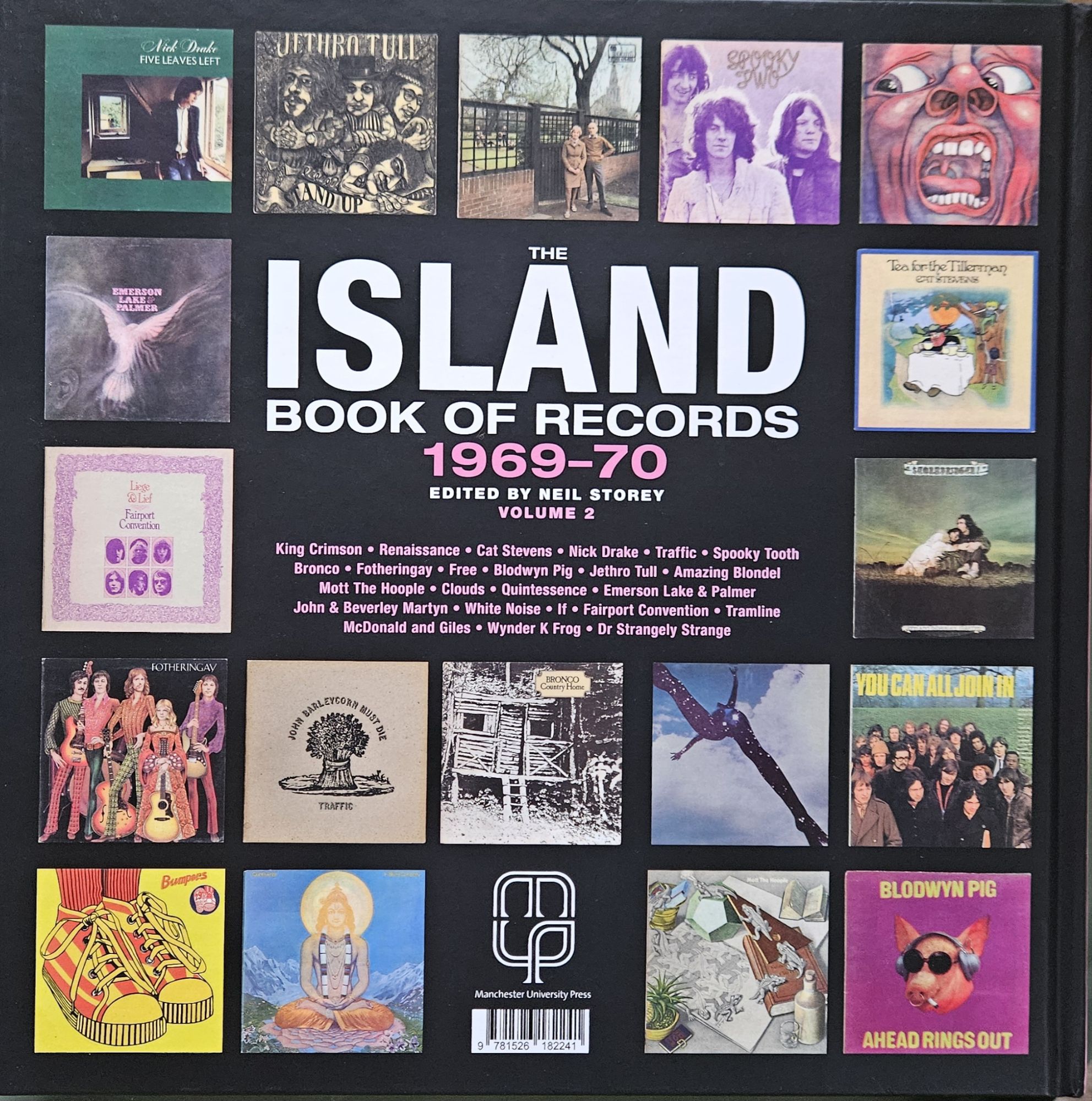
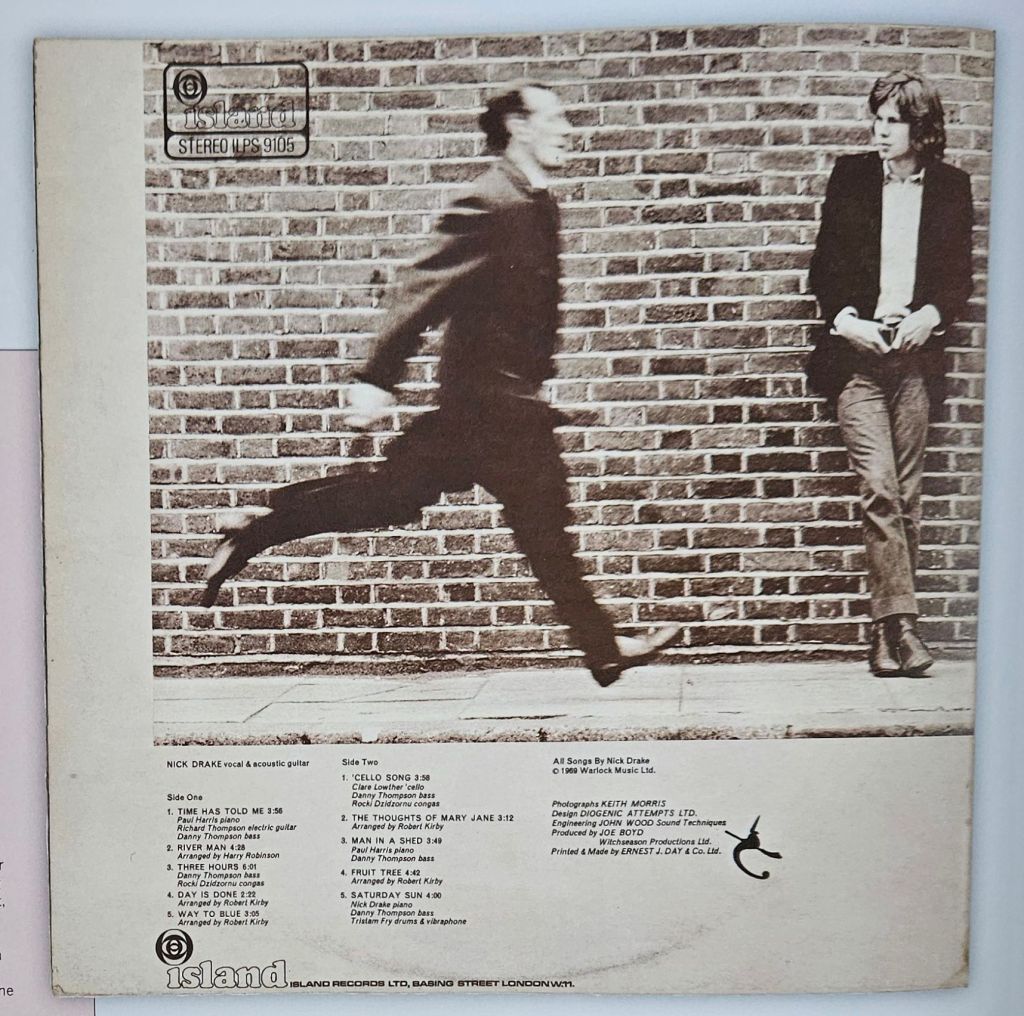

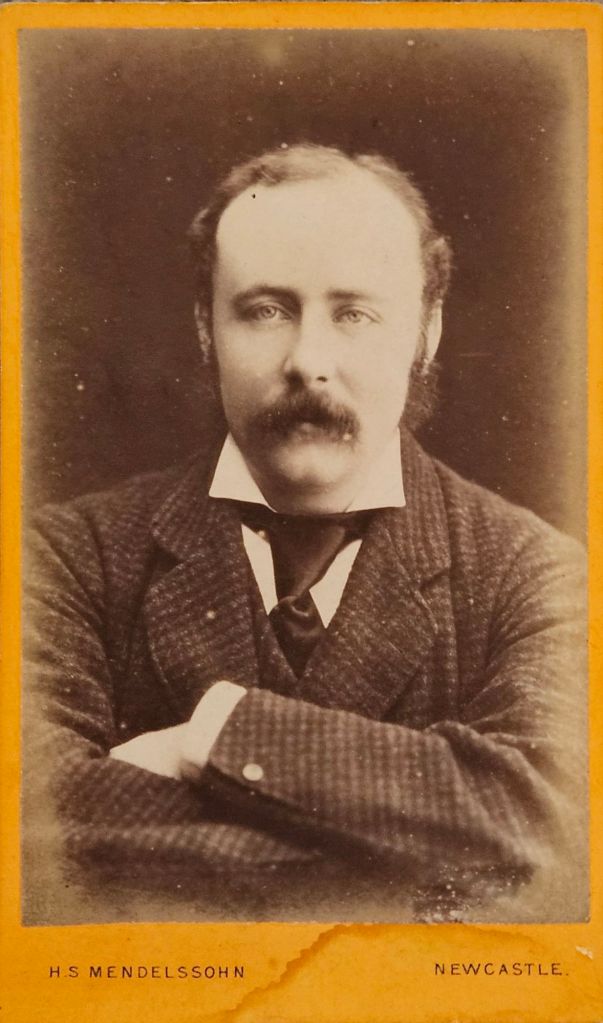
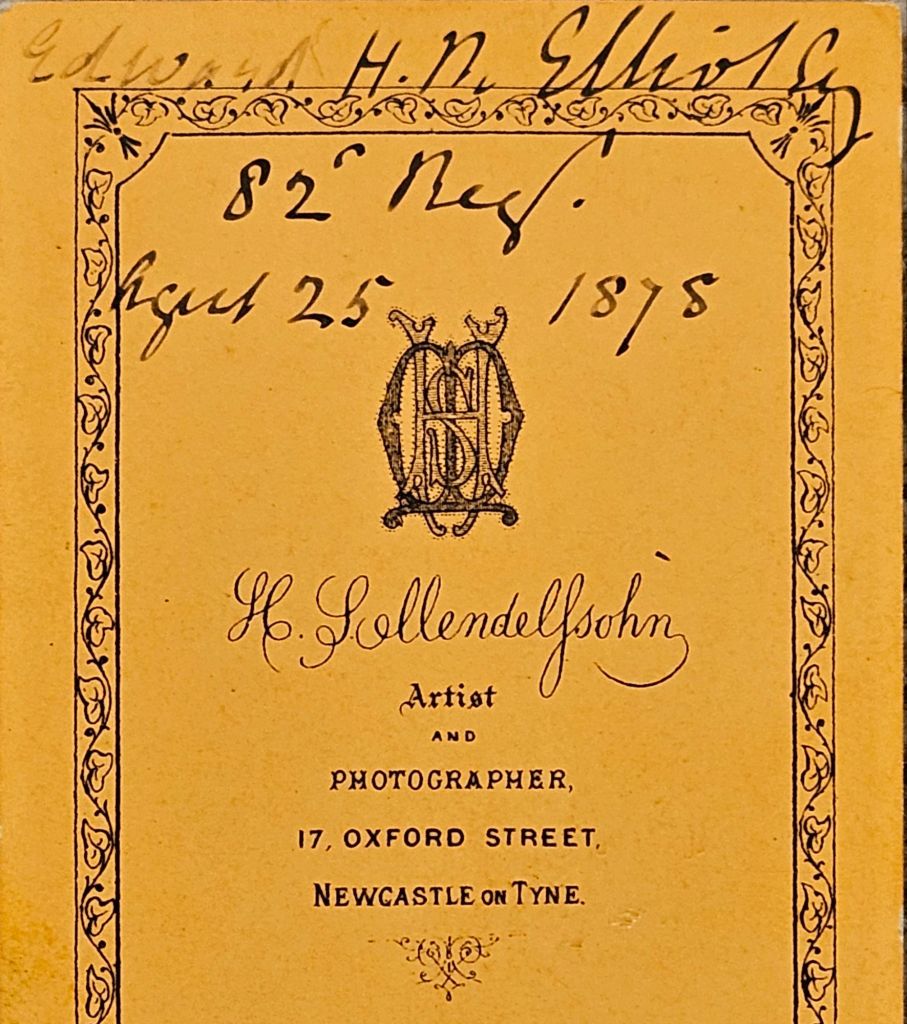
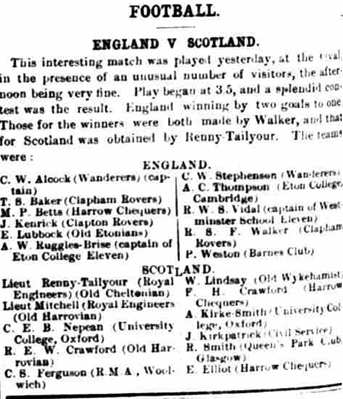


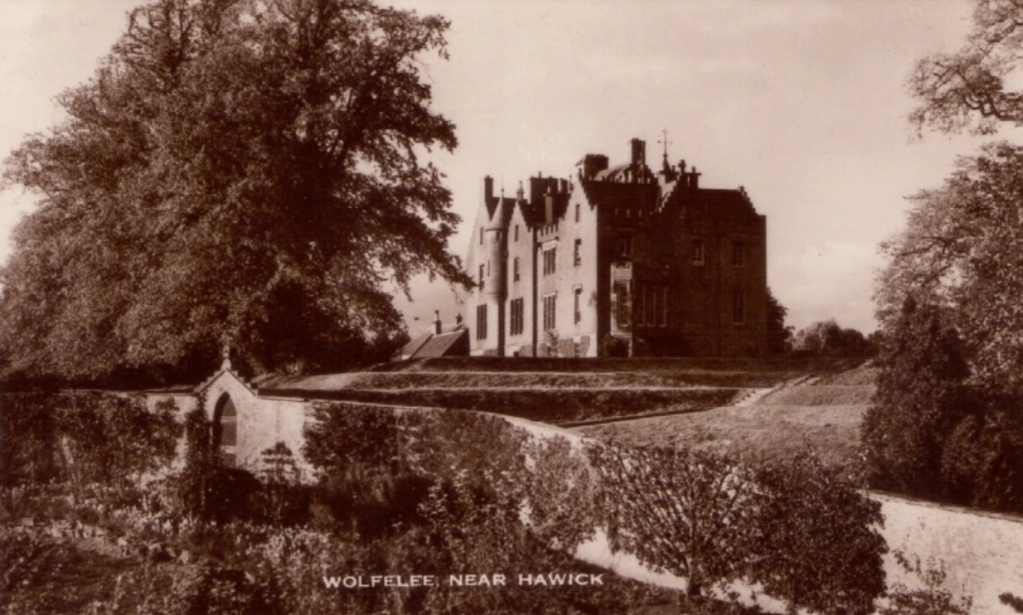
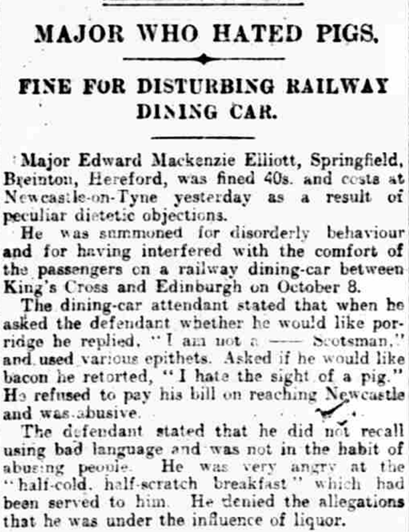
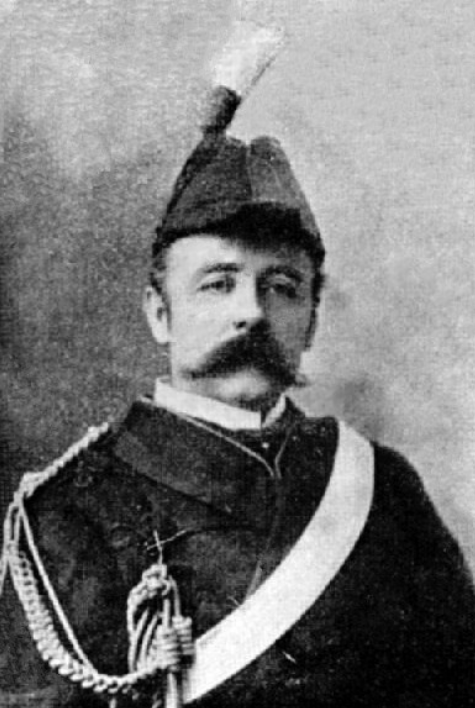
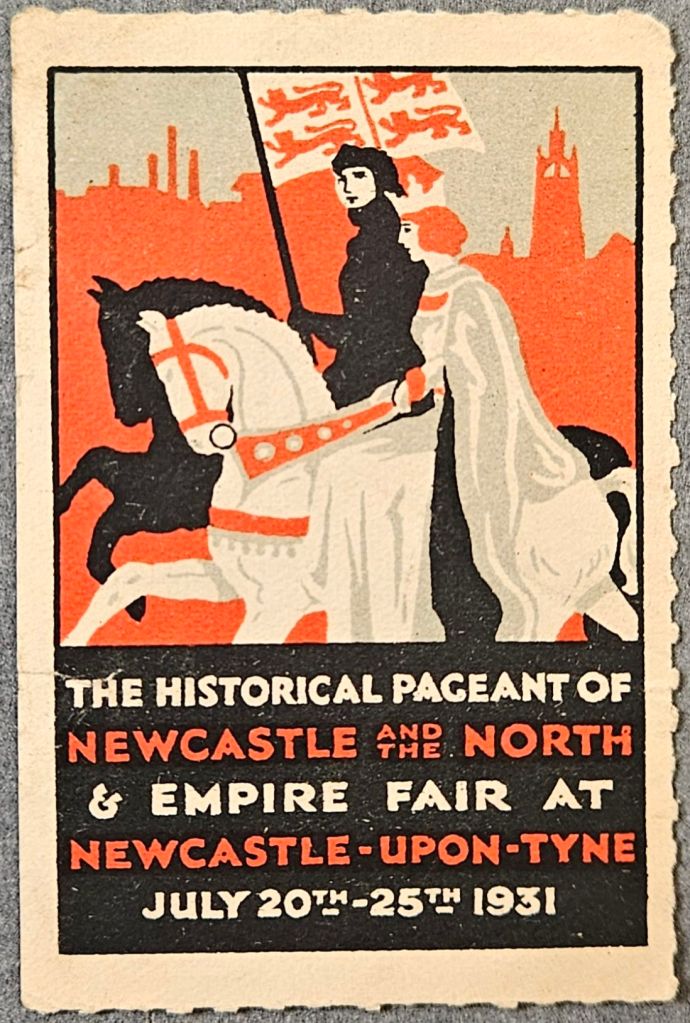
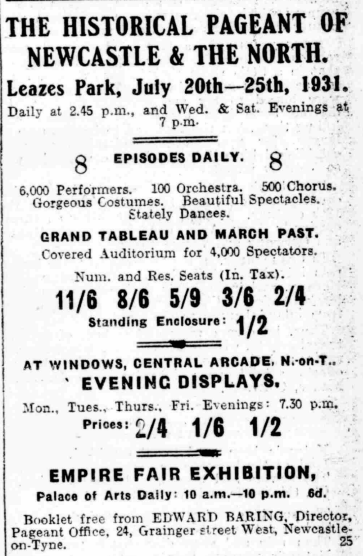
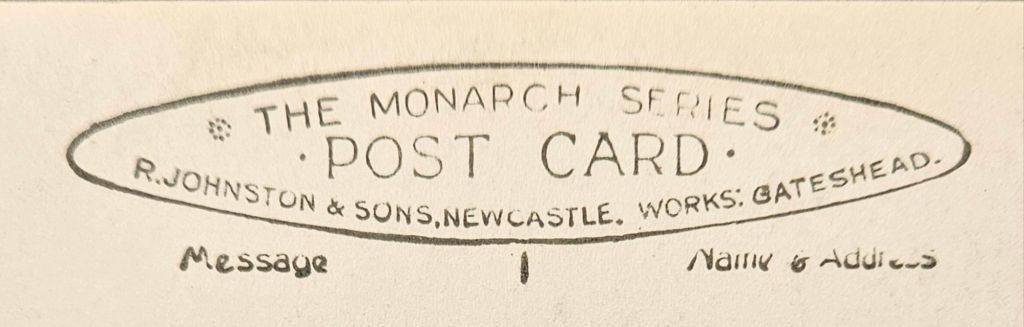
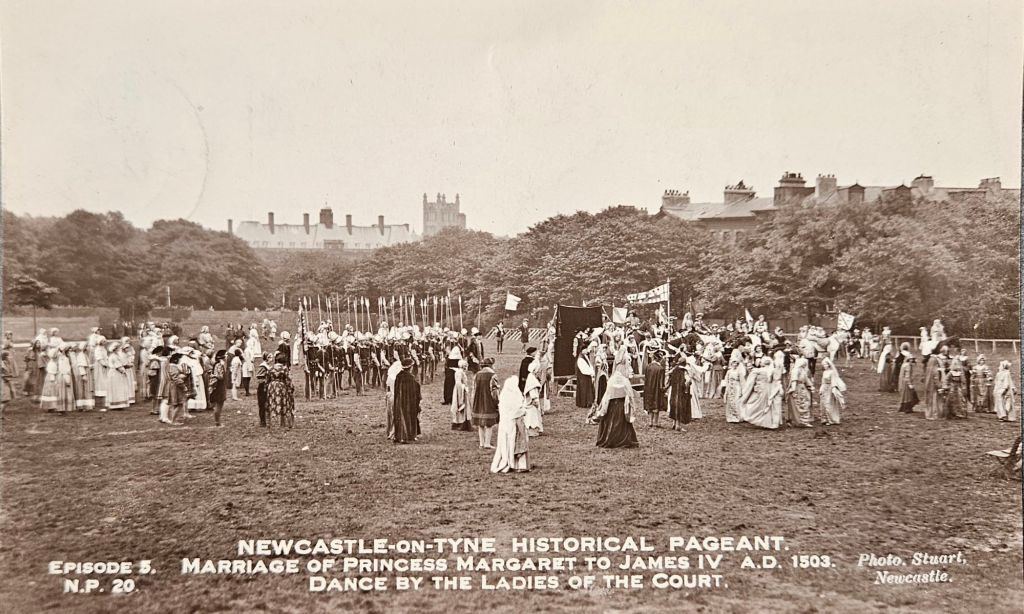
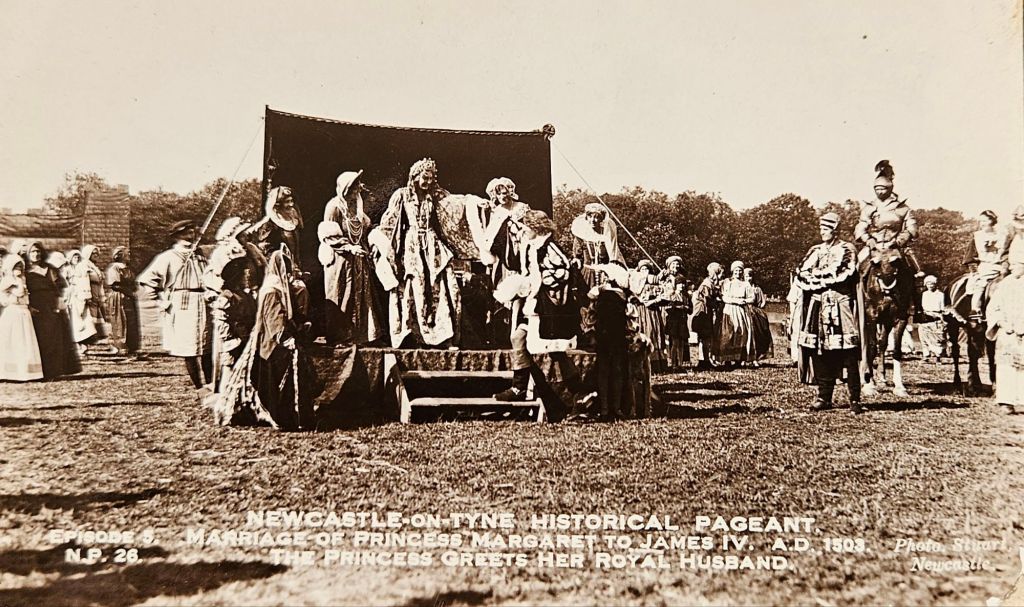

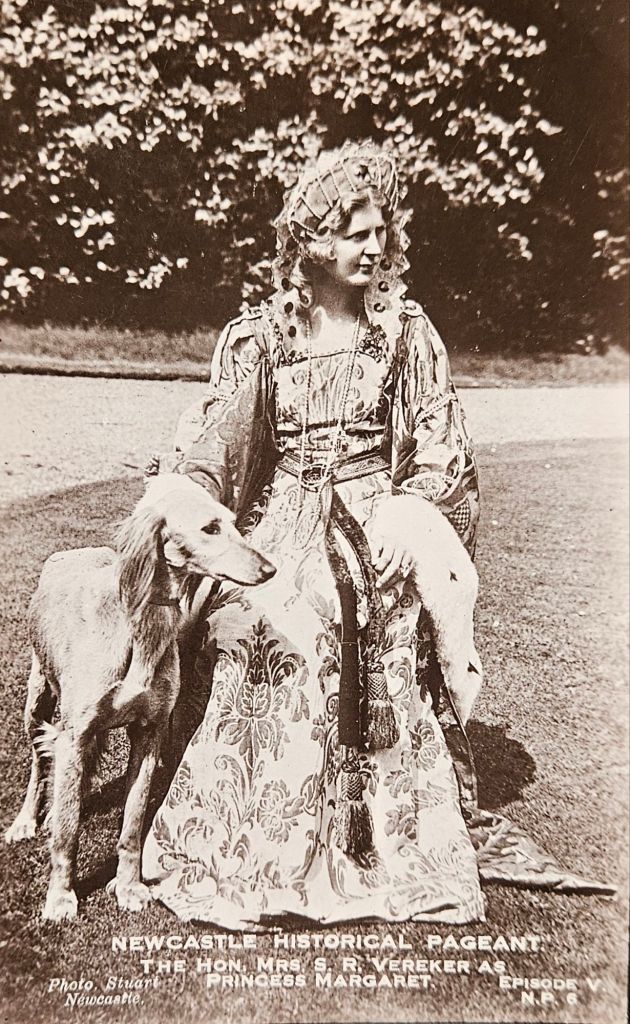
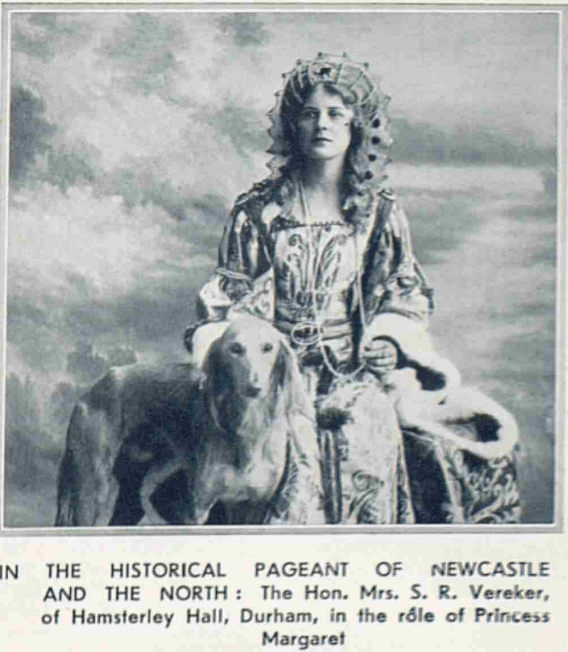
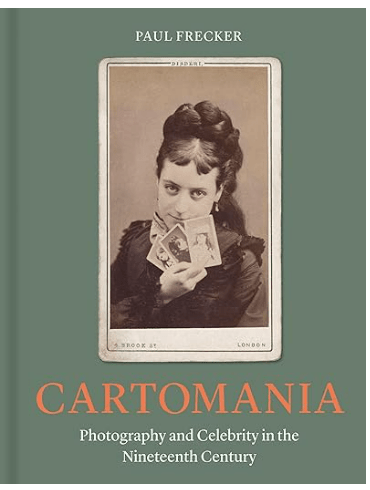
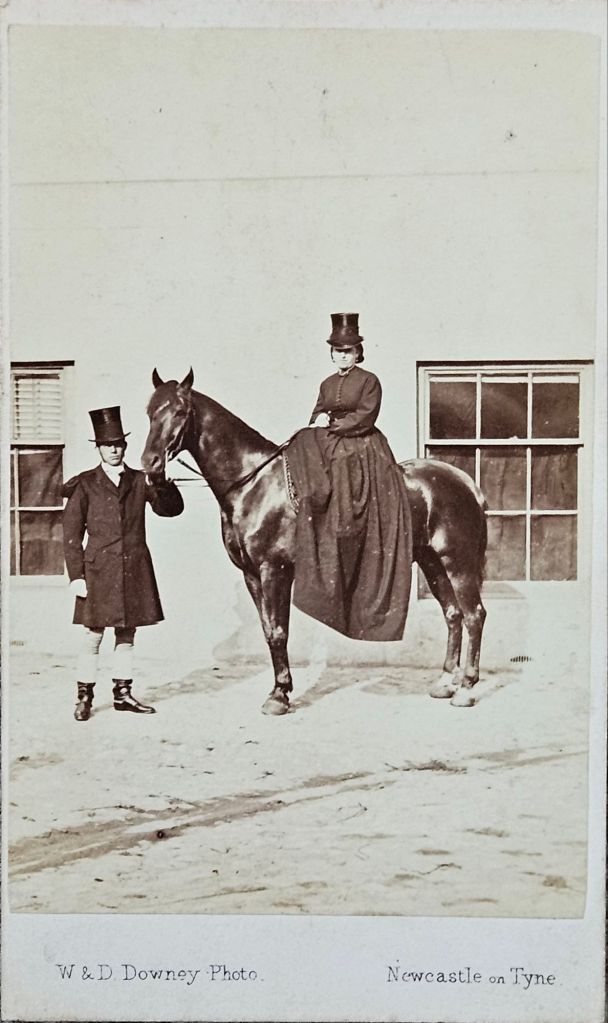


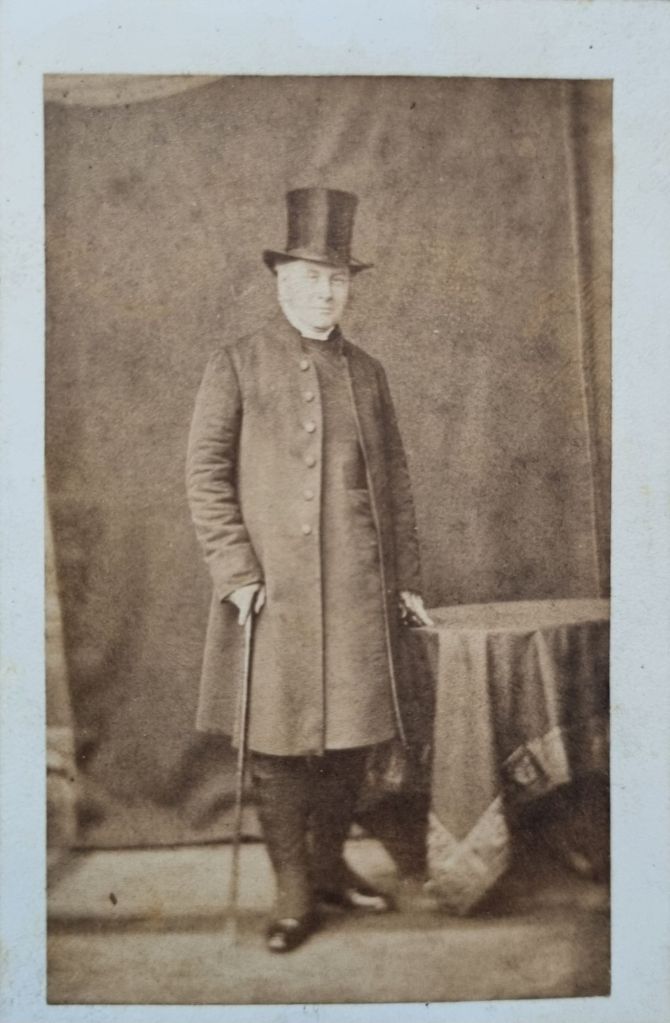
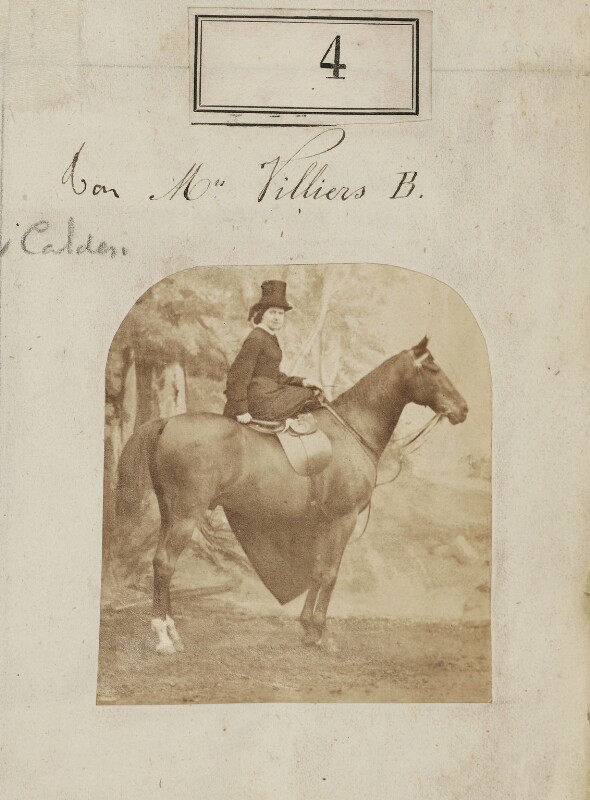

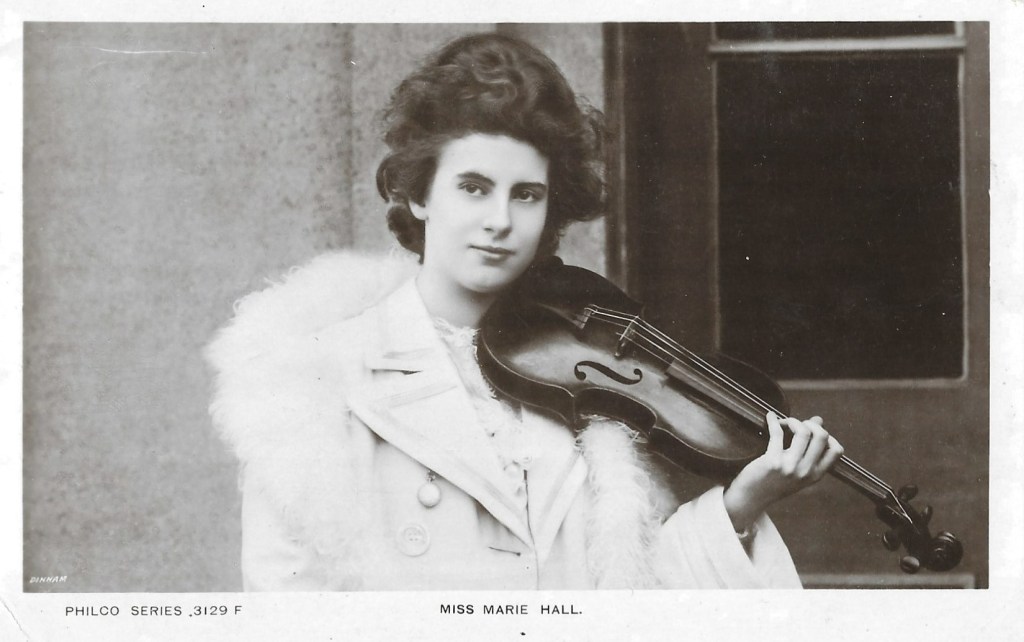
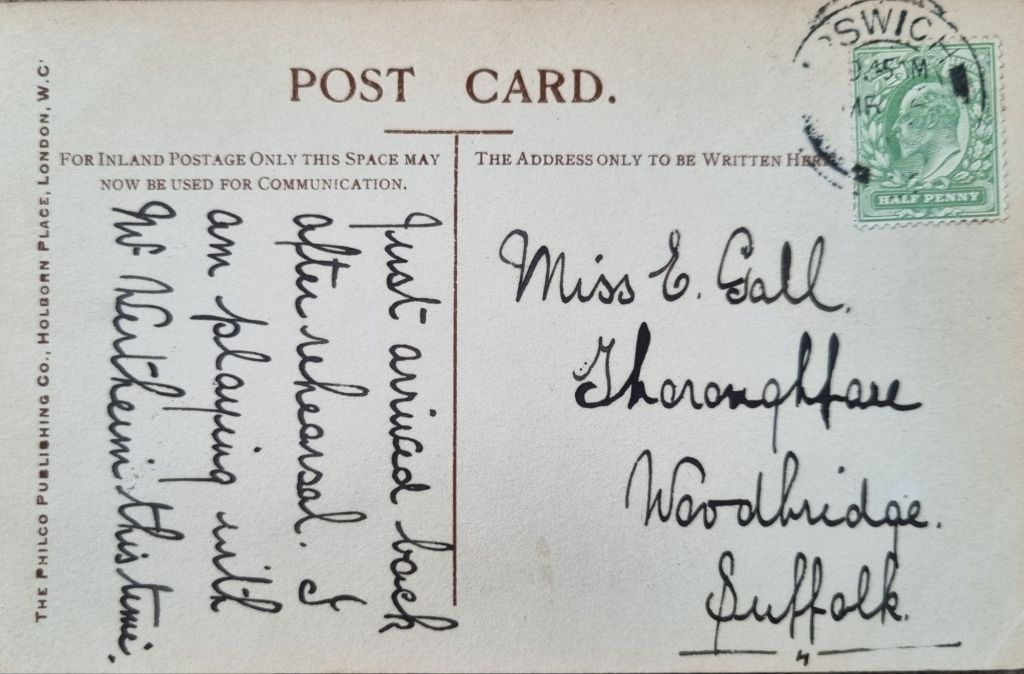

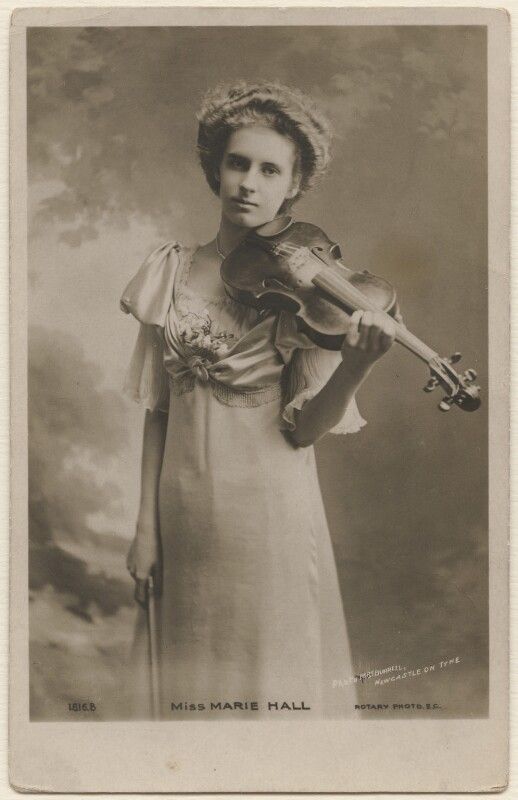
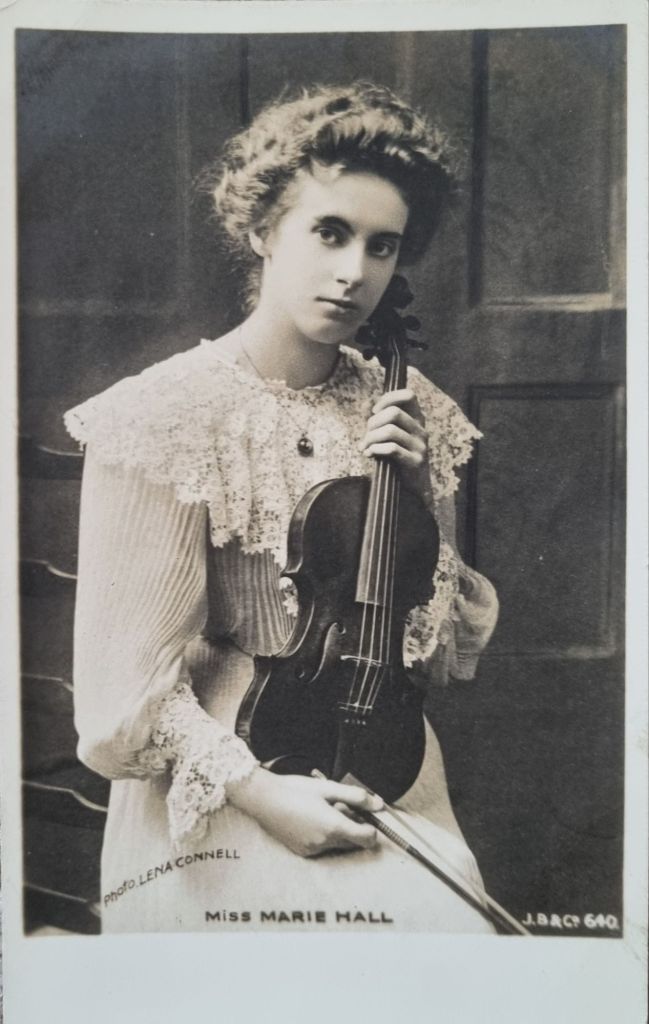
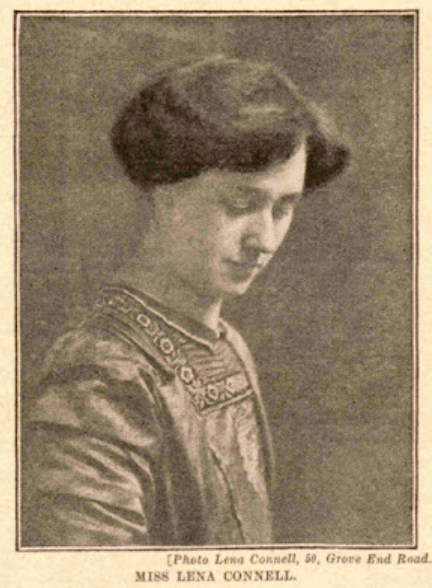
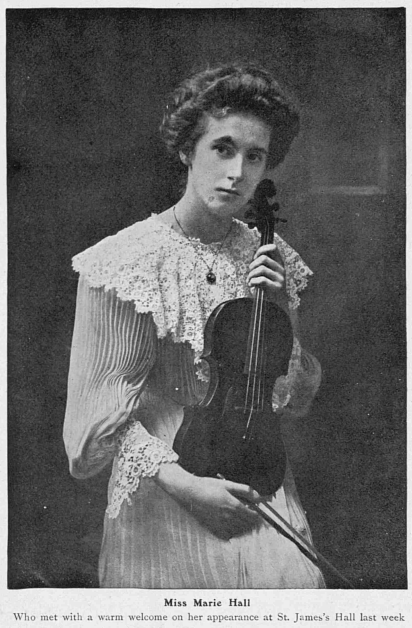
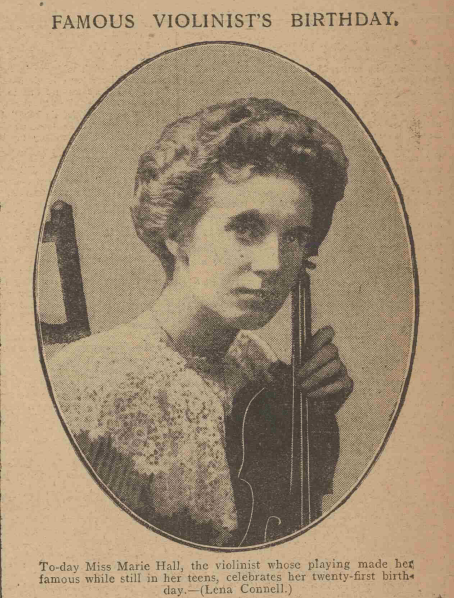
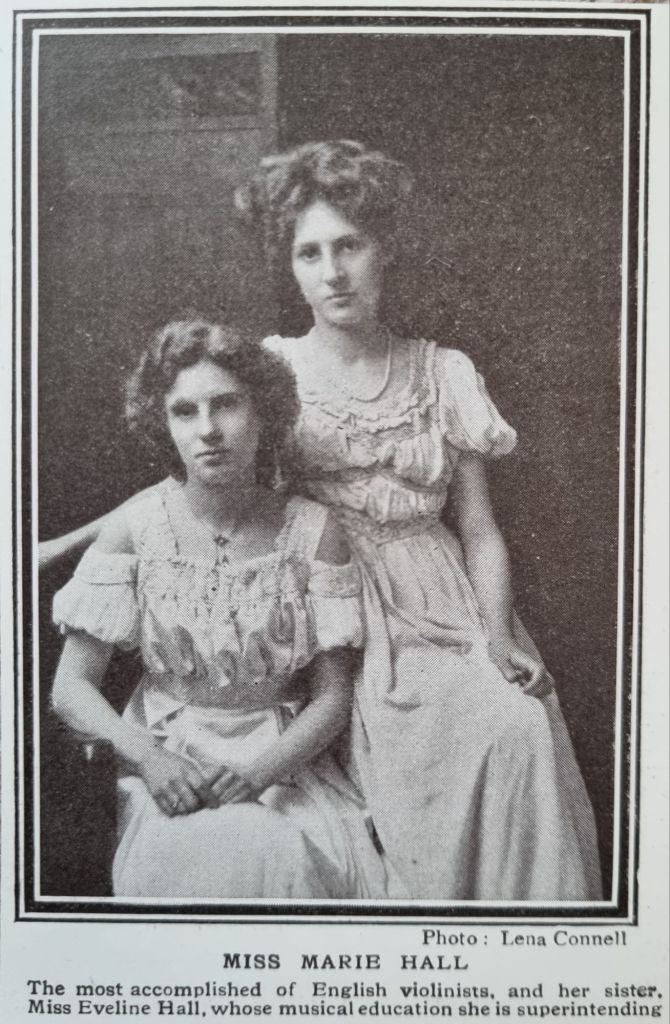
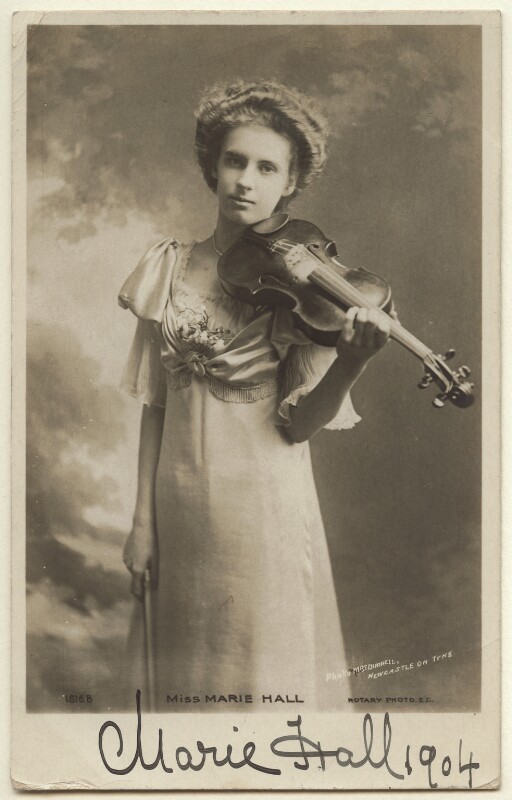
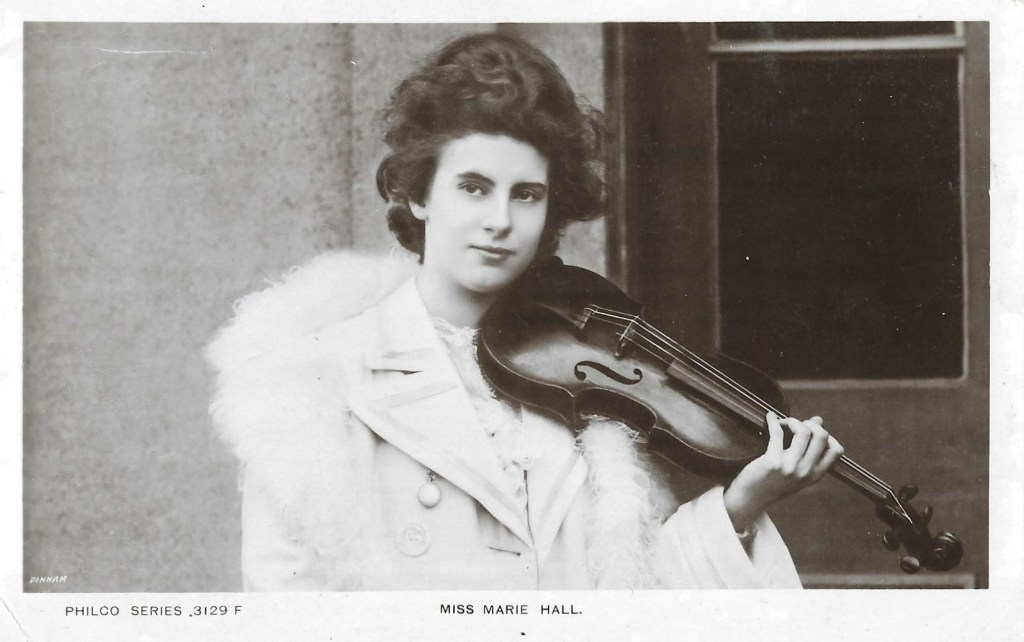
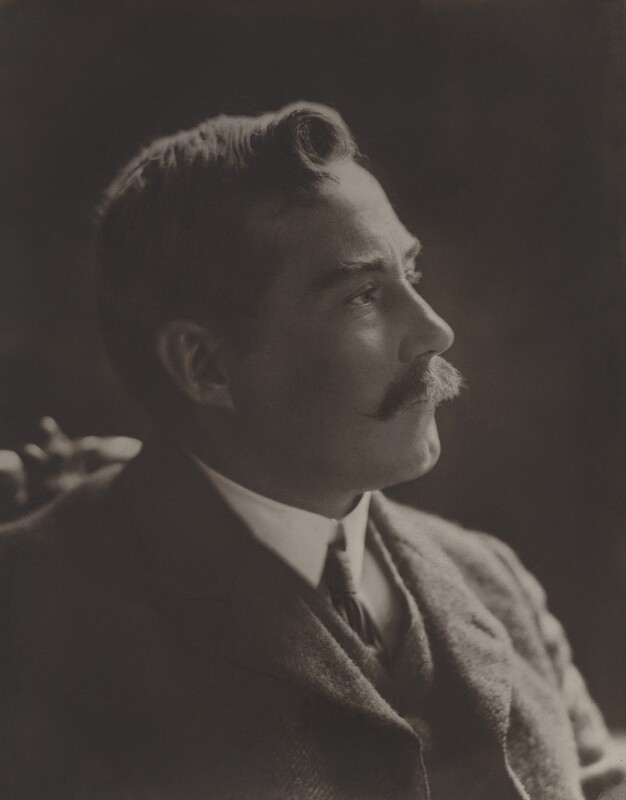
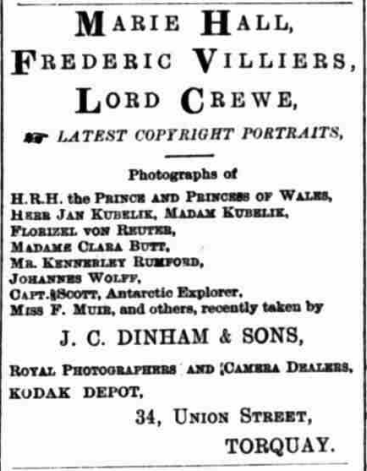

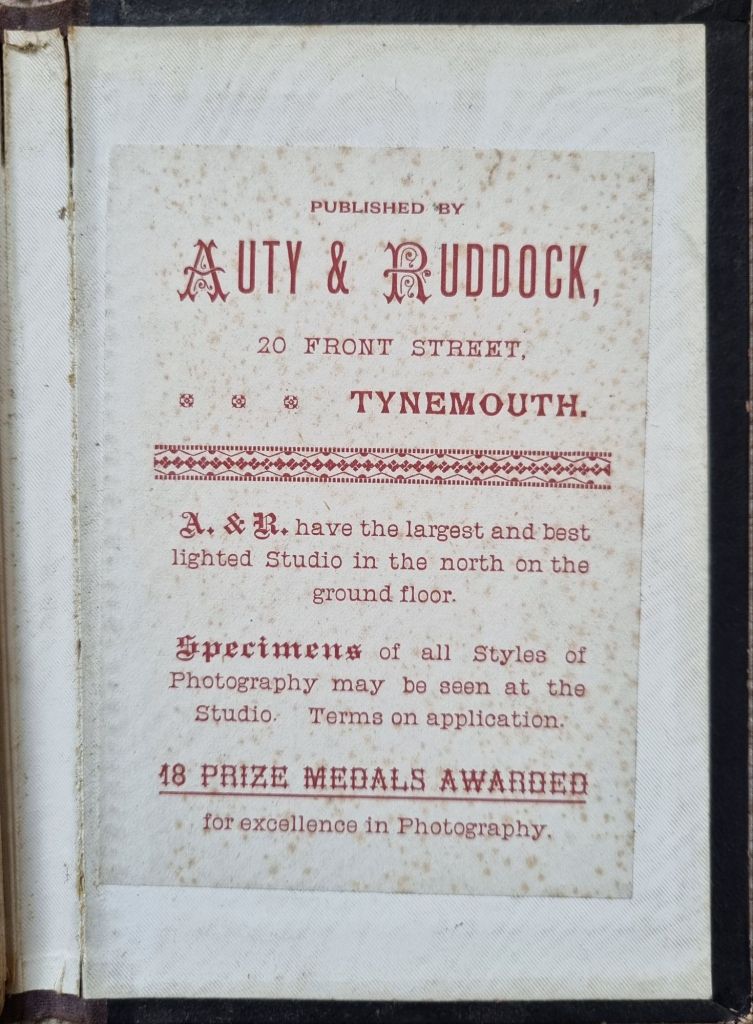
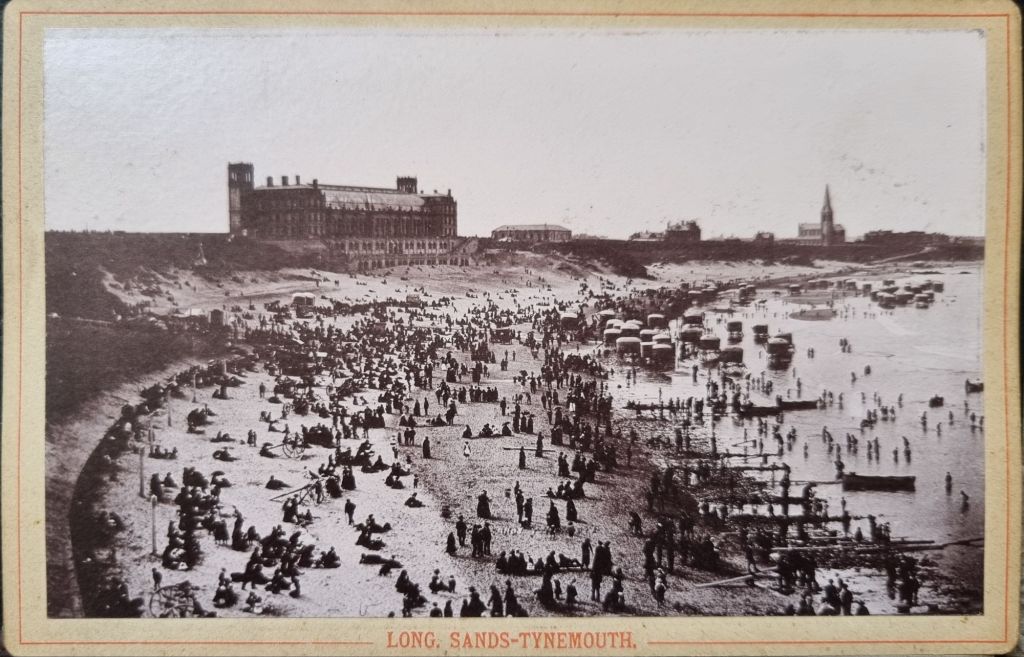
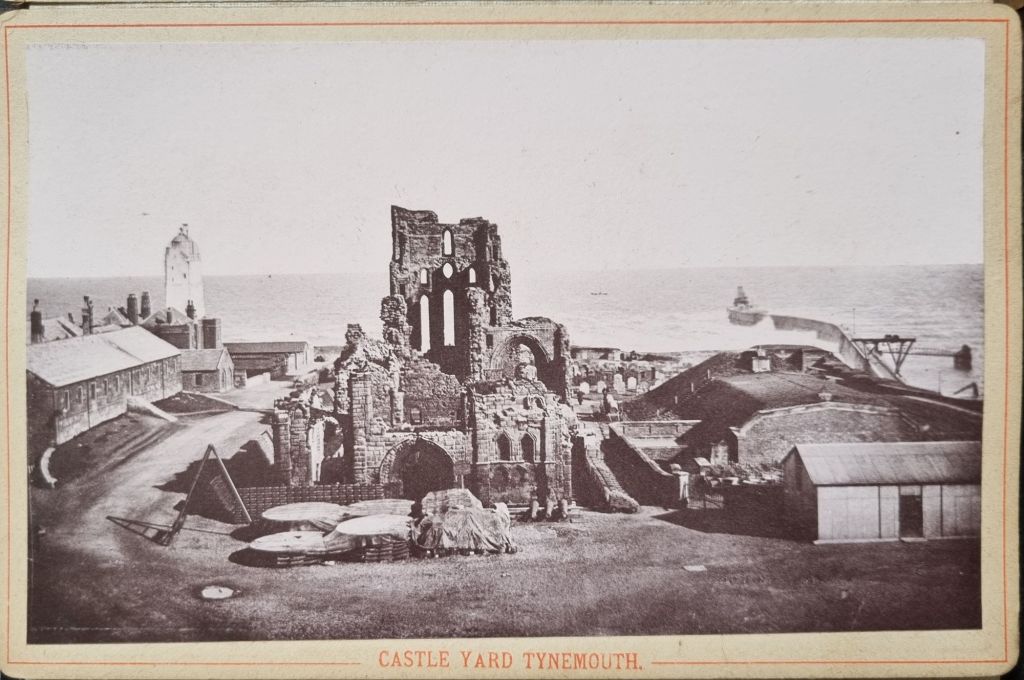
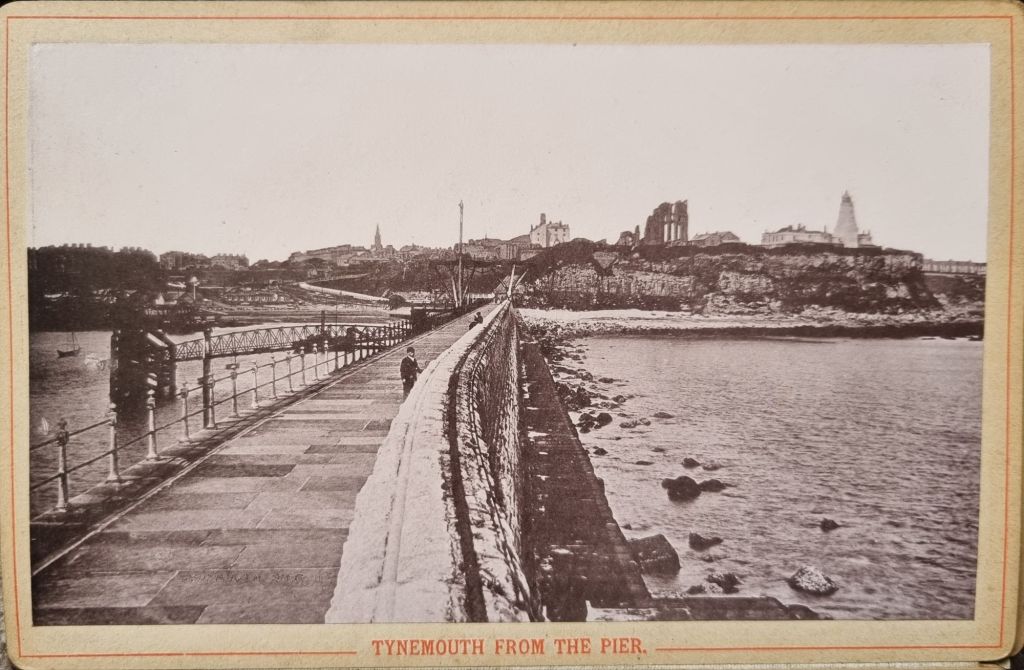
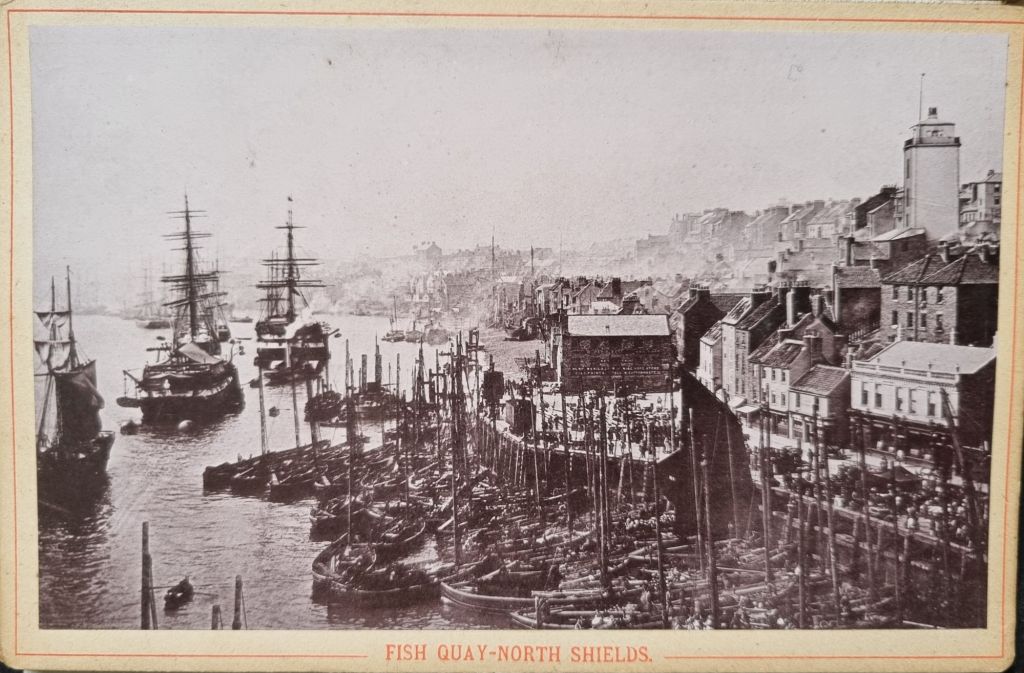
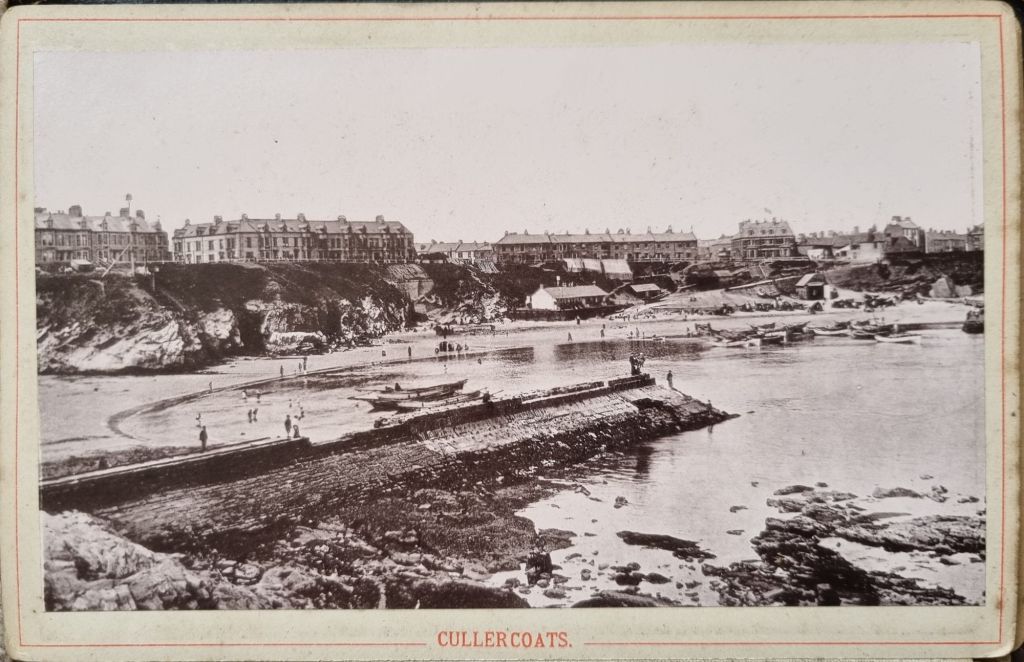
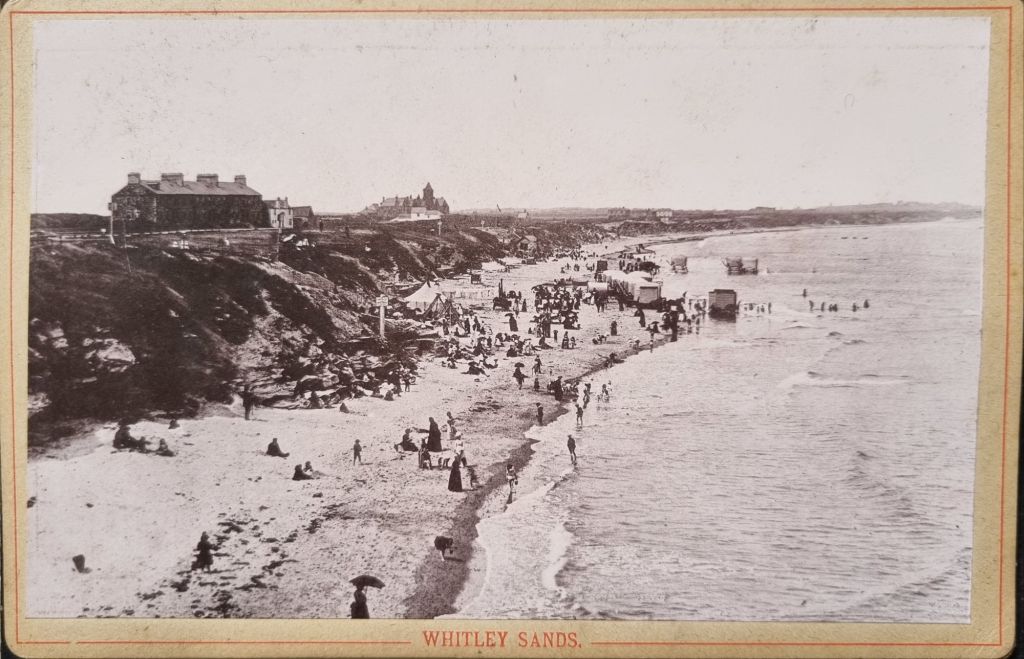

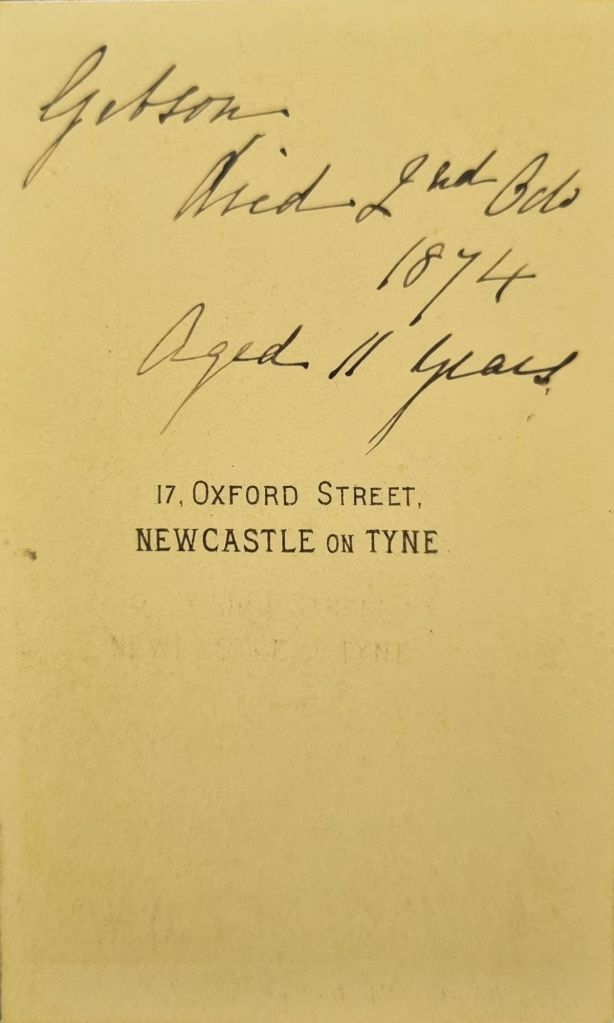

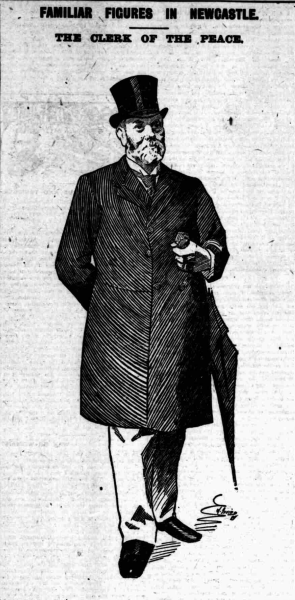
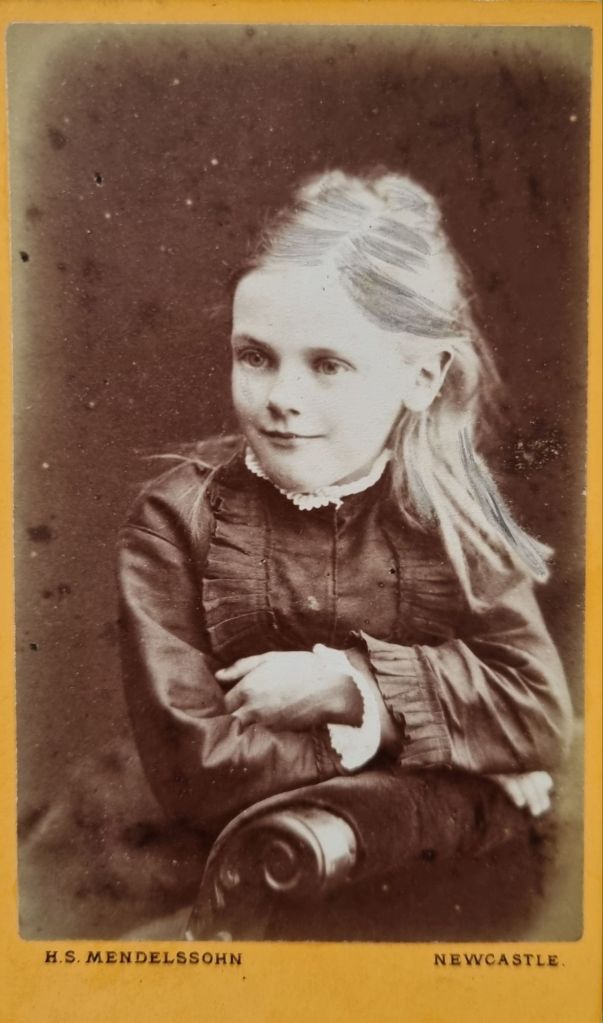


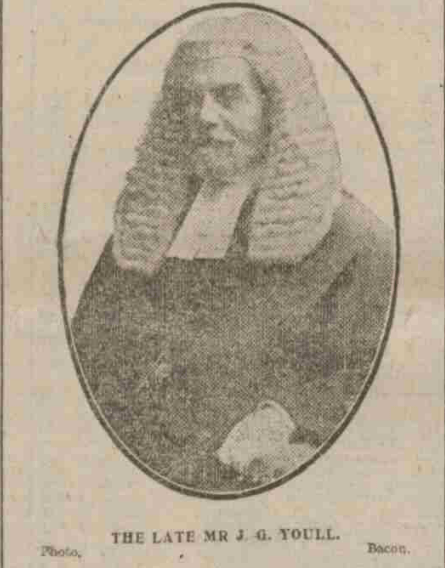
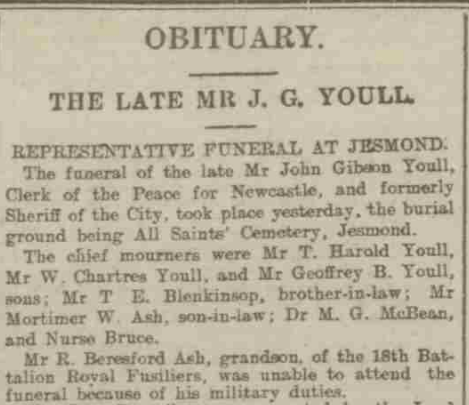

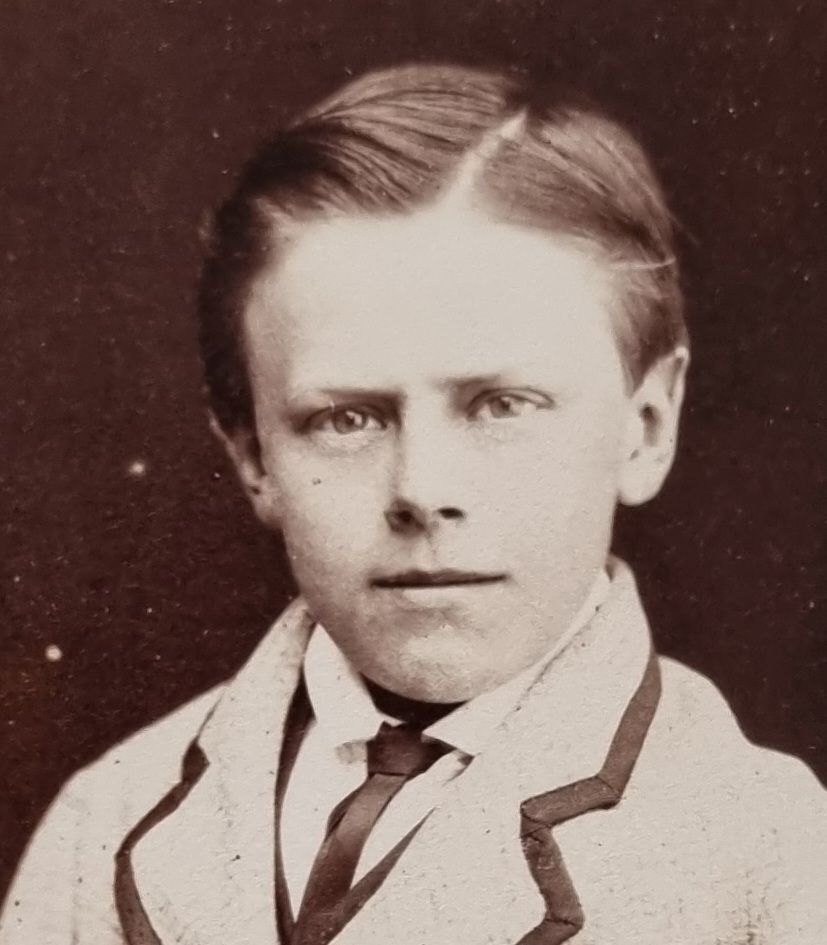
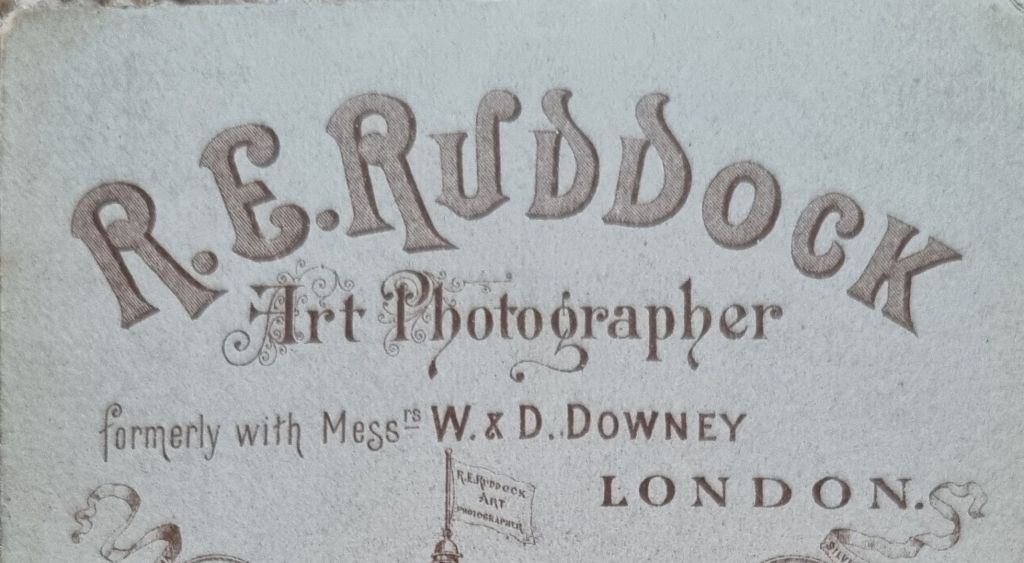

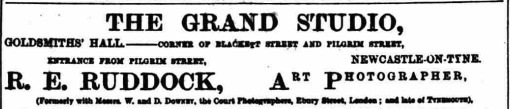
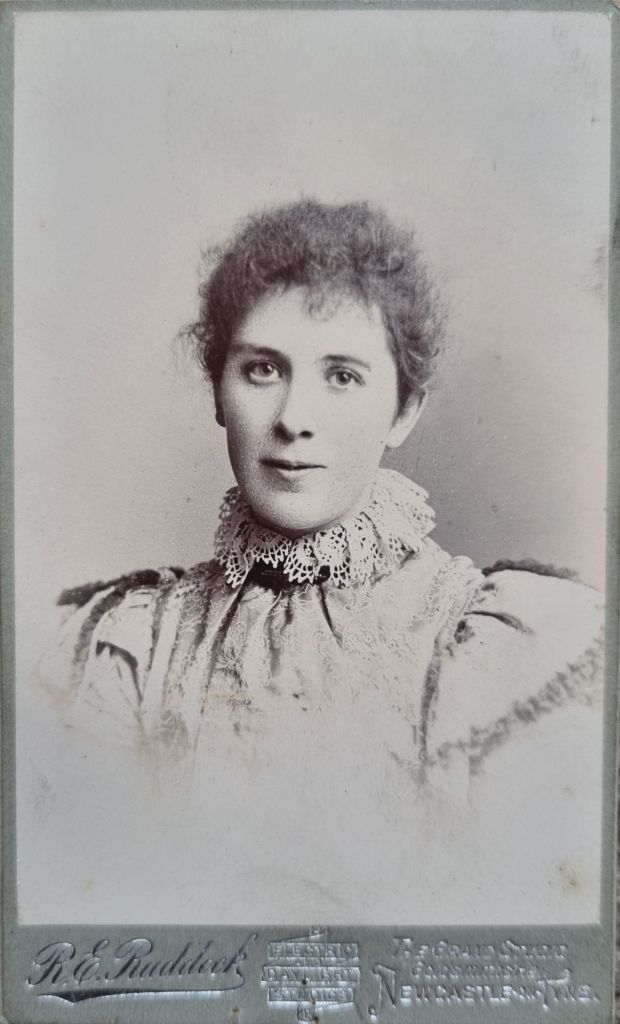


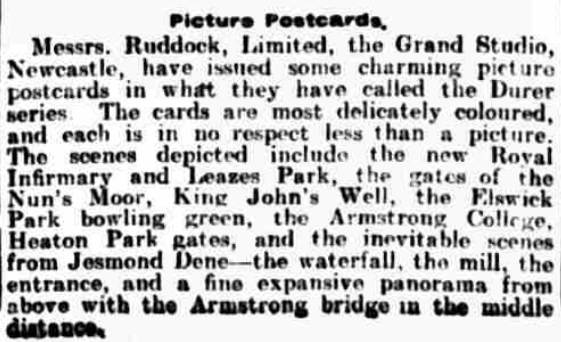
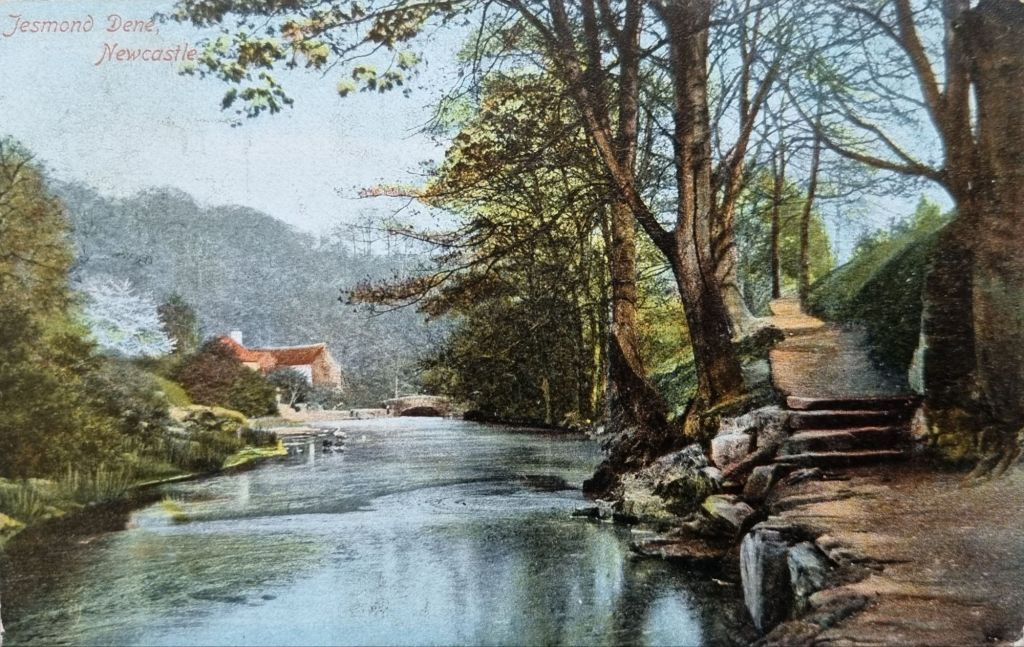
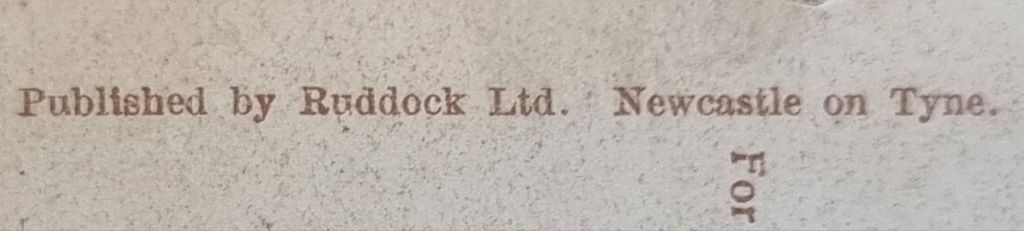
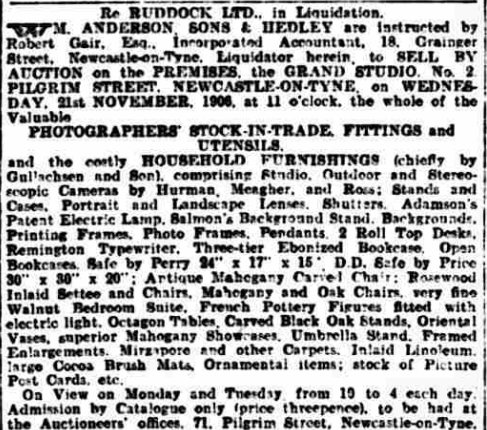
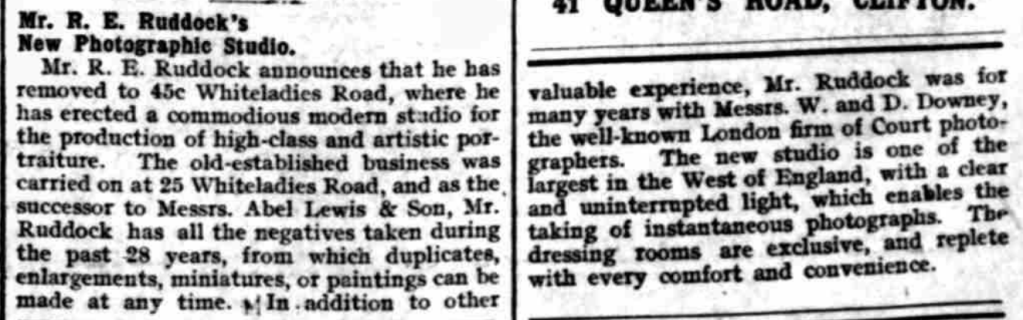
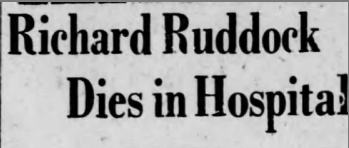
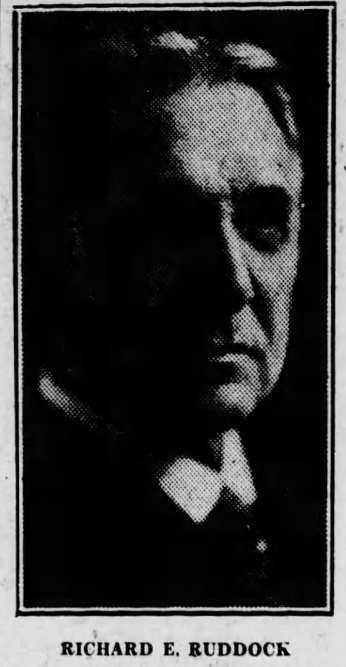

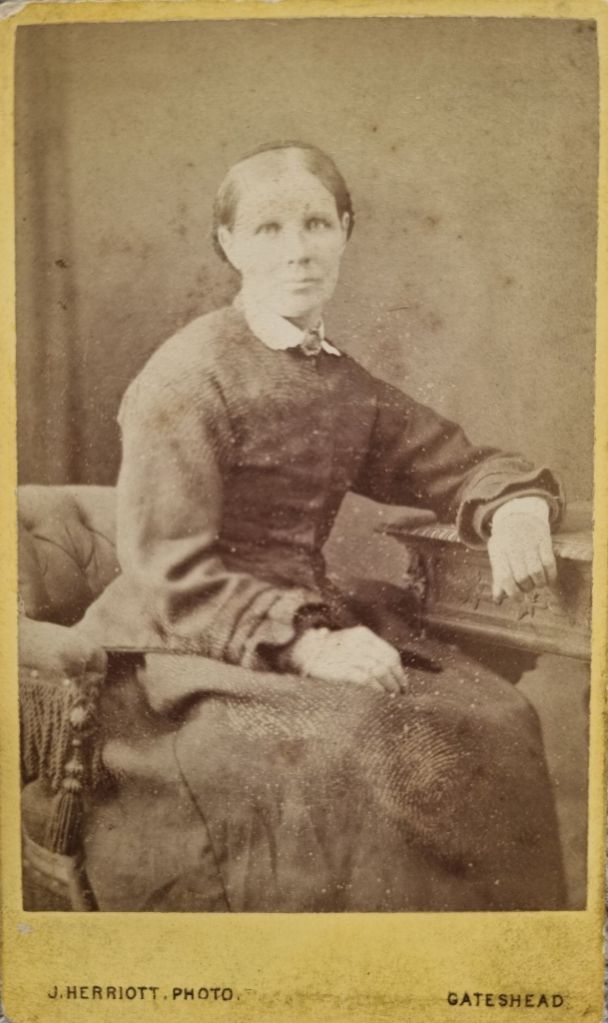
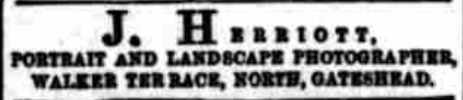
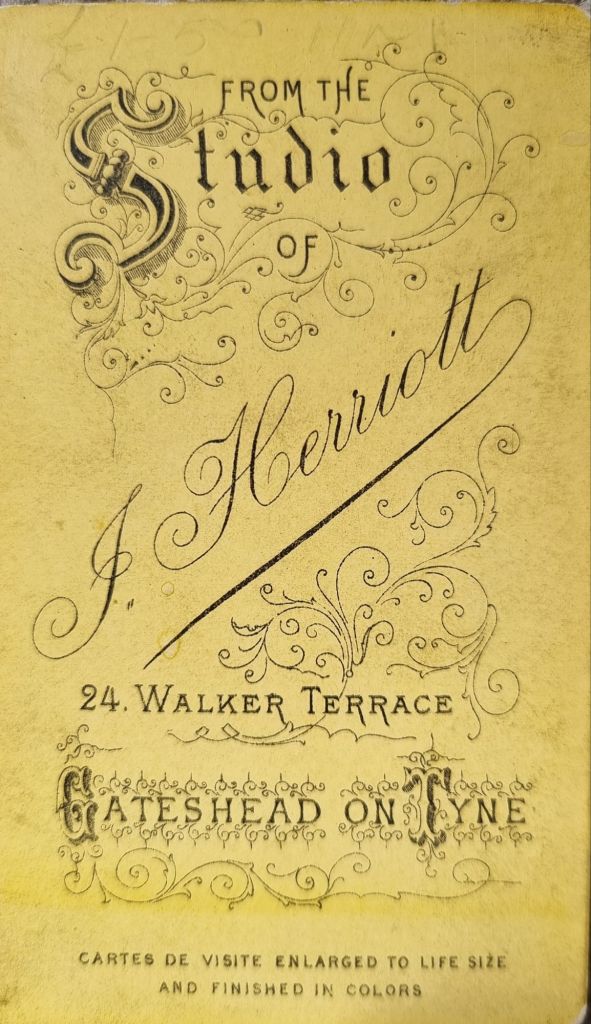
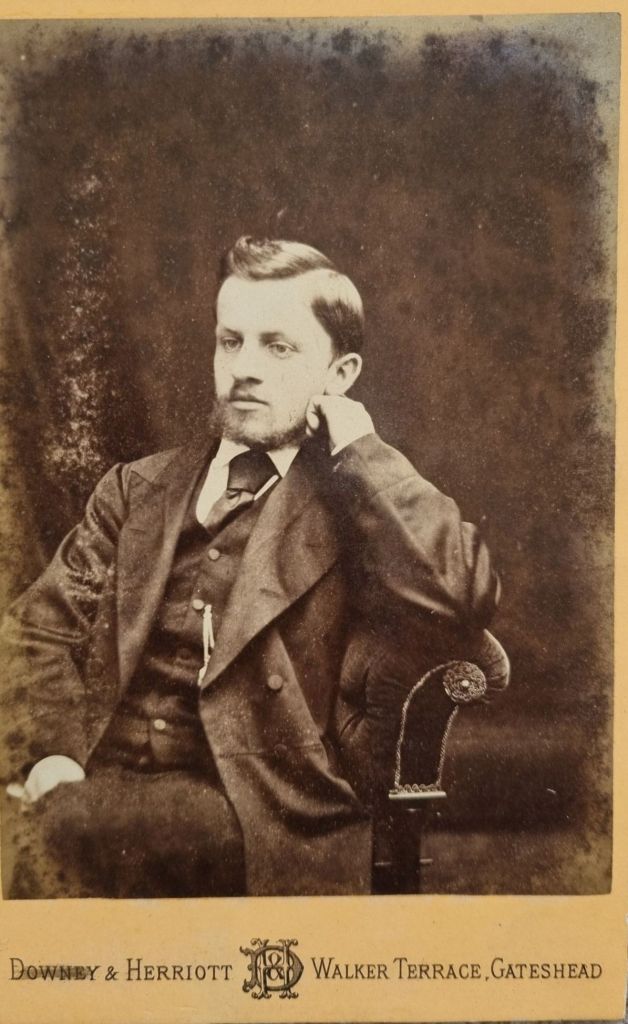
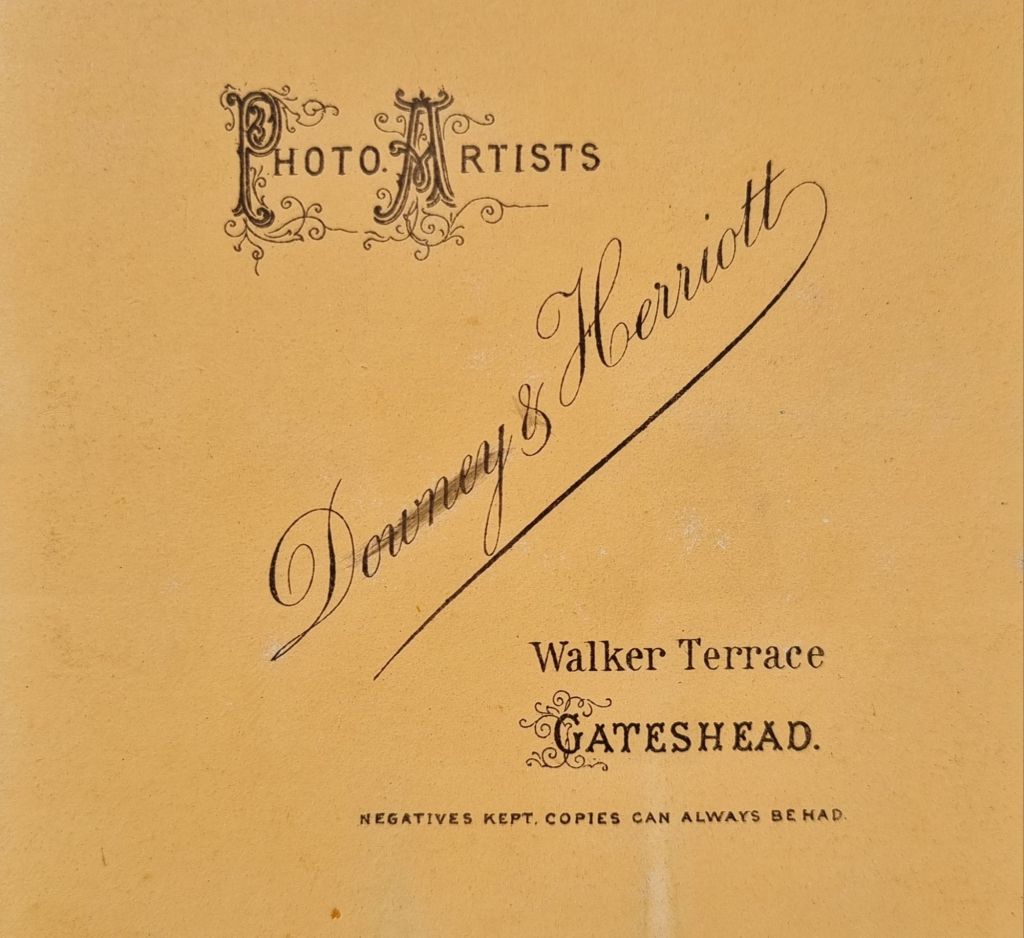
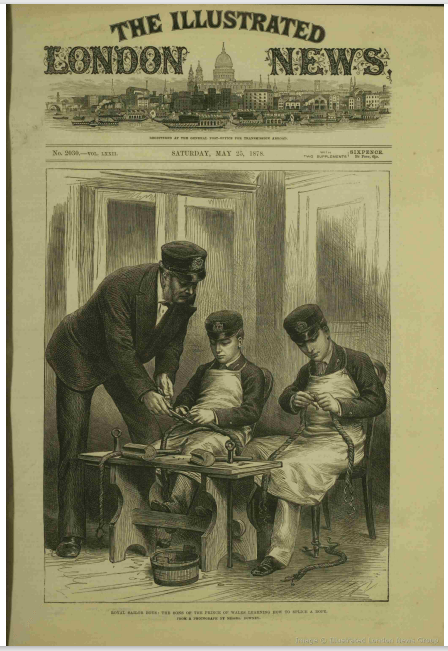
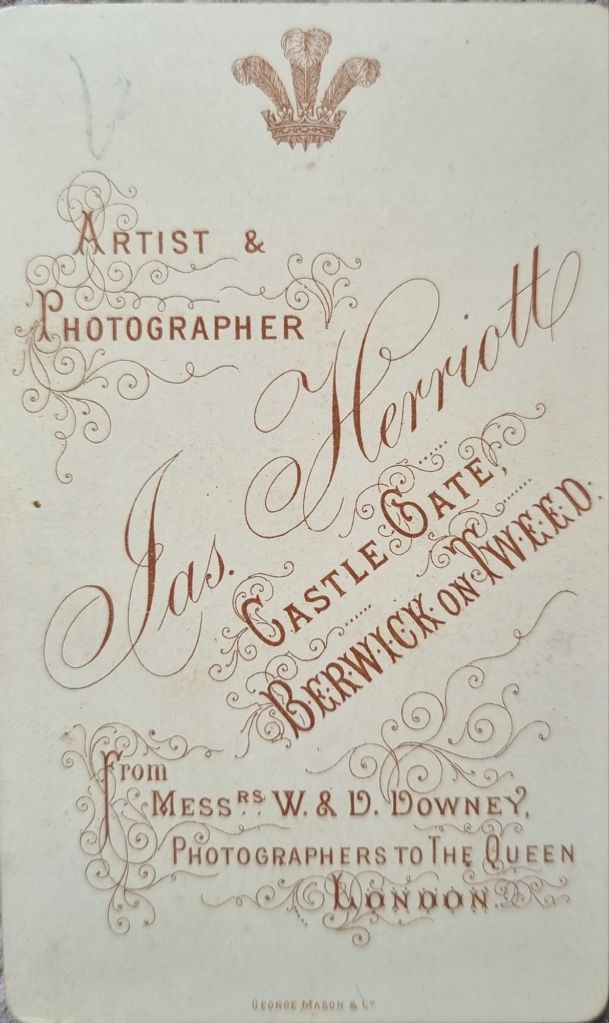

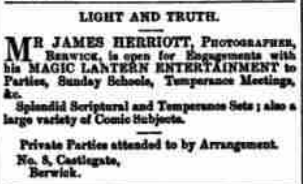
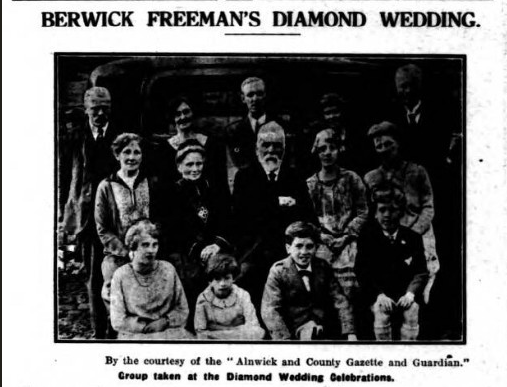
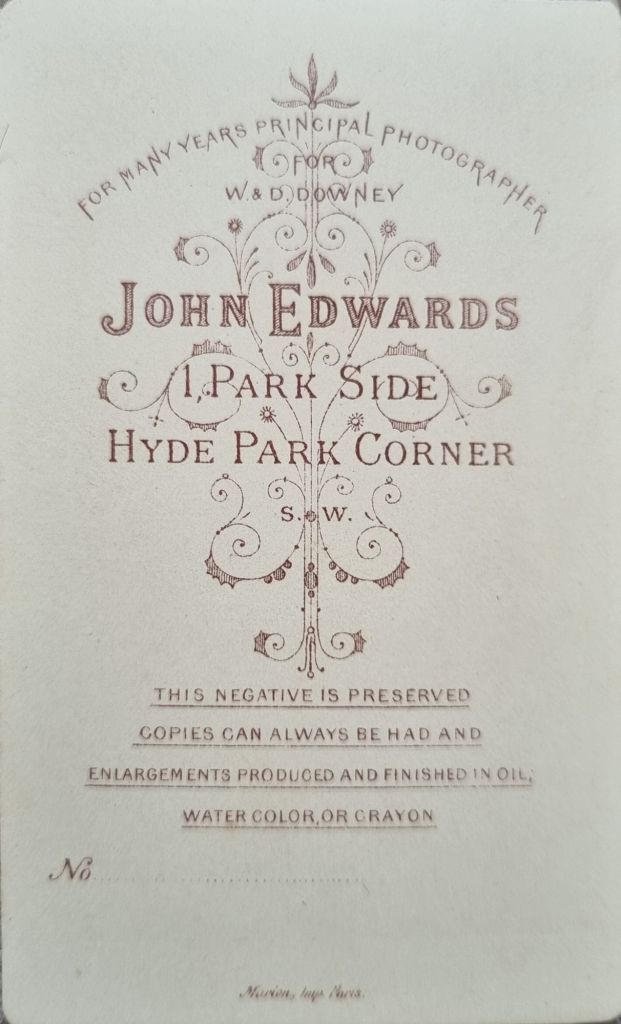

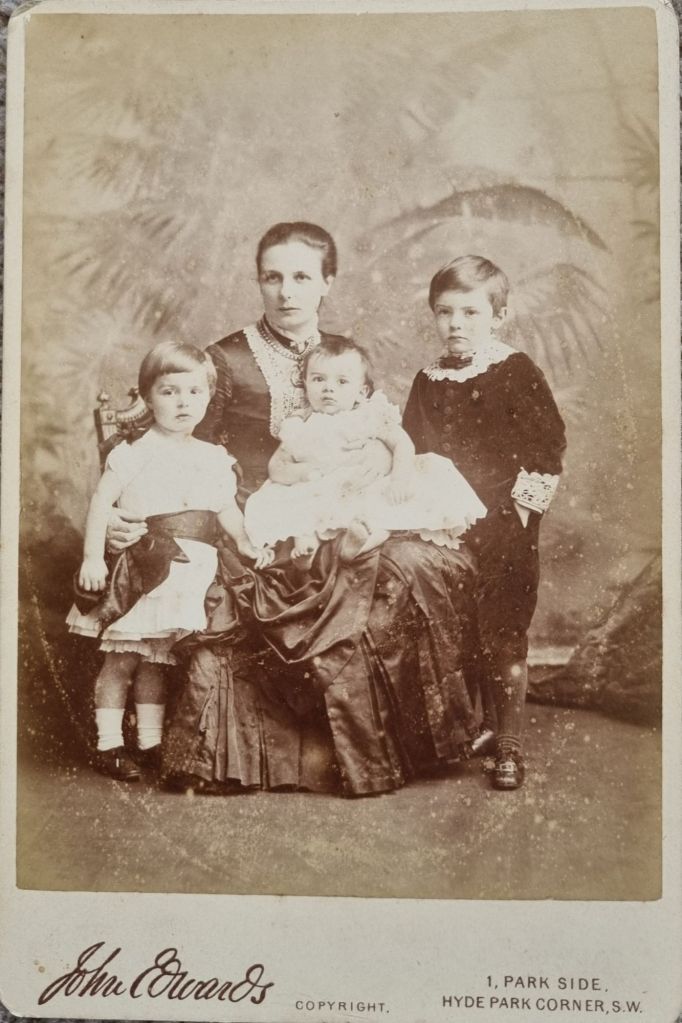
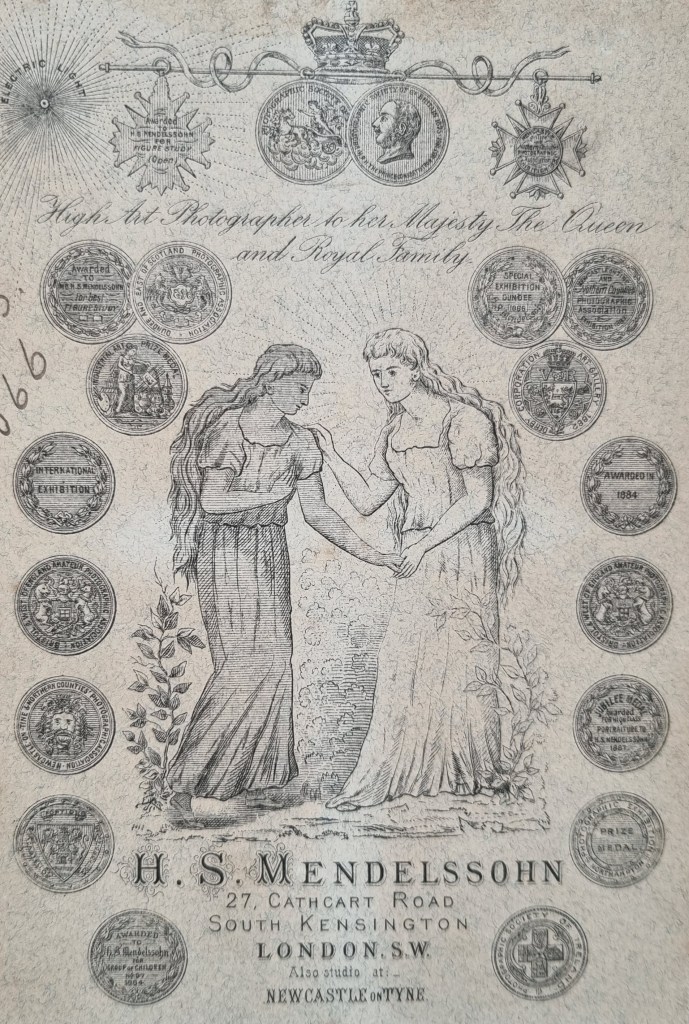
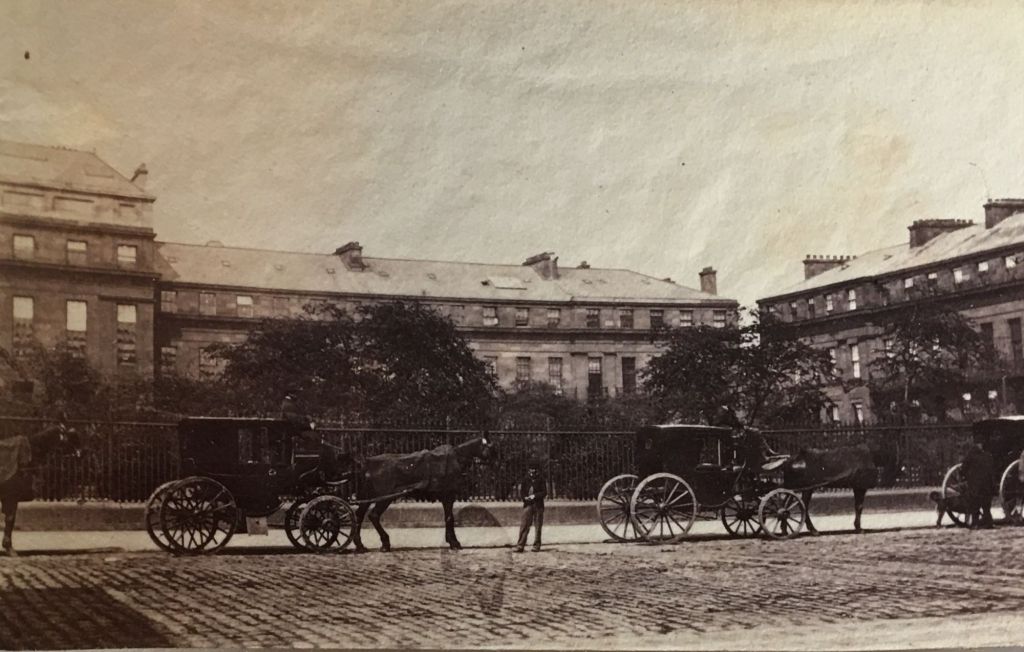
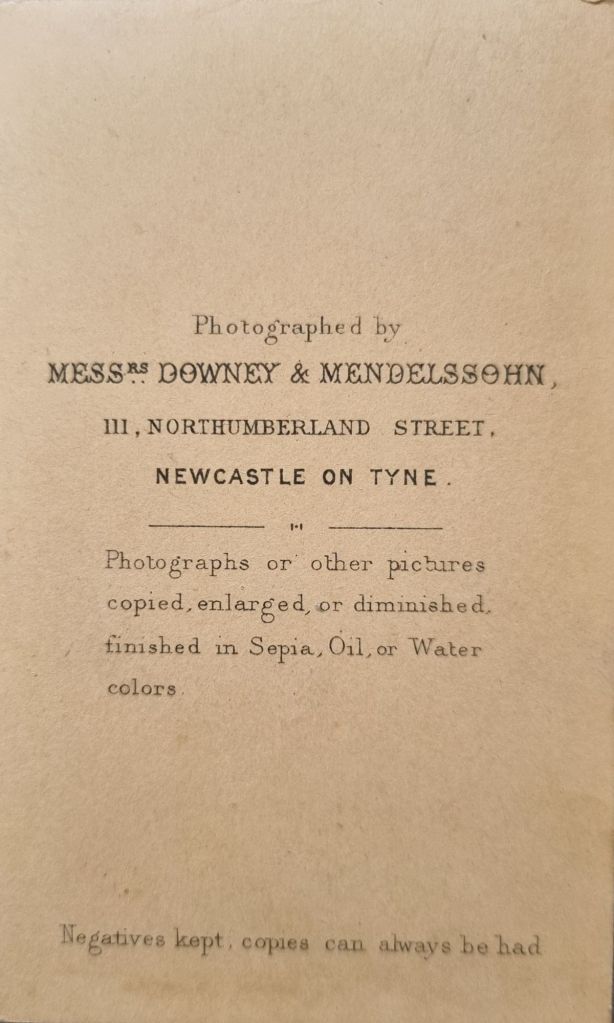
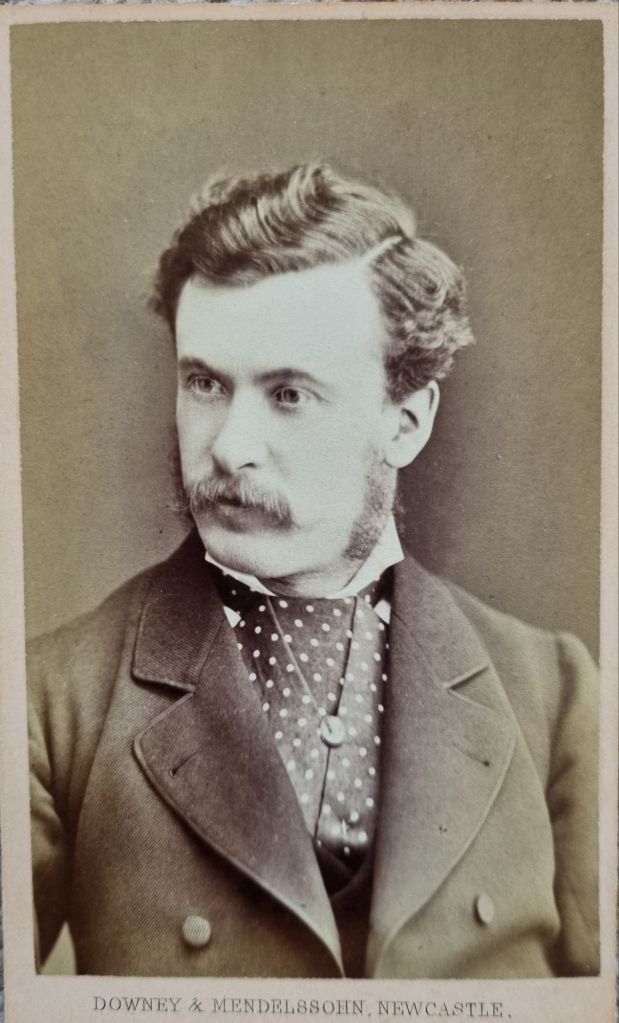

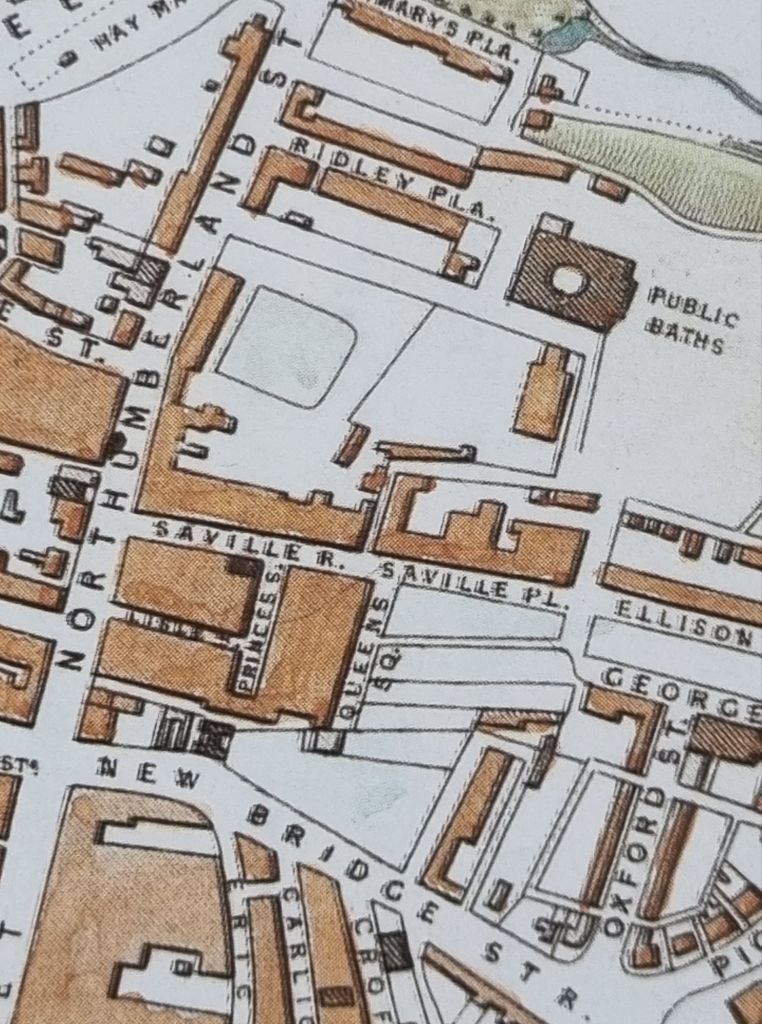

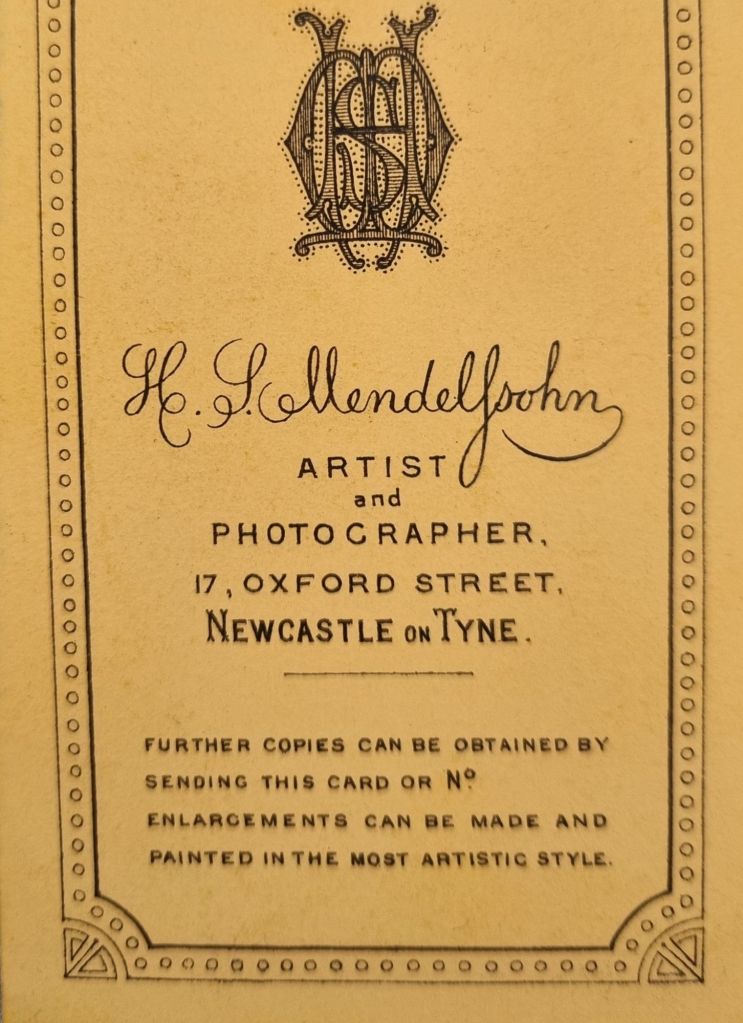
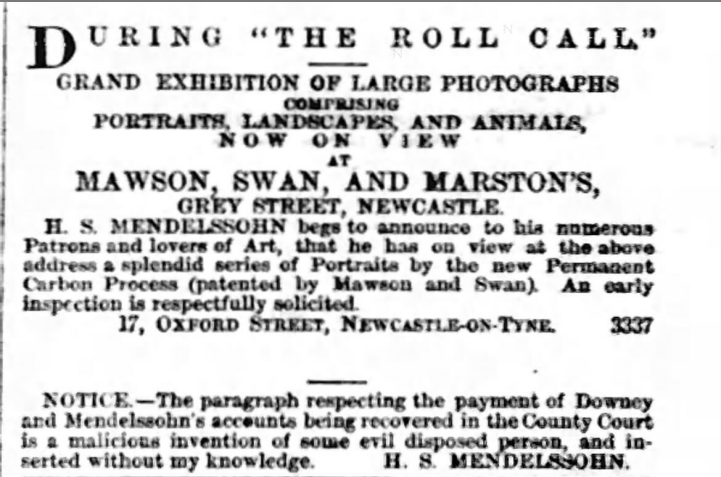
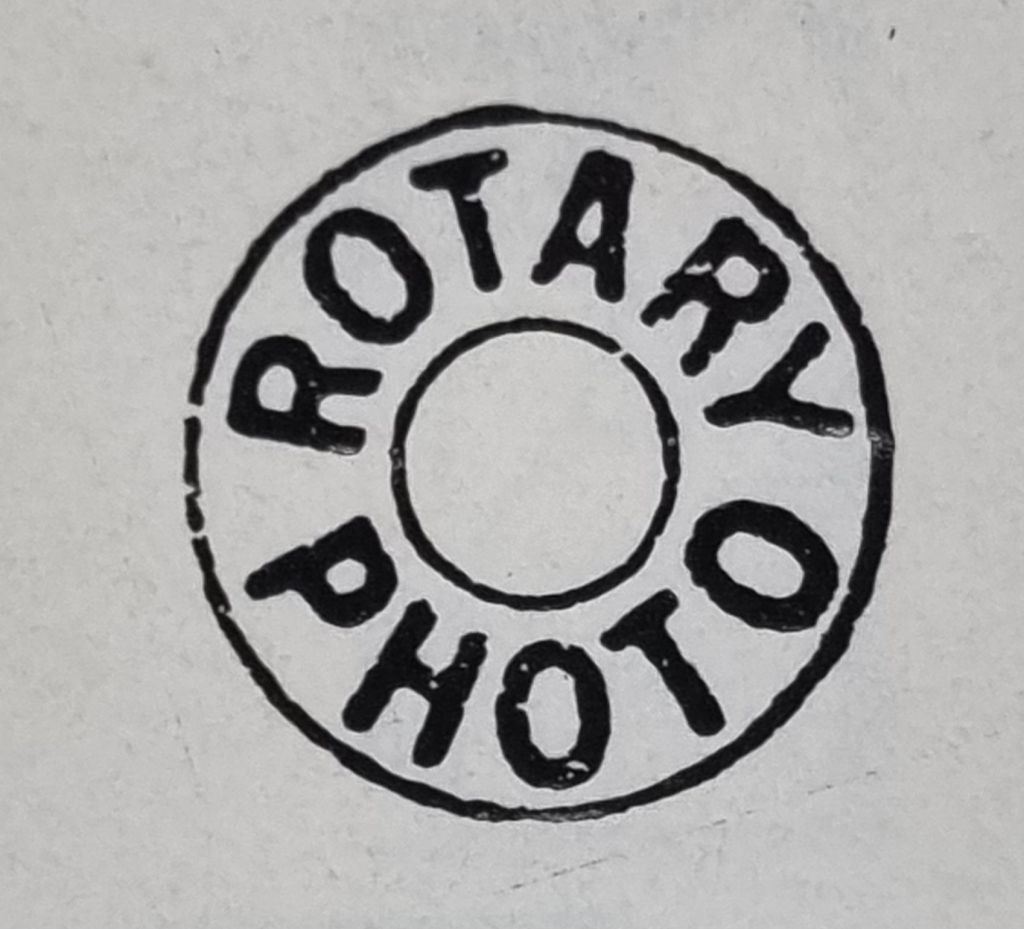
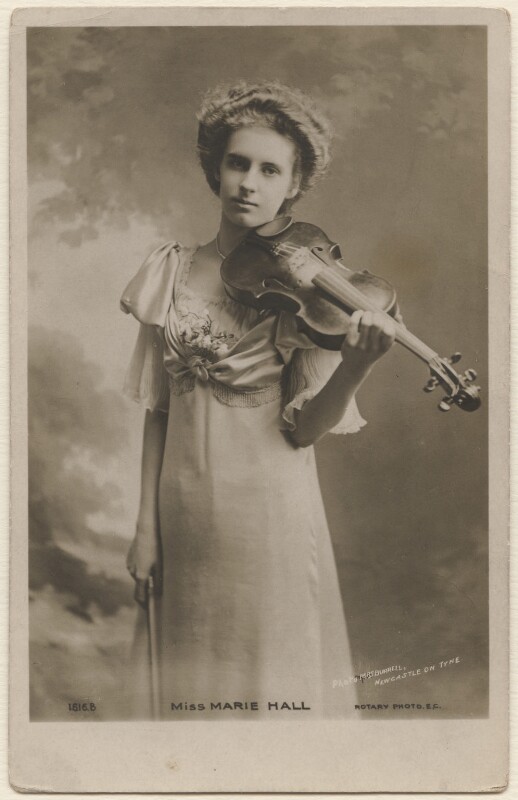
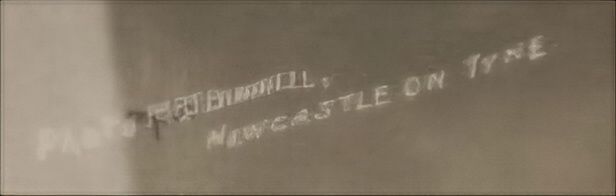

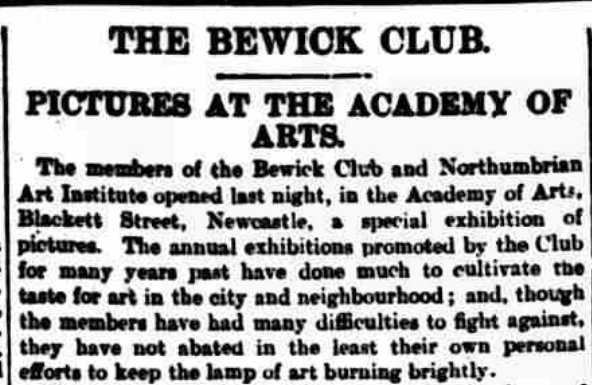
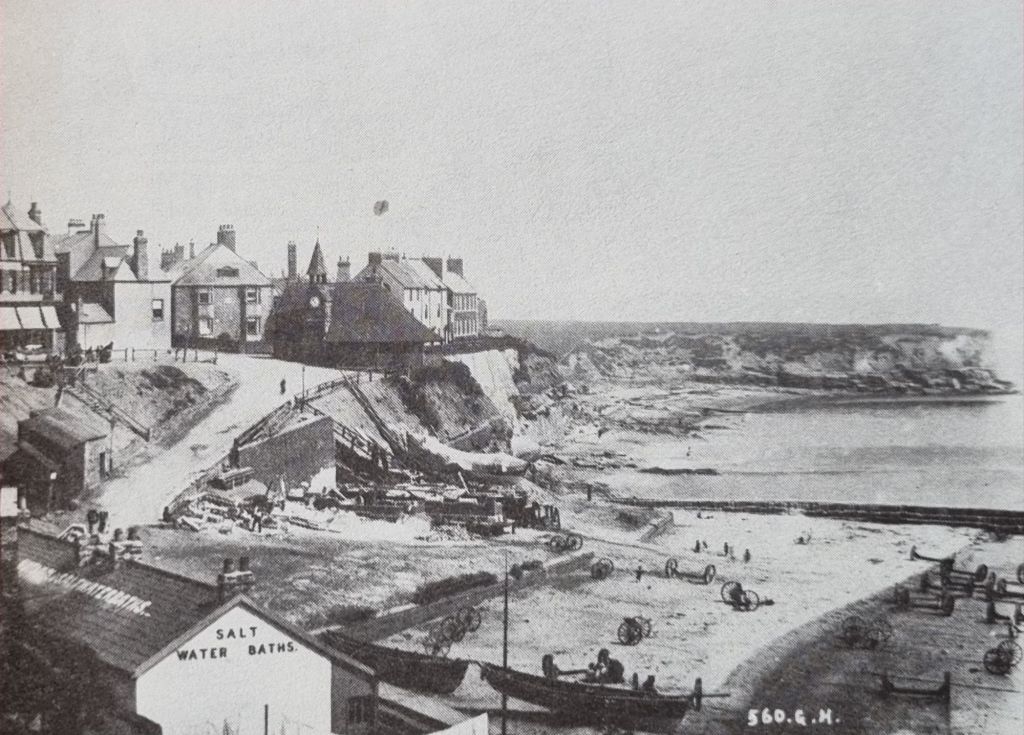
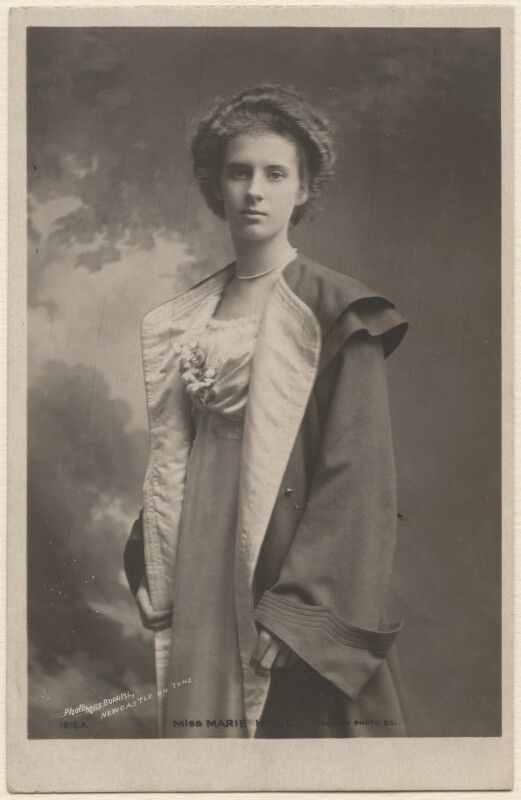

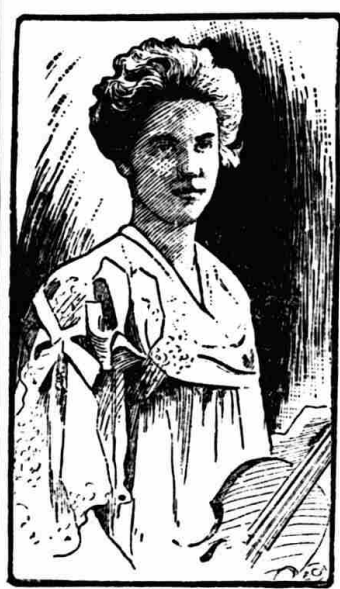
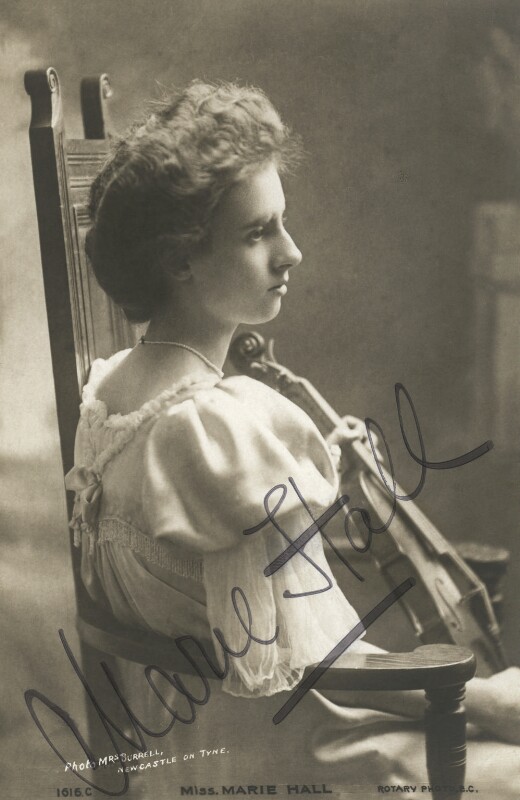

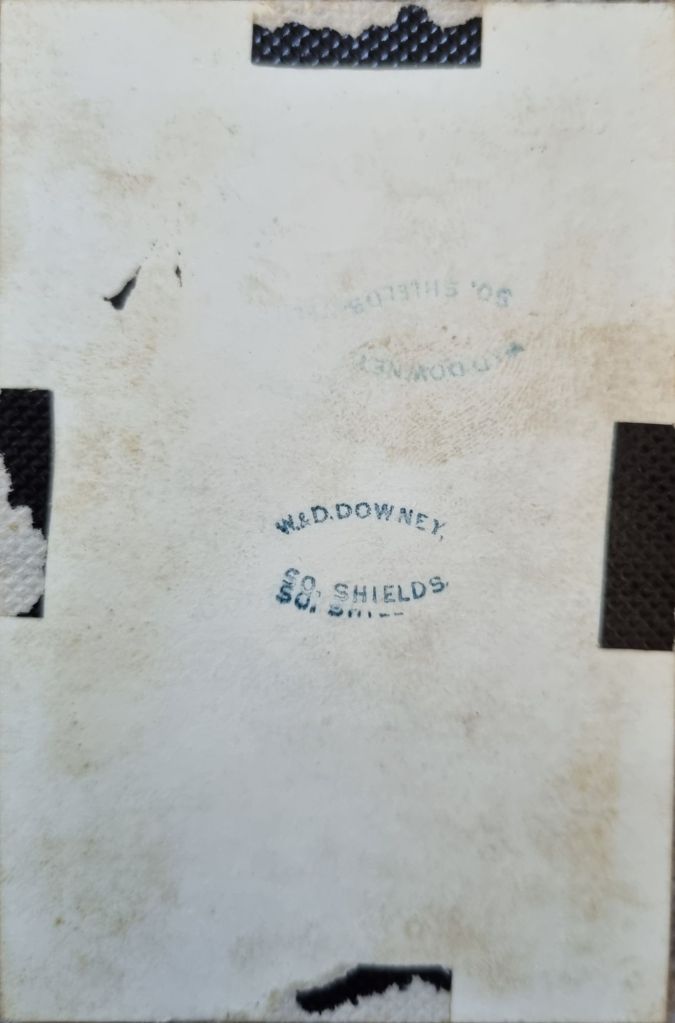
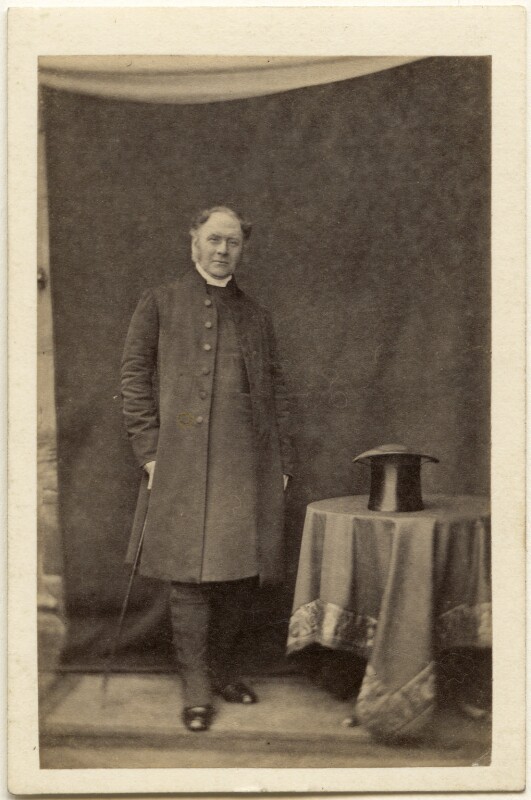
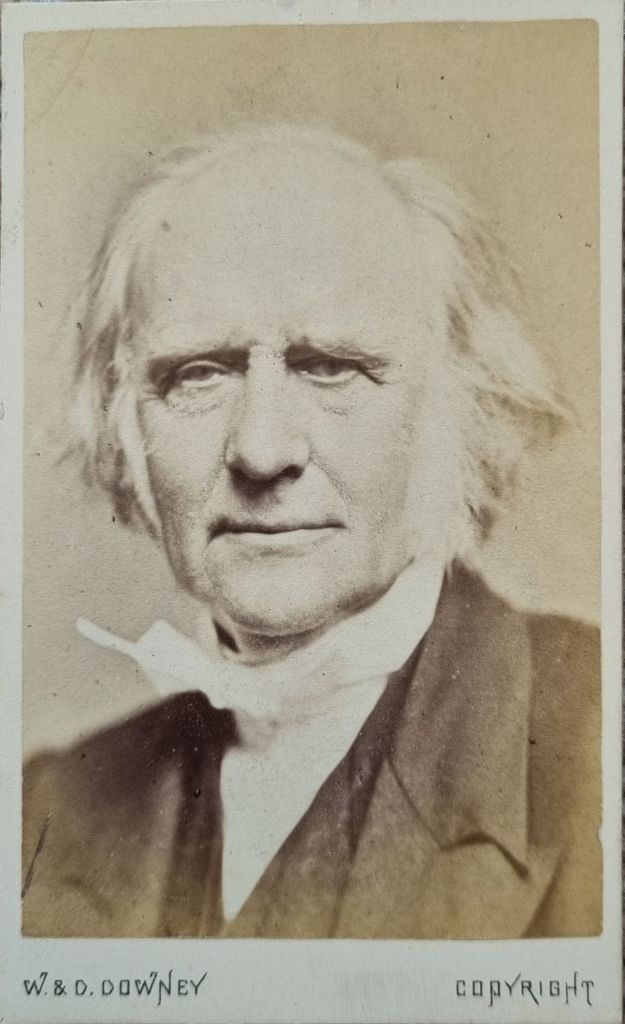
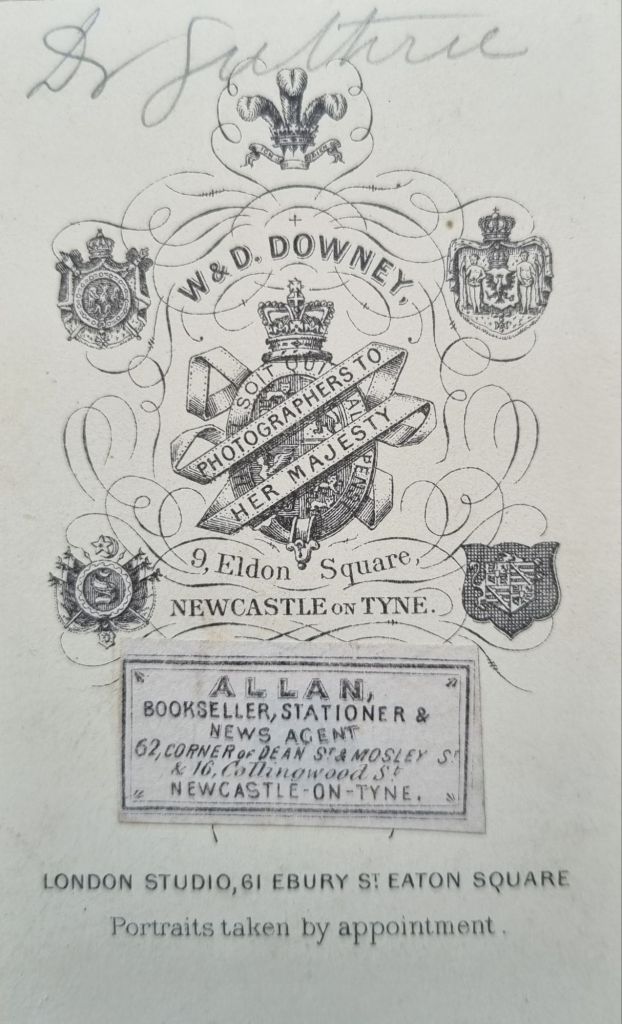
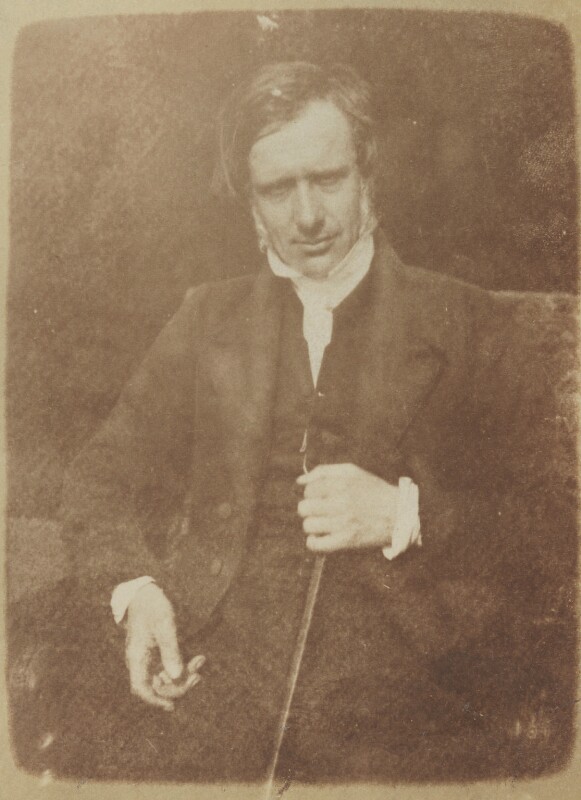
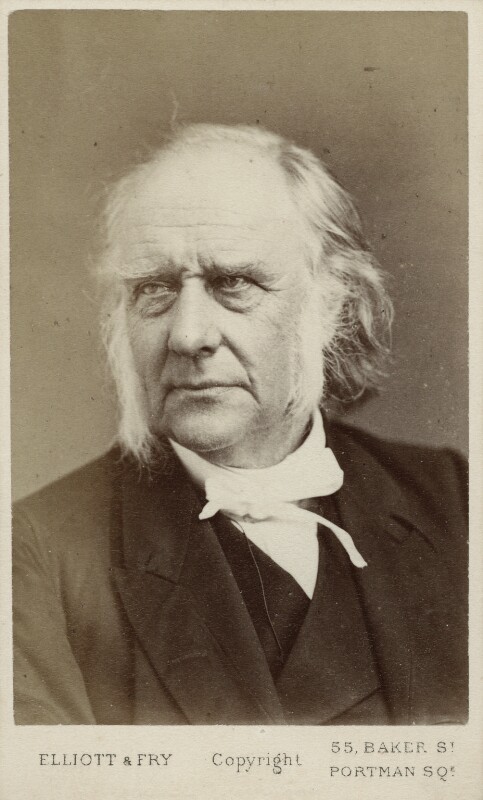
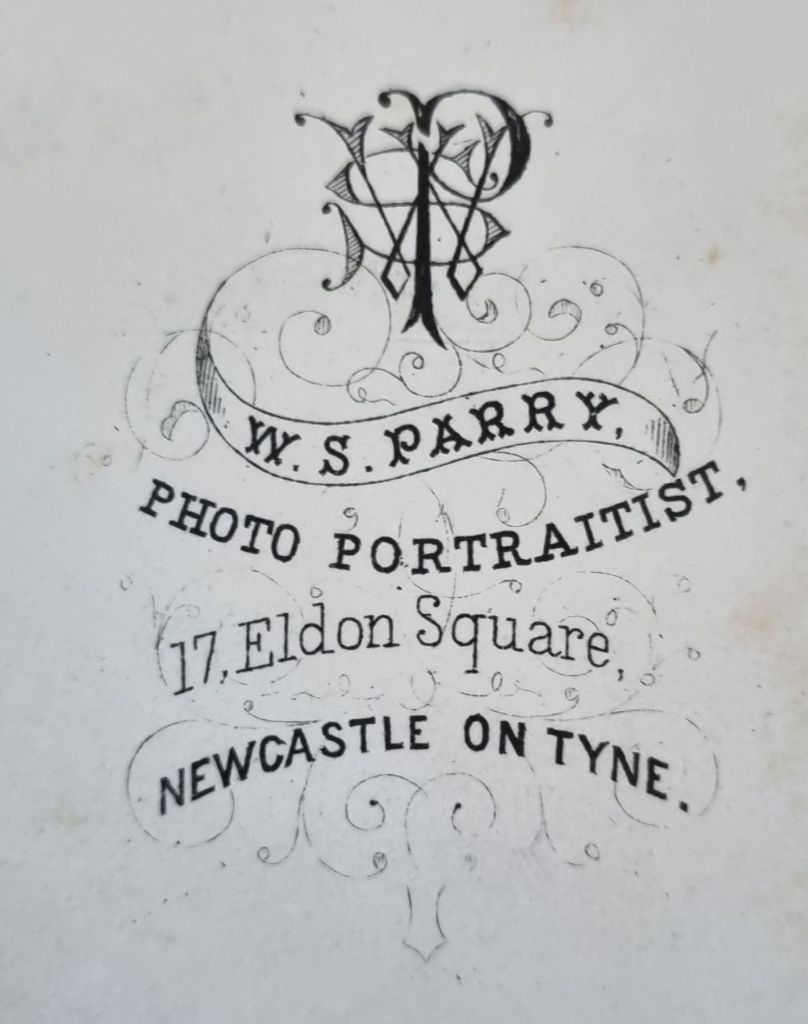
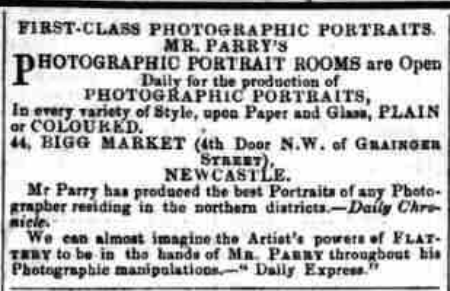

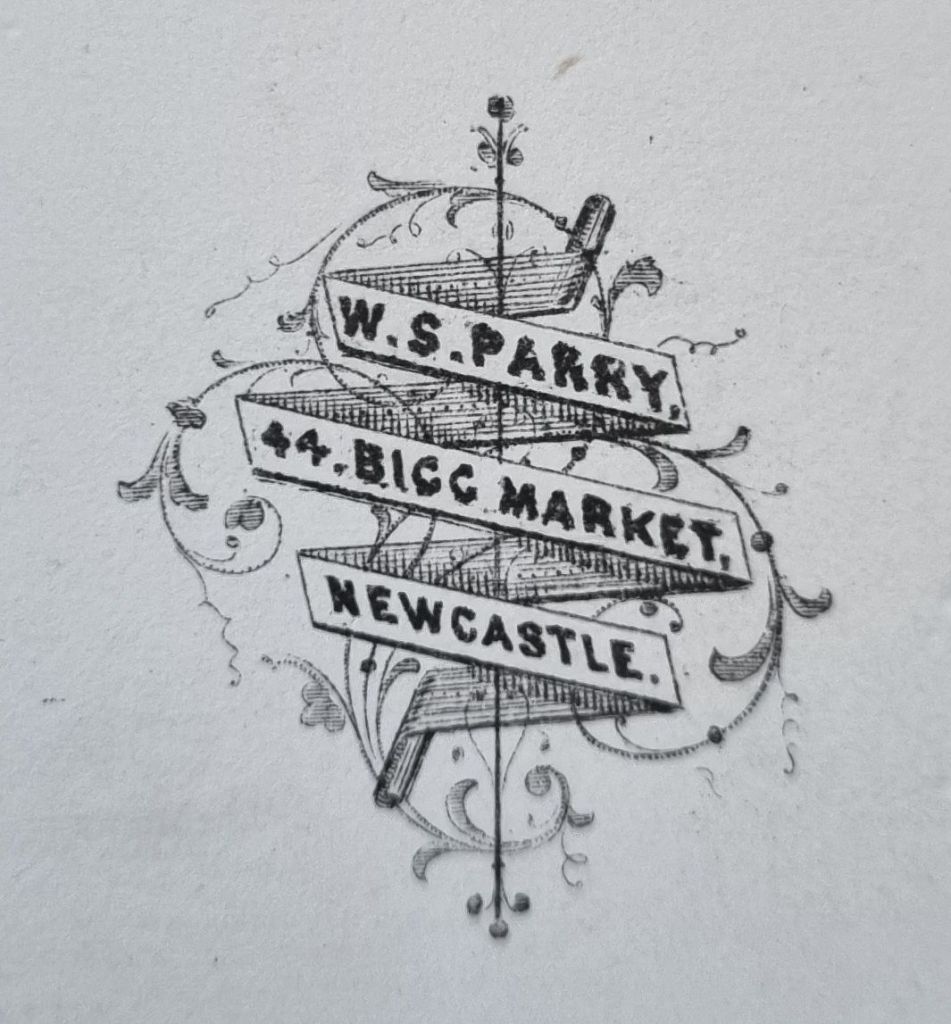

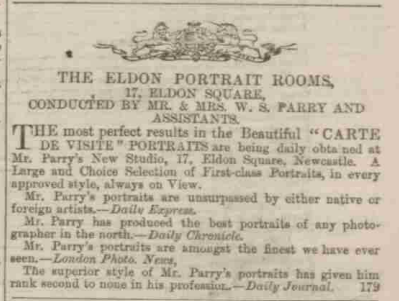
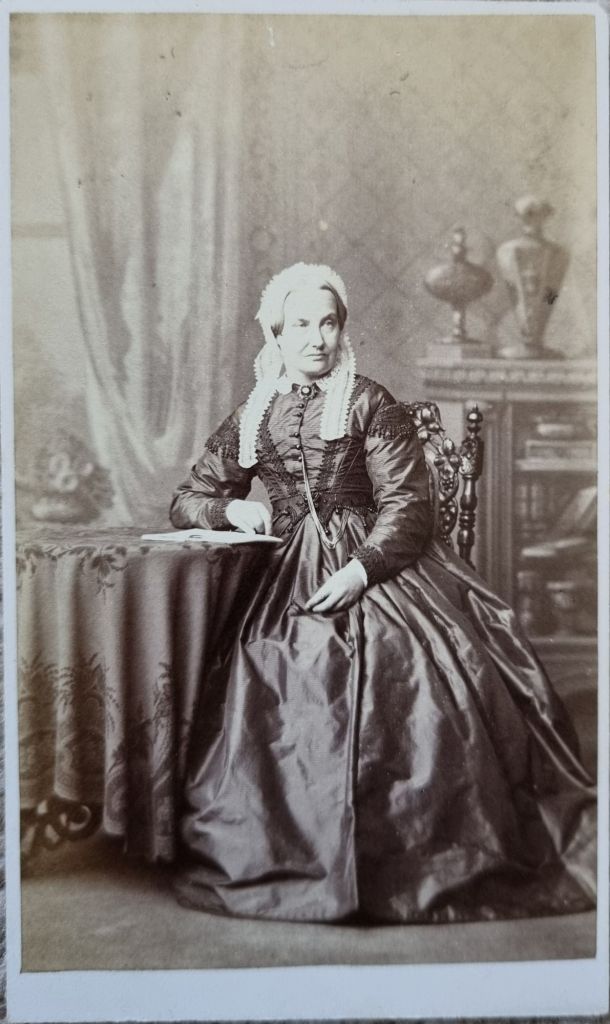
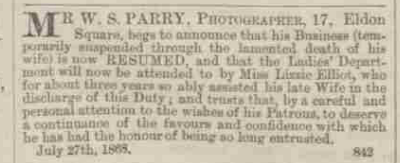
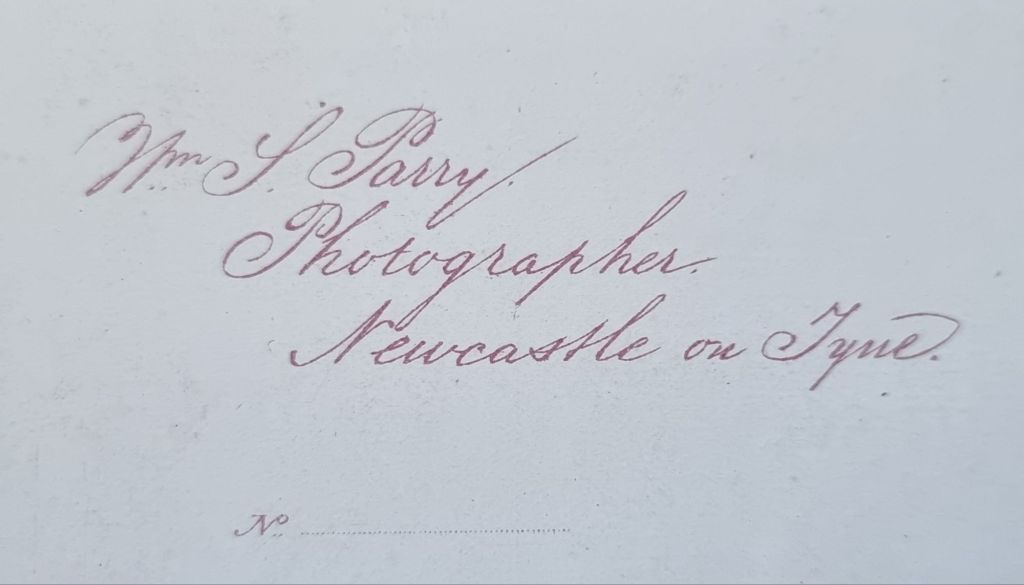
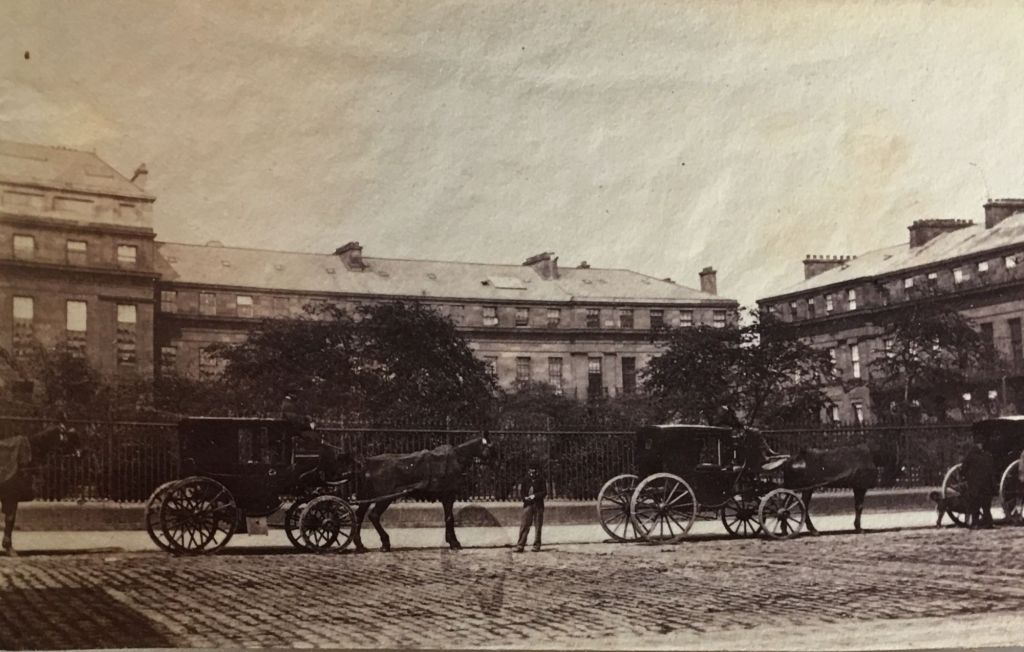

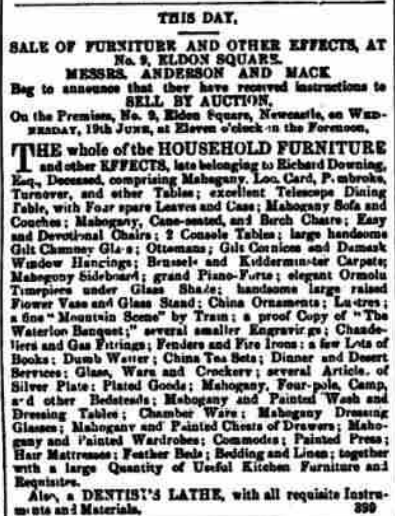


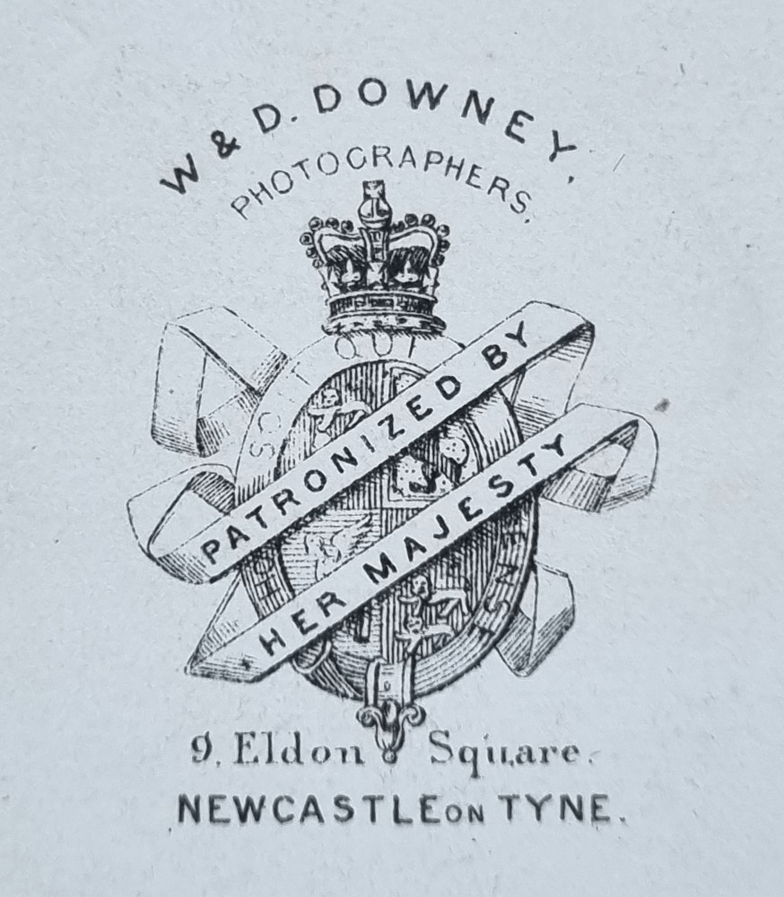
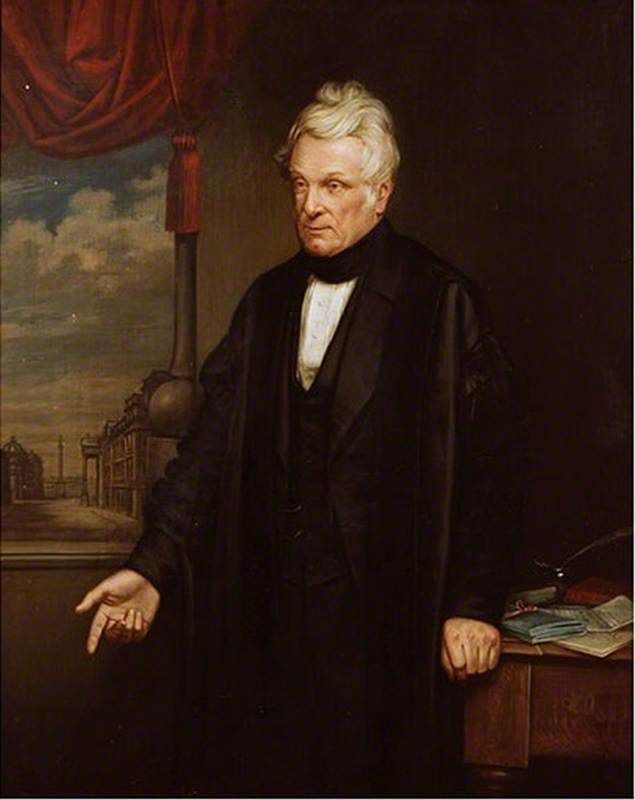
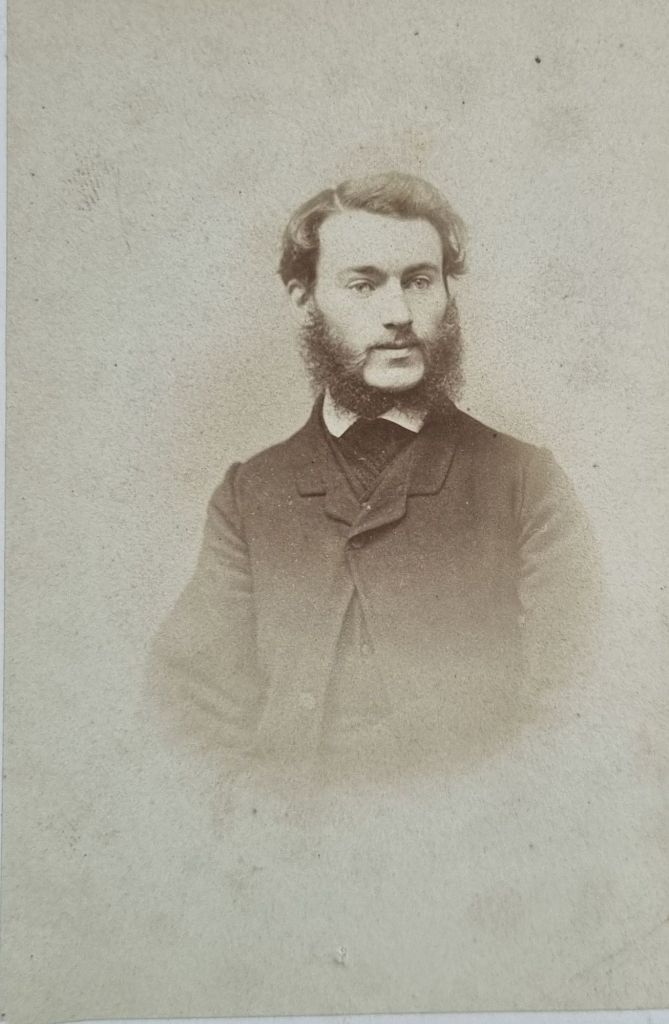


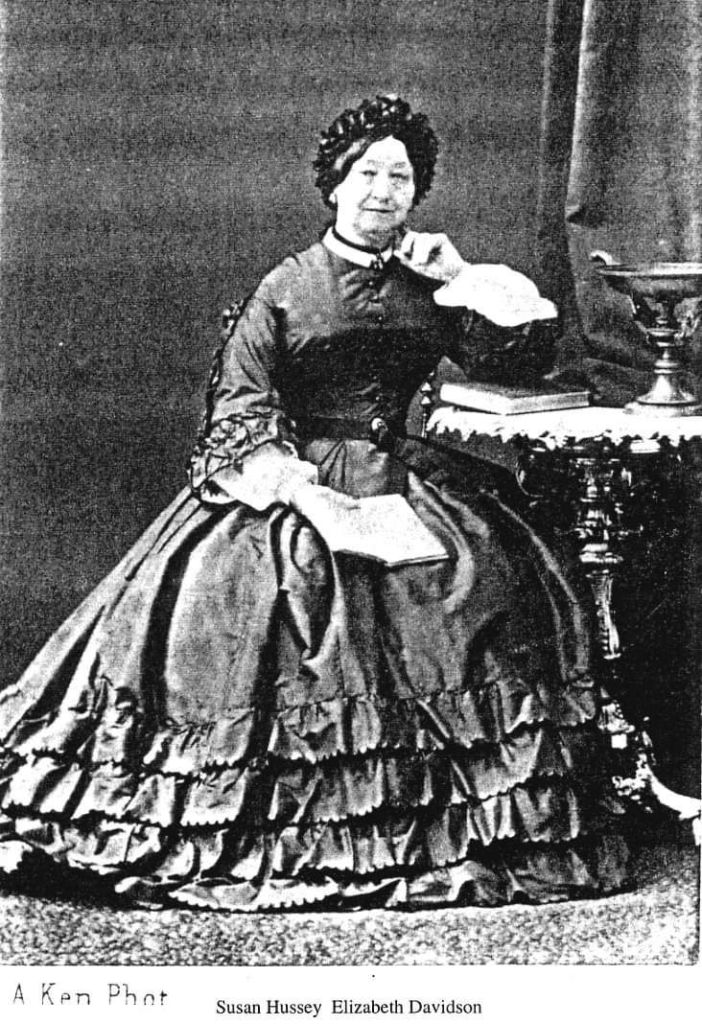
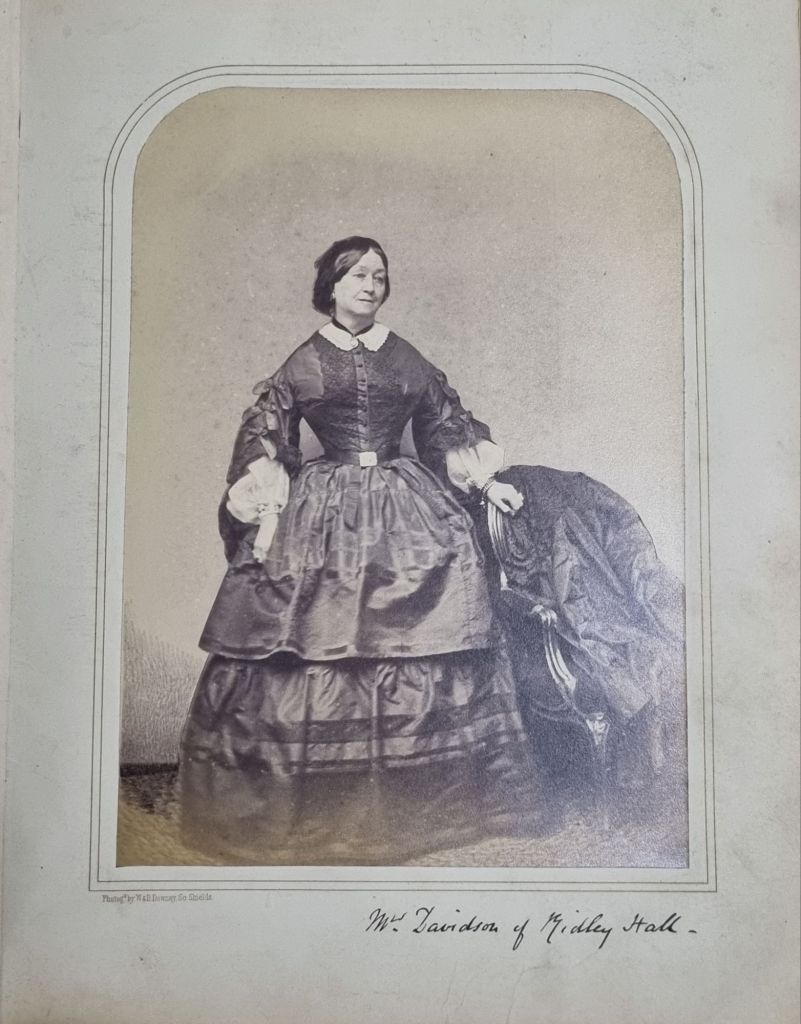
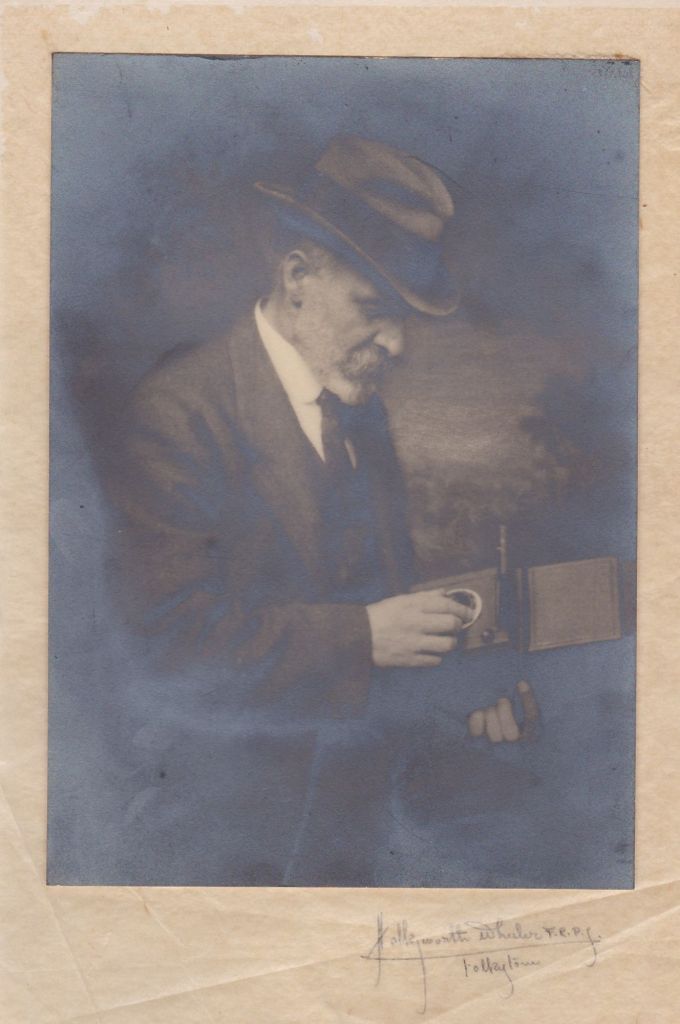

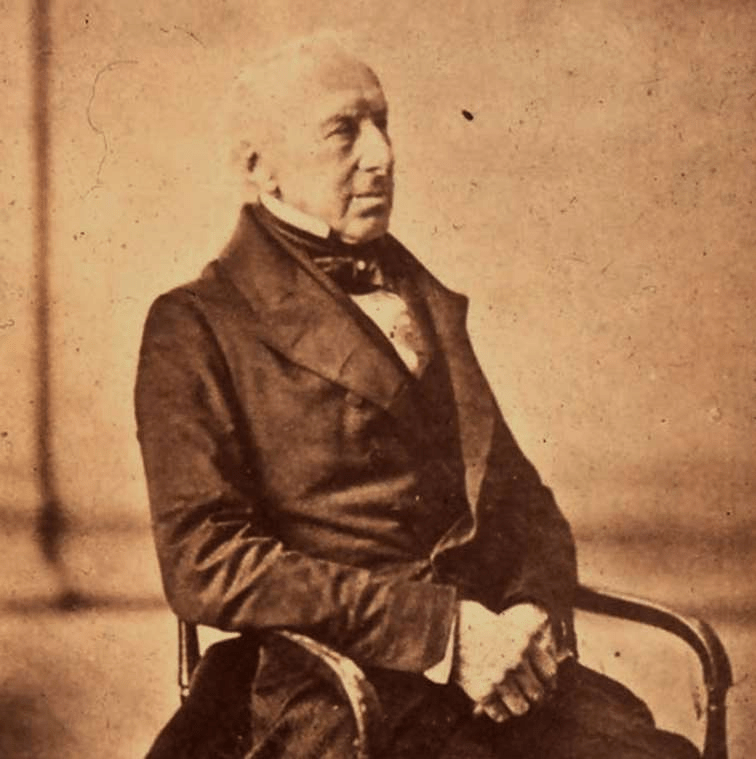
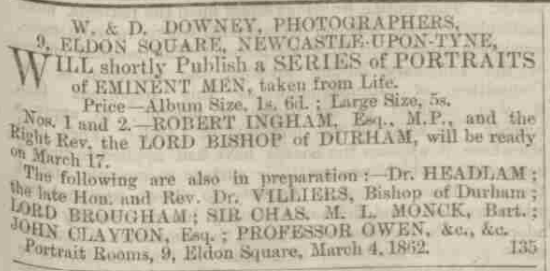
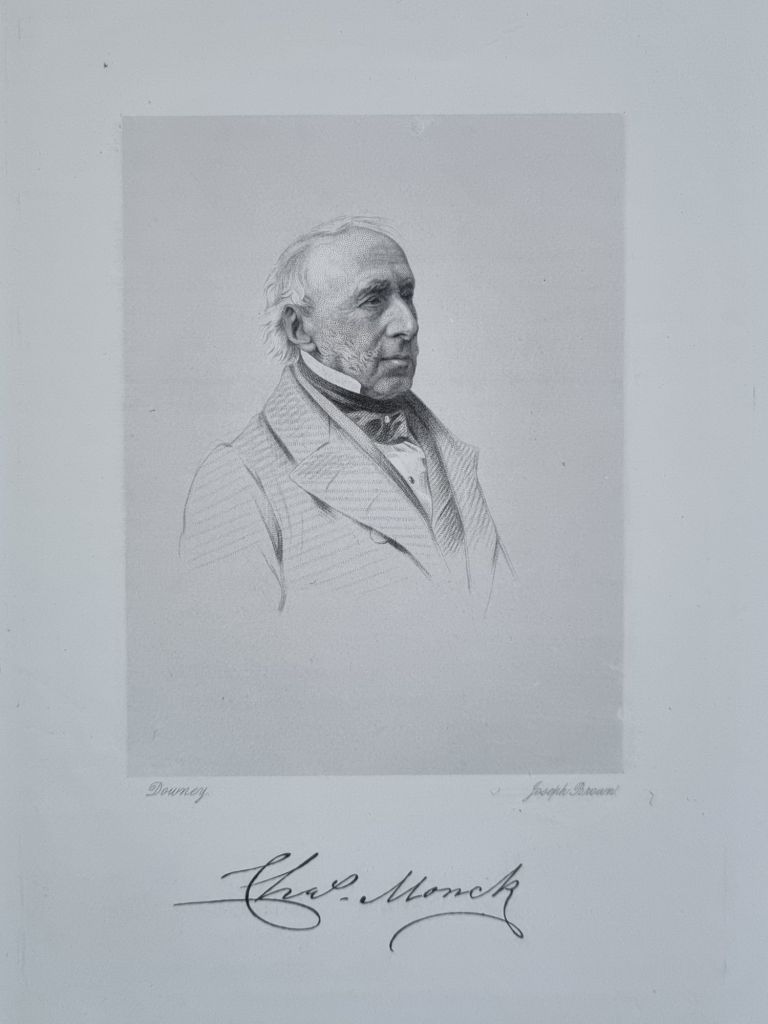

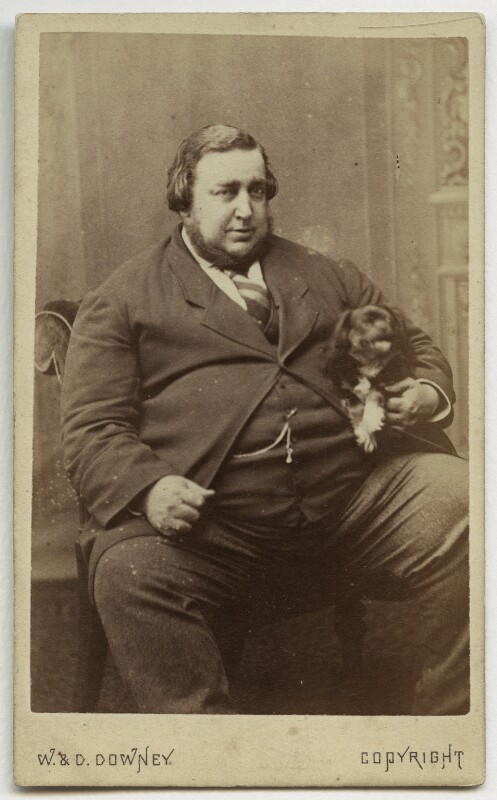

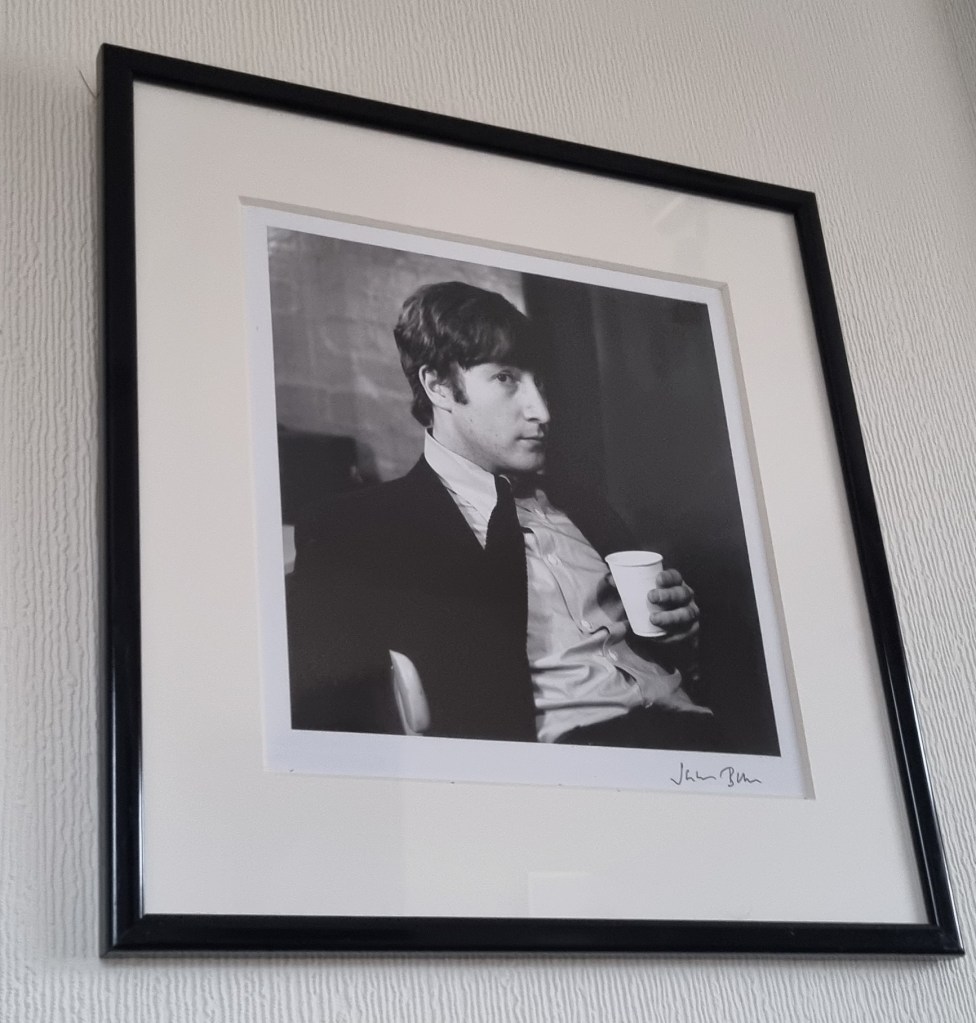
 Pressphotoman
Leave a comment