This Thursday (12th March) marks the birthday of Percy R. Salmon FRPS (1872-1959) whose career as 3D photographer, journalist and author continues to be explored by this blog.
Salmon was well into his 50s with a long list of achievements to both his name and that of his pseudonym ‘Richard Penlake’ when his most successful period as an author began.
All About Photography (London: Ward Lock & Co, 1925) ran to multiple editions that appeared at regular intervals for a quarter of a century.
Buoyed by its initial reception, his London publishers followed it up in 1928 with Photography: Picture Making Simplified that was similarly successful.
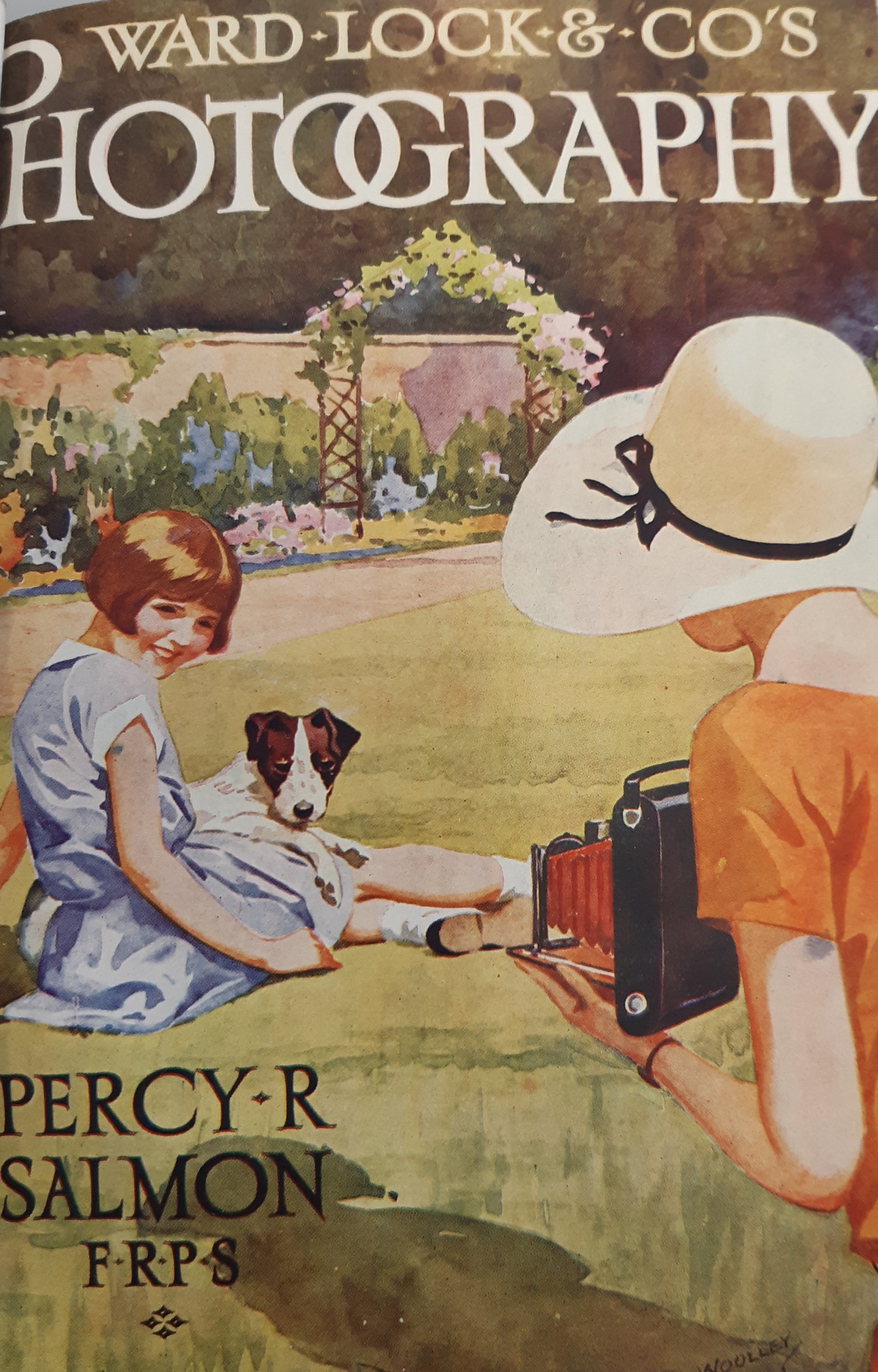
The copy held by the British Library has been stored in a protective binding and so this camera shot of the front cover (reproduced below) is slightly compromised
Courtesy of the British Library.
However, this careful preservation means that the vibrancy of the cover artwork is as fresh today as it was when painted.
The credit ‘Woolley’ in the bottom right-hand corner points to the illustration being the work of Harry Woolley (1881-1959).
Born in Manchester, he turned his back on a career as an insurance clerk and became a lithographic designer for a printing company in Bristol.
Then from the early 1920s, he worked as a commercial artist in London for leading book publishers including Ward Lock & Co as well as creating card sets for cigarette manufacturers.
The cover art he produced for Percy R. Salmon’s Photography: Picture-Making Simplified captures a key moment in the history of the medium when taking family shots had become a popular pastime.
Salmon’s accumulated knowledge as both practitioner and writer about photography meant he was the perfect choice to share that expertise with a mass market audience.
Many Happy Returns, Mr. Salmon!
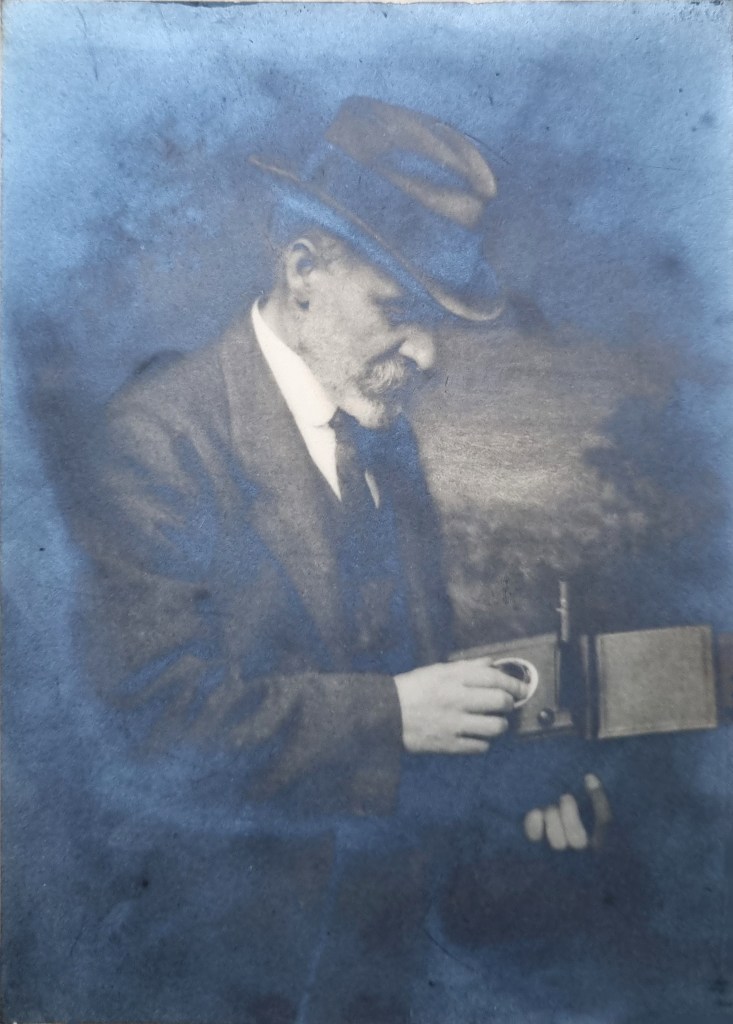
Percy R. Salmon FRPS by H.D. Halksworth Wheeler FRPS (1878-1937). Courtesy of Stephen Martin.
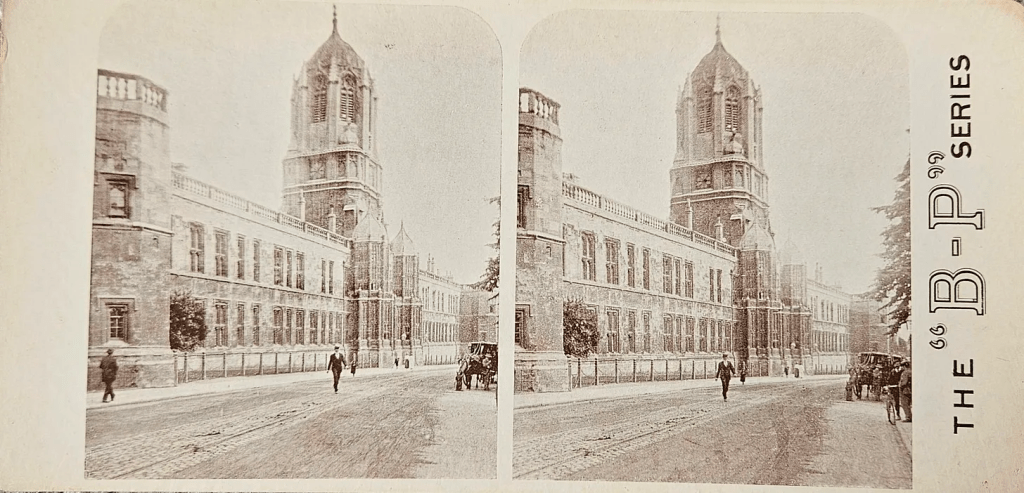
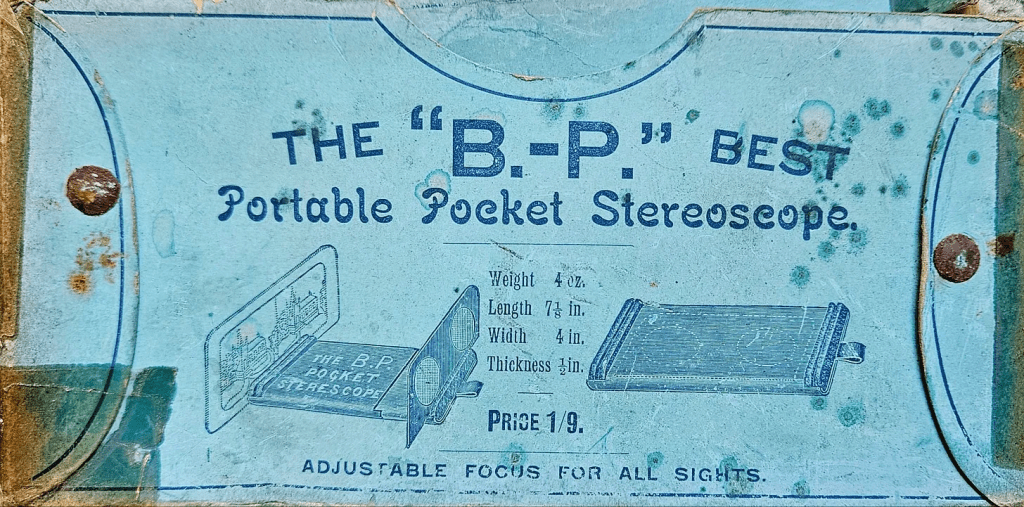
Who, it asked, was behind this ambitious photographic enterprise; one that offered 3D views in sets of 12 taken around England and the Isle of Man complete with pocket viewer?
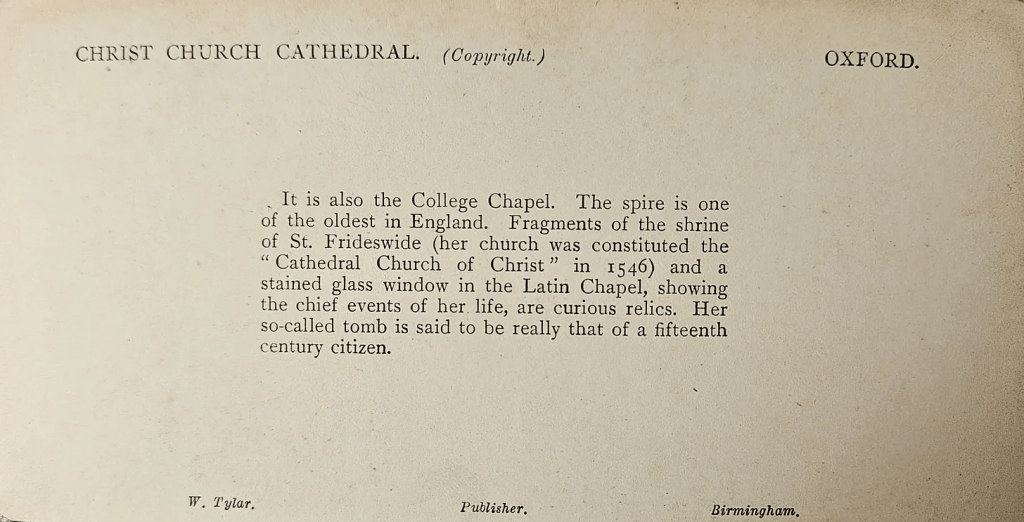
The answer was revealed at the bottom of the verso of the featured cards: ‘W. Tylar, Publisher, Birmingham.’
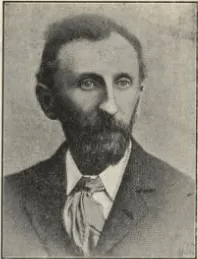
William Tylar (1859-1929) was born in Lincolnshire and by his early twenties was working as a photographer in Birmingham.
William Tylar (1859-1929). Courtesy of the British Library.
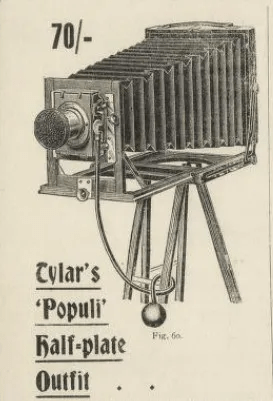
By the 1890s, he had established a thriving business in the Aston district of the city that specialised in inventing and supplying photographic equipment.
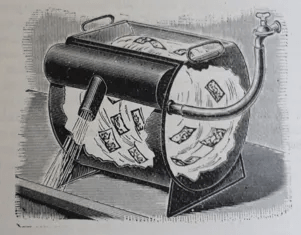
A typical example was Tylar’s P.O.P Washer described in 1896 by the British Journal of Photography as “a thoroughly useful and efficacious addition to the amateur’s outfit.”
From British Journal of Photography (3rd April 1896). Courtesy of the British Library.
The following year, Tylar copyrighted several photographs taken in and around Oxford and the River Thames.
This suggests that his “B-P” stereo series may have been just one of his commercial photography spin-offs.
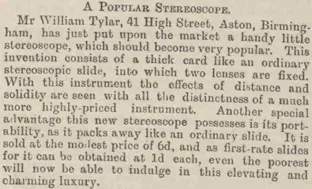
Tylar also had an entrepreneur’s instinct for publicity and “a popular stereoscope” he invented attracted attention from the national press.
The People’s Friend (8th January 1900). From British Newspaper Archive.
This would appear to be the forerunner of a more sophisticated and expensive version of his invention that later accompanied his “B-P” Series of stereo views.
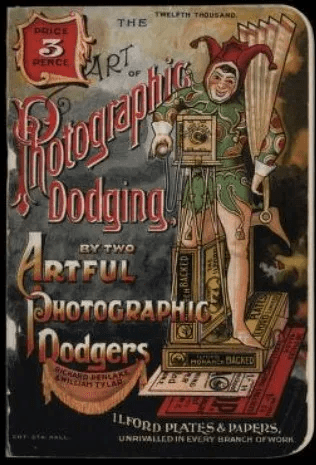
Early in the 20th century, a showcase for William Tylar’s business was published as The Art of Photographic Dodging with its eye-catching front cover advertising Ilford Plates and Papers.
Courtesy of the Bodleian Library, Oxford.
Co-author Richard Penlake will be known to regular readers of this blog as the pen-name of Percy R. Salmon FRPS (1872-1959).
A respected author of several books aimed at amateurs photographers, Salmon was editor of the weekly paper Photographic News between 1901 and 1905.
Rather wonderfully, The Art of Photographic Dodging has been digitised by the Getty Research Institute.
A glimpse inside reveals “Tylar’s tit-bits to tyros turning their troubles to triumphs : tested tips tersely told” alongside nearly 70 pages of advertisements extolling the virtues of his many and varied products.
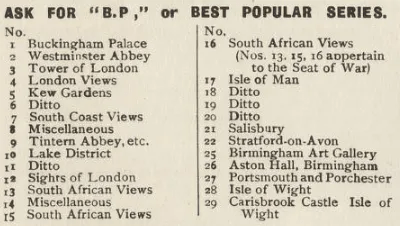
One of the ads also reveals that sets of 12 “B-P” stereoscopic views cost one shilling and sixpence and that “B-P” stood for ‘Best Popular.’
However, as is sometimes the case with photographers and photographic businesses highlighted by Pressphotoman, Tylar’s fortunes took a downward path.
In 1907, failing health led him to convert his business into a private limited company.
This offered an opportunity to his employees as well as friends and customers to purchase shares in it.
Sadly for him, this idea failed to take flight.
Instead, in June 1908, his company secretary, a Mr. J. T. Roberts, was arrested by police after forging a series of cheques signed by Tylar as the company’s managing director.
Over a six month period, Roberts, a previously trusted employee, drew around £80 (over £8,000 in today’s money) from the company’s bank account. He was jailed for six months with hard labour.
Birmingham Daily Mail (2nd June 1909). From British Newspaper Archive.
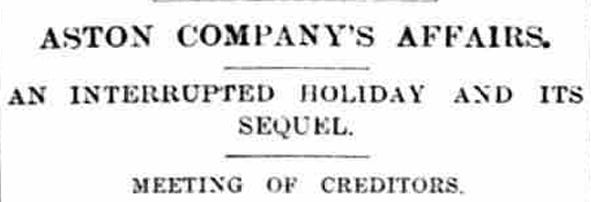
In August 1909, a few months after Roberts was imprisoned, a creditors meeting of William Tylar Limited, “photographic equipment manufacturers and dealers,” was held.
Birmingham Daily Mail (October 1909). From British Newspaper Archive.
The meeting heard that Tylar learned of his company secretary’s dishonesty whilst enjoying “a change of air” in Bournemouth suggested by his doctor.
As reported by the Birmingham Daily Mail, the business had failed due to “bad trade, keen competition, and the cost of getting orders” and a liquidator was appointed.
In the face of this set back, Tylar still recorded his occupation in the 1911 Census as a “Factor of Photographic Goods.”
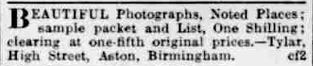
However, a newspaper small ad placedin the same year was perhaps a truer reflection of his position.
Stowmarket Weekly Post (19th January 1911). From British Newspaper Archive.
In 1929, William Tylar, who had settled in Bournemouth, died in hospital in Christchurch, Hampshire aged 71.


 Pressphotoman
Leave a comment