Shortly before his sudden death in 1895 at the age of 45, the award-winning photographer Matthew Auty registered a number of views for copyright that he had taken around Tyneside.
Among them were well-known Newcastle locations including its Central Station, both High Level and Swing Bridges, Stephenson’s Monument and Jesmond Dene.
Many were popular sellers for the Auty Series imprint that continued to bear his name as the late-Victorian and Edwardian postcard boom took hold.
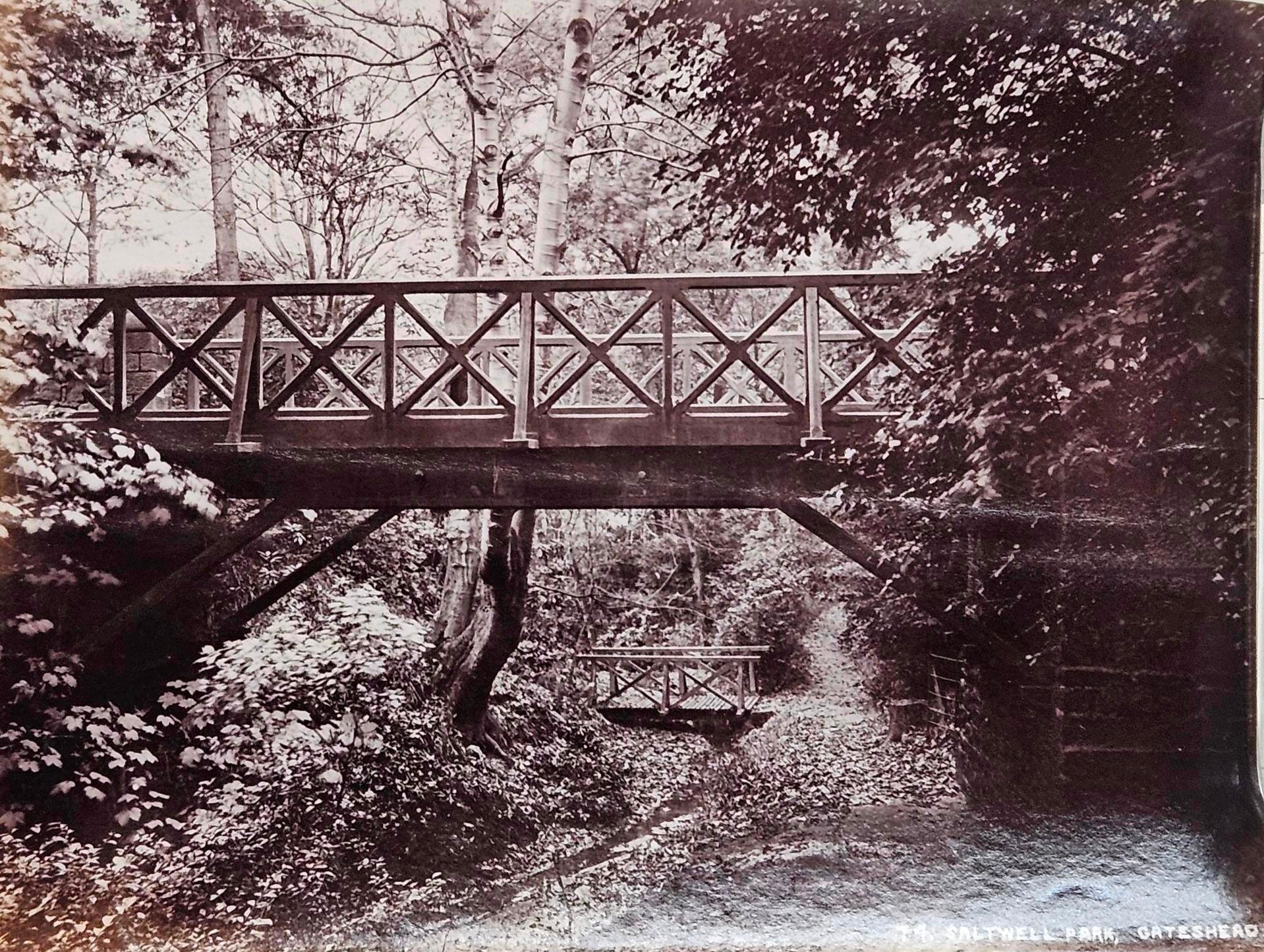
However, what caught my attention whilst visiting the National Archives where his copyright forms are stored were his less familiar views of locations across the River Tyne … in neighbouring Gateshead.
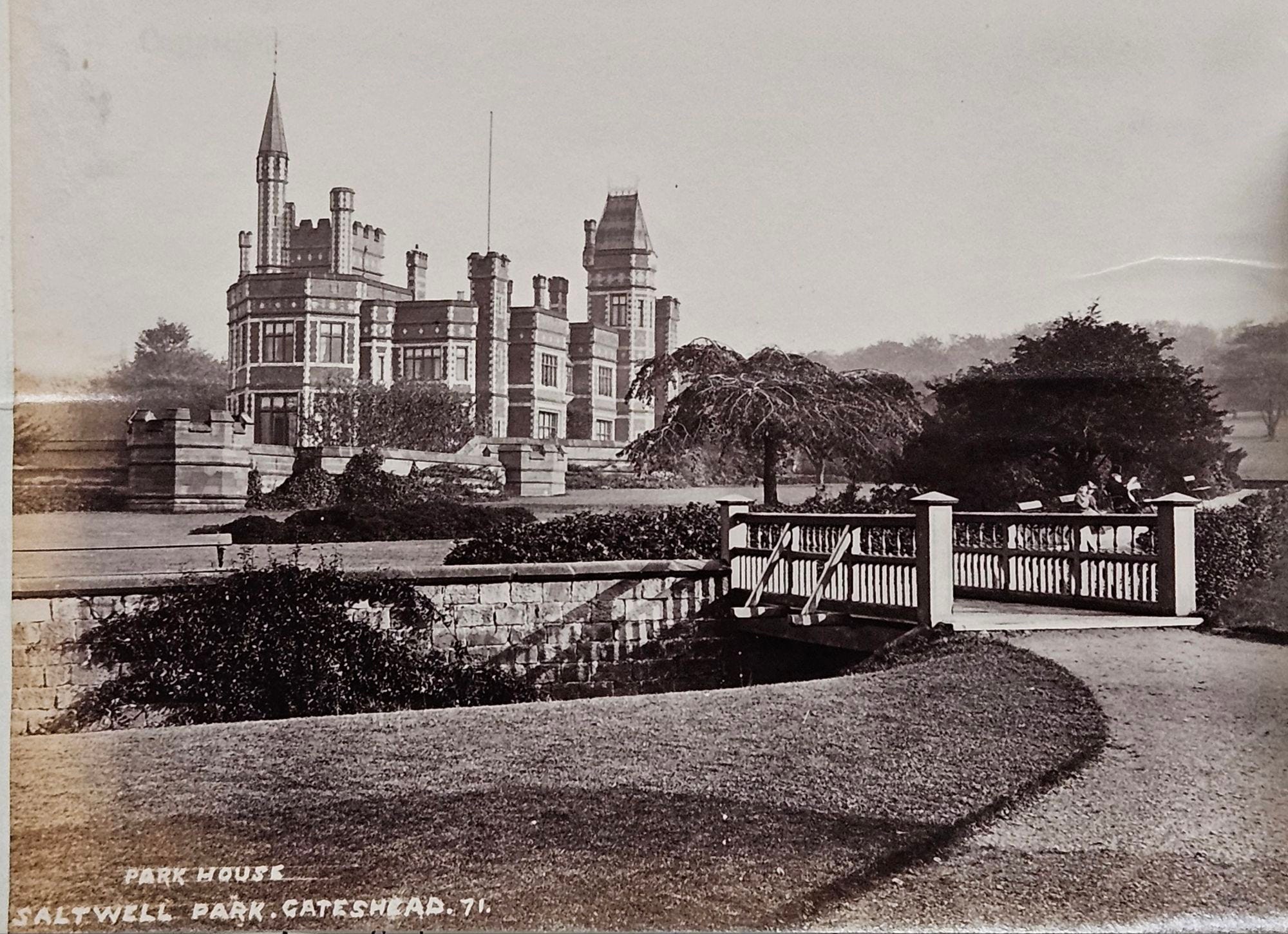
Today Saltwell Park is regarded as one of the best examples in Britain of a Victorian park and is popular with visitors of all ages.
At its heart sits the wonderful Saltwell Towers, an example of Gothic revival architecture, that was home to the distinguished stained glass manufacturer William Wailes (1808-1881).
No doubt aware of the connection, another of Auty’s Gateshead views features examples of Wailes’s stained glass,
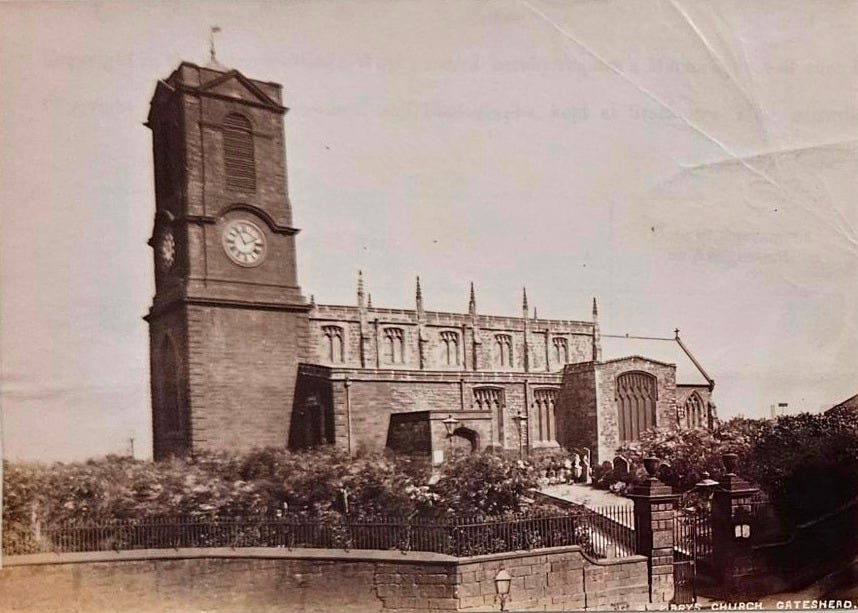
Today St. Mary’s Church, a familiar sight to train travellers on the East Coast railway line as it crosses the River Tyne, is Grade 1 listed and houses a Heritage Centre.
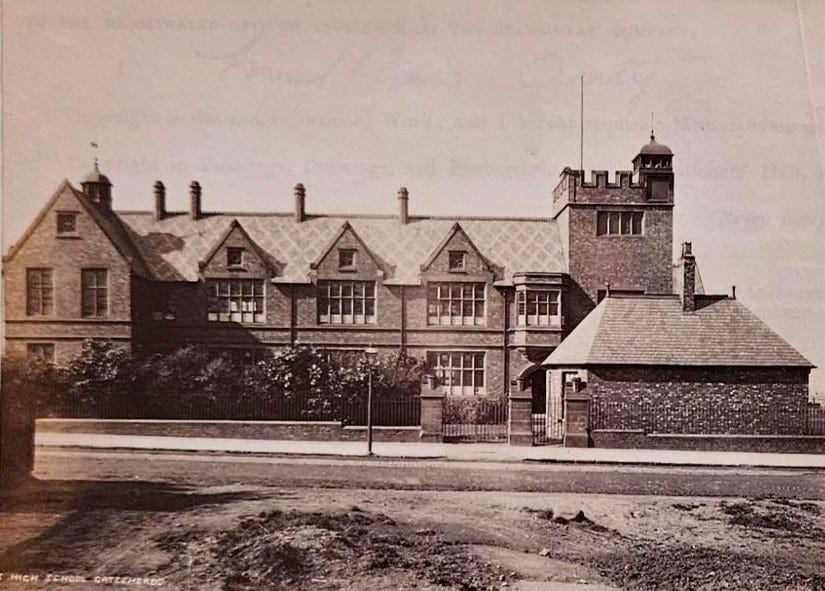
Around the time this photograph was taken, it was purchased by Gateshead School Board, re-named Gateshead Secondary School and underwent various name changes before its demolition in 1960.
It is rather poignant that the copyrighting of these images in November 1894 came in the final months of Matthew Auty’s career as a professional photographer.
Newcastle Weekly Chronicle (3rd August 1895). From British Newspaper Archive.
His importance as a photographer in the North East of England and further afield is reflected in the list of attendees at his burial in Newcastle’s Jesmond Old Cemetary.
These included a veritable Who’s Who of the region’s photographers led by J.P. Gibson, President of the Newcastle and Northern Counties Photographic Association.
Among those present were Linked Ring member Lyd Sawyer (1856-1927) and James Dickinson whose photography shop was a feature of Newcastle city centre well into the 20th century.
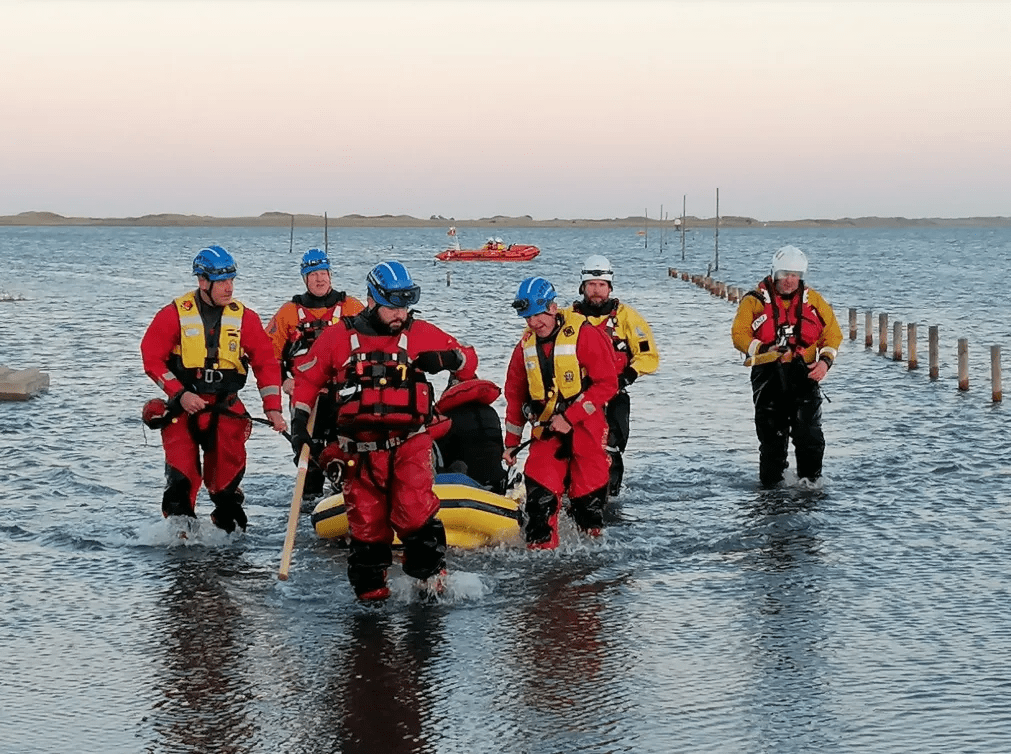
A regular occurrence during the holiday season off the Northumberland coast is the rescue of visitors heading along the causeway to the Holy Island of Lindisfarne.
Within a few days last month, two different families were plucked to safety by teams from the RNLI and Coastguard Rescue as their vehicles were consumed by the incoming tide.
Despite repeated warnings to check the tide tables, Northumberland County Council estimate that between 10 and 20 vehicles are stranded each year, putting the lives of both rescuers and the rescued at risk.
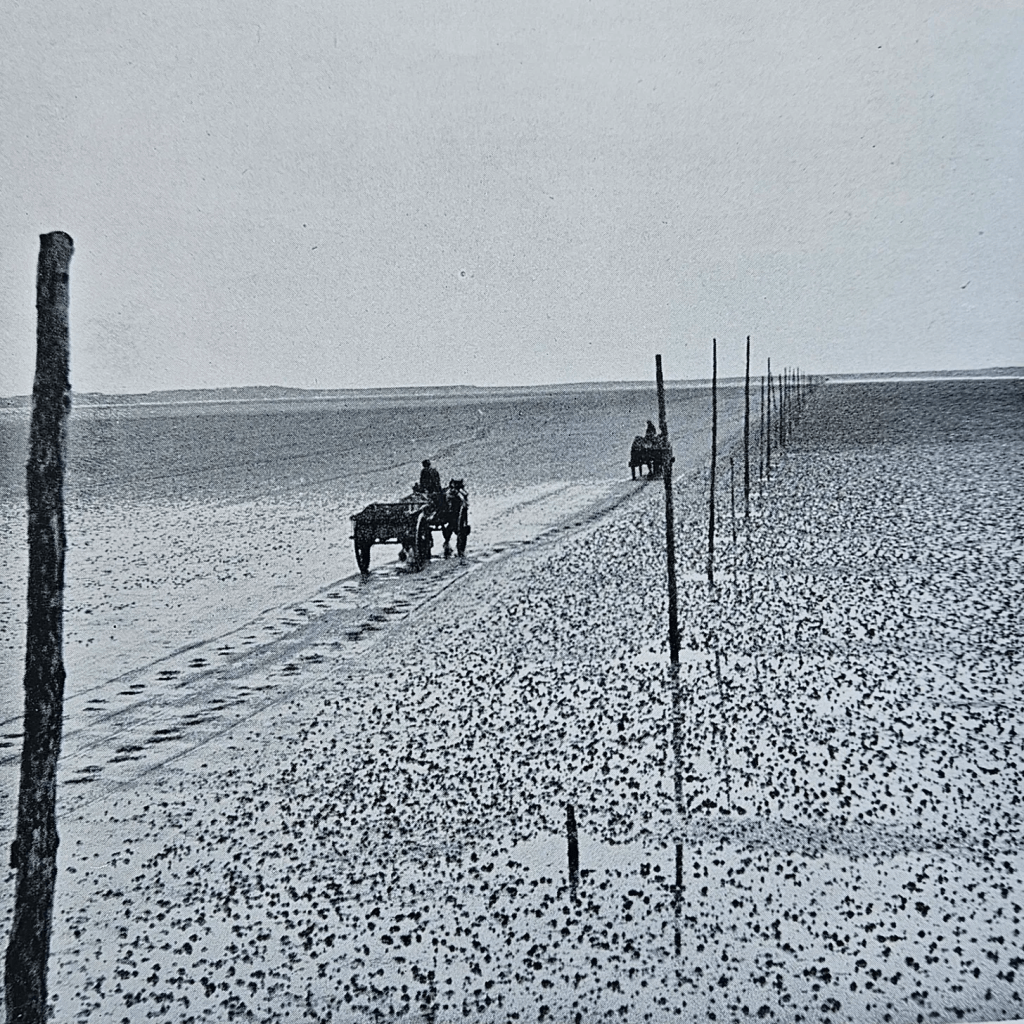
News headlines created by these recent incidents reminded me of a photograph taken nearly a century ago titled ‘Road to Holy Island.’
A wonderfully evocative image, it was taken by Lancashire-born J.R. Bainbridge (1891-1967).
Known as Roland, he took up freelance journalism and photography during the economic slump of the 1920s by which time he had relocated to Belfast in Northern Ireland.
Like a number of photographers, he responded to a call for images to illustrate Northumberland and Durham: A Shell Guide published in 1937.
The idea of publishing a series of county guides aimed at holidaying motorists was inspired by John Betjeman, the celebrated architectural writer and later Poet Laureate.
With Betjeman as editor, the series sponsored by Shell Petroleum launched in 1934 with Cornwall followed in quick succession by Kent, Wiltshire, Derbyshire, Devon, Dorset, Buckinghamshire, Somerset and Oxfordshire.
For Northumberland & Durham, Betjeman signed-up County Durham-born Thomas Sharp (1901-1978) whose writings about the changing face of Britain were attracting national attention.
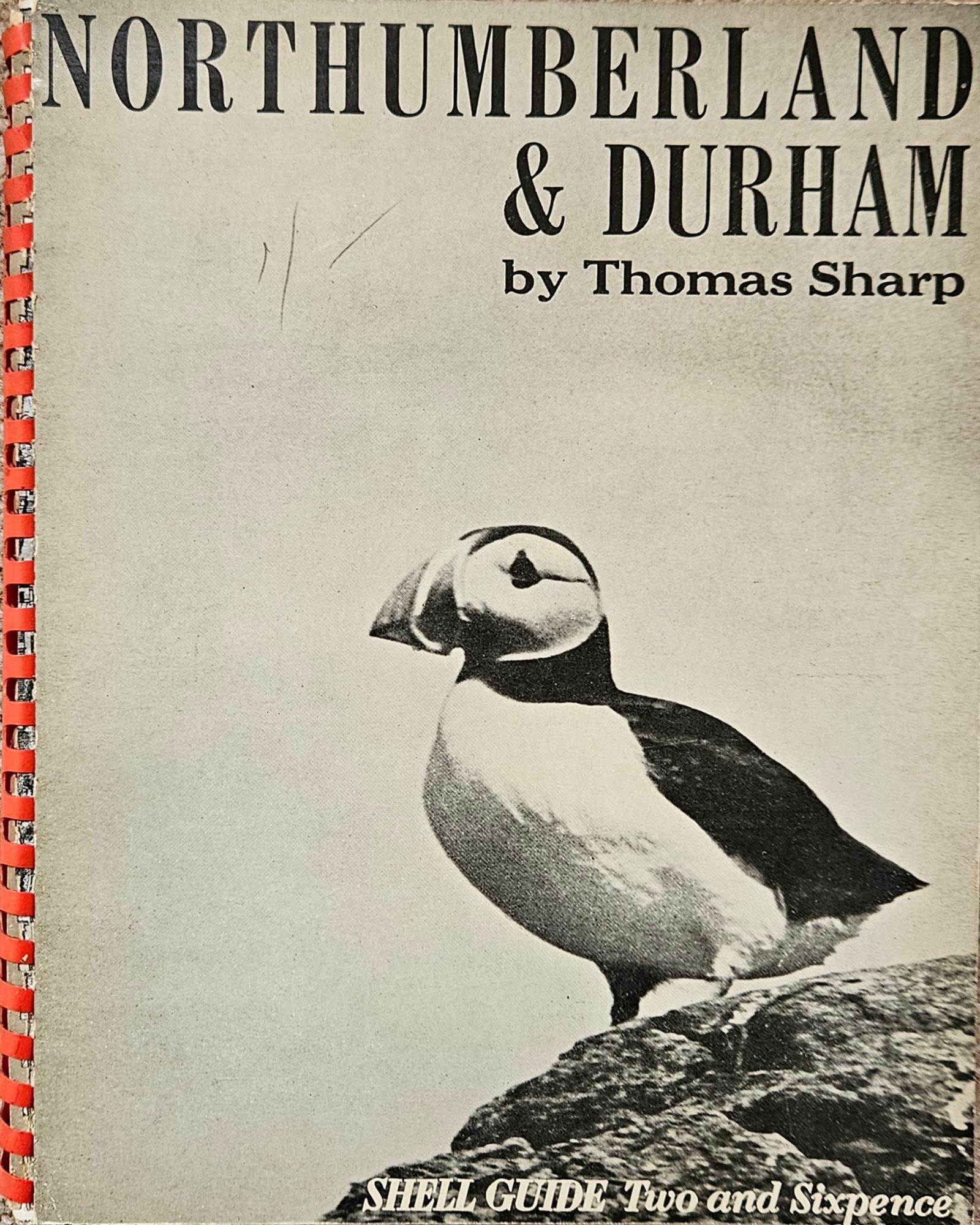
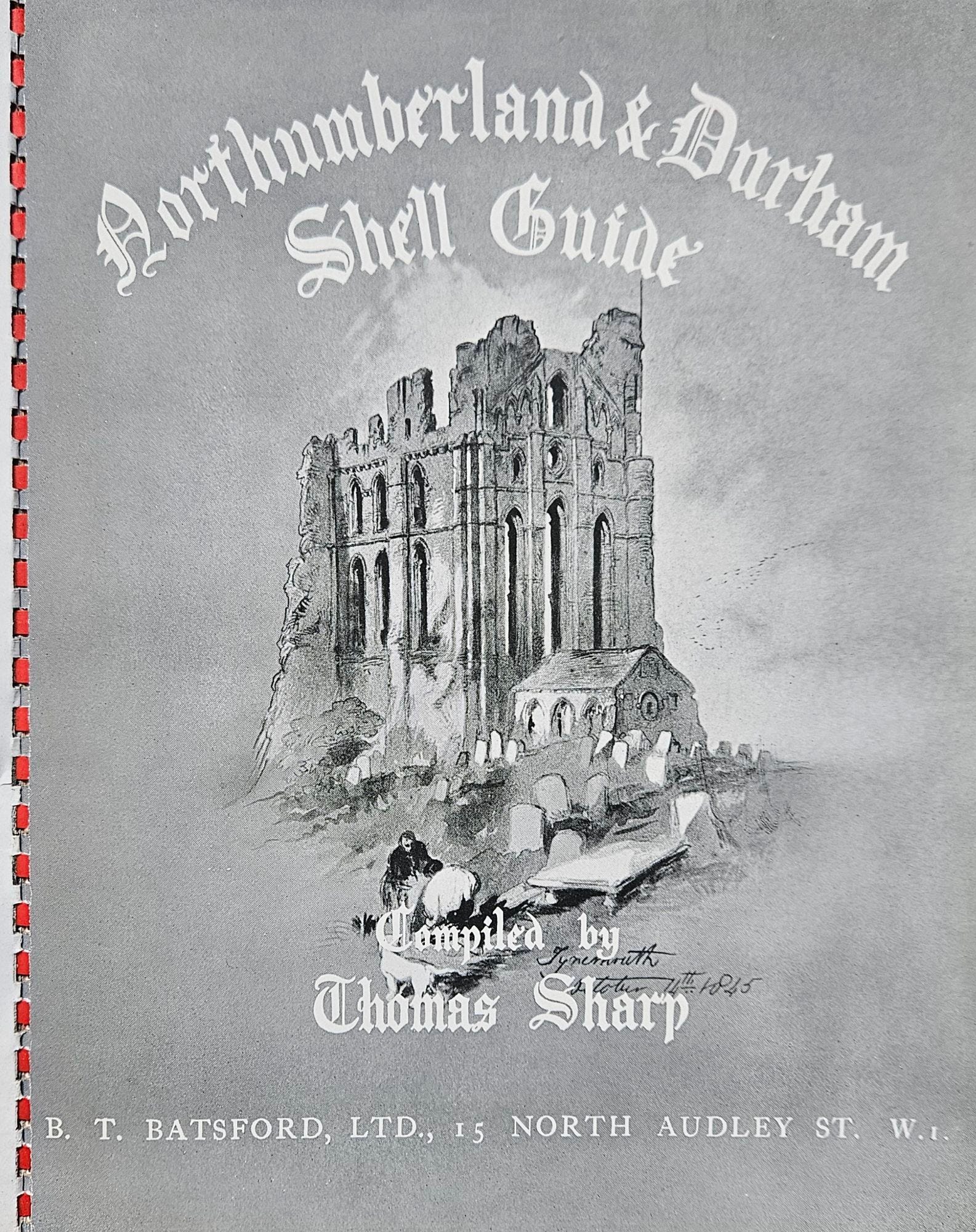
The guide that Sharp compiled was published with an eye-catching cover featuring a Farne Islands puffin with a painting of Tynemouth Priory on its title page.
The guide’s design was more problematic as it employed a ring-bound spine in red plastic, which means that few copies have survived intact.
Alongside line drawings and reproductions of works by legendary Northumberland wood engraver Thomas Bewick (1753-1828), nearly 50 photographs were chosen to illustrate the guide.
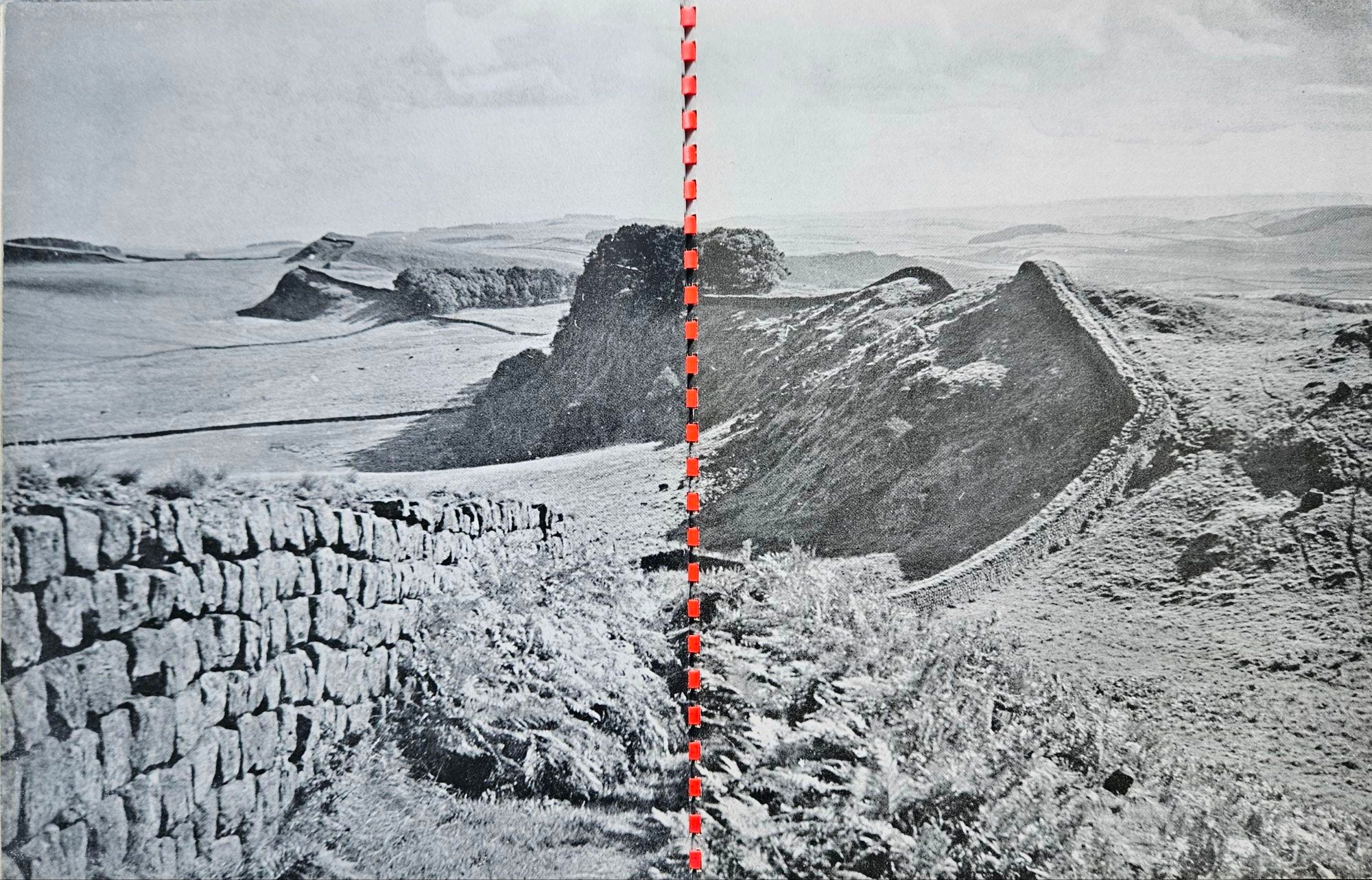
In addition to ‘Road to Holy Island’, JR Bainbridge was credited with a second image titled ‘Roman Wall’.
Despite being presented across two pages with the red ring binding cutting it in half, this stretch of Hadrian’s Wall is immediately recognisable.
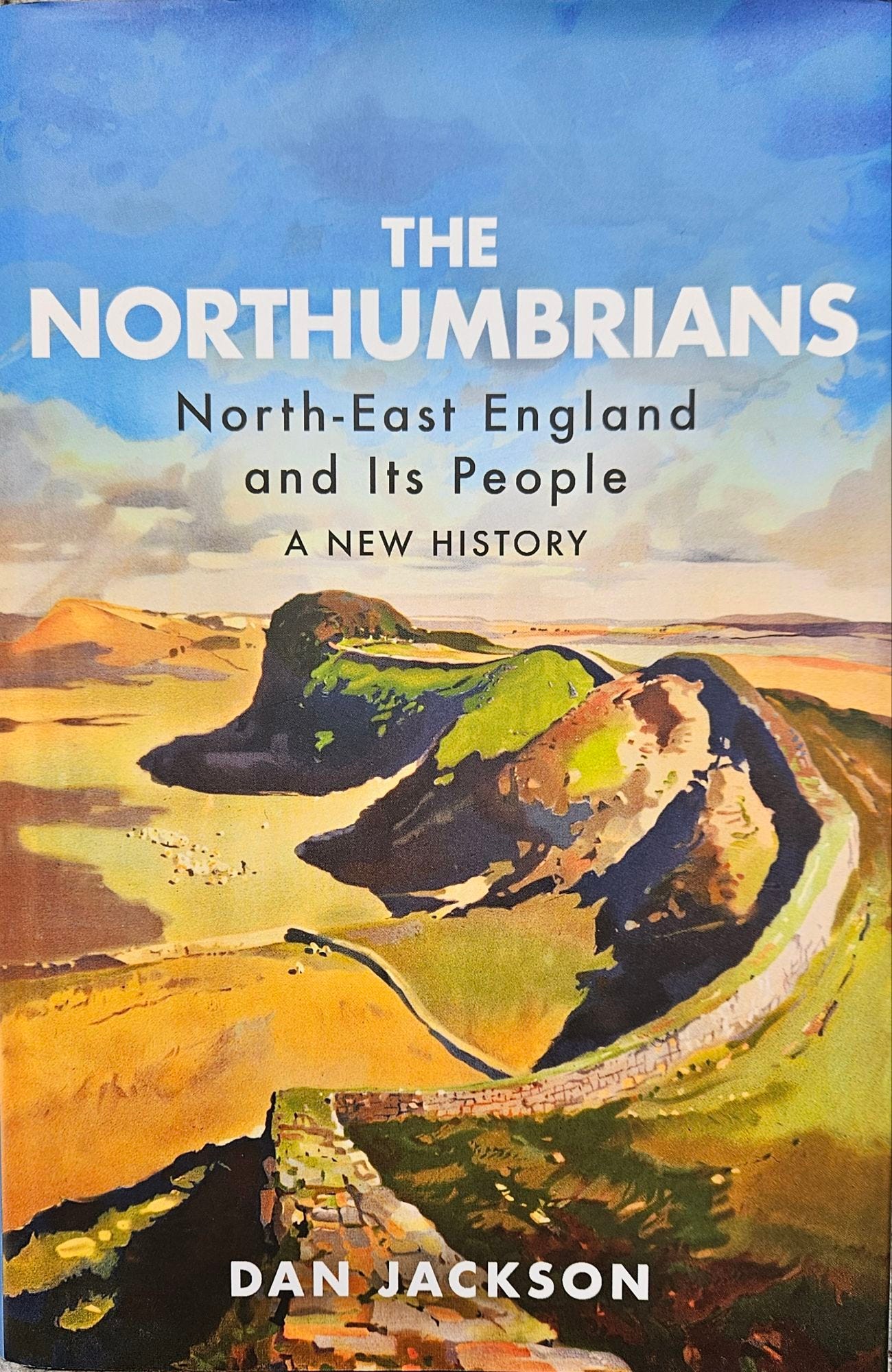
It will also be familiar to those who know Dan Jackson’s The Northumbrians (London: Hurst, 2019).
The book’s cover features the same location as portrayed in a British Railways poster by the artist and illustrator Jack Merriott (1901-1968) that was created around the same time as Bainbridge’s photograph.
Today, J.R. Bainbridge is best-known to historians and researchers for his photographs taken in Ulster during the Second World War.
However, his two contributions to Northumberland & Durham: A Shell Guide were considered of sufficient quality to appear nearly twenty years later when a Shell Guide devoted solely to Northumberland was published.
Last week’s post featuring William Tyler’s photographic journey along the River Thames around 1896 drew a number of admiring comments about his prints.
Part 2 features another five that he registered for copyright in January 1897 and are part of the National Archives at Kew.
Their pristine condition suggests that they have lain unseen for over a century.
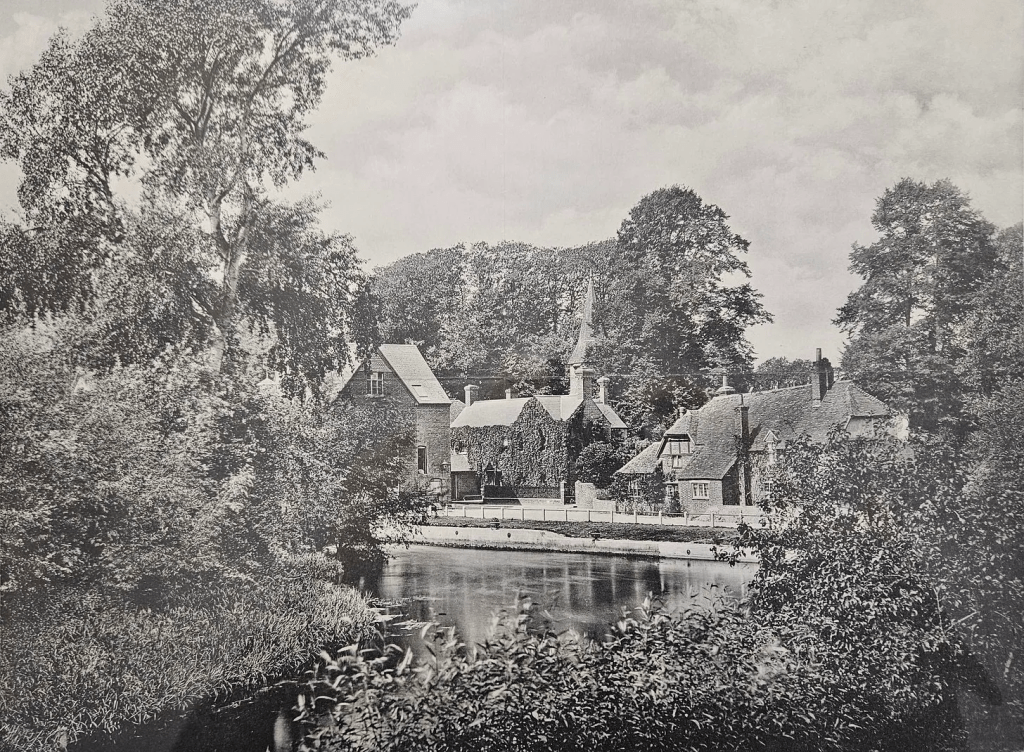
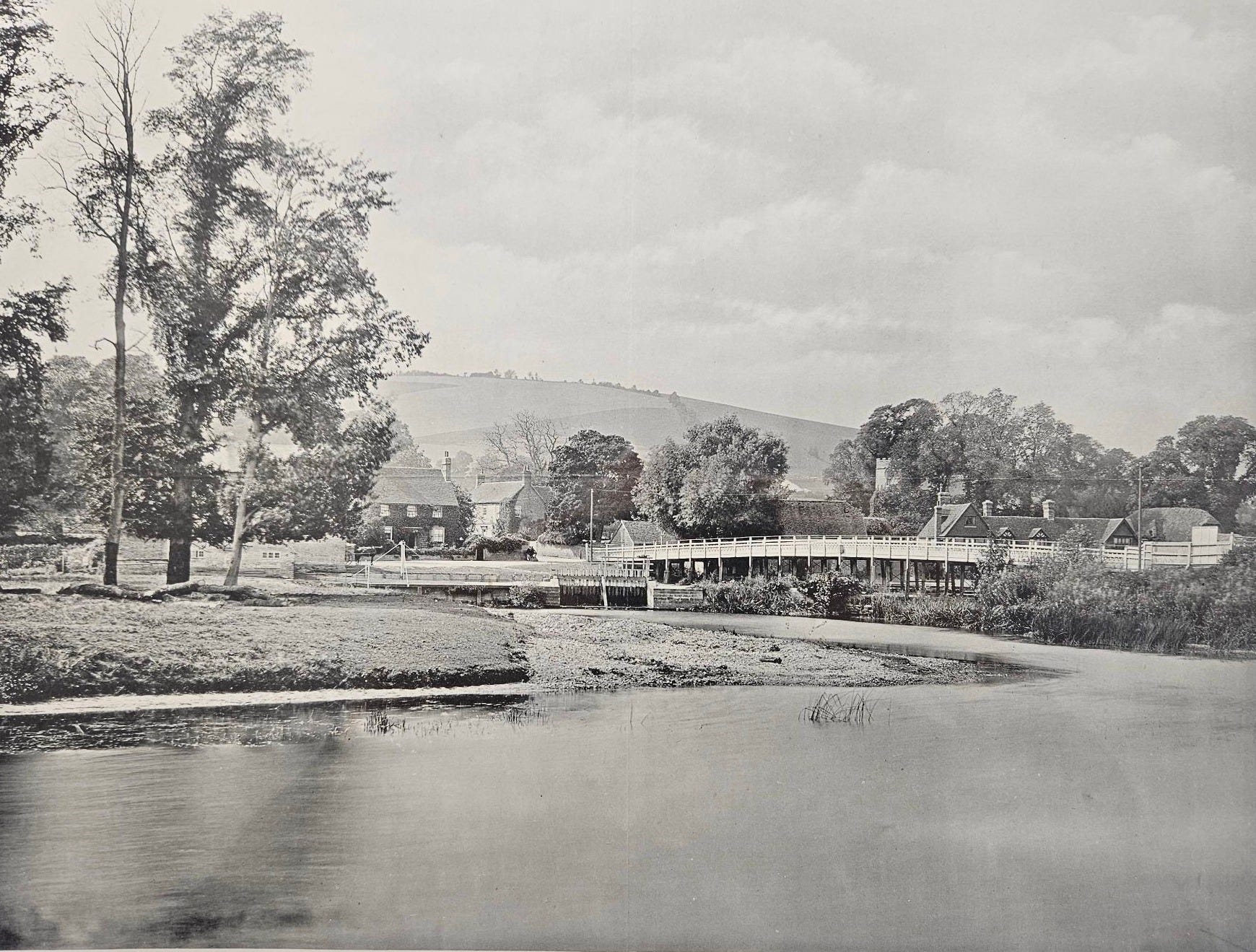
Tylar’s view of the South Oxfordshire village of Whitchurch on Thames includes the steeple of St. Mary’s Church in the centre of the shot and Whitchurch Mill to its left.
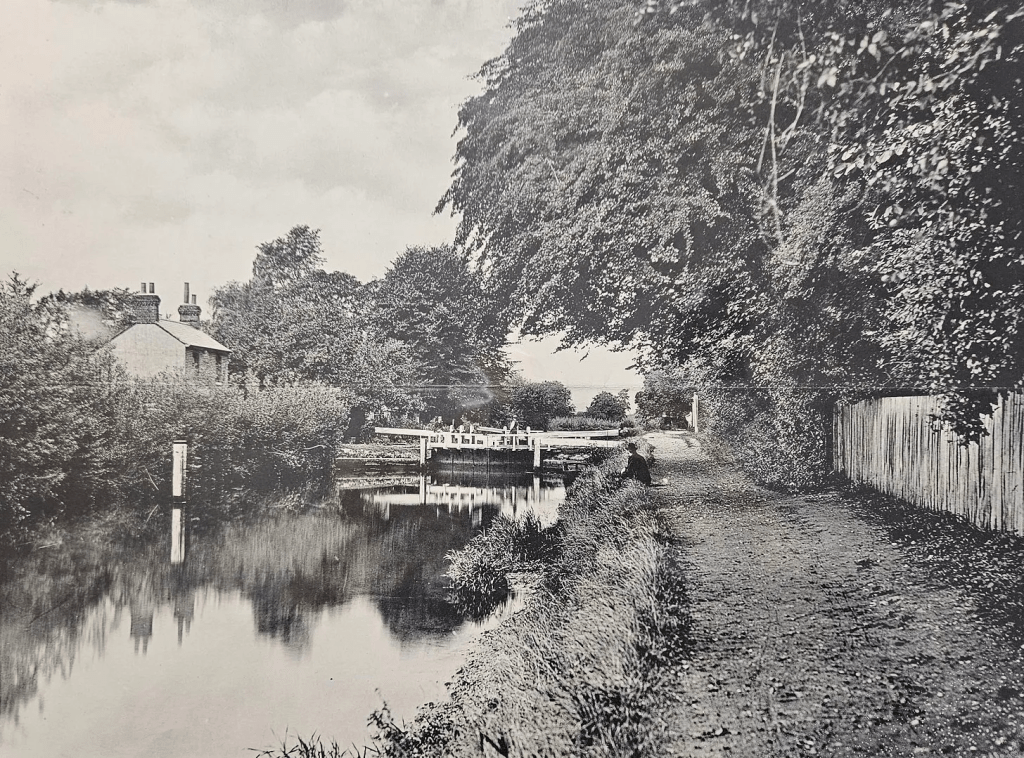
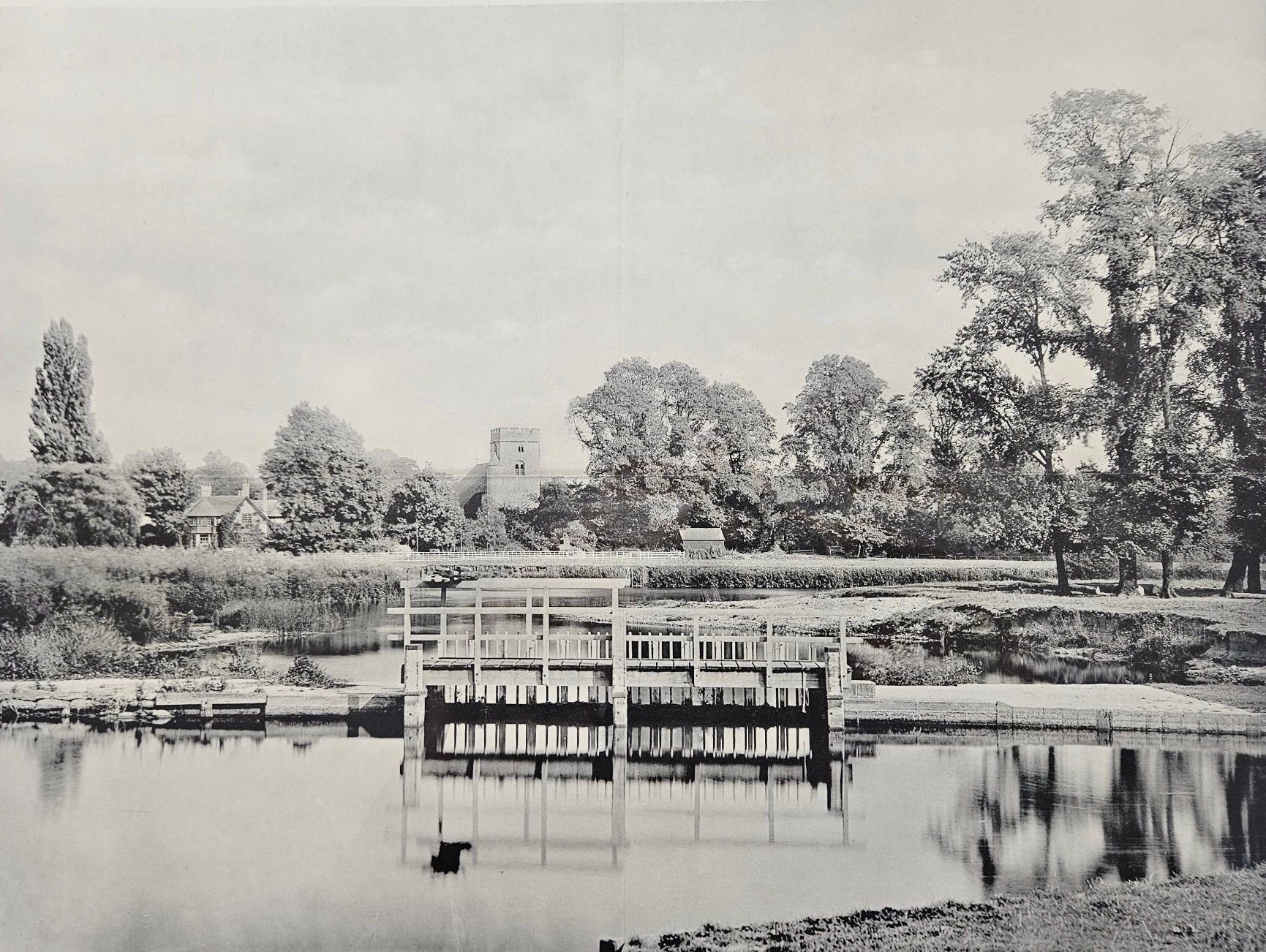
Sonning Lock to the east of Reading has been rebuilt three times since its first appearance in 1773 and now features steel gates that replaced the original wood at the start of the 21st century.
In this portrait, Tylar has managed to capture a group navigating a craft through the lock, a bowler-hatted man sat on the riverbank and another figure walking towards camera in the far distance.
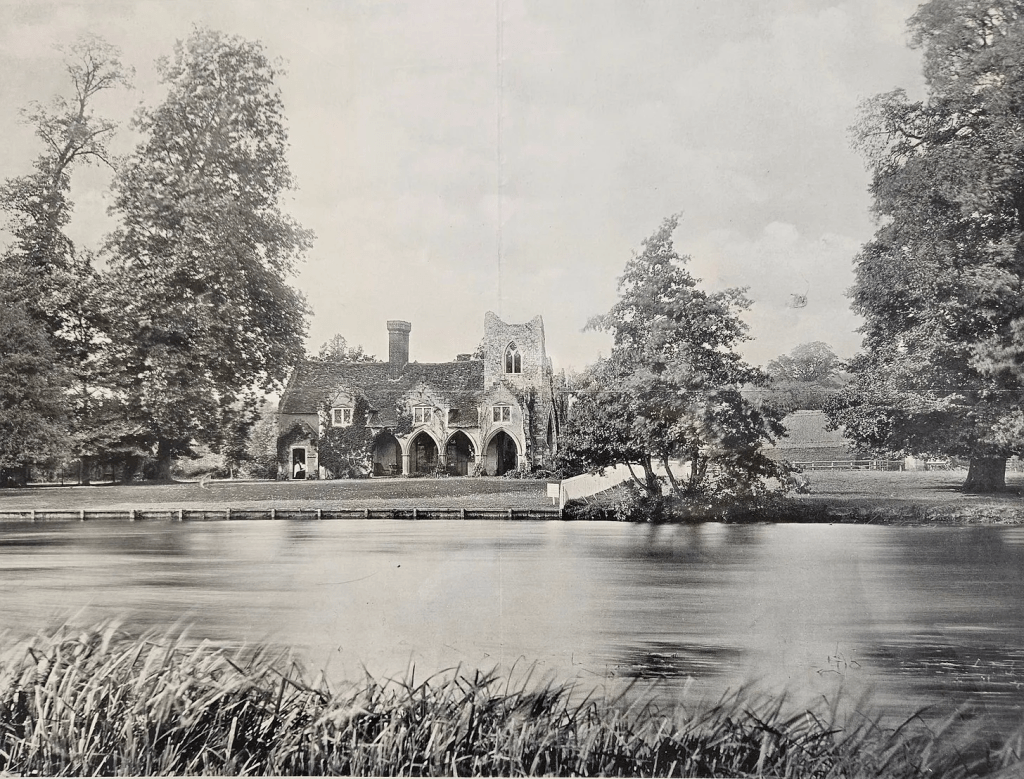
Medmenham Abbey, misspelled by Tylar as ‘Medenham’ on both his copyright form and the photograph’s original caption, occupies the site of what was once a Cistercian monastery.
Its history includes hosting the infamous Hellfire Club during the 18th century when Sir Francis Dashwood and his followers “socialised”.
Today it is a grade 2 listed mansion that is privately owned.
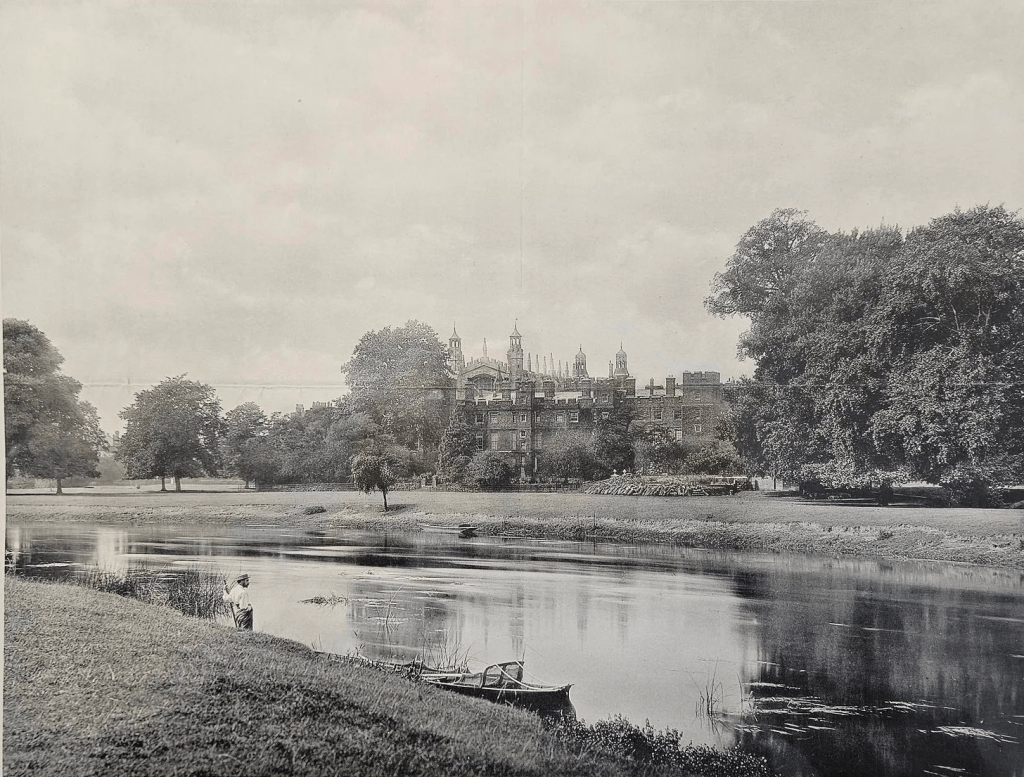
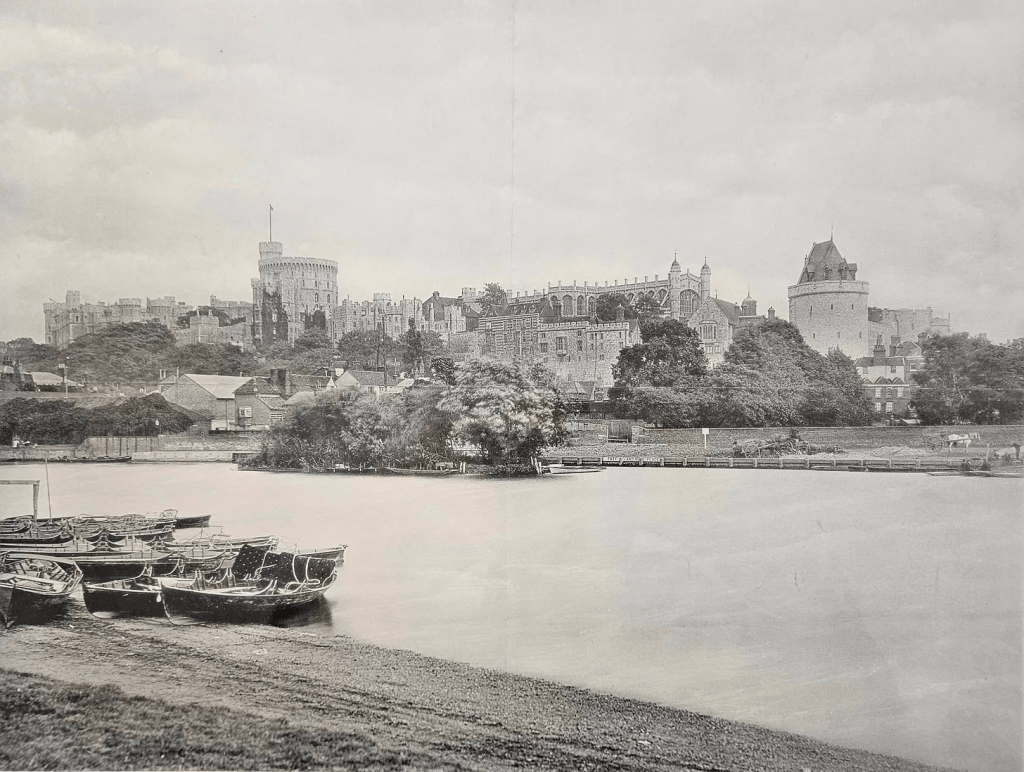
Tylar’s final two prints need little introduction as they feature Eton College, one of Britain’s best-known public schools, and Windsor Castle, the oldest and largest occupied castle in the world.
Both scenes are being observed not only by their cameraman.
A man in a punt is enjoying the view across the river to Eton College whilst a white horse with cart in tow is taking a rest amid harvest time in the shadow of Windsor Castle.
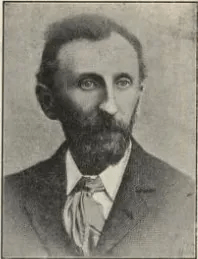
William Tylar (1859-1929). Courtesy of British Library.
According to copyright forms (COPY 1/428/397-405, 410) that he submitted in January 1897, Tylar photographed a sequence of well-known Thames locations between Oxford and Windsor.
What I wasn’t prepared for when viewing the ‘Copy Attached’ to each of the forms was both the size and quality of the ten black-and-white prints he produced.
They were approximately 16” x 20” (40cms x 50cms), framed in card mounts and presumably intended for display or exhibition.
Judging by their pristine condition, they had lain unviewed for well over a century.
To rectify this unintended neglect, this week’s post and next will be devoted to sharing these wonderful images
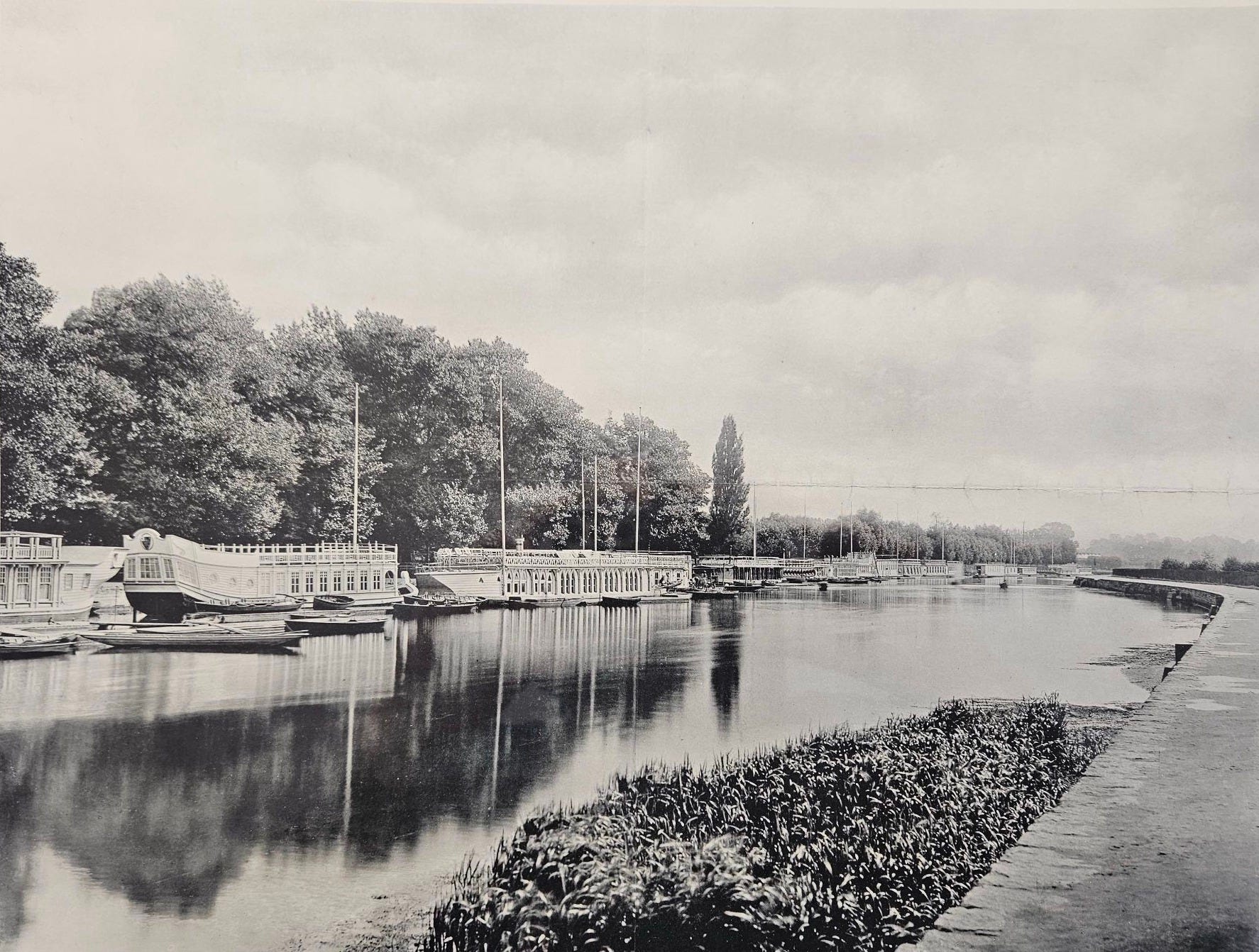
The sequence starts in Oxford with a scene featuring university barges moored along the river, also known as Isis, at Christ Church Meadows.
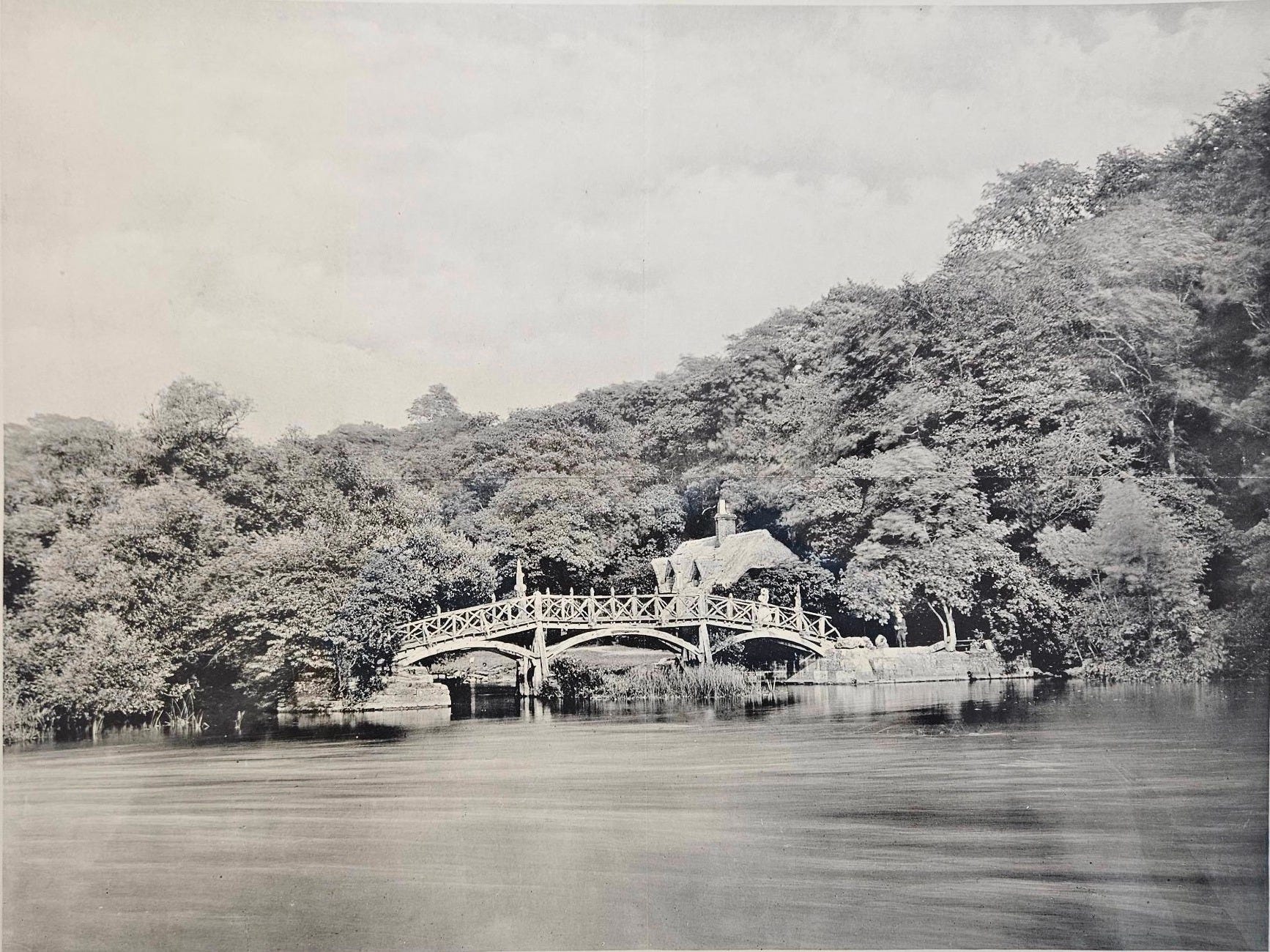
They were constructed in the 1770s as part of Capability Brown’s landscaping scheme for the Harcourt family’s estate.
During the 1920s, both the cottages and wooden bridge are thought to have fallen into disrepair and demolished during the Second World War when Nuneham Courtnay House was used by the RAF.
UPDATE: Andrew Crosby writes on Facebook: “The lock cottage at Nuneham there is still partly extant. Only a few bricks and a wall, but it’s not gone completely. The bridge to the island is not to be seen, but it is clear where it was originally located.”
One of the Thames most scenic spots is occupied by the villages of Goring in Oxfordshire and Streatley in Berkshire which lie opposite each other.
Tylar’s prints manage to capture the beauty and peace of both locations, partly because he chose a time to set up his camera when no-one was around.
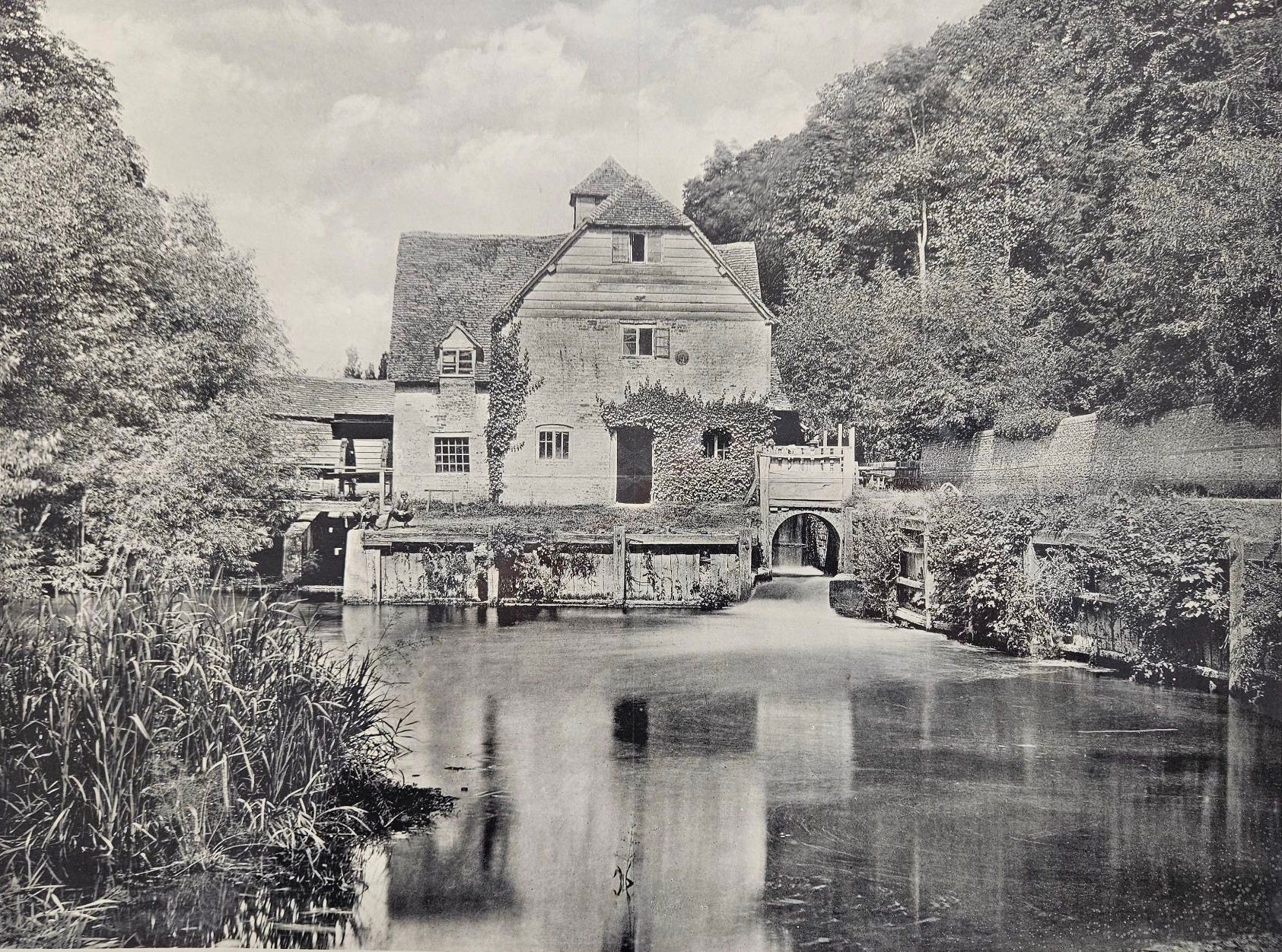
Continuing his river trip, Tylar’s view of Mapledurham Mill near Reading is equally calm and tranquil though two young boys can be seen kneeling to the front left of the mill building.
Dating from 1626, the watermill is pictured here prior to the years between 1947 and 1977 when it was out of operation and had to be restored.
Next week, another five of William Tylar’s prints from his expedition along the River Thames in the summer of 1896 including Windsor Castle and Eton College.
An article featuring my research about the architectural photographer Ursula Clark (1940-2000) has just been published by The PhotoHistorian (Spring 2025, no. 201).
It follows a recent talk about Ursula’s photography for the Royal Photographic Society Historical Group.
A YouTube recording is fast approaching 4,000 views and has attracted an audience far beyond the niche one anticipated.
‘Ursula Clark: Architectural Photographer’ for RPS Historical Group. 28th February 2025.
As a result of social media interest and wider publicity, I am now following up various research threads, which I hope to share in future Pressphotoman posts.
Auty & Ruddock was a partnership between two of North East England’s finest late-Victorian photographers.
Matthew Auty (1850-1895) was a tobacconist, who turned his hobby into an award-winning photography business specialising in landscapes.
Richard Emerson Ruddock (1863-1931) featured in my recent Pressphotoman series on portrait photographers, who trained with royal warrant holders W. & D. Downey.
Auty & Ruddock’s partnership using premises at 20 Front Street, Tynemouth, a short train journey from Newcastle-on-Tyne, was short-lived.
It lasted from the late-1880s to March 1892 when the dissolution of their partnership was announced in the regional press.
Six months later, Ruddock set up his own portrait studio in Newcastle, leaving Auty to run the Tynemouth business as a solo enterprise.
In recent months, I’ve been on the look-out for photographic products bearing ‘Auty & Ruddock’ branding such as cabinet cards and cartes-de-visite.
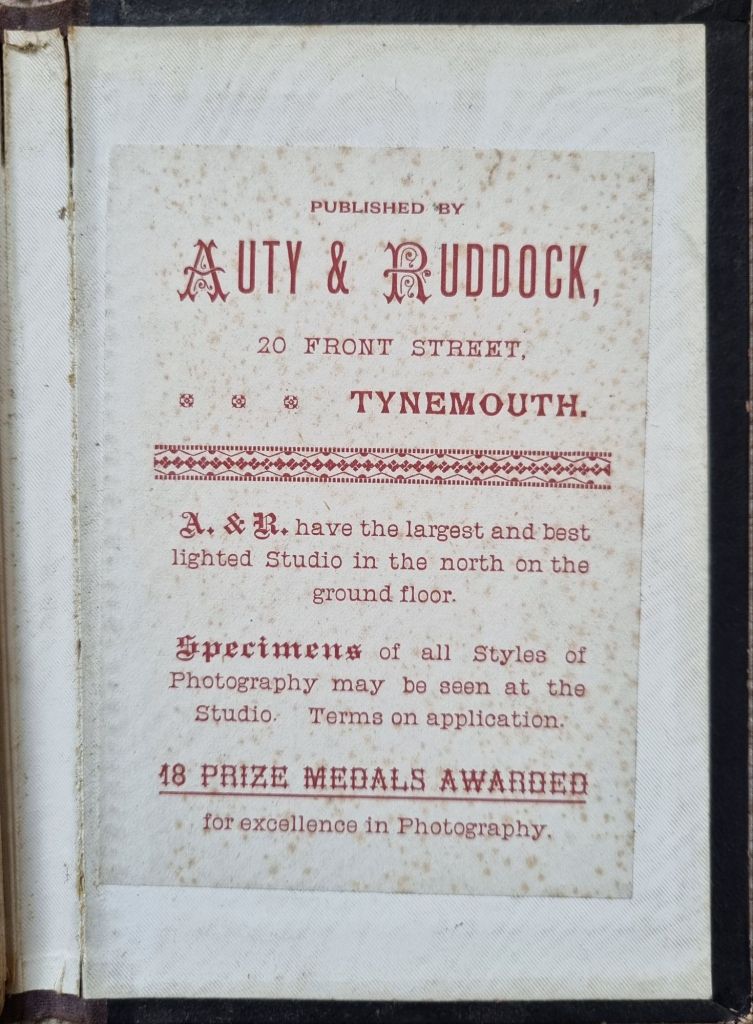
With a large dose of serendipity, a beautifully embossed book of postcard-sized photographs, printed in Germany and titled ‘Tynemouth’ appeared on a well-known auction site.
The reference to ‘A. & R. have the largest and best lighted Studio in the north on the ground floor’ promoted its facilities for portraiture in which Mr. Ruddock specialised.
However, the ‘Tynemouth’ book of ‘views’ points to it being the work of his partner, Mr. Auty.
His landscape photography had attracted ‘prize medals’ at competitions across the UK and in Europe.
As a pocket-sized book that folds up neatly, its design is particularly effective in displaying the ‘views’ as a sequence or tour.
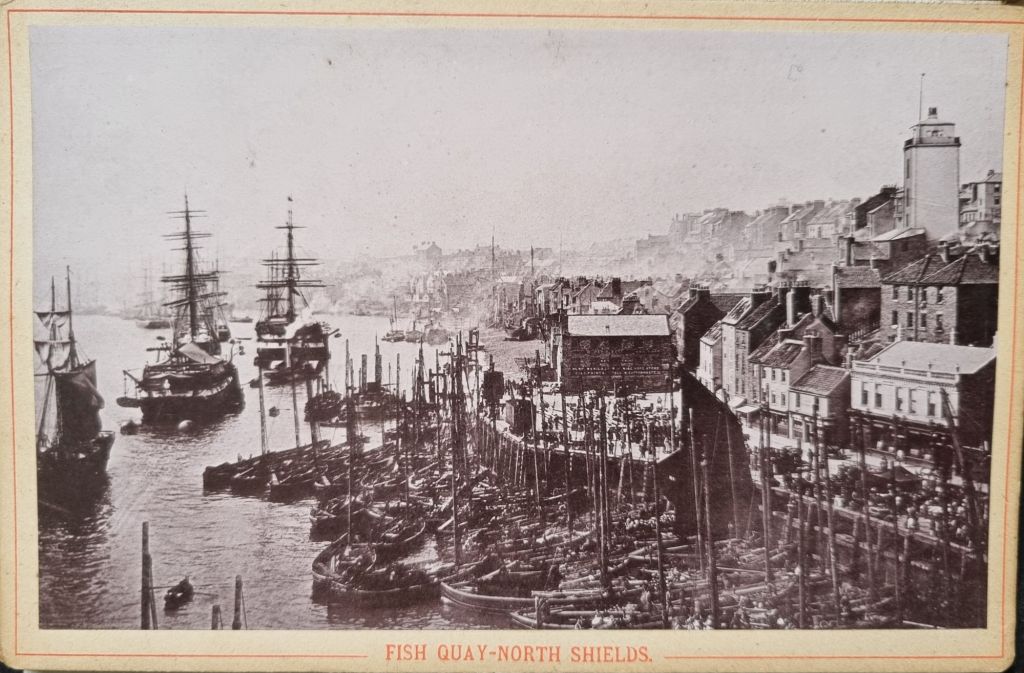
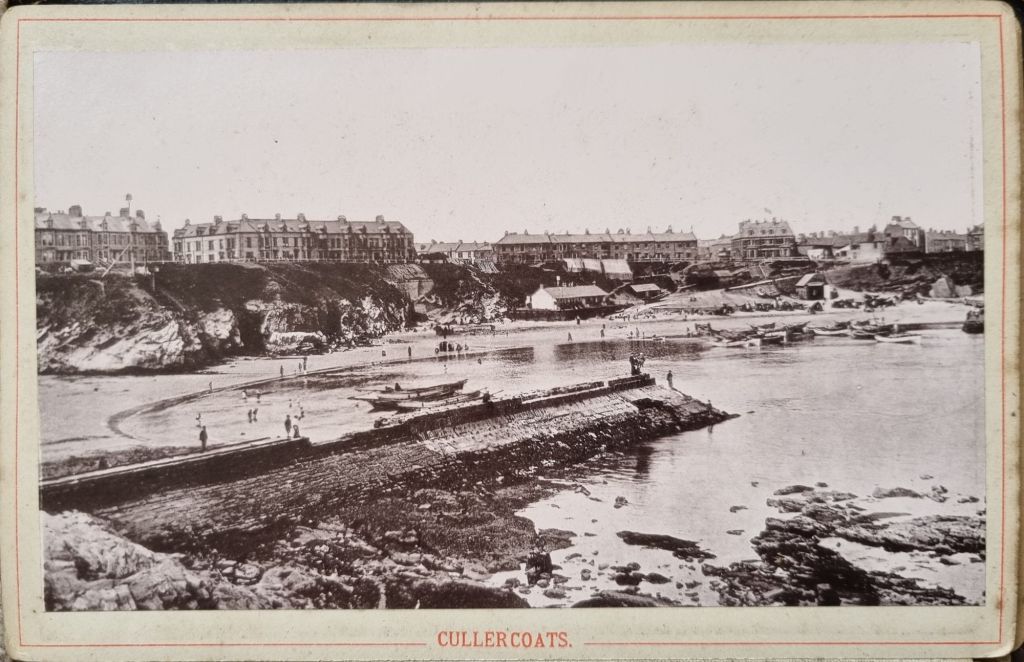
The featured ‘Tynemouth’ locations are ones that remain popular today and would be familiar to anyone visiting on a day-trip or staying in the area on holiday.
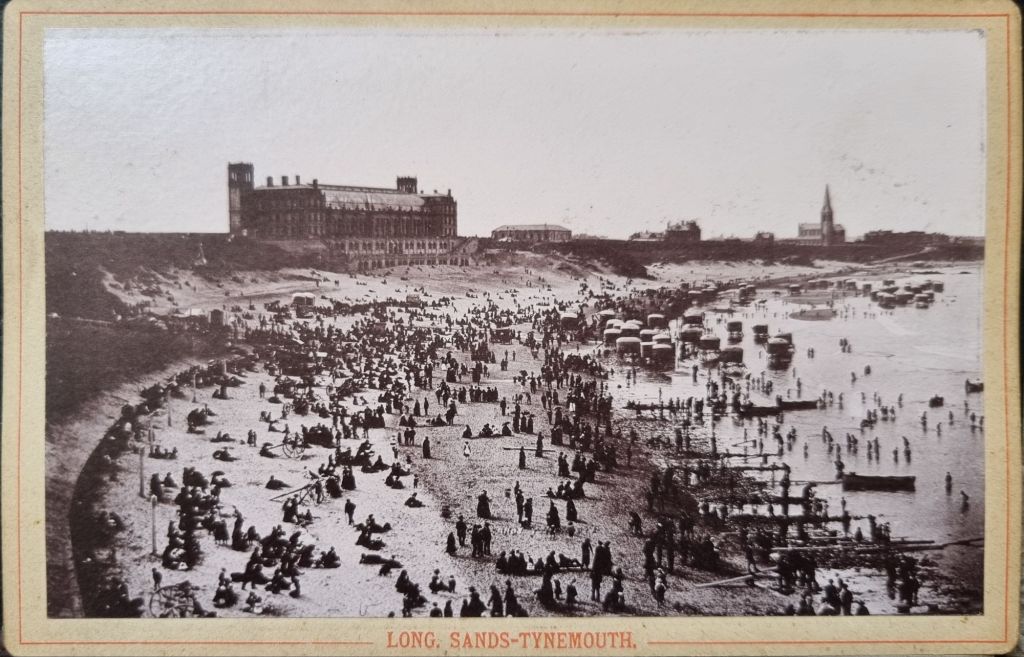
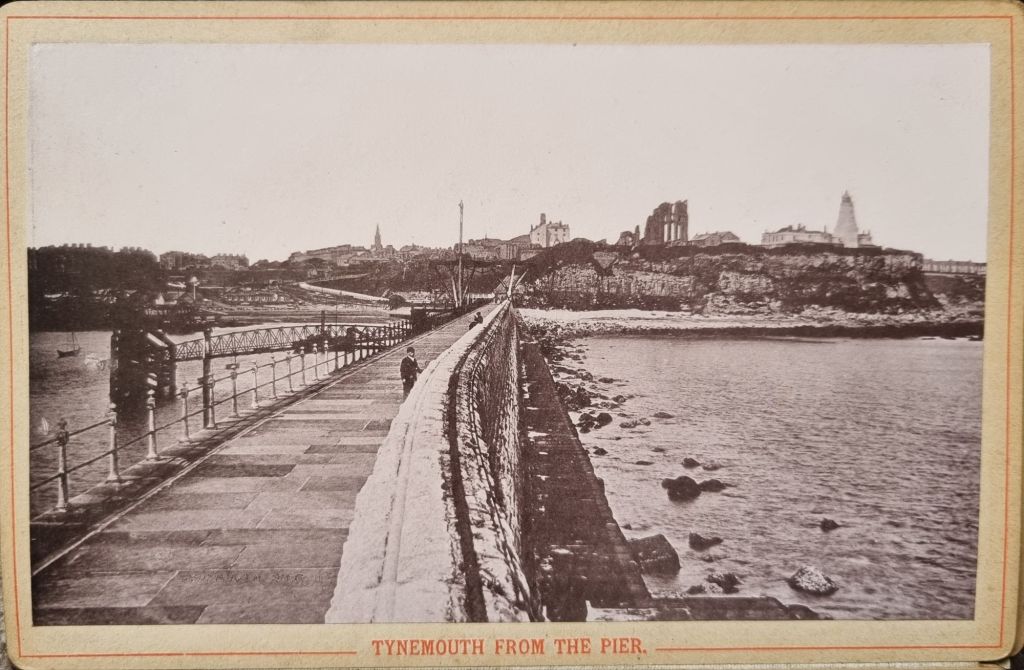
It begins with ‘Long Sands,’ a majestic sweep of beach overlooked (from left to right) by the Tynemouth Aquarium and Winter Garden (1878), Beaconsfield House (1882) and the Grade 1 listed St. George’s Church (1884).
The curved pier complete with a lighthouse at its tip was regularly damaged by storms during the 1890s and was later replaced by a straightened version, which survives today.
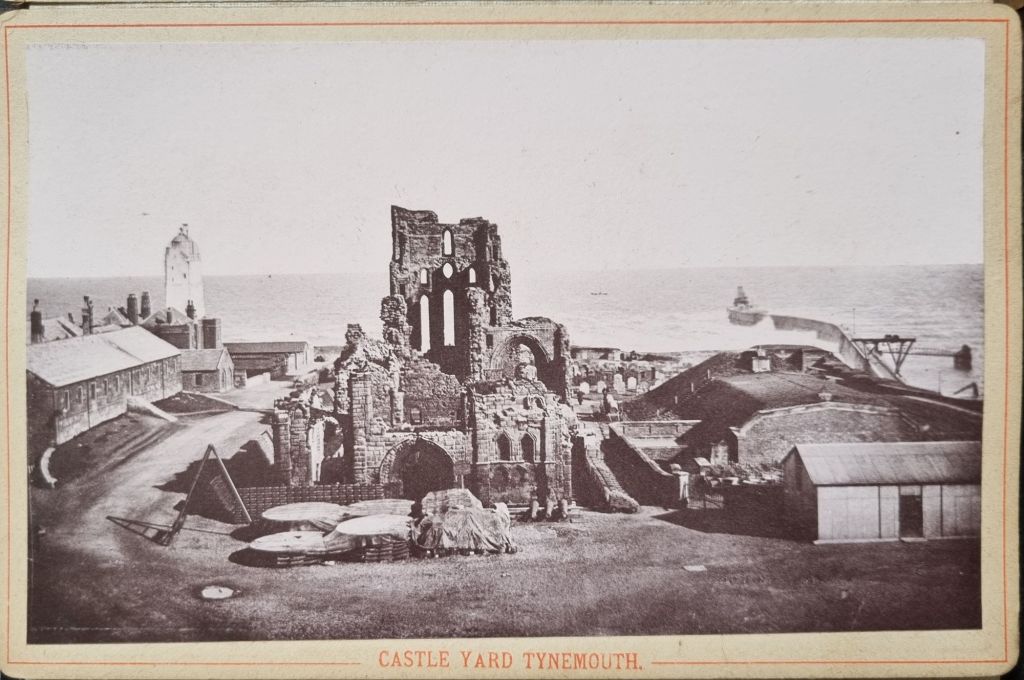
‘Tynemouth From The Pier,’ complete with the remains of an older land-based lighthouse (right of frame), offers the reverse perspective.
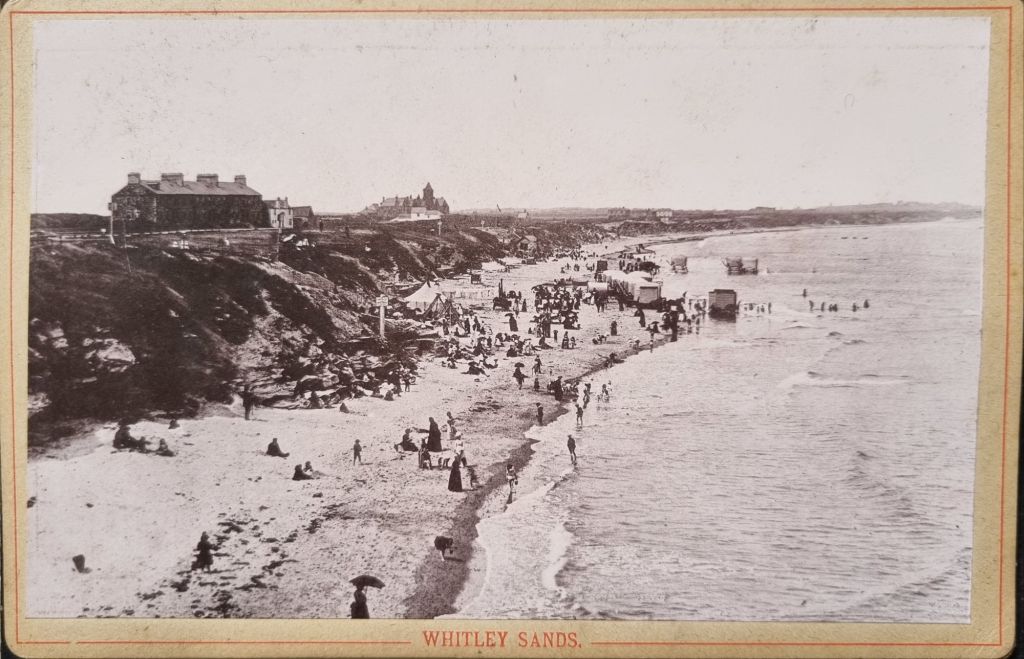
The tour continues northwards via ‘Table Rocks’ to ‘Whitley Sands,’ better known today as Whitley Bay, where the tourist invasion of the 20th century was still in its infancy.
Other ‘views’ in the photobook feature South Shields Pier, South Shields Sands and Marsden Rock.
Looking at this book of ‘views, the significance of the Auty & Ruddock partnership is how both photographers were later well-placed to exploit what followed: the golden age of postcards.
Though Matthew Auty died in 1895, the firm that bore his name continued to operate well into the 20th century.
Its ‘Auty series’ of postcards could be posted to family and friends with a ‘wish you were here’ message on the reverse.
Ruddock Ltd of Newcastle on Tyne transitioned from portraiture and, by 1904, it claimed to be the largest postcard publisher in the North of England.
As their ‘Tynemouth’ collaboration illustrates, the legacy of both Matthew Auty and Richard E. Ruddock is celebrated in the high-quality photographic products they left behind.
Leave a comment