
Historic England’s newly-published round-up of listings added during 2025 attracted plenty of media attention.
Ancient burial sites, shipwrecks, a corrugated iron church and arts and crafts gardens were among the nearly 200 examples of places granted protection.
Pyramid-shape obstacles known as ‘dragon’s teeth’ designed to thwart Nazi tanks were made of concrete, a design material enthusiastically adopted throughout the 20th century.
Another example was a building designed by W.A. Gibbon and opened in 1962 as the country’s first purpose-built lecture block.
The Renold Building, once part of the University of Manchester Institute of Science and Technology (UMIST), still has an eye-catching exterior.
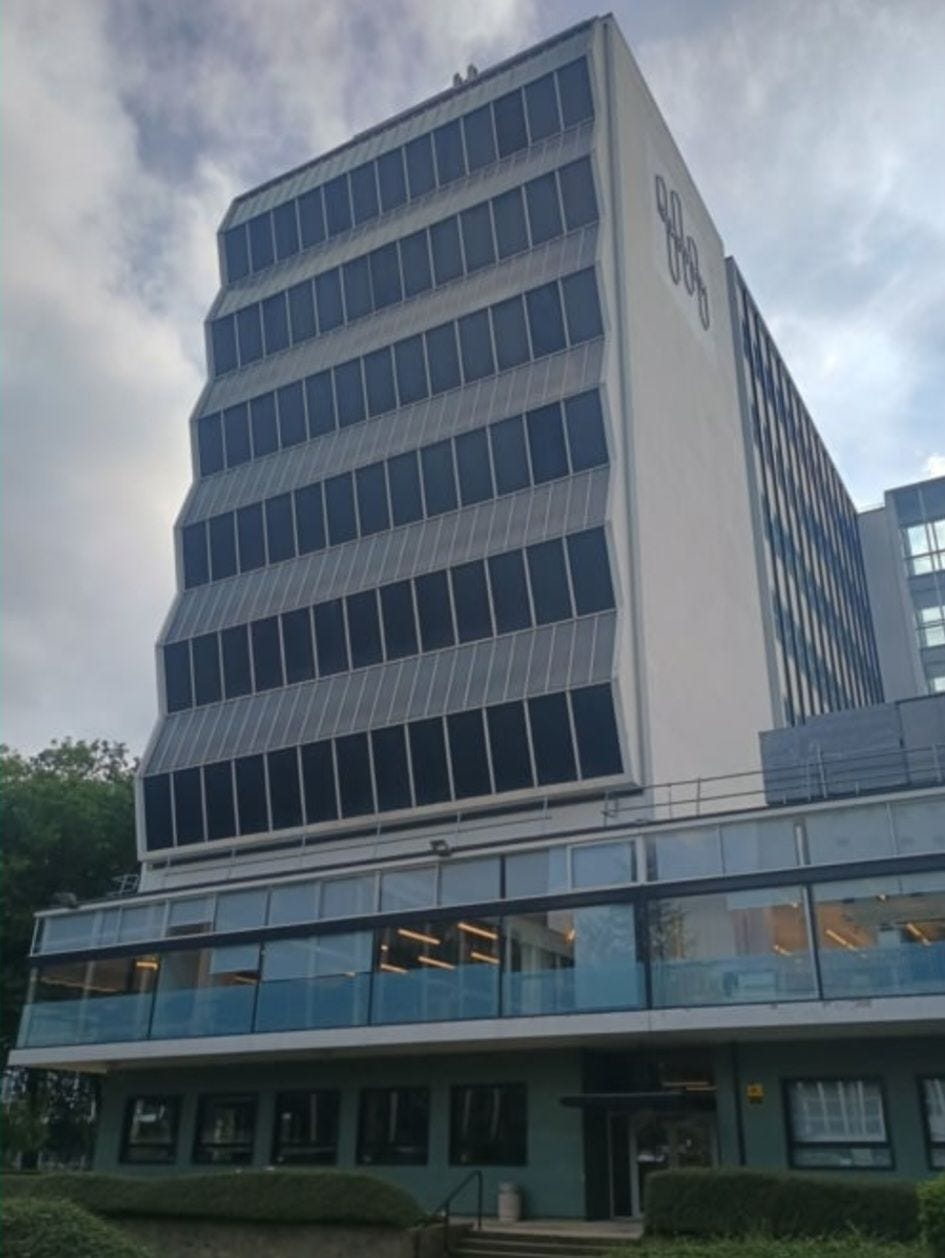
However, much of the building’s original interior was lost during its recent transformation into an Innovation Hub with no-cost and low-cost workspaces for business start-ups.
Fortunately for posterity, photographers were on hand to record what the Renold Building looked like when it first opened in 1962.
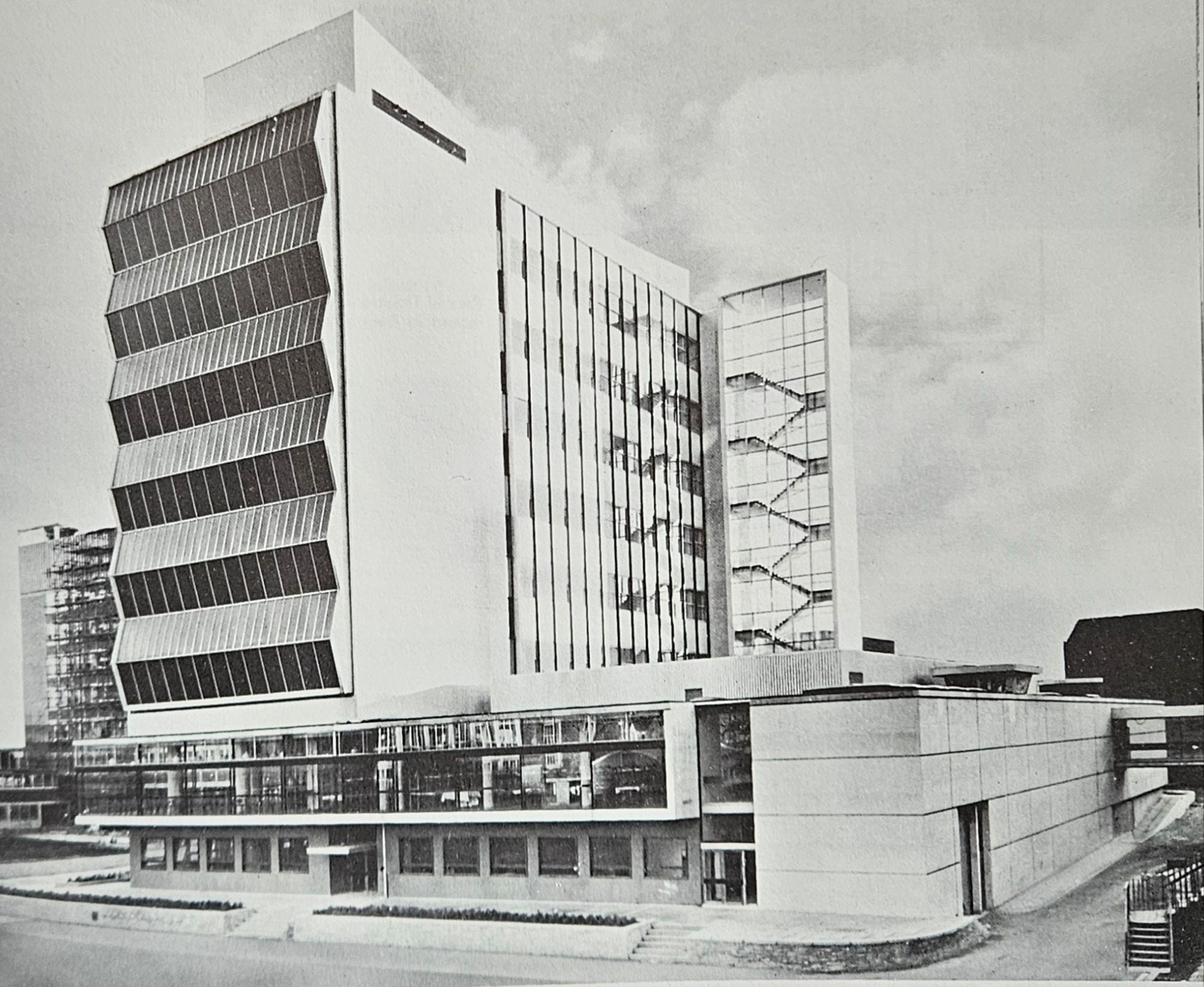
The following selection of images were published by Oriel Press in Modern Lecture Theatres (Newcastle upon Tyne, 1966).
The weighty book showcased examples of pioneering design and innovation from Britain, Europe and America and was edited by C.J. Duncan (1916-1979), head of the Department of Photography at Newcastle University.
For the Renold Building, a total of nine lecture theatres complete with blackboards, cinema screens and sound systems were designed to accommodate 500, 300 and 140 students in various configurations.
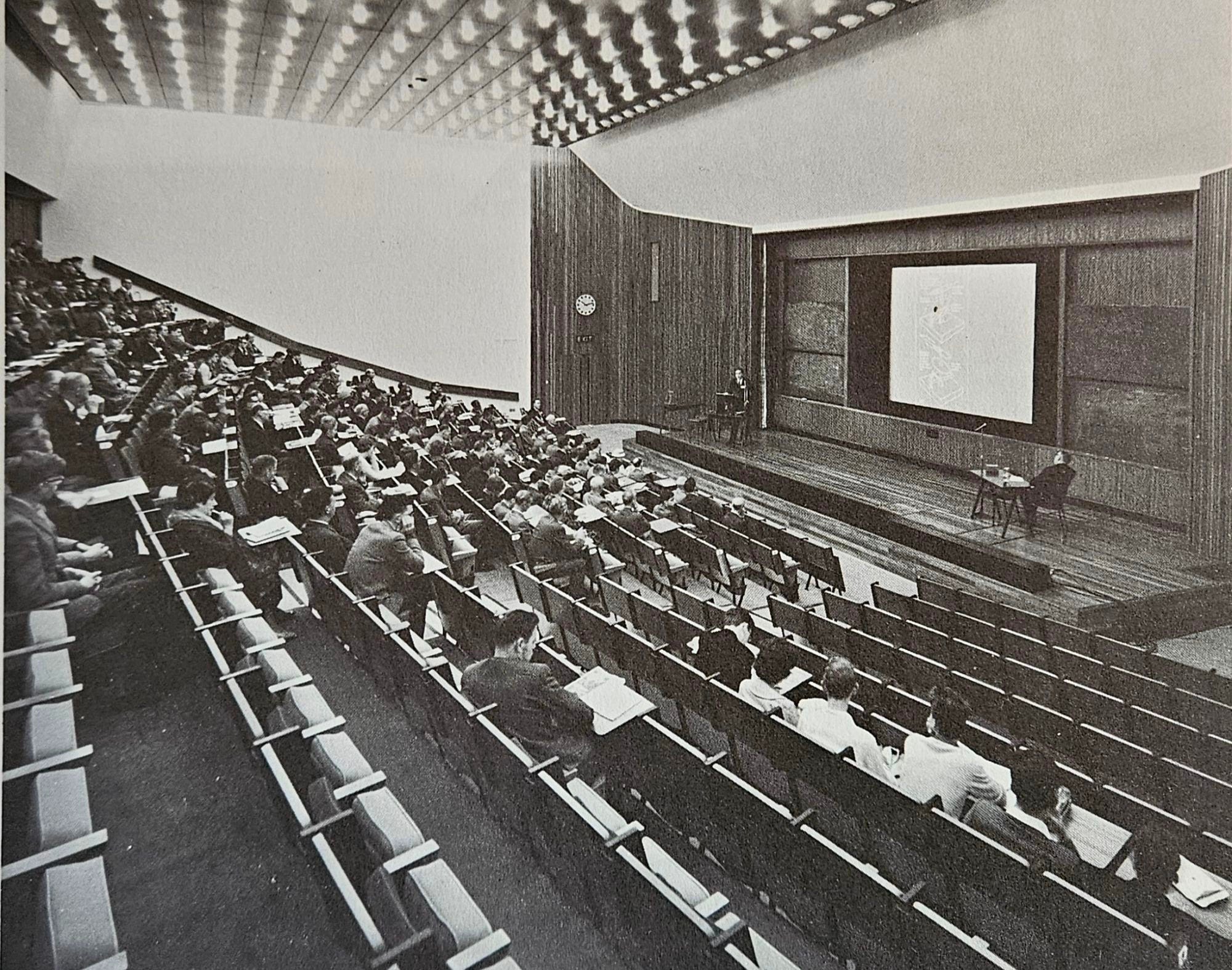
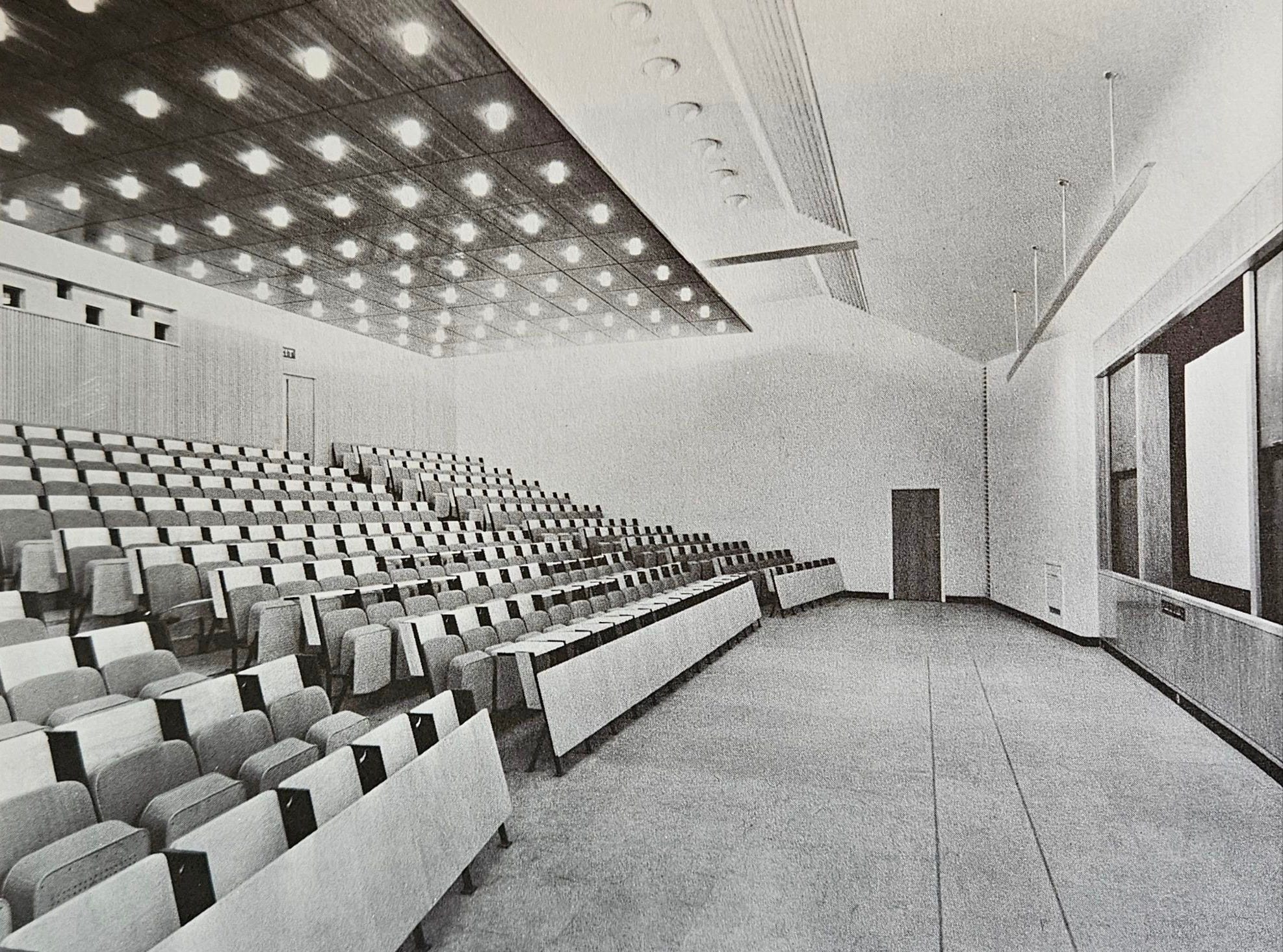
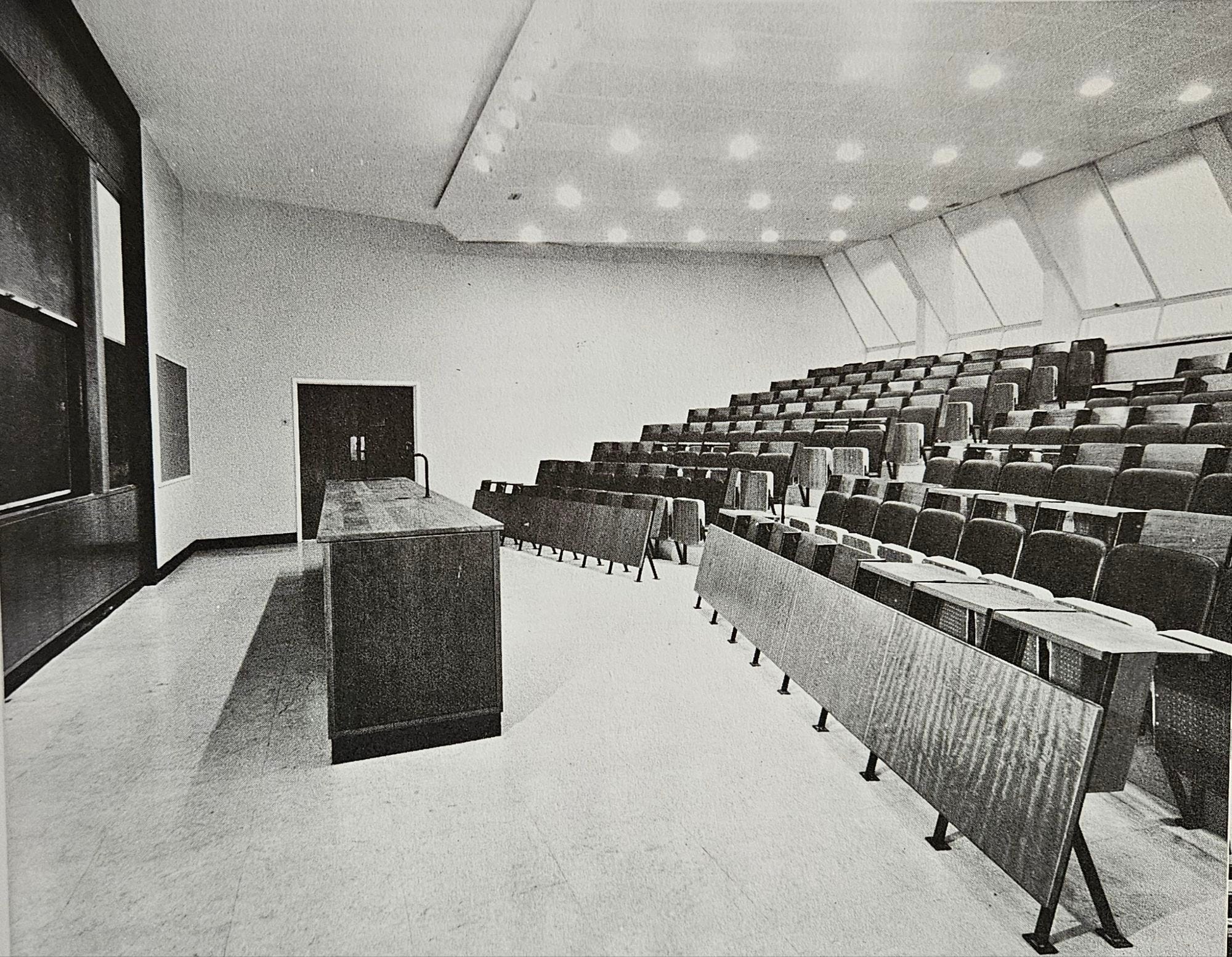
The fact that such spaces will be instantly recognisable to students of all ages from the past half century or so is a tribute to the success of their original innovative design.


 Pressphotoman
Leave a comment