
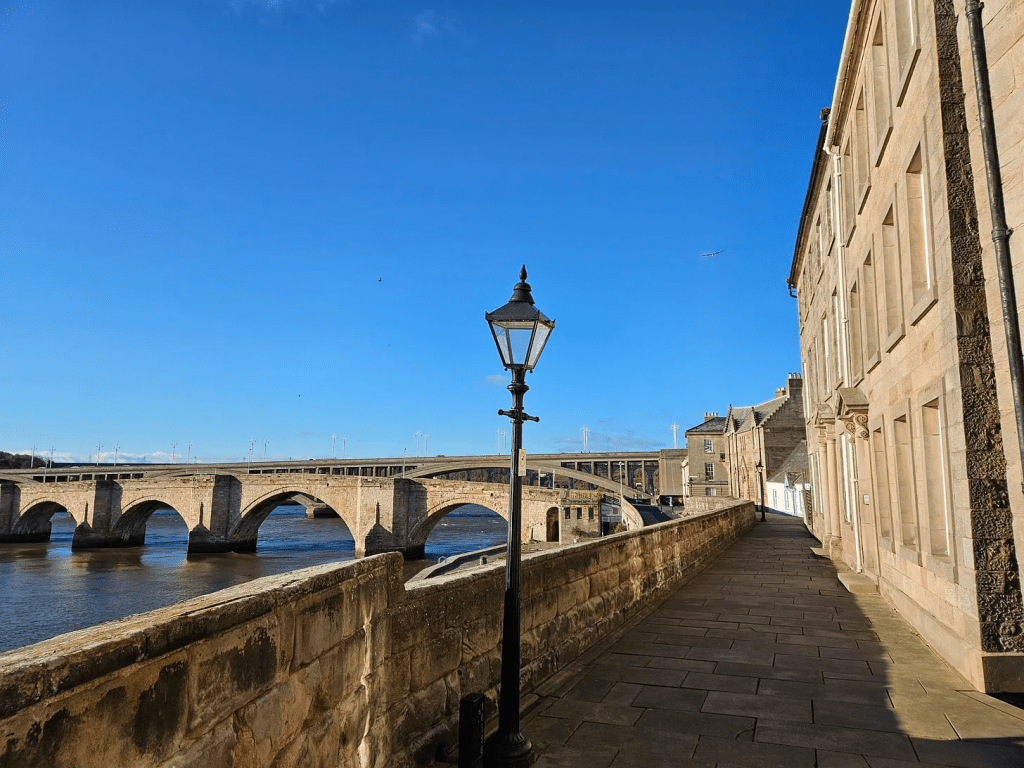
The Border town of Berwick-upon-Tweed in Northumberland has a number of claims to fame including its location as the most northerly in England.
On the banks of the River Tweed within sight of the border with Scotland, Berwick has an historic atmosphere and features an array of wonderful old buildings and structures.
Among the town’s many accomplishments is a long-standing relationship with photography.
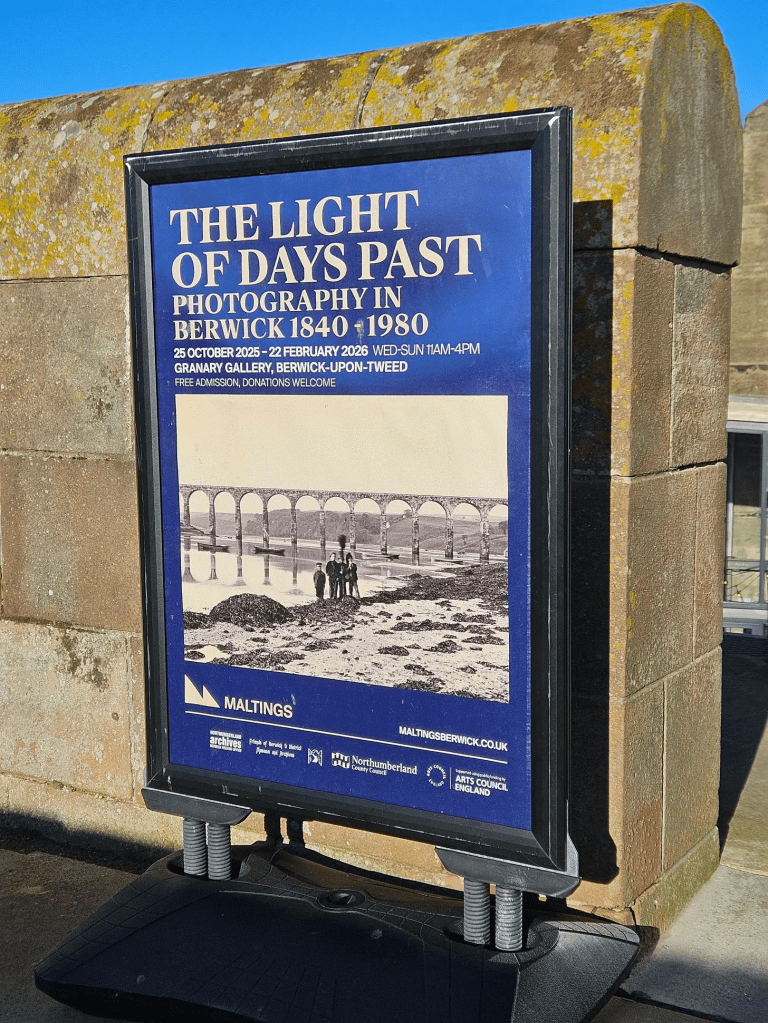
It’s one that is celebrated in a new exhibition, The Light of Days Past: Photography in Berwick 1840-1980 at the town’s Granary Gallery.
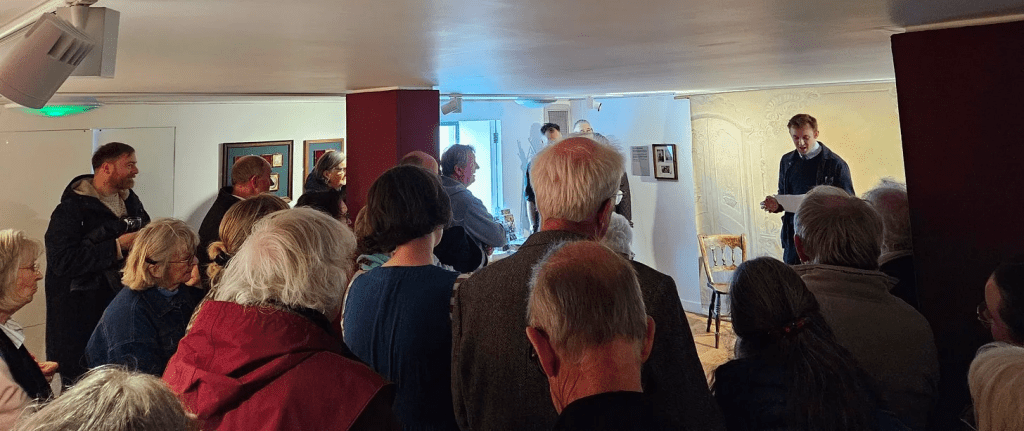
Curated by Cameron Robertson of the Berwick Record Office, the gallery was packed for an exhibition preview I was delighted to attend.
Among its many highlights, the exhibition uses an impressive range of visuals to explore nearly a century and a half of photohistory.
The story starts in August 1839 with the town’s specific inclusion in the first England and Wales patent licence for Louis Daguerre’s new daguerreotype process.
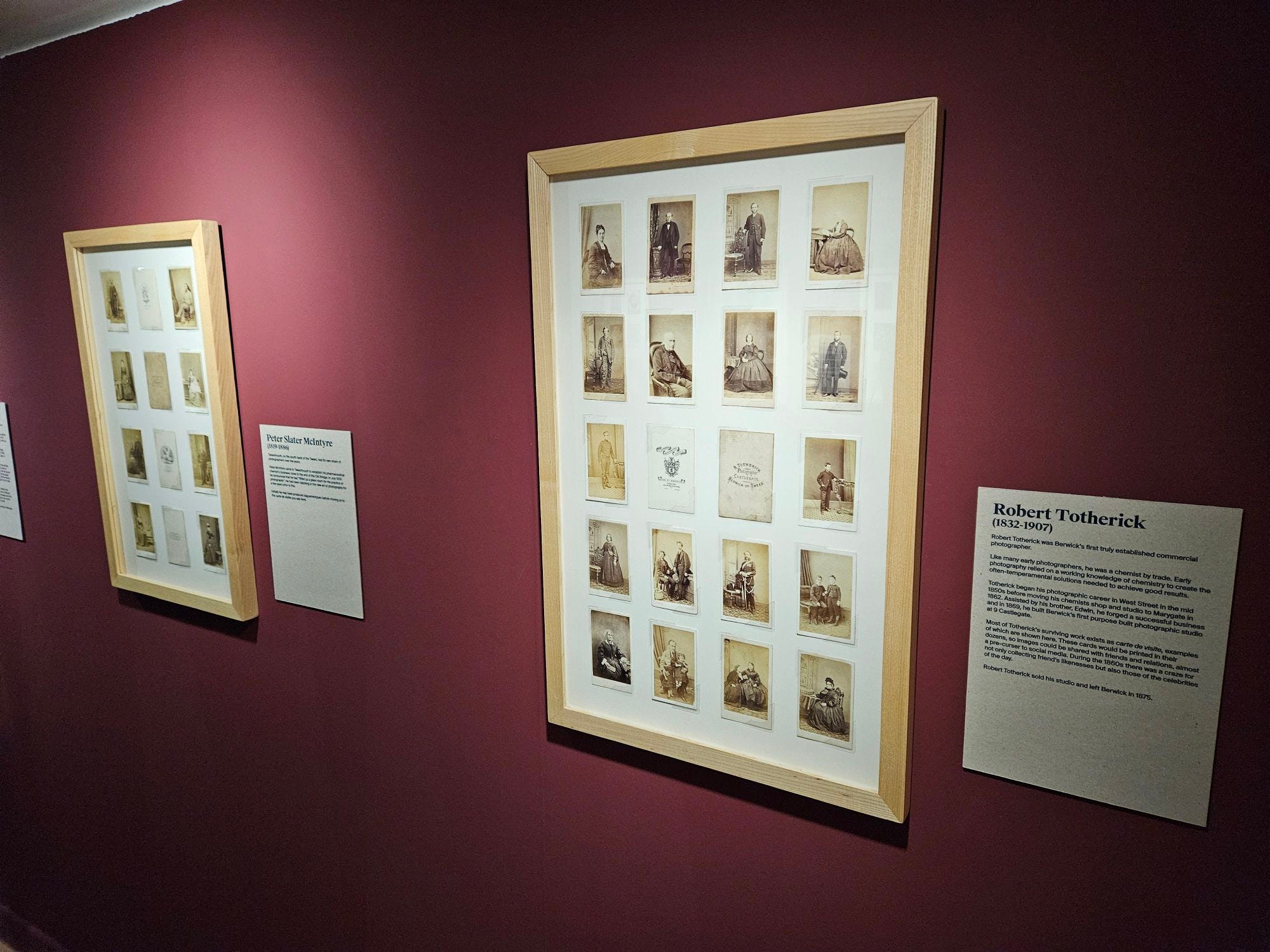
Berwick’s first commercial photography studio followed a decade later and the stories of various pioneers are celebrated in display cases of the carte-de-visites they sold by the thousand.
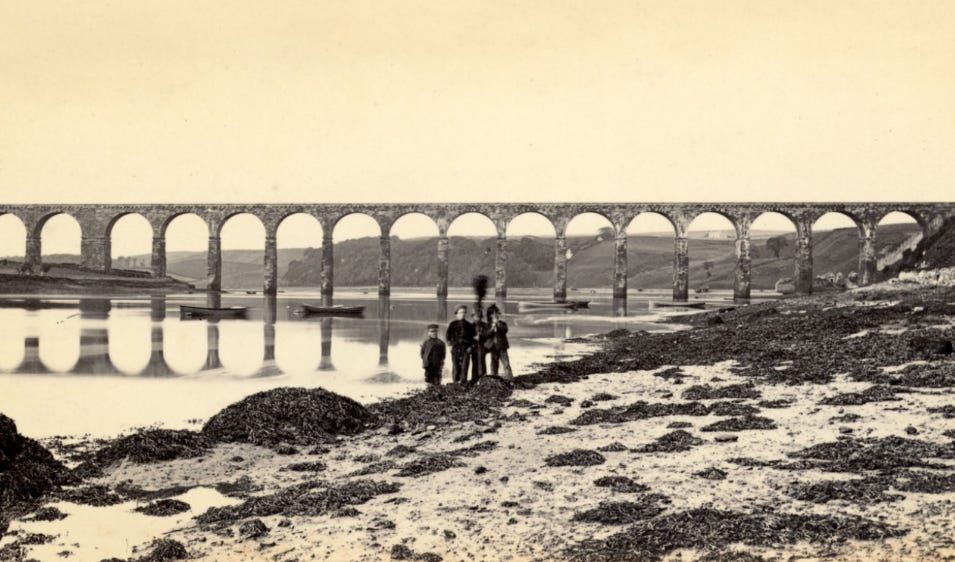
Among the most eye-catching photographs are a selection taken during the mid-late 19th century and blown up in size so their details can be fully enjoyed.
These include a striking image used in the exhibition poster of a group of boys pictured in front of the Royal Border Bridge that carries the East Coast railway line across the River Tweed.
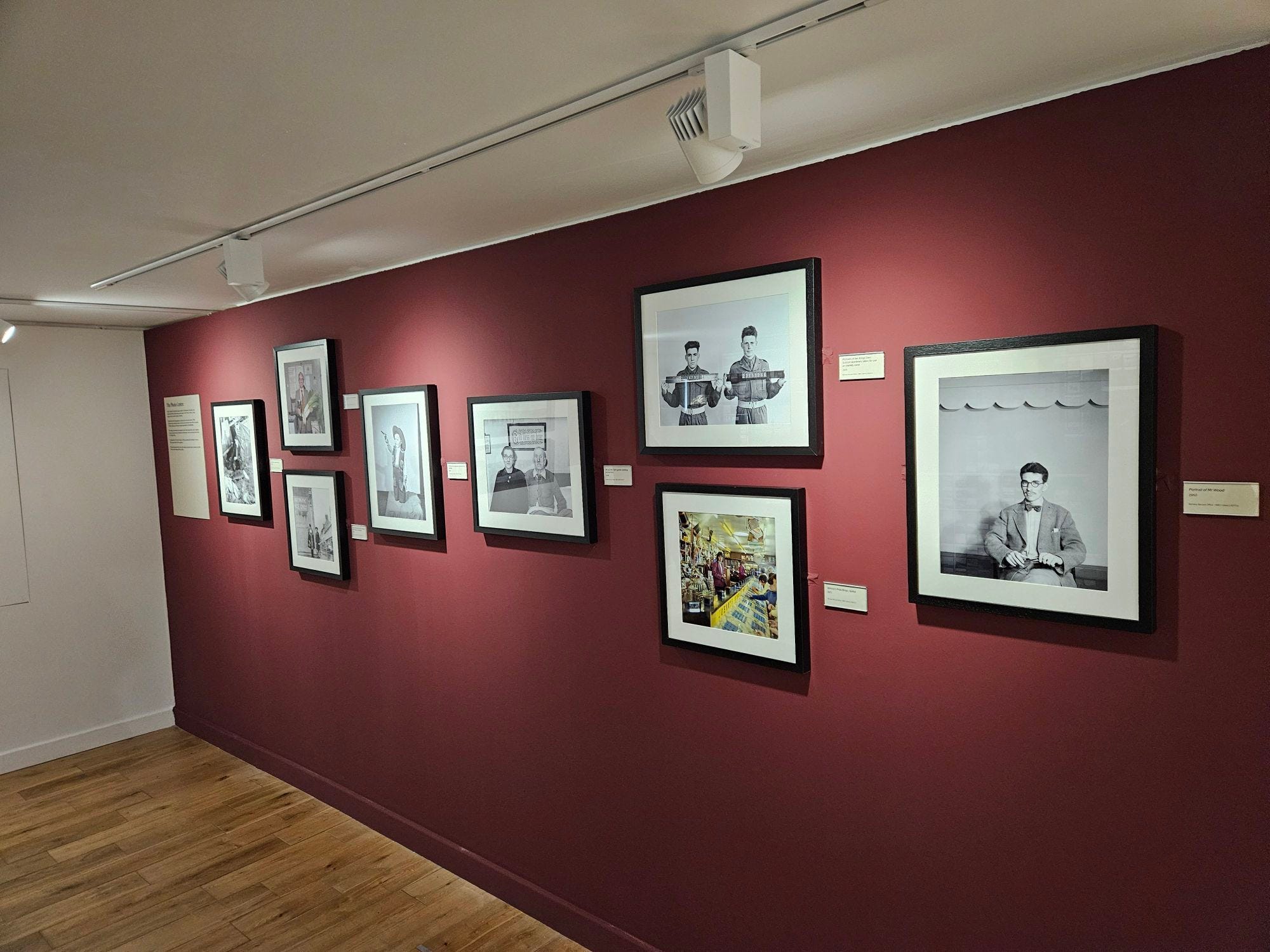
Like many towns across Britain, Berwick and its day-to-day life was later captured photographically by both press photographers and photo agencies.
A selection of these mid-20th century portraits transcend their origins and testify to the skill and artistry of the photographers involved.
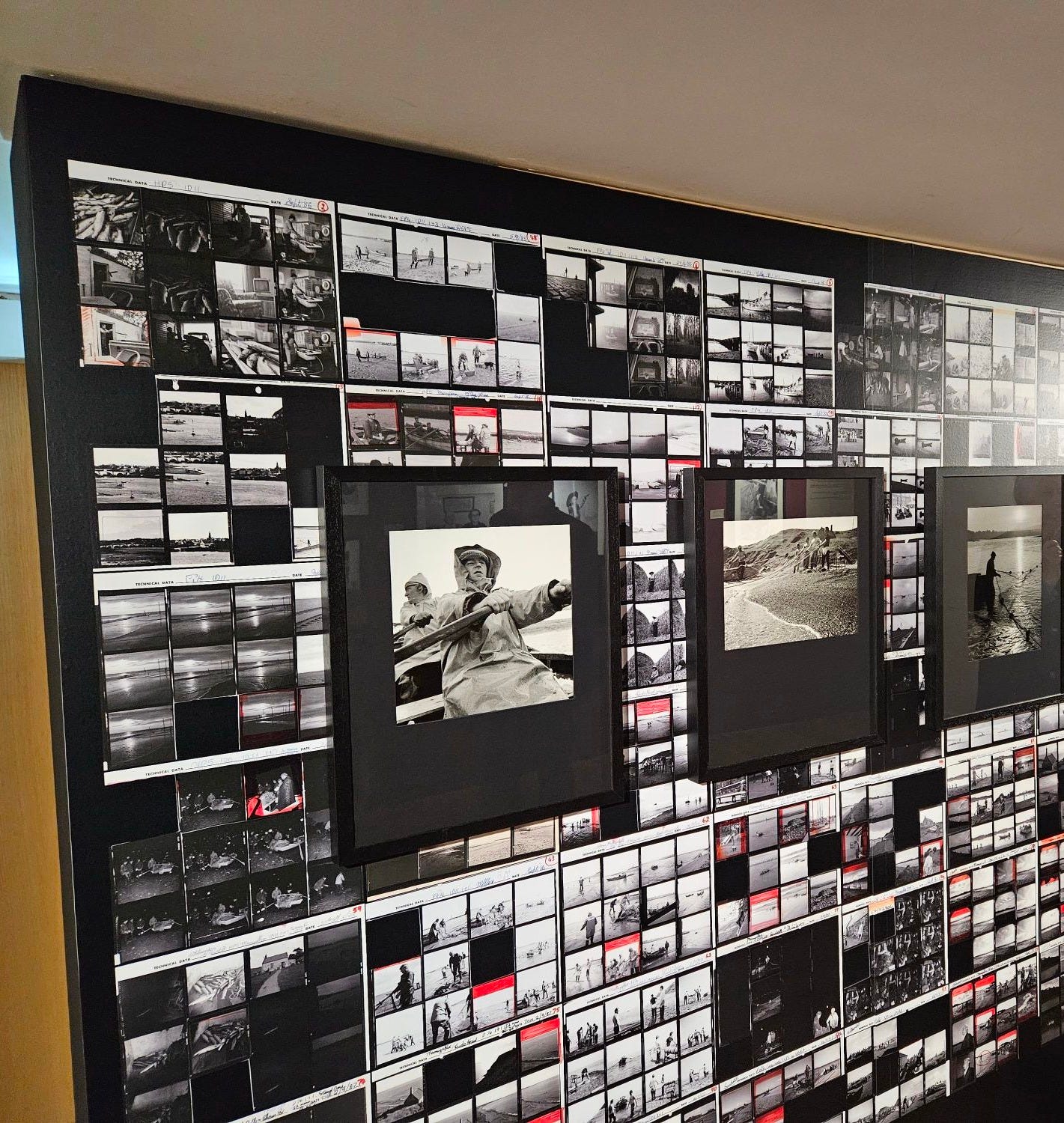
It was also a treat to see a display of photographs and contact sheets by the late Jim Walker FRPS, who portrayed the salmon fishing industry on the Tweed.
If you’re in the vicinity, a visit to The Light of Days Past comes highly recommended (Wednesday – Sunday, 11am – 4pm until 22nd February 2026). Admission is free though donations are welcome.
 Pressphotoman
Leave a comment