
The Linked Ring Brotherhood of photographers that broke away from the Royal Photographic Society in 1892 featured some of the medium’s best-known practitioners.
Famous names such as P.H. Emerson, Frederick H. Evans, Frank Meadow Sutcliffe, James Craig Annan, Alvin Langdon Coburn and F.J. Mortimer were among those responsible for transforming photography into an art form before the movement’s demise in 1910.
Another active though less celebrated member of the invitation-only group was Frederick Colin Maitland, the 14th Earl of Lauderdale known as Viscount Maitland (1868-1931).
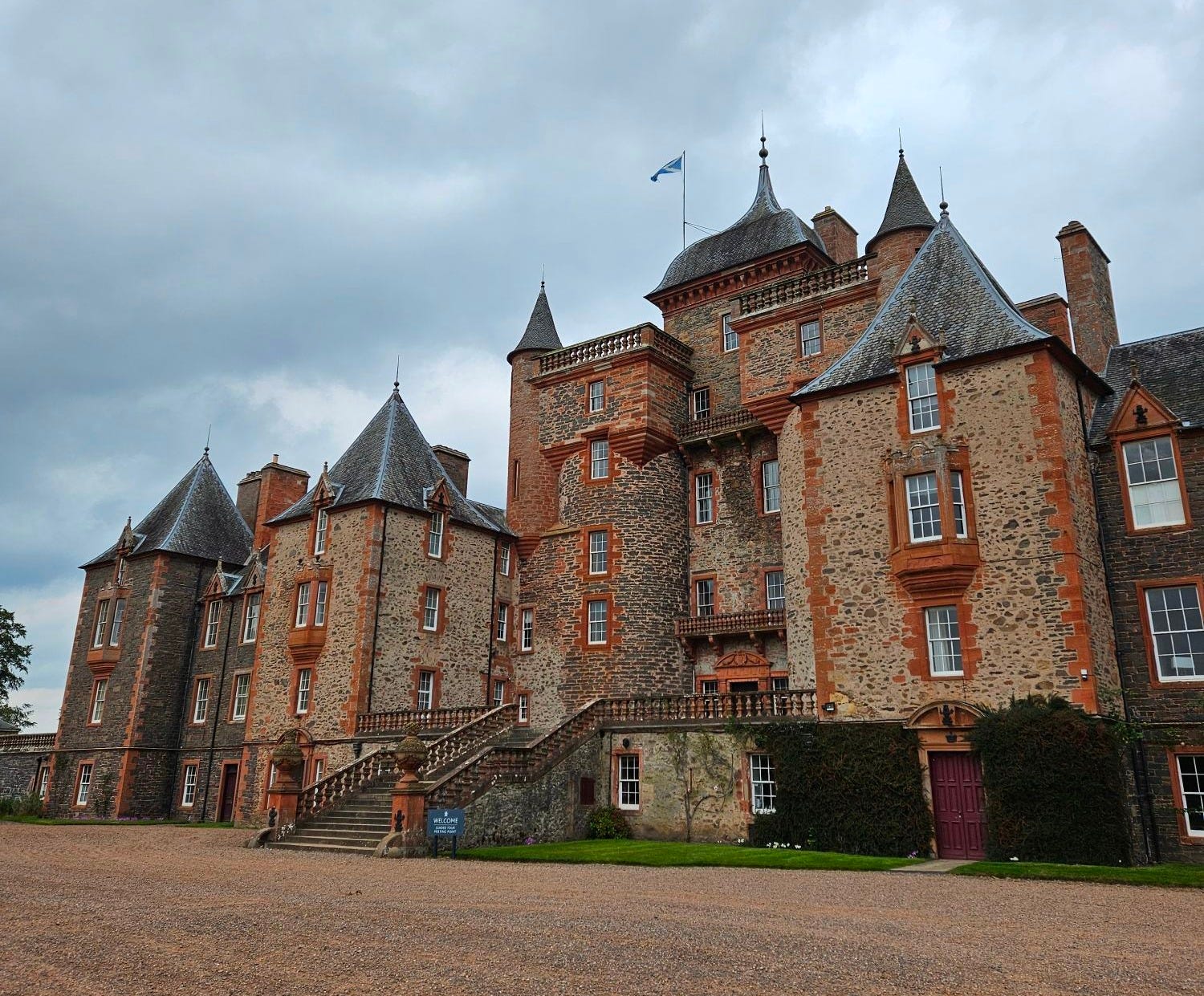
He practised photography from a studio and dark room in his ancestral home at Thirlestane Castle in the Scottish Borders.
During his decade-long contribution to the Linked Ring (1898-1909), Maitland exhibited regularly at its Photographic Salons where he used the pseudonym Guardsman.
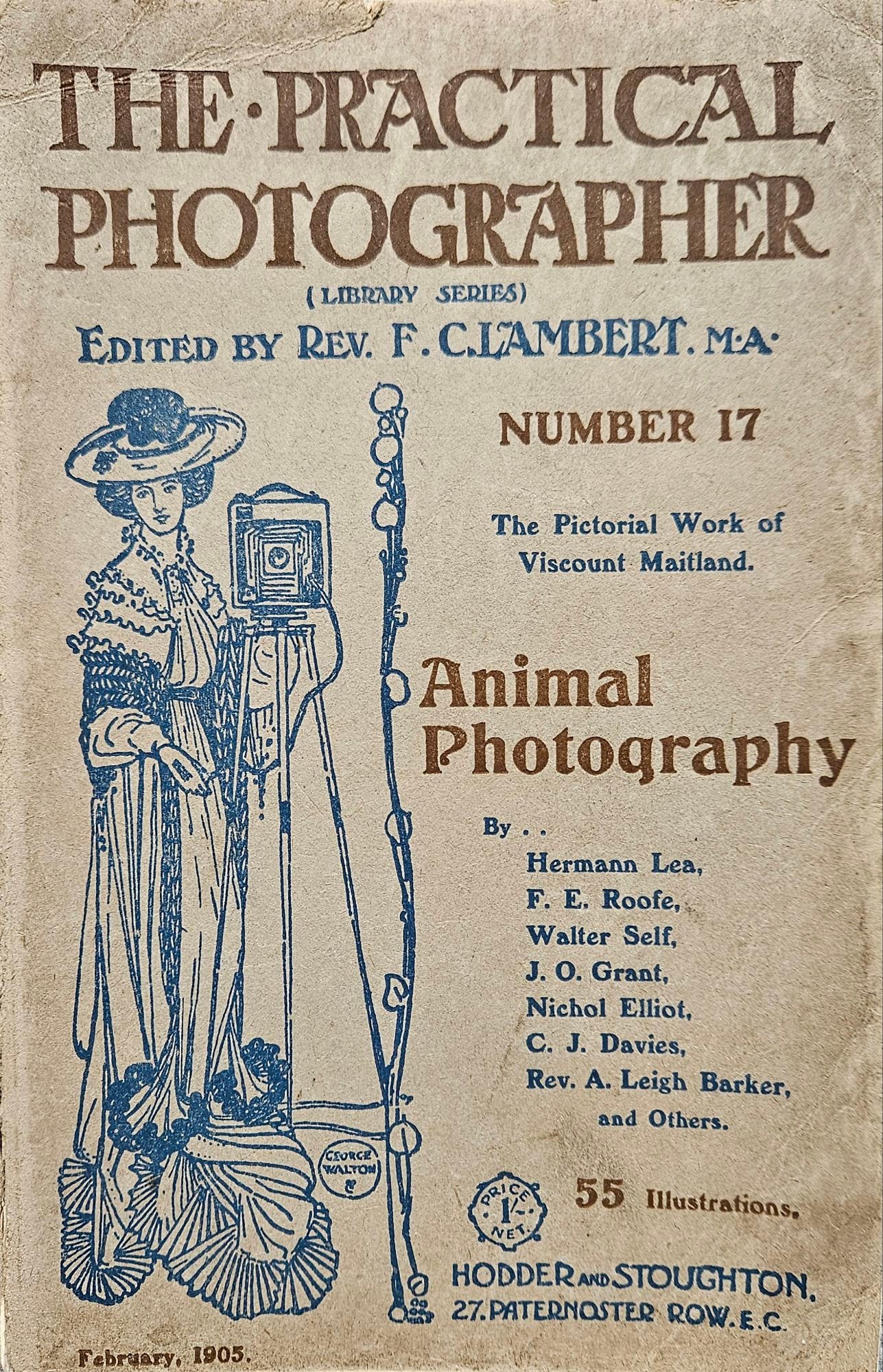
Typical examples of his pictorial work feature in a slightly-battered copy of The Practical Photographer dated February 1905 that I chanced upon in a second-hand bookshop on Tyneside.
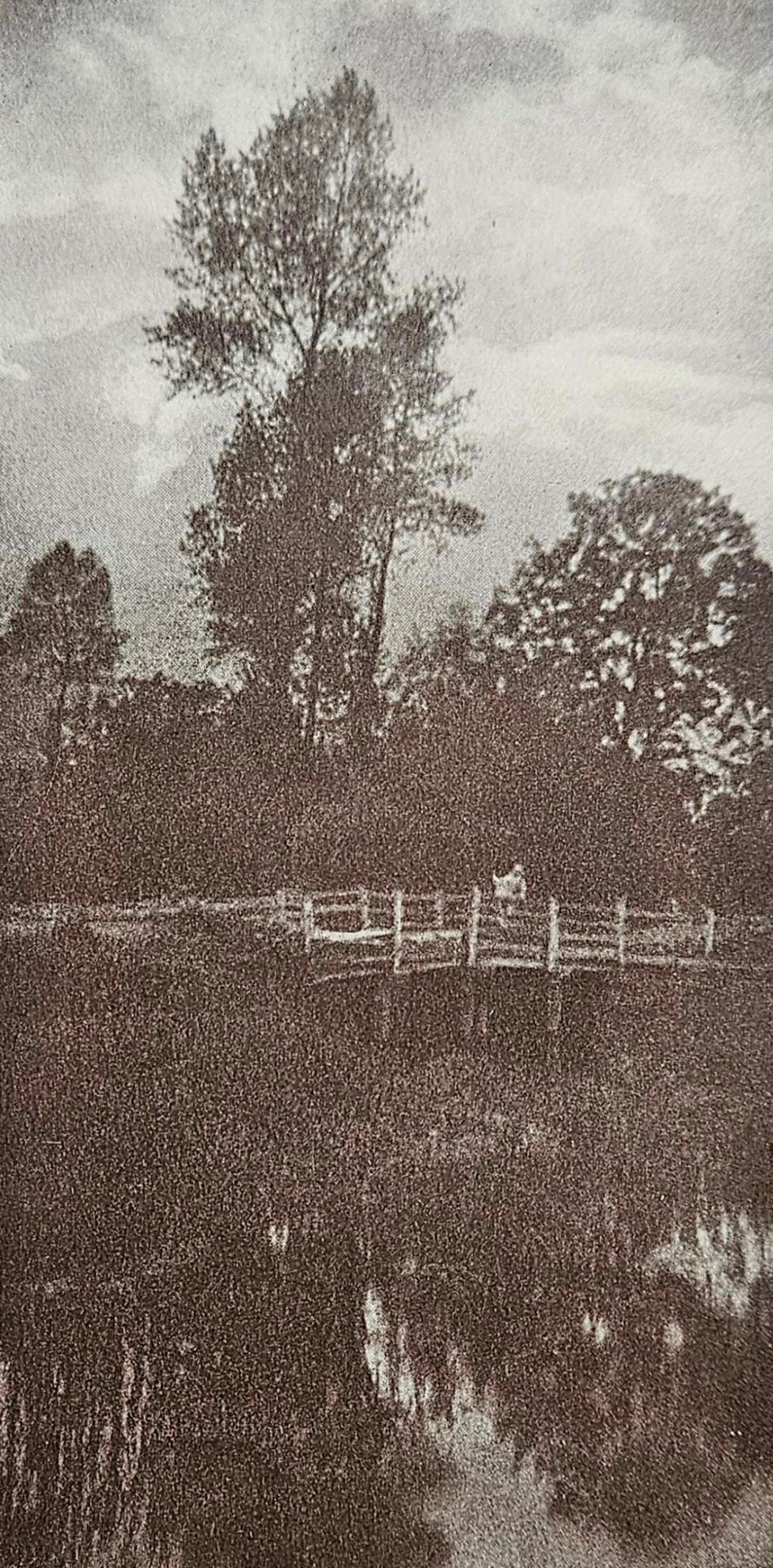
The sequence starts with ‘Afternoon’, a study of Dedham Bridge over the River Stour in Suffolk that was the subject of an earlier painting by John Constable (1776-1837).
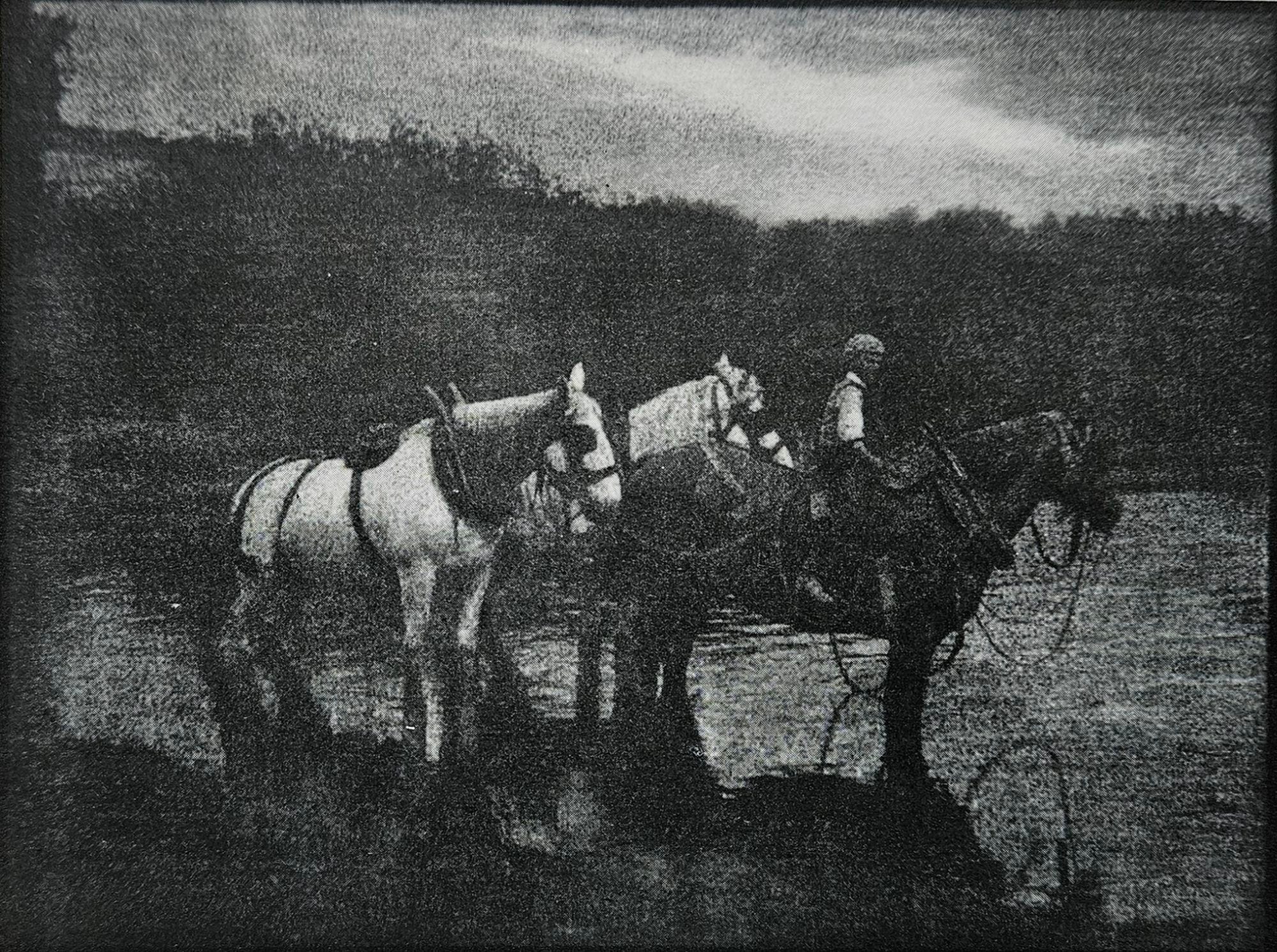
In an accompanying article, Rev. F. C. Lambert, editor of The Practical Photographer, cited ‘Sons of Temperance’ as “an example of breadth of chiaroscuro” highlighting Maitland’s use of contrasted light and shade.
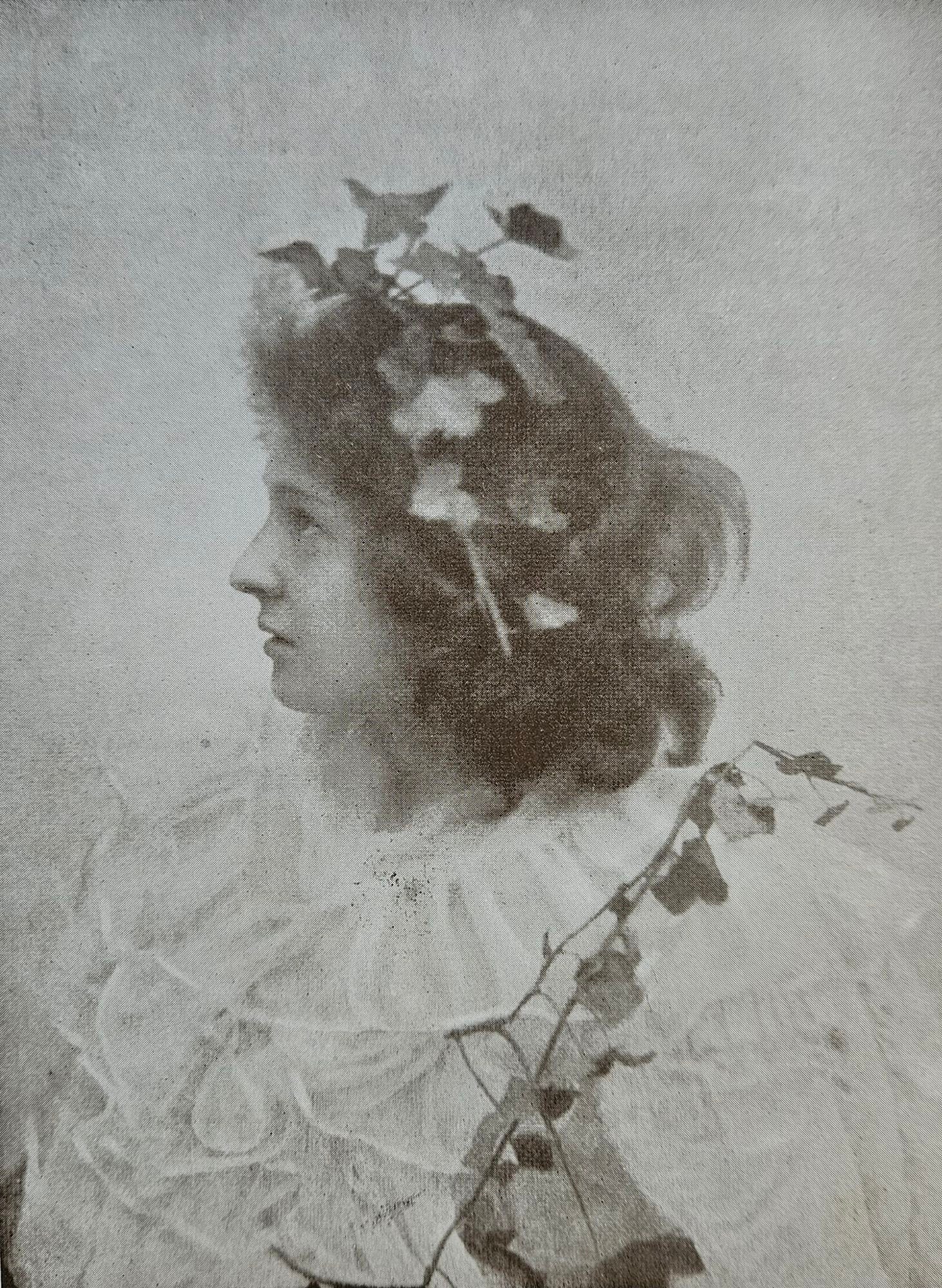
A contrast in terms of subject and treatment is offered by ‘Here are severed lips, Parted with sugar breath’ capturing a child’s face in profile using half shadow.
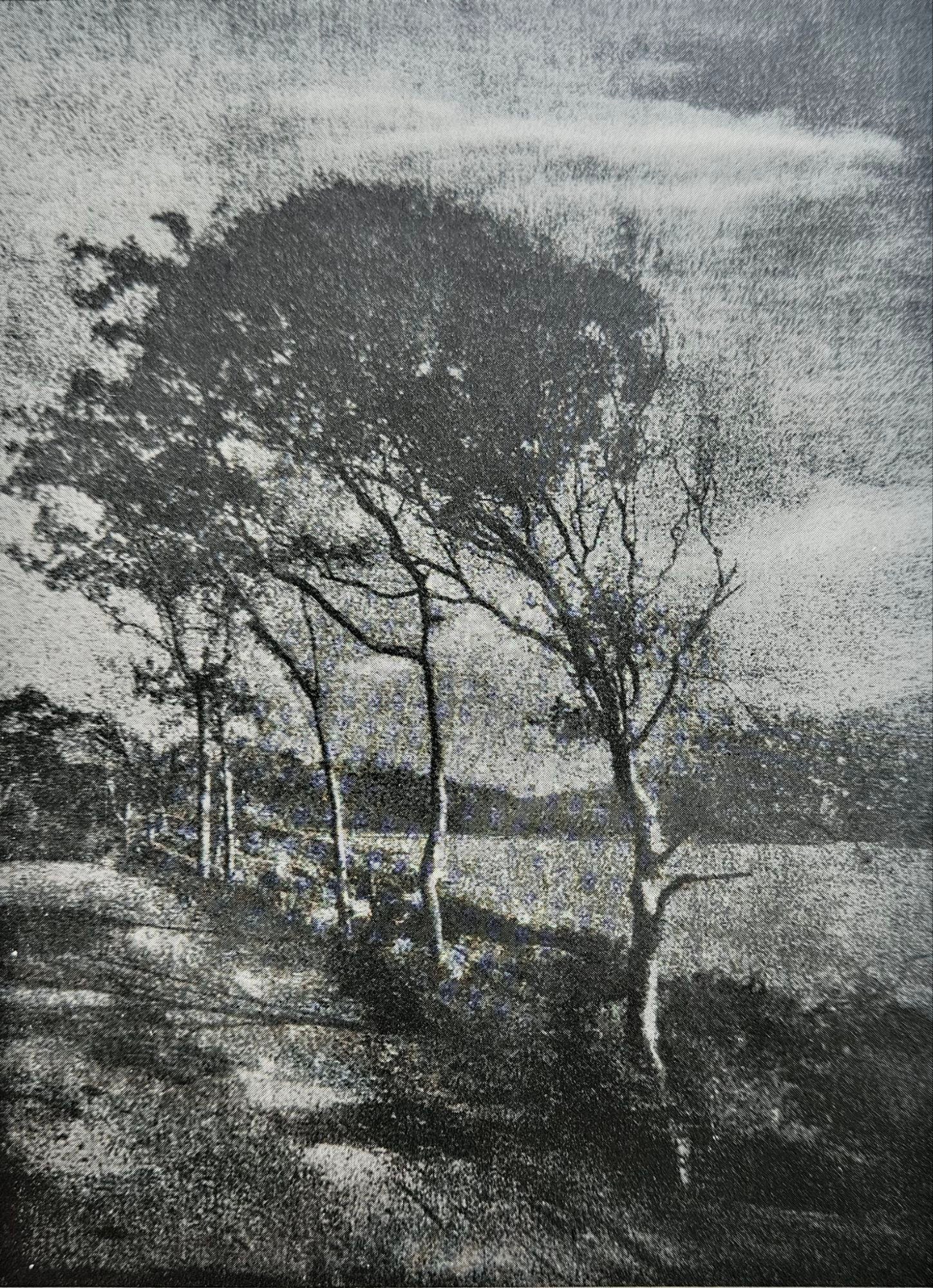
Returning to the landscape, ‘On the Mallaig Road’ is described as a ‘photographic sketch’ – “bold, free and suggestive.”
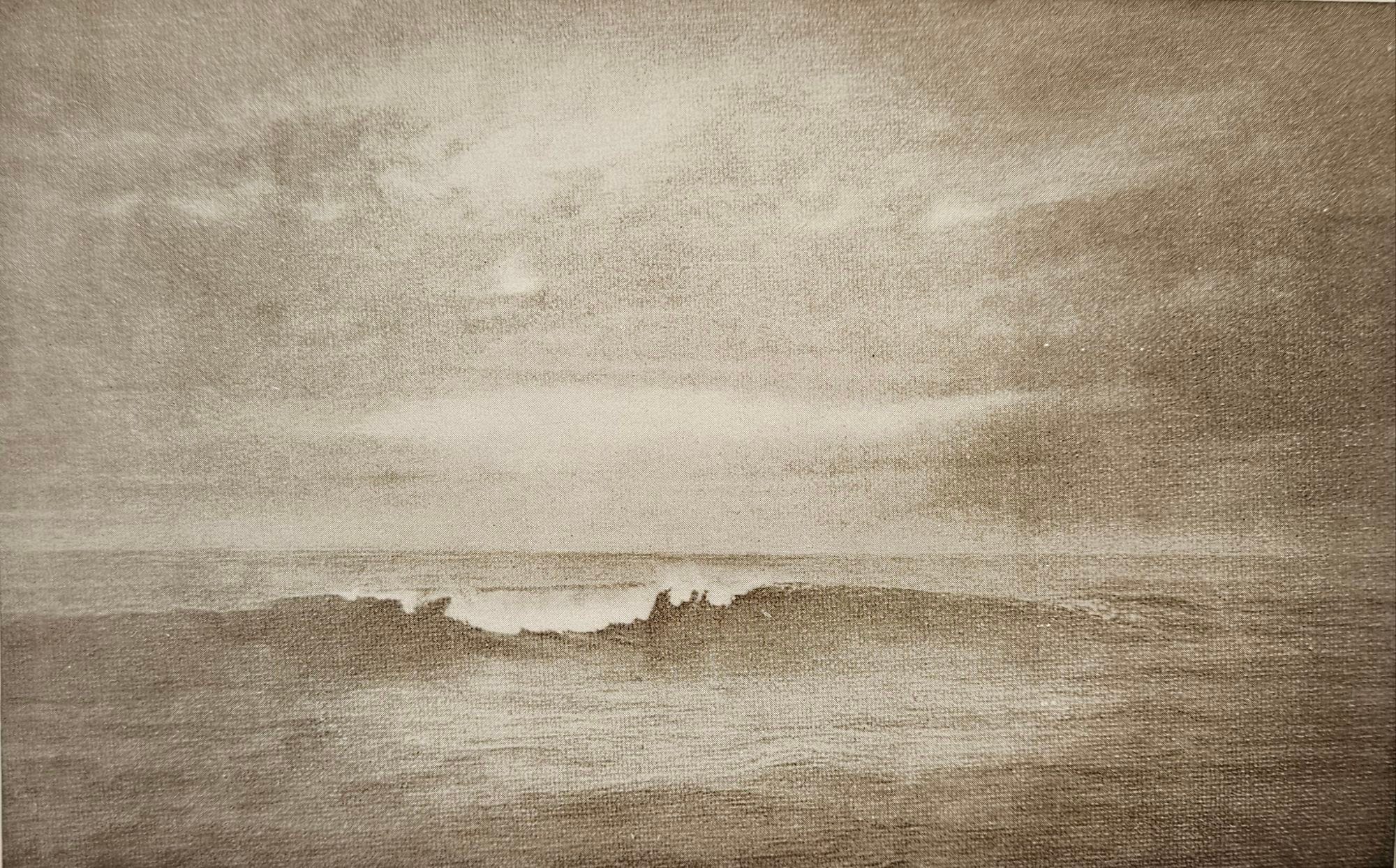
For ‘An Atlantic Roller’, the accompanying editorial states: “In this picture, we see that all parts belong to the whole and that what we have is complete in itself. We do not, for example, need any figures, or shipping, or rocks, or coast line.”
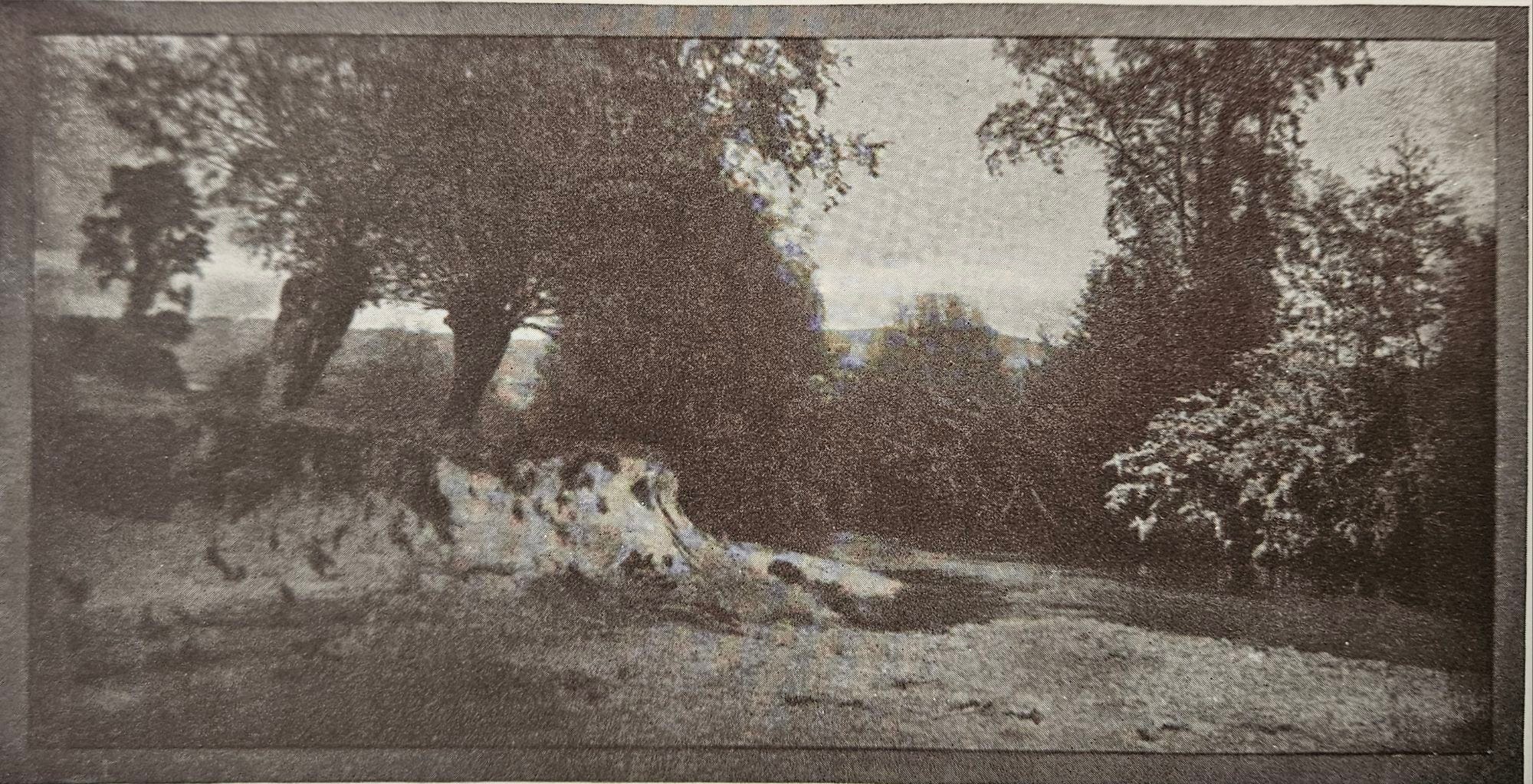
Finally, the series of images concludes with ‘May on the Teme’, a river that flows from mid-Wales into England.
The appeal of Viscount Maitland’s work as a photographic artist is perhaps best illustrated by the fact that a page containing two further images – ‘Give us the core, Bill’ and ‘A Hertfordshire Farm’ – had been carefully removed from my copy of The Practical Photographer earlier in its long life.
 Pressphotoman
Leave a comment