
Occasionally, a photographic portrait taken in the mid-19th century is so striking that it almost takes your breath away.
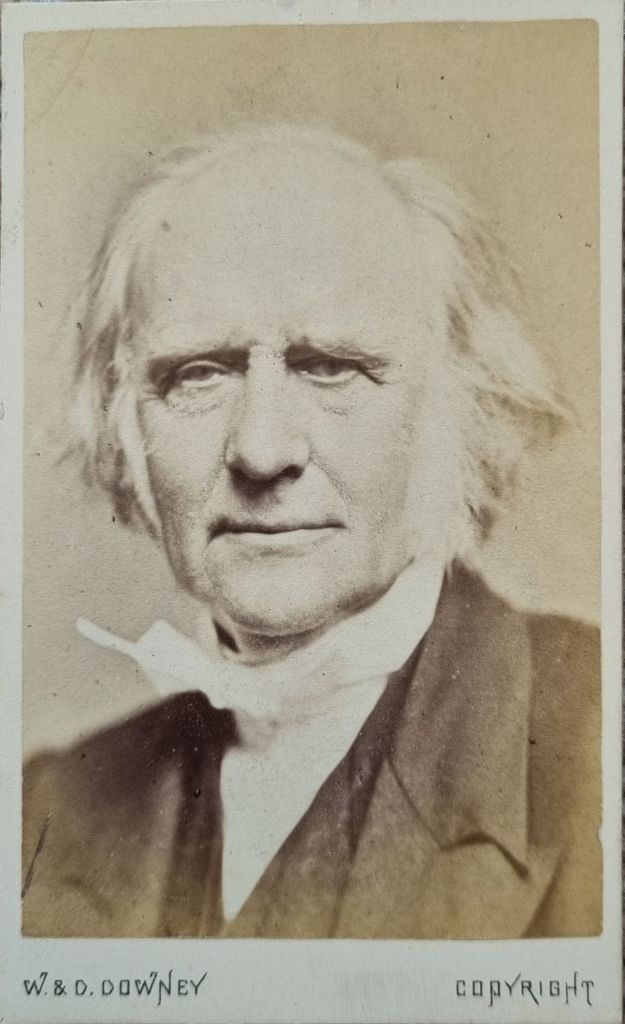
That was the case with this carte de visite, which joined the Pressphotoman collection a few months ago.
However, it’s taken until now to find the research time to identify the sitter and owner of that wonderful face.
A strong clue handwritten in pencil was provided on the card’s verso.
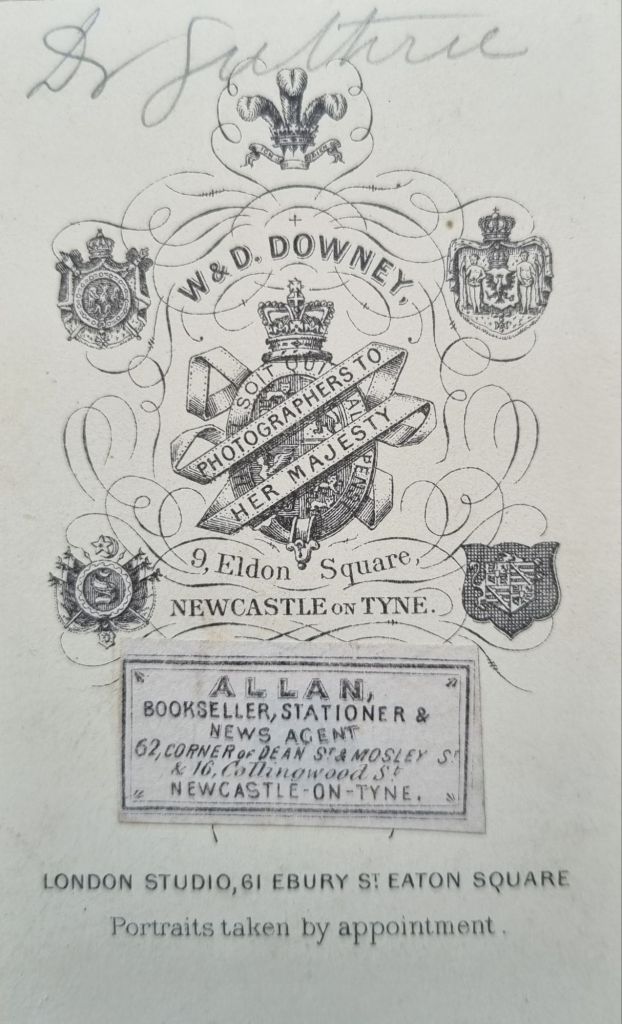
The ‘Dr. Guthrie’ in question was the Rev. Dr. Thomas Guthrie (1803-1873), celebrated Free Church of Scotland minister and philanthropist.
During his lifetime, he was well-known for his oratory, which he used to promote temperance and other social reforms such as compulsory education.
As a celebrated figure in Edinburgh and beyond, Thomas Guthrie features in some of the earliest surviving photographic portraits.
His striking features are evident in this 1843 calotype by photography pioneers David Octavius Hill and Robert Adamson.
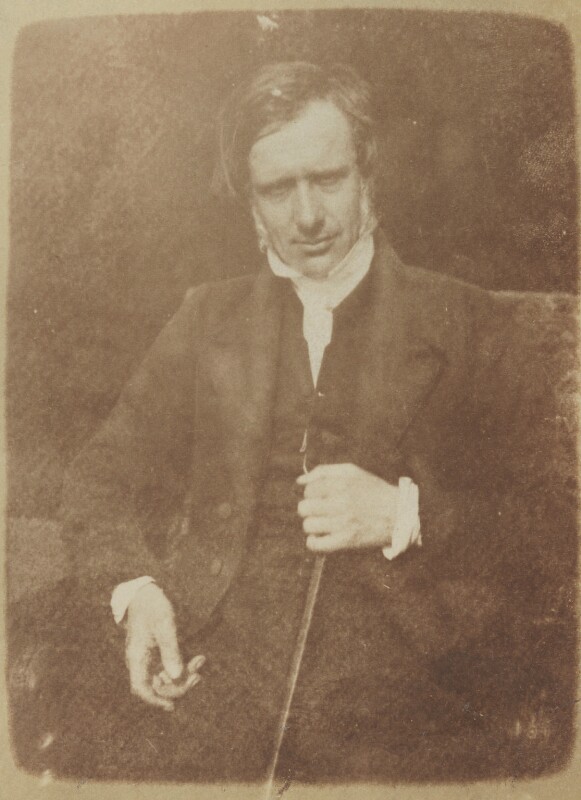
© National Portrait Gallery, London. NPG P6(29).
The arrival of the carte de visite format in the late 1850s was enthusiastically embraced by public figures such as Guthrie, who features in commercially available cards produced by several companies.
Downey’s version, which so impressed me, dates from the early 1870s towards the end of Guthrie’s life.
At that point, the company’s London studio at 61 Ebury Street off Eaton Square ‘opened occasionally,’ according to press adverts.
This ties in with the proviso stated on the verso that ‘portraits taken by appointment.’
As Downey’s business expanded from its Newcastle upon Tyne base to the capital, it encountered a number of accomplished competitors.
Founded in 1863, Elliott & Fry went on to establish itself as ‘one of the most important in the history of studio portraiture in London,’ according to the National Portrait Gallery, London website.
Its own carte de visite of Thomas Guthrie, also produced in the early 1870s, is in a similar style to Downey’s, perhaps suggesting that they kept an eye on each other’s products.
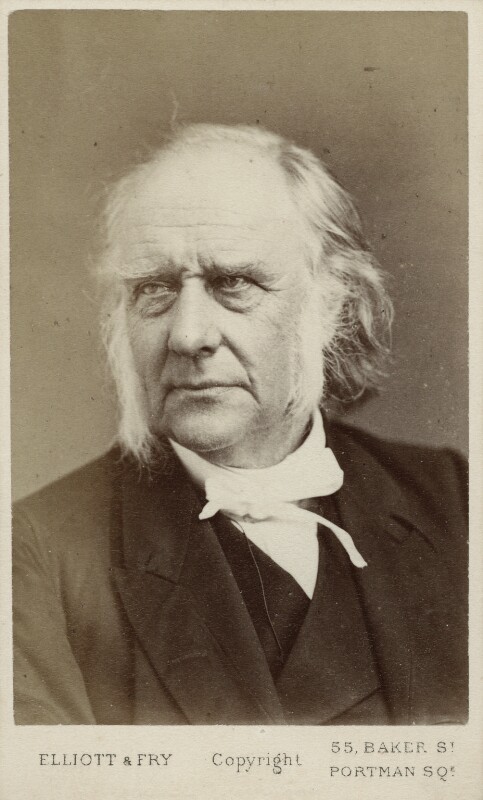
© National Portrait Gallery, London.
NPG Ax18283.
Here though, Guthrie’s eye-line is off to his right whereas in the Downey portrait, he looks the viewer straight between the eyes.
c. early 1870s.
© Author’s collection.
Guthrie’s death in February 1873 generated national newspaper headlines, and such carte de visites offered customers an affordable keepsake of a respected figure.
Given a choice, which of these Guthrie portraits would you have bought and why?
 Pressphotoman
Leave a comment